Tag Archive | jesus

Isaiah 53:4 Jesus did not literally BEAR our sins on himself and in his body

kors 7Jesus did not literally BEAR our sins on himself or in his body

Isaiah 53:Surely he hath borne our griefs, and carried our sorrows: yet WE did esteem him stricken, smitten of God, and afflicted.

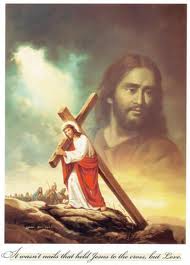
This is a prophesy about Jesus Christ, and it was made by the prophet Isaiah about 800 years before Jesus was even born. When you read this verse which event do you think it concerns and which prophesy in the New Testament do you believe has come true through this old prophesy? Do you believe it’s Jesus death on the cross – because that’s where he died for the sins of the world? This is only true in part. Jesus did literally bear the cross he was about to be nailed upon – a symbol for getting us cleansed and saved – but if we should go by the Bible text this is actually not what Matthew had in mind with the expression ”he hath borne our griefs, and carried our sorrows”. Believe it or not, but Matthew suggests that this particular prophesy was fulfilled even before the suffering on cross, specifically when Jesus was still living and walked around among people to cast out evil spirits and heal the sick!

Matt 8:16 When the even was come, they brought unto him many that were possessed with devils: and he cast out the spirits with his word, and healed all that were sick:17 THAT IT MIGHT BE FULFILLED WHICH WAS SPOKEN BY ESAIAS THE PROPHET, saying, Himself . Isa. 53:4

As you can see, it’s the concept of casting out evil spirits and healing the sick that is considered being the fulfillment by Isaiah 53:4. There is an interesting comparison between Jesus getting people free by casting out demons from them and healing them from illnesses, AND dying as a sin offering for the people of the world in order to make them free from their sins which they are chained by. When Jesus walked around among people and healed them from their illnesses, he did NOT take their sins in his body, and neither did he bear people’s sins  in him or on him in any way. He did not even briefly take their illnesses in his body prior to removing them completely, because he simply REMOVED the illnesses without having the sins making a detour in his body before he did so. The Bible is clear that Jesus died to REMOVE THE SINS OF THE WORLD – and naturally not without conditions, or else everyone would be saved.

So when we read in Isaiah 53:4 that Jesus BORE our illnesses, Matthew equals this information with that he REMOVED them and that is the way that Jesus handles our sins. He makes an arrangement to simply have them REMOVED under certain conditions. Jesus only bore our sins symbolically, in the same sense that the  the sacrificed animals in the old testament bore the sins of the people. The animals didn’t become sinful (as some of the proponents of the penal substitution believe) but they were simply offered as perfect sin offerings and died FOR the sins of the people. The animals were sweet-smelling, just like the offer of the son before his Father, and if something is labelled as sweet smelling you don’t turn away from it but you fully embrace it. The death of the son was planned long before it happened so it would have been rather cowardly for a Father to turn his back on his son when he needed him the most. Read more about this issue in this article.

John 1:29The next day John seeth Jesus coming unto him, and saith, Behold the Lamb of God, which taketh away the sin of the world.

Hebr. 9:26 For then must he often have suffered since the foundation of the world: but now once in the end of the world hath he appeared to put away sin by the sacrifice of himself.28 So Christ was once offered to bear the sins of many; and unto them that look for him shall he appear the second time without sin unto salvation.

Eph. 5:And walk in love, as Christ also hath loved us, and hath given himself for us an offering and a sacrifice to God for a sweetsmelling savour.

Here are some different translations of  Isaiah 53:5:

But he was wounded for our transgressions, he was bruised for our iniquities: the chastisement of our peace was upon him; and with his stripes we are healed. (KJV)

The chastisement FOR our peace was upon Him (NKJV)

Upon him was the chastisement that brought us peace (ESV)

Here are some different translations of Isaiah 53:6 (“to fall” comes closer to the Hebrew):

All we like sheep have gone astray; we have turned every one to his own way; and the Lord hath laid on him the iniquity of us all. (KJV)

—And Jehovah hath caused to meet on him, The punishment of us all (Young’s literal)

— But the Lord has caused the iniquity of us all To fall on Him. (NASB)

Also Peter uses Isaiah’s choice of words and it’s true that Jesus symbolically bore our sins in his body (as in “bearing” the burden/responsibility or similar) and died for us. Jesus body suffered for our sake, so we can say that he symbolically “bore” our sins in his aching body, or “on his shoulders”. He wouldn’t have to suffer had it not been for our sins. Peter doesn’t argue against the interpretation of Matthew:

1 Pet 2:24 Who his own self bare our sins in his own body on the tree, that we, being dead to sins, should live unto righteousness: by whose stripes ye were healed.25 For ye were as sheep going astray; but are now returned unto the Shepherd and Bishop of your souls.

In the same chapter we can read that Jesus “bore” the sins of many, and if this word means “remove” earlier in the chapter – as Matthew claims – then it should mean the same thing here. In Isaiah 53:11-12 the Hebrew words sabal and nasa are translated in the Septuagint with anaphero”Is. 53:11 He  shall bear (sabal/anaphero) their iniquities”. ”Anaphero” is translated ”remove” in other places, and it makes perfect sense that Jesus REMOVE sins.

Isaiah: 53:11 He shall see of the travail of his soul, and shall be satisfied: by his knowledge shall my righteous servant justify many; for he shall bear their iniquities.12 Therefore will I divide him a portion with the great, and he shall divide the spoil with the strong; because he hath poured out his soul unto death: and he was numbered with the transgressors; and he bare the sin of many, and made intercession for the transgressors.

God the Father never punished Jesus, and Jesus didn’t take our punishment instead of us or God’s wrath instead of us!straffa

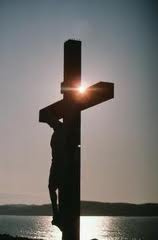
Notice that it says in Is. 53:4 that WE did esteem him stricken, smitten of God, and afflicted”. So in OUR view (not necessarily in God’s view) that is what it appeared to us, and it’s not hard to get this exact picture if we look up to Jesus on the cross to see him hanging there in distress, with much blood, bruises, sweat and with facial expressions revealing excruciating pain for our sake. The soldiers under the cross might even have suggested that God had punished Jesus for making himself equal with Him. God the Father of course has no reason to PUNISH Jesus for doing his exact will by dying for mankind, which was the plan all along! Nevertheless, Jesus suffered greatly on the cross but not because his Father sadistically wanted to harm him but because wicked hands caused the pain. God allowed it to happen because of the aim to have his son offering up his life for us, and this is tied to a high price which includes much suffering, stress and agony. Only in that sense can we say that “it pleased God to bruise him”, even if the Father was not a cause of it. Nowhere in the Bible can we read that Jesus was PUNISHED for our sins, even if it is an oft-mentioned claim.

Jesus did not die “instead of us” because if that were true then WE wouldn’t have to die, which we know is not true. Jesus died for ALL but he clearly didn’t die instead of ALL because then ALL would be free from the risk of ever having to die. But we are all going to die physically, and some of those people who Jesus died for will also die spiritually. (The KJV Bible offers a good translation when it comes to the Greek word ”huper”, because it’s translated with “for” when it comes to the atonement on the cross and not “instead of”.)  Neither did Jesus die “in our place”. Was our place ever supposed to be on the cross? Of course not. And if  Jesus death on the cross means that he took the punishment “instead of us”, then those people who Jesus died for (every single one) would be forever free from any punishment no matter how they lived their lives. We would all be born saved and our sins would be forgiven before they were even committed because Jesus has already paid for them and he has taken the punishment for those sins on himself and “instead of us”. Clearly that will turn into an unbiblical theology. If anyone does something “instead of” someone else, then it doesn’t make sense that BOTH  still end up doing the task in question. If a prisoner at war is told that he must be executed, and someone else steps forward and makes an offer to take this punishment in the other person’s stead (instead of him) and the offer is accepted, then it doesn’t make sense if BOTH will be executed!

Right terminology please!

Maybe you feel that it’s splitting hairs to even discuss if it’s better to say “instead of” or “for“, but it’s helpful to sort this out to get a better understanding of these things in order to not risk ending up with false doctrines. It’s not a salvation matter BUT false terms can be the reason why much heresy is creeping into our churches, and one false doctrine can easily lead to another false doctrine. That’s also exact what has happened in many of our churches today, and we have various degrees of gnosticism among us without even being aware of it.

Let’s say that you’ve been guilty of speeding way too fast in your car, and a police man stops you and writes you a ticket. Your kind FRIEND then offers to pay for it and he does so right away!  Wouldn’t you be quite surprised if you still received a reminder in your mailbox, to pay for this exact ticket that is supposed to have been PAID IN FULL! Was the ticket paid in full or not? Did Jesus pay for our sins or not? PAID IS PAID! IF Jesus paid for our sins (which the Bible doesn’t say), then you should be completely off the hook, and no one has any right to demand anything else from you since Jesus paid for your sins – which means that your sins should have been paid for and forgiven before you even committed them. We know that this is not the case though, and that’s why it’s better to phrase ourselves in a more Biblical way. IF you insist on using the word “pay” (I wouldn’t advise it, and it’s better to say “Jesus died FOR our sins“, then it’s better to say:

Jesus paid a big price for us, since he gave his own life

instead of:

Jesus paid for our sins

The punishment that we deserve is an eternity in Hell, is it not? Did Jesus take that punishment upon himself and instead of us? Of course not. Neither does God the Father have a need to pour out wrath on someone for no reason, and naturally he wouldn’t even think about pouring out wrath on his son who was obedient unto death. If Jesus “satisfied God’s wrath” or “took God’s wrath on himself and instead of us“, then none of us would have to risk being affected by God’s wrath even if we sinned all day long. If Jesus took this wrath on himself, then we shouldn’t have to do this as well, but the Biblical truth is that God will show wrath on those who refuse to believe and/or those who do evil and that includes also christians. This means Jesus didn’t satisfy God’s wrath. 

John 3:36 He that believeth on the Son hath everlasting life: and he that believeth not the Son shall not see life; but the wrath of God abideth on him.

Romans 1:18 For the wrath of God is revealed from heaven against all ungodliness and unrighteousness of men, who hold the truth in unrighteousness;

Romans 2:5 But after thy hardness and impenitent heart treasurest up unto thyself wrath against the day of wrath and revelation of the righteous judgment of God

Romans 13:4 For he is the minister of God to thee for good. But if thou do that which is evil, be afraid; for he beareth not the sword in vain: for he is the minister of God, a revenger to execute wrath upon him that doeth evil.

Ephesians 5:6 Let no man deceive you with vain words: for because of these things cometh the wrath ofGod upon the children of disobedience.

It’s a huge difference between these two claims (the first being the best):

“Jesus died as a sin offering for all mankind (a high price), and by doing so enabled whosoever to be saved on the condition that they believe and repent”

“Jesus paid for our SINS on the cross and died instead of us and in our place. He also took our punishment instead of us and satisfied God’s wrath”

As we can see below, our sins are not actually removed until we REPENT. It’s also interesting to see that also Luke (or rather Peter who Luke is talking about) connects the power to heal the sick with the majestic power which derives from Jesus sin offering on the cross and faith in him.

Acts 3:11 And as the lame man which was healed held Peter and John, all the people ran together unto them in the porch that is called Solomon’s, greatly wondering.12 And when Peter saw it, he answered unto the people, Ye men of Israel, why marvel ye at this? or why look ye so earnestly on us, as though by our own power or holiness we had made this man to walk?13 The God of Abraham, and of Isaac, and of Jacob, the God of our fathers, hath glorified his Son Jesus; whom ye delivered up, and denied him in the presence of Pilate, when he was determined to let him go.14 But ye denied the Holy One and the Just, and desired a murderer to be granted unto you;15 And killed the Prince of life, whom God hath raised from the dead; whereof we are witnesses.16 And his name through faith in his name HATH MADE THIS MAN STRONG, whom ye see and know: yea, the faith which is by him hath given him this PERFECT SOUNDNESS in the presence of you all.17 And now, brethren, I wot that through ignorance ye did it, as did also your rulers.18 But those things, which God before had shewed BY THE MOUTH OF ALL HIS PROPHETS, that Christ should suffer, he hath so fulfilled.19 REPENT ye therefore, and be converted, THAT YOUR SINS MAY BE BLOTTED OUT, when the times of refreshing shall come from the presence of the Lord.

1 John 1:If we confess our sins, he is faithful and just to forgive us our sins, and to cleanse us from all unrighteousness.

If we would evangelize to others by saying:sök

”Good news! Jesus took your place on the cross, he took your punishment instead of you , he took the wrath of God instead of you, your sins are fully PAID and forgiven, it’s finished and there is nothing you can do, etc”

then the people who are listening (believers or non-believers) might think:

”Well, that’s good. Then I was born saved and I won’t risk losing my salvation no matter how I choose to live my life because all my sins were paid for and forgiven even before I commit them. No one can require to get paid for an invoice or a debt twice. Paid is paid! And Jesus took my punishment instead of me on the cross, and that means that I don’t have to fear for any future punishments because JESUS took those punishments on himself. Jesus did it all and I can relax and I can afford to do nothing!.”

Jesus is said to be the ”propitiation” for our sins and this English word is originally from latin and means “favorable, gracious, kind” or “render favorable.” This latin word is used to translate the Greek word hilasterion which is used 22 times in the Septuagint. Hilasterion is used in the Septuagint to translate the Hebrew term for ”covering” or ”mercy-seat“, which is the cover of the Ark where the blood from offerings was placed to give ”atonement” for the sins of the people.

2 Cor. 5:21 For he hath made him [to be] sin for us, who knew no sin

The above can also be translated as “to be a SIN OFFERING for us”, just like the below verse indicates.

Hebrews 10:8 — saying above, Sacrifices and offerings and whole burnt offerings and [sacrifices] for sin thou wouldst not, neither hadst pleasure therein.

It is not uncommon to translate the original word for ”sin” as ”sin offering” and the same is true in Hebrews 10:6-8 which is a quotation from Psalm 40:6. In this Psalm the Septuagint (a Greek translation of the Hebrew text) also does not have the word ”sacrifice” in the text.

Read more in this blog article
Martin Luther hade en del om bakfoten

FearTorbjörn Edebol skrev i tidningen Dagen en artikel om en förhoppning att låta det kommande 500-årsmminnet av reformationen bli en bibelrenässans i Luthers efterföljd, men jag delar inte  hans uppfattning om Martin Luther även om Luther skrivit en del upplyftande saker. Det är inte bara Luthers förskräckliga och hårrresande generaliseringar om judarna som jag tänker på – och som tyvärr utnyttjades av andra för att motivera rättigheten att konfiskera judarnas ägodelar och förfölja dem – utan jag tänker på framför allt tre obibliska läror som influerat Norden och stora delar av världen.

1) Den gnostiska idén att människan ärvt Adams synd

Utan något känt undantag så lärde ingen av de gamla kyrkofäderna ut något sådant de första 300-400 åren e Kr, och det var inte förrän Augustinus (en före detta gnostiker) trädde fram på scenen som denna idé infördes till kyrkan. John Kalvin (1509-1564) och Martin Luther (1483–1546) anammade Augustinus (354–430) nya läror och spred dem sedan vidare, och idag är det de som motsätter sig arvsynden som anses vara villolärare trots att det var precis tvärt om de första 300+ åren. Men även om vi ska försöka intala oss själva att samtliga kyrkofäder hade fel så är förstås det viktiga vad BIBELN säger, och den säger ingenstans att vi är födda i synd. Inte ens i Romarbrevet 5 där det tydligt står att DÖDEN (inte synden) kommit över alla människor av anledningen att vi syndat. Inte för att vi ärvt Adams synd. Vi dör däremot fysiskt pga Adam eftersom vi inte kan nå livets träd pga honom. Den makabra läran att vi alla är födda i synd har resulterat i barndopstraditionen (för att hindra bebisar att gå själsligt förlorade om de skulle råka dö innan dopet) men sanningen är att bebisar inte ens har kapacitet att synda och de är totalt oskyldiga. Synda är någonting man gör och ingenting man kan ärva.

2) Det saliga bytet

Det verkar som denna obibliska idé och begreppet i sig självt faktiskt härrör sig till Martin Luther, även om sådana tankegångar fanns innan hos Anselm av Canterbury (som introducerade försoningsläran) och Augustinus. Bibeln lär att när vi omvänder oss från våra synder så TAS DE BORT. De raderas helt enkelt, och de överförs inte först på Jesus. Bildligt talat kan man säga att Jesus “tagit våra synder på sig” på korset, men på så sätt att han bildligt talat tar dem “på sina axlar”. Ingenstans i Bibeln står det att JESUS rättfärdighet är insprutad/överförd till oss. Jesus är vår rättfärdighet på det sättet att han levt ett syndfritt liv för vår skull och för att han möjliggjort rening i hans blod på villkor att vi omvänder oss. Sedan är det tänkt att VI (inte Jesus) ska leva rättfärdigt, och om vi syndar igen är vi smutsiga igen och INTE rättfärdiga. Tro det eller ej, men Bibeln lär att den som GÖR rätt är rättfärdig. Inte den som fått en injektion av Jesus rättfärdighet.

3) Läran att vi är frälsta av tro allena när Bibeln tydligt säger att vi INTE är frälsta av tro allena (Jak. 2:24)

Luther var osäker på om Jakobsbrevet verkligen var kanoniskt och uttryckte t o m att den borde raderas ur Bibeln (Luther’s Works, 54, 424-425). Han tyckte inte alls om Jakobs påstående att vi INTE är frälsta av tro allena. Men Jakob var tydlig med att tro utan gärningar är död och Paulus argumenterade inte emot honom. Paulus försökte däremot få judarna att förstå att de inte är frälsta för att de omskär sig eller lyder andra ceremoniella lagar. Efter Jesu död är det inte tänkt att vi ska lyda de 613 lagarna från Moses, men däremot ska vi lyda Anden som leder oss bort från synd. Synd är att bryta kärleksbudet vilket summerar tio Guds bud. Vidare riskerar vi att huggas av vinträdet pga brist på frukt (Joh. 15).

Ovan läror har tyvärr nästlat sig in i våra kyrkor och fått oss att tro att vi faktiskt inte kan sluta synda och det finns t o m människor som tror att vi syndar ständigt i tanke, ord och gärningar. Vad är det för vits med att omvända sig om det inte kan gå ens en dag utan att vi syndar igen? Om tanken är att vi är frälsta trots att vi syndar, bara vi tror på Gud (tro allena) så är väl detta att hålla med det Satan lärde ut i Eden när han hävdade att synd INTE leder till döden?

1 Mosebok 3:4 Då sade ormen till kvinnan: “NI SKALL VISST INTE DÖ!

En sådan enkel lögn som det borde vara lätt att avslöja och slå hål på, men ändå smyger vi in sådana tankegångar i kyrkan utan att vi kanske ens är medvetna om det: Vi lär ju varandra att vi är födda med en syndfull natur som tvingar oss att synda vare sig vi vill eller ej, vilket innebär att vi faktiskt har bra ursäkter för vår synd och vilket vidare riskerar att locka till mer synd. För vad kan hända? Jesus har ju dessutom tagit våra synder på sig och vi har fått HANS rättfärdighet, och då kan inte ens Gud se våra synder pga Jesu blod som är som ett filter framför hans ögon. Vi har alltså ha råd med att leva orättfärdigt eftersom vi är rättfärdiga i position även om vi inte är det i handling. Vidare är vi ju frälsta av tro ALLENA, så det här med synd och frukt inverkar inte på våra själar. Bara vi tror på Gud…

Läs gärna mer detaljer om dessa ämnen på min blogg, och läs gärna detta blogginlägg om Martin Luther.

The only true God in John 17:3 does not exclude Jesus

kors 7And this is life eternal, that they might know thee the only true God, and Jesus Christ, whom thou hast sent (John 17:3)

If Jesus must be excluded if God is “the only true…God”, then why is not Jesus excluded elsewhere where God is said to be “the only” something? And why is GOD not excluded when JESUS is said to be “the only....” something? If you check the verses below you will see examples of where either God or Jesus is called “the only”, and yet most antitrinitarians have no problem including the other one. It’s only when it comes to John 17:3 where they for some reason do NOT want to include Jesus, and we already know the reason. If they did, they have to let go of a beloved verse which they have always viewed as proof for that Jesus isn’t God, and now they are left with nothing.

God…

  • Is the only one who is God – John 17:3, Is. 43:10, Is. 45:18, Ps. 86:10 (yet JESUS is too 1 Hebr. 1:8, 1 John 5:20, John 20:28)
  • Is the only one who is Lord (despotes, Strong’s 1203) – Jude 4 (yet JESUS is too 2 Pet. 2:1)
  • Is the only one who is King of Kings – 1 Tim. 6.15 (yet JESUS is too Rev. 17:14, Rev. 19.16)
  • Is the only one who is  Lord of Lords – 1 Tim. 6.15 (yet JESUS is too Rev. 17:14, Rev. 19.16)
  • Is the only one to be exalted on that day – Is. 2:11, 17 compare also with Ps. 118:16 (yet JESUS is too  Acts. 2:33, Acts 5:31, Phil 2:9)
  • Is the only one who is immortal – 1 Tim. 6.16 (yet JESUS is too Hebr. 1:8-12)
  • Is the only one who is Savior – Is. 43:11, Is. 45:21-22 (yet JESUS is too Titus 2:13, 2 Pet. 1:1, Acts. 13:23, Acts. 4:12, 1 Tim. 1:15)
  • Is the only one who make wonders/miracles – Ps. 72:18, Ps. 136:4 (yet JESUS too Matt. 4:23, 8:27, Acts. 4:10)
  • Is the only Creator and NO ONE was with him – Is. 25:24, Neh. 9:6 (yet JESUS is too Hebr. 1:10, Col 1:16-17)
  • Is the only one who we should worship – Rev. 14:7, Matt. 4:10, Neh. 9:6 (yet JESUS too Matt. 28:9, 28:17)
  • Is the only one who has Glory and who doesn’t share his glory with anyone – Is. 42:8, Is. 48:11 (yet JESUS too Phil. 2:9-13)

Jesus…

  • Is the only one who is Lord – 1 Cor. 8:6 (yet GOD too Deut. 10:17, Is. 42:8)
  • Is the only one who is Holy – Rev. 15:3-4 (yet GOD too Ex. 5:11, Is. 57:15)

The fear of accepting that Jesus is GOD in flesh

Antitrinitarians often cite John. 17:3 as an attempt to deny the deity of Jesus, by suggesting that Jesus would never call his Father “the only true God” had he been God himself because there is only ONE God. It’s absolutely true that God is ONE, but why not ONE Godhead? Why cannot three persons be in the same trinity? Can God not be in any way he wants? Can God not be in a burning bush at the same time as he is in heaven, and at the same time as he oversees every single step that all people on earth make during the same second? Can he not be on every continent at the same time? Jesus can be on the right side of God, just like he is in the midst of a group who gathers together in his name.

Matthew 18:19 Again I say unto you, That if two of you shall agree on earth as touching any thing that they shall ask, it shall be done for them of my Father which is in heaven.20 For where two or three are gathered together in my name, there am I in the midst of them.

I’d like to believe that Jesus is present in our midst (albeit not in flesh) when two or more are gathered together in his name. Does this mean that he is unable to also be in the midst of other groups of people who gather together in his name somewhere else on earth – if they happen to gather together at the same time? Must we sit there with the hope that he is not already fully booked and unable to attend our meetings because his schedule is full and he is busy elsewhere? I’d like to believe that none of the persons in the Godhead have any problems at all to be in several places at the same time, and consequently Jesus doesn’t have any problems with sitting at the right hand side of God (the Father) despite being God himself. One pile of sand can be divided into three piles of sand, and our Lord can likewise be split apart should he want to. The persons in the Godhead are not divided in essence but they can split apart and act independently, but in unity, within the trinity.

Gal. 4:But when the fulness of the time was come, God sent forth his Son, made of a woman, made under the law,To redeem them that were under the law, that we might receive the adoption of sons.

What would be a better way for Jesus to phrase himself? Should he have said:  “…that they might know thee the only true God, and myself Jesus Christ – the second only true God”? That would make it sound there were several true Gods, and there would be a risk that the people around him would misunderstand him, be confused and even enraged – way too soon in history because it wasn’t time for his death just yet. Jesus only wanted to show them that there is indeed ONE true God, and that is the one that he communicates with just like the people around him. Did he communicate with himself? No, he communicated with another person in the same Godhead. Jesus constantly prayed to God the Father (often called just GOD), and the last time was when he was on the cross. As God in FLESH Jesus communicated with God the Father in the same way as all other people – by praying –  but he of course has a very special relationship since he shares the same Godhead. When Jesus was not in flesh (Jesus has always been with the Father from eternity past) but in spirit, he didn’t communicate through prayers. Since Jesus is both God and man, he would properly say that his Father is the only true God. Are there other true Gods? Of course not. There is only ONE. He was not denying His own divinity but affirming the truth that God is one, as the scriptures properly say.

“But Jesus is speaking about this “only true God” in third person and that should mean that Jesus himself couldn’t be God“? It’s true that he referred to God in third person but he also refers to himself in third person! If Jesus cannot be God due to referring to God in third person, then neither can he be Jesus Christ by the same logic.

Jesus is not only God, but the son of God. He isn’t Joseph’s true son, so he must be someone else’s true son, and he is God the Father’s son (or sprung from the trinity). But it was also Jesus own decision to be born on earth, as he has always been a part of the trinity. I personally believe that when Jesus was born on earth, he behaved just like all other babies, and I don’t believe he had wisdom enough to know he was God at the age of 3 weeks, 3 months, etc. I don’t believe he knew he was God as a baby, because he was just a baby and behaved like babies normally do. As soon as he grew up and had the capacity to reason, he knew he was divine, and again, it was his own decision to be born as a man (first baby) on earth for our sake. His mission was to spread the gospel and die as a sin offering for all mankind, and he is also called son of man. As a man on earth, he too communicated with God (the Father). Jesus was also one of us.

Phil. 2:Let this mind be in you, which was also in Christ Jesus:Who, being in the form of God, thought it not robbery to be equal with God:But made himself of no reputation, and took upon him the form of a servant, and was made in the likeness of men:And being found in fashion as a man, he humbled himself, and became obedient unto death, even the death of the cross.Wherefore God also hath highly exalted him, and given him a name which is above every name:10 That at the name of Jesus every knee should bow, of things in heaven, and things in earth, and things under the earth;11 And that every tongue should confess that Jesus Christ is Lord, to the glory of God the Father.

GOD is the true Godthe first and the last

Jer. 10:10 But the Lord is the true God, he is the living God, and an everlasting king: at his wrath the earth shall tremble, and the nations shall not be able to abide his indignation.

God the Father is the one true God

Joh. 17:3 And this is life eternal, that they might know thee the only true God, and Jesus Christ, whom thou hast sent 

Jesus Christ is the true God – 1 John 5:20

1 John 5:19 And we know that we are of God, and the whole world lieth in wickedness.20 And we know that the Son of God is come, and hath given us an understanding, that we may know him that is true, and we are in him that is true, even in his Son Jesus Christ. This is the true God, and eternal life.

The most natural way to read “this” or “this one” above (or in similar statements) is to make it refer to the most previous person mentioned, which would here be Jeus Kristus. Or else John should have clarified exactly who he was referring to, if the most natural way of reading his text is supposed to be avoided. God is not a God of confusion. Take note of  John’s way of starting out his letter in  1 John 1:1, where he states that the eternal life (Jesus) was with the Father – which is repeated in 1 John 15:19-20.  Jesus is also the true light. It doesn’t make sense, if monotheism is true, to have two separate persons/Gods who both are called the eternal life, the true light, IAM, alpha and omega, the Lord of Lords, Savior, Creator, etc, and who on top of all are being worshiped. Either Jesus is God, or we have a God Senior and a God Junior, which is polytheism.

Ps. 27:1 The Lord is my light and my salvation; whom shall I fear? the Lord is the strength of my life; of whom shall I be afraid?

1 Joh. 1:1 That which was from the beginning, which we have heard, which we have seen with our eyes, which we have looked upon, and our hands have handled, of the Word of life;2 (For the life was manifested, and we have seen it, and bear witness, and shew unto you that eternal life, which was with the Father, and was manifested unto us;)

1 Joh. 2:Again, a new commandment I write unto you, which thing is true in him and in you: because the darkness is past, and the true light now shineth.—22 Who is a liar but he that denieth that Jesus is the Christ? He is antichrist, that denieth the Father and the Son.23 Whosoever denieth the Son, the same hath not the Father: he that acknowledgeth the Son hath the Father also.24 Let that therefore abide in you, which ye have heard from the beginning. If that which ye have heard from the beginning shall remain in you, ye also shall continue in the Son, and in the Father.25 And this is the promise that he hath promised us, even eternal life.

1 John 5:11 And this is the record, that God hath given to us eternal life, and this life is in his Son.12 He that hath the Son hath life; and he that hath not the Son of God hath not life.

John 1:1 In the beginning was the Word, and the Word was with God, and the Word was God.2 The same was in the beginning with God.3 All things were made by him; and without him was not any thing made that was made.4 In him was life; and the life was the light of men.5 And the light shineth in darkness; and the darkness comprehended it not.6 There was a man sent from God, whose name was John.7 The same came for a witness, to bear witness of the Light, that all men through him might believe.8 He was not that Light, but was sent to bear witness of that Light.That was the true Light, which lighteth every man that cometh into the world.10 He was in the world, and the world was made by him, and the world knew him not.11 He came unto his own, and his own received him not.12 But as many as received him, to them gave he power to become the sons of God, even to them that believe on his name:

John. 6:68 Then Simon Peter answered him, Lord, to whom shall we go? thou hast the words of eternal life.

Joh. 11:25 Jesus said unto her, I am the resurrection, and the life: he that believeth in me, though he were dead, yet shall he live:26 And whosoever liveth and believeth in me shall never die. Believest thou this?27 She saith unto him, Yea, Lord: I believe that thou art the Christ, the Son of God, which should come into the world.

Joh. 20:31 But these are written, that ye might believe that Jesus is the Christ, the Son of God; and that believing ye might have life through his name.

Evangelical scholar Robert M. Bowman Jr. about John. 5:20:

Three considerations favor the Son. First, the closest antecedent for “this one” is Jesus Christ (“in his Son Jesus Christ. This one…”). Second, in 1:2 the “eternal life” is Jesus Christ (who was “with the Father”), an apparent example ofinclusio (repetition of a theme or idea at the beginning and end of a text). Third, the confession form “This one is…” (houtos estin) strongly favors Jesus Christ, rather than the Father, as the subject, since John uses this language repeatedly with regard to Christ (John 1:30, 33, 34; 4:29, 42; 6:14, 42, 50, 58; 7:18, 25, 26, 40, 41; 1 John 5:6; of the man born blind, John 9:8, 9, 19, 20; of the disciple, John 21:24; of the anti-Christ, 1 John 2:22; 2 John 1:7), but not once for the Father. John has just used this formula for Christ earlier in the same chapter (1 John 5:6). (Robert M. Bowman, The Biblical Basis of the Doctrine of the Trinity: An Outline StudyPart IV. The Son, Jesus Christ, Is God*)

Dr. Robert A. Morey:

“That there may be a few rare exceptions to a general rule does not mean that one should approach a text of Scripture with the a priori assumption that it will be an exception to the normal rules of grammar.Instead, we should approach a text with the a priori assumption that the normal rules of grammar and syntax will apply unless there are cleargrammatical reasons to depart from those rules. “Please notice that we said ‘grammatical’–not ‘theological’–reasons. Just because the grammar of a text leads to an idea which contradicts what you believe, this does not give you the right to throw grammar to the wind. Theology cannot overthrow or ignore the grammar of the sacred text. It can only bow before it…”

“The Greek text of 1 John 5:20 is simple and straightforward. John used houtos fifty-five times in his writings. Thus, we are not talking about a rare usage of a rare word. There are plenty of places in John’s writings where houtos was used in the same kind of construction as found in 1 John 5:20 and no one has any problem with houtos referring back to the antecedent… Why then all the hysteria over whether houtos refers to Jesus in 1 John 5:20? Obviously, it is not the grammar or syntax of the Greek that causes people to question whether houtos refers to Jesus Christ per se. It is that it refers to Him as God. That is the real issue. “If the text read, ‘Iesou Christo. houtos estin zoe Aionios (‘Jesus Christ. This is Eternal Life’), there would be no controversy whatsoever.Houtos would be seen as referring to ‘Iesou Christo. But once you add ho alethinos theos to the phrase, then the controversy begins.”

“The evidence for Jesus being called ‘the true God’ and ‘Eternal Life’ is quite strong:

1. The general rule on pronouns is that it modifies the immediate antecedent. This means Jesus Christ…

2) While John elsewhere refers to Jesus as ‘Eternal Life’ (1 John 1:2), the Father is never called ‘Eternal Life.’ More importantly, in the immediate context, since Jesus is ‘eternal life,’ then to have Him in your heart is to have eternal life (1 John 5:11-12). In John’s writings, refers to zoe Aionios ‘Eternal Life’ Jesus.

3) John applies the adjective alethinos ‘true’ to Jesus many times…

4) That the Father is called ‘true God’ in John 17:3 and the Son is called ‘true God’ in 1 John 5:20 is no more a contradiction than the fact that they are both called the ‘true One’ (1 John 5:20; cf. Rev. 3:7).

5) The interpretation that ‘the true God’ refers to the Father leads to a meaningless tautology. Lenski explains: In the first place, if houtos has as its antecedent ‘the real God’ (the Father), then the statement is a tautology; John would say: ‘This real God is the real God.’ He would say it after having twice said: we know the real God and are in the real God.” (Morey, The Trinity: Evidence and Issues [World Bible Publishers, Inc., Iowa Falls, IA 1996], Part IV: The New Testament Evidence, Chapt. 17. God the Son, pp. 354-357) ”

A common objection to the most obvious understanding of 1 Joh. 5:20 – where houtos refers to the last person spoken of – is to present a verse where it’s NOT possible to read the verse in such a way. If such a verse could be found, the idea is that we are then exempt from reading ANY verse in the Bible according to the ordinary pattern if we don’t really want to – and particularly John 5:20 which is the “problematic verse” that must be “solved”. Such verses are not easy to find, but 1 John 2:22 is at least one example, and voilá – this discovery is used to find legitimate reasons to override the implications of John 5:20. So instead this verse is read in such a way that it agrees with the preferred doctrine, which is “there is no way that Jesus is God”. Not due to grammatical reasons, but due to one’s own personal views (just like Dr. Robert A. Morey warns about). This is not an honest way to read the Bible, and it’s nothing but cherry-picking. 

On top of this, there is a major difference between the two verses. Houtos must not refer to the last person spoken about but then this must be made clear in the context! To clarify who is the Antichrist, John adds the information (in caps below) that he who denies the Father and the Son is the Antichrist. No matter what language we speak, we would normally want listeners/readers to understand what we say, and if there is a chance that someone might misunderstand us we would rather want to express ourselves in such a way that misunderstandings can be avoided. If we want to deviate from the most common way to use houtos, extra clarification is needed. 

1 John 2:22 Who is a liar but he that denieth that Jesus is the Christ? He [houtos] is antichrist, THAT DENIETH THE FATHER AND THE SON.

Jesus is covered in GLORY and yet the Bible says God doesn’t share his glory with anyone…ljus

Isaiah 42:I am the Lord: that is my name: and my glory will I not give to another, neither my praise to graven images.

Also Jesus is called true God and Lord

1 John 5:20 And we know that the Son of God is come, and hath given us an understanding, that we may know him that is true, and we are in him that is true, even in his Son Jesus Christ. This is the TRUE GOD, and eternal life. (more literally:…he is the true God)

Jude 4:For certain people have crept in unnoticed who long ago were designated for this condemnation, ungodly people, who pervert the grace of our God into sensuality and deny our ONLY Master and Lord, Jesus Christ. (ESV)

Rom. 9:of whom are the fathers and from whom, according to the flesh, Christ came, who is over allthe eternally blessed GOD. Amen. (NKJV)

Hebr. 1:But unto the Son he saith, Thy throne, O God, is for ever and ever: a sceptre of righteousness is the sceptre of thy kingdom.Thou hast loved righteousness, and hated iniquity; therefore God, even thy God, hath anointed thee with the oil of gladness above thy fellows.

John. 20:27 Then saith he to Thomas, Reach hither thy finger, and behold my hands; and reach hither thy hand, and thrust it into my side: and be not faithless, but believing.28 And Thomas answered and said unto him, My Lord and MY GOD.29 Jesus saith unto him, Thomas, because thou hast seen me, thou hast believed: blessed are they that have not seen, and yet have believed.

Lord of Lords – there is only ONE – and yet both God the Father and Jesus Christ are called Lord of Lords

Other lords but God are mentioned in the Bible (like 26:13) and it’s not uncommon for a servant to call his master “lord”, but the Bible also says there is one particular LORD who is LORD OF LORDS, and he ALONE is LORD.

Isaiah 37:20 Now therefore, O Lord our God, save us from his hand, that all the kingdoms of the earth may know that thou art the Lord, even thou ONLY.

Deuteronomy 10:17 For the Lord your God is God of gods, and Lord of lords, a great God, a mighty, and a terrible, which regardeth not persons, nor taketh reward:

Psalm 136:3 O give thanks to the Lord of lords: for his mercy endureth for ever.

1 Tim. 6:14 That thou keep this commandment without spot, unrebukable, until the appearing of our Lord Jesus Christ:15 Which in his times he shall shew, who is the blessed and only Potentate, the King of kings, and Lord of lords;16 Who only hath immortality, dwelling in the light which no man can approach unto; whom no man hath seen, nor can see: to whom be honour and power everlasting. Amen.

Revelation 17:14 These shall make war with the Lamb, and the Lamb shall overcome them: for he is Lord of lords, and King of kings: and they that are with him are called, and chosen, and faithful.

Revelation 19:11 And I saw heaven opened, and behold a white horse; and he that sat upon him was called Faithful and True, and in righteousness he doth judge and make war.12 His eyes were as a flame of fire, and on his head were many crowns; and he had a name written, that no man knew, but he himself.13 And he was clothed with a vesture dipped in blood: and his name is called The Word of God.14 And the armies which were in heaven followed him upon white horses, clothed in fine linen, white and clean.15 And out of his mouth goeth a sharp sword, that with it he should smite the nations: and he shall rule them with a rod of iron: and he treadeth the winepress of the fierceness and wrath of Almighty God.16 And he hath on his vesture and on his thigh a name written, King Of Kings, And Lord Of Lords.

Matt. 22:42 Saying, What think ye of Christ? whose son is he? They say unto him, The son of David.43 He saith unto them, How then doth David in spirit call him Lord, saying,44 The Lord said unto my Lord, Sit thou on my right hand, till I make thine enemies thy footstool?45 If David then call him Lord, how is he his son?46 And no man was able to answer him a word, neither durst any man from that day forth ask him any more questions.

God the Father is the ONLY savior, and Jesus Christ as well, and both created the earth – ALONE

Creation

Isaiah 43:11 I, even I, am the Lord; and beside me there is no saviour.

Titus. 2:13 Looking for that blessed hope, and the glorious appearing of the great God and our SAVIOUR Jesus Christ;14 Who gave himself for us, that he might redeem us from all iniquity, and purify unto himself a peculiar people, zealous of good works.

Isaiah 44:24 Thus saith the Lord, thy redeemer, and he that formed thee from the womb, I am the Lord that maketh all things; that stretcheth forth the heavens alone; that spreadeth abroad the earth by myself;

According to John 1:3 and Col. 1:16-17 Jesus made all things, and absolutely NOTHING was before him. So God the Father could not have been before him since he is definitely something! Is God a liar?

Col. 1:16 For by him were all things created, that are in heaven, and that are in earth, visible and invisible, whether they be thrones, or dominions, or principalities, or powers: all things were created by him, and for him:17 And he is before all things, and by him all things consist.

Col. 2:Beware lest any man spoil you through philosophy and vain deceit, after the tradition of men, after the rudiments of the world, and not after Christ.For in him dwelleth all the fulness of the Godhead bodily.10 And ye are complete in him, which is the head of all principality and power:

There is only ONE God hat we shall worship, and JESUS allowed himself to be worshiped

It would have been so easy to quench the idea that Jesus is not God by showing Jesus correcting those who worshiped him, but not once did he do that. To Jesus will every knee bow and every tongue confess:

Isaiah 45:21 Tell ye, and bring them near; yea, let them take counsel together: who hath declared this from ancient time? who hath told it from that time? have not I the Lord? and there is no God else beside me; a just God and a Saviour; there is none beside me.22 Look unto me, and be ye saved, all the ends of the earth: for I am God, and there is none else.23 I have sworn by myself, the word is gone out of my mouth in righteousness, and shall not return, That unto me every knee shall bow, every tongue shall swear.

Zech. 12:10 And I will pour upon the house of David, and upon the inhabitants of Jerusalem, the spirit of grace and of supplications: and they shall look upon ME WHOM THEY HAVE PIERCED, and they shall mourn for him, as one mourneth for his only son, and shall be in bitterness for him, as one that is in bitterness for his firstborn.”

Matthew 4:10 Then saith Jesus unto him, Get thee hence, Satan: for it is written, Thou shalt worship the Lord thy God, and him only shalt thou serve.

Acts. 4:10 Be it known unto you all, and to all the people of Israel, that by the name of Jesus Christ of Nazareth, whom ye crucified, whom God raised from the dead, even by him doth this man stand here before you whole.11 This is the stone which was set at nought of you builders, which is become the head of the corner.12 Neither is there salvation in any other: for there is none other name under heaven given among men, whereby we must be saved.

God the Father did not FORSAKE Jesus on the cross – Matt. 27:46

cross8

Matthew 27:46 And about the ninth hour Jesus cried with a loud voice, saying, Eli, Eli, lama sabachthani? that is to say, My God, my God, why hast thou forsaken me?

Did God the Father really separate himself from Jesus and abandoned him on the cross? Is it true that the Father could not even look at Jesus due to the sins of the world that Jesus literally bore in his body? Did God the Father PUNISH Jesus on the cross?

No these ideas derived rather late in our history (we can blame Anselm of Canterbury for most of them even if they were later established by the reformers), and God the Father did NOT abandon Jesus on the cross in any way. Wasn’t the plan and God’s own idea that Jesus would die for mankind? Why then would he abandon his son on the cross when Jesus was nothing but faithful and obedient UNTO DEATH? No, God did not contradict himself by first giving up his son to die for the world, only to cowardly look away when his son needed him the most. The Bible is clear that Jesus was NOT a sinner on the cross in any way, but he was totally clean and undefiled. Jesus was NOT punished by the Father and he did NOT literally bear our sins in his body. (See more in this article.)

Eph. 5:And walk in love, as Christ also hath loved us, and hath given himself for us an offering and a sacrifice to God for a sweetsmelling savour.

Hebr. 7: 26 For such an high priest became us, who is holy, harmless, undefiled, separate from sinners, and made higher than the heavens;27 Who needeth not daily, as those high priests, to offer up sacrifice, first for his own sins, and then for the people’s: for this he did once, when he offered up himself.

2 Cor 1:15 For we are unto God a sweet savour of Christ, in them that are saved, and in them that perish:

Acts 2:23 Him, being delivered by the determinate counsel and foreknowledge of God, ye have taken, and by wicked hands have crucified and slain 

In Matt. 27:64 it doesn’t say that the Father abandoned Jesus, but Jesus does ask a question in relation to being abandoned, and this question could of course be heard by those who stood near the cross. They could therefore hear yet another prophesy about the Messiah even if they didn’t quite realize it at that moment. There were many prophesies which came true in Jesus Christ and that includes this many faceted question that Jesus shouted out, because it’s a quote from one of King David’s psalms which actually relates to himself (Jesus). The psalm in question is about David’s call for God and his (David’s) initial pondering if his prayers are even heard. Nevertheless, David continues by declaring that God indeed is the one who listens, answers, helps and liberates people when they have a true heart and seek him. The case could be that Jesus’s feelings on the cross were overwhelming and that he shared some of David’s feelings those last horrible moments on the cross when he alone took his last painful breaths. He died for the sins of the world but it must have felt as though the whole world was against him. Jesus is God, but he is also a human being with feelings just like ours. Quoting this psalm was perfect, because it has given us a chance to go back to it and read about both King David and Jesus, and we get many details about what transpired on the cross despite that this psalm was written long before Jesus was even born. Just like King David’s own conclusions, Jesus knew that God DOES listen and answer even in our toughest moments.

Ps. 22:1 My God, my God, why hast thou forsaken me? why art thou so far from helping me, and from the words of my roaring?O my God, I cry in the day time, but thou hearest not; and in the night season, and am not silent.—5 They cried unto thee, and were delivered: they trusted in thee, and were NOT confounded.6 But I am a worm, and no man; a reproach of men, and despised of the people.7 All they that see me laugh me to scorn: they shoot out the lip, they shake the head, saying,8 He trusted on the Lord that he would deliver him: let him deliver him, seeing he delighted in him.—11 Be not far from me; for trouble is near; for there is none to help.—14 I am poured out like water, and all my bones are out of joint: my heart is like wax; it is melted in the midst of my bowels.15 My strength is dried up like a potsherd; and my tongue cleaveth to my jaws; and thou hast brought me into the dust of death.16 For dogs have compassed me: the assembly of the wicked have inclosed me: they pierced my hands and my feet.17 I may tell all my bones: they look and stare upon me.18 They part my garments among them, and cast lots upon my vesture.—24 For he hath not despised nor abhorred the affliction of the afflicted; NEITHER HATH HE HID HIS FACE FROM HIM, BUT WHEN HE CRIED UNTO HIM; HE HEARD.

The next psalm is the famous Ps. 23 which starts with “The Lord is my shepherd, I shall not want”. Would a true shepherd really abandon his own sheep and purposely turn his back on it?

Ps. 23:1 The Lord is my shepherd; I shall not want.He maketh me to lie down in green pastures: he leadeth me beside the still waters.

Isaiah 49:14 But Zion said, The Lord hath forsaken me, and my Lord hath forgotten me.15 Can a woman forget her sucking child, that she should not have compassion on the son of her womb? yea, they may forget, yet will I not forget thee.

Jesus is the Messiah who the Scriptures and the Prophets write about – God in flesh

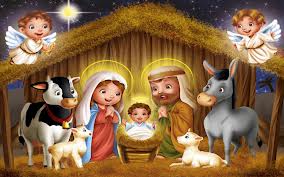
Jesus birthJesus Christ is the Messiah 

Messiah is a translation from the Greek word Χριστός (Christos) Strong’s 5547, and is used 538 times in the Bible, and it can also be translated as ”the annointed”. So Jesus Christ means Jesus the Messiah

Jesus is identified as the Messiah several times in the Bible, so we can’t get around the fact that the son of Joseph and Mary was the promised Messiah that the Old Testament so often is speaking about through prophets and psalms.

Matt. 1:16 And Jacob begat Joseph the husband of Mary, of whom was born Jesus, who is called Christ.17 So all the generations from Abraham to David are fourteen generations; and from David until the carrying away into Babylon are fourteen generations; and from the carrying away into Babylon unto Christ are fourteen generations.18 Now the birth of Jesus Christ was on this wise: When as his mother Mary was espoused to Joseph, before they came together, she was found with child of the Holy Ghost.

The well-known story about the wise men who looked for the star of Bethlehem, shows that they knew that the Messiah would be born there just as promised in the Scriptures. They expected the Messiah in form of a ”King” and a “governor“, which is a shepherd, and that’s exactly what Jesus was called several times. The Messiah was supposed to be come from the tribe of Judah – which is the tribe that Jesus came from.

Matt. 2: 1 Now when Jesus was born in Bethlehem of Judaea in the days of Herod the king, behold, there came wise men from the east to Jerusalem,Saying, Where is he that is born King of the Jews? for we have seen his star in the east, and are come to worship him.When Herod the king had heard these things, he was troubled, and all Jerusalem with him.And when he had gathered all the chief priests and scribes of the people together, he demanded of them where Christ should be born.And they said unto him, In Bethlehem of Judaea: for thus it is written by the prophet,And thou Bethlehem, in the land of Juda, art not the least among the princes of Juda: for out of thee shall come a Governor, that shall rule my people Israel. (Mika 5:2,  2 Sam 5:2, 1 Chr 11:2,  John 7:42).

The people understood that the son of man is the same as the Messiah, and they asked Jesus how come he says that the son of man must be lifted up when the Scriptures say that the Messiah shall abide for ever. Jesus then tells them that he is the light that they must believe in, in order to be children of light and also that he will continue to be a light for them for a little while more.

John. 12:34 The people answered him, We have heard out of the law that Christ abideth for ever: and how sayest thou, The Son of man must be lifted up? who is this Son of man?35 Then Jesus said unto them, Yet a little while is the light with you. Walk while ye have the light, lest darkness come upon you: for he that walketh in darkness knoweth not whither he goeth.36 While ye have light, believe in the light, that ye may be the children of light. These things spake Jesus, and departed, and did hide himself from them.

Jesus equals the Messiah with the son of man, and when he speaks about his return to earth he warns us and tells us not to be deceived about who the Messiah really is, since it will be clear for everyone. If we feel any kind of uncertainty in this respect, it’s not the Messiah because his return will be like the lightning before all people.

Matt. 24:And Jesus answered and said unto them, Take heed that no man deceive you.For many shall come in my name, saying, I am Christ; and shall deceive many.—23 Then if any man shall say unto you, Lo, here is Christ, or there; believe it not.24 For there shall arise false Christs, and false prophets, and shall shew great signs and wonders; insomuch that, if it were possible, they shall deceive the very elect.25 Behold, I have told you before.26 Wherefore if they shall say unto you, Behold, he is in the desert; go not forth: behold, he is in the secret chambers; believe it not.27 For as the lightning cometh out of the east, and shineth even unto the west; so shall also the coming of the Son of man be.

If only God the Father is God and the only one to be given glory, then the holy Spirit should testify only of HIM (God the Father), but Jesus suggests that the holy Spirit testifies of HIM (Jesus).

John 15:26 But when the Comforter is come, whom I will send unto you from the Father, even the Spirit of truth, which proceedeth from the Father, he shall testify of ME

Jesus Christ was crucified for the reason that he claimed to be the son of God, the Messiah and God in flesh. Jesus constantly connected the God name “I AM” to himself, which he does also in the below verses when he responds to the questions from the high priest. If Jesus wouldn’t be the Messiah, then a more truthful answer would be a “NO WAY! It would be blasphemy to call oneself for the son of God so of course I don’t do this!”, but that was not the response that Jesus gave, but rather ”I AM“. The high priest understood immediately that Jesus was guilty of blasphemy and rent his clothes, and the jews around him viewed him as guilty. Guilty of what? Blasphemy! To make oneself equal with God.

Mark 14:60 And the high priest stood up in the midst, and asked Jesus, saying, Answerest thou nothing? what is it which these witness against thee?61 But he held his peace, and answered nothing. Again the high priest asked him, and said unto him, Art thou the Christ, the Son of the Blessed?62 And Jesus said, I am: and ye shall see the Son of man sitting on the right hand of power, and coming in the clouds of heaven.63 Then the high priest rent his clothes, and saith, What need we any further witnesses?64 Ye have heard the blasphemy: what think ye? And they all condemned him to be guilty of death.

Also Paul equals Christ with Jesus – the one who God rose up from the dead and placed on his right hand side – just like the prophesies say in Scriptures. King David described it as ”The Lord said unto my Lord, Sit thou on my right hand”, despite that the Bible makes it clear that there is only ONE Lord and ONE God. The trinity solves this problem beautifully. Both God the Father and Jesus Christ is Lord of Lords.

Acts 2: 31 He seeing this before spake of the resurrection of Christ, that his soul was not left in hell, neither his flesh did see corruption.32 This Jesus hath God raised up, whereof we all are witnesses.33 Therefore being by the right hand of God exalted, and having received of the Father the promise of the Holy Ghost, he hath shed forth this, which ye now see and hear.34 For David is not ascended into the heavens: but he saith himself, The Lord said unto my Lord, Sit thou on my right hand,35 Until I make thy foes thy footstool. (Ps. 110:1)

Acts 18:And when Silas and Timotheus were come from Macedonia, Paul was pressed in the spirit, and testified to the Jews that Jesus was Christ.

John the Baptist calls Jesus for the lamb of God, and Andrew says to his brother that they have found the Messiah, and he leads Peter to Jesus.

John 1:35 Again the next day after John stood, and two of his disciples;36 And looking upon Jesus as he walked, he saith, Behold the Lamb of God!37 And the two disciples heard him speak, and they followed Jesus.38 Then Jesus turned, and saw them following, and saith unto them, What seek ye? They said unto him, Rabbi, (which is to say, being interpreted, Master,) where dwellest thou?39 He saith unto them, Come and see. They came and saw where he dwelt, and abode with him that day: for it was about the tenth hour.40 One of the two which heard John speak, and followed him, was Andrew, Simon Peter’s brother.41 He first findeth his own brother Simon, and saith unto him, We have found the Messias, which is, being interpreted, the Christ.42 And he brought him to Jesus. And when Jesus beheld him, he said, Thou art Simon the son of Jona: thou shalt be called Cephas, which is by interpretation, A stone.

We can read about the lamb of God in Revelations, and we can read about people who sing to the lamb and also call him Lord God almighty, and King of saints. They say that he alone is holy, for all nations shall come and worship him. But God the Father is of course HOLY too, and that means again that they share the same godhead. Each person in a godhead can be holy.

Rev. 15:And I saw as it were a sea of glass mingled with fire: and them that had gotten the victory over the beast, and over his image, and over his mark, and over the number of his name, stand on the sea of glass, having the harps of God.And they sing the song of Moses the servant of God, and the song of the Lamb, saying, Great and marvellous are thy works, Lord God Almighty; just and true are thy ways, thou King of saints.Who shall not fear thee, O Lord, and glorify thy name? for thou only art holy: for all nations shall come and worship before thee; for thy judgments are made manifest.

The Scriptures speak about Jesus Christjesus12

Peter speaks about Jesus Christ and says that peace is given by him who is Lord of all.  Jesus is the one who God ordained to be the judge of the living and the dead, and Peter says that all the prophets witness about him and explains that whosoever believes in him shall receive remission of sins.

Acts. 10:36 The word which God sent unto the children of Israel, preaching peace by Jesus Christ: (he is Lord of all:)—39 And we are witnesses of all things which he did both in the land of the Jews, and in Jerusalem; whom they slew and hanged on a tree:—42 And he commanded us to preach unto the people, and to testify that it is he which was ordained of God to be the Judge of quick and dead.43 To him give all the prophets witness, that through his name whosoever believeth in him shall receive remission of sins.

If we don’t believe in the one who the Father has sent, we are in big trouble. Jesus says that the Scriptures (that is the old testament) testify of him, and that Moses wrote about him. The jews who Jesus was talking to refused to believe that Jesus was sent by God and that means that they did not have his word abiding in them. If they truly believed Moses, they would also believe that Jesus is the one who he says he is. Even today there are many cults that refuse to believe that Jesus is the Messiah and coequal with God the Father.

John. 5:37 And the Father himself, which hath sent me, hath borne witness of me. Ye have neither heard his voice at any time, nor seen his shape.38 And ye have not his word abiding in you: for whom he hath sent, him ye believe not.39 Search the scriptures; for in them ye think ye have eternal life: and they are they which testify of me.-46 For had ye believed Moses, ye would have believed me; for he wrote of me.47 But if ye believe not his writings, how shall ye believe my words?

Paulus says that the law and the prophets are witnessing about a righteousness that can be given through faith in Jesus Christ.

Rom. 3:21 But now the righteousness of God without the law is manifested, being witnessed by the law and the prophets;22 Even the righteousness of God which is by faith of Jesus Christ unto all and upon all them that believe: for there is no difference:

Jesus says here again that the prophets are writing about him, and he shows that the suffering that the Scriptures say awaits the Messiah is tied to him (Jesus) because he IS the promised Messiah, and he DID suffer for mankind on the cross. Moses, the prophets and psalms testify of Jesus, so when we read in these old books in the old testament we can see stories about Jesus Christ who – from their point of view – is yet to come in the future in the form of flesh. When we read the complete Bible today, including the new testament, this event has of course already happened.

Luke 24:13 And, behold, two of them went that same day to a village called Emmaus, which was from Jerusalem about threescore furlongs.14 And they talked together of all these things which had happened.15 And it came to pass, that, while they communed together and reasoned, Jesus himself drew near, and went with them.—21 But we trusted that it had been he which should have redeemed Israel: and beside all this, to day is the third day since these things were done.—24 And certain of them which were with us went to the sepulchre, and found it even so as the women had said: but him they saw not.25 Then he said unto them, O fools, and slow of heart to believe all that the prophets have spoken:26 Ought not Christ to have suffered these things, and to enter into his glory?27 And beginning at Moses and all the prophets, he expounded unto them in all the scriptures the things concerning himself.—44 And he said unto them, These are the words which I spake unto you, while I was yet with you, that all things must be fulfilled, which were written in the law of Moses, and in the prophets, and in the psalms, concerning me.45 Then opened he their understanding, that they might understand the scriptures,46 And said unto them, Thus it is written, and thus it behooved Christ to suffer, and to rise from the dead the third day:47 And that repentance and remission of sins should be preached in his name among all nations, beginning at Jerusalem.

Jesus reads from the Scriptures in his home town, and says that what can be read in Isaiah 61 is about himself.

Luke 4:16 And he came to Nazareth, where he had been brought up: and, as his custom was, he went into the synagogue on the sabbath day, and stood up for to read.17 And there was delivered unto him the book of the prophet Esaias. And when he had opened the book, he found the place where it was written,18 The Spirit of the Lord is upon me, because he hath anointed me to preach the gospel to the poor; he hath sent me to heal the brokenhearted, to preach deliverance to the captives, and recovering of sight to the blind, to set at liberty them that are bruised,19 To preach the acceptable year of the Lord.20 And he closed the book, and he gave it again to the minister, and sat down. And the eyes of all them that were in the synagogue were fastened on him.21 And he began to say unto them, This day is this scripture fulfilled in your ears.22 And all bare him witness, and wondered at the gracious words which proceeded out of his mouth. And they said, Is not this Joseph’s son?

Isaiah 61:1 The Spirit of the Lord God is upon me; because the Lord hath anointed me to preach good tidings unto the meek; he hath sent me to bind up the brokenhearted, to proclaim liberty to the captives, and the opening of the prison to them that are bound;–For I the Lord love judgment, I hate robbery for burnt offering; and I will direct their work in truth, and I will make an everlasting covenant with them.—10 I will greatly rejoice in the Lord, my soul shall be joyful in my God; for he hath clothed me with the garments of salvation, he hath covered me with the robe of righteousness, as a bridegroom decketh himself with ornaments, and as a bride adorneth herself with her jewels.11 For as the earth bringeth forth her bud, and as the garden causeth the things that are sown in it to spring forth; so the Lord God will cause righteousness and praise to spring forth before all the nations.

Paul explains that Jesus is the stumbling stone for the jews, or actually for anyone who refuses to believe that Jesus is the promised Messiah, God’s son and God with us. Many cults are interested in raising up stumblingstones for us, and they are eager to teach that Jesus is not God in flesh.

Rom. 9:32 Wherefore? Because they sought it not by faith, but as it were by the works of the law. For they stumbled at that stumblingstone;33 As it is written, Behold, I lay in Sion a stumblingstone and rock of offence: and whosoever believeth on him shall not be ashamed. (Isaiah 10:21-22)

Isaiah 8:13 Sanctify the Lord of hosts himself; and let him be your fear, and let him be your dread.14 And he shall be for a sanctuary; but for a stone of stumbling and for a rock of offence to both the houses of Israel, for a gin and for a snare to the inhabitants of Jerusalem.15 And many among them shall stumble, and fall, and be broken, and be snared, and be taken.16 Bind up the testimony, seal the law among my disciples.17 And I will wait upon the Lord, that hideth his face from the house of Jacob, and I will look for him.18 Behold, I and the children whom the Lord hath given me are for signs and for wonders in Israel from the Lord of hosts, which dwelleth in mount Zion.

Isaiah 28:16 Therefore thus saith the Lord God, Behold, I lay in Zion for a foundation a stone, a tried stone, a precious corner stone, a sure foundation: he that believeth shall not make haste.

Paul reasoned with people and explained to them that the Scriptures speak about Jesus and that he must suffer as the Messiah, but also rise again. There is a division between those who believe in Jesus as the promised Messiah and those who don’t.

Acts. 17:And Paul, as his manner was, went in unto them, and three sabbath days reasoned with them out of the scriptures,Opening and alleging, that Christ must needs have suffered, and risen again from the dead; and that this Jesus, whom I preach unto you, is Christ.And some of them believed, and consorted with Paul and Silas; and of the devout Greeks a great multitude, and of the chief women not a few.

Below we can read in multiple places that the Scriptures speak about Jesus Christ as the holy one – the Messiah. God gives Jesus Christ GLORY – despite that we can also read in the Scriptures that God doesn’t share his glory with anyone. (This means Jesus must be God.) Moses explained that God would send a prophet “like unto me” (as a leader for Israel and for all people who would unite with them) and that it’s of great importance that we listen to this prophet who is the Prince of life, and who has the power to bring either life or judgment. Since eternal life is given through faith and obedience in Jesus Christ (Hebr. 5:9), which includes the acceptance that Jesus has come in the flesh (1 John. 4:2), some religious cults do what they can to teach the opposite message – that Jesus is NOT the Messiah nor God in flesh.

Acts 3:13 The God of Abraham, and of Isaac, and of Jacob, the God of our fathers, hath glorified his Son Jesus; whom ye delivered up, and denied him in the presence of Pilate, when he was determined to let him go.14 But ye denied the Holy One and the Just, and desired a murderer to be granted unto you;15 And killed the Prince of life, whom God hath raised from the dead; whereof we are witnesses.16 And his name through faith in his name hath made this man strong, whom ye see and know: yea, the faith which is by him hath given him this perfect soundness in the presence of you all.17 And now, brethren, I wot that through ignorance ye did it, as did also your rulers.18 But those things, which God before had shewed by the mouth of all his prophets, that Christ should suffer, he hath so fulfilled.19 Repent ye therefore, and be converted, that your sins may be blotted out, when the times of refreshing shall come from the presence of the Lord.20 And he shall send Jesus Christ, which before was preached unto you:21 Whom the heaven must receive until the times of restitution of all things, which God hath spoken by the mouth of all his holy prophets since the world began.22 For Moses truly said unto the fathers, A prophet shall the Lord your God raise up unto you of your brethren, like unto me; him shall ye hear in all things whatsoever he shall say unto you.23 And it shall come to pass, that every soul, which will not hear that prophet, shall be destroyed from among the people.24 Yea, and all the prophets from Samuel and those that follow after, as many as have spoken, have likewise foretold of these days.25 Ye are the children of the prophets, and of the covenant which God made with our fathers, saying unto Abraham, And in thy seed shall all the kindreds of the earth be blessed.26 Unto you first God, having raised up his Son Jesus, sent him to bless you, in turning away every one of you from his iniquities.

Jesus was together with the israelites during Exodusjesus13

Jesus is the ROCK that followed the israelites during Exodus.

1 Cor. 10:1 Moreover, brethren, I would not that ye should be ignorant, how that all our fathers were under the cloud, and all passed through the sea;And were all baptized unto Moses in the cloud and in the sea;And did all eat the same spiritual meat;And did all drink the same spiritual drink: for they drank of that spiritual Rock that followed them: and that Rock was Christ.But with many of them God was not well pleased: for they were overthrown in the wilderness.Now these things were our examples, to the intent we should not lust after evil things, as they also lusted.Neither be ye idolaters, as were some of them; as it is written, The people sat down to eat and drink, and rose up to play.Neither let us commit fornication, as some of them committed, and fell in one day three and twenty thousand.Neither let us tempt Christ, as some of them also tempted, and were destroyed of serpents.

Jude 1:For there are certain men crept in unawares, who were before of old ordained to this condemnation, ungodly men, turning the grace of our God into lasciviousness, and denying the only Lord God, and our Lord Jesus Christ.I will therefore put you in remembrance, though ye once knew this, how that the Lord, having saved the people out of the land of Egypt, afterward destroyed them that believed not.

Guds hela vapenutrustning i Efesierbrevet – som vi gör väl i att ta på oss

armor3Paulus ger oss bra tips om hur vi ska kunna stå starka och stå emot djävulens listiga angrepp, och det är vi själva som måste se till att ta på oss Guds hela vapenutrustning för att gå segrande ur varje strid. Gud tänker inte kasta över oss en vapenutrustning utan att vi själva är med på det, men han erbjuder oss däremot skyddsmaterialet som han hoppas att vi ska ta på oss för att kunna stå starka. Skälet till att vi behöver denna utrustning är att vi på det sättet kan stå emot (hålla stånd) på den onda dagen och behålla fältet. Väljer vi att leva våra kristna liv utan att ta på oss delar av utrustningen, och kanske bara utnyttjar den vid ett fåtal tillfällen, så får förstås Satan utökade chanser att anfalla oss och även vinna. Satan känner till våra akilleshälar och vet var han ska anfalla, så det är förstås olistigt att då välja att stå mer eller mindre oskyddade mot hans angrepp.

Ef. 6:10 Till sist, bli starka i Herren och i hans väldiga kraft. 11 Tag på er hela Guds vapenrustning, så att ni kan stå emot djävulens listiga angrepp12 Ty vi strider inte mot kött och blod utan mot furstar och väldigheter och världshärskare här i mörkret, mot ondskans andemakter i himlarna. 13 Tag därför på er hela Guds vapenrustning, så att ni kan stå emot på den onda dagen och behålla fältet, sedan ni fullgjort allt. 

Här är alla tipsen:

  1. 14 Stå alltså fasta, spänn på er sanningen som BÄLTE kring era höfter
  2. och kläd er i rättfärdighetens PANSAR
  3. 15 och sätt som SKOR på era fötter den beredskap som fridens evangelium ger.
  4. 16 Tag dessutom trons SKÖLD. Med den kan ni släcka den ondes alla brinnande pilar.
  5.  17 Tag emot frälsningens HJÄLM
  6. och Andens SVÄRD som är Guds ord.

1) Det är viktigt att vi håller oss till sanningen och att vi avhåller oss från att ljuga, sprida halvsanna rykten och förtal. Att med flit tillskriva människor åsikter de inte har är också att ljuga, så vi måste vara försiktiga med hur vi uttrycker oss för att vara goda mönster för Guds församling.

2) Vi måste leva RÄTTFÄRDIGT, vilket innebär att vi måste avhålla oss från synd. Det är de som GÖR rättfärdighet som får ärva Guds rike enligt Bibeln. Vi får inte Jesus rättfärdighet överförd till oss på minsta vis, så efter att vi blivit renade från vår synd i Jesu blod måste VI undvika att smutsa ner oss med ännu mer synd – vilket vi har kapacitet att göra med hjälp av den helige Anden.

3) Vi måste alltid vara beredda att sprida Guds ord, svara på frågor varför vi är troende och göra vad vi kan för att besvara människors funderingar och kommentarer som har med evangeliet att göra (egentligen apologetik). Vi kan vara människofiskare på en rad olika sätt och vi blir välsignade och uppmuntrade av att ta på oss “evangelium-skorna” och sprida den kristna tron till andra. Det är egentligen vad livet går ut på och det är så vi ska vandra. Vi kan lära oss att lyssna på Guds röst för att höra hur han vill leda oss och bättre kunna fungera som hans verktyg.

4) Vi kan lyfta berg med hjälp av tron. Om vi lyder de övriga punkterna kan det bli lättare för oss att tro på under och tecken, och vi kan se i Bibeln att människors TRO ofta är relaterad till om de blir friska från sjukdomar eller inte när andra lägger händerna på dem och ber för dem. Men alla blir förstås inte helade från sjukdomar alla gånger och hela tiden, för då skulle ju ingen någonsin dö. Vi kan få vår tro att växa genom att leva nära Gud, och vi kan riskera att bli ljumma i vår tro om vi inte tillbringar tid i bön och bibelläsning.

5) Hjälmen skyddar huvudet och hjärnan, och vi kan andligt talat skydda våra hjärnor från att bli exponerade av dåligt inflytande och frestelser. Vi kan undvika dåliga TV-program (och faktiskt undvika TV överhuvudtaget om det krävs), destruktiva sånger, spelhallar och andra miljöer och situationer som vi vet inte är upplyftande för våra själar utan snarare tvärt om. Ibland är det inte alltid vi som bestämmer våra miljöer, men för det mesta kan vi kontrollera vårt “intag” av influenser utifrån. Det vi ser och hör riskerar att bli det som vi uttrycker med vår mun, så det är lämpligt att kontrollera tankarna genom att inte släppa in vad som helst i våra hjärnor.

6) Jesus vann sin strid i öknen mot djävulen genom att bemöta hans snedvridna bibelkommenterer med Guds sanna ord. Satan är mycket duktig på att citera Bibeln, men om vi inte läser verserna i sitt rätta sammanhang så kan vi hamna i vilka läror som helst och tvingas att ändra även andra verser för att de ska passa ihop med den falska grund som vi själva kokat ihop. Djävulen gav till slut upp när han inte fick någon fångst trots flera försök att få Jesus på fall genom frestelser, och Satan lämnade sedan Jesus ifred. Vi måste träna oss själva att bli korrigerade av Guds ord, och att inte vara för stolta när vi upptäcker att vi kanske inte alltid greppat läget om bibeltexter, och då vara villiga att ändra kurs om bibelverser visar oss att vi haft fel. Villoläror undviks genom att vara trogna Guds ord i stället för att vika sig för majoriteten, och Satan får mindre yta att attackera om vi visar att vi hellre lyder Guds ord i stället för hans (Satans) tolkningar. Dessvärre finns det kristna som i alla tider visat en ovilja att ändra sig om de blivit överbevisade av Guds ord i Bibeln, och föredrar i stället att tro på människotraditioner, “den stora strömmen” eller lärda människor som de är imponerade utav. armor2

Sist men inte minst så rekommenderar Paulus oss att göra allt detta under STÄNDIG ÅKALLAN OCH BÖN. Vi ska alltid be i Anden, vaka och hålla ut i bön för alla de heliga – som ju sprider Guds ord till vilsna hjärtan. Det är även en bra väg till personlig tillfredsställelse.

18 Gör detta under ständig åkallan och bön och bed alltid i Anden. VAKA därför och håll ut i bön för alla de heliga. 19 Bed också för mig, att ordet ges åt mig när jag öppnar min mun, så att jag frimodigt gör evangeliets hemlighet känd.20 För dess skull är jag ett sändebud i bojor. Bed att jag predikar det så öppet och fritt som jag bör.

Låt ingen lura dig med tanken att de andliga gåvorna har upphört och inte längre gäller. Det är precis vad Satan vill att vi ska tro så att han kan hindra oss från att använda de andliga gåvor som Gud har gett oss.

Jesus BAR inte våra synder bokstavligen i sin kropp och STRAFFADES inte I STÄLLET för oss

kors 7Jesus BAR aldrig människornas synder i sin kropp

Jesaja 53:4 Men det var våra sjukdomar han bar, våra smärtor tog han på sig,  medan VI höll honom för att vara hemsökt, slagen av Gud och pinad.

Det här är en profetia om Jesus Kristus som gjordes av Jesaja ca 800 år innan Jesus ens föddes. När du läser den här versen från Jesaja, vilken händelse tror du att det handlar om och vilken profetia var det som slog in? Är det inte så att du självklart anser att det handlar om Jesu död på korset just eftersom det var där han dog för världens synder, vilket passar strålande in på uttrycket i versen? Man skulle kunna tro att det förhåller sig så, men Bibeln säger genom Matteus att profetian det var våra sjukdomar han bar, våra smärtor tog han på sig” slog in när Jesus levde och gick omkring bland folket och drev ut onda andar och botade sjuka!

Matt 8:16 Och när aftonen kom, förde de till honom många, som var besatta av onda andar, och han drev ut andarna med sitt ord, och alla dem som var sjuka botade han, för att det skulle fullbordas, som var sagt genom profeten Jesaja, som säger: Han tog på sig våra svagheter, och våra sjukdomar BAR han.Jes. 53:4.

Som du ser är det utdrivning av onda andar och botande av sjuka som slår in genom profeten Jesajas ord i Jesaja 53:4. Självfallet kan det förstås vara så att det som hände på korset OCKSÅ slår in i och med denna profetia trots att det inte står så i Matteus (en s k dubbel profetia), och Jesus BAR ju också det kors som symboliserar borttagning av världens synder. Det finns helt klart likheter mellan att Jesus befriar sjukdomstyngda människor genom att driva ut andar ur dem och bota dem från sjukdomar, jämfört med att han dör som ett syndoffer på korset för att befria människor från deras synder som tynger ner dem och håller dem i bojor. När Jesus gick omkring bland människor och botade sjuka så tog han INTE deras sjukdomar på sig och sjukdomarna var aldrig någonsin i närheten att hamna i eller på Jesus på minsta vis. Han hade INTE deras sjukdomar i sin egen kropp ett kort tag innan han TOG BORT sjukdomarna! Det är antingen eller, för Jesus kan inte ta våra synder på sig samtidigt som han också raderar dem.

Så när vi kan läsa i Jesaja 53:4 att han BAR våra sjukdomar så menar alltså Matteus att han TOG BORT sjukdomarna och det är alltså Guds eget ord! Det är precis det som Jesus också gör med våra synder. Han tar INTE våra synder bokstavligen på sig, utan han lägger i och med sin död grunden för att TA BORT DEM. Vi kan visserligen säga att han “symboliskt” tar människornas synder på sig ungefär som man “tar bördan eller ansvaret på sig”, men han tog aldrig våra sjukdomar eller våra synder i sin egen kropp, och inte heller tog några av gamla testamentets offerdjur människornas synder bokstavligen på sig själva. Djuren blev framför allt inte syndiga (som en del anhängare av försoningsläran lär ut) utan de OFFRADES som perfekta syndoffer FÖR människornas synder. Djuroffren var dessutom välluktande, precis som sonens offer var inför Gud, eftersom det var helt enligt Guds vilja att djur skulle offras, liksom det var enligt hans vilja att sonen skulle offras. Om något är välluktande så vänder man sig inte bort från det, utan man accepterar det till fullo.

Johannes 1:29 Nästa dag såg han Jesus komma, och han sade: “Se Guds lamm, som TAR BORT världens synd.

Hebr. 9:26. I så fall hade han varit tvungen att lida döden många gånger, alltifrån världens begynnelse. Men nu vid tidernas slut har han en enda gång blivit uppenbarad för att ta bort synden genom sitt offer.—28. så skall Kristus, som en enda gång har offrats för att TA BORT mångas synder, ses en andra gång utan synd, till frälsning för dem som väntar honom.

Ef. 5:Och lev i kärlek, så som Kristus har älskat oss och utlämnat sig själv för oss som offergåva, ett VÄLLUKTANDE offer åt Gud.

Här är några olika översättningar på Jesaja 53:4-6:

Jesaja 53:4 Men det var våra sjukdomar han bar, våra smärtor tog han på sig,  medan VI höll honom för att vara hemsökt, slagen av Gud och pinad. 5 Han var genomborrad för våra överträdelsers skull, slagen för våra missgärningars skull.  Straffet var lagt på honom för att vi skulle få frid, och genom hans sår är vi helade.6 Vi gick alla vilse som får, var och en gick sin egen väg, men all vår skuld lade Herren på honom.

Jesaja 53:Men det var våra krankheter han bar, våra smärtor, dem lade han på sig, medan VI höllo honom för att vara hemsökt, tuktad av Gud och pinadJa, han var sargad för våra överträdelsers skull och slagen för våra missgärningars skull; NÄPSTEN var lagd på honom, för att vi skulle få frid, och genom hans sår bliva vi helade.Vi gingo alla vilse såsom får, var och en av oss ville vandra sin egen väg, men HERREN lät allas vår missgärning drabba honom. (1917)

Isaiah 53:Surely he hath borne our griefs, and carried our sorrows: yet WE did esteem him stricken, smitten of God, and afflicted.But he was wounded for our transgressions, he was bruised for our iniquities: the chastisement of our peace was upon him; and with his stripes we are healed.All we like sheep have gone astray; we have turned every one to his own way; and the Lord hath laid on him the iniquity of us all. (KJV)

5. —The chastisement FOR our peace was upon Him (NKJV)

5. —The chastisement of our peace [is] on him (Young’s literal)

5. —Upon him was the chastisement that brought us peace (ESV)

Även Petrus använder Jesajas ordval och det stämmer att Jesus symboliskt tog våra synder in sin kropp (i betydelse på sina axlar) och dog för oss. Det var ju Jesu kropp som led för att erbjuda människorna befrielse, så hans kropp drabbades för vår skull. Petrus kan inte säga emot Matteus tolkning:

1 Pet 2: 24 Och våra synder BAR (anaphero) han i sin kropp upp på korsets trä, för att vi skulle dö bort från synderna och leva för rättfärdigheten. Och genom hans sår har ni blivit botade25 Ni var som vilsegångna får, men nu har ni vänt om till era själars herde och vårdare

Vidare står det i samma kapitel mer om att Jesus “bar” många synder, och betyder detta “ta bort” tidigare i kapitlet enligt Matteus, så betyder det samma sak även här. I Jesaja 53:11-12, är båda de hebreiska orden sabal och nasa översatta i Septuagint med anaphero”Han ska bära (sabal/anaphero) deras överträdelser”. “Anaphero” betyder “ta bort” på andra ställen.

Jesaja 53:11 Genom den vedermöda hans själ har utstått får han se och bli tillfreds. Genom sin kunskap förklarar min rättfärdige tjänare de många rättfärdiga, och deras skulder är det han som bär12 Därför skall jag ge honom de många som hans del, och de starka skall han få som byte, eftersom han utgav sitt liv i döden och blev räknad bland förbrytare, han som bar de mångas synd och trädde in i överträdarnas ställe. (SFB)

Jesaja 53:11 Ja, av den vedermöda hans själ har utstått skall han se frukt och så bliva mättad; genom sin kunskap skall han göra många rättfärdiga, han, den rättfärdige, min tjänare, i det han bär deras missgärningar. 12Därför skall jag tillskifta honom hans lott bland de många, och med talrika skaror skall han få utskifta byte, eftersom han utgav sitt liv i döden och blev räknad bland överträdare, han som bar mångas synder och bad för överträdarna. (1917)

Isaiah: 53:11 He shall see of the travail of his soul, and shall be satisfied: by his knowledge shall my righteous servant justify many; for he shall bear their iniquities.12 Therefore will I divide him a portion with the great, and he shall divide the spoil with the strong; because he hath poured out his soul unto death: and he was numbered with the transgressors; and he bare the sin of many, and made intercession for the transgressors. (KJV)

Som jag skrivit i den här artikeln så kan ”bära” betyda ”ta bort” enligt grundspråket

Gud Fader straffade aldrig Jesus, och Jesus tog inte vårt straff i stället för oss!straffa

Notera att det står att ”VI höllo honom för att vara hemsökt, tuktad av Gud” (Jesaja 53:4) alltså i VÅRA ögon sett eftersom det onekligen ser ut så för en person som tittar upp på korset och ser den blodiga Jesus uppspikad på korset där han led och kved för vår skull. Gud Fader har förstås ingen anledning att STRAFFA Jesus när Jesus alltid agerar efter Faderns vilja. Däremot så LED Jesus helt klart, men det var via onda människors händer. Gud tillät det ske eftersom att offra sig för männisornas synder är sammankopplat med ett högt pris, nämligen kval, stress, prövningar, lidanden och DÖD. På det sättet så var det Guds vilja att Jesus skulle lida (som det står i Jesaja 53:10), även om det inte var Fadern själv som orsakade det. Det står ingenstans i Bibeln att Jesus straffades av Gud för våra synder.

Det finns ett antal verser i våra svenska Biblar där det står att Jesus dog “i vårt ställe” men det är ett begrepp som är översatt från det grekiska ordet “huper” och också (eller snarare) betyder FÖR, som det också översatts med ibland. KJV lyckas bättre att översätta “huper“. Jesus dog och straffades inte i stället för oss. Vårt välförtjänta straff är väl en evighet i helvetet? Tog Jesus det straffet på sig och i stället för oss? Självfallet inte. Alla människors synder låg ju i framtiden när Jesus dog på korset, och om vi har ett löfte att Jesus tog vårt straff och i stället för oss så är det ett löfte att vi själva för alltid kommer att slippa straffet för våra synder (oavsett när under vår livstid som vi utför dem). Men sanningen är ju att om vi inte är lydiga Jesus (eller helt enkelt inte tror på honom) så drabbas vi ju av straffet! Alltså kan inte Jesus ha tagit något straff i vårt ställe.

Om en person i ett krig får veta att han ska arkebuseras som straff, och en annan person träder fram och erbjuder sig att ta det straffet i den förre personens ställe och i stället för honom, så vore det inte rätt att låta BÅDA personerna dö. Då stämmer inte termen att man gör något i stället för en annan person. Det kanske låter som en småsak, men falska termer kan orsaka att villoläror kryper in i kyrkorna, och en villolära kan leda till flera villoläror. Det är också exakt det som har hänt i våra kyrkor eftersom gnostiska idéer krupit in ibland oss.

Apg. 3:19 Ångra er därför och vänd om, så att era synder blir utplånade

1 Joh. 1:Om vi bekänner våra synder, är han trofast och rättfärdig, så att han förlåter oss våra synder och renar oss från all orättfärdighet.

Inte heller tog Jesus “Guds vrede” i stället för oss, eftersom vi fortfarande råkar ut för Guds vrede om vi är olydiga. Inte heller betalade Jesus för våra synder, men däremot betalade han “ett högt pris” för oss, eftersom han var tvungen att offra sitt eget liv. Inte heller tog Jesus “vår plats”, eftersom vår plats aldrig varit tänkt att vara på korset.

Jesus dog som ett SYNDOFFER för oss på korset, och erbjuder i och med det försoning och förlåtelse för våra synder tack vare sitt rena blod. När vi bekänner våra synder och omvänder oss så blir vi renade och förlåtna från all orättfärdighet. Vi är sedan rena så länge som vi lever rent.

Om vi skulle evangelisera genom att uttrycka oss olyckligt såsom:

“Goda nyheter! Jesus tog din plats på korset, han tog ditt straff i stället för dig, han tog Guds vrede i stället för dig, dina synder är för evigt BETALDA och förlåtna”, osv, så kan ju den som lyssnar säga eller åtminstone tänka:

“Men så bra. Då var jag ju faktiskt frälst redan när jag föddes, och det finns ingenting under solen som kan få mig att förlora min frälsning oavsett vad jag gör (eller tror) eftersom alla mina synder är betalda och förlåtna redan innan jag utför dem. Dessutom tog ju Jesus straffet för de synderna redan på korset i stället för mig, och ingen kan begära att få betalt för samma böter och samma faktura två gånger. Betalt är betalt! Jag behöver INTE vara rädd för något framtida straff eftersom JESUS tog det straffet, och det kan överhuvudtaget inte finnas några som helst villkor för frälsningen nu när Jesus fixat allt.”

Men sanningen är ju att vi råkar ut för Guds vrede och ett fruktansvärt straff om vi är olydiga mot Gud och inte omvänder oss.

Engelskan använder ordet “propitiation” för att beskriva det syndoffer som Jesus utförde på korset. Detta engelska ord kommer från latinet och betyder “favorable, gracious, kind” eller “render favorable.” Det latinska ordet används för att översätta det grekiska ordet hilasterion som används 22 gånger i den grekiska översättningen av GT (Septuaginta).  Hilasterion användes i Septuaginta för att översätta den hebreiska termen för “täckelse” eller “nådastolen”, vilket var locket på förbundsarken där offerblodet placerades för att ge “atonement” (försonande täckelse) för människornas synder.

Om de hade hört till oss skulle de ha blivit kvar hos oss? 1 Joh. 1:19

1 Joh. 2:19 Från oss har de utgått, men de hörde aldrig till oss. Om de hade hört till oss skulle de ha blivit kvar hos oss. Men detta skedde för att det skulle bli uppenbart att inte alla hör till oss.

Det är vanligt att använda den här versen för att försöka visa att en sann kristen garanterat kommer att förbli en sann kristen, och skulle det vara så att en person som man antar är en kristen ändå väljer att lämna den kristna gemenskapen så skulle det alltså betyda att personen ifråga aldrig varit en kristen från första början. Läran som man försöker ge stöd för är “en gång frälst alltid frälst” som är så vanlig bland baptister i USA (för att inte tala om de reformerta).

I versen kan vi i princip läsa att en viss grupp människor skulle ha stannat kvar om de verkligen tillhört de kristna, men detta kan inte användas generellt för allt och alla varje gång några kristna lämnar den kristna gemenskapen.  De som det handlar om är ju ANTIKRISTER som versen innan (v. 18) upplyser oss om, och därför kan vi inte bara läsa in i texten att det handlar om alla kristna vid alla tillfällen. Står det att det handlar om antikrister så handlar det om antikrister, och vilka är de?

1 Joh. 1:22 Vem är lögnaren, om inte den som förnekar att Jesus är Kristus? Den är Antikrist som förnekar Fadern och Sonen.

1 Johannesbrevet 4:3 och varje ande som inte bekänner Jesus, han är inte från Gud. Det är Antikrists ande, som ni har hört skulle komma och som redan nu är i världen.

2 Johannesbrevet 1:7 Ty många bedragare har gått ut i världen, och de bekänner inte att Jesus är Kristus, som har kommit i köttet. En sådan är Bedragaren, Antikrist.

Antikrister känner sig inte hemma i Kristi församling, och de tål inte att höra att Jesus är Gud i köttslig form.

Detta kan vi läsa från versen 1 Joh. 1:19

1) Människorna det handlar om är antikrister. Texten avslöjar inte hur länge de varit antikrister men när en person är en antikrist så kommer man på kant med andra kristna. (Man kan komma på kant med andra kristna även utan att vara en antikrist, framför allt om de flesta i en viss församling tror på villoläror.)

2) Det här en EN vers och ETT exempel. Det behöver inte betyda att det som inträffade här (vad gäller dessa antikrister) också måste appliceras vid varje tillfälle som någon kristen lämnar den kristna gemenskapen. Det KAN alltså vara så att sanna kristna lämnar den kristna gemenskapen trots att han/hon en gång varit frälsta och Guds barn.

3) Bara 5 verser längre ner kan vi läsa om VILLKORLIG frälsning och en varning till kristna

1 Joh. 2:24 Låt det ni har hört från början förbli i er. OM OM OM det som ni har hört från början FÖRBLI i er, kommer ni också att förbli i Sonen och i Fadern.

Här kan vi alltså läsa att det inte alls är så säkert att det vi hört från början kommer att förbli i oss, eftersom vi kan läsa “OM det som har har hört från början förbli i er“. Vad skulle hända om vi väljer att INTE låta det vi hört från början FÖRBLI i oss? Är vi fortfarande frälsta? Nej, sanna kristna människor varnas gång på gång genom Bibeln att vi måste se till att bli kvar i Jesus.

4) Vi kan läsa andra frälsningsvillkor och varningar från Johannes i samma kapitel så det är inte all säkert att alla kristna kommer att förbli kristna:

1 Joh. 1:Vi vet att vi har lärt känna honom, när vi håller fast vid hans bud. Den som säger: “Jag känner honom” och inte håller fast vid hans bud, han är en lögnare och sanningen finns inte i honom. Men hos den som håller fast vid hans ord har Guds kärlek verkligen nått sitt mål. Så vet vi att vi är i honom.Den som säger sig förbli i honom är skyldig att själv leva så som han levde—10 Den som älskar sin broder förblir i ljuset, och i honom finns inget som leder till fall. 11 Men den som hatar sin broder är i mörkret och vandrar i mörkret. Han vet inte vart han går, ty mörkret har förblindat hans ögon.—15 Älska inte världen, inte heller det som är i världen. Om någon älskar världen, finns inte Faderns kärlek i honom.  17 Och världen och dess begär förgår, men den som gör Guds vilja förblir i evighet.26 Detta har jag skrivit till er med tanke på dem som försöker leda er vilse.—28 Ja, kära barn, förbli i honom, så att vi kan vara frimodiga när han uppenbarar sig och inte behöver stå där med skam inför honom när han kommer åter. 29 Om ni vet att han är rättfärdig, då inser ni också att var och en som gör det som är rätt är född av honom.

5) Varken i 1 Joh. 1:19 eller någon annan vers så står det att “om någon person faller från sin tro så är det ett bevis för att han/hon inte var en kristen från första början”. Det är någonting som man måste lägga till i skriften i så fall.  

Vi kan alltså se tack vare Johannes många varningar i detta kapitel, att om vi inte ser till att förbli i Jesus genom att lyda honom så är vi riktigt illa ute. Om det alltid är så att en person som lämnar sin tro (eller som kombinerar sin tro med att leva i synd) inte var “av oss” eller “inte frälst från första början“, då kan vi aldrig veta vem som är kristen eller inte ens om det handlar om oss själva. Om någon börjar leva i synd i slutet av sitt liv så måste man anta att han inte heller var en kristen i början av sitt liv trots att han visade god frukt ihop med sin tro.

Vad är SYND enligt Bibeln? Kan tankar vara synd?

bibel 2Vad synd inte är

Vi kanske ska börja med att fundera på vad synd INTE är, eftersom det finns kristna som urvattnar innebörden av SYND genom att sätta ribban så högt så att inte ens Jesus och hans lärljungar skulle kunna klara kraven. Om inte ens Jesus och Paulus skulle kunna nå den höga nivå som vi menar att vi måste uppnå så är det ett solklart tecken på att vi missförstått vad synd är eftersom ju Jesus var SYNDFRI. Om vi sätter omöjliga krav på oss själva som utmynnar i att vi aldrig i livet kan sluta synda, ja då riskerar vi att hamna i total uppgivenhet och kan hamna i en känsla av att djävulen har vunnit kampen oavsett vad vi gör. Vi riskerar att tappa motivationen att avhålla oss från all synd eftersom vi får för oss att det redan är kört eftersom det inte kan gå en dag utan att vi syndar. Vad spelar då ytterligare en synd för roll när varje dag nödvändigtvis innehåller synd? Du ser hur villoläror såsom “Vi kan aldrig sluta synda” kan få oss att resonera medvetet eller omedvetet. Det är verkligen bedrägligt att få höra att det är  naturligt för kristna att synda och att “det är därför Jesus dog för oss eftersom vi aldrig kan sluta synda och nu är vi helt enkelt förlåtna – Guds nåd täcker allt!“. Men den SANNA Guds nåd hjälper oss att INTE synda, och att det är möjligt redan idag (och inte när vi får nya gudomliga kroppar):

Titus. 2:11 Ty GUDS NÅD har uppenbarats till frälsning för alla människor. 12 DEN FOSTRAR OSS ATT SÄGA NEJ TILL OGUDAKTIGHET och världsliga begär och att LEVA anständigt, RÄTTFÄRDIGT och gudfruktigt I DEN TID SOM NU ÄR13 medan vi väntar på det saliga hoppet, att vår store Gud och Frälsare Jesus Kristus skall träda fram i härlighet.

Tag dig alltså i akt för de som menar att Guds nåd är någon slags osynligt “nåda-skynke” som vi alltid har hängande över oss och som gör att Gud inte ser våra synder utan endast Jesu blod. Gud ser våra synder om vi syndar, så tro inget annat! “Kära barn, låt ingen bedra er” säger Johannes om de som sprider läran att “vi är frälsta av nåd så nu krävs inte längre att vi lyder tio Guds bud”. Guds nåd är alltså tvärt om mot en sådan idé eftersom den hjälper oss att gå segrande ur varje syndakamp. Vi kan alltså undvika synd tack vare Guds nåd, och det är därför Guds nåd är så fantastisk! Guds nåd innebär både Guds barmhärtighet (vi erbjuds något vi inte förtjänar) och kraft att stå emot synd. Guds nåd är INTE ett nådaskynke som skymmer våra synder från Gud!

Att vara arg är ingen synd såvida vi inte är arga “utan orsak” som Bibeln säger. Alltså är det heller inte någon synd att vara trött och irriterad, såvida vi inte är irriterade utan orsak och såvida vi inte syndar under vår irritation. Om vi regelbundet går omkring och är arga och irriterade måste vi fundera på om allt står rätt till med våra själar, eftersom en kristen borde visa prov på tålmodighet.

Att inte ge bort “allt man äger” är ingen synd, och Jesus och hans apostlar gav inte bort allt de ägde.

Att hata någon är en synd, men att tycka att vissa människor faktiskt är elaka, retsamma, snåla, stöddiga, nedsättande, orättvisa, dryga, etc är inte synd om de faktiskt visar prov något av detta. Då får vi se till att inte falla till deras låga nivå, och självfallet måste vi undvika att hata människor som visar ett syndigt beteende. Vi kan i stället be för dem.

Att vägra förlåta någon som ber om förlåtelse är en synd, men att inte lyckas glömma oförätter är ingen synd. (Vi kan inte krävas på att radera ut flera år ur våra medvetanden.) Att inte helt lita på en person som bett oss om förlåtelse är ingen synd. Det gjorde inte Paulus heller vad gäller Johannes Markus.

Att inte tänka på Gud varje vaken minut är ingen synd. Det skulle innebära att vi syndade så fort vi fokuserade på en skattedeklarerade eller läste ett matlagningsrecept. Inte ens Jesus kunde tänka på sin Fader i himlen varje minut om han exempelvis måste fokusera på sitt träarbete och måste räkna ut vissa viktiga mått.

Att önska att man var ung, frisk, stark och stilig är ingen synd. Om Jesus hade levt till han var 85 år så hade ju han också lidit utav normala ålderskrämpor och haft sämre tänder, hörsel och syn och sett massor av unga, starka och brunbrända män runtomkring honom. Hans rörelser skulle ha blivit långsamma och ryckiga, och han skulle ha blivit mindre attraktiv och blivit tunnhårig och gråhårig. Skulle han då inte önska att han hade en kropp som var ung och rask? Inte så att han misunnsammade de som är unga och raska runtomkring honom, och inte så att han innerst inne skulle vilja dra klockan tillbaka (eftersom han är medveten om att människorna lever ytterst tillfälligt på jorden), men nog är det väl normalt att vilja ha en smidig kropp trots en tacksamhet att man snart tillryggalagt sitt liv? En som sitter i rullstol gör sig alltså inte skyldig till någon syndig avundsjuka för att man önskar sig ut ur rullstolen (eller vilket handikapp det nu kan vara) och kan leva som de runtomkring.

Att få onda tankar skulle kunna vara synd, men det beror alldeles på. Om vi i våra hjärtan planerar något ont så är det självfallet synd, men att lyssna på radion, se på TV eller råka läsa något som får oss att tänka på något olämpligt så är det snarare en “frestelse” än en synd. Att frestas är ingen synd i sig självt, och även Jesus frestades liksom vi säger Bibeln. En frestelse kan givetvis leda till synd, och det beror helt på hur vi hanterar den frestande situationen. Om vi med flit söker oss till miljöer som vi vet är frestande och som kommer att få oss att synda så är ju detta givetvis en syndig inställning, och vi måste be till Gud att han hjälper oss att överkomma våra problem. Ibland kan en tid med fasta och böner hjälpa. Ibland är det faktiskt andra människor som frestar oss trots att vi inte bett om det, eller frestande situationer kanske helt enkelt uppkommer utanför vår kontroll. Gud kan se våra hjärtan och vet mycket väl hur vi hanterar varje situation, vad vi gör för att undvika att det händer igen och ser också våra reaktioner om vi fallit för en frestelse. Rycker vi på axlarna och säger “hoppsan”, eller omvänder vi oss och bestämmer oss för att göra allt för att slippa hamna i samma situation igen? Men att omgärda sig med frestande element är förstås inte en rätt inställning.

Att ha “begär” (som i önskemål och drivkraft) efter en livskamrat och sexuellt umgänge säger inte Paulus är någonting onormalt eller något som helt enkelt inte kan uppkomma hos sant kristna människor. Det är ju faktiskt en naturlig drivkraft skapad i människan, men som för den skull inte måste gå okontrollerad. Han säger inte “Sluta med det begäret! Det är ju en synd, så sluta bara!“, utan han säger HUR vi kan vända situationen så att vi kan upphöra med att vara “tända av begär” som han uttrycker det och i stället kanalisera detta naturliga begär på rätt sätt. (Jämför med syndiga begär såsom hat, missunnsamhet, girighet, etc som INTE är förväntade egenskaper och begär hos kristna människor.) Paulus är medveten om att det finns människor (faktiskt de flesta) som inte KAN leva avhållsamt som han själv kan, och det betyder att han inte sticker under stol med att begären faktiskt kan uppkomma även hos kristna och därför inte är onaturliga och ovärdiga. Men han föreslår en väg ut så att vi slipper leva under begäret:

1 Korinthierbrevet 7:9 Men om de inte kan leva avhållsamt skall de gifta sig, eftersom det är bättre att gifta sig än att vara upptänd av begär.—(14 Jag vill därför att unga änkor gifter sig, föder barn, sköter hemmet och inte ger motståndaren något tillfälle att tala illa om dem.)

Det här är ju självfallet lättare sagt än gjort, speciellt i Sverige där de flesta människor inte är troende och där det är väldigt osannolikt att en ung man eller kvinna skulle springa på en likasinnad i sin vardag på ett gymnasium/universitet eller på jobbet (eller var som helst). Det är lättare i USA där det är väldigt normalt att söka sig till “tvåsamheten” och att gå ut på “dates” redan på high school, och där är det tvärt om väldigt osannolikt att man skulle springa på en person som inte tror på Gud. Däremot kanske inte alla lever som kristna, men det är hur som helst större chans för en kristen att hitta en livskamrat i ett samhälle där en Gudstro ses som något självklart och där det också är mycket vanligt att gå i kyrkan. På Paulus tid var det vanligt att man gifte sig i mellersta eller övre tonårsåldern, och inte som i många västländer idag där man kanske gifter sig när man är 27 år.

Om du är i en situation där du söker en livskamrat så kan jag bara uppmuntra dig att BE (kanske be och fasta) och ta tillfället i akt att aktivt spendera tid med Gud nu när du lever som singel och har tid – för kanske det i framtiden kommer nya tider där jobb och familj uppslukar mycket av din tid. Passa även på att rannsaka dig själv och se om du lever som Gud vill. Sätter du Jesus på först plats, lyder du hans bud och är du ivrig att hitta en lärljungeuppgift? Jag säger INTE att ebb vad gäller livskamrater måste bero på att du lever fel, men jag säger bara att det är ett bra tillfälle att gå djupare och leva nära Gud nu när det inte finns andra människor i hushållet som du måste ta hänsyn till. IBLAND kan det vara så att man går igenom lite uppförsbackar just för att Gud vill skaka om oss och få oss att verkligen söka HANS VÄG. Det är i så fall för vårt eget bästa för vi behöver verkligen uppmärksamma Gud och känna oss välsignade av vetskapen att vi lever i hans vilja. Det finns en lång rad uppgifter som vi kan göra för att sprida Guds ord och som vi kan fokusera på. Att BE är något alla kan göra, men det finns många andra sätt att påverka, och kanske det dyker upp en lämplig livskamrat på vägen och när du minst anar det.

Vad synd ärpick and choose

Jakob 1:14. Utan var och en frestas, när han dras och lockas av sitt eget begär. 15. Därefter, sedan begäret har blivit havande, föder det synd och då synden är fullbordad, föder den DÖD. 16. Far inte VILSE, mina kära BRÖDER.

Vi skulle alltså kunna sätta stopp redan på “frestelse-nivån”, och den vägen valde alltid Jesus. Jesus skulle aldrig söka sig till frestelser, men frestelser kunde dyka upp ändå.

Samvetet kan vara en bra måttstock för att visa om vi syndar eller inte, men man kan till slut förhärda sitt hjärta så till den grad att man inte ens skäms för sina omoraliska handlingar. Alla människor har ett samvete (läs gärna sista delen av Romarbrevet 1) men vi kristna har även den helige Ande som vill leda oss rätt.

Rom 2:12 Alla som har syndat utan lagen kommer också att bli förtappade utan lagen, och alla som har syndat under lagen kommer att fördömas av lagen.13 Det är inte lagens hörare som blir rättfärdiga inför Gud, utan lagens görare skall förklaras rättfärdiga. 14 Ty när hedningar som saknar lagen, av naturen gör vad lagen befaller, då är de sin egen lag, fastän de inte har lagen15 De visar att det som lagen kräver är skrivet i deras hjärtan. Om det vittnar också deras samveten och, när de är tillsammans, deras tankar, som anklagar eller försvarar dem16 Det skall visa sig på den dag då Gud dömer det som är fördolt hos människorna, allt enligt det evangelium som jag predikar på Jesu Kristi uppdrag.

Jak. 4:13 Lyssna nu, ni som säger: “I dag eller i morgon skall vi resa till den eller den staden och vistas där ett år och göra affärer och tjäna pengar.” 14 Ni vet inget om morgondagen. Vad är ert liv? Ni är en rök, som syns en liten stund och sedan försvinner. 15 I stället borde ni säga: “Om Herren vill och vi får leva skall vi göra det eller det.” 16 Men nu skryter ni och är självsäkra. Allt sådant skryt är av ondo. 17 Den som vet att göra det goda men inte gör det, han syndar. Jak. 5:Se, den lön ni undanhållit arbetarna som skördade era åkrar, den ropar, och skördearbetarnas rop har nått Herren Sebaots öron. Ni har levt i lyx och överflöd på jorden. Ni har gött er på slaktdagen. Ni har dömt den rättfärdige och dödat honom, och han gjorde inget motstånd mot er

Vi skiljs inte andligen från Gud för att vi är födda med en syndfull natur (det hade inte varit vårt fel) utan pga våra missgärningar, och det innebär att vi måste vara vuxna nog för att kunna överträda Guds lag för att riskera att hamna i den knipan:

Jes 59:1 Se, Herrens hand är inte för kort, så att han ej kan frälsa, hans öra är inte tillslutet, så att han ej kan höra.Nej, det är era missgärningar som skiljer er och er Gud från varandra, era synder döljer hans ansikte för er, så att han inte hör er.

Det är alltså våra synder som skiljer oss från Gud och gör oss andligen döda, och det är tvärt emot vad Satan säger eftersom hans budskap och falska försäkring till oss troende när vi syndar är “NI SKALL VISST INTE DÖ!” (1 Mos. 3:4).

Enligt nedan verser så är synd brott mot lagen. Det är återigen stöd för att det inte är någon arvsynd som separerar oss från Gud, utan just överträdelse av Guds lag. Notera hur Johannes varnar oss för att vi inte ska låta lura oss av någon som påstår att att vi inte behöver GÖRA rätt (göra rättfärdighet) för att vara rättfärdiga. Det måste vi absolut! Jesu blod renar oss från vår synd vilket resulterar i att vi blir rättfärdiga, men endast så länge som vi GÖR rätt. “Kära barn, låt ingen bedra er“, säger Johannes om de som argumenterar EMOT att lydnad av Guds bud (tio Guds bud, eller det dubbla kärleksbudet) är nödvändiga att lyda för våra själars skull, utan menar att det snarare handlar om risk för reducerade gåvor i himlen eller sämre “relation” med Gud. Några som riskerar att bedra oss är de som ropar att vi är frälsta av tro allena, och de som kommer med anklagelser och varningar för “gärningslära” och “fariseism” så fort man hävdar att vi måste GÖRA rätt för att vara rättfärdiga. Men det är just vad Johannes och Paulus hävdar.

1 John 3:4. Var och en som gör synd bryter också mot lagen, ty SYND ÄR BROTT MOT LAGEN. 5. och ni vet att han uppenbarades för att han skulle ta bort våra synder, och synd finns inte i honom. 6. Var och en som förblir i honom syndar inte. Var och en som syndar har inte sett honom och inte lärt känna honom. 7. Kära barn, LÅT INGEN BEDRA ER. Den som GÖR rätt är rättfärdig, liksom han är rättfärdig. 8. DEN SOM GÖR SYND ÄR AV DJÄVULEN, ty djävulen har syndat från begynnelsen. Och därför uppenbarades Guds Son, för att han skulle göra om intet djävulens gärningar. 9. Var och en som är född av Gud gör inte synd, ty Guds säd förblir i honom. Och han kan inte synda, eftersom han är född av Gud. 10. På detta känns Guds barn och djävulens barn igen: Var och en som inte GÖR rättfärdighet är inte av Gud, och inte heller den som inte älskar sin broder.

Ef. 5:Men otukt och allt slags orenhet eller girighet skall inte ens nämnas bland er, det anstår inte de heliga. Inte heller passar sig fräckt och oförnuftigt prat eller tvetydigt skämt. Tacka i stället Gud. Ni skall veta att INGEN OTUKTIG ELLER OREN ELLER GIRIG – en sådan är en avgudadyrkare – SKALL ÄRVA KRISTI OCH GUDS RIKELÅT INGEN BEDRA ER MED TOMT PRAT. Allt sådant nedkallar Guds vrede över olydnadens barn.

1 Kor 6: 9 Vet ni då inte att de orättfärdiga inte skall ärva Guds rike? LÅT INTELURA ER. Varken otuktiga eller avgudadyrkare eller äktenskapsbrytare eller de som utövar homosexualitet eller de som låter sig utnyttjas för sådant, 10. eller tjuvar eller giriga eller drinkare eller hädare eller rövare skall ärva Guds rike.

Gal 5:19. Men köttets gärningar är uppenbara: de är hor, otukt, orenhet, lösaktighet, 20. avguderi, trolldom, ovänskap, kiv, avund, vredesutbrott, stridslystnad, splittringar, partisinne, 21. missunnsamhet, mord, dryckenskap, frosseri och annat sådant, så som jag säger i förväg vad jag redan har sagt: att DE SOM GÖR SÅDANT SKALL INTE ÄRVA GUDS RIKE.

1 Thess 4:3 Ni vet ju, vilka bud vi gav er genom Herren Jesus. 3. Ty detta är Guds vilja, er helgelse, att ni avhåller er från otukt, 4. och att var och en av er vet att ha sitt eget kärl i helgelse och ära, 5. inte i begärelses lusta så som hedningarna, som inte känner Gud, 6. och att ingen förgår sig eller bedrar sin broder i någon sak, ty Herren är en hämnare över allt detta, vilket vi också tidigare har sagt och betygat för er. Ty Gud har inte kallat oss till orenhet, utan till helgelse. 8. Den som föraktar detta, föraktar inte någon människa utan Gud, som har gett oss sin Helige Ande. 

2 Tim 3:2 Ty människorna skall då vara egenkära, giriga, skrytsamma, högfärdiga, hädiska, olydiga mot sina föräldrar, otacksamma, ogudaktiga, 3. kärlekslösa, oförsonliga, förtalare, oåterhållsamma, obehärskade, de skall hata det goda, 4. förrädiska, besinningslösa, uppblåsta, de skall älska njutning mer än Gud. 5. De skall ha ett sken av gudsfruktan, men förneka dess kraft. Vänd dig bort från sådana

Kol 3:5. Så döda nu era lemmar, som är på jorden: otukt, orenhet, lusta, ont begär och girigheten, som är avgudadyrkan, 6. för vilkas skull Guds vrede kommer över otrons barn. 7. I detta vandrade också ni FÖRUT, då ni levde på sådant sätt.8. Men lägg nu också ni bort alltsammans: vrede, häftighet, ondska, smädelse, skamligt tal från er mun. 9. Ljug inte för varandra, ni som har avklätt er den gamla människan med hennes gärningar 10. och iklätt er den nya, som förnyas till kunskap efter hans bild som har skapat henne.

Upp. 21:Men de fega, de OTROENDE och de skändliga, mördarna, de otuktiga, trollkarlarna, avgudadyrkarna och alla lögnare skall få sin del i sjön som brinner av eld och svavel. Detta är den andra döden.”

Upp 21:27 Och aldrig någonsin skall något ORENT komma in i den eller någon som gör styggelse eller ljuger, utan de som är skrivna i livets bok hos Lammet.

Frukt/gärningar är nödvändiga för frälsningenfruit

“Tron utan gärningar är död” känner de flesta kristna till, och det begreppet betyder att vi inte kan vara frälsta om vi inte visar det med gärningar i våra liv. Vi kan inte förtjäna vår frälsning med gärningar eftersom det då skulle krävas 100% lydnad av Guds bud – vilket vi inte uppnått – men vi kan heller inte vara frälsta utan gärningar. Eftersom vi inte kan vara frälsta pga gärningar då vi inte uppnått denna nödvändiga lydnadsnivå, så brukar man säga att man är frälst av Guds NÅD (Guds barmhärtighet) genom TRO, eftersom Gud möjliggjort en annan väg till frälsning trots att vi inte förtjänar det. Att vara frälst av tro betyder INTE att gärningar numera är “eftersträvansvärda men inte nödvändiga för frälsningen“.  En del uttrycker det som att “gärningar är en naturlig följd av tro”, och det får samma resultat – nämligen att vi inte kan vara frälsta utan en sådan helt nödvändig “följd”. Vi är därför inte frälsta av tro allena.

Vi har sett att synd separerar oss från Gud, men även ljumhet (brist på gärningar) kan separera oss från Gud. Liknelsen om fåren och getterna i Matt. 25 visar att ingen av grupperna hade något problem att tro på Gud, men det var det som de GJORDE eller INTE GJORDE som spelade någon roll för om de hamnade i himmel eller helvete.

Matt 25:41Då skall Konungen svara och säga till dem: Sannerligen säger jag er: Det ni har GJORT mot en av dessa mina minsta bröder, det har ni GJORT mot mig. Därefter skall han också säga till dem på vänstra sidan: Gå bort från mig, ni förbannade, till den eviga elden, som är tillredd åt djävulen och hans änglar. 42. Ty jag var hungrig, och ni gav mig inte att äta, jag var törstig, och ni gav mig inte att dricka, –Sannerligen säger jag er: Vad ni inte har GJORT mot en av dessa minsta, det har ni inte heller GJORT mot mig.46. Och DESSA skall då gå bort till EVIGT STRAFF, men de RÄTTFÄRDIGA till evigt LIV.

Upp. 3:15. Jag vet om dina gärningar. Du är varken kall eller varm. O, att du vore kalleller varm. 16. Men eftersom du är ljum och varken kall eller varm, skall jag spy ut dig ur min mun.

Joh. 15:Varje gren i mig som inte bär frukt skär han bort, och varje gren som bär frukt rensar han, för att den skall bära mer frukt. —Jag är vinstocken, ni är grenarna. Om någon förblir i mig och jag i honom, bär han rik frukt, ty utan mig kan ni ingenting göra. Om någon inte förblir i mig, kastas han ut som en gren och torkar bort, och man samlar ihop sådana grenar och kastar dem i elden, och de bränns upp.

Rom. 2:Han skall ge var och en efter hans GÄRNINGAR: EVIGT LIV åt dem som uthålligt GÖR DET GODA och söker härlighet, ära och odödlighet, men VREDE OCH DOM åt dem som söker sitt eget och INTE LYDER sanningen utan orättfärdigheten.

Jak. 2:14 Mina bröder, vad hjälper det om någon påstår sig ha tro men saknar gärningar? Kan väl en sådan tro frälsa någon?15 Om en broder eller syster inte har kläder och saknar mat för dagen 16 och någon av er säger till dem: “Gå i frid, klä er varmt och ät er mätta”, men inte ger dem vad kroppen behöver, vad hjälper det? 17 Så är också tron i sig själv död, när den är utan gärningar.20 Men vill du inte inse, du tanklösa människa, att tron utan gärningar är död?21 Blev inte vår fader Abraham erkänd som RÄTTFÄRDIG GENOM genom GÄRNINGAR, när han bar fram sin son Isak på altaret? 22 Du ser att hans tro SAMVERKADE med hans GÄRNINGAR och att det var genom gärningarna som tron blev fullbordad.—24 Ni ser alltså att en människa erkänns som RÄTTFÄRDIG GENOM GÄRNINGAR och INTE bara genom tro25 Blev inte skökan Rahab på samma sätt erkänd som rättfärdig genom GÄRNINGAR, när hon tog emot sändebuden och förde ut dem en annan väg? 26 Liksom kroppen utan ande är död, så är tron utan gärningar DÖD.

Hebr. 5:Och när han hade fullkomnats, blev han upphovet till evig frälsning för alla som LYDER honom

Guds bud är inte för svåra att lyda

Gud själv anser inte att hans bud är för svåra för oss att lyda, och han tror att vi kan vända oss till honom av hela vårt hjärta och hela vår själ och vara honom trogen i alla stycken:

5 Mos. 30:2och du så vänder åter till HERREN, din Gud, och hör hans röst, du med dina barn, AV ALLT DITT HJÄRTA OCH AV ALL DIN SJÄL, i alla stycken såsom jag i dag bjuder dig 3då skall HERREN, din Gud, åter upprätta dig och förbarma sig över dig–-10när du hör HERRENS, din Guds, röst, så att du håller hans bud och stadgar, det som är skrivet i denna lagbok, och när du vänder åter till HERREN, din Gud, av allt ditt hjärta och av all din själ.11Ty DET BUD SOM JAG I DAG GIVER DIG ÄR DIG ICKE FÖR SVÅRT och är icke långt borta.—14Nej, ordet är dig mycket nära, i din mun och i ditt hjärta, SÅ ATT DU KAN GÖRA DÄREFTER.15Se, jag förelägger dig i dag livet och vad gott är, döden och vad ont är,16då jag nu i dag bjuder dig (COMMAND YOU, KJV) att älska HERREN, din Gud, att vandra på hans vägar och HÅLLA HANS BUD och stadgar och rätter, för att du må leva och föröka dig, och för att HERREN, din Gud, må välsigna dig i det land dit du nu kommer, för att taga det i besittning.

1 John 5:3. Ty detta är kärleken till Gud, att vi håller hans bud. Och hans bud är INTE tunga. 4. Ty allt det som är fött av Gud besegrar världen och detta är den seger som har besegrat världen, vår tro. 5. Vem är den som besegrar världen, utom den som tror att Jesus är Guds Son?

Ef. 4:25 Lägg därför bort lögnen och tala sanning med varandra, vi är ju varandras lemmar. 26 Grips ni av vrede, så SYNDA INTE.  Låt inte solen gå ner över er vrede 27 och ge inte djävulen något tillfälle.

Hur nära vi lever Gud i böner, bibelläsning, lovsånger, evangelisation, etc påverkar ofta den styrka vi har att avhålla oss från synd. Om vi gärna lever av världen så riskerar vi att frestas, och ibland krävs det att vi helt enkelt undviker vissa miljöer trots att de är oss väldigt kära. Om man som ofrälst umgicks med människor som festade och drack alkohol så kanske det krävs att man håller sig på avstånd i flera månader/år (eller hur länge som nu krävs) för att inte riskera att leva som dem och för att inte andra människor ska tro att man är en i gänget och därmed få helt fel uppfattningar om oss och vad kristen tro är. Vi är självfallet inte tillsagda att lämna våra familjer och vår släkt trots att de lever fel, men kompisgäng väljer vi oftast själva.

Om Gud visste vad Lucifer skulle göra, varför skapade han honom?

Johannes Axelsson's avatarnewtonbloggen

I detta inlägg svarar jag på en kommentar av signaturen jon, som kommenterade föregående inlägg (För att citera Satan…).

Hmmm… har jag förstått det rätt??
Gud skapade Lucifer TROTS han VISSTE att Lucifer skulle vända sig bort från honom.

Den Lucifer som Gud skapade var perfekt (se ”Vem skapade Satan och helvetet, och varför?”). Det var inte Gud som gjorde honom till motståndaren Satan, utan det var han själv som valde att bli det. Alltså hade inte Gud gjort honom sådan. Han hade gett Lucifer de allra bästa tänkbara förutsättningarna för att inte välja den väg som han valde.

Men du har helt rätt i att Gud – som är oberoende av tiden som han själv har skapat – kunde se slutet från början (se Schack matt på 2000 drag!). Han visste alltså redan innan han skapade Lucifer vad denne skulle ställa till med. Han visste också det vi…

View original post 1,253 more words