Tag Archive | sin

We are no longer under the Law (torah) but we are still under the moral law

The Early Church had a controversy with a group called “the Judaizers” who were teaching justification by works of the law.

And certain men which came down from Judaea taught the brethren, and said, except ye be circumcised after themanner of Moses, ye cannot be saved. (Acts 15:1)

In other words, they taught that Gentiles need to obey the law (the Torah) and perform the works of the law (circumcision) in order to be justified. Since Paul’s ministry was to the Gentiles, he dedicated a large portion of his writings in Romans and Galatians, which were to Gentile Churches, to write against the Judaizers.

You will notice that Paul continually mentioned circumcision when discussing justification by works of the law in both Romans and Galatians.

Therefore we conclude that a man is justified by faith without the deeds of the law. Is he the God of the Jews only? (Those who had the Torah) Is he not also of the Gentiles? (Those who did not have the Torah) Yes, of the Gentiles also. Seeing it is one God, which shall justify the circumcision by faith, and the uncircumcision through faith. (Rom. 3:28-30)

Cometh this blessedness then upon the circumcision only or upon the uncircumcision also? For we say that faith was reckoned to Abraham for righteousness. How was it then reckoned? When he was in the circumcision, or in uncircumcision? Not in circumcision, but in uncircumcision. (Rom. 4:9-10)

Paul is arguing that Abraham was justified before circumcision, before the law of circumcision was given, and therefore the Gentiles too can be justified by faith without the work of the law of circumcision.

For in Christ Jesus neither circumcision availeth any thing, nor uncircumcision, but a new creature. (Gal. 6:15)

For in Jesus Christ neither circumcision availeth anything, nor uncircumcision; but faith which worketh by love. (Gal. 5:6)

Circumcision is nothing and uncircumcision is nothing, but the keeping of the commandments of God (1 Cor. 7:19).

Paul continually and repeated referred to circumcision when discussing justification “by works of the law” and said that circumcision does not “availeth anything” and is “nothing” but what matters is “a new creature” “faith which worketh by love” and “keeping of the commandments”.

It needs to be understood that Paul was not coming against the preaching of repentance in his epistles when he discussed justification by works of the law. In Galatia the Judaizers came and convinced the Gentile Church there that they needed to be circumcised in order to be saved. Paul wrote his epistle to the Galatians to correct this error of the Judaizers. It was not that the Galatians were repenting of their sins and Paul thought, “I better put a stop to this”. Paul certainly would not have any problem with Gentiles repenting of their sins since his God given ministry was to bring the Gentiles to repentance (Acts 26:20). When Paul preached to the Gentiles in Athens, he told them that God was calling all of them to repent (Acts 17:30). Paul said that we needed to be circumcised, not in our flesh, but in our hearts (Rom. 2:28-29). The circumcision of the heart is putting off your sins (Col. 2:11). Paul bemoaned those Gentiles in Corinth who had not repented of their uncleanness and fornication (2 Cor. 12:21). Paul explicitly said that we should not continue in our sins (Rom. 6:1-2) but that we should awake to righteousness and stop sinning (1 Cor. 15:34). Paul even warned the Galatians that if they lived sinful lives, they would not inherit the kingdom of God (Gal. 5:19-21). It was the Apostle Paul who said “after thy hardness and impenitent heart treasurest up unto thyself wrath” (Rom. 2:5), and that “repentance” leads “to salvation” (2 Cor. 7:10). Clearly Paul would not have had any problems with Gentiles repenting of their sins. Rather, Paul was upset that the Gentile Church in Galatia started to believe falsehoods from the Judaizers about how to be saved.

A good example of how Gentiles find the forgiveness of sins is the story of Nineveh. The narrative records that the people believed God (Jonah 3:5) and turned from their sins (Jonah 3:8). When God saw this, He changed His plans and decided not to destroy them as He said He would (Jonah 3:10). These Gentiles did not need to adopt the Jewish customs, obey the Torah, or be circumcised in order to be pardoned. They were saved, or found the mercy of God, through simple repentance from sin and faith in God. Jesus even said that sinners will be condemned if they do not repent the way Nineveh did (Matt. 12:41). Therefore the way that Gentiles were saved through repentance and faith in the Old Testament is the same way that they are saved in the New Testament, according to Jesus. Repenting of sin is required in both the Old and New Testament as Jesus said and therefore repentance is not the works of the law Paul preached against.

We know that Jesus Christ taught repentance (Lk. 13:3) and Paul certainly would not have contradicted Jesus Christ since Paul was an Apostle of Jesus Christ (Eph. 1:1; Col. 1:1). Paul explicitly said that men ought to listen to the wholesome words of Jesus (1 Tim. 6:3). Paul was by no means attacking the preaching of repentance when he wrote against justification by works of the law. Paul was attacking the Judaizers and their false gospel that Gentiles must convert to Judaism, be circumcised, and obey the Torah.

Thanks to Jesse Morell

Is there a difference between sinning and PRACTICING sin? 1 John 3:9

Some people suggest that christians are safe and will not lose their souls as long as they don’t PRACTICE sin – as in “habitually”. They might also suggest that true born-again christians do not practice sin but they do sin occasionally and they can never stop sinning. This is just another attempt to excuse sinning.

How many sins must a person commit to be considered “practicing” sin? One single murder or bank robbery in a life time would not be considered to sin habitually, but we know that one single sin made a huge difference for Adam and Eve. Perhaps being unfaithful every other year wouldn’t be considered practicing sin either? Where do we draw the line? The Bible says that nothing impure shall enter the new Jerusalem:

Rev. 21:27 And there shall in no wise enter into it any thing that defileth, neither whatsoever worketh abomination, or maketh a lie: but they which are written in the Lamb’s book of life.

True repentance (along with our faith) is the only thing that can save us.

The Greek word used for “to commit” is in itself proof that “commit” does not mean “practice”.  In the Greek NT there are two words that are commonly used to express the idea of doing something. The first is “poieo”, the second is “prasso”, according to Blueletter Bible.

4160 poieo, appear. to make or do (in a very wide application)

4238 prasso, to “practice”, i.e. perform repeatedly or habitually (thus differing from poieo which refers to a single act); to execute, accomplish, fare, commit, deeds, do, keep, require, use arts.

When the Apostle John wrote “Whosoever is born of God doth not COMMIT sin” he used the word “poieo” (to make or do sin with the idea of a single act), and if he wanted to communicate the concept of “practicing” sin he could have used “prasso”.

John Wesley says:

“But some men will say, ‘True: whosoever is born of God doth not commit sin habitually.’ Habitually! Whence is that? I read it not. It is not written in the Book. God plainly saith, ‘He doth not commit sin’; and thou addest, habitually! Who art thou that mendest the oracles of God?-that ‘addest to the words of this book’? Beware I beseech thee, lest God “add to thee all the plagues that are written therein’!” / John Wesley’s Fifty Three Sermons “The Marks of the New Birth” April 3, 1741

1 John 3:9 mostly applies to Jesus because he is certainly “born of God” and his seed remains in God (the Father), but in a way it also applies to us who are in the son. Jesus actually had the capacity to sin or else he would not be tempted in all things just like us, like the Bible says he was. He rather chose to live a sinless life for our sake. We too obviously have the capacity to sin, but if we are led by the holy Spirit, we do not sin. The term “seed” above is generally understood to mean “God’s word” and seed is often typical of the Word of God (for example, Luke 8:11; 1 Peter 1:23) but we know that believers are also referred to as “seed” (Rom 9:8; Gal 3:16, 19, 29)

“Whosoever is born of God doth not commit sin; for his seed (the believer) remaineth in him (Jesus): and he (the believer) cannot sin, because he is born of God (which is to abide in Jesus).” 1 John 3:9

This is confirmed in 1 John 3:6

“Whosoever abideth in him sinneth not: whosoever sinneth hath not seen him, neither known him.” 1 John 3:6

It is not impossible for a believer to sin but rather, it is impossible for a believer to sin as long as he abides in Jesus (which is a condition to remain a believer). The chapter does not teach that it is impossible for a christian to sin but that it is possible that he, through God’s grace, avoids it. No believer has to sin (Titus 2:11-12, 1 Cor 10:13) and the Bible does not say that we are off the hook if we only transgress the law just once in a while instead of several times. Repentance is the only cure. If we mix sin and “sorries” on a daily basis, we have not truly repented.

1 John 3:4 Whosoever committeth sin transgresseth also the law: for sin is the transgression of the law.

1 Joh. 3:8 He that committeth sin is of the devil; for the devil sinneth from the beginning. For this purpose the Son of God was manifested, that he might destroy the works of the devil.—10 In this the children of God are manifest, and the children of the devil: whosoever doeth not righteousness is not of God, neither he that loveth not his brother.

We are told to not hate anyone because hating is like being a murderer. If we are to believe that our souls are not in danger as long as we do not habitually sin, does this mean we can perhaps get away with hating one single brother? Of course not, because no murderer has eternal life abiding in him.

1 Joh. 3.15 Whosoever hateth his brother is a murderer: and ye know that no murderer hath eternal life abiding in him.

We can also see that the condition for having confidence toward God is that our heart does not condemn us. If the case is that our conscience tells us that we have acted wickedly (our heart condemns us) then God is merciful and will forgive us IF we confess our sins and truly repent. If we harden our hearts and pursue in the sin we know is wrong, then our souls are in danger. If you have a chance, do read the article about our faith as “filthy rags”.

1 Joh. 3:19 And hereby we know that we are of the truth, and shall assure our hearts before him.20 For if our heart condemn us, God is greater than our heart, and knoweth all things.21 Beloved, if our heart condemn us not, then have we confidence toward God.

Other mentions of “committing”  sin outside of 1 John 3

John 8:34 Jesus answered them, Verily, verily, I say unto you, Whosoever committeth sin is the servant of sin.

1 Corinthians 6:18 Flee fornication. Every sin that a man doeth is without the body; but he that committeth fornication sinneth against his own body.

2 Corinthians 12:21 And lest, when I come again, my God will humble me among you, and that I shall bewail many which have sinned already, and have not repented of the uncleanness and fornication and lasciviousness which they have committed.

James 2:9 But if ye have respect to persons, ye commit sin, and are convinced of the law as transgressors.

James 5:15 And the prayer of faith shall save the sick, and the Lord shall raise him up; and if he have committed sins, they shall be forgiven him.

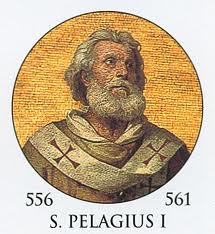
Pelagius has been falsely judged by his critics

Unlike Augustine, Pelagius knew Greek. Pelagius did not teach that man can save himself. He only taught that a man can live a righteous life via free will choice. The idea that man can save himself is what came from Augustine’s accusations against him, as Calvinists do with Arminians today when they accuse them of teaching “works salvation”. True Pelagianism is truth according to what the early Church taught, not as Augustine described it. What Augustine described is without a doubt heresy, but it’s not what Pelagius actually taught. This is evident in the writings of Pelagius, as well as in the fact that the councils could find no fault in his teachings 2 times that he appeared before them in his own defense. When he was finally marked as a heretic the third time around, it was when he could not be present to defend himself (in Tunisia where Augustine resided) and Augustine and Jerome were present to misrepresent his position.

Most of the information we have about Pelagius rests in the hands of his enemies. That is not enough for a righteous judgment. If God judged us by the words of our enemies, we would be outraged at the injustice. It is unfair for us to condemn a man based on the evidence presented by his enemies, and not from the man himself. We would also be guilty of slander if we continue to claim that an innocent person is an “heretic” even though he might not be. Let’s be careful so God won’t judge us one day for slander, false accusations and causing division.

Pelagianism teaches only that man can choose to do right and choose not to sin. It does not teach that a person can be holy without God or His grace. This is a lie given through the heretic Augustine. Augustine was a liar seeking to have him condemned, as he was offended by his preaching against his teachings to the people. Augustine was teaching a “sinning religion”, and people were following it and living it. Pelagius could not stand for this heresy, so he began to teach against it. In his efforts he brought out the a man CAN choose to not sin, because he is not so spiritually dead that he could not make such a choice. Augustine turned this around with false accusations against him, misrepresenting him as if he was teaching that man could save himself. This is not what he was teaching at all. And his own writings prove it – which were not even discovered until this past century. Augustine tried to make sure of that by having them burned or destroyed, but a few slipped through the cracks. Now Augustine is exposed for the liar and gospel pervert that he is.

Calvinism began with Gnosticism – which is very clearly shown by many quotes given by the early Church. Tertullian and Hippolytus and Irenaeus all wrote extensively against the Gnostic groups, telling of the things they believed and how the Church has always disagreed with them, calling them heretics. Augustine was infested with Gnosticism, which Calvin also adopted.

Here is a quote from an article below on the Letter to Demetrius:

“The moral life of purity, for Pelagius, can only be achieved by drawing upon both “the good of nature and the good of grace” (9:1); this will be the dominant theme of his exhortation. Pelagius’s reflections on the human person are not unlike those of the Eastern Fathers. They share the same starting point of moral reflection, that is, the innate goodness of man because God has created him in His image and likeness. Pelagius writes, “you ought to measure the good of human nature by reference to its Creator” (2:2).”

The above quote shows the balanced thought of Pelagius teaching. His accusers only point out that he taught “the good of nature” and the “innate goodness of man”, and completely leave out the blanche of his teaching that tells of the “good of grace” and “because GOD has created him in His image and likeness”. Pelagius thought was in giving glory to God in His creation, in that men have a mind and free will to choose that has been given by the creator, which makes them able to choose to do right. Of course man has to know right and wrong first, but the ability is with him once he knows the difference.

Prior to Pelagius being ‘found’ guilty of heresy, he was cleared by two synods of bishops. These synods were provoked by Augustine’s influence. Then the council of Carthage, where Augustine was bishop, declared Pelgius a heretic. A few years later, Augustine and two others brought heresy charges against Pelagius to the bishop of Rome. Pelagius was cleared again, a third time. The bishop of Rome declared Pelagius a heretic a few years later under pressure from Imperial Rome and not before that time. It was perceived that the effects of Pelagius’ doctrine would undermine Imperial rule and so political pressure was then applied and the bishop of Rome declared Pelagius a heretic. Another interesting note is that Pelagius was well received and there was generally no problem with his teaching. The charges against him only arose when some one else, Caelestius, who was building on Pelagian teaching denounced infant baptism. Then and only then the problem arose. Infant baptism was under assault – if they were not born guilty and therefore did not need to be baptized to be saved then ecclesiastical power structure was going to be undermined. That kick started the whole controversy against Pelagius: they synods and councils did not occur until the implications of his teaching threatened infant baptism. See Peter Brown’s “Augustine of Hippo” there are 3 chapters that deal with Augustine-Pelagian controversy that document everything posted.

Pelagius is often ascribed views he doesn’t have

From Jesse Morell:

Matt Slick of CARM wrote that “Pelagianism…. taught that people had the ability to fulfill the commands of God by exercising the freedom of human will apart from the grace of God.  In other words, a person’s free will is totally capable of choosing God and/or to do good or bad without the aid of Divine intervention.”[29] This is an example, not of Pelagian heresy, but of Pelagian hearsay.

I would suspect that Matt Slick learned about Pelagianism from its opponents, and not from actually reading the writings of the Pelagians. This is a common practice for Calvinists, but what if that is how their doctrine was treated? What if someone stated what Calvinism teaches, by stating the opponents? Augustine accused Pelagius of denying the grace of God, but this was an accusation not a fact.

Had Matt Slick actually read some of the few writings that still exist today from the original Pelagians, he would have read in Julian of Eclanum’s Pelagian Statement of Faith: “We [Pelagians] maintain that men are the work of God, and that no one is forced unwillingly by His power either into evil or good, but that man does either good or ill of his own will; but that in a good work he is always assisted by God’s grace, while in evil he is incited by the suggestions of the devil.”[30]

Pelagius himself said, “I anathematize the man who either thinks or says that the grace of God, whereby ‘Christ Jesus came into the world to save sinners,’ is not necessary not only for ever hour and for every moment, but also for every act of our lives: and those who endeavor to dis-annul it deserve everlasting punishment.”[31]

Pelagius said, “This grace we do not allow to consist only in the law but also in the help of God. God helps us through His teaching and revelation by opening the eyes of our heart, by pointing out to us the future so that we may not be preoccupied with the present, by uncovering the snares of the devil, by enlightening us with the manifold and ineffable gift of heavenly grace.”[32]

Pelagius said, “God always aids by the help of his grace. God aids us by his doctrine and revelation, while he opens the eyes of our heart; while he shows us the future, that we may not be engrossed with the present; while he discloses the snares of the devil; while he illuminates us by the multiform and ineffable gift of heavenly grace. Does he who says this, appear to you to deny grace? Or does he appear to confess both divine grace and the freewill of man?”[33]

Pelagius said in a letter to Innocent, “Behold, before your blessedness, this epistle clears me, in which we directly and simply say, that we have entire freewill to sin and not to sin, which, in all good works, is always assisted by divine aid. Let them read the letter which we wrote to that holy man, bishop Paulinus, nearly twelve years ago, which perhaps in three hundred lines supports nothing else but the grace and aid of God, and that we can do nothing at all of good without God. Let them also read the one we wrote to that sacred virgin of Christ, Demetrias, in the east, and they will find us so praising the nature of man, as that we may always add the aid of God’s grace. Let them likewise read my recent tract which we were lately compelled to put forth on freewill, and they will see how unjustly they glory in defaming us for denial of grace, who, through nearly the whole text of that work, perfectly and entirely profess both free will and grace.”[34]

Pelagius taught that the freedom of the human will was not lost by the original sin of Adam, but that grace was necessary for man to rightly use his free will. He also taught that free will itself was a gracious gift given to us at Creation. He did not deny grace as necessary or as an aid for free will. The only grace he denied was Augustinian grace, which said that free will was lost by original sin and therefore man’s ability to obey needed to be restored by grace. However, one of the best Greek-English Lexicons, Thayer’s, defined grace as “divine influence upon the heart” which is precisely how Pelagius viewed grace in contradiction to Augustine.

It was Augustine’s view of grace that was inconsistent with free will, not Pelagius’. As Augustine said, “I have tried hard to maintain the free choice of the human will, but the grace of God prevailed.”[35] Pelagius affirmed both the freedom of the will and the necessity for the grace of God, while Augustine denied the freedom of the will because of His mistaken view of grace.

This is why John Wesley said, “I verily believe, the real heresy of Pelagius was neither more nor less than this: The holding that Christians may, by the grace of God, (not without it; that I take to be a mere slander,) ‘go on to perfection;’ or, in other words, ‘fulfill the law of Christ.’”[36] And also “Who was Pelagius? By all I can pick up from ancient authors, I guess he was both a wise and a holy man.”[37]

John Wesley said, “Augustine himself. (A wonderful saint! As full of pride, passion, bitterness, censoriousness, and as foul-mouthed to all that contradicted him… When Augustine’s passions were heated, his word is not worth a rush. And here is the secret: St. Augustine was angry at Pelagius: Hence he slandered and abused him, (as his manner was,) without either fear or shame. And St. Augustine was then in the Christian world, what Aristotle was afterwards: There needed no other proof of any assertion, than Ipse dixit: “St. Augustine said it.”[38]

On the issue of the freedom of the will, Pelagius was in perfect agreement with the Early Church while Augustine was in agreement with the heretical Gnostics:

Dr Wiggers said, “All the fathers…agreed with the Pelagians, in attributing freedom of will to man in his present state.”[39]

Episcopius said, “What is plainer than that the ancient divines, for three hundred years after Christ, those at least who flourished before St. Augustine, maintained the liberty of our will, or an indifference to two contrary things, free from all internal and external necessity!”[40]

Catholic councils that calvinists appeal to

There were three councils that condemned Pelagianism; the Council of Ephesus in the year 431; the Council of Carthage in the year 418; and the Council of Orange in the year 529. This is because Pelagius was not invited nor present to defend himself but his opponents and adversaries stated his doctrine for him. When Pelagius was able to defend himself, the Council of Diospolis in 415 declared Pelagius orthodox. And Pope Zosimus also declared Pelagius’ orthodoxy in 417. He was always acquitted when present to clarify and defend his views. If these are our authorities to determine orthodoxy, do we accept the ones in favor of Pelagius or the ones against him?

In addition, the Council of Orange and the Council of Carthage were not ecumenical councils. They did not consist of Bishops from the entire church, which mean that the rulings of the Councils were not universally affirmed by the Eastern and Western churches.

If heresy is heresy because a council says so, or because of majority vote, Calvinism must be more heretical than Pelagianism was because there were more councils that condemned Calvinism than condemned Pelagianism. The Calvinist doctrines of predestination, limited atonement, and irresistible grace were condemned throughout history. Lucidus was condemned by the Council of Oral in 473, Council of Arles in 475, and Council of Orange in 529. And Gottschalk (Gotteschalcus) was condemned by the Council at Mentz in 848 and the Council of Chiersey (Quiercy) in 849. And what do Calvinists think of the Council of Constance in 1414 for John Huss, or the Council of Worms in 1521 for Martin Luther, or the Council of Trent in 1561 for the Protestants? Are these Councils not the voice of Orthodoxy as Ephesus and Carthage supposedly were?

In fact, the Council of Orange that condemned Pelagianism also condemned the doctrines of Calvinism. If the council is authoritative in the former case, it must be equally authoritative in the latter as well. But if it was mistaken in the latter case, maybe it was mistaken in the former as well. Tony Miano essential condemns his own theology by appealing to church councils and assuming their authority.

Many thanks to Lyndon Conn, Joshua Harris and Jesse Morell

We all stumble in many ways + No man can tame his tongue? (James 3:8)

We all stumble in many ways + No man can tame his tongue? (James 3:2 NIV + James 3:8)

Some people who are searching through the Bible in order to find verses which support sinning sometimes try to use the half verse in James 3:2 to persuade themselves and others that no one can ever stop sinning and/or that it’s not that serious if we fall.

It’s interesting that many of them despise the NIV version and vehemently explain what a terrible translation it is and yet they prefer to use NIV in THIS particular case since they prefer the word “stumble” before “offend” which the KJV uses. The rest of the passage in James 3:2 offers a solution to the problem, that if any man offend NOT in word then he is also able to bridle his whole body – which seems like a good idea. James doesn’t say this is impossible but compares with other situations where man has successfully made horses and even large ships obey him.

James 3:2 For in many things we OFFEND all. If any man offend not in word, the same is a perfect man, and able also to bridle the whole body. (KJV)

What does “offend all” mean? The transliteration is “ptaiomen”/”ptaió” which indeed means “to cause to stumble” or “stumble”. The only passages in the Bible where this word is used are in the following verses, apart from James 3:2:

  1. James 2:10 For whoever keeps the whole law, and yet stumbles in one point, he has become guilty of all.
  2. Romans 11:11 I ask then, did they stumble that they might fall? May it never be! But by their fall salvation has come to the Gentiles, to provoke them to jealousy.
  3. 2 Peter 1:10 Therefore, brothers, be more diligent to make your calling and election sure. For if you do these things, you will never stumble.
  4. James 3:2 For in many things we OFFEND all. If any man offend not in word, the same is a perfect man, and able also to bridle the whole body. (KJV)

There are other Greek words that are translated as “sinning” and/or “falling away” such as “pipto” and “ekpipto” but they are not used here. Another significant word is “skandalizo”, which is often translated as “fall away” and “stumble” and this is used when Jesus tells his disciples “You will all fall away because of me this night” (Matthew 26:31 NAS). Skandalizo also is the word used in Mathew 24:10, where Jesus talks about a “falling away” in the end times maybe due to persecutions. “Skandalizo” is also used in Mark 4:17, where Jesus tells a parable about seed falling on rocky soil to describe believers who “fall away” in times of trials. In Luke’s parallel passage the Greek word behind “fall away” is “aphistemi” – the root from which the Greek word for apostasy is drawn. So there are words that contain a much more serious risk for a christian than the Greek word that is translated as “stumble” in James 3:2.

So let’s remember that when Jesus said “Sin no more” he uses a different Greek word than in James 3:2, and the same goes for other places in the Bible when we are told to avoid sinning such as when Paul said “Awake to righteousness and SIN NOT”. Stumbling doesn’t seem to be as serious as sinning or falling away.

Revelation 2:Remember therefore from whence thou art fallen, and repent, and do the first works; or else I will come unto thee quickly, and will remove thy candlestick out of his place, except thou repent.

Jude 1:24 Now unto him that is able to keep you from falling, and to present you faultless before the presence of his glory with exceeding joy,

No man can tame his tongue

Another verse that is often used to support sinning is “No man can tame his tongue” which is also mentioned by James. He explains that animals have indeed been tamed by man and man can even make horses obey and large ships, but when it comes to the tongue it seems generally impossible for man to tame it. But he doesn’t conclude that this is therefore normal behaviour and totally acceptable for a christian in any way. He says that the tongue boasts, that it can lit a fire, is a world of INIQUITY, DEFILES the body and it is set on fire of  HELL. Would James ever claim that this is a totally acceptable for true christians? Of course not! He says “Out of the same mouth proceedeth blessing and cursing. My brethren, THESE THINGS OUGHT NOT TO BE“. Of course James would never say that something that causes INIQUITY and defiles the body is accepted and normal. Iniquities always separate us from God!

If “no man can tame his tongue” means that it’s never possible to avoid lies and slander, then James is in contradiction with himself. He says a few verses later:

14But if ye have bitter envying and strife in your hearts, glory not, and LIE NOT against the truth”

Lie not? Didn’t James know that no man can tame his tongue and must always lie? Obviously James is not saying that it’s acceptable to not tame his tongue even if it seems generally impossible. He is saying that we should, because these things should NOT be so, and he says departing from the truth (which lying and slandering is) is DEVILISH, and not taming a tongue would result in envying and strife which is in turn the foundation of EVERY EVIL WORK. There is a famous commandment which says “You shall not LIE”. Is James saying that we can just as well forget about this commandment because no man can tame his tongue? Of course not. James says:

1:26″If any man among you seem to be religious, and BRIDLETH NOT HIS TONGUE, but deceiveth his own heart, this man’s religion is vain”.

The entire context from James 3:

2For in many things we offend all. If any man offend not in word, the same is a perfect man, and able also to bridle the whole body3Behold, we put bits in the horses’ mouths, that they may obey us; and we turn about their whole body. 4Behold also the ships, which though they be so great, and are driven of fierce winds, yet are they turned about with a very small helm, whithersoever the governor listeth. 5Even so the tongue is a little member, and boasteth great things. Behold, how great a matter a little fire kindleth! 6And the tongue is a fire, a world of iniquity: so is the tongue among our members, that it defileth the whole body, and setteth on fire the course of nature; and it is set on fire of hell. 7For every kind of beasts, and of birds, and of serpents, and of things in the sea, is tamed, and hath been tamed of mankind: 8But the tongue can no man tame; it is an unruly evil, full of deadly poison. 9Therewith bless we God, even the Father; and therewith curse we men, which are made after the similitude of God. 10Out of the same mouth proceedeth blessing and cursing. My brethren, THESE THINGS OUGHT NOT SO TO BE. 11Doth a fountain send forth at the same place sweet water and bitter? 12Can the fig tree, my brethren, bear olive berries? either a vine, figs? so can no fountain both yield salt water and fresh. 13Who is a wise man and endued with knowledge among you? let him shew out of a good conversation his works with meekness of wisdom. 14But if ye have bitter envying and strife in your hearts, glory not, and LIE NOT against the truth. 15This wisdom descendeth not from above, but is earthly, sensual, DEVILISH16For where envying and strife is, there is confusion and EVERY EVIL WORK17But the wisdom that is from above is first pure, then peaceable, gentle, and easy to be intreated, full of mercy and good fruits, without partiality, and without hypocrisy.

The moral law is still valid today and is NOT optional to obey

We are no longer under the Jewish ceremonial law concerning clothes, food, etc BUT the moral law has always been valid ever since Adam and Eve and it’s still applicable for us today. It has ALWAYS been prohibited to murder, steal, lie and commit adultery.  These laws did not start with Moses even if he wrote down also these very foundational laws on stone tables. We can never EARN our salvation by keeping the law and be good (because then we must keep it to 100% which no one has chosen to do) but this does NOT mean that it’s ok to continue to break the law and believe that grace will always cover our sins. If we are cleansed from our sins in the blood of Jesus, it does NOT make sense to return back to breaking the law and become filthy once again. Sins will ALWAYS separate us from God. Obeying the law won’t save you but breaking it will send you to hell. Repentance is the only cure, but if we sin, repent, sin, repent, then we have not truly repented. 

Here are some verses which show that the moral law is still in force:

1 Cor.7:19Circumcision is nothing, and uncircumcision is nothing, BUT KEEPING THE COMMANDMENTS of God.

Gal.5:18BUT IF YE BE LED OF THE SPIRIT , YE ARE NOT UNDER THE LAW. 19Now the works of the flesh are manifest, which are these; Adultery, fornication, uncleanness, lasciviousness, 20Idolatry, witchcraft, hatred, variance, emulations, wrath, strife, seditions, heresies, 21Envyings, murders, drunkenness, revellings, and such like: of the which I tell you before, as I have also told you in time past, that they which do such things shall not inherit the kingdom of God.

Matt. 22:37Jesus said unto him, Thou shalt love the Lord thy God with all thy heart, and with all thy soul, and with all thy mind.38This is the first and great commandment.39And the second is like unto it, Thou shalt love thy neighbour as thyself.40On these two commandments hang all the law and the prophets.

Rom.3:30Seeing it is one God, which shall justify the circumcision by faith, and uncircumcision through faith.31Do we then make void the law through faith? God forbid: yea, We ESTABLISH THE LAW.

Matt.5:17Think not that I am come to destroy the law, or the prophets: I am NOT come to destroy, but to fulfil18For verily I say unto you, Till heaven and earth pass, one jot or one tittle shall in no wise pass from the law, till all be fulfilled. 19Whosoever therefore shall break one of these least commandments, AND SHALL TEACH MEN SO, he shall be called the least in the kingdom of heaven: but whosoever shall do and teach them, the same shall be called great in the kingdom of heaven.

Hebr.10:16This is the covenant that I will make with them after those days, saith the Lord,I WILL PUT MY LAWS INTO THEIR HEARTS, and in their minds will I write them;

Romans 2:12For as many as have sinned without law shall also perish without law: and as many as have sinned in the law shall be judged by the law;13(For not the hearers of the law are just before God, but the doers of the law shall be justified.14For when the Gentiles, which have not the law, do by nature the things contained in the law, these, having not the law, are a law unto themselves:15Which shew the work of the law written in their hearts, their conscience also bearing witness, and their thoughts the mean while accusing or else excusing one another;)

Does 1 John 1:8 tell us that it is perfectly normal for christians to SIN?

If we say that we have no sin, we deceive ourselves, and the truth is not in us. (1 John 1:8)

This verse is often used as an attempt to support the idea that we can never stop sinning, but it must be viewed in its proper context. 1 John 1:8 seems to be way more popular to quote than 1 John 1:6 which says:

1 John 1:6 If we say that we have fellowship with him, and walk in darkness, we lie, and do not the truth

The reason why 1 John 1:6 has fallen into oblivion is likely due to the serious matter – that our souls are in great trouble if we sin. People’s ears might be more tickled by the message that they can afford to sin on a daily basis and still be saved. Here is the entire context surrounding the famous 1 John 1:8, which people often misuse to support the idea that it is perfectly normal for Christians to sin (and abnormal if they do not):

1 John 1:5This then is the message which we have heard of him, and declare unto you, that God is light, and in him is no darkness at all. 6If we say that we have fellowship with him, and walk in darkness, we lie, and do not the truth: 7But if we walk in the light, as he is in the light, we have fellowship one with another, and the blood of Jesus Christ his Son cleanseth us from all sin8If we say that we have no sin, we deceive ourselves, and the truth is not in us. 9If we confess our sins, he is faithful and just to forgive us our sins, and to cleanse us from all unrighteousness. 10If we say that we have not sinned, we make him a liar, and his word is not in us.

If John would suggest that 1 John 1:8 means that we can never say “I have no sin” at ANY TIME in our lives, not even for one second, then the only outcome is that we sin around the clock. It would even mean that we still have sins in our system one second after that we have repented! What is the big idea with repenting if we always sin and can never stop?

We can read in the same passage that we can be cleansed from our sins IF we confess our sins, but if we would confess sins and continue to commit those sins then we are only fooling ourselves. Surely we are free of sins when we are cleansed from sins, or can we be cleansed from our sins at the same time as we still sin? That does not make much sense. It is those who walk in darkness who are the liars if they claim to know God, and not those who walk in the light.

The significance of 1 John 1:8 is that none of us can say “I don’t have any sin on my record so I don’t need to repent and I don’t need a Savior” because the truth is that we have all sinned. “If we say that we have not SINNED, we make him a liar, and his word is not in us.” However, after that we have confessed those sins, repented, become cleansed and born again (become a new person), then the idea is that we should avoid getting dirty again. We will accomplish this goal by maintaining a few sins and hide behind Jesus, pretending that God the Father does not detect our sins. Jesus did not die so that we can sin in peace and be saved IN our sins. WE have to carry our own cross, but we have a great help by the holy Spirit who can guide us on our path – and we must choose to obey.

John also tells us elsewhere in his writings that we can indeed obey the commandments and live holy lives. John does not contradict himself by saying in one verse that we constantly sin and cannot stop, only to give the exact opposite message in other verses.

What else does John say?

1 John 3:Whosoever abideth in him sinneth not: whosoever sinneth hath not seen him, neither known him.Little children, let no man deceive you: he that DOETH righteousness is righteous, even as he is righteous.He that committeth sin is of the devil; for the devil sinneth from the beginning. For this purpose the Son of God was manifested, that he might destroy the works of the devil.Whosoever is born of God doth not commit sin; for his seed remaineth in him: and he cannot sin, because he is born of God.10 In this the children of God are manifest, and the children of the devil: WHOSOEVER DOETH NOT RIGHTEOUSNESS IS NOT OF GOD, neither he that loveth not his brother.—22 And whatsoever we ask, we receive of him, because we keep his commandments, and do those things that are pleasing in his sight.23 And this is his commandment, That we should believe on the name of his Son Jesus Christ, and love one another, as he gave us commandment.24 And he that keepeth his commandments dwelleth in him, and he in him. And hereby we know that he abideth in us, by the Spirit which he hath given us.

1 John. 5:2 By this we know that we love the children of God, when we love God, and keep his commandments.For this is the love of God, that we keep his commandments: and his commandments are not grievous.4 For whatsoever is born of God overcometh the world: and this is the victory that overcometh the world, even our faith.

2 John. 1:6 And this is love, that we walk after his commandments. This is the commandment, That, as ye have heard from the beginning, ye should walk in it.

3 John 1:11 Beloved, follow not that which is evil, but that which is good. HE THAT DOETH GOOD IS OF GOD: but he that doeth evil hath not seen God.

John 14:21 He that hath my commandments, and keepeth them, he it is that loveth me: and he that loveth me shall be loved of my Father, and I will love him, and will manifest myself to him.23 Jesus answered and said unto him, IF A MAN LOVE ME, HE WILL KEEP MY WORDS: and my Father will love him, and we will come unto him, and make our abode with him.24 He that loveth me not keepeth not my sayings: and the word which ye hear is not mine, but the Father’s which sent me.

John 15:2 Every branch in me that beareth not fruit he taketh away: and every branch that beareth fruit, he purgeth it, that it may bring forth more fruit.—If a man abide not in me, he is cast forth as a branch, and is withered; and men gather them, and cast them into the fire, and they are burned.If ye abide in me, and my words abide in you, ye shall ask what ye will, and it shall be done unto you.8 Herein is my Father glorified, that ye bear much fruit; so shall ye be my disciples.9 As the Father hath loved me, so have I loved you: continue ye in my love.10 IF YE KEEP MY COMMANDMENTS, YE SHALL ABIDE IN MY LOVE; even as I have kept my Father’s commandments, and abide in his love.

If we would embrace the faulty understanding of 1 John 1:8 (that we sin around the clock), are we also willing to blame the apostle John for having no truth in him – since he here suggests that he has won a complete victory over sin? Read about the false idea that we can get JESUS’ righteousness imputed into us in this blog article.

Personen bakom siten “jesus-is-savior.com” är åtalad för övergrepp mot barn

Personen i fråga heter David J Stewart, och trots att han på sin hemsida velat gå tillrätta med syndare som gjort sig skyldiga till omoraliskt leverne så har han alltså gjort sig skyldig till den värsta synden själv. Det handlar om “2nd Degree Criminal Sexual Conduct as a 1st Degree Felony”

According to public records on file with the Superior Court of Guam, Mr. Stewart was charged with 2nd Degree Criminal Sexual Conduct as a 1st Degree Felony.  He was also charged with Child Abuse as a Misdemeanor.  He initially pled not guilty, but later entered into a plea agreement, pleading guilty to Child Abuse on October 29, 2010.  The terms of the judgment include a fine of $100; 2 years supervised probation; 100 hours of community service; stay away from victim; not threaten/strike/injure the victim; report to Client Services for counseling; report to Dept of Mental Health and Substance Abuse; Turn in passport; not leave Guam; comply with court orders; obey all laws of Guam. 

He has a progress hearing scheduled for February 14, 2011 at 9 a.m. before the Honorable Judge Anita Sukola. 

Regards,

Maria Teresa B. Cenzon
Director of Policy Planning
 & Community Relations
Judiciary of Guam
Guam Judicial Center

David har sedan de första misstankarna systematiskt tagit bort information från sin hemsida och försökt dölja det faktum att han är samma person som står åtalad för övergrepp mot barn.

Läs mer: http://davidjstewartexposed.blogspot.com/ 

A SINLESS PERFECTIONIST because you say you can obey Jesus?

Ever been accused for believing in SINLESS PERFECTIONISM when you say you can obey Jesus?

When we say that it is possible to live a life free of sin, as Jesus commands, the cry is that we are teaching“sinless perfectionism.” What is ironic is that these people who cry this false charge do not discern that they are teaching the very thing they condemn!

They make the false assumption that when a soul is converted, he will NEVER, ever sin again. After convincing you of this false assumption, they then try to disprove the claim, which we never made in the first place!  Then they will quote such passages as Heb. 12:6. They like the “chastise” passage, for this is their ‘proof’ that if a child of God never sins after being born again, then they can’t be chastised.  They like to talk about sin, being saved in sin, stay in sin, and defend sin.  They hope that you, the reader, will fall for their assumptions, and then try to convince you that you can’t be anything but a low down sinner for the rest of your life.

Now, let’s see who is really teaching ‘sinless perfectionism’.  By pronouncing condemnation on us (claiming what we do not teach), they reprobate themselves.  According to them:

  1. When you ‘accept’ Jesus, you are justified (forgiven).
  2. There was a magnificent transfer that took place, meaning Christ becomes your perfection because his ‘obedience’ was ‘transferred’ to you by faith.
  3. Because of number 2, your past, present AND ‘future’ sins are all covered once and for all.
  4. Because Jesus’ tract record is imputed to you, God is now blind to your conduct because of the blood of Christ.  God can no longer see you who sins.
  5. All this is ‘positional,’ NEVER  ’practical.’

It is interesting that Christ’s righteousness (“obedience imputed to you,” which the Bible does NOT teach) was magically transferred to you once you trusted in Him.  You are now considered ‘sinless’ because all your past, present, and FUTURE sins are all forgiven. This means that your sins, even future ones you have not yet committed, can NEVER be charged against you no matter what your conduct afterwards.

PROBLEM 1: If this were true, THERE IS NO NEED FOR CHASTISEMENT!  How can you be chastised over sins that the blood was supposed to have covered and God became morally blind to your conduct and future conduct when you accepted His Son?  If all your FUTURE sins are already forgiven, what purpose would there be in any type of correction since God does not see you anymore, just His Son Jesus?  Remember?  God can’t see you sinning, He only sees Jesus!  How can they accuse us of teaching ‘sinless perfectionism” since Christ is their PROXY? Does their teaching not EQUATE TO SINLESS PERFECTION?  Isn’t this calling the kettle black?

These people teach that you sin every day in thought, word, and deed! They even go so far to say that temptation is sin to make sure you get it – that you were saved from nothing. What they are really telling you is that sinning is proof that you are saved and in the faith! How ludicrous! This kind of Gospel is nothing but a hoax coming from frauds and liars.

Let’s clear some things up.  Those who believe we can live holy lives, as God commands, have never said:

1.  That a Christian never sinned in his life time (“For all have sinned”:)
2.  That a Christian doesn’t have the ability to sin after he is saved.
3.  And that once a person is converted that he will be forced not to sin.

What is taught is that a person cannot have salvation without repentance (forsaking all sins).  2 Cor. 7:10-11.

Scripture also says,

“No one who abides in him [Jesus] keeps on sinning; no one who keeps on sinning has either seen him or known him.”  1 John 3:6

We are also told how we can know who is a child of God and who is a child of the devil.

“In this the children of God are manifest, and the children of the devil: whosoever doeth not righteousness is not of God, neither he that loveth not his brother.In this the children of God are manifest, and the children of the devil: whosoever doeth not righteousness is not of God, neither he that loveth not his brother.” 1 John 3:10

A ‘saint’ is characterized by walking a life of holiness.  A ‘child of the devil’ is characterized by walking a life of sin.

IF a child of God should give into temptation and act upon it (sin), God’s word tells us we have an Advocate with the Father (1 John 2:1).  Notice it says IF.  Sinning is not a foregone conclusion in John’s mind, nor was it in Jesus’ mind as well. (“Go and sin no more”).  Paul says, “Awake to righteousness and sin not.”  

PROBLEM 2:  NOWHERE is Jesus said to be our PROXY.  Where it concerns righteousness, we are told NOT TO BE DECEIVED in this matter.

“Little children, let no man deceive you: he that doeth righteousness is righteous, even as he [Jesus] is righteous.” 1 John 3:7

So much for the fake proxy.  One is considered righteous WHEN he does what is right, and when he does, he is considered righteous as Jesus is righteous.  There was no magical transfer that took place.

The false gospel preached today is missing the element of REPENTANCE. Jesus told the disciples to preach REPENTANCE.  Some would go so far to say that repentance is not part of the gospel!  Jesus said,

“And that repentance and remission of sins should be preached in his name among ALL nations, beginning at Jerusalem.” Luke 24:47

Repentance is commanded by God to ALL men everywhere. (Acts 5:31; 11:18; 17:30-31; 20:21; 26:20; Ro. 2:4; 2 Ti. 2:25; 2 Pet. 3:9). (Repentance is NOT an apology for being sinful, nor being born with a ‘sinful nature,’ as they falsely teach!)  What is repentance? Repentance is to sweep, scrape, scrub and cast out of doors all defilement of the heart IN ORDER to make it clean for the reception of the holy Spirit. (Matt. 12:43-45; Lk. 11:24-26; Acts 5:32).  The holy Spirit is only given to those whoobey Him (Acts 5:32), not to those who continue in sin and hope God cleans them up later (as some suggest), which later never seems to come about until the day of physical death!  Repentance can take a process of time (a season of “godly sorrow” until there is full repentance) or instantaneously.  Repentance is not sorrow alone, it also involves a change of mind, inclinations and desires, which translates into a total change in character and conduct. (Mt. 3:8; Mk. 4:12; Lk. 8:15; Jn. 8:34; 8:36; Lk. 19:1-10; Acts 26:20; 2 Co. 6:1; 5:17; 1 Thess. 1:9; 2 Tim. 2:19; Titus. 2:11-12).

Repentance that is genuine is initiated by God through a crisis of conviction leading to a season of godly sorrow for sin. (Jn. 16:8; Acts 2:37; 4:8-10; 5:31; 11:18; 2 Co. 7:10). Biblical repentance from Genesis to Revelation is to “forsake” our wickedness, “purge” our heart of evil and SEEK the mercy of God. (Isa. 55:7; Jer. 26:13; Pro. 28:13; Jon. 3:8-10; Matt. 12:41; Lk. 15:11-32; Acts 3:19; 2 Co. 7:10-11; 2 Tim. 2:19; Jas. 3:7-10; 1 Pe. 4:1; Rev. 2:5; 2:16; 2:20-22; 3:3; 3:19)!

To dismiss repentance as not part of the gospel is very serious, for it nullifies reconciliation with God, and thus no conversion and no forgiveness. (Lk. 13:3; 24:47; Mk. 4:12; Acts 3:19; 2 Co. 7:10).

True repentance is a condition for salvation. (Mk. 1:15; Lk. 13:3; Acts 5:31; 11:18; 17:30; 20:21; Ro. 2:4; 2 Co. 7:10; 2 Pe. 3:9).

(Thanks to Sandra)

Hebr. 10:14 PERFECTED FOREVER are those who abide in Jesus

perfectedFor by one offering he hath perfected for ever them that are sanctified (Hebrews 10:14)

The “perfected forever” part does not refer to an unconditional eternal security, but refers to the “once for all” sacrifice of CHRIST that saves us – without the need of any repeated future sacrifice for sins. As long as we abide in Him, no more sacrifice has to be made, and we are “perfected forever” through His work- as long as we continue in Him. Nothing can take his offer away or remove us from his love other than our own free will. As for His (Jesus) part in salvation, it has been done ONCE and for all. “Those who are being sanctified” are simply those who are in Christ and abide in Him. It’s all about HIS work in us which WE must allow. We can see that Paul is referring to the number of times Jesus must die on the cross (one) if we read the rest of the context. Paul says:

4For it is not possible that the blood of bulls and of goats should take away sins.–6In burnt offerings and sacrifices for sin thou hast had no pleasure. —9Then said he, Lo, I come to do thy will, O God. He taketh away the first, that he may establish the second.10By the which will we are sanctified through the offering of the body of Jesus Christ once for all.11And every priest standeth daily ministering and offering oftentimes the same sacrifices, which can never take away sins: 12But this man, after he had offered one sacrifice for sins for ever, sat down on the right hand of God;

If we willfully sin, the only thing left is damnation, unless we repent of course:

18Now where remission of these is, there is no more offering for sin.–23Let US HOLD FAST the profession of our faith without wavering; (for he is faithful that promised;)—26-27 For if we sin wilfully after that we have received the knowledge of the truth, there remaineth no more sacrifice for sins, But a fearful expectation of judgment and fiery indignation, which shall devour the adversaries.

Since Jesus did his part on the cross, no more sacrifice remains which could save a person. If the sin offering of the son of God was not enough, what other sources are available to save a person? None! So if we despise this offer, only a fearful judgement awaits us.

28He that despised Moses’ law died without mercy under two or three witnesses: 29Of how much sorer punishment, suppose ye, shall he be thought worthy, who hath trodden under foot the Son of God, and hath counted the blood of the covenant, wherewith HE WAS SANCTIFIED, an unholy thing, and hath done despite unto the Spirit of grace?35CAST NOT AWAY therefore your confidence, which hath great recompence of reward.36For ye have need of patience, that, after ye have done the will of God, ye might receive the promise.–38Now the just shall live by faith: but IF ANY MAN DRAW BACK, my soul shall have no pleasure in him.

Read about Hebr. 6:6 here.

John MacArthur och hans felaktiga påståenden

John MacArthur och John MacArthur’s ministry:

“Yes, someone says, but can’t Christians put themselves outside God’s grace? What about those who commit ABOMINABLE SINS? Don’t they nullify the work of redemption in themselves? Don’t they forfeit the love of God? CERTAINLY NOT …. it’s preposterous to think that we can forfeit it [salvation] BY ANYTHING WE DO” [emphasis ours].John MacArthur, Jr., The Love of God, Word Publishing, 1996, p. 159.

“Secondly, you asked about occasional SEXUAL SIN or getting drunk. Again, THESE SINS CANNOT CAUSE A TRUE BELIEVER TO LOSE HIS SALVATION” [emphasis ours]. Personal letter dated 1/10/94 sent by Bryan Johnson, a counselor from John MacArthur’s ministry.


Jesus sade:

Mark 7:21 Ty inifrån, från människornas hjärtan, utgå deras onda tankar, otukt, tjuveri, mord,22 äktenskapsbrott, girighet, ondska, svek, lösaktighet, avund, hädelse, övermod, oförsynt väsende. 23 Allt detta onda går inifrån ut, och det orenar människan.»

Paulus sade:

1 Kor 6:9 Veten I då icke att de orättfärdiga icke skola få Guds rike till arvedel? Faren icke vilse. Varken otuktiga människor eller avgudadyrkare eller äktenskapsbrytare, varken de som låta bruka sig till synd mot naturen eller de som själva öva sådan synd,  10varken tjuvar eller giriga eller drinkare eller smädare eller roffare skola få Guds rike till arvedel.

Gal 5: 19Men köttets gärningar äro uppenbara: de äro otukt, orenhet, lösaktighet,  20avgudadyrkan, trolldom, ovänskap, kiv, avund, vrede, genstridighet, tvedräkt, partisöndring, 21missunnsamhet, mord, dryckenskap, vilt leverne och annat sådant, varom jag säger eder i förväg, såsom jag redan förut har sagt, att de som göra sådant, de skola icke få Guds rike till arvedel.

Ef. 5:3Men otukt och orenhet, av vad slag det vara må, och girighet skolen I, såsom det anstår heliga, icke ens låta nämnas bland eder,  4ej heller ohöviskt väsende och dåraktigt tal och gyckel; sådant är otillbörligt. Låten fastmer tacksägelse höras.  5Ty det bören I veta, och det insen I också själva, att ingen otuktig eller oren människa har arvedel i Kristi och Guds rike, ej heller någon girig, ty en sådan är en avgudadyrkare. 6Låten ingen bedraga eder med tomma ord; ty för sådana synder kommer Guds vrede över de ohörsamma.