Archive | April 2012

Luther lade till ordet “allena” så att det blev frälst av “tro allena”

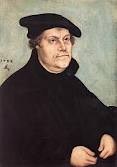
Martin Luther (1483-1546)

Det finns många artiklar om Luther där han prisas, så det känns inte som det behövs ännu en sådan artikel. Den här bloggartikeln handlar därför om Luthers mindre bra sidor.

Frälst av tro allena? Luther lärde att frälsning inte följer av goda gärningar utan är en fri gåva av Gud som endast åtnjutes av nåd genom tro på Jesus som har sonat våra synder. Det problem som var viktigast för Luther var frågan om rättfärdigande, det vill säga att människan genom tro allena betraktades som rättfärdig av Gud, genom Guds nåd. Han drog det till sin spets genom att hävda att rättfärdigheten inte bara härstammar från Kristus, utan rentav är Kristus, inympad i människan genom tron på Jesus som Messias. Detta är anledningen till att tron allena saliggör, och får människan att följa lagen. Tron är det som frambringar den Helige Ande, tack vare Kristi gärningar, skrev Luther. Enligt Luther var tron en gåva från Gud. “Därmed är det klargjort att det är tron, och tron alena, som frälser oss … Inget i denna artikel kan ges upp eller förändras, om så himlen och jorden och allt annat går under “

Problemet är bara att BIBELN inte lär ut “tro allena”.  Luther skräddarsydde sin översättning av Bibeln 1522 enligt sin egen lära. När han fick kritik för att han lade till ordet “allena” efter “tro” i Romarbrevet 3:28, svarade han: “Det är mitt testamente och min översättning, och den ska fortsätta att vara min.”Resultatet blev en evangelikal Bibel, som anpassats för den framväxande lutherska kyrkan. Luther hade bekymmer gällande Jakobsbrevet som talar alltför mycket om kravet på gärningar ihop med tron. Om tron är en gåva så kan det inte stämma det som Bibeln säger att tron kommer av att höra Guds ord. Att vår rättfärdighet egentligen är Jesus egen läggning (rättfärdighet) inympad i oss är HELT FEL och inte vad Bibeln ger stöd för.  Jesus är vår rättfärdighet på så sätt att han levt ett prickfritt liv för vår skull, och att vi genom hans död kan få förlåtelse för våra begångna synder via omvändelse. INTE att det skett någon form av transfusion av hans rättfärdighet till oss.

I “Vederläggning av Latomus argument” argumenterade Luther för att varenda god gärning som utförs i syfte att vinna Guds gunst är synd!  Alla människor är syndare av naturen, förklarade han, och endast Guds nåd, som inte kan förtjänas, kan göra dem rättfärdiga. Den 1 augusti 1521 skrev Luther till Melanchthon på samma tema: “Var en syndare, och låt dina synder vara starka, men låt din tro på Kristus vara starkare, och gläds i Kristus, som besegrar synden, döden och världen. Vi kommer att begå synder medan vi är här, för i detta liv bor ingen rättvisa.” Det stämmer dock inte alls att människan är syndare av naturen, och självfallet har Gud inga problem med att vi strävar efter att göra goda gärningar. Bibeln lär att tro utan gärningar är DÖD och att grenar kan huggas av vinträdet pga brist på frukt, så självfallet vill vi leva lydiga Gud eftersom våra SJÄLAR hänger på det. Vi är inte frälsta av tro allena och inte heller av gärningar allena. Att Luther menar att vi är syndare av naturen och kommer att synda ända tills vi dör, är helt emot det Bibeln lär, och detta är ingenting annat än en gnostisk lära. I Bibeln är det Satan som lär att synd inte leder till en själslig död. I Luthers ögon är synd alltså helt normalt i en kristens liv. Men inte heller Luther var konsekvent med sin egen lära. Ibland gick inte Luthers  reformer upp mot hans tidigare proklamationer. Till exempel underströk skriften Unterricht der Visitatoren an die Pfarrherren in Sachsen 1528, författad av Melanchthon med Luthers godkännande, botgöringens roll i syndernas förlåtelse, trots Luthers ståndpunkt att tron allena garanterar rättfärdighet. Vi har även sett ibland att dopet också har en central roll i frälsningen, enligt Luther. Reformatorn Johannes Agricola från Eislebenprotesterade mot denna kompromiss, och Luther fördömde honom för att han lärde att tron är åtskild från gärningarna. Unterricht är ett problematiskt dokument för dem som söker en konsekvent evolution i Luthers tankar och prakt.

Nattvarden. Luther hävdade att Jesus verkligen var närvarande, i kött och blod, i nattvarden som han kallade det förenande sakramentet, medan hans motståndare ansåg att Gud endast var symboliskt eller andligen närvarande

Filip den ädelmodige, lantgreve av Hessen-Kassel, ville gifta sig med en av sin hustrus hovdamer, och bad om Luthers, Melanchtons ochBucers godkännande i december 1539. Han hänvisade till patriarkernas polygami. Teologerna var inte beredda att ta ett generellt beslut, utan rådde motvilligt honom att gifta sig i hemlighet och hålla tyst om saken.[162] Den 4 mars 1540 gifte han med Margareta von der Saale, med Melanchthon och Bucer bland vittnena. Filip lyckades dock inte hålla äktenskapet hemligt och han hotade med att offentliggöra Luthers råd. Luther rådde honom att berätta en “stark lögn” (stark zu lugen) och fullständigt förneka äktenskapet, vilket Filip gjorde under den följande tvisten. Kyrkohistorikern Martin Brecht menar att ge Filip dessa råd var ett av de värsta misstag Luther gjort, och historien håller Luther ansvarig för detta, förutom lantgreven själv som var direkt ansvarig.[164] Brecht menar att Luthers misstag var inte att ge privata råd som präst, utan att han missbedömde de politiska konsekvenserna.Händelserna skadade bestående Luthers rykte.

Luther och hans antisemitism. I skrifter om de judiska folken framför Luther att judars hem ska förstöras, deras synagogor brännas, pengar konfiskeras och frihet beskäras. Hans åsikter utnyttjades i nazisternaspropaganda mellan åren 1933 och 1945. Som ett resultat av detta och av hans revolutionära teologiska synpunkter är Luther ännu kontroversiell. År 1523 uppmanade Luther till godhet mot judarna i skriften Att Jesus Kristus föddes som jude, men endast i syfte att försöka omvända dem till kristendomen. När hans ansträngningar att omvända dem misslyckades, blev han alltmer bitter gentemot dem.

Luthers andra större verk om judarna var hans 60 000 ord långa avhandling Von den Juden und ihren Lügen (Om judarna och deras lögner), och Vom Schem Hamphoras und vom Geschlecht Christi, som båda publicerades 1543, tre år före hans död. Luther menade att judarna inte längre var det utvalda folket utan “djävulens folk”: han hänvisade till dem med ett våldsamt och vidrigt språk. Luther propagerade för att sätta synagogor i brand, förstöra judiska böneböcker, förbjuda rabbiner att predika, att beslagta judars egendomar och pengar samt slå sönder deras hem, så att dessa “giftiga maskar” skulle tvingas att arbeta eller utvisas för gott. Enligt Robert Michaels tolkning, innebar Luthers ord “Vi begår fel genom att inte slakta dem” att Luther sanktionerade mord.

Luther propagerade mot judarna i Sachsen, Brandenburg och Schlesien. Josel av Rosheim, den judiske talesmannen, som försökte hjälpa judarna i Sachsen år 1537, gav senare skulden för deras svårigheter på “den där prästen vars namn är Martin Luther — må hans kropp och själ bli bunden i helvetet!som skrev och gav ut många kätterska böcker där han påstod att vem som helst som gav judarna hjälp var dömd till undergång”. Josel bad staden Strasbourg att förbjuda försäljning av Luthers anti-judiska arbeten: staden vägrade inledningsvis att utfärda ett förbud, men gav efter då en luthersk präst i Hochfelden använde högmässan för att uppvigla sina församlingsmedlemmar att mörda judar. Luthers inflytande kvarstod efter hans död. Genom 1580-talet ledde upplopp till att judar fördrevs från flera tyska lutheranska delstater. Luther var sin generations mest läste författare, och han uppnådde en profets status i Tyskland. Enligt den förhärskande åsikten bland historiker bidrog hans anti-judiska retorik starkt till antisemitismens utveckling i Tyskland, och gav på 1930- och 1940-talen ett “idealiskt stöd” åt nationalsocialisternas angrepp mot judar.

Reinhold Lewin skriver att “vem som helst som skrev emot judarna, av vilka skäl som helst, ansåg sig ha rätt att rättfärdiga sig själv genom att jublande hänvisa till Luther.” Enligt Michael innehöll mer eller mindre varenda antijudisk bok som trycktes i Tredje riket referenser till och citat från Luther. Heinrich Himmler skrev 1940 med beundran om hans skrifter och predikningar om judarna. Staden Nürnberg skänkte en förstaupplaga av Om judarna och deras lögner till Julius Streicher, redaktör på den nazistiska tidningen Der Stürmer, på hans födelsedag 1937; tidningen beskrev det som den mest radikalt antisemitiska skrift som någonsin publicerats. Den 17 december 1941, sju regionala protestantiska kyrkors samfällighet gav gemensamt ut en policy där de anslöt sig till förslaget om att alla judar skulle tvingas bära den gula stjärnan, judestjärnan, “då Luther efter sina bittra erfarenheter redan hade föreslagit förebyggande åtgärder mot judarna och för fördrivandet av dem från tyskt territorium.”

Luther skrev inte lika engagerat om islam som han gjort om judendomen, och han ställde aldrig några krav på att muslimer skulle omvändas. Även om Luther betraktade islam som ett djävulens verktyg, förhöll han sig likgiltig till dess utövande: Låt turken tro på vad han vill, precis som man låter påvedömet och andra falska former av kristendom fortleva. Luther motsatte sig även att Koranen skulle förbjudas, då han menade att det var bättre att genom publikation utsätta den för granskning och kritik.

Luthers död. Hans svaga fysiska hälsa ledde till ett hetare temperament och ännu skarpare uttryck i sina skrifter och kommentarer. Hans fru Katharina hördes en gång säga: “Käre make, du är för elak” och han svarade: “De lär mig att vara elak.”Sin sista predikan höll han i Eisleben, hans födelseplats, den 15 februari 1546, tre dagar före sin död. Den var “genomgående ägnad mot de förhärdade judarna, som var ett akut problem att undanröja från allt tyskt territorium,” med hänvisning till Léon Poliakov. James Mackinnon skriver att den avslutades med en “glödande uppmaning att driva judarna med pick och pack från deras tillhåll mitt ibland oss, om de inte avsa sig sitt förtal och sitt ocker och blev kristna.” Luther sa, “vi skall praktisera kristen kärlek mot dem och be för att de ska konvertera,” men också för att de är “våra allmänna fiender … och om de kan döda oss alla, så skulle de gladeligen göra det. Och så gör de ofta.”

Luther var inte konsekvent med att vilja döda judarna samtidigt som han gick emot våld i andra sammanhang. “Vet ni vad djävulen tänker när han ser människor använda våld för att propagera för evangeliet? Han sitter med korsade armar bakom helvetets eldar och säger med ondskefull min och ett skrämmande flin: “Åh, så klokt dessa galningar spelar mitt spel! Låt dem fortsätta; jag ska skörda frukterna. Jag glädjer mig åt det.” Men när han ser Ordet fara och kämpa ensamt på slagfältet, darrar han av skräck. 

Men i Wider die räuberischen und mörderischen Rotten der Bauern förklarade han evangeliernas syn på rikedom och förbannade våldet som djävulens verk och manade adeln att avliva rebellerna som galna hundar. Låt därför alla som kan slå, dräpa och knivhugga göra det, i hemlighet eller öppet, med åtanke att inget kan vara mer giftigt, skadligt eller djävulskt än en rebell —Våra bönder vill dock att andras egendomar ska bli gemensamma, men behålla sina egna själva. Vilka fina kristna! Jag tror inte att det finns en enda djävul kvar i helvetet; de har alla farit i bönderna. Deras galenskap går bortom alla gränser.

CITAT från LUTHER 
“Whoever rejects infant baptism shall be punished with death, As for the simple people, who have not preached or administered baptism, but who were seduced to permit themselves to frequent the assemblies of the heretics, if they do not wish to renounce Anabaptism, they shall be scourged, punished with perpetual exile, and even with death if they return three times to the place whence they have been expelled.” (Bennett, pp. 843-845)

“If you are a preacher of mercy, do not preach an imaginary but the true mercy. If the mercy is true, you must therefore bear the true, not an imaginary sin. God does not save those who are only imaginary sinners. Be a sinner, and let your sins be strong, but let your trust in Christ be stronger, and rejoice in Christ who is the victor over sin, death, and the world. We will commit sins while we are here, for this life is not a place where justice resides. We, however, says Peter (2. Peter 3:13) are looking forward to a new heaven and a new earth where justice will reign. It suffices that through God’s glory we have recognized the Lamb who takes away the sin of the world. No sin can separate us from Him, even if we were to kill or commit adultery thousands of times each day. Do you think such an exalted Lamb paid merely a small price with a meager sacrifice for our sins? Pray hard for you are quite a sinner.” (A Letter From Luther to Melanchthon, Letter 99, 1 August 1521).

“With regard to God, and all that bears on salvation or damnation, man has no ‘free-will’, but is a captive, prisoner and bond slave, either to the will of God, or to the will of Satan.” (‘Bondage of the Will,’ ‘Martin Luther: Selections From His Writings’, ed. by Dillenberger: Anchor Books, 1962, p. 190.)

“Therefore, necessity, not free will, is the controlling principle of our conduct. God is the author of what is evil as well as well as what is good, and, as He bestows happiness on those who merit it not, so also does He damn others who deserve not their fate.” (‘De Servo Abitrio’, 7, 113 seq., quoted by O’Hare in ‘The Facts About Luther’: TAN Books, 1987, pp. 266-267.)

“Christ committed adultery first of all with the women at the well about whom St. John tell’s us. Was not everybody about Him saying: ‘Whatever has he been doing with her?’ Secondly, with Mary Magdalen, and thirdly with the women taken in adultery whom He dismissed so lightly. Thus even, Christ who was so righteous, must have been guilty of fornication before He died.” (Trishreden, Weimer Edition, Vol. 2, Pg. 107.)

“to my mind it (the book of Apocalypse) bears upon it no marks of an apostolic or prophetic character… Everyone may form his own judgment of this book; as for myself, I feel an aversion to it, and to me this is sufficient reasoning to REJECT IT it.” (Sammtliche Werke, 63, p.169-170, ‘The Facts About Luther,’ O’Hare, TAN Books, 1987, p. 203.)

“For I testify unto every man that heareth the words of the prophecy of this book, If any man shall add unto these things, God shall add unto him the plagues that are written in this book” (Rev. 22.18). “And if any man shall take away from the words of the book of this prophecy, God shall take away his part out of the book of life, and out of the holy city, and [from] the things which are written in this book” (Rev. 22.19).

“Be a sinner and sin boldly, but believe and rejoice in Christ even more boldly for he is victorious over sin, death, and the world. As long as we are here in this world we have to sin. This life is not a dwelling place of righteousness. No sin will separate us from the lamb, even though we commit fornication and murder a thousand times a day. Whenever the devil harasses you, seek the company of men or drink more, or joke and talk nonsense, or do some other merry thing. Sometimes we must drink more, sport, recreate ourselves, and even sin a little to spite the devil, so that we leave him no place for troubling our consciences with trifles. We are conquered if we try too conscientiously not to sin at all. So when the devil says to you: do not drink, answer him: I will drink, and right freely, just because you tell me not to. The imputation of righteousness we need very much, because we are far from perfect. As long as we have this body, sin will dwell in our flesh. Then, too, we sometimes drive away the holy spirit; we fall into sin, like Peter, David, and other holy men. Nevertheless we may always take recourse to this fact, that our sins are covered, and that God will not lay them to our charge. Sin is not held against us for Christ’s sake, your sin cannot cast you into hell. No sin can harm me.” (Martin Luther’s Saemmtliche Schriften, Letter #99, 1 aug. 1531)

“This is the highest degree of faith – to believe that He [“god”] is merciful, who saves so few and damns so many; to believe Him just, who according to His own will, makes us necessarily damnable, that He may seem, as Erasmus says, ‘to delight in the torments of the miserable, and to be an object of hatred rather than of love.'” (Bondage of the Will”. p. 30)

Martin Luther lade också till ordet “allena”  i Rom. 3.28 så att det blir “tro allena”, men det står inte så i originaltexten. Se också Jak. 2:24 som säger motsatsen.  (Amic. discussion, 1, 127, ‘The Facts About Luther,’ O’Hare, TAN Books, 1987, p. 201.)

We should throw the epistle of James out of this school [Wittenberg], for it doesn’t amount to much. It contains no syllable about Christ. Not once does it mention Christ, except at the beginning. I maintain that some Jew wrote it who probably heard about Christian people but never encountered any (Luther’s Works, 54, 424-425).*)

*) See more info in the end of this document.
Luthers skrift On Jews and their Lies’ Part Two” 

I shall give you my sincere advice: First, to set fire to their synagogues or schools and to bury and cover with dirt whatever will not burn, so that no man will ever again see a stone or cinder of them. This is to be done in honor of our Lord and of Christendom, so that God might see that we are Christians, and do not condone or knowingly tolerate such public lying, cursing, and blaspheming of his Son and of his Christians. For whatever we tolerated in the past unknowingly_and I myself was unaware of it_will be pardoned by God. But if we, now that we are informed, were to protect and shield such a house for the Jews, existing right before our very nose, in which they lie about, blaspheme, curse, vilify, and defame Christ and us (as was heard above), it would be the same as if we were doing all this and even worse ourselves, as we very well know.

In Deuteronomy 13:12 Moses writes that any city that is given to idolatry shall be totally destroyed by fire, and nothing of it shall be preserved. If he were alive today, he would be the first to set fire to the synagogues and houses of the Jews. For in Deuteronomy 4:2 and 12:32 he commanded very explicitly that nothing is to be added to or subtracted from his law. And Samuel says in I Samuel 15:23 that disobedience to God is idolatry. Now the Jews’ doctrine at present is nothing but the additions of the rabbis and the idolatry of disobedience, so that Moses has become entirely unknown among them (as we said before), just as the Bible became unknown under the papacy in our day. So also, for Moses’ sake, their schools cannot be tolerated; they defame him just as much as they do us. It is not necessary that they have their own free churches for such idolatry.

Second, I advise that their houses also be razed and destroyed. For they pursue in them the same aims as in their synagogues. Instead they might be lodged under a roof or in a barn, like the gypsies. This will bring home to them the fact that they are not masters in our country, as they boast, but that they are living in exile and in captivity, as they incessantly wail and lament about us before God.

Third, I advise that all their prayer books and Talmudic writings, in which such idolatry, lies, cursing, and blasphemy are taught, be taken from them.

Fourth, I advise that their rabbis be forbidden to teach henceforth on pain of loss of life and limb. For they have justly forfeited the right to such an office by holding the poor Jews captive with the saying of Moses (Deuteronomy 17:10) in which he commands them to obey their teachers on penalty of death, although Moses clearly adds: “what they teach you in accord with the law of the Lord.” Those villains ignore that. They wantonly employ the poor people’s obedience contrary to the law of the Lord and infuse them with this poison, cursing, and blasphemy. In the same way the pope also held us captive with the declaration in Matthew 16:18, “You are Peter,” etc., inducing us to believe all the lies and deceptions that issued from his devilish mind. He did not teach in accord with the word of God, and therefore he forfeited the right to teach.

Fifth, I advise that safe-conduct on the highways be abolished completely for the Jews. For they have no business in the countryside, since they are not lords, officials, tradesmen, or the like. Let them stay at home. I have heard it said that a rich Jew is now traveling across the country with twelve horses his ambition is to become a Kokhba devouring princes, lords, lands, and people with his usury, so that the great lords view it with jealous eyes. If you great lords and princes will not forbid such usurers the highway legally, some day a troop may gather against them, having learned from this booklet the true nature of the Jews and how one should deal with them and not protect their activities. For you, too, must not and cannot protect them unless you wish to become participants in an their abominations in the sight of God. Consider carefully what good could come from this, and prevent it.

Sixth, I advise that usury be prohibited to them, and that all cash and treasure of silver and gold be taken from them and put aside for safekeeping. The reason for such a measure is that, as said above, they have no other means of earning a livelihood than usury, and by it they have stolen and robbed from us an they possess. Such money should now be used in no other way than the following: Whenever a Jew is sincerely converted, he should be handed one hundred, two hundred, or three hundred florins, as personal circumstances may suggest. With this he could set himself up in some occupation for the support of his poor wife and children, and the maintenance of the old or feeble. For such evil gains are cursed if they are not put to use with God’s blessing in a good and worthy cause.

Seventh, I recommend putting a flail, an ax, a hoe, a spade, a distaff, or a spindle into the hands of young, strong Jews and Jewesses and letting them earn their bread in the sweat of their brow, as was imposed on the children of Adam (Gen. 3 [:19]). For it is not fitting that they should let us accursed Goyim toil in the sweat of our faces while they, the holy people, idle away their time behind the stove, feasting and farting., and on top of all, boasting blasphemously of their lordship over the Christians by means of our sweat. No, one should toss out these lazy rogues by the seat of their pants.

But if we are afraid that they might harm us or our wives, children, servants, cattle, etc., if they had to serve and work for us — for it is reasonable to assume that such noble lords of the world and venomous, bitter worms are not accustomed to working and would be very reluctant to humble themselves so deeply before the accursed Goyim — then let us emulate the common sense of other nations such as France, Spain, Bohemia, etc., compute with them how much their usury has extorted from us, divide, divide this amicably, but then eject them forever from the country. For, as we have heard, God’s anger with them is so intense that gentle mercy will only tend to make them worse and worse, while sharp mercy will reform them but little. Therefore, in any case, away with them!

In brief, dear princes and lords, those of you who have Jews under your rule: if my counsel does not please you, find better advice, so that you and we all can be rid of the unbearable, devilish burden of the Jews … Do not grant them protection, safe-conduct, or communion with us … so it is not necessary to burden ourselves also with these alien, shameful vices of the Jews …

And you, my dear gentlemen and friends who are pastors and preachers, I wish to remind very faithfully of your official duty, so that you too may warn your parishioners concerning their eternal harm, as you know how to do, namely, that they be on their guard against the Jews and avoid them so far as possible. When you lay eyes on or think of a Jew you must say to your self: Alas, that mouth which I there behold has cursed and execrated and maligned every Saturday my dear Lord Jesus Christ, who has redeemed me with his precious blood; in addition, it prayed and pleaded before God that I, my wife and children, and all Christians might be stabbed to death and perish miserably. And he himself would gladly do this if he were able, in order to appropriate our goods … If I were to eat, drink or talk with such a devilish mouth, I would eat or drink myself full of devils by the dish or cupful just as I surely make myself a cohort of all the devils that dwell in the Jews and that deride the precious blood of Christ. May God preserve me from this!

Nor dare we make ourselves partners in their devilish ranting and raving by shielding and protecting them, by giving them food, drink, and shelter, or by other neighborly acts, especially since they boast so proudly and despicably when we do help and serve them that God has ordained them as lords and us as servants. For instance, when a Christian kindles their fire for them on a Sabbath, or cooks for them in an inn whatever they want, they curse and defame and revile us for it, supposing this to be something praiseworthy, and yet they live on our wealth, which they have stolen from us. Such a desperate, thoroughly evil poisonous, and devilish lot are these Jews, who for these fourteen hundred years have been and still are our plague, our pestilence, and our misfortune.

Especially you pastors who have Jews living in your midst, persist in reminding your lords and rulers to be mindful of their office and of their obligation before God to force the Jews to work, to forbid usury, and to check their blasphemy and cursing. For if they punish thievery, robbery, murder, blasphemy, and other vices among us Christians, why should the devilish Jews be scot-free to commit their crimes among us and against us? We suffer more from them than the Italians do from the Spaniards, who plunder the host’s kitchen, cellar, chest, and purse, and, in addition, curse him and threaten him with death. Thus the Jews, our guests, also treat us; for we are their hosts. They rob and fleece us and hang about our necks, these lazy weaklings and indolent bellies; they swill and feast, enjoy good times in our homes …

But if the authorities are reluctant to use force and restrain the Jews’ devilish wantonness, the latter should, as we said, be expelled from the country … much more leave our Lord the Messiah, our faith, and our church undefiled and uncontaminated with their devilish tyranny and malice. Any privileges that they may plead shall not help them; for no one can grant privileges for practicing such abominations. These cancel and abrogate all privileges.

If you pastors and preachers have followed my example and have faithfully issued such warnings, but neither prince nor subject will do anything about it, let us follow the advice of Christ (Matthew 10:14) and shake the dust from our shoes, and say, “We are innocent of your blood.” For I observe and have often experienced how indulgent the perverted world is when it should be strict, and, conversely, how harsh it is when it should be merciful. Such was the case with King Ahab, as we find recorded in I Kings 20. That is the way the prince of this world reigns. I suppose that the princes will now wish to show mercy to the Jews, the bloodthirsty foes of our Christian and human name, in order to earn heaven thereby. But that the Jews enmesh us, harass us, torment and distress us poor Christians in every way with the above mentioned devilish and detestable deeds, this they want us to tolerate, and this is a good Christian deed, especially if there is any money involved (which they have filched and stolen from us).

What are we poor preachers to do meanwhile? In the first place, we will believe that our Lord Jesus Christ is truthful when he declares of the Jews who did not accept but crucified him, “You are a brood of vipers and children of the devil [cf. Matt. 12:34]. This is a judgment in which his forerunner John the Baptist concurred, although these people were his kin. Now our authorities and all such merciful saints as wish the Jews well will at least have to let us believe our Lord Jesus Christ, who, I am sure, has a more intimate knowledge of all hearts than do those compassionate saints. He knows that these Jews are a brood of vipers and children of the devil, that is, people who will accord us the same benefits as does their father, the devil, and by now we Christians should have learned from Scripture as well as experience just how much he wishes us well.

I have read and heard many stories about the Jews which agree with this judgment of Christ, namely, how they have poisoned wells, made assassinations, kidnaped children, as related before … However, it all coincides with the judgment of Christ which declares that they are venomous, bitter, vindictive, tricky serpents, assassins, and children of the devil who sting and work harm stealthily wherever they cannot do it openly … That is what I had in mind when I said earlier that, next to the devil, a Christian has no more bitter and galling foe than a Jew. There is no other to whom we accord as many benefactions and from whom we suffer as much as we do from these base children of the devil, this brood of vipers.

Now let me commend these Jews sincerely to whoever feels the desire to shelter and feed them, to honor them, to be fleeced, robbed, plundered, defamed, vilified, and cursed by them, and to suffer every evil at their hands — these venomous serpents and devil’s children, who are the most vehement enemies of Christ our Lord and of us all. And if that is not enough, let him stuff them into his mouth, or crawl into their behind and worship this holy object. Then let him boast of his mercy, then let him boast that he has strengthened the devil and his brood for further blaspheming our dear Lord and the precious blood with which we Christians are redeemed. Then he will be a perfect Christian, filled with works of mercy for which Christ will reward him on the day of judgment, together with the Jews in the eternal fire of hell!

On Jews and their Lies’ Part Three
But what will happen even if we do burn down the Jews’ synagogues and forbid them publicly to praise God, to pray, to teach, to utter God’s name? They will still keep doing it in secret … They must be driven from our country … Indeed, if they had the power to do to us what we are able to do to them, not one of us would live for an hour. But since they lack the power to do this publicly, they remain our daily murderers and bloodthirsty foes in their hearts. Their prayers and curses furnish evidence of that, as do the many stories which relate their torturing of children and all sorts of crimes for which they have often been burned at the stake or banished … everyone would gladly be rid of them … For Christ does not lie or deceive us when he adjudges them to be serpents and children of the devil

(En del av informationen från wikipedia)

*) Luther’s controversial writing concerning the Epistle of James and the Revelation can be found in Volume 35 of Luther’s Works, American Edition, pages 395-397 and 399-400.
An excerpt from his “Preface to the Epistles of St. James and St. Jude” — “…I praise [the Epistle of James] and consider it a good book, because it sets up no doctrines of men but vigorously promulgates the law of God…. However, …I do not regard it as the writing of an apostle, and my reasons follow.
“In the first place it is flatly against St. Paul and all the rest of Scripture in ascribing justification to works [2:24]….
“In the second place its purpose is to teach Christians, but in all this long teaching it does not once mention the Passion, the resurrection, or the Spirit of Christ….
“In a word, he wanted to guard against those who relied on faith without works, but was unequal to the task. He tries to accomplish by harping on the law what the apostles accomplish by stimulating people to love. Therefore I cannot include him among the chief books, though I would not thereby prevent anyone from including or extolling him as he pleases, for there are otherwise many good sayings in him,”
Lutherans generally do not agree with Luther’s devaluation of this epistle.
An excerpt from Luther’s earlier preface to Revelation: “About this book of the Revelation of St. John, I leave everyone free to hold his own opinions. I would not have anyone bound to my opinion or judgment. I say what I feel. I miss more than one thing in this book, and it makes me consider it to be neither apostolic nor prophetic.
“First and foremost, the apostles do not deal with visions, but prophesy in clear and plain words, as do Peter and Paul, and Christ in the gospel…. I can in no way detect that the Holy Spirit produced it….”
In 1530, Luther revised the Preface, but had not really changed his view regarding Revelation:
“…Some of the ancient fathers held that it was not the work of St. John, the Apostle…. For our part, we still share this doubt. By that, however, no one should be prevented from reading this as the work of St. John the apostle, or of whomever else he chooses….”
Lutherans generally do not agree with Luther’s devaluation of the book of Revelation.
When Luther wrestled with the question of whether these books belong in the canon of scripture, he was not questioning the inspiration or the authority of god’s word. The question for him was what is properly part of God’s Word. As with other questions of faith and doctrine, Luther is never the final authority.
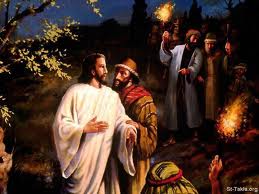

Judas was not predestined to betray Jesus, Acts 4:28

Judas acted against God’s will when he betrayed Jesus

The kings of the earth stood up, and the rulers were gathered together against the Lord, and against his Christ. For of a truth against thy holy child Jesus, whom thou hast anointed, both Herod, and Pontius Pilate, with the Gentiles, and the people of Israel, were gathered together, For to do whatsoever thy hand and thy counsel DETERMINED BEFORE to be done. (Acts 4:26-28)

The above are words from a prayer by Peter and John, and these verses are sometimes used as an attempt to support the idea that God predestines all things, including predestination of individuals to do “evil” (and that this in effect doesn’t make it “evil” since God is always good). The sacrifice of Christ is a holy and acceptable offering to God and he didn’t force anyone to kill Jesus. This unique event cannot be used as a blanket statement throughout the entire scriptures to show that God causes people to do whatever they are busy doing including SINNING.

What was “determined before” to be done? It was the death of Jesus (the Lamb slain from the foundation of the world)! However, it does not say that God predestined anyone to make this goal come true. Peter and John expressed in their prayer that people came to do what was determined, but  it doesn’t say that God predestined/caused/forced anyone to betray and kill Jesus, because then God would be the only reason for their sin.  (You’re not guilty of something if God is the one who made you do it.) Jesus is said to have laid down his own life and we can trust his words. There was certainly no shortage of people who wanted to kill Jesus, so God did not have to bother about predestining anyone to harm him. They went after Jesus on their own accord, and this was known from the foundation of the world. It wouldn’t be hard for the Father to remove his protective hands over Jesus and let someone with the desire to kill him be successful in his attempt, and Judas was  apparently first in line to betray him which eventually lead to his death. If Judas was predestined to betray Jesus, he would end up in heaven and not hell.

 John 10:17 Therefore doth my Father love me, because I lay down my life, that I might take it again18No man taketh it from me, but I lay it down of myself. I have power to lay it down, and I have power to take it again. This commandment have I received of my Father.

We can read that what happened was FOREKNOWN by God, but foreknowledge is not predestination. We can read that WICKED HANDS had crucified and slayed Jesus. If God predestined people to slay Jesus, then it would have been GODLY hands who slayed him. Those are wicked who do things contrary to God’s will.  By using an event for something good doesn’t mean that God caused it to happen.

 Acts 2:23 Him, being delivered by the determinate counsel and FOREKNOWLEDGE of God, YE have taken, and BY WICKED HANDS have crucified and slain? 

We can see that it was not GOD who placed the desire to harm Jesus inside Judas but SATAN.

Joh. 13:And supper being ended, the devil having now put into the heart of Judas Iscariot, Simon’s son, to betray him 

Jesus asked his Father to forgive those who harmed him, but if they were predestined to do so, then what is there to forgive? Why asking the Father to forgive people for doing exactly what he caused them to do?! If Judas OBEYED the Father by betraying Jesus which he was CAUSED to do, then shouldn’t Judas be rewarded instead of punished for what he did? Instead we can read that it would have been better for Judas had he never been born.

Luke 23:34 Then said Jesus, Fatherforgive them; for they know not what they do. And they parted his raiment, and cast lots

Jesus was delivered into the hands of SINFUL men, so we are not talking about innocent people who only did what they were predestined to do by God. THEY chose to sin, and we know that God doesn’t even TEMPT people. Much less force people to sin.  There is no darkness in God.

Lukas 24:7Saying, The Son of man must be delivered into the hands of sinful men, and be crucified, and the third day rise again.

The Apostle Paul “determined to sail by Ephesus” (Acts 20:16). Does that mean that the sailors on the vessel that he determined to sail on were acting under Paul’s compulsion or control? No. Paul determined to sail on a certain vessel to a certain location, but that does not mean that the vessel he determined to sail on was under his causation. When Paul sailed to Ephesus, he could say that what occurred was what was “determined before to be done” instead of something which occurred by surprise or accident. But the occurrence of what was determined before to be done did not exclude the freedom of those who participated in its occurrence. In the same way, God determined the crucifixion of Christ, but that does not mean that those who participated in His crucifixion and contributed to it were not free in what they did. What they did to Christ was not a surprise to God. What they did was what God had “determined before to be done”. In order to accomplish His purpose of slaying the Lord, God delivered Christ into the hands of those who already wanted to kill him by their free choice.

There certainly was no shortage of people who wanted to kill Jesus because of the way that He preached. Jesus said that “the world” “hateth” him, “because I testify of it, that the works thereof are EVIL” (Jn. 7:7). But the enemies of Christ were unable to kill him as long as the Father was protecting him (Matt. 4:6; Lk. 4:11; Jn. 7:30; 10:31; 10:39). The Bible says “Then they sought to take him: but no man laid hands on him, because his hour was not yet come” (Jn. 7:30).

God determined to deliver Jesus unto wicked men and God foreknew what they would do to Jesus if He did. This is because the Father knew the hostility and hatred that was already freely in their hearts. God was able to incorporate their voluntary wickedness into His plans and even turn it around and use it for good. This, it seems, God also did with Joseph’s brothers (Gen. 50:20). But this does not mean that God caused their wickedness. It is one thing to say that God “worketh all things after the counsel of his own will” (Eph. 1:11), and it is quite another thing to say, “God CAUSES all things after the counsel of his own will”. God can work with the free will choices of men to accomplish His purposes without causing all the choices of men.

Pilate said, “I have power to crucify thee, and have power to release thee” (Jn. 19:10). Pilate certainly was conscious of possessing free will. He was aware of the fact that what he was doing, he was doing by his own free volition. Responsibility or accountability presupposes free will. Men will be judged according to the free choices of their wills. Since these men were responsible for taking Jesus and for killing him, though God had determined that Jesus should be delivered unto them and slain, they still took Him and killed him by their own free choice. The Bible goes on to say

“Therefore let all the house of Israel know assuredly, that God hath made that same Jesus, whom ye have crucified, both Lord and Christ. Now when they heard this, they were pricked in their hearts, and said unto Peter and to the rest of the apostles, men and brethren, what shall we do? (Acts 2:36-37)

Apparently, Peter’s audience had not taken his previous words about the determinate counsel of God to mean that they had no free will in the matter or that they were only acting under the control of God. Otherwise, they could not have been pricked in their hearts for their action or have seen any reason why they needed to be saved for acting in such a way. But they were pricked in their hearts and sought for a way of salvation because they internally knew that what they had done was caused freely by their own wills and, therefore, they were rightly responsible and accountable for it.

Augustinus och kyrkofädernas åsikter om Fri Vilja

De första ca 300 åren efter Jesu död

Den tidigaste kristna menade att det INTE var så att människor valde att göra det onda för att deras natur var ond/syndig, medan andra människor väljer det goda för att deras natur är god, för alla människor är av samma natur. Alla har fri vilja och kan välja mellan gott och ont. Gnostikerna satte sig emot detta och skrev till och med sina egna skrifter kända som De gnostiska skrifterna, där de använde kända namn som Maria, Thomas etc för att försöka ge stöd åt sina läror. Många av gnostikernas läror lyckades inte få fotfäste men vad gäller människans natur, fri vilja och syndens natur har falska läror tyvärr blivit accepterade och fortsätter att läras ut i våra kyrkor.

Gällande “Fri vilja” erkände John Kalvin om kyrkofädernas lära “As to the Fathers, (if their authority weighs with us,) they have the term constantly in their mouths”. Han sade “The Greek fathers above others have taught the power of the human will” och “they have not been ashamed to make use of a much more arrogant expression calling man ‘free agent’ or ‘self-manager’ just as if man had a power to govern himself”. Han sade också “The Latin fathers have always retained the word ‘free will’ as if man stood yet upright”.

Om urkyrkan var så enad i flera hundra år gällande den här läran, när skedde splittringen och vem orsakade den? Svaret är ganska uppenbart när vi ser till historien. Det var inte förrän på 400-talet som gnostiska och manikeiska influenser började infiltrera kyrkan och förgiftade den med sina läror. Augustinus anslöt sig till Kyrkan och blev biskop. Han började sedan att motarbeta det som Kyrkan alltid lärt ut om fri vilja och människans natur, och lärde ut den gnostiska synen.

John Gibb och William Montgomery sade “For nearly nine years Augustine was a Manichaean Auditor. At first he was a zealous partisan who contended publicly for his new faith, and did not hesitate to ridicule the doctrines of the Church and especially the Old Testament Scriptures”.

Märkligt nog så lärde Augustinus ut Fri vilja när han först anslöt sig till Kyrkan och debatterade mot manikeerna. Han sade “We [Christians] assert the liberty of the will, whereby our actions are rendered either moral or immoral, and keep it free from every bond of necessity, on account of the righteous judgment of God”. Samt: “The religious mind confesses and maintains that we do by our free will whatsoever we know and feel to be done by us only because we will it”. Och han sade “we sin voluntarily and not by necessity”. Men när han sedan började debattera med pelagianer så gick Augustinus tyvärr tillbaka till läran om totalt fördärv som manikéerna lärde. Beausobre märkte också denna förändring och att Augustinus försvarade Fri vilja “so long as he had to do with the Manichaeans. But when he came to dispute with the Pelagians, he changed his system. Then he denied that kind of freedom which before he had defended; and, so far as I am able to judge, his sentiments no longer differed from theirs [the Manichaeans] concerning the servitude of the will. He ascribed the servitude to the corruption which original sin brought into our nature; whereas the Manichaeans ascribed it to an evil quality, eternally inherit in matter.”

Synd var nu inte längre ett etiskt problem där människan själv hanterar sina val, utan ett metafysiskt problem där människan syndar av ren nödvändighet. De som kritiserade Augustinus för att lära ut Manekeism i stället för den sunda läran blev snart förföljda och fördömda som irrlärare när Augustinianism ernått Kyrklig auktoritet. De biskopar inom kyrkan som fortsatte att lära ut vad urkyrkan alltid lärt ut om Fri vilja och synd av val i stället för nödvändighet blev då bortdragna från sina talarstolar, fick sina ägodelar konfiskerade, och blev exkommunicerade av både kyrka och stat. Liksom Kalvinismen som kom efteråt, så använde Augustinianism politiska och statliga makter för att tysta alla former av opposition så att de nya lärorna kunde spridas som en farsot utan motstånd.

Det finns stora likheter men också några skillnader mellan Augustinianism och Gnostisism. Medan gnostikerna menade att människan natur var syndfull och fördärvad och att hon inte hade fri vilja eftersom hon var skapad av en underlägsen gud, så höll Augustinus med om att människans natur var syndfull och fördärvad och att hon inte hade fri vilja men han menade att det var Gud som gjorde det så pga Adams synd. Medan gnostikerna menade att köttet var syndfullt och att Jesus därför inte var kommen i köttet så trodde Augustinus att köttets lust var syndigt och att denna synd var ärftlig eller överförd från förälder till barn genom fysisk intimitet, och att Jesus undvek denna ärftliga åkomma genom att bli född av en jungfru. Därför höll Augustinus med gnostikerna i princip. Så Augustinianism är modifierad Manikeism eller semi-gnostisim.

De stora grundarna till den moderna kristna teologin har varit Augustinus, Luther och Kalvin. Augustinus var influerad av Manikeism och Luther och Kalvin var influerade av Augustinianskt tankesätt. Därför är det inget konstigt att Augustinus nekade till Fri vilja som Manikéerna gjorde, och Luther och Kalvin nekade till Fri vilja som Augustinus gjorde. Luther var t o m en Augustiniansk munk, och systemet med munkar och nunnor är influerat av idén att fysisk intimitet är syndigt. Luther refererade till Augustinus tretton gånger i sin bok “The Bondage of the Will” och 24 gånger i “Works of Martin Luther”. John Kalvin refererade till Augustinus tvåhundrasextiofem gånger i “Institutes on Christian Religion”Luther försvarade sin position mot Fri vilja genom att säga “Augustinus är helt och hållet på min sida”. Kalvin sade “Let us now hear Augustine in his own words, lest Calvin be charged with being opposed to all antiquity”. Men Kalvin var förstås avvikande mot alla de äldre kyrkofäderna före Augustinus.

John Kalvin sade “all ancient theologians, with the exception of Augustine, are so confused, vacillating, and contradictory on this subject, that no certainty can be obtained from their writings”. Kalvin trodde att män som Klement av Rom, Ignatius, som personligen kände apostlarna inte förstod apostlarnas epistlar medan Augustinus, som inte kände apostlarna, uppenbarligen gjorde det. Kalvin erkände: “It may, perhaps, seem that I have greatly prejudiced my own view by confessing that all of the ecclesiastical writers, with the exception of Augustine, have spoken too ambiguously or inconsistently on this subject, that no certainty is attainable from their writings”.

Reformatorerna ämnade styra tillbaka Kyrkan till den tidiga kristendomen, men kom inte längre tillbaka än till Augustinus som ju lärde irrläror. De borde ha gått tillbaka mycket längre i tiden. Encyclopedia of Religion and Ethics säger “it is Augustine who gave us the Reformation. For the Reformation, inwardly considered, was just the ultimate triumph of Augustine’s doctrine the Reformation came, seeing that it was, on its theological side, a revival of Augustinianism”.

Gnostisism, Augustinianism, Lutheranism och Kalvinism har mycket gemensamt som vi kunnat läsa här. Det är på sätt och vis samma gamla gnostisism i nytt format. Andra läror bygger på dessa gnostiska tänkesätt, såsom “easy believism”, predestinationsläran, nödvändighet av andligt uppväckande, ovillkorlig försäkran om evigt liv, etc. Men ingen gnostisk idé har fått en sådan spridning och acceptans bland kyrkor världen över såsom idén att människan är född med en syndfull natur.

Augustinus: “As nothing else is done for children in baptism but their being incorporated into the church, that is, connected with the body and members of Christ, it follows, that when this is not done for them, they belong to perdition.” 

Det finns en uppsjö av citat från de gamla kyrkofäderna vad gäller stöd till att människan har en fri vilja

De exempel som finns här borde räcka för att visa att Fri vilja – och inte att människan syndar av nödvändighet pga sin natur – var den universella synen i den tidigaste kristenheten.

KLEMENT

Vi kan läsa i Fil 4:3 att Paulus refererar till “mina medarbetare” i att sprida evangelium, och han namnger Klement vars namn “är skriven i Livets Bok”. Historieböckerna namnger denna man såsom Klement av Rom.

“It is therefore in the power of every one, since man has been made possessed of free-will, whether he shall hear us to life, or the demons to destruction.”

 Klement sade att Fri vilja gavs för att “he who is good by his own choice is really good; but he who is made good by another under necessity is not really good, because he is not what he is by his own choice“. Klement menade också att skälet till att syndare är orsaken till Guds straff för deras olydnad är att en syndare har en möjlighet att lyda Gud. Han sade “For no other reason does God punish the sinner either in the present or in the future world, except because He knows that the sinner was able to conquer but neglected to gain the victory”.

Skälet för att en syndare är straffbar för sin synd är alltså för att en syndare har en möjlighet att INTE synda. Han säger att en syndare är straffad, inte pga brist på kapacitet utan för oaktsamhet.

IGNATIUS 

Ignatius var en lärljunge till aposteln Johannes och dog martyrdöden i Colosseum i Rom genom att bli uppäten av lejon. Han lärde att människan är syndare av val och inte av naturen.

“If anyone is truly religious, he is a man of God; but if he is irreligious, he is a man of the devil, made such, not by nature, but by his own choice.”  (The Epistle of Ignatius to the Magnesians chap 5 (Long Version)

“There is set before us life upon our observance [of God’s precepts], but death as the result of disobedience, and every one, according to the choice he makes, shall go to his own place, let us flee from death, and make choice of life.” (The Epistle of Ignatius to the Magnesians chap 5, Long Version)

IRENAEUS 

Aposteln Johannes hade även en apostel som heter Polycarpos. Polycarpos var biskop i Smyrna när Uppenbarelseboken skrevs. Kyrkan i Smyrna var en av de kyrkor i Uppenbarelseboken som Jesus inte hade någon kritik till (Upp. 2:8-11). Polycarpos var en personlig vän med Ignatius och även han dog martyrdöden i Colosseum liksom Ignatius. Polycarpos hade en trogen lärljunge som heter Irenaeus. Han vederlade gnostikerna genom att säga:

“Men are possessed with free will, and endowed with the faculty of making a choice. It is not true, therefore, that some are by nature good, and others bad.” (Against Heresies, Book IV, Chapter XXXVII)

“Man is endowed with the faculty of distinguishing good and evil; so that, without compulsion, he has the power, by his own will and choice, to perform God’s commandments.” (Against Heresies, Book IV, Chapter XXXIX)

“Man is possessed of free will from the beginning, and God is possessed of free will (in whom likeness man was created)”. Irenaeus (A Dictionary of Early Christian Beliefs by David Bercot, p. 287, Published by Hendrickson Publishers)

“This expression, ‘How often would I have gathered thy children together, and thou wouldst not,’ set forth the ancient law of human liberty, because God made man a free agent from the beginning, possessing his own soul to obey the behests of God voluntarily, and not by compulsion of God.” (The Ante-Nicene Fathers, Volume One, Published by BRCCD, p. 1117)

“Forasmuch as all men are of the same nature, having power to hold and to do that which is good, and having power again to lose it, and not to do what is right; before men of sense, (and how much more before God!) some are justly accused, and receive condign punishment, because they refuse what is just and right”. Och “Those who do not do it [good] will receive the just judgment of God, because they had not worked good when they had it in their power to do so. But if some had been made by nature bad, and others good, these latter would not be deserving of praise for being good, for they were created that way, nor would the former be reprehensible, for that is how they were made. However, all men are of the same nature. They are all able to hold fast and to go what is good. On the other hand, they have the power to cast good from them and not to do it”.

 JUSTIN MARTYREN

Justin Martyren var en evangelist och arbetade intensivt för Herren tills han också dog martyrdöden i Rom.

“We have learned from the prophets, and we hold it to be true, that punishment, chastisement, and rewards are rendered according to the merit of each man’s actions. Otherwise, if all things happen by fate, then nothing is our own power. For if it is predestined that one man be good and another man evil, then the first is not deserving of praise and the other to be blamed. Unless humans have the power of avoiding evil and choosing good by free choice, they are not accountable for their actions ‘whatever they may be’ for neither would a man be worthy of praise if he did not himself choose the good, but was merely created for that end. Likewise, if a man were created evil, he would not deserve punishment, since he was not evil of himself, being unable to do anything else than what he was made for.” Justin Martyr (First Apology Chap. 43)

 TERTULLIANUS

Tertullianus var en annan kyrkoledare och apologist och är känd för sin textskrivarproduktivitet.

“No reward can be justly bestowed, no punishment can be justly inflicted, upon him who is good or bad by necessity, and not by his own choice.”  Tertullian (Doctrine of the Will by Asa Mahan, p. 61, Published by Truth in Heart)

METODIUS

Metodius var en kristen martyr som levde nära slutet av trehundratalet.

 “Those [pagans] who decide that man does not have free will, but say that he is governed by the unavoidable necessities of fate, are guilty of impiety toward God Himself, making Him out to be the cause and author of human evils.” Methodius (The Banquet of the Ten Virgins discourse 8, chap. 16)

“The Divine Being is not by nature implicated in evils. Therefore our birth is not the cause of these things”. Methodius (The Ante-Nicene Fathers, Volume Six, Published by BRCCD, p. 696)

“possessing free will, and not by nature evil” Methodius (The Ante-Nicene Fathers, Volume Six, Published by BRCCD, p 698)

“There is nothing evil by nature, but it is by use that evil things become such. So I say, says he, that man was made with free-will, not as if there were already evil in existence, which he had the power of choosing if he wished, but on account of his capacity of obeying or disobeying God. For this was the meaning of the gift of free will? and this alone is evil, namely, disobedience”. Methodius (The Ante-Nicene Fathers, Volume Six, Published by BRCCD, p. 746)

“God did not make evil, nor is He at all in any way the author of evil; but whatever failed to keep the law, which He in all justice ordained, after being made by Him with the faculty of free-will, for the purpose of guarding and keeping it, is called evil. Now it is the gravest fault to disobey God, by overstepping the bounds of that righteousness which is consistent with free-will”. Methodius (The Ante-Nicene Fathers, Volume Six, Published by BRCCD, p. 750)

EUSEBIUSIUS

Eusebiusius var en biskop och anses vara “Kyrkohistoriens Fader” pga sina många texter om densamma. Han skrev: “On the Life of Pamphilus”, “Chronicle of Universal History”, och “On the Martyrs”.

“The Creator of all things has impressed a natural law upon the soul of every man, as an assistant and ally in his conduct, pointing out to him the right way by this law; but, by the free liberty with which he is endowed, making the choice of what is best worthy of praise and acceptance, because he has acted rightly, not by force, but from his own free-will, when he had it in his power to act otherwise, As, again, making him who chooses what is worst, deserving of blame and punishment, as having by his own motion neglected the natural law, and becoming the origin and fountain of wickedness, and misusing himself, not from any extraneous necessity, but from free will and judgment. The fault is in him who chooses, not in God. For God is has not made nature or the substance of the soul bad; for he who is good can make nothing but what is good. Everything is good which is according to nature. Every rational soul has naturally a good free-will, formed for the choice of what is good. But when a man acts wrongly, nature is not to be blamed; for what is wrong, takes place not according to nature, but contrary to nature, it being the work of choice, and not of nature!” Eusebius (The Christian Examiner, Volume One, Published by James Miller, 1824 Edition, p. 66)

“The devil in his oracles hangs all things upon fate, and taking away that which is in our power, and arises from self-motion of free will? brings this also into bondage to necessity” Eusebius (The Cause of God and Truth by John Gill, 1838 Edition, p. 502)

Episcopius

“What is plainer than that the ancient divines, for three hundred years after Christ, those at least who flourished before St. Augustine, maintained the liberty of our will, or an indifference to two contrary things, free from all internal and external necessity!” Episcopius (An Equal Check to Pharisaism and Antinomianism by John Fletcher, Volume Two, p. 209, Published by Carlton & Porter)

Pelagius, som är historiskt känd för att ha lärt ut fri vilja under samma tid som Augustinus levde, var i harmoni med urkyrkan med sin åsikt.

“In all there is free-will equally by nature”. 

Origen

“The Scriptures emphasize the freedom of the will. They condemn those who sin, and approve those who do right. We are responsible for being bad and worthy of being cast outside. For it is not the nature in us that is the cause of the evil; rather, it is the voluntary choice that works evil”. Han sade också “the heretics introduce the doctrine of different natures”. Origen (A Dictionary of Early Christian Beliefs by David Bercot, p. 289, Published by Hendrickson Publishers)

“the heretics introduce the doctrine of different natures.” Origen (A Dictionary of Early Christian Beliefs by David Bercot, p. 291, Published by Hendrickson Publishers)

Augustinus bön till Maria:

“Blessed Virgin Mary, who can worthily repay you with praise and thanksgiving for having rescued a fallen world by your generous consent? What songs of praise can our weak human nature offer in your honor, since it was through you that it has found the way to salvation? Accept then such poor thanks as we have to offer, unequal though they be to your merits. Receive our gratitude and obtain by your prayers the pardon of our sins. Take our prayers into the sanctuary of heaven and enable them to bring about our peace with God. May the sins we penitently bring before Almighty God through you be pardoned. May what we beg with confidence be granted through you. Take our offerings and grant our request; obtain pardon for what we fear, for you are the only hope of sinners. We hope to obtain the forgiveness of our sins through you. Blessed Lady, in you is our hope of reward. Holy Mary, help the miserable, strengthen the discouraged, comfort the sorrowful, pray for your people, plead for the clergy, intercede for all women consecrated to God. May all who venerate you, feel now your help and protection. Be ready to help us when we pray, and bring back to us the answers to our prayers. Make it your continual care to pray for the People of God, for you were blessed by God and were made worthy to bear the Redeemer of the world, Who lives and reigns forever.” (Saint Augustine year 430 Dictionary of Mary Catholic Book Publishing Co.: New Jersey, 1997, 1985, p. 531.)

(Denna artikel är till vissa delar översatt från en artikel av Jesse Morell, från boken “The Natural Ability of Man: A Study On Free Will & Human Nature”. Där kan man läsa fotnoter till citaten jag nämnde ovan, och du kan även läsa artikeln och fotnoter i länken: http://openairoutreach.wordpress.com/2011/04/04/did-augustine-corrupt-the-church-with-gnostic-doctrine/)

Guds vrede drabbade inte Jesus på korset, och vi kan fortfarande drabbas av den

Vår Fader har ingen anledning att låta sin son drabbas av något vredesutbrott, och framför allt inget som VI orsakat. Guds vrede drabbar oss fortfarande om vi är olydiga, och det gäller även vi som är födda på nytt.

Matt. 3:7 Men när han såg att många fariseer och sadduceer kom för att bli döpta av honom, sade han till dem: “Ni huggormsyngel, vem har fått er att tro att ni kan fly undan den kommande vredesdomen?

Joh. 3:36 Den som tror på Sonen har evigt liv. Den som inte lyder Sonen skall inte se livet, utan Guds vrede blir kvar över honom.”

Rom. 2:Menar du att du skall komma undan Guds dom, du människa, när du dömer dem som handlar så, och själv gör på samma sätt? Genom ditt hårda och obotfärdiga hjärta samlar du på dig vrede till vredens dag, när Guds rättfärdiga dom uppenbaras.Han skall ge var och en efter hans gärningar: evigt liv åt dem som uthålligt gör det goda och söker härlighet, ära och odödlighet, men vrede och dom åt dem som söker sitt eget och inte lyder sanningen utan orättfärdigheten. 

Rom. 1:18 Guds vrede uppenbaras från himlen över all ogudaktighet och orättfärdighet hos människor som i orättfärdighet undertrycker sanningen.

Rom. 3:Men om vår orättfärdighet visar Guds rättfärdighet, vad skall vi då säga? Inte kan väl Gud, som straffar i sin vrede, vara orättfärdig – jag talar som människor tänker? 

När vi erkänner våra synder och omvänder oss så blir vi frälsta från vredesdomen, men det är inte ovillkorligt. Löftet gäller så länge som vi fortsätter att hålla oss rena och vandrar i rättfärdighet.

Rom. 4:15 Lagen åstadkommer ju vrede. Men där ingen lag finns, där finns inte heller någon överträdelse

Rom. 5:9 När vi nu står som rättfärdiga genom hans blod, hur mycket säkrare skall vi då inte genom honom bli frälsta från vredesdomen.

Rom. 9:22 Men om nu Gud, fastän han ville visa sin vrede och göra sin makt känd, ändå med stort tålamod hade haft fördrag med vredens kärl, som var färdiga att förstöras, vad har du då att säga?

När vi tar för vana att lyda köttet i stället för anden så blir vi till slut “olydnadens barn”. 

Ef. 2:3 Bland dem var vi alla en gång, när vi följde våra syndiga begär och gjorde vad köttet och sinnet ville. Av naturen var vi vredens barn, vi liksom de andra.

Ef. 5:6 Låt ingen bedra er med tomt prat. Allt sådant nedkallar Guds vrede över olydnadens barn.

Kol. 3:Döda därför era begär som hör jorden till: otukt, orenhet, lidelse, lusta, och girigheten som är avgudadyrkan.6 Allt sådant nedkallar Guds vrede över olydnadens barn

1 Tess. 5:Låt oss därför inte sova som de andra utan hålla oss vakna och nyktra.Ty de som sover, de sover om natten, och de som berusar sig är berusade om natten.Men vi som hör dagen till, låt oss vara nyktra, iförda tron och kärleken som pansar och hoppet om frälsning som hjälm. 9 Ty Gud har inte bestämt oss till att drabbas av vredesdomen utan till att vinna frälsning genom vår Herre Jesus Kristus.

Hebreerbrevet talar om Guds vila, och trots att Gud först räddade sitt folk från Egypten så klarade sig inte alla till det förlovade landet eftersom de var olydiga. Guds vrede drabbade dem, och likadant kan det gå för oss om vi inte är lydiga och vandrar i rättfärdighet.

Hebr. 3:Därför säger den helige Ande:I dag, om ni hör hans röst,8  så förhärda inte era hjärtan, som när era fäder väckte min förbittring på frestelsens dag i öknen. Där frestade de mig och satte mig på prov, fastän de såg mina gärningar under fyrtio år. 10 Därför blev jag vred på detta släkte och sade:Alltid far de vilse i sina hjärtan. De vill inte veta av mina vägar. 11 Då svor jag i min vrede: De skall aldrig komma in i min vila.

Hebr. 4: 1  Låt oss därför med fruktan se till att ingen av er visar sig bli efter på vägen, när nu ett löfte att komma in i hans vila står kvar. Ty evangeliet har predikats för oss liksom för dem. Men för dem blev ordet som de hörde inte till någon nytta, eftersom det inte genom tron hade smält samman med dem som hörde det. Det är vi som tror som går in i vilan. Herren säger: Då svor jag i min vrede: De skall aldrig komma in i min vila och det fastän hans verk stod färdiga sedan världens grund blev lagd.

De sista dagarna blir det svårt för de som vänt Gud ryggen och vägrar att omvända sig.

Upp 6:16 och de sade till bergen och klipporna: “Fall över oss och göm oss för hans ansikte som sitter på tronen och för Lammets vrede.

Slutligen liknelsen om himmelriket i Matt. 18. Lägg märke till att Kungen först förlåter sin tjänare (stryker hans skuld) men sedan drabbas tjänaren av HANS VREDE i alla fall, på grund av sina dåliga gärningar och att han vägrade att förlåta en annan människa.

Matt. 18: 23 Därför är himmelriket likt en kung som ville ha redovisning av sina tjänare. 24 När han började granskningen, förde man fram till honom en som var skyldig tio tusen talenter.[d] 25 Eftersom han inte kunde betala, befallde hans herre att han och hans hustru och barn och allt vad han ägde skulle säljas och skulden betalas. 26 Tjänaren föll ner för honom och bad: Ha tålamod med mig, så skall jag betala dig alltsammans. 27 Då förbarmade sig tjänarens herre över honom och gav honom fri och efterskänkte hans skuld.28 Men när tjänaren kom ut, träffade han en av sina medtjänare, som var skyldig honom hundra denarer. Han tog fast honom och ville strypa honom och sade: Betala, vad du är skyldig! 29 Hans medtjänare föll då ner och bad honom: Ha tålamod med mig, så skall jag betala dig. 30 Men han gick inte med på det utan gick och lät sätta honom i fängelse, tills han hade betalat vad han var skyldig. 31 När hans medtjänare såg vad som hände, blev de mycket upprörda och gick och talade om alltsammans för sin herre. 32 Då kallade hans herre honom till sig och sade: Du onde tjänare! Hela skulden efterskänkte jag dig, därför att du bad mig. 33 Borde inte du också ha förbarmat dig över din medtjänare, liksom jag förbarmade mig över dig? 34 Och i sin vrede överlämnade hans herre honom till fångvaktarna, tills han hade betalt allt vad han var skyldig35 Så skall också min himmelske Fader göra med er, om ni inte var och en av hjärtat förlåter sin broder.”

King David lost his salvation (died spiritually) but he REPENTED

King David lost his road to heaven due to sin  (but he repented)

King David was a man of God’s own heart, but this is a general description of him, and doesn’t mean that he never did anything that was evil in God’s eyes. God is not a respecter of persons. He doesn’t have different rules for different people – not even if your name is King David. Will unrepentant murderers, adulterers, idolators and liars enter heaven? Clearly not, so this means that King David lost his salvation (or rather; he was spiritually lost and dead) during his year in sin.  What King David did to Uriah (he MURDERED him) was EVIL.

2 Samuel 12:9 Why did you despise the word of the Lord by doing what is EVIL in his eyes? You struck down Uriah the Hittite with the sword and took his wife to be your own. You KILLED him with the sword of the Ammonites. 10 Now, therefore, the sword will never depart from your house, because you despised me and took the wife of Uriah the Hittite to be your own. 

1 Kings 15:5 Because David did that which was right in the eyes of the LORD, and turned not aside from any thing that he commanded him all the days of his life, SAVE ONLY in the matter of Uriah the Hittite

King David lived under the Old Testament, but murderers were considered evil also during this time. What did Ezekiel say about righteous people (much like David) who chose to sin? They would DIE for it (spiritually).

Eze:3311Say unto them, As I live, saith the Lord GOD, I have no pleasure in the death of the wicked; but that the wicked turn from his way and live: turn ye, turn ye from your evil ways; for why will ye die, O house of Israel? 12Therefore, thou son of man, say unto the children of thy people, The righteousness of the righteous shall not deliver him in the day of his transgression: as for the wickedness of the wicked, he shall not fall thereby in the day that he turneth from his wickedness; neither shall the righteous be able to live for his righteousness in the day that he sinneth. 13When I shall say to the righteous, that he shall surely live; if he trust to his own righteousness, and commit iniquity, all his righteousnesses shall not be remembered; but for his iniquity that he hath committed, HE SHALL DIE FOR IT14Again, when I say unto the wicked, Thou shalt surely die; if he turn from his sin, and do that which is lawful and right; 15If the wicked restore the pledge, give again that he had robbed, walk in the statutes of life, without committing iniquity; he shall surely live, he shall not die. 16None of his sins that he hath committed shall be mentioned unto him: he hath done that which is lawful and right; he shall surely live. 17Yet the children of thy people say, The way of the Lord is not equal: but as for them, their way is not equal. 18When the righteous turneth from his righteousness, and committeth iniquity, he shall even die thereby19But if the wicked turn from his wickedness, and do that which is lawful and right, he shall live thereby

Ezek 18:20The soul that sinneth, it shall die. The son shall not bear the iniquity of the father, neither shall the father bear the iniquity of the son: the righteousness of the righteous shall be upon him, and the wickedness of the wicked shall be upon him.21But if the wicked will turn from all his sins that he hath committed, and keep all my statutes, and do that which is lawful and right, he shall surely live, he shall not die.22All his transgressions that he hath committed, they shall not be mentioned unto him: in his righteousness that he hath done he shall live.23 Have I any pleasure at all that the wicked should die? saith the Lord GOD: and not that he should return from his ways, and live?24But when the righteous turneth away from his righteousness, and committeth iniquity, and doeth according to all the abominations that the wicked man doeth, shall he live? All his righteousness that he hath done shall not be mentioned: in his trespass that he hath trespassed, and in his sin that he hath sinned, in them shall he die. 25Yet ye say, The way of the LORD is not equal. Hear now, O house of Israel; Is not my way equal? are not your ways unequal?26When a righteous man turneth away from his righteousness, and committeth iniquity, and dieth in them; for his iniquity that he hath done shall he die.27Again, when the wicked man turneth away from his wickedness that he hath committed, and doeth that which is lawful and right, he shall save his soul alive.28Because he considereth, and turneth away from all his transgressions that he hath committed, he shall surely live, he shall not die. 

Ezekiel 3: 20Again, When a righteous man doth turn from his righteousness, and commit iniquity, and I lay a stumbling-block before him, he shall die: because thou hast not given him warning, he shall die in his sin, and his righteousness which he hath done shall not be remembered; but his blood will I require at thine hand. 21Nevertheless if thou warn the righteous man, that the righteous sin not, and he doth not sin, he shall surely live, because he is warned; also thou hast delivered thy soul. 

Luckily King David REPENTED and restored his salvation thanks to this. But it took him about a year – the entire duration of Bathsheba’s pregnancy.

2 Sam. 12: 1And the LORD sent Nathan unto David. And he came unto him, and said unto him, There were two men in one city; the one rich, and the other poor.2The rich man had exceeding many flocks and herds: 3But the poor man had nothing, save one little ewe lamb, which he had bought and nourished up: and it grew up together with him, and with his children; it did eat of his own meat, and drank of his own cup, and lay in his bosom, and was unto him as a daughter. 4And there came a traveller unto the rich man, and he spared to take of his own flock and of his own herd, to dress for the wayfaring man that was come unto him; but took the poor man’s lamb, and dressed it for the man that was come to him. 5And David’s anger was greatly kindled against the man; and he said to Nathan, As the LORD liveth, the man that hath done this thing shall surely die6And he shall restore the lamb fourfold, because he did this thing, and because he had no pity. 7And Nathan said to David, Thou art the man. Thus saith the LORD God of Israel, I anointed thee king over Israel, and I delivered thee out of the hand of Saul; —9Wherefore hast thou despised the commandment of the LORD, to do evil in his sight? thou hast killed Uriah the hittite with the sword, and hast taken his wife to be thy wife, and hast slain him with the sword of the children of Ammon. —12For thou didst it secretly: but I will do this thing before all Israel, and before the sun. 13And David said unto Nathan, I have sinned against the LORD. And Nathan said unto David, The LORD also hath put away thy sin; thou shalt not die14Howbeit, because by this deed thou hast given great occasion to the enemies of the LORD to blaspheme, the child also that is born unto thee shall surely die. 

Can unrepentant murderers enter the Kingdom of God? Not a chance. 

1 John 3:15 Whosoever hateth his brother is a murderer: and ye know that NO MURDERER HATH ETERNAL LIFE ABIDING IN HIM  

Also the prodigal son went from being alive, to being dead, to being alive again:

Luke 15:24 For this son of mine was dead and is alive AGAIN; he was lost and is found. So they began to celebrate.  

Justin Martyr, Dialogue 141faith

But that you may not have a pretext for saying that Christ must have been crucified, and that those who transgressed must have been among your nation, and that the matter could not have been otherwise, I said briefly by anticipation, that God, wishing men and angels to follow His will, resolved to create them free to do righteousness; possessing reason, that they may know by whom they are created, and through whom they, not existing formerly, do now exist; and with a law that they should be judged by Him, if they do anything contrary to right reason: and of ourselves we, men and angels, shall be convicted of having acted sinfully, unless we repent beforehand. But if the word of God foretells that some angels and men shall be certainly punished, it did so because it foreknew that they would be unchangeably [wicked], but not because God had created them so. So that if they repent, all who wish for it can obtain mercy from God: and the Scripture foretells that they shall be blessed, saying, ‘Blessed is the man to whom the Lord imputeth not sin;’ that is, having repented of his sins, that he may receive remission of them from God; and not as you deceive yourselves, and some others who resemble you in this, who say, that even though they be sinners, but know God, the Lord will not impute sin to them. We have as proof of this the one fall of David, which happened through his boasting, which was forgiven then when he so mourned and wept, as it is written. But if even to such a man no remission was granted before repentance, and only when this great king, and anointed one, and prophet, mourned and conducted himself so, how can the impure and utterly abandoned, if they weep not, and mourn not, and repent not, entertain the hope that the Lord will not impute to them sin? And this one fall of David, in the matter of Uriah’s wife, proves, sirs,” I said, “that the patriarchs had many wives, not to commit fornication, but that a certain dispensation and all mysteries might be accomplished by them; since, if it were allowable to take any wife, or as many wives as one chooses, and how he chooses, which the men of your nation do over all the earth, wherever they sojourn, or wherever they have been sent, taking women under the name of marriage, much more would David have been permitted to do this.

We are saved IF! There are conditions

We are saved IF!

If we are unconditionally eternally secure as long as we at one point in history have been born again, then none of the below “if:s” make any sense. They are are words which apply to all of us. The Bible clearly tells us there are conditions involved to get salvation, and one is that we must make sure to endure to the end.

2 Tim. 2:20But in a great house there are not only vessels of gold and of silver, but also of wood and of earth; and some to honour, and some to dishonour. 21IF IF IF a man therefore purge himself from these, he shall be a vessel unto honour, sanctified, and meet for the master’s use, and prepared unto every good work.

1 John 1:6 If we say that we have fellowship with him, and walk in darkness, we lie, and do not the truth: 7But IF IF IF we walk in the light, as he is in the light, we have fellowship one with another, and the blood of Jesus Christ his Son cleanseth us from all sin.I

Romans 8:10And if Christ be in you, the body is dead because of sin; but the Spirit is life because of righteousness. 11But IF IF IF the Spirit of him that raised up Jesus from the dead dwell in you, he that raised up Christ from the dead shall also quicken your mortal bodies by his Spirit that dwelleth in you. 12Therefore, brethren, we are debtors, not to the flesh, to live after the flesh. 13For IF IF IF ye live after the flesh, ye shall die: but IF IF IF ye through the Spirit do mortify the deeds of the body, ye shall live.

1 John 2:24 Let that therefore abide in you, which ye have heard from the beginning. IF IF IF that which ye have heard from the beginning shall remain in you, ye also shall continue in the Son, and in the Father.

John 15:6IF IF IF a man abide not in me, he is cast forth as a branch, and is withered; and men gather them, and cast them into the fire, and they are burned. 7IF IF IF ye abide in me, and my words abide in you, ye shall ask what ye will, and it shall be done unto you.—10IF IF IF ye keep my commandments, ye shall abide in my love; even as I have kept my Father’s commandments, and abide in his love.— 14Ye are my friends, IF IF IF ye do whatsoever I command you.

1 John 2:3And hereby we do know that we know him, IF IF IF we keep his commandments. 

Gal. 6:9And let us not be weary in well doing: for in due season we shall reap, IF IF IF we faint not.

Hebr. 3: 6But Christ as a son over his own house; whose house are we, IF IF IF we hold fast the confidence and the rejoicing of the hope firm unto the end. —14For we are made partakers of Christ, IF IF IF we hold the beginning of our confidence stedfast unto the end; 15While it is said, To day IF IF IF ye will hear his voice, harden not your hearts, as in the provocation.

2 Pet. 1:7And to godliness brotherly kindness; and to brotherly kindness charity. 8For IF IF IF these things be in you, and abound, they make you that ye shall neither be barren nor unfruitful in the knowledge of our Lord Jesus Christ.9But he that lacketh these things is blind, and cannot see afar off, and hath forgotten that he was purged from his old sins. 10Wherefore the rather, brethren, give diligence to make your calling and election sure: for IF IF IF ye do these things, ye shall never fall:

Col. 1: 22In the body of his flesh through death, to present you holy and unblameable and unreproveable in his sight: 23IF IF IF ye continue in the faith grounded and settled, and be not moved away from the hope of the gospel, which ye have heard, and which was preached to every creature which is under heaven; whereof I Paul am made a minister;

2 Chron. 15:2And he went out to meet Asa, and said unto him, Hear ye me, Asa, and all Judah and Benjamin; The LORD is with you, while ye be with him; and IF IF IF ye seek him, he will be found of you; but IF IF IF ye forsake him, he will forsake you.

John 8:51Verily, verily, I say unto you, IF IF IF a man keep my saying, he shall never see death. 

1 John 3:20For IF IF IF our heart condemn us, God is greater than our heart, and knoweth all things. 21Beloved, if our heart condemn us not, then have we confidence toward God.

John 14: 15IF IF IF ye love me, keep my commandments.— 23Jesus answered and said unto him, IF IF IF a man love me, he will keep my words: and my Father will love him, and we will come unto him, and make our abode with him.

1 Cor. 15:2 By which also ye are saved, IF IF IF ye keep in memory what I preached unto you, unless ye have believed in vain.

Hebr. 12:7 IF IF IF ye endure chastening, God dealeth with you as with sons; for what son is he whom the father chasteneth not?

Psalm 132:12 IF IF IF thy children will keep my covenant and my testimony that I shall teach them, their children shall also sit upon thy throne for evermore.

Ezekiel 18:21 But IF IF IF the wicked will turn from all his sins that he hath committed, and keep all my statutes, and do that which is lawful and right, he shall surely live, he shall not die.

Matt. 19:17 And he said unto him, Why callest thou me good? there is none good but one, that is, God: but IF IF IF thou wilt enter into life, keep the commandments.

We can fall from grace, and grace is conditional – we must be HUMBLE

We can fall from GRACE

The word for “grace” in Greek is charis and it can mean favor, kindness, mercy, etc. As always, it’s best to check the usage of this word in the rest of the Scriptures because lexicons might not get the true meaning. We can read here and there that the grace of God is endless, and this means that God is always a merciful and forgiving God ready to cleanse people from their sins, but it doesn’t say that he does this without conditions. Even if grace is unmerited, we certainly don’t get it unconditionally and no matter how we live our lives.

Unfortunately, there some who believe that Grace means that Jesus always covers our sin, or hides it from the Father, so that we can get some kind of a “license to sin” even if they emphasize that we should still not “misuse” Grace in that way. But they still believe that Jesus has taken our sins on himself and transferred his righteousness to us, so that we are always positionally righteous even if we sin – as long as we have faith in God. The truth is, however, that we are only righteous if we DO righteousness. We are indeed cleansed from our sins in the blood of Jesus IF we confess our sins and repent, but nowhere does it say “once righteous, always righteous”.

The Biblical definition of Grace signifies obedience

Tit 2:11 For the grace of God that bringeth salvation hath appeared to all men, 12 Teaching us that, DENYING UNGODLINESS and worldly lusts, we should live soberly, righteously, and godly, in this present world

Col 1:6 Which is come unto you, as it is in all the world; and bringeth forth fruit, as it doth also in you, since the day ye heard of it, and knew the grace of God in truth

1 Pet. 1:2 Elect according to the foreknowledge of God the Father, through sanctification of the Spirit, unto obedience and sprinkling of the blood of Jesus Christ: Grace unto you, and peace, be multiplied.

We can fall from Grace and we can get it in vain

Gal. 5:2-4 shows that we can fall from grace. 5:14 shows that those who were rising to fall were previously saved. They had believed and received the true gospel (3:2; 1:9); were deserting God and turning to a false gospel (1:6); had received the Spirit of God (3:2,5) and were initially running a good spiritual life (5:7); etc. Compare this to Acts 14:21-23 which shows that the Galatians who became disciples were in the Christian faith and placed their trust in the Lord. Paul was not upset with the Galatians for that they had the nerve to obey the ten commandments, but because they believed circumcision (the ceremonial law) was necessary for salvation. 

Gal 1:6 I marvel that ye are so soon removed from him that called you into the grace of Christ unto another gospel:

Galatians 2:21 I do not frustrate the grace of God: for if righteousness come by the law, then Christ is dead in vain.

Gal. 5:4 Christ is become of no effect unto you, whosoever of you are justified by the law; ye are fallen from grace.

Hebr. 12:15 Looking diligently lest any man fail of the grace of God; lest any root of bitterness springing up trouble you, and thereby many be defiled;

1 Kor 15:10 But by the grace of God I am what I am: and his grace which was bestowed upon me was not in vain; but I laboured more abundantly than they all: yet not I, but the grace of God which was with me.

2 Kor 6:1 We then, as workers together with him, beseech you also that ye receive not the grace of God in vain.

Jona 2:8 They that observe lying vanities forsake their own mercy (forfeit the grace that could be theirs NIV)

Apg 13:43 Now when the congregation was broken up, many of the Jews and religious proselytes followed Paul and Barnabas: who, speaking to them, persuaded them to continue in the grace of God.

Hebr. 10:29 Of how much sorer punishment, suppose ye, shall he be thought worthy, who hath trodden under foot the Son of God, and hath counted the blood of the covenant, wherewith he was sanctified, an unholy thing, and hath done despite unto the Spirit of grace?

Judas 1:4 For there are certain men crept in unawares, who were before of old ordained to this condemnation, ungodly men, turning the grace of our God into lasciviousness, and denying the only Lord God, and our Lord Jesus Christ.

2 Sam 7:15 But my mercy shall not depart away from him, as I took it from Saul, whom I put away before thee.

Jer 16:5 For thus saith the LORD, Enter not into the house of mourning, neither go to lament nor bemoan them: for I have taken away my peace from this people, saith the LORD, even lovingkindness and mercies.

Read the CONDITIONS stated below, and notice that being humble is one of the requirements

We cannot boast of grace because it appears before all men. Grace is a teacher that will instruct the humble to deny themselves and all sins. The grace of God appeared to all men, but only the humble receive of it.

James 4:6 But he giveth more grace. Wherefore he saith, God resisteth the proud, but giveth grace unto the HUMBLE.

1 Peter 5:5 Likewise, ye younger, submit yourselves unto the elder. Yea, all of you be subject one to another, and be clothed with humility: for God resisteth the proud, and giveth grace to the HUMBLE.

Prov. 3:34 Surely he scorneth the scorners: but he giveth grace unto the LOWLY.

Deut. 5 Mos 7:9 Know therefore that the LORD thy God, he is God, the faithful God, which keepeth covenant and mercy with them that love him and KEEP HIS COMMANDMENTS to a thousand generations;

2 King 8:23 And he said, LORD God of Israel, there is no God like thee, in heaven above, or on earth beneath, who keepest covenant and mercy with thy servants that WALK BEFORE THEE with all their heart:

2 Chron. 30:9 For if ye turn again unto the LORD, your brethren and your children shall find compassion before them that lead them captive, so that they shall come again into this land: for the LORD your God is gracious and merciful, and will not turn away his face from you, IF YE RETURN unto him.

Neh 1:5 And said, I beseech thee, O LORD God of heaven, the great and terrible God, that keepeth covenant and mercy for them that LOVE HIM AND OBSERVE HIS COMMANDMENTS

Ps 103:17 But the mercy of the LORD is from everlasting to everlasting upon them that FEAR HIM, and his righteousness unto children’s children;

Jer 3:12 Go and proclaim these words toward the north, and say, RETURN, thou backsliding Israel, saith the LORD; and I will not cause mine anger to fall upon you: for I am merciful, saith the LORD, and I will not keep anger for ever.

Amos 5:15 HATE THE EVIL, and love the good, and establish judgment in the gate: it may be that the LORD God of hosts will be gracious unto the remnant of Joseph.

Either we can work ourselves up to a point of salvation OR we are saved by God’s grace and mercy. It’s one or the other. Since none of us have obeyed the law perfectly, we are saved by grace. But does the fact that God cleanses us from our sins mean it’s ok for us to continue in sin? Of course not. Then we would be defiled and unrighteous yet again.

Luke 6:36 Be ye therefore merciful, as your Father also is merciful.

We are to be merciful the way our Father is merciful, but if he is only merciful to SOME (the elect), wouldn’t this mean that we too can choose to be merciful to SOME people? The Bible says that Jesus died for all of us and we should always be prepared to be merciful to our neighbors. This doesn’t mean we should throw pearls to swine because we too can set up conditions. God has mercy on who he will have mercy, but this should not be interpreted as though he does this unconditionally or arbitrarily. God can set up his own rules, and if God decides to show mercy on whoever believes in him and love him, he is entitled to enforce this rule. He can also decide to show NO mercy to an individual who shows no mercy himself.

Romans 9:18Therefore hath he mercy on whom he will have mercy, and whom he will he hardeneth.

James 2:13 For he shall have judgment without mercy, that hath shewed no mercy; and mercy rejoiceth against judgment.

The wicked are estranged from the womb Psalm 58:3 – no support for a sinful nature

The wicked are estranged from the womb: they go astray as soon as they be born, SPEAKING LIES (Psalm 58:3) 

This verse is sometimes used as some kind of support for that babies are born sinful because we have all inherited Adam’s sin. However, this is a PSALM and psalms can be read either literally or figuratively depending on context. Some people also take Psalm 51:5 as support for the sinful nature, but then they believe babies are sinful upon CONCEPTION (it says David was conceived in sin, and you can read about this psalm too on my Blog). So which one is it? Do we get the mysterious “sinful gene” when we are conceived or when we are born? I suggest NEITHER. Check the context:

Ps 58:1 Do ye indeed SPEAK righteousness, O congregation? do ye JUDGE uprightly, O ye sons of MEN2Yea, in heart ye WORK wickedness; ye WEIGH the violence of your hands in the earth. 3The wicked are estranged from the womb: they GO ASTRAY as soon as they be born, SPEAKING LIES4Their poison is like the poison of a serpent: they are like the deaf adder that stoppeth her ear5Which will not hearken to the voice of charmers, charming never so wisely. 6Break their teeth, O God, in their mouth: break out the great teeth of the young lions, O LORD. 7Let them melt away as waters which run continually: when he bendeth his bow to shoot his arrows, let them be as cut in pieces.

We can see that the psalmist starts out addressing a “congregation” and apparently they are old enough to SPEAK since they are asked if they speak righteousness. They are also old enough to JUDGE (albeit not necessarily uprightly), they are able to WORK WICKEDNESS in their hearts and WEIGH the violence of their hands. Babies are unable to do any of that, and it’s the WICKED that “are estrange“. Notice the words “go astray as soon as they are born“.  If someone goes astray it means it must have started from a position where it was not “astray”. How many babies do we know who speak LIES Who can speak at all when they are newly born? Can we really say that innocent little newborn babies have poison like serpents? How could newborn babies choose to “stop their ears” and not hearken? How many babies do we know who have TEETH in their mouths when they are born? Is God seeking to break the teeth of little infants? And cut them in pieces?

No this is about God taking vengeance on the WICKED who have done nothing but engaged themselves in violence and bloodshed, and they must be ADULTS in order to do that. They must be old enough to be able to make decisions, or else it wouldn’t make sense that God would punish the for something they haven’t chosen to do themselves. Psalm 58 is not a about our nature at the time of  birth. The rest of Psalm 58:

8As a snail which melteth, let every one of them pass away: like the untimely birth of a woman, that they may not see the sun. 9Before your pots can feel the thorns, he shall take them away as with a whirlwind, both living, and in his wrath. 10The righteous shall rejoice when he seeth the vengeance: he shall wash his feet in the blood of the wicked11So that a man shall say, Verily there is a reward for the righteous: verily he is a God that judgeth in the earth.

In verse 10 and 11 we can read about righteous people who do NOT go astray, so this shows that all are not wicked since only the wicked go astray.

It’s never a good idea to take poetic verses out of context (such as those is Psalms, Proverbs and Job) and make doctrines out of them, in combination with ignoring loads of other clear verses in the Bible which tell us another story. Nowhere in the Bible will you see the teaching that man is born with a sinful nature, and/or that we have inherited Adam’s sin. Sinning is a choice which can’t be inherited. 

Jesus är LJUSET som kom till jorden för att ge oss LIV

Jesus är ljuset och livet!

1 Mosebok 1:1 I begynnelsen skapade Gud himmel och jord. Jorden var öde och tom, och mörker var över djupet. Och Guds Ande svävade över vattnet.3 Gud sade: “Varde ljus!” Och det blev ljus. Gud såg att ljuset var gott, och han skilde ljuset från mörkretGud kallade ljuset dag, och mörkret kallade han natt. Och det blev afton och det blev morgon. Det var den första dagen.

Ljuset fanns FÖRE solen, månen och stjärnorna som skapades Dag 4, och i Guds nya rike kommer vi inte ens att behöva solen för att ge oss ljus. Det kommer inte att finnas några nätter eller mörker.

Upp 21:23 Staden behöver inte ljus från sol eller måne, ty Guds härlighet lyser upp den, och dess ljus är Lammet. 24 Och folken skall vandra i dess ljus, och jordens kungar skall föra in sin härlighet i den. 25 Stadens portar skall aldrig stängas om dagen – natt skall inte finnas där 

Hur började det?

Joh. 1:1I begynnelsen var Ordet, och Ordet var hos Gud, och Ordet var Gud. Han var i begynnelsen hos Gud. Genom honom har allt blivit till, och utan honom har inget blivit till, som är till. I honom var liv, och livet var människornas ljus. 5 Och ljuset lyser i mörkret, och mörkret har inte övervunnit det.En man trädde fram, sänd av Gud. Hans namn var Johannes. Han kom som ett vittne för att vittna om ljuset, för att alla skulle komma till tro genom honom. Själv var han inte ljuset, men han kom för att vittna om ljuset.Det sanna ljuset, som ger ljus åt alla människor, skulle nu komma till världen. 10 Han var i världen och världen hade blivit till genom honom, och världen kände honom inte. 11 Han kom till sitt eget, och hans egna tog inte emot honom.12 Men åt alla som tog emot honom gav han rätt att bli Guds barn, åt dem som tror på hans namn. 13 De är inte födda av blod eller av köttets vilja eller av någon mans vilja utan av Gud.

Jesus är ljuset! Han är vårt lamm! Han offrade sitt liv för oss!

Matthew 3:16 16 När Jesus hade blivit döpt, steg han genast upp ur vattnet. Och se, himlen öppnades, och han såg Guds Ande sänka sig ner som en duva och komma över honom.

Matthew 17: Och han förvandlades inför dem: hans ansikte lyste som solen, och hans kläder blev vita som ljuset.  (Petrus, Jakob, Johannes)

Upp. 1:16 I sin högra hand höll han sju stjärnor, och ur hans mun gick ett tveeggat, skarpt svärd, och hans ansikte lyste som solen, när den skiner i all sin kraft.17 När jag såg honom, föll jag ner som död för hans fötter, och han lade sin högra hand på mig och sade: “Var inte förskräckt. Jag är den förste och den siste (Johannes)

Johannes och Petrus ovan, och även Paulus, såg hans ljus. Herrens ängel sprider också Guds ljus.

Apg 9: Men när han på sin resa närmade sig Damaskus, strålade plötsligt ett ljussken från himlen omkring honom. Och han föll till marken och hörde en röst som sade till honom: “Saul, Saul, varför förföljer du mig?”

Apg 12:Och se, en Herrens ängel stod där, och ett ljussken lyste upp rummet. Ängeln stötte Petrus i sidan och väckte honom och sade: “Skynda dig upp!” Då föll kedjorna från Petrus händer,

Moses hade en unik upplevelse med Guds heliga ljus. Under det första mötet måste Gud, ansikte mot ansikte, måste Gud ha dolt sitt ansikte honom för ingen kan se Guds ansikte och leva.

2 Mosebok 33:11 Och Herren talade med Mose ansikte mot ansikte, som när en man talar med en annan. Sedan vände Mose tillbaka till lägret. Men hans tjänare Josua, Nuns son, som var en ung man, lämnade inte tältet.

2 Mosebok 33:20 Men mitt ansikte kan du inte få se, ty ingen människa kan se mig och leva.”21 Därefter sade Herren: “Se, här är en plats nära intill mig. Ställ dig där på klippan. 22 När min härlighet går förbi skall jag ställa dig i en klyfta i klippan och jag skall låta min hand vara över dig till dess jag har gått förbi. 23 Sedan skall jag ta bort min hand, och då skall du få se mig på ryggen. Men mitt ansikte kan ingen se.”

2 Mosebok 34:29 När Mose sedan steg ner från Sinai berg och på vägen ner hade med sig vittnesbördets båda tavlor, visste han inte att hans ansiktes hy strålade, därför att han hade talat med Herren. 30 Aron och alla Israels barn såg Mose, och se, hans ansiktes hy strålade. Och de fruktade för att komma nära honom. 31 Men Mose ropade till dem. Då vände Aron och menighetens alla hövdingar tillbaka till honom, och Mose talade till dem. 32 Därefter kom alla Israels barn fram till honom, och han framhöll för dem allt som Herren hade sagt honom på Sinai berg. 33 När Mose hade talat färdigt till dem hängde han en slöja för ansiktet. 34 Varje gång som Mose trädde fram inför Herrens ansikte för att tala med honom, tog han av sig slöjan till dess han gick ut igen. När han kom ut, talade han till Israels barn det som han fått befallning om. 35 Och Israels barn såg att Moses ansikte strålade, och Mose hängde slöjan över ansiktet igen till dess han gick in för att tala med Herren.

2 Kor. 3:Redan dödens ämbete, som med bokstäver var inristat på stenar, framträdde i sådan härlighet att Israels barn inte kunde se på Moses ansikte för dess strålglans, fast den glansen bleknade8 Hur mycket större härlighet skall då inte Andens ämbete ha? Om redan fördömelsens ämbete trädde fram i härlighet, hur mycket mer överflödar då inte rättfärdighetens ämbete av härlighet. 10 Ja, det härliga är i detta fall utan härlighet på grund av den överväldigande härligheten. 11 Ty om det som bleknade framträdde i härlighet, så framträder det som består i ännu större härlighet.12 Då vi har ett sådant hopp, går vi helt öppet till väga 13 och gör inte som Mose, han som hängde en slöja för sitt ansikte, för att Israels barn inte skulle se hur det som bleknade försvann. 14 Men deras sinnen blev förstockade. Än i dag finns samma slöja kvar när gamla förbundets skrifter föreläses, och den tas inte bort, först i Kristus försvinner den15 Ja, än i dag ligger en slöja kvar över deras hjärtan när Mose föreläses16 Men närhelst någon omvänder sig till Herren, tas slöjan bort.

Jesus Guds son,  Gud i köttslig skepnad, kom till jorden för att dö för oss och erbjuda oss frälsning! Hans födelse profeterades det om 800 år innan han föddes.

Jesaja 9: 2 Det folk som vandrar i mörkret  skall se ett stort ljus, över dem som bor i dödsskuggans land skall ljuset stråla fram.

Jesaja 9:6Ty ett barn blir oss fött,  en son blir oss given. På hans axlar vilar herradömet,  och hans namn är: Under, Rådgivare, Mäktig Gud,  Evig Fader, Fridsfurste.Så skall herradömet bli stort och friden utan slut över Davids tron och hans kungarike. Det skall befästas och stödjas  med rätt och rättfärdighet från nu och till evig tid.  Herren Sebaots nitälskan skall göra detta.Herren sänder ett ord mot Jakob, och det slår ner i Israel.

Jesaja 42:16 De blinda skall jag leda på en väg som de inte känner, på okända stigar skall jag föra dem fram.
Jag skall göra mörkret framför dem till ljus och det som är ojämnt till jämn mark. Detta är vad jag skall göra, och jag skall inte överge dem.

Psalm 50:Från Sion, fullkomlig i skönhet,  träder Gud fram i glans.Vår Gud kommer, han skall ej tiga.
Förtärande eld går framför honom  och kring honom stormar det våldsamt.

Jesaja 60:1 Stå upp, var ljus, ty ditt ljus kommer,och Herrens härlighet går upp över dig.Se, mörker skall övertäcka jorden och töcken folken, men över dig skall Herren gå upp, hans härlighet skall uppenbaras över dig.Hednafolk skall vandra i ditt ljus  och kungar i glansen som går upp över dig.

Herrens ljus leder oss!

Mika 7:8 Gläd dig inte över mig, du min fiende. Om jag har fallit, skall jag resa mig igen. Om jag sitter i mörkret, är Herren mitt ljus.Eftersom jag har syndat mot Herren skall jag bära hans vrede,  till dess att han tar sig an min sak och skaffar mig rätt. Han skall föra mig ut i ljuset,  och jag skall se hans rättfärdighet.

Psalm 56:13 Jag har löften att infria till dig, Gud, jag vill ge dig lovoffer.14 Ty du har räddat min själ från döden och mina fötter från fall,  så att jag kan vandra inför Gud i de levandes ljus.

Jesaja 2:5 Kom, ni av Jakobs släkt, låt oss vandra i Herrens ljus.

Syndare vill inte komma till ljuset för då får de sina liv belysta, men de som väljer att komma till ljuset får LIV.  Om vi vandrar i ljuset så faller vi inte . LJUSET kommer att splittra oss. Vi är antingen i ljuset och vandrar i det, eller i mörkret.

Joh. 3:18 Den som tror på honom blir inte dömd, men den som inte tror är redan dömd, eftersom han inte tror på Guds enfödde Sons namn. 19 Och detta är domen: ljuset kom till världen och människorna älskade mörkret och inte ljuset, eftersom deras gärningar var onda. 20 Ty var och en som gör det onda hatar ljuset och kommer inte till ljuset, för att hans gärningar inte skall avslöjas. 21 Men den som lyder sanningen kommer till ljuset, för att det skall bli uppenbart att hans gärningar är gjorda i Gud.

Joh. 8:12 Jesus talade åter till dem och sade: “Jag är världens ljus. Den som följer mig skall inte vandra i mörkret utan ha livets ljus.” 13 Fariseerna sade till honom: “Du vittnar om dig själv. Ditt vittnesbörd är inte giltigt.” 14 Jesus svarade: “Även om jag vittnar om mig själv, är mitt vittnesbörd giltigt, eftersom jag vet varifrån jag har kommit och vart jag går. Ni vet inte varifrån jag kommer eller vart jag går.

Joh. 11:Jesus svarade: “Har inte dagen tolv timmar? Den som vandrar om dagen snavar inte, eftersom han ser denna världens ljus. 10 Men den som vandrar om natten snavar, därför att ljuset inte finns i honom.

Joh. 12:35 Jesus sade till dem: “Ännu en kort tid är ljuset ibland er. Vandra medan ni har ljuset, så att mörkret inte övervinner er. Den som vandrar i mörkret vet inte vart han går. 36 Tro på ljuset, medan ni har ljuset, så att ni blir ljusets barn.” När Jesus hade sagt detta drog han sig tillbaka och dolde sig för dem.37 Fastän han hade gjort så många tecken inför dem, trodde de inte på honom.

Joh 12:46 Jag är ljuset som har kommit till världen, för att ingen som tror på mig skall bli kvar i mörkret. 

2 Kor. 4:Är vårt evangelium dolt, så är det dolt för dem som går förlorade. Ty den här tidsålderns gud har förblindat de otroendes sinnen, så att de inte ser ljuset som strålar ut från evangeliet om Kristi härlighet – han som är Guds avbild. Vi predikar inte oss själva, utan Jesus Kristus som Herren, och oss som era tjänare för Jesu skull. Ty Gud som sade: “Ljus skall lysa fram ur mörkret”, han har låtit ljus lysa upp våra hjärtan, för att kunskapen om Guds härlighet, som strålar fram i Kristi ansikte, skall sprida sitt sken.

Vi måste fortsätta att leva i världen, och vi kommer att vara bland både troende och icke-troende, men vi bör inte gå i ok med mörkret.

2 Kor. 6:14 Gå inte som omaka par i ok med dem som inte tror. Vad har väl rättfärdighet med orättfärdighet att göra? Eller vad har ljus gemensamt med mörker? 

Ef. 5:Ni var en gång mörker, men nu är ni ljus i Herren. Vandra då som ljusets barn. Ty ljusets frukt består i allt vad godhet, rättfärdighet och sanning heter. 10 Och pröva vad som är Herren kärt. 11 Ha inget att göra med mörkrets ofruktbara gärningar utan avslöja dem i stället. 12 Vad sådana människor gör i hemlighet är skamligt till och med att nämna. 13 Men allt kommer i dagen, när det uppenbaras av ljuset, 14 ty allt som uppenbaras är ljus. Därför heter det: “Vakna upp, du som sover, och stå upp från de döda, så skall Kristus lysa över dig.

Vi är tillsagda att vara världens LJUS och att VANDRA i ljuset

1 Tess. 5:Men ni, bröder, lever inte i mörker, så att den dagen kan överraska er som en tjuv5 Ni är alla ljusets barn och dagens barn. Vi tillhör inte natten eller mörkretLåt oss därför inte sova som de andra utan hålla oss vakna och nyktra. Ty de som sover, de sover om natten, och de som berusar sig är berusade om natten. 8 Men vi som hör dagen till, låt oss vara nyktra, iförda tron och kärleken som pansar och hoppet om frälsning som hjälm.

Lukas 11:35 Se därför till att ljuset i dig inte är mörker. 36 Om hela din kropp har ljus och ingen del ligger i mörker, då får den ljus helt och hållet, som när ljuset från en lampa lyser på dig med sitt klara sken.”

1 Joh 1: Detta är det budskap som vi har hört från honom och som vi förkunnar för er, att Gud är ljus och att inget mörker finns i honom6 Om vi säger att vi har gemenskap med honom och vandrar i mörkret, så ljuger vi och handlar inte efter sanningen. Men om vi vandrar i ljuset, liksom han är i ljuset, så har vi gemenskap med varandra, och Jesu, hans Sons, blod renar oss från all synd.

1 Joh 2:Ändå är det ett nytt bud jag skriver till er. Detta är sant i honom och i er, eftersom mörkret viker och det sanna ljuset redan lyserDen som säger sig vara i ljuset och hatar sin broder är ännu kvar i mörkret10 Den som älskar sin broder förblir i ljuset, och i honom finns inget som leder till fall. 11 Men den som hatar sin broder är i mörkret och vandrar i mörkret. Han vet inte vart han går, ty mörkret har förblindat hans ögon.

Matt. 5:14 Ni är världens ljus. Inte kan en stad döljas, som ligger på ett berg. 15 Inte heller tänder man ett ljus och sätter det under skäppan, utan man sätter det på ljushållaren, så att det lyser för alla i huset16 Låt på samma sätt ert ljus lysa för människorna, så att de ser era goda gärningar och prisar er Fader i himlen.

Fil. 2:1så att ni blir fläckfria och rena, Guds oskyldiga barn mitt ibland ett falskt och fördärvat släkte, bland vilka ni lyser som stjärnor i världen

2 Pet.1:19 Så mycket fastare står nu det profetiska ordet för oss, och ni gör rätt i att hålla er till det som till ett ljus som lyser på en mörk plats, tills dagen gryr och morgonstjärnan går upp i era hjärtan. 

Matt. 13:43 Då skall de rättfärdiga lysa som solen, i sin Faders rike. Hör, du som har öron att höra med!

När han återvänder så kommer blixtar att flamma upp

Luke 17: 24 Ty liksom blixten flammar till och lyser från himlens ena ända till den andra, så skall Människosonen vara på sin dag

Jesus is the LIGHT which has come into the world to give us LIFE

Jesus is the light and the life!

Gen.1:1In the beginning God created the heaven and the earth. 2And the earth was without form, and void; and darkness was upon the face of the deep. And the Spirit of God moved upon the face of the waters. 3And God said, Let there be light: and there was light. 4And God saw the light, that it was good: and God divided the light from the darkness. 5And God called the light Day, and the darkness he called Night. And the evening and the morning were the first day.

The LIGHT was before the sun, moon and the stars that were created on Day 4, and in the new Kingdom we won’t need a sun to give us light, and there will be no nights and no darkness.

Rev. 21:23And the city had no need of the sun, neither of the moon, to shine in it: for the glory of God did lighten it, and the Lamb is the light thereof. 24And the nations of them which are saved shall walk in the light of it: and the kings of the earth do bring their glory and honour into it. 25And the gates of it shall not be shut at all by day: for there shall be no night there.

How did it start?

John 1:1In the beginning was the Word, and the Word was with God, and the Word was God. 2The same was in the beginning with God. 3All things were made by him; and without him was not any thing made that was made. 4In him was life; and the life was the light of men. 5And the light shineth in darkness; and the darkness comprehended it not. 6There was a man sent from God, whose name was John. 7The same came for a witness, to bear witness of the Light, that all men through him might believe. 8He was not that Light, but was sent to bear witness of that Light. 9That was the true Light, which lighteth every man that cometh into the world. 10He was in the world, and the world was made by him, and the world knew him not. 11He came unto his own, and his own received him not. 12But as many as received him, to them gave he power to become the sons of God, even to them that believe on his name:

Jesus is the light! He is our lamb! He offered his life for us!

Matthew 3:16 And Jesus, when he was baptized, went up straightway out of the water: and, lo, the heavens were opened unto him, and he saw the Spirit of God descending like a dove, and lighting upon him:

Matthew 17:2And was transfigured before them: and his face did shine as the sun, and his raiment was white as the light. (Peter)

Rev. 1:16 And he had in his right hand seven stars: and out of his mouth went a sharp twoedged sword: and his countenance was as the sun shineth in his strength.17And when I saw him, I fell at his feet as dead. And he laid his right hand upon me, saying unto me, Fear not; I am the first and the last (John)

John and Peter above, and also Paul saw his light. The angel of the Lord spreads the light of God.

Acts 9:3 And as he journeyed, he came near Damascus: and suddenly there shined round about him a light from heaven:

Acts 12:7 And, behold, the angel of the Lord came upon him, and a light shined in the prison: and he smote Peter on the side, and raised him up, saying, Arise up quickly. And his chains fell off from his hands.

Moses had a unique experience with the glorious LIGHT of God. During the first meeting with God face to face God apparently had his face covered because no one can see his face and live:

Exodus 33:11 And the LORD spake unto Moses face to face, as a man speaketh unto his friend. And he turned again into the camp: but his servant Joshua, the son of Nun, a young man, departed not out of the tabernacle.

Exodus 33: 20And he said, Thou canst not see my face: for there shall no man see me, and live21And the LORD said, Behold, there is a place by me, and thou shalt stand upon a rock: 22And it shall come to pass, while my glory passeth by, that I will put thee in a clift of the rock, and will cover thee with my hand while I pass by: 23And I will take away mine hand, and thou shalt see my back parts: but my face shall not be seen.

Exodus 34:29And it came to pass, when Moses came down from mount Sinai with the two tables of testimony in Moses’ hand, when he came down from the mount, that Moses wist not that the skin of his face shone while he talked with him.30And when Aaron and all the children of Israel saw Moses, behold, the skin of his face shone; and they were afraid to come nigh him. 31And Moses called unto them; and Aaron and all the rulers of the congregation returned unto him: and Moses talked with them. 32And afterward all the children of Israel came nigh: and he gave them in commandment all that the LORD had spoken with him in mount Sinai. 33And till Moses had done speaking with them, he put a vail on his face. 34But when Moses went in before the LORD to speak with him, he took the vail off, until he came out. And he came out, and spake unto the children of Israel that which he was commanded. 35And the children of Israel saw the face of Moses, that the skin of Moses’ face shone: and Moses put the vail upon his face again, until he went in to speak with him.

2 Cor. 3:7But if the ministration of death, written and engraven in stones, was glorious, so that the children of Israel could not stedfastly behold the face of Moses for the glory of his countenance; which glory was to be done away: 8How shall not the ministration of the spirit be rather glorious?12Seeing then that we have such hope, we use great plainness of speech: 13And not as Moses, which put a veil over his face, that the children of Israel could not stedfastly look to the end of that which is abolished14But their minds were blinded: for until this day remaineth the same vail untaken away in the reading of the old testament; which vail is done away in Christ15But even unto this day, when Moses is read, the vail is upon their heart. 16Nevertheless when it shall turn to the Lord, the vail shall be taken away.

Jesus, son of God and God in flesh, came to earth just to die for us and offer us salvation! His birth was prophesied about 800 years before he was born.

Is. 9:2The people that walked in darkness have seen a great light: they that dwell in the land of the shadow of death, upon them hath the light shined.

Is. 9:6For unto us a child is born, unto us a son is given: and the government shall be upon his shoulder: and his name shall be called Wonderful, Counsellor, The mighty God, The everlasting Father, The Prince of Peace. 7Of the increase of his government and peace there shall be no end, upon the throne of David, and upon his kingdom, to order it, and to establish it with judgment and with justice from henceforth even for ever. The zeal of the LORD of hosts will perform this. 8The Lord sent a word into Jacob, and it hath LIGHTED upon Israel.

Isaiah 42:16And I will bring the blind by a way that they knew not; I will lead them in paths that they have not known: I will make darkness light before them, and crooked things straight. These things will I do unto them, and not forsake them.

Psalm 50:2 Out of Zion, the perfection of beauty, God hath shined.

Isaiah 60:1 Arise, shine; for thy light is come, and the glory of the LORD is risen upon thee.2For, behold, the darkness shall cover the earth, and gross darkness the people: but the LORD shall arise upon thee, and his glory shall be seen upon thee. 3And the Gentiles shall come to thy light, and kings to the brightness of thy rising.

The Lord is the LIGHT that guides us!

Micah 7:8 Rejoice not against me, O mine enemy: when I fall, I shall arise; when I sit in darkness, the LORD shall be a light unto me.9 I will bear the indignation of the LORD, because I have sinned against him, until he plead my cause, and execute judgment for me: he will bring me forth to the light, and I shall behold his righteousness.

Psalm 56:13 For thou hast delivered my soul from death: wilt not thou deliver my feet from falling, that I may walk before God in the light of the living?

Isaiah 2:5 O house of Jacob, come ye, and let us walk in the light of the LORD.

Sinners don’t want to come to the light to get their lives exposed, but those who choose to come to the light will get LIFE. If we walk in the light, we won’t stumble. The LIGHT will divide us. We are either in the light and walk in it, or we are in darkness.

John 3:18He that believeth on him is not condemned: but he that believeth not is condemned already, because he hath not believed in the name of the only begotten Son of God. 19And this is the condemnation, that light is come into the world, and men loved darkness rather than light, because their deeds were evil. 20For every one that doeth evil hateth the light, neither cometh to the light, lest his deeds should be reproved. 21But he that doeth truth cometh to the light, that his deeds may be made manifest, that they are wrought in God.

John 8:12Then spake Jesus again unto them, saying, I am the light of the world: he that followeth me shall not walk in darkness, but shall have the light of life. 13The Pharisees therefore said unto him, Thou bearest record of thyself; thy record is not true. 14Jesus answered and said unto them, Though I bear record of myself, yet my record is true: for I know whence I came, and whither I go; but ye cannot tell whence I come, and whither I go.

John 11:9Jesus answered, Are there not twelve hours in the day? If any man walk in the day, he stumbleth not, because he seeth the light of this world.10But if a man walk in the night, he stumbleth, because there is no light in him.

John 12: 35Then Jesus said unto them, Yet a little while is the light with you. Walk while ye have the light, lest darkness come upon you: for he that walketh in darkness knoweth not whither he goeth. 36While ye have light, believe in the light, that ye may be the children of light. These things spake Jesus, and departed, and did hide himself from them. 37But though he had done so many miracles before them, yet they believed not on him:

John 12:46 I am come a light into the world, that whosoever believeth on me should not abide in darkness.

2 Cor. 4:3But if our gospel be hid, it is hid to them that are lost: 4In whom the god of this world hath blinded the minds of them which believe not, lest the light of the glorious gospel of Christ, who is the image of God, should shine unto them. 5For we preach not ourselves, but Christ Jesus the Lord; and ourselves your servants for Jesus’ sake. 6For God, who commanded the light to shine out of darkness, hath shined in our hearts, to give the light of the knowledge of the glory of God in the face of Jesus Christ.

We must continue to live in the world, and we will be around both believers and unbelievers, but we are not to be unequally joked with the darkness

2 Corinthians 6:14 Be ye not unequally yoked together with unbelievers: for what fellowship hath righteousness with unrighteousness? and what communion hath light with darkness?

Ephesians 5:8For ye were sometimes darkness, but now are ye light in the Lord: walk as children of light9(For the fruit of the Spirit is in all goodness and righteousness and truth;) 10Proving what is acceptable unto the Lord. 11And have no fellowship with the unfruitful works of darkness, but rather reprove them. 12For it is a shame even to speak of those things which are done of them in secret. 13But all things that are reproved are made manifest by the light: for whatsoever doth make manifest is light14Wherefore he saith, Awake thou that sleepest, and arise from the dead, and Christ shall give thee light

We are told to BE LIGHT in this world and to WALK in the light

1 Thessalonians 5:4 But ye, brethren, are not in darkness, that that day should overtake you as a thief. 5Ye are all the children of light, and the children of the day: we are not of the night, nor of darkness. 6Therefore let us not sleep, as do others; but let us watch and be sober. 7For they that sleep sleep in the night; and they that be drunken are drunken in the night. 8But let us, who are of the day, be sober, putting on the breastplate of faith and love; and for an helmet, the hope of salvation.

Luke 11:35 Take heed therefore that the light which is in thee be not darkness.

1 John 1: 5This then is the message which we have heard of him, and declare unto you, that God is light, and in him is no darkness at all. 6If we say that we have fellowship with him, and walk in darkness, we lie, and do not the truth: 7But if we walk in the light, as he is in the light, we have fellowship one with another, and the blood of Jesus Christ his Son cleanseth us from all sin.

1 John 2:8Again, a new commandment I write unto you, which thing is true in him and in you: because the darkness is past, and the true light now shineth. 9He that saith he is in the light, and hateth his brother, is in darkness even until now. 10He that loveth his brother abideth in the light, and there is none occasion of stumbling in him. 11But he that hateth his brother is in darkness, and walketh in darkness, and knoweth not whither he goeth, because that darkness hath blinded his eyes.

Matt. 5:14Ye are the light of the world. A city that is set on an hill cannot be hid. 15Neither do men light a candle, and put it under a bushel, but on a candlestick; and it giveth light unto all that are in the house. 16Let your light so shine before men, that they may see your good works, and glorify your Father which is in heaven.

Philippians 2:15 That ye may be blameless and harmless, the sons of God, without rebuke, in the midst of a crooked and perverse nation, among whom ye shine as lights in the world;

2 Peter 1:19 We have also a more sure word of prophecy; whereunto ye do well that ye take heed, as unto a light that shineth in a dark place, until the day dawn, and the day star arise in your hearts:

Matthew 13:43 Then shall the righteous shine forth as the sun in the kingdom of their Father. Who hath ears to hear, let him hear.

When he returns to earth lightening will shine

Luke 17:24 For as the lightning, that lighteneth out of the one part under heaven, shineth unto the other part under heaven; so shall also the Son of man be in his day.