The apostle Peter denied Jesus and lost his salvation – Matt. 10:33

This applies to the apostle Peter: “Whosoever shall deny me before men, him will I also deny before my Father which is in heaven”

No one really “loses his/her salvation” while still on earth, because we are not finally “saved” until we enter the kingdom of God, but I use this word to highlight that Peter died SPIRITUALLY when he denied Jesus. Satan in Eden assured Eve that she would NOT die if she sinned (by disobeying God). Satan lied, because we DO die spiritually when we sin.

Luke 9:23 And he said to them all, If any man will come after me, let him deny himself, and take up his cross daily, and follow me

Peter assured Jesus that he himself would never fall away but Jesus responded that he (Peter) would even deny him three times! Jesus also assured him, (and us all), that if we deny him he will deny us before his Father. Can true believers deny Jesus? Yes, and the story about Peter testifies of this. Also true born again christian can fall for temptation and sin in various ways, even if we also have the option to always have victory over our flesh. Jesus means what he says with his words about denying us, and he is no respecter of persons. This should be something for us to think about when it comes to the future Mark of the Beast where true believers must make a stand. The case could be that some believers will choose to save their own earthly lives by denying Jesus, but their souls are truly at stake. Jesus tells us that unless we take up our cross daily and follow him, we are not worthy of him. What does this “take up his cross” mean? If we regularly sin and say that we can never stop sinning, would this be “taking up our cross daily”?

Matt. 10:32 Whosoever therefore shall confess me before men, him will I confess also before my Father which is in heaven.33 But whosoever shall deny me before men, him will I also deny before my Father which is in heaven.—38 And he that taketh not his cross, and followeth after me, is not worthy of me.

Jesus tells his disciples that they will be OFFENDED because of Jesus. This word is translated from the Greek “skandalizó”, which can mean cause to stumble or sin, cause to become indignant, shock, offend or fall away. 

Matt. 26:31 Then saith Jesus unto them, All ye shall be OFFENDED because of me this night: for it is written, I will smite the shepherd, and the sheep of the flock shall be scattered abroad.*) 32 But after I am risen again, I will go before you into Galilee.33 Peter answered and said unto him, Though all men shall be offended because of thee, yet will I never be offended.34 Jesus said unto him, Verily I say unto thee, That this night, before the cock crow, thou shalt deny me thrice.

Mark 14:26 And when they had sung an hymn, they went out into the mount of Olives.27 And Jesus saith unto them, All ye shall be offended because of me this night: for it is written, I will smite the shepherd, and the sheep shall be scattered.28 But after that I am risen, I will go before you into Galilee.29 But Peter said unto him, Although all shall be offended, yet will not I.30 And Jesus saith unto him, Verily I say unto thee, That this day, even in this night, before the cock crow twice, thou shalt deny me thrice.31 But he spake the more vehemently, If I should die with thee, I will not deny thee in any wise. Likewise also said they all.

John. 16:31 Jesus answered them, Do ye now believe?32 Behold, the hour cometh, yea, is now come, that ye shall be scattered, every man to his own, and shall leave ME alone: and yet I am not alone, because the Father is with me.

So the disciples will be scattered and leave Jesus! Jesus explains for his disciples that this happening is prophesied about and he is referring to this verse:

*) Zakaria 13:Awake, O sword, against my shepherd, and against the man that is my fellow, saith the Lord of hosts: smite the shepherd, and the sheep shall be scattered: and I will turn mine hand upon the little ones.

The sheep (the believers) will be scattered due to something that offends them and causes them to desert their true shepherd who really cares for them. Jesus tells them that they will be offended the same night and Peter (actually all of the disciples) vehemently denies that he will, meaning; he assures Jesus that he will NOT sin by denying Jesus but will stand by Jesus side all the way. He even says he is ready to DIE for Jesus:

John 13:37 Peter said unto him, Lord, why cannot I follow thee now? I will lay down my life for thy sake.38 Jesus answered him, Wilt thou lay down thy life for my sake? Verily, verily, I say unto thee, The cock shall not crow, till thou hast denied me thrice.

But Jesus corrects Peter and tells him that he WILL be offended and deny Jesus. Jesus is also clear about that IF someone denies him and/or is ashamed of him, also Jesus will be ashamed of him when it’s time for his return in the future! That is very serious, because if Jesus denies us before his Father, we are truly lost!

Mark 8:34 And when he had called the people unto him with his disciples also, he said unto them, Whosoever will come after me, let him deny himself, and take up his cross, and follow me.35 For whosoever will save his life shall lose it; but whosoever shall lose his life for my sake and the gospel’s, the same shall save it.—38 Whosoever therefore shall be ashamed of me and of my words in this adulterous and sinful generation; of him also shall the Son of man be ashamed, when he cometh in the glory of his Father with the holy angels.

Luke 12:Also I say unto you, Whosoever shall confess me before men, him shall the Son of man also confess before the angels of God:But he that denieth me before men shall be denied before the angels of God.

Here is Peter’s denial in all four gospels, and note that the writers focus on different things. They don’t contradict each other with their stories but they complement each other:

Matt. 26:69 Now Peter sat without in the palace: and a damsel came unto him, saying, Thou also wast with Jesus of Galilee.70 But he denied before them all, saying, I know not what thou sayest.71 And when he was gone out into the porch, another maid saw him, and said unto them that were there, This fellow was also with Jesus of Nazareth.72 And again he denied with an oath, I do not know the man.73 And after a while came unto him they that stood by, and said to Peter, Surely thou also art one of them; for thy speech bewrayeth thee.74 Then began he to curse and to swear, saying, I know not the man. And immediately the cock crew.75 And Peter remembered the word of Jesus, which said unto him, Before the cock crow, thou shalt deny me thrice. And he went out, and wept bitterly.

Mark: 14:66 And as Peter was beneath in the palace, there cometh one of the maids of the high priest:67 And when she saw Peter warming himself, she looked upon him, and said, And thou also wast with Jesus of Nazareth.68 But he denied, saying, I know not, neither understand I what thou sayest. And he went out into the porch; and the cock crew.69 And a maid saw him again, and began to say to them that stood by, This is one of them.70 And he denied it again. And a little after, they that stood by said again to Peter, Surely thou art one of them: for thou art a Galilaean, and thy speech agreeth thereto.71 But he began to curse and to swear, saying, I know not this man of whom ye speak.72 And the second time the cock crew. And Peter called to mind the word that Jesus said unto him, Before the cock crow twice, thou shalt deny me thrice. And when he thought thereon, he wept.

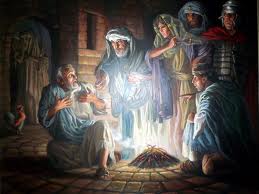
John 18:15 And Simon Peter followed Jesus, and so did another disciple: that disciple was known unto the high priest, and went in with Jesus into the palace of the high priest.16 But Peter stood at the door without. Then went out that other disciple, which was known unto the high priest, and spake unto her that kept the door, and brought in Peter.17 Then saith the damsel that kept the door unto Peter, Art not thou also one of this man’s disciples? He saith, I am not.18 And the servants and officers stood there, who had made a fire of coals; for it was cold: and they warmed themselves: and Peter stood with them, and warmed himself.19 The high priest then asked Jesus of his disciples, and of his doctrine.20 Jesus answered him, I spake openly to the world; I ever taught in the synagogue, and in the temple, whither the Jews always resort; and in secret have I said nothing.21 Why askest thou me? ask them which heard me, what I have said unto them: behold, they know what I said.22 And when he had thus spoken, one of the officers which stood by struck Jesus with the palm of his hand, saying, Answerest thou the high priest so?23 Jesus answered him, If I have spoken evil, bear witness of the evil: but if well, why smitest thou me?24 Now Annas had sent him bound unto Caiaphas the high priest.25 And Simon Peter stood and warmed himself. They said therefore unto him, Art not thou also one of his disciples? He denied it, and said, I am not.26 One of the servants of the high priest, being his kinsman whose ear Peter cut off, saith, Did not I see thee in the garden with him?27 Peter then denied again: and immediately the cock crew.

Luke 22:54 Then took they him, and led him, and brought him into the high priest’s house. And Peter followed afar off.55 And when they had kindled a fire in the midst of the hall, and were set down together, Peter sat down among them.56 But a certain maid beheld him as he sat by the fire, and earnestly looked upon him, and said, This man was also with him.57 And he denied him, saying, Woman, I know him not.58 And after a little while another saw him, and said, Thou art also of them. And Peter said, Man, I am not.59 And about the space of one hour after another confidently affirmed, saying, Of a truth this fellow also was with him: for he is a Galilaean.60 And Peter said, Man, I know not what thou sayest. And immediately, while he yet spake, the cock crew.61 And the Lord turned, and looked upon Peter. And Peter remembered the word of the Lord, how he had said unto him, Before the cock crow, thou shalt deny me thrice.62 And Peter went out, and wept bitterly.

We know that Peter repented for his sin (or else we wouldn’t be able to read about him the way we do in Acts, or in his own letters in the New Testament), and it looks like Jesus also knew that Peter would both deny him and later on repent. It’s very possible that Peter repented when he burst out into tears. Some believers might repent at once, some might repent after a few years (King David didn’t repent until after a year for his sins), and some believers never repent and die as unrepentant sinners. Jesus said he would pray for Peter, and prayers can have an effect (influence people) even if they don’t run people’s lives. Jesus says that when Peter is converted, he should strengthen his brethren (who also got offended and were scattered). Peter of course doesn’t understand what Jesus is saying because he is so sure of himself that he will never ever be offended and deny Jesus:

Lukas 22:31 And the Lord said, Simon, Simon, behold, Satan hath desired to have you, that he may sift you as wheat:32 But I have prayed for thee, that thy faith fail not: and when thou art converted, strengthen thy brethren.33 And he said unto him, Lord, I am ready to go with thee, both into prison, and to death.34 And he said, I tell thee, Peter, the cock shall not crow this day, before that thou shalt thrice deny that thou knowest me.

Jesus är HÖRNSTENEN som judarna ratade

Det finns endast en HÖRNSTEN som vi ska bygga vår kristna tro på, och det är JESUS

Guds son beslöt sig för att bli född som människa på jorden och dö för hela mänskligheten i form av Gud i kött. För en kort tid så var Jesus lägre än änglarna i rang – samma änglar som uppmanades att tillbe honom enligt Hebr. 1 (och det är endast GUD som vi ska tillbe). Hebr. 1 säger också “Sonen är så mycket större än änglarna som det namn han har ärvt är förmer än deras”. Hebr. 2 verkar hävda det motsatta med ”En liten tid gjorde du honom ringare än änglarna”. Detta handlar inte om någon egentlig motsägelse eftersom Jesus är helt igenom kapabel att placera sig själv i en frivillig underkastelse av sin egen Fader, som han delade ära med sedan evig tid (Joh. 17:5). Om Jesus som människa var lägre än änglarna i rang så var han följdaktligen också lägre än Fadern i rang eftersom änglarna inte kan ha högre rank än Gud Fader själv.

Joh. 10:18 Ingen tar det ifrån mig, utan jag ger det av fri vilja. Jag har makt att ge det, och jag har makt att ta det tillbaka. Det budet har jag fått av min Fader.”

Hebr. 2:6 Vad är en människa, eftersom du tänker på henne, eller en Människoson, eftersom du tar dig an honom?7 En liten tid gjorde du honom ringare än änglarna,och du krönte honom med härlighet och ära.Allt har du lagt under hans fötter. När han lade allt under honom, utelämnades inget, allt skulle vara lagt under honom. Ännu ser vi inte allt vara lagt under honom. Men Jesus, som för en liten tid gjordes ringare än änglarna, honom ser vi nu krönt med härlighet och ära därför att han led döden. Genom Guds nåd skulle han smaka döden i allas ställe.

Hebr. 1:3 Sonen utstrålar Guds härlighet och uppenbarar hans väsen och uppehåller allt genom sitt mäktiga ord. Och sedan han utfört en rening från synderna, sitter han nu på Majestätets högra sida i höjden.4 Sonen är så mycket större än änglarna som det namn han har ärvt är förmer än deras. 5 Till vilken av änglarna har Gud någonsin sagt: Du är min Son, jag har i dag fött dig? Eller: Jag skall vara hans Fader, och han skall vara min Son?6 Och när han låter den Förstfödde träda in i världen, säger han också: Alla Guds änglar skall tillbe honom.7 Om änglarna säger han: Han gör sina änglar till vindar och sina tjänare till eldslågor.8 Men om Sonen säger han:Gud, din tron står i evigheters evighet,och rättens spira är ditt rikes spira

Fil. 2:6 Fastän han var till i Gudsgestalt, räknade han inte tillvaron som Gud såsom segerbyteutan utgav sig själv genom att anta en tjänares gestalt då han blev människa. Han som till det yttre var som en människaödmjukade sig och blev lydig ända till döden- döden på korset.Därför har också Gud upphöjt honom över allting och gett honom namnet över alla namn,10 för att i Jesu namn alla knän skall böja sig, i himlen och på jorden och under jorden,11 och alla tungor bekänna, Gud, Fadern, till ära, att Jesus Kristus är Herren.

Jesus är den viktigaste byggstenen

En hörnsten är den viktigaste biten i ett husbygge och hörnstenar bär upp allting som byggs ovanpå dem, medan det inte finns några byggtenar UNDER dem. Eftersom Jesus är den viktigaste biten och som vår frälsning är byggd på, så är det viktigt för oss att sprida detta vidare till andra så att även de kan bli frälsta. Det är även av vikt att rätt identifiera Jesus som Messias och Gud i kött. Gud delar inte sin ära med någon, men delar den ändå med Jesus. Det betyder att Jesus är Gud. 

Ordspråksboken 14:12 En väg kan synas rätt för en människa, men till slut kan den leda till döden.

Jes. 48:11 För min egen skull, ja, för min egen skull gör jag det, ty hur skulle jag kunna låta mitt namn bli ohelgat? Jag ger inte min ära åt någon annan.

“Hörnsten” är här nedan översatt från det hebreiska ordet eben (Strong’s 68)

Jes. 28:2 Se, från Herren kommer en som är stark och mäktig, lik en hagelskur, en förödande storm, lik en flod med väldiga, översvämmande vatten, som med makt slår allt till jorden.—16 Därför säger Herren Herren så:  Se, jag har lagt en grundsten i Sion, en beprövad sten, en dyrbar hörnsten, en fast grundval. Den som tror på den behöver inte fly.17 Och jag skall låta rätten vara mätsnöret och rättfärdigheten sänklodet. Hagel skall slå ner lögnens tillflykt, vatten skall skölja bort gömstället. 18 Ert förbund med döden skall upplösas, ert fördrag med dödsriket skall inte bestå.

Sakaria 10:3 Mot herdarna är min vrede upptänd,och ledarna skall jag straffa. Herren Sebaot har omsorg om sin hjord, Juda hus,och skall göra den till en stolt stridshäst åt sig.4 Från Juda skall hörnstenen komma, från honom stödjepelaren,från honom bågen till striden,från honom allt vad styresman heter.

Tyvärr kastar människor bort hörnstenen trots att det är det absolut viktigaste byggmaterialet! Den port vi ska gå igenom är JESUS som är fåraherden. Ps. 118:20 talar om högtidsled men människor som står med lövrika kvistar i händerna, inför HAN som kommer i Herrens namn. Det handlar om Messias, Guds son, Herre och Gud. Vi kan se profetian gå i uppfyllelse bl. a i Matt. 21. 

Ps. 118:15 Man sjunger med jubel om frälsning i de rättfärdigas hyddor: “Herrens högra handgör mäktiga ting.16 Herrens högra hand upphöjer, Herrens högra hand gör mäktiga ting.—“20 Detta är Herrens port, de rättfärdiga går in genom den. Jag tackar dig för att du svarade mig och blev min frälsning.22 Den sten som byggnadsarbetarna kastade bort har blivit en hörnsten.23 Herren har gjort den till detta, underbart är det i våra ögon.—26 Välsignad vare han som kommer i Herrens namn! Vi välsignar er från Herrens hus.27 Herren är Gud, och han gav oss ljus. Ordna er i högtidsled med lövrika kvistar i händerna fram till altarets horn.

Jesus konfirmerar att han är den sten som skrifterna talar om (läs ovan psalm) och den som faller på den ska krossas.

Matteus 21: Folkskaran som var mycket stor bredde ut sina mantlar på vägen. Andra skar kvistar från träden och strödde på vägen. Och folket, både de som gick före honom och de som följde efter, ropade: Hosianna, Davids son! Välsignad är han som kommer i Herrens namn. Hosianna i höjden10 Och när han drog in i Jerusalem, kom hela staden i rörelse, och man frågade: “Vem är han?” 11 Folket svarade: “Det är Profeten, Jesus från Nasaret i Galileen.”— 42 Jesus sade till dem: “Har ni aldrig läst i Skrifterna: Den sten som byggnadsarbetarna kastade bort har blivit en hörnsten. Herren har gjort den till detta, och underbar är den i våra ögon? 43 Därför säger jag er att Guds rike skall tas ifrån er och ges åt ett folk som bär dess frukt. 44 Den som faller på den stenen (lithos, Strong’s 3037) skall krossas, och den som stenen faller på skall smulas sönder. 45 Översteprästerna och fariseerna hörde hans liknelser, och de förstod att det var om dem han talade. 46 De ville gripa honom men fruktade för folket, eftersom man ansåg att han var en profet.

Lukas 13:32 Jesus svarade dem: “Gå och säg till den räven: Se, jag driver ut onda andar och botar sjuka i dag och i morgon, och den tredje dagen går jag bort. 33 Men i dag och i morgon och i övermorgon måste jag vandra vidare. Ty en profet kan inte dödas någon annanstans än i Jerusalem.34 Jerusalem, Jerusalem, du som dödar profeterna och stenar dem som är sända till dig! Hur ofta hade jag inte velat samla dina barn så som hönan samlar sina kycklingar under vingarna, men ni ville inte. 35 Se, ert hus lämnas nu åt er själva. Jag säger er: Ni kommer att se mig först när ni säger: Välsignad är han som kommer i Herrens namn.”

Lukas 19:38 “Välsignad är han som kommer, konungen, i Herrens namn! Frid i himlen och ära i höjden!”

Lukas 20:17 Men han såg på dem och frågade: “Vad menas då med detta ord i Skriften: Den sten som byggnadsarbetarna kastade bort har blivit en hörnsten.

Jesus är hörnstenen, och hos ingen annan finns frälsningen.

Apg: 4:10 så skall ni alla och hela Israels folk veta att den här mannen står frisk framför er i kraft av Jesu Kristi, nasaréns, namn. Honom korsfäste ni, men Gud har uppväckt honom från de döda. 11 Jesus är stenen (lithos, Strong’s 3037) som ni byggnadsarbetare kastade bort, men som blev en hörnsten.  12 Hos ingen annan finns frälsningen. Inte heller finns det under himlen något annat namn, som givits åt människor, genom vilket vi blir frälsta.”

”Hörnsten” i det Nya Testamentet är en översättning från det grekiska ordet akrogōniaios (Strong’s 204) och ordet hittas i Ef. 2:20 och 1 Pet 2:6.

Ef. 2:18 Ty genom honom har vi båda i en och samme Ande tillträde till Fadern. 19 Alltså är ni inte längre gäster och främlingar utan medborgare tillsammans med de heliga och tillhör Guds familj. 20 Ni är uppbyggda på apostlarnas och profeternas grund, där hörnstenen är Kristus Jesus själv.21 Genom honom fogas hela byggnaden samman och växer upp till ett heligt tempel i Herren. 22 I honom blir också ni uppbyggda till en Guds boning genom Anden.

Peter manar oss att komma till honom för att få frälsning, och detta är en allmän inbjudan till alla. Hörnstenen kanske inte ser tilltalande ut vid första anblicken, men den är utvald och dyrbar inför Gud för det är ju den som ger människorna frälsning. Vi måste bekänna färg inför Hörnstenen. Antingen tar vi den till oss eller inte. Vi stöter bort Hörnstenen om vi inte lyder ordet, vilket är Guds ord i skriften, och vi visar vår tro på Hörnstenen när vi visar vår tro i handlingar:

1 Peter 2:Kom till honom, den levande stenen, som visserligen är förkastad av människor men är utvald och dyrbar inför GudOch låt er själva som levande stenar byggas upp till ett andligt hus, ett heligt prästerskap, som skall frambära andliga offer som Gud tack vare Jesus Kristus tar emot med glädje.Det står nämligen i Skriften: Se, jag lägger i Sion en utvald, dyrbar hörnsten, och den som tror på den skall aldrig komma på skam.För er som tror är den alltså dyrbar, men för dem som inte tror har den sten som byggnadsarbetarna kastade bort, blivit en hörnsten,en stötesten(lithos, Strong’s 3037) och en klippa till fallDe stöter emot den därför att de inte lyder ordet. Så var också bestämt om dem.

Ovan är alltså en referens till denna vers:

Jes. 28:16 Därför säger Herren Herren så: Se, jag har lagt en grundsten i Sion, en beprövad sten, en dyrbar hörnsten, en fast grundval. Den som tror på den behöver inte fly.

Du kan även läsa om Jesus som klippa här fast på engelska.

Jesus är “JAG ÄR” precis som Gud Fader (Joh. 8:58)

Egó eimi (jag är) Joh. 8:58 och 10:30-33

Egó eimi är grekiska och betyder JAG ÄR i  Joh. 8:58

Det betyder INTE “jag var”, “jag har varit” eller “jag är han” som vissa sekter säger. Jag läste att Egó eimi används 28 gånger i Johannes evangelium, och i Jehovas Vittnens bibel New World Translation översätts uttrycket korrekt med presensformen JAG ÄR 27 gånger. Gissa vilken gång de INTE väljer att översätta termen i presens? Joh. 8:58 förstås!

Joh. 8:54 Jesus svarade: “Om jag ärar mig själv, är min ära ingenting värd. Det är min Fader som ÄRAR MIG, han som ni kallar er Gud. 55 Ni känner honom inte, men jag känner honom. Om jag sade att jag inte kände honom, skulle jag vara en lögnare som ni. Men jag känner honom och bevarar hans ord. 56 Abraham, er fader, jublade över att få se min dag. Han såg den och blev glad.” 57 Judarna sade: “Du är inte femtio år än, och Abraham har du sett!” 58 Jesus svarade: “Amen, amen säger jag er: JAG ÄR, redan INNAN Abraham blev till.” 59 DÅ tog de upp stenar för att kasta på honom, men Jesus drog sig undan och lämnade tempelplatsen.

Det finns flera problem för de som är förnekare av Jesus gudom här.

1) Gud Fader ger inte sin ära till NÅGON annan säger Bibeln i enligt Jesaja 42:8, vilket låter rimligt eftersom han ju ensam är GUD. Varför ärar han då JESUS, och just vid ett sådant känsligt sammanhang som handlar om att upphöja sonen och som mycket väl kan tolkas som att Jesus är Gud? Om någon försöker att visa på fall i Bibeln där människor äras och respekteras av Gud, betyder detta att Gud ljög i Jes. 42:8?

2) Jesus säger att Abraham SÅG Jesus dag och blev glad. NÄR gjorde han detta? Abraham fanns exempelvis inte vid jordens skapelse. En del säger att det kan ha varit när han träffade på Melkisedek, men vad säger treenighetsförnekarna? När inträffade denna händelse? Varför är denna händelse också förknippat med JAG ÄR?

3) Varför ville judarna döda honom, och varför reagerar de precis när Jesus sagt sitt JAG ÄR? Som renläriga judar utför de förstås inte dödsstraff såvida det inte finns fog för det, och vad menade de var Jesus stora synd som motiverade ett dödsstraff genom stening? Att påstå att man levt för 100o år sedan motiverar inte dödsstraff utan är bara ett dumt uttalande som inte smädar Gud. Att Jesus är evig och utan början och slut kan läsas på fler ställen, t ex i Hebr. 7:3.

4) Hur löser vi problemet om vi läser “egó eimi” som “jag har varit före Abraham”? (Vilket inte grekiskan medger.) Jesus föddes ju flera hundra år efter att Abraham levde så vad skulle Jesus ha menat med ett sådant uttryck?  Jesus säger inte att han VAR innan Abraham fanns (vilket skulle vara illa nog) utan t o m “JAG ÄR, redan innan Abraham blev till”, och direkt vill judarna döda honom just efter detta påståendet. Inte ens JAG VAR skulle vara ett logiskt påstående eftersom Jesus varken “är” eller “var” när Abraham fanns. (Såvida han faktiskt inte fanns vid den tiden förstås i form av GUD…)

Alla frågor besvaras galant om vi accepterar Bibelns budskap att Jesus är Gud, och Johannes förklarar glasklart varför judarna ville döda Jesus. De ville döda honom för att han 1) gör sig själv lik Gud, och 2) gör sig själv till Gud.

Joh. 10: 30 Jag och Fadern är ett.”31 ÄN EN GÅNG tog judarna upp stenar för att stena honom. 32 Jesus sade till dem: “Många goda gärningar från Fadern har jag låtit er se. För vilken av dem vill ni stena mig?” 33 Judarna svarade: “Det är inte för någon god gärning vi vill stena dig, utan därför att DU HÄDAR och GÖR DIG SJÄLV TILL GUD, du som är en människa.”

Joh. 5:18 Då blev judarna ännu ivrigare att döda honom, eftersom han inte bara upphävde sabbaten utan också sade att Gud var hans Fader och GJORDE SIG SJÄLV LIK GUD.

Förresten så är kontexten vad gäller “Jag och Fadern är ett” i Joh. 10:30 en helt annan än den i Joh. 17:21-22. I den sistnämnda passagen så handlar det om att vara ett i samma mål och syfte, men i Joh. 10 här ovan så handlar det om att vara ett med Gud med samma auktoritet och ande. Detta blir extra tydligt när vi läser att judarna direkt var framme med sina stenar för att döda Jesus. Självfallet är det inte dödsstraff på att ha samma mål och syfte som Gud, men däremot att lägga sig på samma suveräna nivå och göra sig likställd med Gud.

HO OHN” (jag är) i Gamla testamentet, Hebreiska “ani hu”

Den grekiska frasen “ho ohn” vilket används i LXX (Septuaginta) översättning av 2 Mosebok 3:14, är “presens particip” medan “eimi” är i “presens indikativ”.  Båda är presensformer av samma infinitiv “att vara” (einai) och båda visar på en evig existens när man ser till kontexten. Judarna runt Jesus kände förstås VÄL till den grekiska Septuaginten och såg självklart den naturliga jämförelsen med 2 Mos.3:14 där Guds heliga namn står omnämnd, och de förstod innebörden av detta. Omedelbart efter att Jesus sagt sitt “Jag är” så vill de döda honom! De SÄGER också att de vill döda honom pga 1) hädelse och 2) att Jesus gör sig själv till Gud, så deras inställning kan inte misstolkas. Dödsstraff för hädelse (blashpemy) står att läsa om i 3 Mos.24:16.

Man kan läsa om “jag-är-uttryck” främst i Jesaja 40-55, och temat för dessa partier är identifikationen av Jehova, och det låter onekligen som det också är en beskrivningen på Jesus Kristus när man läser exempelvis i Johannes evangelium. I Jesaja kan vi gång på gång läsa att det inte finns någon annan Gud än Gud, och att han inte ger sin ära till någon annan, men ändå vet vi att Jesus kallas GUD i Hebr 1:8, att han skapat allting med sina egna händer, och att han delar äran med sin Fader.

Septuaginta har översatt Guds namn “JAG ÄR” med ego eimi!

Jesaja 40:3 En röst ropar i öknen: “Bered väg för Herren, bana en jämn väg i ödemarken för vår Gud. 4 Varje dal skall höjas, alla berg och höjder sänkas. Ojämn mark skall jämnas, kuperat land bli slät mark.—9, Sion, du glädjens budbärarinna, stig upp på ett högt berg. Jerusalem, du glädjens budbärarinna, höj din röst med kraft. Höj den utan fruktan, säg till Juda städer: “Se, er Gud!”

Jesaja 41:4 Vem har planerat och utfört detta? Det är han som från begynnelsen kallade fram människors släkten. Jag, Herren, är den förste och den siste. Jag är denne Gud.—10 Frukta inte, ty jag är med dig, se dig inte ängsligt om, ty jag är din Gud. Jag styrker dig, jag hjälper dig, jag uppehåller dig med min rättfärdighets högra hand.—13 Ty jag är Herren, din Gud,som fattar din högra hand och som säger till dig: Frukta inte, jag hjälper dig.

Jesaja 42:8 Jag är Herren, det är mitt namn. Jag ger inte min ära åt någon annan eller mitt lov åt avgudabilder.

Jesaja 43: 9 Låt alla hedningar komma tillsammans, låt folken samlas. Vem bland dem förkunnade detta och lät oss höra om det som har skett? Låt dem föra fram sina vittnen så att de kan få rätt.
Låt dem höra, så att de kan säga: “Det är sant.” 10 Ni är mina vittnen, säger Herren, och min tjänare, som jag har utvalt,för att ni skall känna mig och tro mig och förstå att jag är den som har förutsagt detta. Före mig blev ingen Gud formad, efter mig skall ingen komma.
 11 Jag, jag är Herren, förutom mig finns ingen frälsare. 12 Jag har förkunnat det och berett frälsning, jag har kungjort det och ingen främmande gud ibland er. Ni är mina vittnen, säger Herren, och jag är Gud. 13 Redan från första dagen är jag denne Gud. Ingen kan rädda ur min hand. När jag vill göra något, vem kan då förhindra det?—25 “Det är jag, jag som för min egen (ego eimi ego eimi) skull stryker ut dina överträdelser,  dina synder kommer jag inte mer ihåg”.

Jesaja 44:Så säger Herren, Israels Konung, och hans Återlösare, Herren Sebaot: Jag är den förste och jag är den siste, förutom mig finns ingen Gud.Vem är som jag? Låt honom ta till orda, ja, lägga fram för mig vad som har hänt alltsedan jag insatte det gamla folket, och vad som skall komma, ja, låt dem berätta vad som kommer att ske.Frukta inte och var inte förskräckta. Har jag inte för länge sedan låtit er höra om detta och förkunnat det? Ni är ju mina vittnen. Finns det någon Gud förutom mig?  Nej, det finns ingen annan klippa, jag vet ingen.—24 Så säger Herren, din återlösare, han som format dig alltifrån moderlivet: Jag, Herren, är den som har gjort allt, den som ensam har spänt ut himlen och brett ut jorden. Vem var med mig?

Jesaja 45:1 Så säger Herren till sin smorde, till Koresh som jag har fattat vid hans högra hand för att slå ner folken inför honom, lossa bältet från kungars höfter och öppna dörrar för honom, så att inga portar mer är stängda:—Jag skall ge dig skatter som är dolda i mörkret och hemliga rikedomar, för att du skall inse att jag är Herren, som kallar dig vid ditt namn,    jag, Israels Gud.—5 Jag är Herren och det finns ingen annan. Utom mig finns ingen Gud. Jag spände bältet om ditt liv, fastän du inte kände mig, för att man skulle förstå både i öster och väster att det inte finns någon utom migJag är Herren och det finns ingen annan.Jag danar ljuset och skapar mörkret, jag ger lycka och skapar olycka. Jag, Herren, gör allt detta.—11 Så säger Herren, Israels Helige, som också är hans Skapare: Fråga mig om det som skall komma. Låt mig ha omsorg om mina söner och mina händers verk.12 Det är jag som har gjort jorden och skapat människorna på den. Det är mina händer som har spänt ut himlen, och hela dess här har jag givit befallning.1Det är jag som har uppväckt honom och alla hans vägar skall jag göra jämna. Han skall bygga upp min stad och släppa mina fångar fria,men inte för betalning eller mutor, säger Herren Sebaot.14  Vad egyptierna har skaffat sig genom arbete  nubiernas och Sebas resliga folk med handel, det skall allt gå över i din hand och höra till dig. De skall följa efter dig, i kedjor skall de gå.  “Endast hos dig är Gud, och det finns ingen mer, ingen annan Gud.”15 Du är sannerligen en Gud som döljer sig, du Israels Gud, du Frälsare.—18 Ty så säger Herren, han som har skapat himlen, han som ensam är Gud, som har format jorden och gjort den. Han som har berett den  har inte skapat den till att vara öde utan format den till att bebos: Jag är Herren, och det finns ingen annan.21 Tag till orda och lägg fram er sak! Ja, låt dem tillsammans rådslå. Vem har sedan lång tid låtit er höra detta och för längesedan förkunnat det? Har inte jag, Herren, gjort det? Och det finns ingen Gud utom mig, jag, en rättfärdig Gud som frälsar, ingen utom mig.22 Vänd er till mig och bli frälsta, ni jordens alla ändar, ty jag är Gud och det finns ingen annan.23 Jag har svurit vid mig själv,  ett sanningsord har utgått från min mun, ett ord som inte skall tas tillbaka: För mig skall alla knän böja sig. Alla tungor skall ge mig sin ed24 och säga om mig: Endast i Herren är rättfärdighet och styrka. Till honom skall man komma, och alla som varit förbittrade på honom skall blygas.

5 Mosebok 32:39 Se nu, jag, JAG ÄR GUD (ego eimi) det finns ingen Gud vid sidan av mig.

Hosea 13:4 Jag är Herren, din Gud,  alltsedan du var i Egyptens land. Du skall inte veta av någon annan Gud än mig, och ingen annan frälsare finns än jag.Det var jag som vårdade dig i öknen,i den brännande torkans land.

Så Yahve är JAG ÄR (ego eimi) som ger liv, släcker liv, deklarerar vad som händer i framtiden, kan bevara människor och kan förlåta synder.  Inte så konstigt att judarna ville döda Jesus genom att ta detta namn på sig själv!

Andra ställen med ego eimi

Även om alla grekiskkunniga teologer är överens om att “jag är” är den enda korrekta översättningen i Joh. 8 så finns det några ställen i NT där det grekiska presensformen av “ego eimi” kan översättas som “jag har varit”.  Exempelvis Joh. 14:9. Men här så kommenterar Jesus ett krav i v. 8 “Herre, låt oss få se Fadern, så räcker det för oss.” Det blir helt fel att låta Jesus säga “Så länge JAG ÄR hos er, och du har inte lärt känna mig, Filippus”. Eller hur? Så översätter ingen kunnig översättare utan de skriver på korrekt grammatisk svenska “så länge jag har varit….”. I Joh. 8 ges däremot inga sådana rättigheter att ändra på den presensform som står skrivet på grekiska. Jesus skulle ha kunnat uttrycka sig i dåtid (émén) men valde att uttrycka sig i presens, och detta går inte att tolka om.

Jesus ser sig själv som JAG ÄR och världens ljus

Vad säger Jesus om sig själv i Johannes 8? Notera nedan i listan att Jesus faktiskt gör sig skyldig till hädelse på ett flertal ställen (såvida han faktiskt inte är Gud). Redan i Joh. 8:19-20 kan vi se att det faktiskt fanns fog för judarna att gripa Jesus pga hans kommentarer om sig själv, men skälet att de inte gjorde detta är för att hans stund inte var inne och Guds hand var fortfarande över honom som skydd. Om judarna menar att Jesus gjort sig skyldig till någon annan hädelse än att han gjorde sig själv till Skaparguden, så skulle detta ju innebära att Jesus SYNDADE. Ändå noterar Johannes att Jesus INTE syndade i Joh. 8:46. Om judarna har rätt i sin sak, varför kan vi inte läsa vad saken GÄLLER (om vi nu inte kan acceptera vad texten säger). Är det inte ganska viktigt att redogöra för läsarna vad som faktiskt hände och att förklara varför Jesus fortfarande var syndfri trots anklagelserna? Om anklagelsen är FALSK, varför får vi inte veta vad den falska anklagelsen är – såvida vi nu inte har tillåtelse att koppla ihop den enormt långa lista av “hädelser” här nedan med judarnas vilja att döda Jesus för att han som är en människa gör sig själv till Gud. Det kan inte vara tydligare att Jesus gör anspråk att vara Gud, världens ljus, begynnelsen, osv, vid ett flertal gånger bara i Johannes brev kapitel 8! Lägg sedan på alla andra kapitel där vi kan läsa samma sak. Notera också att han använder JAG ÄR flera gånger. Varje gång detta namn används så darrar judarna eftersom de är väl medvetna om att det är Guds namn och ingen annans. 

  • Jag är världens ljus (8:12)
  •  Jag är den som vittnar om mig själv. Om mig vittnar även Fadern som har sänt mig. (8:18).
  • Om ni kände mig, skulle ni också känna min Fader. (8:19).
  • Ni är nerifrån, jag är ovanifrån. Ni är av den här världen, jag är inte av den här världen. (8:23).
  • Ty om ni inte tror att Jag Är, skall ni dö i era synder. (8:24).
  • Begynnelsen, något som jag också har sagt er” (som svar på frågan vem han är) (8:25).
  • Det jag har hört av honom förkunnar jag för världen (8:26).
  • När ni har upphöjt Människosonen, skall ni förstå att Jag Är (8:28)
  • Jag gör inte något av mig själv utan talar vad Fadern har lärt mig. (8:28).
  • Han som har sänt mig är med mig (8:29)
  • Jag gör alltid det som behagar honom (8:29).
  • Om ni förblir i mitt ord är ni verkligen mina lärjungar, och ni skall förstå sanningen och sanningen skall göra er fria (8:31-32)
  • Om nu Sonen gör er fria, blir ni verkligen fria. (8:36)
  • Jag talar vad jag har sett hos min Fader. Ni gör vad ni har hört av er fader. (8:38).
  • Men nu vill ni döda mig, en man som har sagt er sanningen, som jag har hört av Gud. (8:40).
  • Vore Gud er Fader, skulle ni älska mig, eftersom jag har utgått från Gud och kommer från honom. (8:42)
  • Han har sänt mig (8:42).
  • Om jag talar sanning, varför tror ni mig inte? Den som är av Gud lyssnar till Guds ord. Men ni lyssnar inte (8:46-47)
  • Den som bevarar mitt ord skall aldrig någonsin se döden (8:51).
  • Det är min Fader som ärar mig (8:54).
  • Abraham, er fader, jublade över att få se min dag. Han såg den och blev glad. (8:56)
  • Jag Är, redan innan Abraham blev till. (8:58).

Om inte detta är hädelser nog för att storkna, så vad fattas? Jesus likställer sig med Gud genom att ideligen använda hans namn som var VÄLKÄNT hos judarna. Jesus är en personlighet i treenigheten och som människa på jorden så kommunicerade han med Fadern som är en annan person i treenigheten. Jesus bad ofta till sin Fader som är separat från honom själv trots att de delar samma treenighet. Jesus kan därför uttrycka sig själv som både Gud och Guds son, och han kan tala om Gud i jag-form eller i andra och tredje person. Han talar även om sig själv (Jesus Kristus) i tredje person. Jesus säger att han fanns tillsammans med Fadern innan världen var till. Ja, allting är t o m skapat genom Jesus.

Joh. 17:1 Sedan Jesus hade sagt detta, såg han upp mot himlen och bad: “Fader, stunden har kommit. Förhärliga din Son, för att Sonen må förhärliga dig. Du har gett honom makt över alla människor, för att han skall ge evigt liv åt alla dem som du har gett åt honom. Detta är evigt liv att de känner dig, den ende sanne Guden, och den som du har sänt, Jesus Kristus. Jag har förhärligat dig på jorden genom att fullborda det verk som du har gett mig att utföra. 5 Fader, förhärliga nu mig med den härlighet som jag hade hos dig innan världen var till.

Joh. 13:18 Jag talar inte om er alla. Jag vet vilka jag har utvalt. Men Skriften skall fullbordas: Den som åt mitt bröd lyfte sin häl mot mig.19 Jag säger detta till er redan nu, innan det sker, för att ni skall tro, när det har skett, att JAG ÄR

Joh. 8:23 Han sade till dem: “Ni är nerifrån, jag är ovanifrån. Ni är av den här världen, jag är inte av den här världen. 24 Därför sade jag till er att ni kommer att dö i era synder. Ty om ni inte tror att JAG ÄR, skall ni dö i era synder.”

Vad menar Jesus med att hänvisa till “gudar” i Joh. 10.35?  Läs om detta i denna artikel.


Peter is not the ROCK on which the Church is built (Matt.16:18)

There are not several rocks which the Church is built upon but ONE. The ROCK is clearly identified as Jesus Christ which the below verses clearly show.

Deut.32:Because I will publish the name of the Lord: ascribe ye greatness unto our God.4 He is the Rock, his work is perfect: for all his ways are judgment: a God of truth and without iniquity, just and right is he.—15 But Jeshurun waxed fat, and kicked: thou art waxen fat, thou art grown thick, thou art covered with fatness; then he forsook God which made him, and lightly esteemed the Rock of his salvation.18 Of the Rock that begat thee thou art unmindful, and hast forgotten God that formed thee.

1 Sam. 2:There is none holy as the Lord: for there is none beside thee: neither is there any rock like our God.

Psalm 18:31 For who is God save the Lord? or who is a rock save our God?

Psalm 95:1 O come, let us sing unto the LORD: let us make a joyful noise to the rock of our salvation.

Romans 9:33 As it is written, Behold, I lay in Sion a stumblingstone and rock of offence: and whosoever believeth on him shall not be ashamed.

1 Cor. 10:1 Moreover, brethren, I would not that ye should be ignorant, how that all our fathers were under the cloud, and all passed through the sea;And were all baptized unto Moses in the cloud and in the sea;And did all eat the same spiritual meat;4 And did all drink the same spiritual drink: for they drank of that spiritual Rock that followed them: and that rock was CHRIST.

1 Cor. 3:11 For other foundation can no man lay than that is laid, which is Jesus Christ.

1 Peter 2:To whom coming, as unto a living stone, disallowed indeed of men, but chosen of God, and precious,Ye also, as lively stones, are built up a spiritual house, an holy priesthood, to offer up spiritual sacrifices, acceptable to God by Jesus Christ.Wherefore also it is contained in the scripture, Behold, I lay in Sion a chief corner stone, elect, precious: and he that believeth on him shall not be confounded.Unto you therefore which believe he is precious: but unto them which be disobedient, the stone which the builders disallowed, the same is made the head of the corner,And a stone of stumbling, and a rock (petra) of offence, even to them which stumble at the word, being disobedient: whereunto also they were appointed.

Ephesians 2:19 Now therefore ye are no more strangers and foreigners, but fellowcitizens with the saints, and of the household of God;20 And are built upon the foundation of the apostles and prophets, Jesus Christ himself being the chief corner stone;21 In whom all the building fitly framed together groweth unto an holy temple in the Lord:22 In whom ye also are builded together for an habitation of God through the Spirit

And the below verse is of course THE verse that the Roman Catholic Church uses as an attempt to support the view that the apostle Peter is the rock:

Matthew 16:16 And Simon Peter answered and said,Thou art the Christ, the Son of the living God.17 And Jesus answered and said unto him, Blessed art thou, Simon Barjona: for flesh and blood hath not revealed it unto thee, but my Father which is in heaven.18 And I say also unto thee, That thou art Peter, and upon THIS rock I will build MY church; and the gates of hell shall not prevail against it.

Peter’s name means rock (petros) but Jesus said: “You are Peter (Petros), and upon this rock (PETRA) I will build My church.Petra is a feminine noun that refers to a mass of rock, and Petros is masculine in gender and refers to a boulder or a detached stone.  We could read the statement as “You are Stone, and upon this Bedrock I will build My church.” Jesus words would indicate that the rock on which the church would be built was something other than Peter, and WHY Jesus build his church on PETER of all people when a better choice would be JESUS HIMSELF and God’s words in the BIBLE? Both the old and the new testament constantly warn people from bowing down to other gods/prophets and from deviating from the Scriptures.

The passage starts with a question concerning Jesus identity and ends with Jesus statement about the ROCK. Jesus starts off asking “Who do people say that the Son of Man is?“. Peter answers “Thou art the Christ, the Son of the living God“. So”this rock” likely refers to Jesus in His identity as the Son of God since this is that topic that was discussed. Some catholics speculate that Jesus was speaking in Aramaic and only repeated Peter’s Aramaic name Kepha. But the inspired New Testament Scriptures were written in GREEK and not Aramaic and can be trusted since it derives from Divine inspiration. If the Aramaic is clear but the Greek inadequate or confusing, why did not the Holy Spirit simply use the Aramaic word to clear up the case as done elsewhere in the NT? When the Holy Spirit inspired the Greek text of the New Testament, he made a distinction between Peter (Petros) and the rock (petra) and there must be a reason for this. God is not a God of confusion. Some suggest that it’s the confession of faith that Peter made (acknowledging that Jesus is the Christ) that is the rock that the church should be built on, and this will give the same result.

To base an entire doctrine on a verse that doesn’t even come near confirming that Peter is the rock is very risky. Would God really choose to disclose such an important piece of information in such a vague manner, resulting in that millions of honest truth-seeking christians miss out on joining the Catholic Church which supposedly is based on this rock? Couldn’t God have been a bit more clear on this issue if it’s so important? Jesus is that perfect cornerstone upon which the body of Christ is built, and not a flawed and sinful man such as Peter. In Matthew 16:23, just five verses after Jesus spoke of the “rock”, he called Peter “Satan”.

SABBATH DAY on Saturday or Sunday doesn’t matter

The Sabbath Day was part of the Israeli Covenant, but we are now living under the New Testament, and it’s faith and baptism that are the major signs for a follower of Jesus.

I think the best explanation for the need of a day of rest is found in Exodus 22. God created the heavens and the earth in six days for a reason, and that’s because he wanted to make it as a foundation for us – as a life pattern when it comes to work and rest. We should take the original creation week as an example to follow in our every day lives. If we didn’t have this work-6-days-and-rest-1-day-pattern, there is a risk we would work and struggle all days alike, especially if we would notice that “everyone else does it so why should I be any different? I don’t want to come across as lazy”.

Exodus 22:Remember the sabbath day, to keep it holy.Six days shalt thou labour, and do all thy work:10 But the seventh day is the sabbath of the Lord thy God: in it thou shalt not do any work, thou, nor thy son, nor thy daughter, thy manservant, nor thy maidservant, nor thy cattle, nor thy stranger that is within thy gates:11 For in six days the Lord made heaven and earth, the sea, and all that in them is, and rested the seventh day: wherefore the Lord blessed the sabbath day, and hallowed it.

The Sabbath was to be a sign between God and the children of Israel in the old testament, and it was very serious to break the law of the Sabbath. The death penalty applied! This might sound harsh for us today, but we must remember that the Israelites were supposed to mirror God’s light also unto the gentiles so if God would look between his fingers when it came to breaking his law all other people would get the message that it’s not a big deal whether to obey the God of Israel or not.

Exodus 12:Seven days shall ye eat unleavened bread; even the first day ye shall put away leaven out of your houses: for whosoever eateth leavened bread from the first day until the seventh day, that soul shall be cut off from Israel.16 And in the first day there shall be an holy convocation, and in the seventh day there shall be an holy convocation to you; no manner of work shall be done in them, save that which every man must eat, that only may be done of you.17 And ye shall observe the feast of unleavened bread; for in this selfsame day have I brought your armies out of the land of Egypt: therefore shall ye observe this day in your generations by an ordinance for ever.

Exodus 31:13 Speak thou also UNTO THE CHILDREN OF ISRAEL, saying, Verily my sabbaths ye shall keep: for it is a sign between me and you throughout your generations; that ye may know that I am the Lord that doth sanctify you. 14 Ye shall keep the sabbath therefore; for it is holy unto you: every one that defileth it shall surely be put to death: for whosoever doeth any work therein, that soul shall be cut off from among his people.15 Six days may work be done; but in the seventh is the sabbath of rest, holy to the Lord: whosoever doeth any work in the sabbath day, he shall surely be put to death.16 Wherefore the children of Israel shall keep the sabbath, to observe the sabbath throughout their generations, for a perpetual covenant.17 IT IS A SIGN BETWEEN ME AND THE CHILDREN OF ISRAEL FOR EVER: for in six days the Lord made heaven and earth, and on the seventh day he rested, and was refreshed.

The Jewish custom was, and still is today, to observe the Sabbath day on Saturday. There are also many references in the book of Acts about the early Christian church meeting together on a Saturday to pray and study the Scriptures, like in Acts 13:13-14, 16:13 and 17:2. Every mention of the Sabbath in the book of Acts are always in connection with Jewish worship on that day. Paul constantly went to the temple to preach (sometimes he was accepted and sometimes he was thrown out) and it was his strategy to try to reach the Jews in their own community where they were to be found. Peter said:

Acts 15:21 For Moses of old time hath in every city them that preach him, being read in the synagogues every sabbath day.

It’s possible that the first christians continued meeting on Saturdays (the Sabbath) the first few years since this is what they did as jews, but some believe the early church began meeting on Sundays soon after Christ rose from the dead in honor of the Lord’s resurrection – which took place on a Sunday (or the first day of the week). Many other divine events also happened on a Sunday. After Jesus’ resurrection whenever he met with his disciples and where the day is identified, it is never on the Sabbath but always the first day of the week!Others see the change to meet up on Sundays as a gradual progression over the course of history. Christian groups that adhere to a Sunday worship feel that the Lord’s command was not specifically for the seventh day but rather one day out of the seven week days (which would also make it the 7th day after six days of work). By focusing on worship on Sunday (what many refer to as “the Lord’s Day”) instead of Saturday, could symbolically represent the acceptance of Christ as Messiah and his broadening blessing and redemption from the Jews to the entire world. That’s not really a sinful reason to highlight Sunday instead of Saturday.

In Russian the word for Sunday is Воскресенье (Voskreseniye) which means“Resurrection”. In other Slavic languages the word means “no work”, for example Polish: Niedziela, Belorussian: Нядзеля, Croatian: Nedjelja, Serbian and Slovenian: Nedelja, Czech: Neděle,Bulgarian: Неделя. The Modern Greek word for Sunday, Κυριακή, derives from Κύριος (Lord) also, due to its liturgical significance as the day commemorating the resurrection of Jesus Christ, i.e.The Lord’s Day. (Wikipedia)

Acts 2:46 tells us that from the start, the church in Jerusalem met every day in the temple (that’s also where the jews were) and gathered to break bread together in private homes:

Acts. 2:46 And they, continuing daily with one accord in the temple, and breaking bread from house to house, did eat their meat with gladness and singleness of heart,47 Praising God, and having favour with all the people. And the Lord added to the church daily such as should be saved.

Paul instructs the churches to meet together on the first day of the week (Sunday) to give offerings. Traditionally Sunday has always been considered as the first day of the week. If they met up to make such collections, why not take the chance to worship during the same occasion since they were all gathered together? If Saturday was considered THE day of worship, wouldn’t it make more sense for Paul to make a collection during this day since the christians were already gathered?:

1 Cor. 16: 1 Now concerning the collection for the saints, as I have given order to the churches of Galatia, even so do ye.Upon the first day of the week let every one of you lay by him in store, as God hath prospered him, that there be no gatherings when I come.

When Paul met with believers in Troas to worship, preach to them and break bread with them, they gathered on the first day of the week:

Acts 20:And upon the first day of the week, when the disciples came together to break bread, Paul preached unto them, ready to depart on the morrow; and continued his speech until midnight.And there were many lights in the upper chamber, where they were gathered together

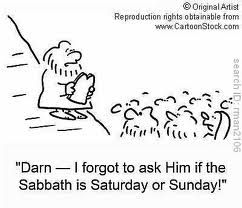
Jesus explains that the Sabbath is made for man and not man for the sabbath. This could mean that the disciples shouldn’t view the Sabbath day as an obstacle for them but rather arrange their lives in such a way so that they could honor it without having to feel it makes things difficult for them and is a burden in their lives. Today we should approach the day of rest wisely and avoid falling into any ditch. The Apostle John refers to the Lord’s Day (“kuriake hemera“) in Rev. 1:10. “Kuriake“, meaning “Lord’s,” later became the Greek word for Sunday.  Jesus claimed to be the Lord of the Sabbath, and that day fell on the seventh day. The majority of Christians observe Sunday as the Lord’s day:

Mark 2:23 And it came to pass, that he went through the corn fields on the sabbath day; and his disciples began, as they went, to pluck the ears of corn.24 And the Pharisees said unto him, Behold, why do they on the sabbath day that which is not lawful?25 And he said unto them, Have ye never read what David did, when he had need, and was an hungred, he, and they that were with him?26 How he went into the house of God in the days of Abiathar the high priest, and did eat the shewbread, which is not lawful to eat but for the priests, and gave also to them which were with him?27 And he said unto them, The sabbath was made for man, and not man for the sabbath:28 Therefore the Son of man is Lord also of the sabbath.

We are not bound by a certain day
Jesus is the fulfilling of the Old Sabbath and our rest is in Him. We now commit to that rest as we continue in the faith.

Romans 14 shows that there is personal freedom regarding the observance of holy days. Some might suggest that this passage is only about FOOD, but I wouldn’t be too sure about that. Paul starts off warning about “doubtful disputations” and that seems to be the core of his argument. He provides the subject of food as his first example of where disputations might occur, and his point is that we should not judge each concerning minor issues such as meat or fasting but let God be the judge. Paul says in Rom. 14:3 that those who eat meat are not better or worse than those who do not eat meat (so judging is out-of-place), but in 1 Cor 8 he has a slightly different point because there he explains that our conduct can affect other people’s spiritual safety. So we should still think about our behavior so we won’t cause others to fall:

1 Cor. 8:8 But meat commendeth us not to God: for neither, if we eat, are we the better; neither, if we eat not, are we the worse.But take heed lest by any means this liberty of yours become a stumblingblock to them that are weak.10 For if any man see thee which hast knowledge sit at meat in the idol’s temple, shall not the conscience of him which is weak be emboldened to eat those things which are offered to idols;11 And through thy knowledge shall the weak brother perish, for whom Christ died?12 But when ye sin so against the brethren, and wound their weak conscience, ye sin against Christ.13 Wherefore, if meat make my brother to offend, I will eat no flesh while the world standeth, lest I make my brother to offend.

In Rom. 5 Paul proceeds with his second example when it comes to “doubtful disputations” and brings up the way we regard “days”:

Rom. 14:4 Who art thou that judgest another man’s servant? to his own master he standeth or falleth. Yea, he shall be holden up: for God is able to make him stand. One man esteemeth one day above another: another esteemeth every day alike. Let every man be fully persuaded in his own mind.He that regardeth the day, regardeth it unto the Lord; and he that regardeth not the day, to the Lord he doth not regard it. He that eateth, eateth to the Lord, for he giveth God thanks; and he that eateth not, to the Lord he eateth not, and giveth God thanks.

His point is still that we should not judge each other concerning minor issues:

Rom. 14:For to this end Christ both died, and rose, and revived, that he might be Lord both of the dead and living.10 But why dost thou judge thy brother? or why dost thou set at nought thy brother? for we shall all stand before the judgment seat of Christ.

Also in Col. 2 Christians are instructed not to judge each other regarding the Sabbath days. This might suggest the early christians had already been judged for their different observances of Sabbath and festivals.

Col. 2:16 Let no man therefore judge you in meat, or in drink, or in respect of an holyday, or of the new moon, or of the sabbath days:17 Which are a shadow of things to come; but the body is of Christ.

This covers:

• days (weekly Sabbaths, corresponding to “Sabbath days”)
• months (new moons, corresponding to “a new moon”)
• seasons (the 7 feasts, corresponding to “festivals”)
• and years (the sabbatical year and the 50th year of Jubilee)

In Galatians 4, Paul is concerned about Christians who are turning back like slaves to legalistic observances of special days:

Gal. 4:But now, after that ye have known God, or rather are known of God, how turn ye again to the weak and beggarly elements, whereunto ye desire again to be in bondage?10 Ye observe days, and months, and times, and years.11 I am afraid of you, lest I have bestowed upon you labour in vain.

We should be “fully convinced” that whichever day we choose is the right day for us to set aside as a day of worship, and we should not judge or allow anyone to judge us regarding our choice.

How important is Sabbath TODAY?
A person who is born today (2012) will notice when he grows up that SUNDAY is the day when christians normally meet for worship. That’s the case in Scandinavia, the rest of Europe and throughout the whole world – with a few exceptions. So the vast majority of christians. Can we really require that this person must study church history (to find out that we are supposed to celebrate Sabbath on a Saturday) in order to get essential knowledge about Jesus Christ?! This person might not even like to read books, and particularly not about church history and about how jews and christians celebrated the Sabbath 2,000 years ago. One would think that Jesus would have offered us some light in the matter if it was so important to get the days straight, but the main memory we have about Jesus in relation to the Sabbath day is that he broke it. We DO know that it’s important to assemble together with other christians and to live holy! Is it EXTREMELY IMPORTANT that we try to make the christian world start worshiping on Saturdays instead of Sundays, and why? Who is the one getting annoyed when we listen to the exact same sermon on a Sunday instead of Saturday? Paul helped us in his letters by providing us instructions for how to behave in church, but he didn’t mention that there is a particular day that we must meet on.

There are many countries and cities where christians are scarce and that means that there are not that many churches to choose between for worship and fellowship. We can only select among the best churches available. If you insist on that Saturday is THE day to celebrate a Sabbath, then you can of course try to contact the pastor in a church and ask him if he would consider persuading the elders to have church services on Saturdays instead of Sundays. I doubt you will succeed though! And if you have not succeeded, and if there are no other churches available, will you stay home alone? And how Biblical is THAT (to stay away from meetings with other christians)?

When we try to find the best church available in our area, is the question of the Sabbath really that important? Isn’t it more important to investigate what the pastors teach in the church (whenever they do teach), and if the pastors highlight repentance, salvation in Jesus Christ, the blood on the cross, the importance to make other disciples, the spiritual gifts, righteousness, etc? It’s also important to avoid churches which don’t have the Bible as their solid foundation but base their teachings on a person. Of course pastors are bound to color Bible texts with their own understanding (this is what preaching entails), but if they use other scriptures or texts apart from the Bible then we must be on our guard. I’m of course not saying it’s wrong to bring up wise words (or entire sermons) from other christians who have gone before them as long as they are Biblical, but I’m only warning about false prophets who bring in heresy into church and possibly also division.

Society looks completely different today than it did 2,000 years ago. Today it’s common for a family to have both parents working full-time and at a good stretch from home, and that means they might very well be away from home about 11 hours/day (including lunch hour and time for commuting). On top of this they might have to pick up their kids from the daycare center before hurrying home to fix dinner (using groceries that perhaps someone else in the family had time to buy after his/her work or school). For most people they have no option to get an alternative life style since the job that are offered are full-time or no time, and they do need to get a salary to get food on the table and to pay taxes. Needless to say, that when Saturday finally arrives they are very tired and prefer to sleep in late, clean the house, wash clothes, visit parents/relatives and spend some time with the kids. Some also take the chance to go shopping on Saturday, believing Sunday is the day of rest and a day which should not be used for shopping. This mean that they are better prepared in all sorts of way for a worship together with other christians on Sunday, and they might even feel like bringing friends home after the church service because the house is in order after a week’s mess. Had the day of special worship been on a Saturday it could tempt weak christians to stay home from church altogether. Again, Sabbath is made for man and not the other way around. If a village that is blessed to have a church (meaning they have a group of christians in this village), and the church has an arrangement that works very well among them and which isn’t against the Bible in any way, then why not keep it that way?

Can we blame Constantine for that we worship on Sundays?

Constantine is oft blamed for various things, such as the idea that we believe in the trinity due to him, but the change of day was not instituted by him or the pope centuries after the apostles nor was it made to replace the Sabbath day. Some Sabbatarians particularly have the council of Laodicea in mind, held in 364 A.D.  There is much historical evidence to show Sunday worship was a universal practice of all the churches outside the land of Israel by the beginning of the 2nd century. What did take place at that Council was an anti-semitic move to make it illegal for christians to worship on Saturday. There were thousands of christians already worshiping on Sundays. 

“Anti-Judaism played its part in second-century Christian polemic against Jewish Sabbath observance, but it does not follow that it motivated the introduction of Christian Sunday worship. For we have already argued that Sunday worship dates back to the first century, while few second-century writers compare and contrast the Jewish Sabbath and the Christian Sunday. Derogatory discussions of the Jewish Sabbath do not usually refer to the Christian Sunday. If Sunday were a recent substitute for the Jewish Sabbath, we should expect far more discussion of the superiority of Sunday to the Sabbath.” R. J. Bauckham, From Sabbath to Lord’s Day, p. 271, edited by D.A. Carson.

The old church fathers also promoted worship on a Sunday

Philip Schaff (a noted historian) writes in the Schaff- Herzog Encyclopedia of religious knowledge 1891 Ed., vol.4 Article on Sunday.

“Sunday… was adopted by the early Christians as a day of worship.. . Sunday was emphatically the weekly feast of the resurrection of Christ, as the Jewish Sabbath was the feast of creation. It was called the Lords day, and upon it the primitive church assembled to break bread. No regulations for its observance are laid down in the new testament nor, indeed, is its observance even enjoined. Yet Christian feeling led to the universal adoption of the day, in imitation of the apostolic precedence. In the second century its observance was universal.

In other words these meetings were not to replace the Sabbath but held as a whole new day. There is a view that the Sabbath commemorated a finished creation with rest and the first day commemorates a finished redemption and a new work. The Sabbath is then a day of rest and quiet and the first day is a day of worship and praise. Sabbath means rest, not Saturday.The New Testament Church saw Sunday not as the substitute and replacement for the Jewish Sabbath.  Sunday was not seen as a modification or as a new Sabbath, but as a day that stood on its own merits having its own meaning.

The epistle of Ignatius, AD 107

“Be not deceived with strange doctrines, nor with old fables, which are unprofitable. For if we still live according to the Jewish Law, we acknowledge that we have not received grace….If, therefore, those who were brought up in the ancient order of things have come to the possession of a new hope, no longer observing the Sabbath, but living in the observance of the Lord’s Day, on which also our life has sprung up again by Him and By His death.”

Barnabas, 120 AD

“Wherefore, also, we keep the eighth day with joyfulness, the day, also, on which Jesus rose again from the dead”

The writings of Justin Martyr, AD 145-150 Justin’s ‘Apology’ was written at Rome about the year 140, only 44 years after the apostle John received the vision of The Revelation at Patmos. The Schaff-Herzog Encyclopedia of Religious Knowledge says this about Justin’s works:

“In these works Justin professes to present the system of doctrine held by all Christians and seeks to be orthodox on all points. The only difference he knows of as existing between Christians concerned the millennium. Thus Justin is an incontrovertible witness for the unity of the faith in the Church of his day, and the fact that the Gentile type of Christianity prevailed.” Quoted by Canright in The Compete Testimony of the Early Fathers, Fleming H. Revell, 1916, pp. 24-25.

NOTE: At this early date, AD 140, the only major difference among Christians was concerning the millennium. At that time they had no disagreement in keeping Sunday, and as you will see, Justin says that was the day on which all Christians worshipped.

In chapter 67 of his first Apology, entitled, “Weekly Worship of the Christians” writing to the pagan emperor, Justin states:

“…we bless the Maker of all through His Son Jesus Christ, and through the Holy Ghost. And on the day called Sunday, all who live in cities or in the country gather together to one place, and the memoirs of the apostles or the writings of the prophets are read, as long as time permits; then, when the reader has ceased, the president verbally instructs, and exhorts to the imitation of these good things. Then we all rise together and pray, and, as we before said, when our prayer is ended, bread and wine and water are brought…But Sunday is the day on which we all hold our common assembly, because it is the first day on which God, having wrought the change in the darkness and matter, made the world; and Jesus Christ our Savior on the same day rose from the dead.”The Ante-Nicene Fathers, Vol. 1, pp. 185-186 (emphasis added).

Didache, AD 80-90

“And on the day of our lords resurrection, which is the Lord’s day meet more diligently.”

Irenaeus, AD 155-202

“The Mystery of the Lord’s Resurrection may not be celebrated on any other day than the Lord’s Day, and on this alone should we observe the breaking off of the Paschal Feast.”

APOSTOLIC CONSTITUTIONS: Church life in the 2nd Century:

“On the day of the resurrection of the Lord–that is, the Lord’s Day–assemble yourself together without fail, giving thanks to God and praising Him for those mercies God has bestowed upon you through Christ.”

Dionysius, AD 170 Dionysius was Bishop of Corinth, the Church which Paul raised up and to which he gave the command about Sunday collections, in I Corinthians 16:1-2:

We passed this holy Lord’s Day, in which we read your letter, from the constant reading of which we shall be able to draw admonition.Eusebius, Ecclesiastical History, Bk. 4, Chapt. 23 

Clement of Alexandria, AD 194

“He, in fulfillment of the precept, keeps the Lord’s day when he abandons an evil disposition, and assumes that of the Gnostic, glorifying the Lord’s resurrection in himself” Book 7, Chapter 12

Ignatius, the third bishop of Antioch, AD 108:

“If, therefore, those who were brought up in the ancient order of things have come to the possession of a new hope, no longer observing the Sabbath, but living in the observance of the Lord’s Day, on which also our life has sprung up again by Him…Let us therefore no longer keep the Sabbath after the Jewish manner, and rejoice in days of idleness; for “he that does not work, let him not eat.”…let every friend of Christ keep the Lord’s day as a festival, the resurrection-day, the queen and chief of all the days [of the week]” “Epistle of Ignatius to the Magnesians,” The Ante-Nicene Fathers, vol. 1, pp. 62-63

Tertullian of Africa, AD 200: In his Apology, Chapter 16:

“We solemnize the day after Saturday in contradistinction to those who call this day their Sabbath, and devote it to ease and eating, deviating from the old Jewish customs, which they are now very ignorant of.”

Others, with greater regard to good manners, it must be confessed, suppose that the sun is the god of the Christian, because it is a well- known fact that we pray towards the east, or because we make Sunday a day of festivity” The Ante-Nicene Fathers, vol. 3, p. 123).

NOTE: The early church explained why they prayed toward the east. It was because, “as the lightning which lighteneth from the east and is seen even to the west, so shall the coming of the Son of man be:” that by this we might know and understand that He will appear from the east suddenly” Ancient Syriac Documents, The Ante- Nicene Fathers, vol. 8, p. 668.

Pliny’s letter, AD 107 Pliny was governor of Bithynia, in Asia Minor, from AD 106-108. He wrote in AD 107 to Trajan, the emperor, concerning the Christians:

“They were wont to meet together, on a stated day before it was light, and sing among themselves alternately a hymn to Christ as God….When these things were performed, it was their custom to separate and then to come together again to a meal which they ate in common without any disorder.”

All these quotes prove the Church held Sunday as a significant day long before any edict in the 300’s.

Does the Bible really teach that we should worship on Saturdays?
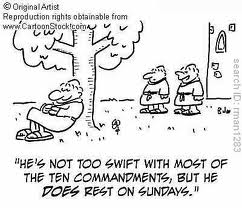
The day of the week to assemble should be the church’s choice, and many churches today have Saturday services as well as Sunday. The NT has no legislation for which day we are to assemble and history shows the early church chose Sunday because of its significance and not because they hated the Sabbath.

We can find 9 of the commandments from Ex.20:3-4 repeated in the New Testament but the 4thone is not. Maybe there is a reason for this. The Bible offers no command that we must assemble on the Sabbath (Saturday) for worship and there was absolutely no warning against Sunday worship.

At the Jerusalem council in Acts 15, dealing with how the Gentiles are to practice their Christianity, it does not mention the Sabbath. Paul states “for I testify again to every man that is circumcised, that he isa debtor to the whole law. (Gal.5:3) This can be substituted with any part of the Mosaic law; diet, clothing or the Sabbath.  James and Hebrews were written to the dispersed Israel, but they never refer to continue keeping the Sabbath day because even Jewish believers were not obligated. Peter exhorts the leadership of the Church not to place the Gentiles under the Law:

Acts 15:10 Now therefore why tempt ye God, to put a yoke upon the neck of the disciples, which neither our fathers nor we were able to bear?11 But we believe that through the grace of the Lord Jesus Christ we shall be saved, even as they

What some have done is use fear and devious manipulation to prove one is under the wrath of God by simply worshipping on a day apart from the Covenant given to Moses!

Acts 15:28 For it seemed good to the Holy Ghost, and to us, to lay upon you no greater burden than these necessary things;29 That ye abstain from meats offered to idols, and from blood, and from things strangled, and from fornication: from which if ye keep yourselves, ye shall do well. Fare ye well.

Note that the Holy Spirit told them NOT to lay upon the Gentiles any greater burden than those essentials. It seems like the Holy Spirit didn’t think Sabbath keeping was essential thing any more. If we are to believe that we need to keep the Sabbath  on Saturdays – just like they did in the OT – then the question is why we should pick and choose among the rules related to this special day, and why we should not also keep these instructions in mind:

-It was to be kept from sunset to sunset (Lev. 23:32)
-No burden was to be carried (Jer. 17:21)
-No fire kindled (Ex. 35:3)
-No Cooking done (Ex. 16:23)
-The penalty for doing any of these things during the Sabbath was DEATH (Numbers 15).

In the New Testament we are provided with lists of SINS that separate us from God and prevent us from entering his kingdom. These lists are often repeated. Nowhere is breaking the Sabbath listed as a sin that causes spiritual death.

If the Sabbath keeping is so important for a disciple of Christ, why didn’t Jesus or his apostles command Sabbath keeping?

We are often asked to find one verse in the Bible that shows the day of worship has been changed from Saturday to Sunday, but this is a moot point because it doesn’t matter what day you worship on.
Förklaras vi rättfärdiga UTAN laggärningar? (Rom. 3:28)

Rom. 3 :28 Vi hävdar att människan förklaras rättfärdig genom tro, utan laggärningar

Om man skulle få höra denna vers helt ut i luften utan att han en aning om vad som står i verserna innan och efter så skulle man kanske kunna få för sig att vi kan bli rättfärdiga trots att vi samtidigt bryter mot lagen (tio Guds bud) och alltså när vi fortfarande är kvar mitt I VÅR SYND! Kan detta vara vad Paulus verkligen menar? Skulle den Paulus som i Bibeln säger…

1 Kor 15:34 Nyktra till på allvar och synda inte

Rom 6:12 Synden skall därför inte härska i er dödliga kropp, så att ni lyder dess begär13 Ställ inte era lemmar i syndens tjänst, som vapen åt orättfärdigheten, utan ställ er själva i Guds tjänst.

Rom.8:De som lever efter sin köttsliga natur tänker på det som hör till köttet, men de som lever efter Anden tänker på det som hör till Anden. Köttets sinne är död, men Andens sinne är liv och frid. 7. Ty köttets sinne är fiendskap mot Gud, eftersom det inte är Guds lag underdånigt och inte heller kan vara det.De som följer sin syndiga natur kan inte behaga Gud.

…SAMTIDIGT säga ungefär:

“Människan kan förklaras rättfärdig helt UTAN att behöva göra några goda gärningar över huvud taget – alltså utan att behöva visa god frukt – och UTAN att behöva lyda tio Guds bud! Det innebär alltså att bara en person TROR på Jesus som sin frälsare så är denna person frälst och har faktiskt råd med att mörda, ljuga, stjäla och begå äktenskapsbrott utan att förlora sin frälsning! (Även om jag förstås inte råder något till det utan tvärt om.) Det finns alltså kristna mördare och tjuvar som är på väg till Guds rike trots att de inte omvänt sig, och synd separerar oss INTE från Gud som älskar oss i alla fall. Vi kan absolut tjäna två herrar utan att riskera våra stjälar och Jesus skojade bara när han menar att synd orsakar evigt straff i elden. Synd skickar endast icke-troende till elden men absolut inte kristna eftersom vi är frälsta UTAN att behöva lyda tio Guds bud! Undvika synd är förstås bra om du vill ha belöningar i himlen men du kommer åtminstone in i himlen även om du är en oomvänd syndare, och det finns inga krav på att du måste göra goda gärningar för att vara frälst. Det är endast en eftersträvansvärd sak men INTE NÖDVÄNDIGT. En troende person kan förklaras rättfärdig trots att han lever orättfärdigt för ingen är ju perfekt…!” 

Låter detta rimligt? Är inte detta exakt vad Satan lärde ut i Eden när han samtalade med Eva? Där fick Satan Eva att tro att synd INTE LEDER TILL DÖDEN, vilket var en LÖGN. Dessvärre sprider många kristna hans lögn vidare trots att de kanske inte inser det, och att missförstå bibelverser i kombination med att ignorera andra viktiga verser kan få oss på helt fel spår.

Ordet som är översatt “utan” i Rom. 3:28 är från det grekiska ordet chóris, och kan betyda utan, utom, förutom, separat från, etc

Vi kan alltså läsa Rom. 3:28 på åtminstone ett par olika sätt. Antingen “människan förklaras rättfärdig genom tro UTAN att behöva göra gärningar”, eller “människan förklaras rättfärdig genom tro, förutom de gärningar som också krävs”, eller kanske en kombination av båda. Det är alltså inte alls säkert att ordet UTESLUTER det påstående som kommer direkt efter prepositionen, utan det kan också betyda att det INBEGRIPS i kombination med det som står nämnt innan prepositionen.

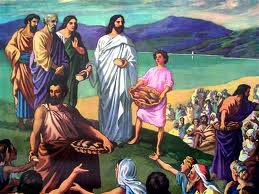
Jämför gärna med andra ställen där samma ord finns med. I nedan verser så används ordet som INNESLUTANDE. Flera tusen män blev mätta FÖRUTOM kvinnor och barn (eller separat från kvinnor och barn). Det betyder att vi inte ska UTESLUTA kvinnor och barn utan snarare INNESLUTA dem bland dem som blev mätta även om de räknas upp separat. På samma sätt skulle Rom. 3:28 kunna läsas. Förutom att göra gärningar (visa god frukt) så är det alltså TRO som frälser oss (en kombination). Vi kan dock aldrig någonsin göra gärningar så att vi FÖRTJÄNAR vår frälsning!:

Matt. 14:20 Alla åt och blev mätta, och lärjungarna plockade upp de överblivna styckena, tolv korgar fulla. 21 De som hade ätit var omkring fem tusen män, FÖRUTOM kvinnor och barn.

Mtt. 15:37 Alla åt och blev mätta, och man plockade upp de överblivna styckena, sju korgar fulla. 38 De som hade ätit var fyra tusen män, FÖRUTOM kvinnor och barn.

Nedan kan du läsa om Paulus alla bestyr. Han räknar upp massor med saker som han varit med om och säger sedan att FÖRUTOM allt detta så har han uppgiften att ha omsorg om församlingarna. Prepositionen UTESLUTER alltså inte det som nämns efteråt utan det INNESLUTS bland allt det som han tidigare nämnde:

2 Kor. 11:28 26 Jag har ofta varit på resor, utstått faror på floder, faror bland rövare, faror från landsmän, faror från hedningar, faror i städer, i öknar och på hav, faror bland falska bröder, 27 allt under arbete och slit, ofta under vaknätter, under hunger och törst, ofta utan mat, frusen och naken. 28 FÖRUTOM allt detta har jag den dagliga uppgiften, omsorgen om alla församlingarna.

Nedan kan du läsa en och samma vers i två olika svenska versioner, genom Svenska Folkbibeln och genom 1917 års översättning. När du läser dem, tolkar du påståendet som att Jesus aldrig någonsing öppnade munnen utan att tala i liknelser, eller tolkar du påståendet som att han absolut använde sig av liknelser när han talade med folket men inte i vareviga mening?

Matt. 13:34 Allt detta talade Jesus till folket i liknelser. Han talade ENDAST i liknelser till dem (SFB)

Matt. 13:34 Allt detta talade Jesus i liknelser till folket, och UTAN liknelser talade han intet till dem (1917)

Vare sig vi vill läsa ordet som ett uteslutande ord eller som ett inneslutande ord så stämmer det ju onekligen att vi inte kan bli frälsta av gärningar om vi talar om GÄRNINGAR ALLENA! Att vi inte kan bli frälsta på grund av gärningar betyder INTE att vi kan bli frälsta UTAN gärningar. Om en person i Sverige gjort sig skyldig till ett brott och blir haffad och häktad, skulle det då hjälpa honom om han levde resten av sitt liv helt i enlighet med svensk lag? Även om alla skulle vara fullständigt övertygade om att personen aldrig mer kommer att utföra ytterligare brott så räcker det inte. Hans framtida lydnad kan aldrig gottgöra hans tidigare brott! Så är det också med oss inför Gud. Bryter vi lagen minst en gång så är vi skyldiga och måste på något sätt antingen sona vårt brott eller bli förlåtna. Lagens väg kan alltså inte rädda oss eftersom vi gjort oss skyldiga under den och alltså krävs på ett straff. Därför säger man att vi är frälsta av NÅD genom TRO eftersom JESUS dog som ett syndoffer för oss och möjliggjorde en frälsning tack vare förlåtelse genom hans blod. Vi kan alltså slippa vårt rättmätiga straff genom Guds kärlek och barmhärtighet!

Paulus försöker i Romarbrevet få judarna att förstå att de inte är frälsta för att de är Guds utvalda folk som har LAGEN, där bland annat omskärelsen är ett av buden, utan snarare att vi allesammans är frälsta GENOM TRO genom Guds “snällhet” (barmhärtighet) och INTE genom att lyda drygt 600 judiska ceremoniella bud som de fick av Moses. De judiska ceremoniella lagarna är inga lagar som vi idag behöver lyda, MEN det dubbla kärleksbudet som inrymmer tio Guds bud är INTE frivilliga att lyda. Bara för att vi är frälsta av Guds nåd betyder inte att vi aldrig kan falla från nåd, eller att det numera inte spelar någon roll om vi lyder tio Guds bud eller inte. Om en brottsling blir benådad tack vare en auktoritets barmhärtighet så betyder det INTE att brottslingen är immun mot ytterligare straff vid nya brott! Det heter INTE “en gång benådad alltid benådad”.

Rom. 3:21 Men nu har utan lagen en rättfärdighet från Gud blivit uppenbarad, en som lagen och profeterna vittnar om22 en rättfärdighet från Gud genom tro på Jesus Kristus, för alla som tror. Ty här finns ingen skillnad.

Rom. 4:Därför prisar också David den människa salig, som Gud tillräknar rättfärdighet utan gärningar

Martin Luther lade till ett “allena” i Rom. 3:28 så att han fick den till att vi kan bli frälsta genom “tro allena”. Bibeln säger dock att vi INTE är frälsta genom tro allena:

Jak. 2:24 Ni ser alltså att en människa erkänns som rättfärdig genom gärningar och INTE bara genom tro

Vad säger Paulus mer i Rom. 3? Ja, han förklarar noga att alla HAR syndat och gjort sig skyldiga inför Gud. Han lägger stor vikt vid att förklara för judarna att det handlar om frälsning och rättfärdighet genom TRO och inte genom omskärelse och andra judiska bud. Strax efter v. 28 säger han:

31 Sätter vi då lagen ur kraft genom tron? Nej, inte alls! Vi upprätthåller lagen.

V. 24 är lite förbryllande eftersom det står att Jesus “friköpt” oss men det handlar inte om någon betalning utan det grekiska ordet kan översättas med “försoning” vilket stämmer bättre överens eftersom någon pengatransaktion inte genomförts vare sig bokstavligt eller bildligt.

Romarbrevet 3:28 kan inte stå i motsats till det Jakob säger i sitt brev här nedan, och Jakob är väldigt tydlig med att tro utan gärningar är DÖD:

Jak. 2:20 Men vill du inte inse, du tanklösa människa, att tron utan gärningar är död? 21 Blev inte vår fader Abraham erkänd som rättfärdig genom gärningar, när han bar fram sin son Isak på altaret? 22 Du ser att hans tro samverkade med hans gärningar och att det var genom gärningarna som tron blev fullbordad. .24 Ni ser alltså att en människa erkänns som rättfärdig genom gärningar och inte bara genom tro.  26 Liksom kroppen utan ande är död, så är tron utan gärningar död.

Who are the SONS OF GOD and the NEPHILIM?

The sons of God – Bene Elohim = angels

The term “the sons of God” is a translation from the Hebrew Bene Elohim  Sons of Elohim. This term can be found 4 times in the Bible and it’s always referred to ANGELS and never about man. This is enough to end all arguments that “the Sons of God” might mean anything else. Two other valid arguments for the angel translation might be 1) also other old religious books support this alternative, and 2) the old church fathers the first 300 years AD also supported it.

Job 1:6 Now there was a day when THE SONS OF GOD came to present themselves before the LORD, and Satan came also among them.

Job 2:1 Again there was a day when THE SONS OF GOD came to present themselves before the LORD, and Satan came also among them to present himself before the LORD.

Job 38:Where wast thou when I laid the foundations of the earth? declare, if thou hast understanding.—When the morning stars sang together, and all THE SONS OF GOD shouted for joy?

Gen 6:1And it came to pass, when men began to multiply on the face of the earth, and daughters were born unto them, 2That THE SONS OF GOD saw the daughters of MEN that they were fair; and they took them wives of all which they chose. 3And the LORD said, My spirit shall not always strive with man, for that he also is flesh: yet his days shall be an hundred and twenty years. 4There were GIANTS in the earth in those days; and ALSO AFTER THAT, WHEN THE SONS OF GOD CAME IN UNTO THE DAUGHTERS OF MEN, AND BARE CHILDREN TO THEM, THE SAME BECAME MIGHTY MEN which were of old, men of renown. 5And God saw that the wickedness of man was great in the earth, and that every imagination of the thoughts of his heart was only evil continually.

Why are we to understand the term “Bene Elohim” as angels in 3 verses but not in the 4th verse? It also makes sense to refer to created beings (that could only include angels and Adam) as “sons of God”.  So we know based on scripture that the SONS OF GOD came in unto the DAUGHTERS OF MEN and the daughters of men bore children to the sons of God. There is no mention of daughters of God or sons of men, so it’s clear that the males in the passage were of angelic origin and the female were of human origin. We can also understand from scripture that this union produced GIANTS! Human beings don’t produce giants so how do we account for these giants unless we accept what is written in Genesis 6? Moreover, the giants seem to be a major reason for the need of a global flood. In mentioning them, we are also told that “And God saw that the wickedness of man was great in the earth, and that every imagination of the thoughts of his heart was only evil continually”. Imagine that! Every thought was evil! Something extraordinary must have happened in order to reach this state of mind among all the people, and we have the answer right before our eyes in Gen. 6. Fallen angels came down to earth and caused these events to unfold.

The events recorded in Genesis 6 were understood by the ancient rabbinical sources, as well as the Septuagint, as referring to fallen angels procreating weird hybrid offspring with human women – known as the nephilim. The same goes for the early church fathers. These bizarre events are also mentioned in legends of ancient cultures, like the ancient Greeks, the Egyptians, the Hindus, the South Sea Islanders, the American Indians, as well as in the Dead Sea Scrolls. The book of Enoch which is referred to in the Bible (and the book of Jubilees, the book of Jasher, and other lost books) also describes the mix of angels and human beings, and even though this book is not canonized, it takes more faith to believe that the events in this book are NOT true – for no other reason than to save a certain doctrine.

nephilim 5Problems with the Sethite View

There is a claim that the passage in Genesis 6 refers to a failure to keep the faithful lines of Seth separated from the line of Cain. If the text was intended to contrast the sons of Seth and the daughters of Cain, why doesn’t it say so? It would have been very easy to describe the union as “the sons of Cain and the daughters of Seth“, but it says “sons of GOD” and “daughters of MEN” for a reason and we can understand the text exactly as it says. Why the resulting offspring (between ordinary human beings) is called the “Nephilim” is left without an explanation. Were not both Cain’s and Seth’s descendants of the same couple (Adam and Eve) and made up by the same type of genes? There is absolutely no reason for trying to keep the lines of Seth and Cain separate (actually the opposite since this would narrow down the gene pool), and there is no evidence for that all the descendants of Seth had a tendency to be godly, or that all the descendants of Cain had a tendency to be ungodly. Also, the sons of God saw that the daughters of men were FAIR and they chose wives among them. Were all female descendants of Seth unattractive?

One objection to the idea of angels and human beings intermarrying each other, is due to Jesus words “For in the resurrection they neither marry, nor are given in marriage, but are like angels in heaven” (Matt. 22:30). But Jesus is talking about after the resurrection, and he doesn’t mention what angels might do on earth. We already know that angels on earth can go for walks, eat, rest and talk, among other things. Abraham had a visit from angels in Genesis 17:1-20 and Genesis 18:1-16, and they behaved very much like human beings. It’s hard to imagine how angels appear in heaven but we know that the angelic encounters people have had on earth have always been in relation to male angels (or at least they appeared as such), so earthly angels can transform into what looks like human beings in male form. The men (old and young) in Sodom didn’t have a problem to identify the angels visiting Lot as being of the male gender. As I said earlier, we know that angels on earth can eat, and this might suggest that they might have saliva and all the inner organs necessary for digesting food. Why then wouldn’t they also be able to reproduce? Does it specifically say they can’t?

Mixing seeds?

There is an interesting verse in Daniel which can make us ponder about the last days which will resemble the days of Noah. We already know that there are plenty of experiments made concerning mixing seeds from different animals which are not from the same species, and in Daniel we can read about mixed seeds between men and animals (?), but not through “cleaving one to another”. So maybe this is done in a lab? We can only speculate, but it’s good to be prepared.

Daniel 2:43 And whereas thou sawest iron mixed with miry clay, they shall mingle themselves WITH THE SEED OF MEN: but they shall not cleave one to another, even as iron is not mixed with clay.44 And in the days of these kings shall the God of heaven set up a kingdom, which shall never be destroyed: and the kingdom shall not be left to other people, but it shall break in pieces and consume all these kingdoms, and it shall stand for ever.

The future will resemble what happened before the flood.

Luk 17:26 And as it was in the days of Noah, so also it will be in the days of the Son of Man

References about the sons of God in the New Testament nephilim 3

Peter’s and Jude’s comments below establish the time of the fall of these angels to the days of the Flood. What other sins could they have in mind but angels procreating with female human beings?:

2 Peter 2:4-5 For if God spared not the angels that sinned, but cast them down to hell [Tartarus], and delivered them into chains of darkness, to be reserved unto judgment; And spared not the old world, but saved Noah the eighth person, a preacher of righteousness, bringing in the flood upon the world of the ungodly

Jude 6,7 And the angels which KEPET NOT THEIR FIRST ESTATE, but LEFT THEIR HABITATION, he hath reserved in everlasting chains under darkness unto the judgment of the great day. Even as Sodom and Gomorrah, and the cities about them in like manner, giving themselves over to fornication, and GOING AFTER STRANGE FLESH, are set forth for an example, suffering the vengeance of eternal fire.

1/3 of the angels are told to have followed Satan in his rebellion against God and believed to have been cast down on earth. That probably entails several thousand angels. Some of them seem to have made the decision to marry human beings and to produce children with them. How are we to understand the statement “going after strange flesh”, if not i relation to angels going after human flesh which would be totally unnatural for them? This seems to be exactly what Jude is talking about, and which confirms what we can read in Gen. 6. Maybe mixing with human beings was thought as a way for the Satanic angels to prevent the promised seed of the Messiah. We can only speculate why some angels (some sources say about 200 who landed on the mountain of Hermon) chose to take the step to intermix with human.

Lost books

Both the book of Enoch and the book of Jasher are referred to in the Bible, and it’s more likely that the content is for the most part trustworthy than NOT trustworthy. These books describe the sons of God as angels, and so does the book of the Jubilees and the Dead Sea Scrolls.

Jasher 4:18 And their judges and rulers went to the daughters of men and took their wives by force from their husbands according to their choice, and the sons of men in those days took from the cattle of the earth, the beasts of the field and the fowls of the air, and taught the mixture of animals of one species with the other, in order therewith to provoke the Lord; and God saw the whole earth and it was corrupt, for all flesh had corrupted its ways upon earth, all men and all animals.

Enoch 10:6 Uriel is told to“heal the earth which the angels have corrupted, and proclaim the healing of the earth, that they may heal the plague, and that all the children of men may not perish through all the secret things that the Watchers have disclosed and have taught their sons. And the whole earth has been corrupted through the works that were taught by Azazel: to him ascribe all sin.

3 Maccabees 2:4  You destroyed those who in the past committed injustice, among whom were even giants who trusted in their strength and boldness, who you destroyed by bringing on them a boundless flood.

How could there be giants such as Goliath after the flood?

Nephiyl; a giant, feller, cast down, be judged, fugitive, thrown down, fallen, an abortion [Strong’s]

“There were Nephilim in the earth in those days, and also after that…”

In the OT we can read about God’s instructions to wipe out all people of certain tribes in the land of Canaan. Could it be that some of Noah’s sons married women who had a gene pool problem due to the mixture of angels and men prior to the flood? We can only speculate, but at least we know that some very tall people were living on earth also after the flood.

There are many names for these giants, and it’s hard to know exactly how these tribes intermarried each other and to which extent the offspring was affected by abnormalities when it comes to height. Nephilim, Rephaim, Anakim, Emim, Zuzim, Zamzumim, Horim, Zophim, Caphtorim, Gammadim, Seirim and Shedim. It seems further like God commanded the israelites to conquer and completely wipe out these unique giant tribes, which was a command that they did not totally adhere to. Their refusal to obey had the effect that they (offspring of the giants) continued to cause much violence and murder.

When the Bible tells us that giants were on earth “also after that” in Gen. 6, I don’t believe that even more sons of God came down to earth yet again to repeat the same actions which had led to that the previous sons of God were severely punished. This would definitely cause more risks to humanity – the very same that caused the mayhem before the flood. I rather believe that one or more of the wives of Noah’s sons carried the defected genes which might produce giants, which means that only some of Noah’s sons descendants inherited these genes. It looks like it was Ham’s lineage which was affected considering the names of Ham’s sons – especially his son Canaan. We recognize the same names in those tribes that God requested Israel to completely wipe out.

Gen. 10:5 By these were the isles of the Gentiles divided in their lands; every one after his tongue, after their families, in their nations.6 And the sons of Ham; Cush, and Mizraim, and Phut, and Canaan.7 And the sons of Cush; Seba, and Havilah, and Sabtah, and Raamah, and Sabtechah: and the sons of Raamah; Sheba, and Dedan.8 And Cush begat Nimrod: he began to be a mighty one in the earth.9 He was a mighty hunter before the Lord: wherefore it is said, Even as Nimrod the mighty hunter before the Lord.10 And the beginning of his kingdom was Babel, and Erech, and Accad, and Calneh, in the land of Shinar.11 Out of that land went forth Asshur, and builded Nineveh, and the city Rehoboth, and Calah,12 And Resen between Nineveh and Calah: the same is a great city.13 And Mizraim begat Ludim, and Anamim, and Lehabim, and Naphtuhim,14 And Pathrusim, and Casluhim, (out of whom came Philistim,) and Caphtorim.15 And Canaan begat Sidon his first born, and Heth,16 And the Jebusite, and the Amorite, and the Girgasite,17 And the Hivite, and the Arkite, and the Sinite,18 And the Arvadite, and the Zemarite, and the Hamathite: and afterward were the families of the Canaanites spread abroad.

Gen 14:5 And in the fourteenth year came Chedorlaomer, and the kings that were with him, and smote the Rephaims in Ashteroth Karnaim, and the Zuzims in Ham, and the Emins in Shaveh Kiriathaim

Amos 2:9 Yet destroyed I the Amorite before them, whose height was like the height of the cedars, and he was strong as the oaks; yet I destroyed his fruit from above, and his roots from beneath.

Num. 13:32 And they brought up an evil report of the land which they had searched unto the children of Israel, saying, The land, through which we have gone to search it, is a land that eateth up the inhabitants thereof; and all the people that we saw in it are men of a great stature. 33 And there we saw the Nephilim, the sons of Anak, who come of the Nephilim; and we were in our own sight as grasshoppers, and so we were in their sight.

Deu 2:10 The Emim lived there in days gone by, a great and plentiful people, and tall as the Anakim 11 they are reckoned to be giants (rephaim), they too, like the Anakim; but the Moabites call them Emim.

Deu 2:20 That also is accounted a land of Rephaim: Rephaim dwelt therein aforetime; but the Ammonites call them Zamzummim 21 a people great, and many, and tall, as the Anakim; but the LORD destroyed them before them; and they succeeded them, and dwelt in their stead

Deu 3:11 For only Og king of Bashan remained of the remnant of the Rephaim; behold, his bedstead was a bedstead of iron; is it not in Rabbah of the children of Ammon? nine cubits was the length thereof, and four cubits the breadth of it, after the cubit of a man. (15 feet! – or 9 feet depending on if you use the standard cubit or lower forearm cubit) 4,6 meter or 2,7 meter

Deu 9:2 a people great and tall, the sons of the Anakim, whom you know, and of whom you have heard it said, Who can stand before the sons of Anak?

Jos 11:21 At that time Joshua came and cut off the Anakim from the mountains, from Hebron, from Debir, from Anah, and from all the mountains of Judah, and from all the mountains of Israel. Joshua completely destroyed them with their cities. 22 There were none of the Anakim left in the land of the sons of Israel; only some remained in Gaza, in Gath, and in Ashdod.

Jos 12:4 and the border of Og king of Bashan, of the remnant of the Rephaim, who dwelt at Ashtaroth and at Edrei, 5 and ruled in mount Hermon, and in Salcah, and in all Bashan, unto the border of the Geshurites and the Maacathites, and half Gilead, even unto the border of Sihon king of Heshbon.

2 Sa 21:16 And Ishbibenob, who was of the sons of Rapha the giant, the weight of his spear being threehundred bronze shekels in weight, and was girded with a new sword, even he said to strike David.—18 And it happened after this that the battle was again in Gob of the Philistines. Then Sibbechaithe Hushathite struck Saph, who was among the sons of Rapha. 19 And again the battle was in Gob with the Philistines, and Elhanan the son of Jaare-oregim the Bethlehemite struck one of Goliath the Gittite, and the wood of his spear was like a weaver’s beam. 20 And again the battle was in Gath, and there was a man of stature, and the fingers of his hands were six, and the fingers of his feet six, twenty four in number. And he also had been born to Rapha 21 And he cursed Israel; and Jonathan, the son of David’s brother Shimeah, struck him. 22 These four here born to Rapha the giant in Gath. And they fell by the hand of David, by the hand of his servants.

1 Sa 17:4 And a champion (iysh habaniym…man between two camps referring to half man half angel descendancy) came out from the armies of the Philistines, Goliath was his name, from Gath; his height was six cubits and a span. 5 And a bronze helmet was on his head, and he was clothed with scaled body armor; and the weight of the armor was five thousand shekels of bronze. 6 And a covering of bronze was on his legs, and a javelin of bronze between his shoulders. 7 And the wood of his spear was like a weaver’s beam; and the blade of his spear weighed sixhundred shekels of iron. And the shield bearer went before him 

1 Chron. 20:6 And yet again there was war at Gath, where was a man of great stature, whose fingers and toes were four and twenty, six on each hand, and sixon each foot and HE ALSO WAS THE SON OF A GIANT.

A similar word for “nephilim” is found in the below verse where it concerns dead philistine warriors:

Ezekiel 32:27 And they shall not lie with the mighty that are fallen (naphal) of the uncircumcised, which are gone down to hell with their weapons of war: and they have laid their swords under their heads, but their iniquities shall be upon their bones, though they were the terror of the mighty in the land of the living.

nephilim 4Elongated skulls

I’ve included some pictures of individuals with elongated heads in this article, and this too seems to be a feature for some people who lived during those days, and maybe particularly giants? Or perhaps this trait only concerned giants? On top of this, some accounts tell us that another feature might be 6 fingers and 6 toes, as well as a double row of teeth. Some people might want to explain the elongated skulls that have been found by suggesting that it’s due to head binding, but this wouldn’t explain why the skulls that have been found are also much larger. Head bindings doesn’t cause the head to grow in volume. We do know that head binding did occur within some tribes in the old age, and the question is why this was popular? Could it be that elongated heads were considered to be an admirable feature because of the famous gods, demigods and some of the early pharaohs who happened to have this particular feature? The Greek mythology, and other stories tell us about various gods who were giants and who never seem to grow old and die (eventually they did), but these individuals who were labelled gods, titans, etc were likely in reference to people who lived before the flood, or just after the flood.

nephilim 2

God is not going to present us FAULTLESS in our SINS! (Jude 1:24)

Jude 1:24 Now unto him that is able to keep you from falling, and to present you faultless before the presence of his glory with exceeding joy

Unfortunately this verse is sometimes understood as a promise that if we only believe in Jesus, he will present us as faultless without conditions or requirements on our part. But the verse doesn’t say we christians will be presented faultless unconditionally! Jude is writing to sanctified christians, and as such Jesus can indeed present them faultless before the Father because they ARE. They are faultless because they have repented for their sins and been cleansed in the blood of Jesus, and that means they have no more sins on their account and THAT is the reason for their righteousness and lack of faults. Of course, if they sin yet again they are no longer faultless and will NOT be presented as faultless. ONLY if they truly repent of their sins. There is NO WAY that God would present SINNERS as faultless – and “sinners” are those who sin whether they are non-believers or believers. Sins  always separate us from him because God is HOLY. So God is ABLE to present us faultless – under CONDITIONS – but the question is if we are WILLING? What else does the same chapter tell us?

1 Jude, the servant of Jesus Christ, and brother of James, to them that are sanctified by God the Father, and preserved in Jesus Christ, and called:

They are preserved if they are IN JESUS CHRIST. Compare with John 15 where we are told to remain in the vine (Jesus) or else we cannot bear fruit and we will be cut off.

Beloved, when I gave all diligence to write unto you of the common salvation, it was needful for me to write unto you, and exhort you that ye should earnestly contend for the faith which was once delivered unto the saints.For there are certain men crept in unawares, who were before of old ordained to this condemnation, ungodly men, turning the grace of our God into lasciviousness, and denying the only Lord God, and our Lord Jesus Christ.

Here Jude is talking about something very serious. Jude was going to write about “the common salvation” but he felt the need to use his letter to exhort the saints to earnestly contend for the faith. And why this need? This is because certain men had sneaked in among them, turning the GRACE of God into “lasciviousness”. We could rephrase this as the teaching of A LICENSE TO SIN by misusing the grace of God as means to cover up sins whenever needed. There are several ways to teach a license to sin because the devil is very crafty, and he will often make use of preachers who mix truth with lies. That is why we don’t always recognize their falsehood and why we don’t realize they have sneaked in among us. Sooner or later we might start to adapt to their teachings and when we have been deceived ourselves, we are at risk to continue spreading falsehood also to others. If we deny the ability of the Holy Spirit to help us be victorious over sin, it’s like denying the power of God. The Bible warns us to not be deceived! It’s of course true that pastors/preachers are mere men who also make mistakes and need to learn, but many of them have completely closed their ears and refuse to be corrected by scripture. Here are some examples of what such dangerous men might teach us to make us comfortable in our sins:

  • We can never stop sinning – if we could then Jesus died for us in vain
  • God the Father cannot see our sins but only the blood of Jesus
  • We are saved by faith ALONE so avoiding sin is not necessary – just a nice goal
  • Jesus righteousness is imputed into us, and our sins is placed on him, so we can be righteous even if we practice unrighteousness
  • We always sin in thoughts, words and deeds
  • Once saved always saved
  • We are born with a sinful nature so we sin by necessity and can’t help it
  • To believe we MUST avoid sinning is “salvation by works” and a dangerous teaching from the pits of hell
  • Jesus PAID for our SINS, and said “it’s finished“, so my sins are paid for even before I commit them
  • We are saved by faith + nothing so if we try to add ANYTHING to this AT ALL, it’s from Satan
  • Suggesting that we can avoid sinning would place us on the same level as the pharisees
  • We are not under law but under grace, so obeying the ten commandments is not necessary any more
  • If we don’t pray and think about God around the clock, we sin, and that means avoiding sin is impossible
  • Paul said he IS (not WAS) the C H I E F of sinners and that means a person who is a murderer, adulterer and a thief, etc IS saved if he only believes in Jesus
  • We are not under the Old Testament any more but under the NEW Testament, and that means sins will no longer separate us from God if we are only christians
  • It’s prideful and arrogant to say that we don’t sin (+ it cannot be true) and instead we should be more humble and say that “we ARE poor sinners (not WERE) saved by grace”
  • The teaching that we don’t have to sin is the same as “sinless perfectionism” and from the devil – only Jesus was perfect
  • Jesus loves you exactly as you are
  • Anyone who claims he can avoid sinning for a longer period of time is self-righteous and causes DIVISION with his odd teaching
  • You are free from the law and thereby free from any punishment of breaking it
  • The only difference between christians and non-christians is that the former are forgiven
  • Sinning will only give you reduced rewards i heaven, but your soul is never at risk
  • No one is perfect

If a pastor in an average church would stand in his pulpit and start to preach a sermon based on the above list, listeners would soon react and sooner or later raise up their voices and protest. Preachers wouldn’t be able to “sneak in among us” if they were too OPEN about their real views about sin (and that sin doesn’t lead to death) because they would be thrown out. Preachers can only sneak in if they for the most part preach LOADS OF TRUTHS! Popular preachers who preach 90% truth and 10% falsehood can be the most dangerous ones since we are not on our guard when we hear so much truth, and it might be hard to detect the dangerous doctrines that pop up here and there. I have never heard a pastor saying “God doesn’t mind if you sin”. All pastors I’ve listened to have declared (at least openly) that God does NOT like when we sin and they preach against sin, but sometimes they do this only with one side of their mouth. With the other side of their mouth they might encourage sin by sugar coating their message, and they might do so by using one or more of the statements in the above list. If they for example teach you that you are imputed with JESUS righteousness, then the only result is that you ARE free of sin even if you DO sin. So even if the same pastor WARNS about sin, he can at the same time ENCOURAGE sin by what he says in between the lines. Be careful!

If you sit in a church and listen to a pastor who teach one or more of these false doctrines, I’m not saying that the only right way is to take your coat and run to the exit as fast as you can. If we were to leave a church as soon as a falsehood was presented, we would likely end up being home alone and never get together with an assembly of christians – leading to a lonely christian life. Jesus, Paul etc didn’t act in that way, but they went to the synagogues and spoke to people wherever they had the opportunity. Sometimes they were thrown out and sometimes they were accepted. You wouldn’t be endorsing a false teaching just for visiting a christian assembly who is gathered in a building. Just because the pastor sometimes throws in some falsehood doesn’t mean that the entire christian assembly agrees with him and is a crowd to avoid altogether. Instead of looking for the perfect church, it’s best to attend the best church available. But we must be strong in our faith and not be easily moved with every wind of doctrine that blows. I too have believed in some of those false teachings on the above list, and of course I would have preferred if someone took the time to explain my errors instead of labeling me an heretic, rebuking me and leaving me behind with my misconceptions. I have of course never held the office of a pastor (who will be judged more severely due to their responsibility) but if we love each other we help each other out instead of running away.

I will therefore put you in remembrance, though ye once knew this, how that the Lord, having saved the people out of the land of Egypt, afterward destroyed them that believed not.And the angels which kept not their first estate, but left their own habitation, he hath reserved in everlasting chains under darkness unto the judgment of the great day.Even as Sodom and Gomorrha, and the cities about them in like manner, giving themselves over to fornication, and going after strange flesh, are set forth for an example, suffering the vengeance of eternal fire.Likewise also these filthy dreamers defile the flesh, despise dominion, and speak evil of dignities.

Jude is speaking heavily against “once saved always saved”. The angels were once safe in their heaven but 1/3 of them fell together with Satan and lost their first estate. The men in Sodom and Gomorrha gave themselves over to fornication (clearly against God’s will) which lead to their damnation. Bad choice.

Yet Michael the archangel, when contending with the devil he disputed about the body of Moses, durst not bring against him a railing accusation, but said, The Lord rebuke thee.

This is actually support for that it’s not always right to use name callings and/or ad hominem attacks when speaking to people who disagree with you.

10 But these speak evil of those things which they know not: but what they know naturally, as brute beasts, in those things they corrupt themselves.11 Woe unto them! for they have gone in the way of Cain, and ran greedily after the error of Balaam for reward, and perished in the gainsaying of Core.12 These are spots in your feasts of charity, when they feast with you, feeding themselves without fear: clouds they are without water, carried about of winds; trees whose fruit withereth, without fruit, twice dead, plucked up by the roots;

They speak EVIL of things which apparently are not evil (like holiness?), and they corrupt themselves. (Meaning they were not corrupted to start with.) It’s always a risk to end up in error if we seek rewards and admiration from people. The people who Jude warns about are apparently sometimes in our midst when it comes to our charity work, but they are clouds without water. Their fruit WITHERED which means they had fruit to start with or else it could not wither, and they were twice dead.

14 And Enoch also, the seventh from Adam, prophesied of these, saying, Behold, the Lord cometh with ten thousands of his saints,15 To execute judgment upon all, and to convince all that are ungodly among them of all their ungodly deeds which they have ungodly committed, and of all their hard speeches which ungodly sinners have spoken against him.16 These are murmurers, complainers, walking after their own lusts; and their mouth speaketh great swelling words, having men’s persons in admiration because of advantage.

It’s interesting that Enoch is confirmed as the 7th from Adam because that doesn’t give room for any more generations between Adam and Enoch. (An interesting fact which confirms that we can trust the genealogy lists in the Bible and provides support for a young earth.) The Lord comes to execute judgment on all ungodliness and that includes also christians who are engaged in sin. These sinners are explained to speak great swelling words and they flatter those individuals that could be to their benefit.

17 But, beloved, remember ye the words which were spoken before of the apostles of our Lord Jesus Christ;18 How that they told you there should be mockers in the last time, who should walk after their own ungodly lusts.19 These be they who separate themselves, sensual, having not the Spirit.20 But ye, beloved, building up yourselves on your most holy faith, praying in the Holy Ghost,21 Keep yourselves in the love of God, looking for the mercy of our Lord Jesus Christ unto eternal life.

Jude hopes the saints will remember the words from the apostles about the scenario in the end of times (when there will be ungodly men walking after their ungodly lusts). Jude asks the saints to “KEEP YOURSELVES in the love of God”, for instance by not acting in the same way, and by doing so they can get eternal life.

22 And of some have compassion, making a difference:23 And others save with fear, pulling them out of the fire; hating even the garment spotted by the flesh.

The saints (all of us christians) are told to have compassion on some who are doubting (a missing piece of information in the KJV Bible) and we can make a difference by snatching people out of the fire even though they were heading that way!

Are some of us CHOSEN to salvation from the beginning? (2 Thess. 2:13)

2 Thess. 2:13 But we are bound to give thanks alway to God for you, brethren beloved of the Lord, because God hath from the beginning chosen you to salvation THROUGH sanctification of the Spirit and belief of the truth

Some people get confused about this verse because if read in a vacuum, it looks like God is choosing certain individuals to believe from the foundation of the world, contrary to what the rest of the Bible says (whosoever can be saved if they choose to believe), but look what happens if we highlight another passage in the verse:

2 Thess. 2:13 But we are bound to give thanks alway to God for you, brethren beloved of the Lord, because God hath from the beginning chosen you to salvation THROUGH sanctification of the Spirit and BELIEF OF THE TRUTH

As you can see the CONDITIONS for being saved can be seen in the verse, and they are the same old conditions which can be seen throughout the whole Bible. We are constantly reminded of that we must REPENT from our sins so that we can be cleansed/righteous/justified/sanctified, and that we must BELIEVE in Jesus Christ. When we are led by the Holy Spirit we can get sanctification, and it’s THROUGH belief in the TRUTH that we are saved. The rest of this chapter confirms our free will.

Let no man deceive you by any means: for that day shall not come, except there come a falling away first, and that man of sin be revealed, the son of perdition;Who opposeth and exalteth himself above all that is called God, or that is worshipped; so that he as God sitteth in the temple of God, shewing himself that he is God.—And then shall that Wicked be revealed, whom the Lord shall consume with the spirit of his mouth, and shall destroy with the brightness of his coming:

Paul is writing to christians and he warns them to not be DECEIVED, which of course would be an unnecessary warning unless it could potentially happen. He is also informing them that there will be a falling away (christians leaving Christ) before the Antichrist will appear (the son of perdition). The Lord will later consume Antichrist with the spirit of his mouth and that will be at his second coming (hence the pretribulation theory could not be true since there will be christians around during the time of Antichrist).

10 And with all deceivableness of unrighteousness in them that perish; because they received not the love of the truth, that they might be saved.

Here Paul confirms that those who perish do so BECAUSE of their unrighteousness and because they received not the love of the truth. Had they done so, this WOULD have saved them! It certainly looks like the same story as in Romans 1, where people hardened their heart to the extent that God gave them over to a reprobate mind.

11 And for this cause God shall send them strong delusion, that they should believe a lie:12 That they all might be damned who believed not the truth, but had pleasure in unrighteousness.

Due to their own refusal to believe the truth and due to their wickedness, God will send them confusion (just like he did in Romans 1), resulting in that they believe in a lie (or rather that they will believe in this lie with even more power than before). This will eventually lead to damnation and that is their own fault because they preferred to live in unrighteousness rather than seeking the only true God who could save them.

13 But we are bound to give thanks alway to God for you, brethren beloved of the Lord, because God hath from the beginning chosen you to salvation through sanctification of the Spirit and belief of the truth:14 Whereunto he called you by our gospel, to the obtaining of the glory of our Lord Jesus Christ.

We are saved through FAITH (belief in the truth) and we get sanctification through the Holy Spirit when we repent and walk in the light. We are called to do so by the gospel (faith comes from hearing the Word) and we obtain all the richness that can be found in our Lord Jesus Christ. When God calls us, the idea is that we accept the calling and come to him in order to get saved.

15 Therefore, brethren, stand fast, and hold the traditions which ye have been taught, whether by word, or our epistle.

Paul tells the christians to STAND FAST and to HOLD the traditions that they have been taught (something THEY must do because God certainly isn’t going to do this for them), implying that they are not predestined to do this by any means. He encourages them to walk this path, knowing there is always a possibility they won’t. Paul wouldn’t spend valuable time encouraging people and warning them about dangerous scenarios unless there was a chance they could stray away.

Jesus HEALED the SICK and so can we

Jesus – our great Healer and Doctor!

But how about this Bible text?:

Mark 6:But Jesus said to them, “A prophet is not without honor except in his own country, among his own relatives, and in his own house.” Now HE COULD DO NO MIGHTY WORK THERE, EXCEPT THAT HE LAID HIS HANDS ON A FEW SICK PEOPLE AND HEALED THEMAnd He marveled because of their UNBELIEF. Then He went about the villages in a circuit, teaching. (NKJV)

It could of course be interpreted as though Jesus was unable to heal sick people due to their unbelief, despite trying a few times, or maybe he gave up before trying because he could sense their unbelief. That scenario would be quite different from other scenarios where Jesus was healing people, because then he healed ALL. Another interpretation of the above verse, is that people lacked belief (in getting healed) to the extent that they didn’t even  approach Jesus about it, because they believed they wouldn’t be able to get healed anyway, so why bother trying? Neither did they believe that sick family members and friends would be able to get healed, so they didn’t bring them to Jesus either. The outcome would be that Jesus couldn’t heal that many people for the simple reason that he didn’t have that many candidates to work on. He did heal a few, because a few people asked to get healed.

Since Jesus was so effective when he performed healing, it increased the level of faith among people – to believe that he could be successful also concerning THEM. If you see friends and family members getting healed (despite knowing they have an illness) then why couldn’t it also happen to you? The more people who got healed, the easier it would be for others to get the needed faith to get healed themselves – much like an avalanche. Jesus fame spread and multitudes followed him and got healed, leading to even more multitudes following him.

Luke 4:17 And there was delivered unto him the book of the prophet Esaias. And when he had opened the book, he found the place where it was written,18 The Spirit of the Lord is upon me, because he hath anointed me to preach the gospel to the poor; he hath sent me to heal the brokenhearted, to preach deliverance to the captives, and recovering of sight to the blind, to set at liberty them that are bruised—21 And he began to say unto them, This day is this scripture fulfilled in your ears.

Matthew 12:15 But when Jesus knew it, he withdrew himself from thence: and great multitudes followed him, and he healed them all

Matthew 9:35 And Jesus went about all the cities and villages, teaching in their synagogues, and preaching the gospel of the kingdom, and healing every sickness and every disease among the people.

Matthew 4:24 And his fame went throughout all Syria: and they brought unto him all sick people that were taken with divers diseases and torments, and those which were possessed with devils, and those which were lunatick, and those that had the palsy; and he healed them.

Luke 4:36 And they were all amazed, and spake among themselves, saying, What a word is this! for with authority and power he commandeth the unclean spirits, and they come out.37 And the fame of him went out into every place of the country round about.

Luke 5:15 But so much the more went there a fame abroad of him: and great multitudes came together to hear, and to be healed by him of their infirmities.

Jesus is rather clear about that FAITH is an important ingredient for getting healed

Jesus was of course effective when he healed people because he was anointed by his Father to do mighty work, and of course he didn’t lack any belief in that people would be able to get cured. On top of that, it certainly looks like other people’s FAITH had much to do with getting healed, but not always since Jesus’ friend Lasarus was healed despite being dead and unable to have faith.We are not expected to believe anyone is the Messiah just for saying so, but Jesus showed that the circumstances surrounding him were prophesied about him in Scripture long before he was born, and also the miracles he did confirmed that he indeed was the Messiah. Jesus expects us to believe he is who he says he is for these reasons.

John 10:37 If I do not the works of my Father, believe me not.38 But if I do, though ye believe not me, BELIEVE THE WORKS: that ye may know, and believe, that the Father is in me, and I in him.

Matthew 11:21 Woe unto thee, Chorazin! woe unto thee, Bethsaida! for if the mighty works, which were done in you, had been done in Tyre and Sidon, THEY WOULD HAVE REPENTED long ago in sackcloth and ashes.

Matt. 17:14 And when they were come to the multitude, there came to him a certain man, kneeling down to him, and saying,15 Lord, have mercy on my son: for he is lunatick, and sore vexed: for ofttimes he falleth into the fire, and oft into the water.16 And I brought him to thy disciples, and they could not cure him.17 Then Jesus answered and said, O FAITHLESS AND PERVERSE GENERATION, how long shall I be with you? how long shall I suffer you? bring him hither to me.18 And Jesus rebuked the devil; and he departed out of him: and the child was cured from that very hour.19 Then came the disciples to Jesus apart, and said, Why could not we cast him out?20 And Jesus said unto them, BECAUSE OF YOUR UNEBELIEF: for verily I say unto you, If ye have faith as a grain of mustard seed, ye shall say unto this mountain, Remove hence to yonder place; and it shall remove; and nothing shall be impossible unto you.21 Howbeit this kind goeth not out but by prayer and fasting.

Examples where FAITH plays a big role in order to get healed:

Luke 5:17 And it came to pass on a certain day, as he was teaching, that there were Pharisees and doctors of the law sitting by, which were come out of every town of Galilee, and Judaea, and Jerusalem: and the power of the Lord was present to heal them.18 And, behold, men brought in a bed a man which was taken with a palsy: and they sought means to bring him in, and to lay him before him.19 And when they could not find by what way they might bring him in because of the multitude, they went upon the housetop, and let him down through the tiling with his couch into the midst before Jesus.20 And WHEN HE SAW THEIR FAITH, he said unto him, Man, thy sins are forgiven thee.—24 But that ye may know that the Son of man hath power upon earth to forgive sins, (he said unto the sick of the palsy,) I say unto thee, Arise, and take up thy couch, and go into thine house.25 And immediately he rose up before them, and took up that whereon he lay, and departed to his own house, glorifying God.26 And they were all amazed, and they glorified God, and were filled with fear, saying, We have seen strange things to day

John 4:47 When he heard that Jesus was come out of Judaea into Galilee, he went unto him, and besought him that he would come down, and heal his son: for he was at the point of death.48 Then said Jesus unto him, Except ye see signs and wonders, ye will not believe.49 The nobleman saith unto him, Sir, come down ere my child die.50 Jesus saith unto him, Go thy way; thy son liveth. And THE MAN BELIEVED THE WORD THAT JEUS HAD SPOKEN unto him, and he went his way.51 And as he was now going down, his servants met him, and told him, saying, Thy son liveth.

Acts 14:And there sat a certain man at Lystra, impotent in his feet, being a cripple from his mother’s womb, who never had walked:The same heard Paul speak: who stedfastly beholding him, and PERCEIVING THAT HE HAD FAITH TO BE HEALED,10 Said with a loud voice, Stand upright on thy feet. And he leaped and walked.11 And when the people saw what Paul had done, they lifted up their voices, saying in the speech of Lycaonia, The gods are come down to us in the likeness of men.

Luke 17:.17 And Jesus answering said, Were there not ten cleansed? but where are the nine?18 There are not found that returned to give glory to God, save this stranger.19 And he said unto him, Arise, go thy way: THY FAITH HATH MADE THEE WHOLE.

Matthew 15:28 Then Jesus answered and said unto her, O woman, GREAT IS THY FAITH: be it unto thee even as thou wilt. And her daughter was made whole from that very hour.

Luke 18:41 Saying, What wilt thou that I shall do unto thee? And he said, Lord, that I may receive my sight.42 And Jesus said unto him, Receive thy sight: THY FAITH HATH SAVED THEE.43 And immediately he received his sight, and followed him, glorifying God: and all the people, when they saw it, gave praise unto God.

Some people believed they could get healed just by touching Jesus, and since they believed this very strongly, they got healed:

Luke 6:17 And he came down with them, and stood in the plain, and the company of his disciples, and a great multitude of people out of all Judaea and Jerusalem, and from the sea coast of Tyre and Sidon, which came to hear him, and to be healed of their diseases;18 And they that were vexed with unclean spirits: and they were healed.19 And THE WHOLE MULTITUDE SOUGHT TO TOUCH HIM: FOR THERE WENT VIRTUE OUT OF HIM, and healed them all.20 And he lifted up his eyes on his disciples, and said, Blessed be ye poor: for yours is the kingdom of God.

Mark 5:27 When she had heard of Jesus, came in the press behind, and touched his garment.28 For she said, If I may touch but his clothes, I shall be whole.29 And straightway the fountain of her blood was dried up; and she felt in her body that she was healed of that plague.—34 And he said unto her, Daughter, THY FAITH HATH MADE THEE WHOLE; go in peace, and be whole of thy plague.

Jesus was truly amazed when he saw the faith of the Centurion:

Luke 7:For I also am a man set under authority, having under me soldiers, and I say unto one, Go, and he goeth; and to another, Come, and he cometh; and to my servant, Do this, and he doeth it.When Jesus heard these things, HE MARVELLED AT HIM, and turned him about, and said unto the people that followed him, I say unto you, I HAVE NOT FOUND SO GREAT FAITH, no, not in Israel.

Matthew 8:8 The centurion answered and said, Lord, I am not worthy that thou shouldest come under my roof: but speak the word only, and my servant shall be healed. —13 And Jesus said unto the centurion, Go thy way; and AS THOU HAST BELIEVED, SO BE IT DONE UNTO THEE. And his servant was healed in the selfsame hour.

People close their eyes and ears and thus make it hard for Jesus to heal them.

Matthew 13:15 For this people’s heart is waxed gross, and their ears are dull of hearing, and their eyes THEY have closed; LEST at any time they should see with their eyes and hear with their ears, and should understand with their heart, and should be converted, and I should heal them

Acts 28; 26 Saying, Go unto this people, and say, Hearing ye shall hear, and shall not understand; and seeing ye shall see, and not perceive:27 For the heart of this people is waxed gross, and their ears are dull of hearing, and THEIR EYES THEY CLOSED; LEST they should see with their eyes, and hear with their ears, and understand with their heart, and should be converted, and I should heal them.

John 12:36 While ye have light, believe in the light, that ye may be the children of light. These things spake Jesus, and departed, and did hide himself from them.37 But though he had done so many MIRACLES before them, YET THEY BELIEVED NOT ON HIM:38 That the saying of Esaias the prophet might be fulfilled, which he spake, Lord, who hath believed our report? and to whom hath the arm of the Lord been revealed?39 Therefore they could not believe, because that Esaias said again,40 He hath blinded their eyes, and hardened their heart; that they should not see with their eyes, nor understand with their heart, and be converted, and I should heal them.41 These things said Esaias, when he saw his glory, and spake of him.

In Jesus home city he wasn’t successful in his healing due to people’s unbelief. Only a few people got healed, and Jesus MARVELLED at their unbelief:

Mark 6:But Jesus, said unto them, A prophet is not without honour, but in his own country, and among his own kin, and in his own house.And HE COULD THERE DO NO MIGHTY WORK, save that he laid his hands upon A FEW sick folk, and healed them.And he marvelled because of their unbelief. And he went round about the villages, teaching.

Luke 4:24 And he said, Verily I say unto you, No prophet is accepted in his own country.25 But I tell you of a truth, many widows were in Israel in the days of Elias, when the heaven was shut up three years and six months, when great famine was throughout all the land;26 But unto none of them was Elias sent, save unto Sarepta, a city of Sidon, unto a woman that was a widow.27 And many lepers were in Israel in the time of Eliseus the prophet; and none of them was cleansed, saving Naaman the Syrian.

Jesus disciples had the gift of healing as well

Jesus disciples must have watched countless of people getting healed through the hands of Jesus, and it would therefore have been easier for them to actually believe in their own abilities to heal once they got this power. The same thing applies here; they were successful and when people noticed the wonderful results they could easier produce faith to believe that the disciples could heal also THEM.

Matthew 10:1 And when he had called unto him his twelve disciples, he gave them power against unclean spirits, to cast them out, and to heal all manner of sickness and all manner of disease.

Luke 9:6 And they departed, and went through the towns, preaching the gospel, and healing every where.

Acts 28:8 And it came to pass, that the father of Publius lay sick of a fever and of a bloody flux: to whom Paul entered in, and prayed, and laid his hands on him, and healed him.9 So when this was done, others also, which had diseases in the island, came, and were healed

Acts. 3:And all the people saw him walking and praising God:10 And they knew that it was he which sat for alms at the Beautiful gate of the temple: and they were filled with wonder and amazement at that which had happened unto him.11 And as the lame man which was healed held Peter and John, all the people ran together unto them in the porch that is called Solomon’s, greatly wondering.12 And when Peter saw it, he answered unto the people, Ye men of Israel, why marvel ye at this? or why look ye so earnestly on us, as though by our own power or holiness we had made this man to walk?

Acts 5:16 There came also a multitude out of the cities round about unto Jerusalem, bringing sick folks, and them which were vexed with unclean spirits: and they were healed every one.

Acts. 4:Saying, What shall we do to these men? for that indeed a notable miracle hath been done by them is manifest to all them that dwell in Jerusalem; and we cannot deny it.—13 Now when they saw the boldness of Peter and John, and perceived that they were unlearned and ignorant men, they marvelled; and they took knowledge of them, that they had been with Jesus.—16 Saying, What shall we do to these men? for that indeed a notable miracle hath been done by them is manifest to all them that dwell in Jerusalem; and we cannot deny it.—21 So when they had further threatened them, they let them go, finding nothing how they might punish them, because of the people: for all men glorified God for that which was done.22 For the man was above forty years old, on whom this miracle of healing was shewed.—.30 By stretching forth thine hand to heal; and that signs and wonders may be done by the name of thy holy child Jesus.31 And when they had prayed, the place was shaken where they were assembled together; and they were all filled with the Holy Ghost, and they spake the word of God with boldness.32 And the multitude of them that believed were of one heart and of one soul: neither said any of them that ought of the things which he possessed was his own; but they had all things common.

We are told to be eager to seek the gift of Healing (and other gifts) TODAY

There are people wanting to see mighty miracles and getting healed just as much today as the case was 2,000 years ago, so there is no reason for this powerful gift to have passed away shortly after Paul wrote his letters. (Surely we would expect to see information about this ceasing if it ever occurred in our past.) That’s why we shouldn’t let the devil fool us into believing that this gift was only for the first christians, and thus miss out on the wonderful promises. Many christians DO realize the gift is for today and are blessed with the gift of healing, and it wouldn’t make sense for them to try to ignore the obvious – loads of people getting healed!

Despite the information in the Bible, and despite that true born again christians have this gift, there are still christians who are skeptic about this gift and some even tie today’s healing with the devil. (Wouldn’t that be close to the unpardonable sin?) Each time Satan manages to convince church leaders that healing isn’t something they should engage themselves with because it’s “controversial” or because they simply don’t believe they are for today, Satan will stand there as the winner since there WILL be people who miss out on the opportunity to get healed, and God will get less glory when we place the lid on such wonderful manifestations which could actually lead to people getting saved due to what they see.

Some ask for “proof” (often from secular non-christian sources), but what proof would convince them? There are hospital journals which confirm that a cancer has strangely vanished unexpectedly, and doctors even write “much like a miracle”, but would the doubters accept this as proof? No, they would say “Such journals can easily be tampered with” or “That is no proof” or “Send it to me then, and let me have a look“. I don’t have these journals in my own possession and naturally a hospital wouldn’t send out copies of other people’s journals. And if I would provide the contact information to a person who got healed so that a copy of such a journal could be acquired, would they actually write and ask for it? I highly doubt it since they wouldn’t accept a copy as proof anyway.

I’ve heard people saying things such as “I’ve been a christian for 30 years and I have not seen one single example of healing”. Well, I’m sorry that no one has ever knocked on their door to ask if they care to be a witness to a healing, but even if someone did, would they actually believe it and accept it? I don’t think so! If they on top of this attend a church where the leaders don’t even believe in the gift of healing (or it’s nothing they engage themselves in even if they are not officially “against” it), then of course it’s extremely unlikely that the congregation will ever be witness to a healing. So again, what “proof” would ever satisfy them? Some might say “the burden of proof is on those who claim there is healing today“, but why would we even bother trying to provide proof? What would WE gain by spending valuable time trying to convince people who have already made up their mind? They are free to believe whatever they want, and the rest of us can continue praising God for the gift of healing which has been such a blessing to loads of people and which highlights the power of the mighty one.

Yet others try with “guilt by association”, or they try to convince people that the misuse of the gift of healing (which they claim is SO COMMON despite that they have no means of knowing this since they are not active in charismatic churches) is evidence for that ALL healing should be avoided to all costs. They reason that if the evangelist Smith, the horrible charismatic prosperity preacher, misuses the gift of healing and loves luxurious houses, fancy cars and private jets, then this is “proof” for that ALL healing are ungodly.

It seems to be easier to believe in healing in certain countries/areas that are less fortunate when it comes to material things, like in the third world. A witness told me that she went with a group to a large christian meeting in a country in Africa and she said; “It seemed like more people got healed than NOT healed”. That is hard to imagine in a western country where faith is lacking. But the promise to us is that we too can perform healings due to the gift from the Holy Spirit. We are even promised to do “greater works” than Jesus and that is BECAUSE Jesus went to his Father and made this possible for us. Thanks to his death on the cross and his resurrection, we can get the help from the Holy Spirit to do all those mighty things and even get people back from the dead. Just like Jesus. The reason why we don’t see this very often is likely due to lack of faith.

John 14:11 Believe me that I am in the Father, and the Father in me: or else believe me for the very works’ sake.12 Verily, verily, I say unto you, He that believeth on me, the works that I do shall he do also; and GREATER WORKS THAN THESE SHALL HE DO; because I go unto my Father.13 And whatsoever ye shall ask in my name, that will I do, that the Father may be glorified in the Son.14 If ye shall ask any thing in my name, I will do it.

Mark 16:17 And these signs shall follow them that believe; In my name shall they cast out devils; they shall speak with new tongues

1 Cor. 13:And though I have the gift of prophecy, and understand all mysteries, and all knowledge; and though I have all faith, so that I could remove mountains, and have not charity, I am nothing.

Paul provides instructions for how a church (a christian assembly) is supposed to function, and the gift of healing is part of it. We are told to be eager to get the best gifts, and the gift of healing is mentioned fifth:

1 Cor. 12:Now there are diversities of gifts, but the same Spirit.And there are differences of administrations, but the same Lord.—But the manifestation of the Spirit is given to every man to profit withal.For to one is given by the Spirit the word of wisdom; to another the word of knowledge by the same Spirit;To another faith by the same Spirit; to another the gifts of healing by the same Spirit;10 To another the working of miracles; to another prophecy; to another discerning of spirits; to another divers kinds of tongues; to another the interpretation of tongues:11 But all these worketh that one and the selfsame Spirit, dividing to every man severally as he will.12 For as the body is one, and hath many members, and all the members of that one body, being many, are one body: so also is Christ.—And God hath set some in the church, first apostles, secondarily prophets, thirdly teachers, after that miracles, then gifts of healings, helps, governments, diversities of tongues.29 Are all apostles? are all prophets? are all teachers? are all workers of miracles?30 Have all the gifts of healing? do all speak with tongues? do all interpret?31 But covet earnestly the best gifts: and yet shew I unto you a more excellent way.

Also James explains how a gathering of christians should function:

James 5:13 Is any among you afflicted? let him pray. Is any merry? let him sing psalms.14 Is any sick among you? let him call for the elders of the church; and let them pray over him, anointing him with oil in the name of the Lord:15 And the PRAYER OF FAITH SHALL SAVE THE SICK, and the Lord shall raise him up; and if he have committed sins, they shall be forgiven him.16 Confess your faults one to another, and pray one for another, that ye may be healed. The effectual fervent prayer of a righteous man availeth much.