Archive | February 2013

Gud hatade inte Esau innan han föddes, och utvalde inte Jakob till frälsning

jacob esauDet står ju skrivet: Jakob älskade jag, men Esau hatade jag (Rom 9:13)

Gud hatade Esau, men inte innan han föddes, och vi måste fundera på om det fanns en orsak till att Gud hatade Esau och om det handlar om PERSONEN Esau eller om FOLKET /LANDET som härstammar från Esau.

Jakob och Essau är inte bara individer utan också folk och länder. Rom. 9 handlar inte om individer utvalda till frälsning utan om folk som har sitt ursprung i dessa två personer, om att Jakob är utvald till att föra Messias in i världen och framför allt om Guds rättighet att  frälsa människor på det sättet som han själv bestämt – nämligen genom människors TRO och inte pga att vara född jude. Esau var en person som sålde sin förstfödslorätt men som fortfarande förväntade sig att behålla den när det var dags för sin Fars välsignelse, vilket förstås visar på ett kortsiktigt tänkande och ett kallt hjärta. Romarbrevet handlar Paulus försök att få judarna att förstå att de ingalunda bör förvänta sig en självklar plats i himmelriket bara för att de är födda judar och för att lagen gavs till dem, och de bör ta noga akt på det som hände Esau. Han hade visserligen förstahandsvalet att få välsignelsen i egenskap att vara förstfödd, men sumpade ändå chansen när han sålde den rätten till förmån för sin yngre bror. Det är en bra jämförelse vad gäller judar och hedningar, där judarna än idag visar ifrån sig Jesus som Messias och där hedningarna i stället tog emot evangeliet. Vi har alla en chans till frälsning, och kravet är då TRO och inte att ha rätt nationalitet och föräldrar. 1 Mosebok säger att två folk fanns i Rebeckas moderliv

1 Mos. 25:23 Herren svarade henne:Två FOLK finns i ditt moderliv, två folkstammar skall ur ditt sköte gå skilda vägar. Det ena folket skall bli starkare än det andra, och den äldre skall tjäna den yngre.”24 När tiden var inne att hon skulle föda, se, då fanns det tvillingar i hennes moderliv. 25 Den som kom fram först var rödhårig och hade som en hårmantel över hela kroppen. De gav honom namnet Esau.26 Sedan kom hans bror fram och han höll handen om Esaus häl. Därför fick han namnet Jakob. Isak var sextio år när de föddes.

Det finns inga indikationer att Gud skulle hata någotdera av barnen vid denna tidpunkt, vilket är ganska naturligt eftersom det handlar om bebisar som inte kan skilja på gott och ont. Det står att den äldre skall tjäna den yngre och det är värt att notera att personen Esau aldrig tjänade personen Jakob vid något tillfälle. Däremot är det en annan femma vad gäller nationerna som kom från dessa individer.

Paulus säger att Israel inte är alla som kommer från Israel, och med det menar han att sanna Abrahams barn i andlig mening är de som visar sin TRO såsom han gjorde, och inte de som nödvändigtvis är fysiskt släkt med personen Abraham. Det var också från Abrahams säd som Messias skulle komma. En person är alltså inte frälst för att ha den rätta härkomsten utan genom TRO, vilket är hans eget val och ansvar. Alla ges möjlighet att söka och finna Gud.

Rom. 9:Detta inte sagt som om Guds ord skulle ha blivit om intet. Ty Israel är inte alla som kommer från Israel, och inte heller är alla Abrahams efterkommande hans barn. Nej, Isaks efterkommande skall räknas som dina barn.Det vill säga: Guds barn är inte de som är barn genom naturlig härkomst, men löftets barn räknas som hans efterkommande. (SFB)

Rom. 9:Ej heller äro de alla »barn», därför att de äro Abrahams säd. Nej, det heter: »Genom Isak är det som säd skall uppkallas efter dig.»Detta vill säga: Icke de äro Guds barn, som äro barn efter köttet, men de som äro barn efter löftet, de räknas för säd. (1917)

Enligt Paulus här nedan är barn neutrala och kan inte göra vare sig gott eller ont, och han talar om Guds “beslut att välja“, men detta ska INTE tas som att Gud väljer ut några personer på måfå som han beslutar sig för att frälsa, utan det handlar om Guds rättighet att sätta vilka villkor som han själv vill för frälsningen. Om nu Gud väljer att människor ska bli frälsta av TRO och inte för att vara född jude så har Gud all rätt att göra detta, och han väljer helt på egen hand att det inte ska vara en viss härkomst, lag eller gärningar som ska stå som grund för frälsningen, för då hade ingen blivit frälst. Goda gärningar och laglydnad kan inte åtgärda de lagförbrytelser som människor redan gjort sig skyldiga till – men därmed inte sagt att gärningar och laglydnad inte har någonting med frälsningen att göra och att vi kan bli frälsta dem förutan. De som accepterar Guds kallelse, och som visar sin tro med gärningar såsom Abraham, är i sanning Abrahams barn och har rätt till Guds rike. Återigen, frälsning via tro och inte genom att ha rätt sorts släkt och/eller att kunna förtjäna sin frälsning med något vi gör (eller tror). Vi är frälsta genom Guds nåd (barmhärtighet) och inte för att vi förtjänar det.

Rom. 9:11 Innan barnen ännu var födda och innan de hade gjort vare sig gott eller ont, sades det till henne: Den äldre skall tjäna den yngre. Det blev sagt för att Guds beslut att välja vem han vill skulle stå fast och inte bero på gärningar utan på honom som kallar. 12  13 Det står ju skrivet: Jakob älskade jag, men Esau hatade jag.

Rom 9:11(For the children being not yet born, neither having done any good or evil, that the purpose of God according to election might stand, not of works, but of him that calleth;) 12It was said unto her, The elder shall serve the younger. (KJV)

1 Mos. 25:27 Pojkarna växte upp, och Esau blev en skicklig jägare som höll till ute i markerna. Jakob däremot blev en stillsam man som höll till vid tälten. 28 Isak älskade Esau eftersom han hade smak för vilt. Men Rebecka älskade Jakob.

Nedan i Hebreerbrevet varnar Paulus människor för att inte ta de rätta besluten vad gäller sin livsstil. De riskerar att gå miste om Guds nåd, och det finns en risk att bitter rot vållar skada. Paulus gör en liknelse med Esau som gjorde ett mycket dåligt val när han lämnade sin förstfödslorätt för ett mål mat.

Hebr. 12:15 Se till att ingen går miste om Guds nåd och att ingen bitter rot skjuter skott och vållar skada och många smittas16 Se till att ingen av er är otuktig eller oandlig som Esau. I utbyte mot ett enda mål mat lämnade han ifrån sig sin förstfödslorätt. 17 Ni vet att han avvisades, när han sedan ville ärva välsignelsen. Isak såg nämligen inte någon möjlighet att ändra sig, fastän Esau under tårar sökte få välsignelsen.

Hebrews 1217For ye know how that afterward, when he would have inherited the blessing, he was rejected: for he found no place of repentance, though he sought it carefully with tears. (KJV)

Det finns en bok i Bibeln som heter Obadja och fokus där är Edom/Esau. Skälet för Guds hat gentemot Esau handlar om detta:

Hjärtats övermod, v. 3
Våld mot sin broder Jakob, v. 10
För att han inte ingrep när Jakob attackerades, v. 11
För att han såg ner på sin broder när han drabbades av olycka, v. 12
För att han drog in i staden och deltog i plundringen, v. 13
För att ha slagit ner och överlämnat deras flyktingar, v. 14

Obadja 1:6 Hur genomsökt skall inte Esau bli! Hans dolda skatter skall letas fram!Till gränsen skall de driva dig ut, alla de som stod i förbund med dig.8 Skall jag inte på den dagen, säger Herren, förgöra de visa i Edom och allt förstånd på Esaus bergDina hjältar, Teman, skall slås av förfäran, och var man på Esaus berg skall bli utrotad och dräpt.10 För våld mot din broder Jakob skall du höljas med skam och bli utrotad till evig tid.—14 Se inte med lust på din broders dag, på hans olyckas dag. Gläd dig inte över Juda barn på deras undergångs dag. Spärra inte upp munnen så stort på nödens dag.

Romarbrevet 9:13 är en referens till Malaki där vi liksom i Obadja kan läsa om “Esaus berg” osv:

Rom. 2: 1 Jag har älskat er, säger Herren. Och ni frågar: “På vilket sätt har du älskat oss?” Var inte Esau bror till Jakob? säger Herren. Jakob älskade jag,men Esau hatade jagJag gjorde hans berg till en ödemark och gav hans arvedel åt öknens  schakaler.Om Edom säger: “Vi är krossade, men vi skall åter bygga upp ruinerna”, så säger Herren Sebaot: De bygger upp, men jag skall riva ner. De skall kallas “ogudaktighetens land” och “det folk som Herren är vred på för evigt”. Era ögon skall se det,    och ni skall säga: ” Herren är upphöjd utöver Israels gränser”.

”De” är hatade. Det handlar om allt det folk som kommer från Esau. Så Paulus syftar på folket från Esau och inte på individerna Esau och Jakob.  “Jakob älskade jag men Esau hatade jag” handlar alltså om folk och nationer.  Gud hade skäl att hata både personen Esau och folket som kom från honom. Esaus beslut (emot Guds vilja) att gifta sig med hedniska kvinnor och avgudadyrkare påverkade hans direkta avkomma och även hans barnbarn, barnbarnsbarn, osv. Traditioner och kulturer påverkar oss och det kan vara svårt att klippa trådarna gentemot det onda runtomkring.

Ex. 20:Du skall inte tillbe dem eller tjäna dem. Ty jag, Herren, din Gud, är en nitälskande Gud, som låter straffet för fädernas missgärning drabba barnen, ja, tredje och fjärde släktledet, när man hatar mig, men som visar nåd mot tusen släktled, när man älskar mig och håller mina bud.

Men även Jakobs släktingar kunde förstås handla emot Guds vilja.

Amos 6: 8 Herren, Herren har svurit vid sig själv, säger Herren, härskarornas Gud:  Jag avskyr Jakobs stolthet och hatar hans palatsJag skall utlämna staden med allt som finns i den.

The Bible shows that christians are not exempted from the great TRIBULATION

tribulation“Rapture” is a word which is not in the Bible, but the word tribulation can be found several times and is translated from the Greek word thlipsis (2347 Strongs), and can mean tribulation, persecution, affliction, trouble and/or distress. Below you can find each case where this word is used in the New Testament, and note that there is no mention anywhere that born again christians will be exempted from any tribulations. On the contrary, christians have always been the target of various persecutions throughout history and there is no reason to why we should be exempted from any future tribulations – especially if you think about that christians are constantly warned in the Bible about future persecutions.

The pretribulation rapture is actually a very modern idea and was not taught before 1830 AD. We can blame Edward Irving and John Nelson Darby for the advent of this false teaching, and later on also Scofield. See more here. Today most churches have sadly been deceived to believe in the pretrib rapture, and preachers continue to keep listeners in a steady grip in this area. Yet, the Bible is very clear that Jesus will not return until the Antichrist has places himself on the throne, and the elect will be gathered AFTER that the sun and moon have been darkened. We are exempted from the wrath of God and the tribulations related to it, but not from other tribulations which occur before then. God is not the God of confusion. If all christians will be exempted from the tribulation, this could easily have been stated somewhere in the Bible, but it’s not.

Matthew 24:29 IMMEDIATELY AFTER the tribulation of those days shall the sun be darkened, and the moon shall not give her light, —: 30And THEN shall appear the sign of the Son of man in heaven: — 31And he shall send his angels with a great sound of a trumpet, and they shall gather together his elect from the four winds, from one end of heaven to the other.

1 Cor. 15:52 In a moment, in the twinkling of an eye, at the last trump: for the trumpet shall sound, and the dead shall be raised incorruptible, and we shall be changed.

2 Thessalonians 2:1 Now we beseech you, brethren, by the  coming of our Lord Jesus Christ, and by our gathering together unto him, 2 That ye be not soon shaken in mind, or be troubled, neither by spirit, nor by word, nor by letter as from us, as that the day of Christ is at hand.3 Let no man deceive you by any means: for that day shall not come, except there come a falling away FIRST, and that man of sin be revealed, the son of perdition4 Who opposeth and exalteth himself above all that is called God, or that is worshipped; so that he as God sitteth in the temple of God, shewing himself that he is God.

1 Thessalonians 4:16 For the Lord himself shall descend from heaven with a shout, with the voice of the archangel, and with the trump of God: and the dead in Christ shall rise first:17THEN we which are ALIVE and REMAIN  shall be caught up together with them in the clouds, to meet the Lord in the air: and so shall we ever be with the Lord.

Revelation 20:4 And I saw thrones, and they sat upon them, and judgment was given unto them: and I saw the souls of them that were beheaded for the witness of Jesus, and for the word of God, and which had not worshipped the beast, neither his image, neither had received his mark upon their foreheads, or in their hands; and they lived and reigned with Christ a thousand years.

Here are the Biblical cases with the word thlipsis

It’s true that we don’t know the day of the hour of the return of Jesus, but we can still see some signs when it’s getting close and which events that must precede this event. For those who are not prepared, the day will come as a thief in the night. Also born again christians are warned that they must endure tribulations, meaning it’s a risk some won’t. The Bible says the second coming will be as in the days of Noah, and the people who lived during that time had all chances to get saved along with Noah and his family if they only adhered to his preaching and believed him, which they didn’t. For them the end came very sudden and unexpected.

tribulation2

Matt. 13:20 But he that received the seed into stony places, the same is he that heareth the word, and anon with joy receiveth it;21 Yet hath he not root in himself, but dureth for a while: for when TRIBULATION or persecution ariseth because of the word, by and by he is offended.

Matt. 24:And as he sat upon the mount of Olives, the disciples came unto him privately, saying, Tell us, when shall these things be? and what shall be the sign of thy coming, and of the end of the world?And Jesus answered and said unto them, Take heed that no man deceive you.For many shall come in my name, saying, I am Christ; and shall deceive many.And ye shall hear of wars and rumours of wars: see that ye be not troubled: for all these things must come to pass, but the end is not yet.For nation shall rise against nation, and kingdom against kingdom: and there shall be famines, and pestilences, and earthquakes, in divers places.All these are the beginning of sorrows.Then shall they deliver you up to be AFFLICTED, and shall kill you: and ye shall be hated of all nations for my name’s sake.10 And then shall many be offended, and shall betray one another, and shall hate one another.11 And many false prophets shall rise, and shall deceive many.12 And because iniquity shall abound, the love of many shall wax cold.13 But he that shall endure unto the end, the same shall be saved.14 And this gospel of the kingdom shall be preached in all the world for a witness unto all nations; and then shall the end come.15 When ye therefore shall see the abomination of desolation, spoken of by Daniel the prophet, stand in the holy place, (whoso readeth, let him understand:)16 Then let them which be in Judaea flee into the mountains:—20 But pray ye that your flight be not in the winter, neither on the sabbath day:21 For then shall be great TRIBULATION, such as was not since the beginning of the world to this time, no, nor ever shall be.22 And except those days should be shortened, there should no flesh be saved: but for the elect’s sake those days shall be shortened.23 Then if any man shall say unto you, Lo, here is Christ, or there; believe it not.24 For there shall arise false Christs, and false prophets, and shall shew great signs and wonders; insomuch that, if it were possible, they shall deceive the very elect.27 For as the lightning cometh out of the east, and shineth even unto the west; so shall also the coming of the Son of man be.28 For wheresoever the carcase is, there will the eagles be gathered together.29 IMMEDIATELY AFTER THE TRIBULATION of those days shall the sun be darkened, and the moon shall not give her light, and the stars shall fall from heaven, and the powers of the heavens shall be shaken:30 And THEN shall appear the sign of the Son of man in heaven: and then shall all the tribes of the earth mourn, and they shall see the Son of man coming in the clouds of heaven with power and great glory.31 And he shall send his angels with a great sound of a trumpet, and they shall gather together his elect from the four winds, from one end of heaven to the other.32 Now learn a parable of the fig tree; When his branch is yet tender, and putteth forth leaves, ye know that summer is nigh:33 So likewise ye, when ye shall see all these things, know that it is near, even at the doors.34 Verily I say unto you, This generation shall not pass, till all these things be fulfilled.35 Heaven and earth shall pass away, but my words shall not pass away.36 But of that day and hour knoweth no man, no, not the angels of heaven, but my Father only.37 But as the days of Noah were, so shall also the coming of the Son of man be.38 For as in the days that were before the flood they were eating and drinking, marrying and giving in marriage, until the day that Noe entered into the ark,39 And knew not until the flood came, and took them all away; so shall also the coming of the Son of man be.40 Then shall two be in the field; the one shall be taken, and the other left.41 Two women shall be grinding at the mill; the one shall be taken, and the other left.42 Watch therefore: for ye know not what hour your Lord doth come.43 But know this, that if the goodman of the house had known in what watch the thief would come, he would have watched, and would not have suffered his house to be broken up.44 Therefore be ye also ready: for in such an hour as ye think not the Son of man cometh.45 Who then is a faithful and wise servant, whom his lord hath made ruler over his household, to give them meat in due season?46 Blessed is that servant, whom his lord when he cometh shall find so doing.

Mark 4:16 And these are they likewise which are sown on stony ground; who, when they have heard the word, immediately receive it with gladness;17 And have no root in themselves, and so endure but for a time: afterward, when AFFLICTION or persecution ariseth for the word’s sake, immediately they are offended.

Mark 13:13 And ye shall be hated of all men for my name’s sake: but he that shall endure unto the end, the same shall be saved.14 But when ye shall see the abomination of desolation, spoken of by Daniel the prophet, standing where it ought not, (let him that readeth understand,) then let them that be in Judaea flee to the mountains:—19 For in those days shall be AFFLICTION, such as was not from the beginning of the creation which God created unto this time, neither shall be.20 And except that the Lord had shortened those days, no flesh should be saved: but for the elect’s sake, whom he hath chosen, he hath shortened the days.21 And then if any man shall say to you, Lo, here is Christ; or, lo, he is there; believe him not:22 For false Christs and false prophets shall rise, and shall shew signs and wonders, to seduce, if it were possible, even the elect.23 But take ye heed: behold, I have foretold you all things.24 But in those days, AFTER THE TRIBULATION, the sun shall be darkened, and the moon shall not give her light,25 And the stars of heaven shall fall, and the powers that are in heaven shall be shaken.26 And THEN shall they see the Son of man coming in the clouds with great power and glory.27 And then shall he send his angels, and shall gather together his elect from the four winds, from the uttermost part of the earth to the uttermost part of heaven.

John 16:21 A woman when she is in travail hath sorrow, because her hour is come: but as soon as she is delivered of the child, she remembereth no more the anguish, for joy that a man is born into the world.21 A woman when she is in travail hath sorrow, because her hour is come: but as soon as she is delivered of the child, she remembereth no more the ANGUISH, for joy that a man is born into the world.—31 Jesus answered them, Do ye now believe?32 Behold, the hour cometh, yea, is now come, that ye shall be scattered, every man to his own, and shall leave me alone: and yet I am not alone, because the Father is with me.33 These things I have spoken unto you, that in me ye might have peace. In the world ye shall have TRIBULATION: but be of good cheer; I have overcome the world.

Acts 7:10 And delivered him out of all his AFFLICTIONS, and gave him favour and wisdom in the sight of Pharaoh king of Egypt; and he made him governor over Egypt and all his house.11 Now there came a dearth over all the land of Egypt and Chanaan, and great AFFLICTION: and our fathers found no sustenance.

Acts 11:19 Now they which were scattered abroad upon the PERSECUTION that arose about Stephen travelled as far as Phenice, and Cyprus, and Antioch, preaching the word to none but unto the Jews only.

Acts 14:22 Confirming the souls of the disciples, and exhorting them to continue in the faith, and that we must through much TRIBULATION enter into the kingdom of God.

Acts 20:22 And now, behold, I go bound in the spirit unto Jerusalem, not knowing the things that shall befall me there:23 Save that the Holy Ghost witnesseth in every city, saying that bonds and AFFLICTIONS abide me.

Rom. 2:But after thy hardness and impenitent heart treasurest up unto thyself wrath against the day of wrath and revelation of the righteous judgment of God;Who will render to every man according to his deeds:To them who by patient continuance in well doing seek for glory and honour and immortality, eternal life:But unto them that are contentious, and do not obey the truth, but obey unrighteousness, indignation and wrath,TRIBULATION and anguish, upon every soul of man that doeth evil, of the Jew first, and also of the Gentile;10 But glory, honour, and peace, to every man that worketh good, to the Jew first, and also to the Gentile

Romans 5:3 And not only so, but we glory in TRIBULATIONS also: knowing that TRIBULATION worketh patience

Rom. 8:8 There is therefore now no condemnation to them which are in Christ Jesus, who walk not after the flesh, but after the Spirit.—35 Who shall separate us from the love of Christ? shall TRIBULATION, or distress, or persecution, or famine, or nakedness, or peril, or sword?

Romans 12:12 Rejoicing in hope; patient in TRIBULATION; continuing instant in prayer;

2 Corinthians 1:4 Who comforteth us in all our TRIBULATION, that we may be able to comfort them which are in any TROUBLE, by the comfort wherewith we ourselves are comforted of God.—And our hope of you is stedfast, knowing, that as ye are partakers of the sufferings, so shall ye be also of the consolation.For we would not, brethren, have you ignorant of our trouble which came to us in Asia, that we were pressed out of measure, above strength, insomuch that we despaired even of life:

1 Cor. 7:28 But and if thou marry, thou hast not sinned; and if a virgin marry, she hath not sinned. Nevertheless such shall have TROUBLE in the flesh: but I spare you.

2 Cor. 2:For out of much AFFLICTION and anguish of heart I wrote unto you with many tears; not that ye should be grieved, but that ye might know the love which I have more abundantly unto you.

2 Cor. 4:17 For our light AFFLICTION, which is but for a moment, worketh for us a far more exceeding and eternal weight of glory

2 Cor. 6:But in all things approving ourselves as the ministers of God, in much patience, in AFFLICTIONS, in necessities, in distresses,In stripes, in imprisonments, in tumults, in labours, in watchings, in fastings;

2 Cor. 7:Great is my boldness of speech toward you, great is my glorying of you: I am filled with comfort, I am exceeding joyful in all our TRIBULATION.

2 Cor. 8:1  Moreover, brethren, we do you to wit of the grace of God bestowed on the churches of Macedonia;How that in a great trial of AFFLICTION the abundance of their joy and their deep poverty abounded unto the riches of their liberality—13 For I mean not that other men be eased, and ye BURDENED:

Ephesians 3:13 Wherefore I desire that ye faint not at my TRIBULATIONS for you, which is your glory.

Phil 1:17 (word not in the KJV)

Phil 4:13 I can do all things through Christ which strengtheneth me.14 Notwithstanding ye have well done, that ye did communicate with my AFFLICTION.

Col. 1:24 Who now rejoice in my sufferings for you, and fill up that which is behind of the AFFLICTIONS of Christ in my flesh for his body’s sake, which is the church:

1 Thess. 1:And ye became followers of us, and of the Lord, having received the word in much AFFLICTION, with joy of the Holy Ghost.

1 Thess. 3:That no man should be moved by these AFFLICTIONS: for yourselves know that we are appointed thereunto.For verily, when we were with you, we told you before that we should suffer tribulation; even as it came to pass, and ye know.—Therefore, brethren, we were comforted over you in all our AFFLICTION and distress by your faith:

2 Thessalonians 1:4 So that we ourselves glory in you in the churches of God for your patience and faith in all your persecutions and TRIBULATIONS that ye endure:—6 Seeing it is a righteous thing with God to recompense TRIBULATION to them that trouble you;

Hebr. 10:32 But call to remembrance the former days, in which, after ye were illuminated, ye endured a great fight of afflictions;33 Partly, whilst ye were made a gazingstock both by reproaches and AFFLICTIONS; and partly, whilst ye became companions of them that were so used.

James 1:27 Pure religion and undefiled before God and the Father is this, To visit the fatherless and widows in their AFFLICTION, and to keep himself unspotted from the world.

Revelation 1:9 I John, who also am your brother, and companion in TRIBULATION, and in the kingdom and patience of Jesus Christ, was in the isle that is called Patmos, for the word of God, and for the testimony of Jesus Christ.

Revelation 2:9 I know thy works, and TRIBULATION, and poverty, (but thou art rich) and I know the blasphemy of them which say they are Jews, and are not, but are the synagogue of Satan.

Revelation 2:10 Fear none of those things which thou shalt suffer: behold, the devil shall cast some of you into prison, that ye may be tried; and ye shall have TRIBULATION ten days: be thou faithful unto death, and I will give thee a crown of life. —22 Behold, I will cast her into a bed, and them that commit adultery with her into great TRIBULATION, except they repent of their deeds.

Rev. 7:13 And one of the elders answered, saying unto me, What are these which are arrayed in white robes? and whence came they?14 And I said unto him, Sir, thou knowest. And he said to me, These are they which came out of GREAT TRIBULATION, and have washed their robes, and made them white in the blood of the Lamb. 

SPANKING KIDS with a rod – supported in the Bible?

spank kidDo you spank your kids thinking “science” and the Bible support this kind of treatment? Science investigations are at best “inconclusive” whether spanking will increase good behavior in a child (apart from an immediate obedience) and at worst it can affect the child in a very destructive way and harm him for life. The problem with having no laws against spanking kids, is that parents could get away with beating their kids really hard by suggesting in court that “I only meant to spank him softly but ended up spanking him harder than I intended”, and they could win the case despite severe bruises and even injuries on the child. Having laws against spanking doesn’t mean you can’t even touch the child or grab him hard around the arm and pull him away from some activity. There are also other ways to discipline a child than physical abuse.

Does the Bible say anything about giving a child a little spank on his behind by using a hand? No, IF you would like to obey Proverbs literally you should beat him with a ROD and not stop even if he cries! Do you?

We can read about disciplining a child (or rather a youngster) physically in Proverbs, and Proverbs is a book well-known for its poetry, similes, metaphors and hyperboles. So how can we be certain of that those few cases should be read literally? Do you obey these verses literally if this is your true aim? Proverbs doesn’t say anything about spanking a child gently (or not gently) on his behind but that you should BEAT HIM WITH A ROD! Do you also believe that it’s OK to not stop beating the child even if he is crying (as in “let not thy soul spare for his crying“) and do you also do this to a five-year old child? Do you also do this even if the child doesn’t deserve to be beaten, only because you’re afraid of disobeying the words “Thou shalt beat him with the rod, and shalt deliver his soul from hell“? Meaning that if you realize that your child is approaching his/her teenage years and you have so far not found any reason to beat your child, you must hurry up to do this for no reason at all in order to be obedient to this verse in Proverbs that you understand as literal – just to be on the safe side. All this because you interpret a verse to say that the child can risk hell if you don’t?

If we don’t pay attention to words, context and in which book in the Bible we are reading, things can go very wrong. The truth is that a good shepherd does not beat his sheep with his rod. He uses his rod to show authority over his sheep and his aim is to keep them safe and sound. This goes together well with the saying “Thy rod and thy staff they comfort me“. The fright of sudden noise can induce a shock in the sheep that suppresses fertility, so beating sheep with a rod wouldn’t serve any purpose. Dog experts advise against beating dogs for very good reasons, and they can become very aggressive if treated in the wrong way. Can we really say that it’s improper to beat sheep and dogs but perfectly fine to beat children? A rod could be as symbol for authority and correction. We can read in James that we put bits in the horses mouths so that they may obey us, and no mentioning of using physical punishment to make horses obey us. A shepherd could use a rod/crook to move a sheep should it be necessary, and something like this could be used for horses as well – but not as in a punishment but as in steering the animal and making him move.

James 3:For in many things we offend all. If any man offend not in word, the same is a perfect man, and able also to bridle the whole body.Behold, we put bits in the horses’ mouths, that they may obey us; and we turn about their whole body.Behold also the ships, which though they be so great, and are driven of fierce winds, yet are they turned about with a very small helm, whithersoever the governor listeth.Even so the tongue is a little member, and boasteth great things. Behold, how great a matter a little fire kindleth!

What the Bible says about spanking

Proverbs says we should use a ROD, which would be a shebet, which during this time could be a large walking stick, a shepherd’s crook or a king’s scepter. So it does not say that a parent should use his HAND but a ROD, as in a stick, bat or cane. If you want to take these verses literally, then you should not give yourself the right to switch the rod to a little twig, wooden spoon or your hand. If you can amend the verses to make them say “spank with your hand” instead of “beat with a rod“, then perhaps it’s an even better alternative to NOT change the verses but to understand them metaphorically as in “discipline your kids and don’t spoil them”. Even if we don’t want to spank or beat our children, it’s oftentimes necessary to take hold of an arm and say “NO, be careful!” or similar. Not being allowed to spank your children doesn’t mean you can’t touch them! To grab an arm can also be felt physically and it gives less humiliation than spanking the kid on his behind.

Here are the verses in Proverbs that speak about chastening youth. We should absolutely use discipline as a method to bring the children up, and “rod of correction” could simply be symbolism for correction made by an authority. If you have found no reason to beat you kid, simply because he has done nothing to deserve it, does this mean you hate him? Must you then hurry up to beat him just to show that you don’t hate him?

Prov 22:15: Foolishness is bound in the heart of a child; but the rod of correction shall drive it far from him.

Prov. 29:15: The rod and reproof give wisdom: but a child left to himself bringeth his mother to shame.

Prov 19:18: Chasten thy son while there is hope, and let not thy soul spare for his crying 

Prov 13:24: He that spareth his rod hateth his son: but he that loveth him chasteneth him betimes (diligently).

Prov. 23:12 Apply thine heart unto instruction, and thine ears to the words of knowledge.13 Withhold not correction from the child: for if thou beatest him with the rod, he shall not die.14 Thou shalt beat him with the rod, and shalt deliver his soul from hell.15 My son, if thine heart be wise, my heart shall rejoice, even mine.

“Chastening” doesn’t have to mean a physical punishment, and if we also understand the “the rod of correction” and “the rod of reproof” to be a figure of speech, we actually don’t have many verses left in Proverbs which might encourage literal spanking/beating children with a real rod. We only have one passage left that could possibly be used as support and that is Proverbs 23:13-14 above (highlighted with purple) where we can read that we should BEAT a son with the rod, and also a promise that he will not die from it. A sad fact is that children indeed have been killed by parents beating them to death with a rod, and it’s actually enough to beat a child a couple of times in the wrong place and too hard, and he can die from it. Could the “the rod” spoken about in Prov. 23:12-14 (and also in Proverbs 13:24 and all other verses) be the same type of rod spoken about earlier – the rod of correction? This term could be figure of speech for correction, chastening and discipline, something that children will indeed NOT die from (unless we’re talking about a physical punishment) and it could also place him on the right path away from hell.

These passages presumably reflect Solomo’s parenting beliefs with respect to his son, Rehoboam. Solomo says:

Prov. 22:Train up a child in the way he should go: and when he is old, he will not depart from it.

The problem is that Solomo, in all his wisdom and knowledge about how to bring up a child, ended up getting a son who became a very hated ruler due to his evil deeds. This shows that Proverbs cannot always be taken literally but oftentimes as a “general” truth and at other times as metaphors or hyperboles. The Father of the prodigal son is considered to be a wise Father (and he is compared with God), but this still doesn’t mean that there were no risks involved for getting a rebellious son, which he ended up getting. So Prov. 22:6 is clearly not true in all cases. As an adult, Rehoboam was vicious, inconsiderate to his subjects, had no regard for human rights, and was widely hated. He barely escaped assassination at the hands of his own people.

1 Kings 12:12 So Jeroboam and all the people came to Rehoboam the third day, as the king had appointed, saying, Come to me again the third day.13 And the king answered the people roughly, and forsook the old men’s counsel that they gave him;14 And spake to them after the counsel of the young men, saying, My father made your yoke heavy, and I will add to your yoke: my father also chastised you with whips, but I will chastise you with scorpions.

There is a mention here that Solomo whipped his servants (and his son did this even more), so is this too a procedure that you would like to use on your employees? I’d rather believe that both “chastised you with whips” and “chastise you with scorpions” are just metaphors or figure of speech and that there were no actual whips or scorpions involved – and no literal yokes either for that matter.

God explained to King David that his son Solomon would be chastened by him (God) by using the rod of men and with the stripes of the children of men. Did God do this literally? No, he never used a literal rod against him but he did chasten him in various other ways. 

2 Samuel 7:13 He shall build an house for my name, and I will stablish the throne of his kingdom for ever.14 I will be his father, and he shall be my son. If he commit iniquity, I will chasten him with the rod of men, and with the stripes of the children of men

Proverbs also mentions some other things that we would hesitate to understand literally:

Proverbs 22:He that soweth iniquity shall reap vanity: and the rod of his anger shall fail.He that hath a bountiful eye shall be blessed; for he giveth of his bread to the poor.10 Cast out the scorner, and contention shall go out; yea, strife and reproach shall cease.

Is this always true? And here too we can read “rod of his anger“, as in a figure of speech.

Proverbs. 23:1 When thou sittest to eat with a ruler, consider diligently what is before thee:And put a knife to thy throat, if thou be a man given to appetite.—Labour not to be rich: cease from thine own wisdom.For as he thinketh in his heart, so is he: Eat and drink, saith he to thee; but his heart is not with thee.The morsel which thou hast eaten shalt thou vomit up, and lose thy sweet words.

This is a command to not eat too much and not to slit your throat. Likewise, when reading that you should beat your child with a rod, it could be a command to discipline and have authority over your child.

The Hebrew word Naár can mean  youth (young and unmarried), or literally he who shakes off or shakes himself free. Not necessarily a child under 12. But baby Moses was also described as naár and baby Samuel when weaned and taken to the temple – so as in the meaning of “shaken off”. The word for beat is the same as for “the sun beat down on Jonah“, as in a constant presence. We should have a constant presence of authority in our children’s lives.

If it was so important to beat a child (rather than using other forms of discipline), wouldn’t it be a good idea to state this in the law of Moses or elsewhere, instead of a book well-known for its poetry? Instead we can read instructions how to handle a son who does not “obey the VOICE of his father or mother“, and what to do with a rebellious son with no hope for improvement (that you actually wouldn’t risk getting in the first place if Prov. 22:6 was literally true). There is no mention of beating or spanking children in the Mosaic law, but we can read about VOICE of the parents, which could make the reader believe that we ought to discuss and reason with our children and to apply various means of chastisement, but this doesn’t have to mean a physical punishment. We can read that if the rebellious son despite much chastening from his parents still refuses to obey and hearken (to their voices) THEN his parents may lay hold of him and bring him to the elders of the city. A valid reason for taking this route would be if their son was a glutton and a drunkard – so clearly not a young child but rather a teenager/youth – and it’s of course up to the parents to decide when there is no hope to ever get their son back on track. The punishment was then stoning. There is no known recording of parents who have ever taken this severe step, and that’s rather understandable knowing the outcome would be a sure DEATH for their own loved child.

Deut. 21:18 If a man have a stubborn and rebellious son, which will not obey the voice of his father, or the voice of his mother, and that, when they have chastened him, will not hearken unto them:19 Then shall his father and his mother lay hold on him, and bring him out unto the elders of his city, and unto the gate of his place;20 And they shall say unto the elders of his city, This our son is stubborn and rebellious, he will not obey our voice; he is a glutton, and a drunkard.21 And all the men of his city shall stone him with stones, that he die: so shalt thou put evil away from among you; and all Israel shall hear, and fear.

In the New Testament there is no mention of spanking or beating children, but we can read about chastening and disciplining them. The point being made is that we should not question chastening from our Lord because this is a sign of love and not hate. Normally fathers chasten their sons in one way or the other – because of love for them.

Hebrews 12:6-7: “…the Lord disciplines those he loves, and he punishes everyone he accepts as a son. Endure hardship as discipline; God is treating you as sons. For what son is not disciplined by his father?”

Moreover, Paul tells us that children must obey their parents in ALL THINGS. What about parents who teach their children to participate in theft, drug use and bullying? Clearly Paul is speaking about a situation where both parties – parents and children – obey his recommendations, and maybe that is why he says “parents IN THE LORD“. Paul is also asking Fathers to not provoke their children to anger, and it’s common that children who get spanked/beaten feel anger and resentment, and an urge to make a revenge towards someone. Children who get beaten, often end up beating their own children when they grow up.

Col. 3:20 Children, obey your parents in all things: for this is well pleasing unto the Lord.21 Fathers, provoke not your children to anger, lest they be discouraged.

Eph. 6:1 Children, obey your parents in the Lord: for this is right.Honour thy father and mother; which is the first commandment with promise;That it may be well with thee, and thou mayest live long on the earth.And, ye fathers, provoke not your children to wrath: but bring them up in the nurture and admonition of the Lord.

According to science, spanking/beating children can cause many negative side effectsspank kid2
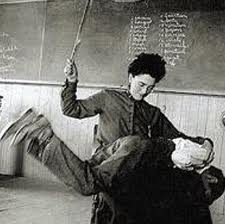
That spanking/beating children is not a good idea can be seen in this document from “phoenoixchildrens.com”

meta study from 2002 with an analysis of 60 years of scientific studies about spanking/beating children draws the conclusion that such treatments are correlated to several disadvantages and give no advantages other than an immediate obedience in the situation at hand. The experience of getting spanked/beaten could be very traumatic  for the child and something that he will never forget. It’s absolutely possible that he will not repeat the particular offence that he was spanked/beaten for, but it could lead to that he will hold a grudge against his parents for a very long time which would affect the relationship negatively in the long run, and it’s a risk that he will subconsciously like to make a revenge by pouring out his anger and feeling of humiliation on others (siblings or friends).

It’s not possible to make a law where parents must sit down to discuss and reason with their children in love, but it IS possible to make a law where spanking/beating children is prohibited. This is done in many countries and means that parents are at risk of getting reported by others if they are detected to transgress the law. In Sweden there is an organization that encourages children, through ads in media and in schools, to call them if their parents spank/beat them.

If you compare Sweden with a country where spanking/beating children is NOT prohibited, do you think that perhaps people tend to REPORT spanking/beating to a greater degree in Sweden than in this other country?

I would think that you would say YES to this question! Why would anyone bother report spanking/beating children in a country where this is legal? And who would you report this legal procedure to in the first place? Yes, ABUSE is hopefully illegal also in countries where spanking is legal, but you would still find a LESS degree of reports of “spanking/beating children” in a country where it’s a legal method. Would you therefore be surprised if you found out that Sweden has a higher degree of reported cases of “spanking/beating children” (which based on Swedish terms would be filed under CHILD ABUSE) than in for instance the USA?

I ask this since this entire blog post is written under the inspiration of a podcast sermon that I listened to the other day, where an American pastor claimed before his congregation and for his listeners, that science supports that spanking kids was a good way to treat children and that it was likewise bad to NOT spank children. The truth is that science does NOT say that at all. Moreover, he claimed that crime reports among the youth increased with 430% (I think he said) in Sweden the year after Sweden made it unlawful to spank/beat children. THAT IS A FALSE CLAIM! Of course I don’t believe that this pastor purposely lied, because I prefer to believe that he read this claim somewhere and chose to believe it (perhaps because it went well with his own belief) without checking the source. Sometimes we simply don’t have time to check sources but we must try to be as truthful as we can we retell stories, and particularly if we stand behind a pulpit in a church. Anyone can make a mistake, but try to place yourself in my shoes. I wouldn’t mind if I someone claimed that Sweden is the country where the inhabitants are most negative towards Israel among all the countries in Europe, because that is the truth according to a major poll! Certainly not a fact that I’m proud of but it’s nevertheless a true statement. European countries have always considered to be negative towards Israel (unlike the US who has a much better approach), but Sweden takes the prize, which isn’t that surprising considering how Swedish mainstream media has chosen to display the conflict in the Middle East. But it’s annoying to listen to a sermon where the pastor makes such a tremendous incorrect statement about the country I live in, and it makes me wonder what else he is wrong about when he speaks? There are so many sermon podcasts to listen to so I can listen to someone else. It would also be correct to say that children/teenagers are not disciplined in Sweden, because that’s often the case. I oftentimes find that children show no respect for their parents. I don’t believe this is due to the lack of spanking, but due to that atheism is such a leading star and that discipline and correction are simply lacking. Sadly this is not a problem only for Sweden.

There is actually a DUTY to report violation of the law of child abuse (which spanking/beating children is considered to be) in Sweden and since also children are encouraged to call in if their children are abusive, this will NATURALLY be seen in statistics! Based on this self-evident fact, an honest person therefore do not draw the conclusion that there must be more child abuse in Sweden than in other countries, and neither that the law against child abuse which came 1979 (Sweden was first in the world to prohibit spanking/beating children) has been seen to increase child abuse and violence among youth, because this simply is not true.

“Children have the right to proper care, a safe environment and a good upbringing. A child must be treated with respect for his/her person and may not be affected by physical punishment or other types of humiliating treatments. ” (Sweden 1979)

The good thing with this law is that it will prevent a parent to use the excuse “I didn’t mean to spank my kid so hard, but it ended up being much more severe than I intended“, whereupon his defense attorney could use this argument as an attempt to show the prosecutor that the parent didn’t have bad intentions and didn’t purposely harm the child – meaning the parent might get away with it. With this law the truth is that the parent shouldn’t spank/beat the child at all, so no excuses are valid. Pulling a child abruptly in his arm/ shirt, grabbing his arm, or pulling him back from a situation where he harms someone/something is not considered “physical abuse“, unless you do this with such force that he gets harmed.

According to a study by the UN, 80 % of the children of the world have at one point been affected by spanking/beating. The USA is the only country in the world – among all the members of UN – together with Somalia and South Sudan that has not ratified the Convention on the rights of the child from 1989. (USA has signed it but not ratified it.) Somalia has plans to be a party of this treaty, leaving only the USA and South Sudan as the only countries that are not party of this treaty!

The following are excerpts from a study from 2011 and can be found in this article from Karlstad Universityspank kid3 

The 2011 national Swedish studies on corporal punishment and other humiliating behavior towards children are a follow-up of earlier studies performed in 1980, 2000 and 2006. The purpose of the studies is to describe the current situation for Swedish children and trends over time concerning various forms of humiliation, with special emphasis on events at home, but also those occurring at school.

A number of smaller investigations concerning child abuse have been performed in Sweden since the 1960s, but the first representative national investigation was carried out in 1980, the year after corporal punishment was banned through the Swedish Parental Act of 1979. The investigation in 1980 was an interview of 1105 families, where the parents responded to questions about their upbringing practices with respect to a specific child during the past year

National Swedish parental studies using the same methodology have been performed in 1980, 2000, 2006 and 2011 (current study). In 1980 and 2000 the studies were performed through telephone interviews, but in 2006 and 2011 postal questionnaires were used, mainly for economic reasons .

To our knowledge no other country had been able to perform regular national studies of this kind, where both parental behavior and children’s experiences of punishment have been recorded. For this reason the studies have been of interest not only in Sweden but also at an international level.

Since the mid-1980s, suspicion of child abuse has gradually become more frequently reported to the police forces in Sweden. Due to the substantial increase in reports during the 1990s the Governmental Committee on Child Abuse and Related Issues commissioned BRÅ to study this in detail. It was shown that the increase depended on a greater tendency to report abuse and there were no indications whatsoever that severe abuse of children had increased in Sweden. 

After the great decrease from fifty percent in 1980 to twelve percent I 2000 with respect to pushing and shaking children it has gradually increased to twenty six percent in 2006 and to thirty percent in 2011. This behavior is most prominent towards children between two and nine years of age. No parent admitted to have shaken an infant. This may hopefully be a result of the intense information campaign against shaking small children carried out in the interim since the 2006 year study.

Parents born abroad state that they have beaten their child more often. Since the very substantial decrease of parents beating their children (during the preceding year) from 1980 (28 %) to 2000 (1.1 %), there has been a slight and gradual increase to three percent in 2011. It should be noted in this context that the study in 2000 was performed using interviews and that the studies in 2006 and 2011 were performed using non-identifiable postal questionnaires

Children born abroad, particularly boys, state that they have been beaten more frequently.

The outstanding risk factor for corporal punishment is, however, violence between the adults in the family. This gives a ten-fold risk increase compared to families where there is no inter-adult violence. This risk decreases insignificantly when adjusted for other risk factors such as single parenthood, weak family economy or immigrant status. If parents were affected by alcohol or drugs when the conflict with the child occurred, there was a significant risk (60 %) that the child was beaten.

As in the former studies in 2000 and 2006, children with chronic diseases and disabilities state that they have been beaten twice as often as the healthy children. They also live to a greater extent in families where family violence occurs.

Beaten children have a much greater tendency to be involved in bullying than other children. They perform less well at school, have substantially more physical and psychological symptoms and have been involved in accidents more often. There have been speculations that Swedish parents, who no longer beat their children, instead are insulting them. The statements from the pupils point to the contrary. There is indeed a very strong connection between humiliation and corporal punishment.

Parents who claimed to have spanked/beaten their children were reduced from 28% 1980 to about 1 % the year 2000. Since then there has been a slight increase to 2,4% the year 2006 and 2,9% 2011 (figure 5.1. Brottsförebyggande rådet). (Compare this with the number for “suspicion of spanking/beating a child”.)

Brottsförebyggande rådet says that two well-known MYTHS that are common in other countries are that “Swedish prisons are filled with parents who have spanked their kids” and “The juvenile crime rate in Sweden sky-rocketed immediately after the law against physical punishment started to be in force 1979”. It’s particularly common to hear these myths in countries such as the USA where spanking is allowed and where individuals seek to find support for that laws against physical punishment of children are bad. This misunderstanding has been sorted out in the scientific world thanks to international cooperations between Swedish scientists and other scientists (Gilbert et al. 2009). Studies show that the rate for child abuse and violent death among children is considerably lower in Sweden than in other countries. There has always been a great focus on Sweden due to the law against physical punishment which was enforced 1979, as first in the world, and the duty to report evident child abuse. The development in Sweden has been described in detail in other international literature (Janson, Långberg & Svensson 2011) and Sweden can lean on all the national studies that have been made in Sweden ever since 1980. There are no similar studies made in other countries and that is one of the reason that Sweden has been so much in focus. Literature from Regeringskansliet, Rädda Barnen and Allmänna Barnhuset (Regeringskansliet 2010) have been of great value and translated into many languages.  More countries have enforced laws against physical punishment. Most children live outside of Europe and that means that 95% of the children of the world are not protected by any such laws.

Just like when it comes to gun control, it’s a risk that people read and accept articles/film clips if they happen to say what fits a certain agenda. You can read my views about gun control here. (I have no reason to mistrust all world charts that show that countries with gun control also have a low homicide rate.)

I’ve been spanked and it did me much good?

Other children have said the contrary, and some can never forget the humiliation they had to go through. Children of course handle physical punishments to various degrees. For some children it’s enough to realize they are doing something unwise if a parent only raises an eye brow, whereas it takes a lot more than that to change the behavior in other children.

Once when my son was about 7 and playing with a friend, he had apparently driven a toy car too close to her so that she got hurt – which he didn’t do with purpose but he was nevertheless not cautious. I know that his friend was a rather “confident” little girl (for instance she didn’t feel too concerned at one time when I made it known to her that I didn’t approve of her taking one of my skirts to smear in an expensive face cream into a mirror in our house) and it’s possible that her Father expected my son to be just as “unconcerned” whenever he gets criticized. That could be why he upbraided him just as severely as he would do his own daughter. This father was rather surprised when I later told him that the very first thing that my son said when he came back home was  “Mom, I’m dumb!“. I asked my son what he meant and if he felt that he had been dumb with purpose, and he said this wasn’t the case but continued to say he was dumb because this is what he had been told. He eventually explained that he had hurt his friend during the play with those toy cars. He is not normally clumsy at all and treats his friends with care, so I said that I hoped he said “I’m sorry“, and if this is what he did he wasn’t dumb at all but just had to be more careful as he normally is. The girl’s father probably didn’t realize just how much his words affected my son, and was very surprised that my son commented on this situation as soon as he stepped into the door. Had he known this he would of course have used another tone, and he was probably just used to his own daughter who might just have shrugged her shoulders and move on right away. It’s quite possible that my son didn’t enjoy the rest of the stay with his friend at all but just longed to go back home. 

This story has of course nothing to do with the question of parents’ right to spank their children, but my point was only to show that children have various degrees of sensitivity towards punishment. For some “No!” is enough whereas other children wouldn’t even stay corrected even if spanked. I wouldn’t be surprised if Solomo’s son was a pain in the neck as a child, because he grew up to be a very cruel leader for his people, with no regard for their well-being. Maybe this is why Solomon expressed the need to use the rod of correction (as in using authority and not necessarily spanking his son) instead of spoiling his son, because this could lead to that the son will perish in the end.

The problem with allowing parents to spank their children is that they might not always combine this with explanations and good reasons, but rather with verbal abuse. They might just lose their temper and start to spank their children and if this is not prohibited no one can do anything about it. If you say that you spank your children and they love you anyway, it’s actually not a good argument. I saw a documentary where a girl expressly said that she loved her father even though he had done despicable things to her. Children tend to love their parents.

While I’m at it, I think I will take the chance to write down a couple of other examples in my own life.spank kid4

Once when I was very little, perhaps 3 1/2, I was with my older brothers who were throwing small pebbles on my grandfather’s car. He saw it and came running towards us and we all got scared and started to run – including myself who did not participate. My oldest brother run passed by a shed, and my other brother and I ran into the shed where my brother squeezed himself through an opening in the window where the window pane was gone. He was quick but not quick enough to give me the time to do the same, and the only one that my grandfather therefore managed to get hold of was me and he gave me a physical punishment. Maybe he just pulled my hair or something together with shouting and verbal abuse, but enough to make me sad and deeply upset. I don’t have that many memories from this early age in my life but I do remember this episode because it affected me very much, and I wonder if I would have let my anger spill over on a younger sibling if I had one. I can easily understand that children who get physically punished start to build up a stock of “anger” and irritation that they consciously or subconsciously pour out on younger siblings. This could in turn cause the younger siblings to give revenge on others that they have power over, and if parents detect this they might react with yet more spanking. A vicious circle. Anyway, many years later my grandmother reminded me of what happened afterwards and it was something that surprised her and my mother. Later that evening when I met my grandfather again for a meal in our kitchen, I told him “Grandfather, it’s time for a talk“, and I pursued to tell him how unfair I felt that he treated me. I don’t remember exactly what he replied back, but I seem to recall it was something like “How could I have known that you didn’t participate in that mischief?” as though it wasn’t his fault,

That would have been a similar response as the one I received from my other grandfather about the year after. I’ve had a couple of  similar encounters with him too.

Once when I was close to 5 years old I was staying in my grandparents’ house and I wanted to go to their neighbors to play with their kids. My grandparents said that it was fine but instructed me to not go anywhere because we were later going away somewhere and they made plans to pick me up at our neighbors’ house when it was time. So the last thing they reminded me of was to not go anywhere but to remain in the house with my friends. I didn’t think that would be hard to obey at all because each time I had gone over to their place, someone had always been at home and I certainly didn’t expect to go anywhere else. When I got there they were all making themselves ready to go for a walk and they asked me to join them. I told them that I was not allowed to go anywhere but to remain in their house. Unfortunately I was not wise enough to tell them WHY I had to remain in their house, and if  I had explained the reason to them, they would surely have either asked me to go back home or they would have waited with their walk until I had left. Instead they told me “But you can join us because we will only go for a little walk near our house. We won’t be long at all”. I once again told them “But they told me to not leave the house“, and was again assured that they would take care of me and that we wouldn’t be long at all and that there was not necessary for me to go back to my grandparents because they liked my visit. I was not mature enough and old enough to realize that I could have made a better decision, and I felt uncomfortable arguing with adults. So I felt there was no better alternative for me but to do as they said, but it was rather hard to know which adult to obey. So we left, and it didn’t take long before we saw my grandfather’s dark car on the dirt road behind us. As soon as he stepped out of the car he went straight up to me and pulled my hair, and he said something like “Did I not tell you to not go anywhere?!“. His angry words were worse than his treatment of me, and I was told to sit back in the car. I was humiliated and I cried, maybe all the way into town. I’m sure none of my grandparents could ever understand how I could be so disobedient and unable to obey a simple rule, and I had no good answer.

At another time when I was about 4 years old I was in my grandparents house together with my brothers. They were investigating a large lamp (rather carelessly if you ask me) and I think they were among other things trying to see how they could turn the light on. I don’t remember if I joined them by free will to see if I could find the button, or if they tricked me to join them and purposely asked me to press a certain button instead of them so that I would take the blame if something went wrong. There was a button that caught my attention and it certainly looked like it could be the right one. Pressing it didn’t work, but I tried to turn it and that made the whole lamp head sink down half a meter because I had reached a button that adjusted the length of the lamp pole. I didn’t destroy the lamp in any way, but of course one should be more careful when adjusting a large lamp. As soon as this happened by brothers ran as fast as they could down the stairs in order to tell my grandfather what happened, and I remember hearing one of them whining when he realized that he wouldn’t be the first to disclose the news, for our grandfather, that would definitely get me in trouble. My oldest brother won the competition down the stairs and was the first to tell my grandfather that I had played with the lamp and damaged it (but I don’t think it was damaged), whereupon my grandfather became very angry and irritated. He found me wherever I was hiding and pulled my hair and told me some angry comments about disobedient children who played with his lamp with the risk of ruining it. I could not defend myself because I knew I was the one who had turned the button.

At another occasion, my grandparents asked me who I liked the most of the two of them, and I refused to answer. I didn’t feel it would be polite if I would favor one over the other. But they insisted, and I therefore felt forced to answer, and I of course said “grandmother”. They wanted to know why, and I said that it’s because my grandfather had pulled my hair unlike my grandmother. They explained that this is needed when a child is disobedient. It’s possible that I responded here that there had been occasions where I’ve been innocent, and that the response to this comment from my grandfather was “I couldn’t possibly have known that you were not involved“, or similar. It’s a good chance it’s true because I regret that I didn’t respond “But shouldn’t you have made sure I’m guilty before you punish me?”.

I’m NOT saying here that it’s always bad to pull a child’s hair or grab a child’s arm, and I don’t think anyone would report a parent who did. My point is that angry words are often (but not always) more than enough for a child to understand, and spanking would do no good.

Maybe many who are for the right to spank their kids feel it’s fine because they follow a perfect “dream scenario” where the child is first warned, and if no progress the child is spanked a little in his behind together with a clear explanation about what transgression he is guilty of, and when it’s all sorted out the parent and the child part with a hug. The problem is that this is just that; a dream scenario which sadly is hard to force parents to follow. It’s a LOT more likely that a child is just spanked in the heat of the situation and perhaps doesn’t even realize what he did wrong. He will then inadvertently be taught “When a person gets irritated it’s fine to lose the temper and spank another person”. 

I’ve heard Americans say that “It’s none people’s business if I spank my kids, or how much I spank my kids”. A Swede would normally not reason like that! I feel the responsibility to react if I saw someone spanking a DOG. Luckily I’ve never seen this happening, but I do react if I’m in a country where dogs are running around loose. A normal Swedish reaction would be to either find a home for the dogs, or shoot them! Anything but to let them running around on the streets with no food. I would also feel the obligation to report a farmer who mistreats his animals, or if I have found evidence for that someone has loads of cats which are not treated well. If we would do this when it comes to mistreatment of animals, of course we would react if we saw someone spanking/beating a child.
Woe to those who call evil good and good evil (Isaiah 5:20)

woe

Woe to those who call evil good and good evil, who put darkness for light and light for darkness, who put bitter for sweet and sweet for bitter! Isaiah 5:20

Something in this world that is considered evil must surely be SIN, and sins are committed by individuals. SINS are related to darkness, and darkness is the opposite of light. If we try to teach others that sinners are still considered righteous in the eyes of God – as long as they are born again believers – because he can only see the blood of Jesus and not their sins, then the woe above is actually addressed to us. Then we are in fact saying that sin is not evil enough to make us lose our salvation over it and that we are still labeled righteous (because “Jesus paid for our sins and we are already forgiven” or “once saved always saved” – or some other unbiblical terms).

The best example of someone calling evil “good” is when Satan managed to fool Eve into believing that eating of the tree of the knowledge of good and evil would be a GOOD and wise thing to do even though GOD had declared that it was BAD to eat of this tree and against his commandment.  Satan suggested that Eve could be as GOD if she ate of this tree and Eve decided to give it a try thanks to the assurance from Satan that she would NOT DIE if she DISOBEYED GOD! So what God declared wrong – and therefore EVIL – Satan declared GOOD. God prohibited Adam and Eve from eating of this tree and this means that acting to the contrary of his command would be a SIN. God assured Adam and Eve that they would DIE if they ate from it and Satan said the exact opposite. Isn’t it rather common today that pastors and evangelists repeat Satan’s lie and teach others that sins will NOT separate us from God (as long as we are christians)? Satan’s lie can be presented in many forms so be on your guard!

Genesis 2:17 [God says] But of the tree of the knowledge of good and evil, thou shalt not eat of it: for in the day that thou eatest thereof THOU SHALT SURELY DIE.

Genesis 3:4 [Satan says] —YE SHALL NOT SURELY DIE: 5 For God doth know that in the day ye eat thereof, then your eyes shall be opened, and ye shall be as gods, knowing good and evil.

It was of course not the fruit in itself that was bad. The reason why eating of this fruit was bad was because God forbade it, likely because this rule would actually force Adam and Eve to make a stance on whether or not trust and obey God each time they passed this tree – just like a simple test which wasn’t difficult to obey at all. This means that the sin they ended up being guilty of was that they DISOBEYED GOD and by doing so REBELLED against him. So it was DISOBEDIENCE that was the SIN, and God said that SIN leads to DEATH. In Adam and Eve’s case it was both a physical death (no longer access to the tree of life) as well as a spiritual death, and we will all die spiritually if we sin. Teaching the opposite (for instance trying to exempt christians from this rule) is to repeat Satan’s lie.

Perhaps you have been in a church where the pastor in a similar way assures you that you shall NOT DIE if you SIN because you are eternally and unconditionally secure in your salvation once you’ve become a child of God (+ if you sin “habitually” it shows that you’re “not saved to begin with”). Have you ever heard someone declaring to you that “sinning will only make a true christian lose his RELATIONSHIP with God but will never risk his soul” and “God will not see a true christian’s sins but only the blood of Jesus”? Then this pastor is deceived and at risk for being a person who calls evil “good”. Malachi 2:17 tells us that we can dissatisfy our Lord by suggesting that a person who sins is still GOOD in the sight of God and that God still delights in him and that he will not judge him for his sins. The opposite is true:

Malachi 2:17 Ye have wearied the Lord with your words. Yet ye say, Wherein have we wearied him? When ye say, Every one that doeth evil is good in the sight of the Lord, and he delighteth in them; or, Where is the God of judgment?

It’s actually rather common for pastors to declare that a christian is fine and off the hook (from the risk of being judged and punished) as long as he is a born again christian. There is of course FORGIVENESS to get for a person with a truly repentant heart – because our Lord is mighty and always ready to take us back into his arms – but it’s dangerous for the soul to be told that sins will not separate us from God. Instead we should encourage each other to not give into temptations, and to not stray from the road to Heaven by sinning. Temptations can be hard enough as they are and we don’t need anyone patting us on our backs, assuring us that everything is well with our soul despite our sins:

James 5:20 Let him know, that he which converteth the sinner from the error of his way SHALL SAVE A SOUL FROM DEATH, and shall hide a multitude of sins.

I’m aware of that pastors could have been fooled about this (major) issue just like Eve was, and just because a pastor is wrong about this he could still be right in many other areas and even lead many people to God (praise God for that), BUT the fact remains that this pastor needs to be taught about the true ways of God so that he can repent from his false teachings and be an even more useful tool to spread the gospel. Many of us (like myself) have incorrectly believed all kinds of false teachings and even taught them to others, but we have also chosen to stay corrected by scripture and amended our ways. Unfortunately, there are pastors who are not willing to listen and learn but they prefer to close their ears and continue to deceive people into believing that we can have our sins and our salvation too, because this is what people out there would like to hear.

Example of a person who teaches that evil is good

If someone claims that what Satan did to Eve (fooling her to sin by assuring her that she would not die) was actually something GOOD and even predestined by God, then this person is definitely a person who calls evil “good“. To claim that an activity that God calls wrong and evil for something “good” is simply dangerous. John Calvin taught that Adam and Eve were predestined BY GOD to fall and that means that in order to be consistent with his own teaching he must call EVIL for “GOOD” since God’s own actions couldn’t be evil. I’m sorry if you dislike that I bring him up, but we are told to expose false teachers now when souls are at stake.

“God NOT ONLY foresaw the FALL of the first man, and in him the RUIN of his posterity; but also at his own pleasure ARRANGED it” .(John Calvin (Institutes of Christian Religion, Book 3, XXIII)

“The first man fell because the Lord deemed it meet that he should.” (John Calvin, Institutes of Christian Religion, Book 3, Chapter 23, Paragraph 8)

“Creatures are so governed by the secret counsel of God, that nothing happens but what he has knowingly and willingly DECREED” (John Calvin, Institutes of Christian Religion, Book 1, Chapter 16, Paragraph 3)

“We hold that God is the disposer and ruler of all things, –that from the remotest eternity, according to his own wisdom, He decreed what he was to do, and now by his power executes what he decreed. Hence we maintain, that by His providence, not heaven and earth and inanimate creatures only, but also THE COUNSELS AND WILLS OF MEN are so governed as to move exactly in the course which he has destined.” (John Calvin, Institutes of Christian Religion, Book 1, Chapter 16, Paragraph 8)

thieves and murderers, and other evildoers, are instruments of divine providence, being employed by the Lord himself to execute judgments which HE has resolved to inflict.” (John Calvin, Institutes of Christian Religion, Book 1, Chapter 17, Paragraph 5)

The devil, and the whole train of the ungodly, are in all directions, held in by the hand of God as with a bridle, so that they can neither conceive any mischief, nor plan what they have conceived, nor how muchsoever they may have planned, move a single finger to perpetrate, unless in so far as he permits, nay unless in so far as HE COMMANDS, that they are not only bound by his fetters but are even forced to do him service (John Calvin, Institutes of Christian Religion, Book 1, Chapter 17, Paragraph 11)

“But since he foresees future events only by reason of the fact that he decreed that they take place, they vainly raise a quarrel over foreknowledge, then it is clear that all things take place rather by his determination and bidding.“ (John Calvin, Institutes of Christian Religion, Book 3, Chapter 23, Paragraph 6)

King David says:

Psalm 38:18 For I will declare mine iniquity; I will be sorry for my sin.19 But mine enemies are lively, and they are strong: and they that hate me wrongfully are multiplied.20 They also that render evil for GOOD are mine adversaries; because I follow the thing that good is. 

Who will be greatest in heaven?

Those who say that it’s impossible to obey the ten commandments and that we have no option but to sin once in a while until we die? Those who say that a person can only be righteous if God declares him righteous in the midst of his unrighteousness? Those who claim that too much obedience to Jesus is legalism, pharisaism and salvation by deeds and something to flee from? Those who teach that we are saved by faith ALONE? Those who teach that we should not expose false doctrines but compromise with the scriptures in order to not cause division? No, those who DO (obey) the commandments and who also teach others to do the same will be called GREAT in the kingdom of heaven.

Matt. 5:19 Whosoever therefore shall break one of these least commandments, and shall teach men so, he shall be called the least in the kingdom of heaven: but whosoever shall do and teach them, the same shall be called great in the kingdom of heaven.20 For I say unto you, That except your righteousness shall exceed the righteousness of the scribes and Pharisees, ye shall in no case enter into the kingdom of heaven.

Those who do the opposite – teach men that it’s hard or impossible to obey God’s commandments – will be called least in the kingdom of heaven. Note that Jesus doesn’t teach here that sinners will at least GET IN to God’s kingdom despite their sins. He continues to say that our righteousness must EXCEED the righteousness of the scribes and the pharisees in order to get into the kingdom of heaven. So why does it appear as though we can enter the kingdom of heaven in v. 19 (albeit being called LEAST) despite acting in the wrong way? There might be evangelists who are deceived and who teach the wrong doctrines once in a while without being aware of it, and they might NOT live as they teach. A deceived pastor might for instance teach that we are born with a sinful nature and “once saved always saved” without being a filthy sinner himself, and he might do a lot of good deeds for the kingdom of God through evangelism and hard work. The question is how interested he will be to change his doctrines once being shown from the Bible that he is in error? Will he be open for correction or will he close his ears and continue to spread errors? God can see our hearts and our intentions. Just pray that God will show you the truth and that you live your life so that you won’t risk to be called LEAST in the kingdom of God, or even worse; that you won’t enter the kingdom at all due to sin.

I can add that it’s just as bad (or worse) to know the right doctrines and still be very lazy when it comes to sharing the gospel to others and rather sit at home and complain about the failures of other christians.

KAMEL genom synålsöga – Är det omöjligt för rika att bli frälsta?

nålsöga

Matt. 19:23 Jesus sade till sina lärjungar: “Amen säger jag er: det är svårt för en rik att komma in i himmelriket. 24 Ja, jag säger er: det är lättare för en kamel att komma igenom ett synålsöga än för en rik att komma in i Guds rike.” 

Se även Lukas 18:25 och Markus 10:25.

När man läser Bibeln måste vi se till att vi undviker bibelmotsägningar och det gäller även detta stycke. Få personer har förmodligen problem med att Jesus säger att det är SVÅRT för en rik att komma in i himmelriket (för pengar har onekligen fått många människor på fall), men när Jesus jämför svårighetsgraden med att det skulle vara LÄTTARE för en kamel att komma igenom ett synålsöga, så blir vi konfunderade över vad han egentligen menar. Eftersom det är helt OMÖJLIGT för en riktig kamel att komma igenom ett normalstort synålsöga så borde ju Jesus mena att det är OMÖJLIGT för en rik man att bli frälst! Men om detta är vad Jesus verkligen vill förmedla så verkar vi hamna i en bibelmotsättning eftersom det finns ett flertal exempel på mycket rika människor i Bibeln som var andligt levande och högt älskade av Gud mitt i sin jordiska rikedom.

Egentligen skulle man kunna säga att redan v. 23 och 24 motsäger varandra eftersom det onekligen låter som ett osant påstående att säga att det är SVÅRT för en rik man att komma in i Guds rike om man egentligen menar att det är 100% TOTALT OMÖJLIGT. Òm någon berättar för mig att det kan bli “svårt” för mig att hinna med tåget om jag går hemifrån kl 15.20 så måste jag tolka personen som att det är svårt men dock INTE helt omöjligt och att det faktiskt fortfarande finns en gnutta chans även om den är jätteliten. Nu vet vi att Jesus INTE far med osanning för han förklarar ju i samma andetag vad han menar, men vi måste tolka honom rätt. Är det svårt eller omöjligt?

En inte helt ovanlig tolkning är att Jesus skulle ha syftat på den allra smalaste av Jerusalems portar som pga den trånga passagen skulle ha kallats “Nålsögat” och en annan tolkning är att det grekiska ordet för kamel (kamelos) blandades ihop med det grekiska ordet för rep (kamilos) när avsnittet översattes mellan grekiska och latin. Men det är lika omöjligt för ett tjockt rep att träs genom att synålsöga så det skulle inte ha ändrat på sakernas bestånd. Man kanske skulle kunna argumentera att poängen är att det allting är möjligt för Gud, och det är ju alldeles sant att vi inte skulle kunna bli frälsta om det inte varit för Guds kallelse MEN då återstår att fundera på varför Jesus hakade upp sig på just RIKA personer, när det lika gärna skulle kunna handla om fattiga, långa, tjocka, grekiska (etc) personer.

Matt. 19:25 När lärjungarna hörde det, blev de mycket förskräckta och sade: “Vem kan då bli frälst?” 26 Jesus såg på dem och sade: “För människor är det omöjligt, men för Gud är allting möjligt.”

Det är ju alltid så att det skulle ha varit omöjligt för oss människor att bli frälsta om det inte hade varit för Guds agerande, men eftersom Jesus sätter trycket på det här med rikedom så anser han förmodligen att just detta är ett välbekant hinder för flertalet människor att komma in i himmelriket. Allting är däremot möjligt för Gud men vi får akta oss för att tolka Jesu ord som att Gud väljer ut vem som ska bli frälst genom att på måfå möjliggöra frälsning för vissa speciellt utvalda människor. Inte heller får vi tolka hans ord som att det inte finns något som helst som VI kan göra för att bli frälsta. Vi är visserligen 100% förlorade utan att Gud kallar oss (och han kallar alla) men VI måste välja att komma till honom, omvända oss och att vandra i hans ljus. Verserna direkt efter konfirmerar att vår framtid (himmel eller helvete) hänger på VÅRT agerande. Notera att Jesus lovar sina lärljungar var sin tron och rättigheten att döma Israels tolv stammar eftersom de FÖLJT honom. Det intressanta är att Judas Iskariot är en av dem som blev lovad allt detta, men han valde som bekant att INTE följa Jesus hela vägen till slutet, vilket är kravet. Vidare kan vi läsa här nedan att våra uppoffringar och vår självförnekelse kan leda till EVIGT LIV, och även detta hänger alltså på vårt eget agerande. Det finns alltså något vi kan GÖRA för att bli frälsta, även om vi inte kan rena oss själva och frälsa oss själva. Det handlar om synergism.

Matt. 19:27 Då tog Petrus till orda: “Se,vi har lämnat allt och följt dig. Vad skall vi få för det?” 28 Jesus sade till dem: “Amen säger jag er: Vid pånyttfödelsen, när Människosonen sätter sig på sin härlighets tron, då skall också NI SOM HAR FÖLJT MIG sitta på tolv troner och döma Israels tolv stammar. 29 Och var och en som för mitt namns skull har lämnat hus eller bröder eller systrar eller far eller mor eller barn eller åkrar, han kommer att få hundrafalt igen och SKALL ÄRVA EVIGT LIV

Jag skulle vilja påstå att även Jesus har en rättighet att uttrycka sig med drastiska termer genom att tydligt trycka på hur svårt det är för en rik att bli frälst. Det är onekligen mycket svårt att bli frälst om man äger mycket pengar, och eftersom det är allvarligt att förlora sin SJÄL så vill förmodligen Jesus göra en sådan radikal jämförelse som han gjorde för att vi ska vakna upp och göra allt för att inte hamna i det diket som han varnar för. Även om det är svårt så är allt möjligt för Gud.

Sen skulle jag vilja gå tillbaka till hur konversationen om synålsögat startade.

Matt. 19:16 En man kom fram till Jesus och frågade: “Mästare, vad skall jag GÖRA för gott för att få evigt liv?” 17 Jesus sade till honom: “Varför frågar du mig om det goda? En är den Gode, och vill du gå in i livet, så håll buden.” 18 Han frågade honom: “Vilka?” Jesus svarade: “Du skall inte mörda, Du skall inte begå äktenskapsbrott, Du skall inte stjäla, Du skall inte vittna falskt, 19 Hedra din far och mor och Du skall älska din nästa som dig själv.” 20 Då sade den unge mannen till Jesus: “Allt detta har jag hållit.

Den unge mannen skulle kunna ha stannat där, tackat för sig och försvinna in i vimlet. Då hade det sista han uppfattat varit att lydnad av tio Guds bud är vad som ger en människa evigt liv (älskar vi och tror på Jesus så lyder vi honom) och det är också vad Jesus verkar säga på andra ställen:

Matt. 22:37 Han svarade: “Du skall älska Herren din Gud av hela ditt hjärta och av hela din själ och av hela ditt förstånd. 38 Detta är det största och främsta budet. 39 Sedan kommer ett som liknar det: Du skall älska din nästa som dig själv. 40 På dessa två bud hänger hela lagen och profeterna.”

I dessa bud ingår alltså att vi ska älska Herren över allting annat, och det menade alltså den unge mannen att han åstadkommit. Vi vet inte hur lyckosam han varit på det planet, men om han misslyckats så hade han förstås samma möjlighet som alla andra: att gå genom djuroffersystemet för att sona för sina synder. Jesus verkar hur som helst mena att det är möjligt för oss att klara av dessa tio bud och att det faktiskt finns något som vi kan GÖRA för att nå himmelriket, för annars hade det varit bättre att förklara för den unge mannen “Du kan inte GÖRA någonting alls för att få evigt liv eftersom det är totalt omöjligt för någon att lyda de tio buden. Allt du kan göra är att omvända dig och FÖRSÖKA att hålla dem så gott du kan, och dessutom är människor frälsta av tro allena och lägger vi på minsta lilla lydnadskrav så blir det gärningslära och villfarelse”.  Men så uttryckte sig INTE Jesus, utan han listade helt korrekt de bud som finns i tio Guds bud vilka alla är väldigt självklara. Dessa bud är det som vi ska följa och de buden har gällt allt sedan Adam och Eva. Vi kan dock inte bli frälsta av gärningar eftersom dessa aldrig kan täcka upp för våra tidigare synder. Den unge mannen nöjde sig alltså inte med det svaret (trots att han hade den möjligheten) utan frågade vidare:

Matt. 19:20—Vad är det mer som fattas?” 21 Jesus svarade: “Vill du vara fullkomlig, gå och sälj vad du äger och ge åt de fattiga. Då skall du få en skatt i himlen. Och kom sedan och följ mig.” 22 När den unge mannen hörde detta, gick han bedrövad sin väg, ty han ägde mycket.

DÄREFTER så kommer alltså det här med synålsögat. Just den här unge mannen ägde tydligen väldigt mycket och Jesus utmanade honom att göra sig av med allt om han ville vara helt fullkomlig. INTE ENS JESUS OCH HANS APOSTLAR GJORDE SIG AV MED ALLT DE ÄGDE! Så även här måste vi låta Jesus få uttrycka sig drastiskt utan att för den skulle mena att den unge mannen måste göra sig av med alla sina ägodelar inkl. kläderna han gick och stod i. Jag kan inte se att Jesus menar att det var totalt hopplöst för den unge mannen att få evigt liv trots sina ägodelar, men även om rikedom i sig självt inte är någon synd så måste vi vara beredda på att ge upp allt om Gud enskilt ber oss om det. Kanske den unge mannen hann med att uppfatta det här med synålsögat och hur svårt det är att bli frälst om man är rik, och att han sedan gick hem för att så småningom ändra fokus i sitt liv och bli mer givmild vad gäller pengar? Det förtäljer inte historien men poängen lyser klar om att det är väldigt svårt för en rik person att komma in i himmelriket. Inte minst kan det leda till att människor hamnar i ständig komfort och ljumhet, vilket kan leda till att de glömmer sin skapare som kan rädda deras själar.

Tio rika personer i Bibelnrich

1.Abraham

1 Mos. 13:2 Så bröt Abram upp från Egypten och begav sig till Negev med sin hustru och allt han ägde, och Lot var med honom. 2 Abram var mycket rik på boskap och på silver och guld.

2. Isak

1 Mos. 26:12 Isak sådde där i landet och fick det året hundrafalt, ty Herren välsignade honom. 13 Han blev en mäktig man, och hans egendom växte mer och mer, så att han till slut var mycket rik. 14 Han ägde så mycket får och nötboskap och hade så många tjänare att filisteerna blev avundsjuka på honom. 15 Alla brunnar som hans fars tjänare hade grävt medan hans fader Abraham levde, fyllde filisteerna igen med jord. 16 Abimelek sade till Isak: “Flytta bort från oss! Du har blivit alldeles för mäktig för oss.”

3. Lot

1 Mos. 13:Lot, som följde med Abram, hade också får och nötboskap och tält, och landet kunde inte livnära dem där de bodde i samma område. De hade så mycket boskap att de inte kunde bo tillsammans

4. Jakob

1 Mos. 3:43 Och Jakob blev mycket rik. Han fick mycket småboskap och dessutom slavinnor och slavar, kameler och åsnor.

5. Josef

1 Mos. 41:39 Och farao sade till Josef: “Eftersom Gud har uppenbarat allt detta för dig, så finns det ingen som är så förståndig och vis som du. 40 Du skall förestå mitt hus och allt mitt folk skall rätta sig efter dina befallningar. Bara när det gäller tronen skall jag vara förmer än du.” 41 Farao sade vidare till Josef: “Se, jag sätter dig över hela Egyptens land.” 42 Och farao tog ringen från sin hand och satte den på Josefs hand, och han klädde honom i kläder av fint linne och hängde en kedja av guld kring hans hals. 43 Han lät honom åka i vagnen närmast efter sin egen och man ropade “Abrek!”[a] framför honom. Så satte farao honom över hela Egyptens land.

6. Kung Salomo

I Kungaboken 10:10 Hon gav kungen etthundratjugo talenter guld och dessutom mängder av väldoftande kryddor samt dyrbara stenar. En så stor mängd väldoftande kryddor som drottningen av Saba gav kung Salomo har aldrig mer förts in.11 När Hirams flotta hämtade guld från Ofir, förde den också med sig almugträ i stor mängd och dyrbara stenar. 12 Av almugträet lät kungen göra tillbehör till Herrens hus och till kungshuset samt harpor och psaltare för sångarna. Så mycket almugträ har sedan fram till denna dag inte förts in eller setts i landet.13 Kung Salomo gav drottningen av Saba allt vad hon önskade och begärde. Till det kom allt annat han i sin kungliga frikostighet skänkte henne.14 Det guld som årligen kom in till Salomo vägde sexhundrasextiosex talenter,15 utom det som kringresande handelsmän och köpmän förde in, och det som kom från alla kungarna i Arabien och från ståthållarna i landet. 20 Tolv lejon stod där, ett på varje sida om de sex trappstegen. Något sådant har aldrig tillverkats i något annat rike. 21 Alla kung Salomos dryckeskärl var av guld, och alla kärl i Libanonskogshuset var av rent guld. Ingenting var av silver, det hade inget värde på Salomos tid22 Ty kungen hade en egen Tarsisflotta på havet tillsammans med Hirams flotta, och en gång vart tredje år kom Tarsisflottan hem och förde med sig guld och silver, elfenben, apor och påfåglar.23 Kung Salomo blev större än någon annan kung på jorden, både i rikedom och vishet.

7. Kung David

1 Krönikeboken 22:14 Se, trots mina svårigheter har jag skaffat etthundratusen talenter guld och en miljon talenter silver till Herrens hus och dessutom mer koppar och järn än som kan vägas, så mycket är det.

1 Krönikeboken 29:1 Kung David sade till hela församlingen: “Min son Salomo, den ende som Gud har utvalt, är ung och vek och arbetet är stort, ty detta palats är inte för en människa utan för Herren Gud. Därför har jag, så långt jag förmått, skaffat guld till det som skall vara av guld i min Guds hus, silver till det som skall vara av silver, koppar till det som skall vara av koppar, järn till det som skall vara av järn och trä till det som skall vara av trä. Dessutom har jag skaffat onyxstenar och andra infattningsstenar, svartglänsande och brokiga stenar, ja, alla slags dyrbara stenar liksom marmor i mängd. Eftersom jag har min Guds hus kärt, ger jag också vad jag själv äger i guld och silver till min Guds hus, utöver allt vad jag förut har skaffat till det heliga huset: 3 000 talenter guld, guld från Ofir, och 7 000 talenter renat silver till att överdra byggnadernas väggar med, för att göra av guld det som skall vara av guld och för att göra av silver det som skall vara av silver, ja, till allt slags arbete som utförs av konstnärer. Vem vill i dag bära fram sina frivilliga gåvor åt Herren?”

8. Kung Josafat

1 Kungaboken 17:Herren stärkte kungadömet i hans hand. Hela Juda gav gåvor åt Josafat, och han fick stor rikedom och ära.Han var stolt över att gå Herrens vägar och avlägsnade offerhöjderna och aserorna i Juda.

1 Kungaboken 22:49 Josafat hade låtit bygga Tarsisskepp, som skulle gå till Ofir för att hämta guld. Men de kom aldrig i väg, ty de led skeppsbrott vid Esjon-Geber.

2 Krönikeboken 18:18 Josafat hade vunnit stor rikedom och ära, och genom giftermål blev han släkt med Ahab.11 Några av filisteerna förde gåvor till Josafat och gav silver i skatt. Och araberna förde småboskap till honom, 7 700 baggar och 7 700 bockar.12 Josafat blev mäktigare och mäktigare och byggde borgar och förrådsstäder i Juda13 Han hade stora förråd i Juda städer, och krigsfolk, tappra stridsmän, i Jerusalem.

9. Hiskia

2 Krönikeboken 32:23 Många förde gåvor till Herren i Jerusalem och dyrbara gåvor till Hiskia, Juda kung, och Hiskias anseende växte efter detta hos alla hednafolk.—27 Hiskias rikedom och härlighet var mycket stor. Han byggde sig skattkamrar för silver och guld och ädla stenar, för väldoftande kryddor och för sköldar och alla slags dyrbara gåvor. 28 Han uppförde också förrådshus för säd, vin och olja samt stall för allt slags boskap, och han skaffade hjordar för sina fållor.29 Vidare byggde han städer och förvärvade en mängd får och nötboskap. Gud hade givit honom mycket stora rikedomar30 Det var också Hiskia som täppte till Gihonvattnets övre källa och ledde vattnet neråt, väster om Davids stad. Hiskia lyckades i allt han företog sig.

10. Job

Job. 1:1 I landet Us levde en man som hette Job. Han var en from och rättsinnig man, som fruktade Gud och undvek det onda.  Han ägde 7 000 får, 3 000 kameler, 500 par oxar och 500 åsninnor, dessutom tjänare i stor mängd. Han var mäktigare än någon annan i Österlandet.

Job 42:12 Och Herren välsignade slutet av Jobs liv mer än början. Han fick 14 000 får, 6 000 kameler, 1 000 par oxar och 1 000 åsninnor

Bibeln säger inte att pengar är orsaken till all ondska men att KÄRLEKEN till pengar är det. I den grekiska grundtexten finns den bestämda artikeln “tón” med, som kan översättas med “slags”, så ordagrant blir översättningen att kärleken till pengar är en rot till all slags ondska. Vi vet redan att det finns allehanda ondska (t ex Kains mord på sin bror, eller vad gäller de flesta otrohetsfall i världen) som inte har något med pengar att göra.

1 Tim. 10 Ty kärlek till pengar är en rot till allt ont. I sitt begär efter pengar har somliga kommit bort från tron och vållat sig själva mycket lidande.

The Apostle JUDAS was probably once SAVED

judasJudas Iscariot  was one of Jesus’ disciples and a chosen APOSTLE. In order to be qualified for a position like this there are certain conditions that apply and that Judas apparently met (Mat 12:49-50, Lukas 14:26-27). Jesus gave many warnings to his twelve disciples that they must live holy lives, and he also gave them many wonderful promises both when it concerns their lives on earth and the next life – and Judas Iscariot was one of those disciples which Jesus addressed. It would have been an extreme paradox if a disciple which was not of God but of Satan, would have the capability to heal the sick, raise people from the dead and cast out demons, because a “son of Satan” cannot cast out demons from himself.

Mark 3:22 And the scribes which came down from Jerusalem said, He hath Beelzebub, and by the prince of the devils casteth he out devils.23 And he called them unto him, and said unto them in parables, How can Satan cast out Satan?24 And if a kingdom be divided against itself, that kingdom cannot stand.25 And if a house be divided against itself, that house cannot stand.26 And if Satan rise up against himself, and be divided, he cannot stand, but hath an end.

If Judas just hanged around with the other eleven disciples without performing any miracles, the other disciples would surely have noticed something and would wonder why everyone apart from Judas managed to heal the sick and cast out demons. When Jesus later on explained for his disciples that one of them would betray him, they all looked at each other in amazement and wondered to themselves who on earth this could be (Joh 13:22). They seemed to have no clue about the darkness in Judas and that he was a likely suspect, so apparently he had given them no sign of any particular bad fruit in his life. It therefore seems like Judas lived his life just like the others – at least as far as they knew. We know of course that Judas was a thief since he stole from the money bag that he was responsible for, but this wouldn’t be anything that he would tell others about, so as far as they knew Judas was just one of them and performed the same powerful miracles as they did. A person who is guilty of theft and who has not repented from this can of course not be saved, but we don’t if Judas repented or not. We DO know that also the other disciples had been guilty of sin as well and Peter is a good example of this. After that Judas had betrayed Jesus, Peter also sinned by denying Jesus three times and this is a sin which clearly leads to death (which all sins do) since Jesus clearly said so. If we deny him before men, he will deny us. ( Peter later repented.) If Judas would have failed when it comes to healing the sick and casting out demons, this would have been detected by the others because Jesus did not send out his disciples to work alone but at least two and two.

Matt. 10:1 And when he had called unto him his twelve disciples, he gave them power against unclean spirits, to cast them out, and to heal all manner of sickness and all manner of disease. Now the names of the twelve apostles are these; The first, Simon, who is called Peter, and Andrew his brother; James the son of Zebedee, and John his brother; —Simon the Canaanite, and Judas Iscariot, who also betrayed him.These twelve Jesus sent forth, and commanded them, saying, Go not into the way of the Gentiles, and into any city of the Samaritans enter ye not: —Heal the sick, cleanse the lepers, raise the dead, cast out devils: freely ye have received, freely give.

Jesus explains that they don’t have to worry about what to say because the spirit of God will speak IN them. Judas was given this promise as well.

Matt. 10:19 But when they deliver you up, take no thought how or what ye shall speak: for it shall be given you in that same hour what ye shall speak.20 For it is not ye that speak, but the Spirit of your Father which speaketh in you.— 25 It is enough for the disciple that he be as his master, and the servant as his lord. If they have called the master of the house Beelzebub, how much more shall they call them of his household?—40 He that receiveth you receiveth me, and he that receiveth me receiveth him that sent me

We can read that Judas (by transgression) fell from his ministry and apostleship. The Greek word that is translated “fell” is parebé that is from parabainó that means transgress, violate, depart or desert. Matthias took the place that Judas used to have. Also Matthias passed the requirements to be in this important position.

Apg. 1:24 And they prayed, and said, Thou, Lord, which knowest the hearts of all men, shew whether of these two thou hast chosen,25 That he may take part of this ministry and apostleship, from which Judas by transgression fell, that he might go to his own place.26 And they gave forth their lots; and the lot fell upon Matthias; and he was numbered with the eleven apostles.

Judas seemed to be a friend that Jesus could trust. If this psalm is not about Judas, who is it about?

Psaltaren 41:All that hate me whisper together against me: against me do they devise my hurt.Yea, mine own familiar friend, in whom I trusted, which did eat of my bread, hath lifted up his heel against me.10 But thou, O Lord, be merciful unto me, and raise me up, that I may requite them.

Judas was promised a throne in heaven together with the other apostles where they were to judge the tribes of Israel. Jesus PROMISED his twelve disciples  – where Judas was included – that they would be getting a throne each. Sadly Judas caused this promise to not be fulfilled.

Matt 19:28 And Jesus said unto them, Verily I say unto you, That ye which have followed me, in the regeneration when the Son of man shall sit in the throne of his glory, ye also shall sit upon twelve thrones, judging the twelve tribes of Israel.

Despite those wonderful promises he ended up in hell. It would have been better if he had not been born.

Lukas 22:And the chief priests and scribes sought how they might kill him; for they feared the people.Then entered Satan into Judas surnamed Iscariot, being of the number of the twelve.And he went his way, and communed with the chief priests and captains, how he might betray him unto them.

Joh. 13:And supper being ended, the devil having now put into the heart of Judas Iscariot, Simon’s son, to betray him ;

John 17:12 While I was with them in the world, I kept them in thy name: those that thou gavest me I have kept, and none of them is lost, but the son of perdition; that the scripture might be fulfilled.

 Matt 26:24 The Son of man goeth as it is written of him: but woe unto that man by whom the Son of man is betrayed! it had been good for that man if he had not been born

There were many who stood in line to kill Jesus but his Father protected him until it was time to meet the death for the sins of all mankind. Jesus’ death was planned, but there are many ways in which he could have chosen to die so Judas did not have to be the one to betray him at all. The evilness of Judas was in this unique case used for something good, namely the death of Jesus on the cross. God has in a few cases used man’s evil schemes for something good, but it’s never God’s intention or desire that anyone should ever sin. There is no darkness in God and he doesn’t tempt anyone, much less make anyone sin. The Father knew what Judas was up to and Judas will be punished for having acted against the will of God. Do read more about this in this blog article. 

I can add that no one is actually finally saved until he enters the kingdom of God. It does look like Judas was “spiritually alive” at one point in his life.

Here are the views from Gordon Olson, from The Truth Shall Make You Free

p. Judas was chosen to be one of the twelve apostles to serve God and be a witness to the Gospel and revealed truth. He obviously was partaking of this truth, but rebelled and became an apostate—thus frustrating the loving plans of his Master: Acts 1:25; Mt. 10:2-4; Lk. 6:12-13; Mk. 3:14-15. The reasons why the Twelve were chosen are given below. If the Lord Jesus chose to bestow extended labor of preparation upon one whom He certainly foresaw would fall of the intended mission, it would appear that an unwise and inconsistent choice was made. Judas had no authority, he merely “became a guide to those who arrested Jesus” (Acts 1:16). 

1) The Lord Jesus chose the Twelve from His disciples after an all-night of prayer to the Father: Lk. 6:12-13. 

2) The threefold purpose in calling the Twelve is plainly declared: Mk. 3:14-15. 

3) Judas was in a state of salvation when chosen and sent forth to represent Christ: Lk. 9:1-2; Mt. 10:8 (12:25-26); 10:16, 20 (Jn. 8:44); Mk. 6:7, 12; Lk. 9:6; Jn. 13:20. 

4) Judas rebelled against his Master (Jn. 6:64, 70-71), joined himself to Satan (Lk. 22:3; Jn. 13:2, 27), and thus fell from his “ministry and apostleship” (Acts 1:17, 25). 

5) It does not appear that the treachery of Judas was specifically prophesied in the Old Testament, nor that the Lord Jesus expected his apostasy until He perceived its development in his mind. If our Lord expected it all the time, why was He “troubled in spirit” or heart stricken at its development (Jn. 13:21)? It is obviously presented as a tragic surprise. The following are the passages involved and suggested literal translations for careful study: Jn. 6:64 “But there are some of you who are not believing. For Jesus was knowing from the beginning who they are who are not believing and who it is who would deliver Him up.” “From the beginning” most likely refers to their unbelief or turning of heart, which Jesus was observing (Jn. 2:24-25). See Mt. 19:4, 8; Jn. 15:27; 16:4; Acts 11:15; 26:4; Phil. 4:15—”from the beginning” of the thing spoken of. 

Jn. 6:70—”Did not I choose out for Myself you the twelve, and out of you one a devil is?” This strongly implies that he was not such originally, but became so (Lk. 22:3; Jn. 13:2, 21). 

Jn. 6:71—”For this one was about to be delivering Him up, one out of the twelve.” Nothing is prophetic here, merely stating his purpose. 

Jn. 13:11—”For He was knowing him who was delivering Him up, therefore He said, Ye are not all clean.” Here was a present activity. 

Jn. 13:18—”Not concerning all of you am I speaking; I Myself am knowing the ones I did choose out for Myself; but thus is the Scripture fulfilled (or again illustrated): He who is eating My bread did lift up against Me his heel.” Our Lord is referring back to a purely historical event in the life of David, where his counselor Ahithophel betrayed him and joined Absalom’s rebellion (Ps. 41:9, see II Sam. 15:12; 16:23), which was similar to His sad experience. Since David wrote of “my close friend, in whom I trusted,” the Lord Jesus in applying this passage must have felt similarly and had trusted Judas. 

In Jn. 13:18 and 17:12 we have the conjunction “hina” with a verb “to fulfill,” which may be translated either “in order that might be fulfilled,” as in the case of a specific prophecy, or “so that was fulfilled” indicating a re-fulfillment or an application of an Old Testament historical situation or declaration. 

Jn. 17:12—”While I was with them I Myself was keeping them in Thy name whom Thou didst give Me, and I guarded (them), and no one out of them perished (or did destroy himself), except the son of perdition, so that the Scripture was fulfilled.” What Scripture our Lord had in mind is not known, perhaps Ps. 41:9, as above. 

Acts 1:16-17, 20—”Men, brethren, the Scripture, which the Holy Spirit did speak beforehand through David’s mouth, must have been fulfilled in the case of Judas, who became a guide to those who took Jesus. For that having been numbered with (us), he was among us and did receive the allotted portion of this ministry . . . For it has been written in the Book of Psalms, ‘Let his habitation become desolate and let no one dwell in it, and his office let another take.'”

Reference is back to Ps. 69:25, where we notice a plural pronoun used, not a singular pronoun which would be the case if this had been a specific prophecy to Judas. 

The other reference is to Ps. 109:8, where the words, “let another take his office.” are a part of a context extending from verse 6 to verse 19. This whole passage is a pronouncement against “adversaries from the Lord” (20). Since only one small part of this passage is referred to, it would appear that the brief quotation in Acts 1:20 is intended as an application of a previously pronounced judgment upon a typical enemy of God. Obviously, if this had been a specific prophecy of Judas, the whole passage would have been referred to and not just five words. Peter’s reference to the Holy Spirit speaking “through David’s mouth” must relate to his lifetime inspiration in his writings (II Sam. 23:2), and not to any specific prophecy concerning Judas, as the Lord Jesus spoke of (Mk. 12:36).

ROMARVÄGEN TILL FRÄLSNING saknar den viktigaste kärnan

Roman roadJag är definitivt inget stort fan av “Romarvägen till frälsning” (från engelskans “The Romans’ road to salvation“), av den enkla anledningen att denna påstådda frälsningsväg är långtifrån komplett och faktiskt missar det allra viktigaste – nämligen grundkravet på OMVÄNDELSE för att ens kvalificera sig till frälsning. Jesus började sin evangelisationsbana på jorden med att predika “Omvänd er, för himmelriket är nära”, och likadant gjorde Johannes Döparen före honom.

Kravet på omvändelse för att få evigt liv

Lukas 13:Nej, säger jag er, men om ni inte omvänder er, kommer ni alla att gå under som de.

Lukas 5:32 Jag har inte kommit för att kalla rättfärdiga till omvändelse utan syndare.

Lukas 15:7 Jag säger er: På samma sätt blir det glädje i himlen över en enda syndare som omvänder sig – inte över nittionio rättfärdiga som ingen omvändelse behöver.

Lukas 2447och att omvändelse och syndernas förlåtelse skall predikas i hans namn för alla folk, med början i Jerusalem. 48 Ni är själva vittnen om detta.

2 Kor. 2:10 Ty en sorg efter Guds vilja för med sig en ånger som man inte ångrar och som leder till FRÄLSNING. Men världens sorg leder till död. 

Apg 11:18 När de hörde detta, lugnade de sig och prisade Gud och sade: “Så har Gud skänkt också åt hedningarna den omvändelse som ger liv.”

Apg 26:20 utan jag har predikat först i Damaskus och i Jerusalem och hela Judeen och sedan ute bland hedningarna, att de skall ångra sig och omvända sig till Gud och göra sådana gärningar som hör till omvändelsen.

Hebreerbrevet 6:1 Låt oss därför lämna bakom oss de första grunderna i Kristi lära och föras till fullkomlighet. Låt oss inte på nytt lägga grunden med omvändelse från döda gärningar och tro på Gud 

Men vad säger Romarvägen till frälsning?

Romarvägen till frälsning tar aldrig upp detta utomordentligt viktiga villkor utan fokuserar bara på löftena och gåvorna. Romarvägen till frälsning är tänkt att vara en systematisk miniväg till frälsning genom att metodiskt följa några nyckelverser från Romarbrevet som kortfattat utgör hela det nödvändiga frälsningsförloppet som vi människor måste ta oss igenom för att nå himmelriket. Det finns ett antal versioner av Romarvägen till frälsning, men jag har nedan tagit upp alla de verser som brukar användas.  Framför allt i de engelskspråkiga länderna så är det inte helt ovanligt för evangelister att använda Romarvägen till frälsning som en metod för att få människor att bli frälsta, och det finns numera moderna appar att ladda ner i sina mobiltelefoner som bygger på detsamma.

Frågan är dock om  människor verkligen blir frälsta eller om de bara tror att så är fallet? Utan omvändelse kan människor inte bli frälsta eftersom ingen kan bli frälst i sina synder, så att underlåta att informera om detta kan leda till villfarelser och riskerar att invagga andra i en falsk trygghet. Människor kan tro att de är på den säkra sidan – trots sin synd – för att de följt denna väg som de tror är hela sanningen. Man måste förstås anta att människor som lär ut den här metoden bara vill väl, men det känns ändå angeläget att skriva en bloggartikel om detta eftersom en frälsningsavgörande pusselbit saknas och eftersom kristna borde varnas för att inte hamna i en “enkel tro”. Ingenting blir bättre av att vi låter vilseförda kristna vilseföra ännu fler kristna. Jag säger inte heller att de som lär ut denna metod nödvändigtvis är ljumma kristna (att de vill evangelisera och är angelägna om människors frälsning kan tyda på motsatsen) men jag säger bara att vi måste göra vad vi kan för att undvika risken att orsaka ljumhet hos människor. Vi måste göra som Jesus och varna människor för synden (som leder till slaveri), och uppmuntra dem att omvända sig.

Romans 3:10 Det står skrivet: Ingen rättfärdig finns, inte en enda11 ingen förståndig finns, ingen finns som söker Gud.12 Alla har avvikit, alla har blivit fördärvade. Ingen finns som gör det goda, inte en enda.

Kommentar: Den här versen är mycket vanlig att använda som stöd för att det inte finns några rättfärdiga överhuvudtaget och att även kristna är syndare och orättfärdiga. Vad folk inte alltid känner till är att Paulus som skrev Romarbrevet kallade sig själv för RÄTTFÄRDIG (+ helig och ostrafflig) och han citerade här ett par PSALMER där det står om både orättfärdiga och rättfärdiga människor. Bibeln berättar om en lång rad av rättfärdiga människor, såsom Noa, Abraham, Lot, Josef, Job, Simon, osv, och de kallades rättfärdiga just för att de lydde Gud och utförde goda gärningar. Läs mer i detta blogginlägg.

1 Pet. 4:18. Och om den rättfärdige MED KNAPP NÖD BLIR FRÄLST, hur blir det då för den ogudaktige och syndaren?

1 Kor 6:9. Vet ni då inte att de orättfärdiga inte skall ärva Guds rike? LÅT INTE LURA ER.

Rom. 3:23 Alla har syndat och saknar härligheten från Gud

Kommentar: Ja, alla HAR syndat vilket betyder alla (människor) som KAN synda – och förutom Jesus. Alltså inte bebisar och mentalt handikappade.  Det här är en nyttig vers eftersom den visar att alla gjort sig skyldiga till synd och är i behov av en frälsare.

Rom. 6:23 Ty syndens lön är döden, men Guds gåva är evigt liv i Kristus Jesus, vår Herre.

Kommentar: Amen, Guds gåva är evigt liv. Gåvor är ingenting som man betalar för  eller förtjänar pga att man samlar poäng el. dyl, men däremot kan det finnas VILLKOR för att få gåvor. De flesta som ger gåvor förväntar sig att mottagaren sträcker ut sin hand för att ta åtminstone ta emot gåvan och därmed visa att man faktiskt väljer att acceptera det som erbjuds i stället för att kasta den ifrån sig. Upptäcker vi att mottagaren tackar nej till gåvan (eller rätt och slätt kastar den i golvet) så väljer vi förmodligen att inte tvinga på personen gåvan som han uppenbarligen inte vill ha, utan vi väljer att ta tillbaks gåvan och behålla den själva – eller kanske ger en annan villigare mottagare. Gud har större villkor för sina gåvor än så! Han nöjer sig inte med att vi  bara sträcker ut en hand för att ta emot det som ges. Vi måste OMVÄNDA oss för att kunna platsa som gåvomottagare. Frälsningserbjudandet är en gåva som erbjuds ALLA, men alla väljer inte att omvända sig eller tro på Jesus. Om någon får en gåva som han tar emot och sedan förstör eller kastar bort så är gåvan fortfarande gratis. Om jag skickar en gåva till en person som måste masa sig iväg till posten för att kvittera den, så är presenten fortfarande gratis även om han måste GÖRA något för att bli innehavare av den.

Rom. 5:Men Gud bevisar sin kärlek till oss genom att Kristus dog i vårt ställe, medan vi ännu var syndare. (SFB)

Kommentar: 1917 års översättning kommer närmare grundtexten. “I vårt ställe” är i SFB översatt från grekiskans “hyper” som kan betyda “för“.

Rom. 5:men Gud bevisar sin kärlek till oss däri att Kristus dog FÖR OSS, medan vi ännu voro syndare. (1917)

Och det är förstås sant att Jesus dog för oss när vi var syndare. Hade vi varit rättfärdiga så hade han inte behövt dö för oss, och inte heller kan man säga att Jesus valde att dö för oss för att vi var en samling goda och rättfärdiga människor som var värda ett sådant offer. Att Jesus dör för oss betyder förstås inte att alla som han dör för blir frälsta (som kalvinister tror).

Rom. 10:Om du därför med din mun bekänner att Jesus är Herren[c] och i ditt hjärta tror att Gud har uppväckt honom från de döda, skall du bli frälst.10 Ty med hjärtat tror man och blir rättfärdig, med munnen bekänner man och blir frälst.

Kommentar: Det finns många verser som har med villkoren för frälsningen, och därför är det i många fall mer populärt att ta med de verser där villkoren INTE står med. Om endast en tom bekännelse på att Jesus är Guds son och Messias skulle rädda en individ och en tro att Gud uppväckt Jesus från de döda, ja då kan även demoner vara kandidater för frälsningen eftersom de inte har något problem med en sådan tro. Bibeln säger också:

1 John 2:29 Om ni vet att han är rättfärdig, då inser ni också att var och en som GÖR det som är rätt är född av honom.

Rom 2:13 Det är inte lagens hörare som blir rättfärdiga inför Gud, utan lagens GÖRARE skall förklaras rättfärdiga

1 John 3:6. Var och en som förblir i honom syndar inte. Var och en som syndar har inte sett honom och inte lärt känna honom.Kära barn, låt ingen bedra er. Den som GÖR RÄTT ÄR RÄTTFÄRDIG, liksom han är rättfärdig. 8. Den som gör synd är av djävulen, ty djävulen har syndat från begynnelsen. Och därför uppenbarades Guds Son, för att han skulle göra om intet djävulens gärningar9. Var och en som är född av Gud gör inte synd, ty Guds säd förblir i honom. Och han kan inte synda, eftersom han är född av Gud. 10. På detta känns Guds barn och djävulens barn igen: Var och en som inte GÖR rättfärdighet är inte av Gud, och inte heller den som inte älskar sin broder.

Rom. 10:13 Ty var och en som åkallar Herrens namn skall bli frälst.

Kommentar: Rom. 10:13 refererar till versen innan som förklarar att frälsningen är öppen för både judar och greker, och med det vill Paulus förklara att man inte blir frälst för att man är född jude och fått lagen, utan för att man har Jesus som sin Herre och åkallar honom som Guds son. Omvändelse är fortsatt en förutsättning. 

Joel 2:32 Och det skall ske att var och en som åkallar Herrens namn skall bli frälst. Ty på Sions berg och i Jerusalem skall det finnas en räddad skara så som Herren har sagt, bland kvarlevan som Herren kallar.

Räcker det med att tro på att Jesus är Guds son och att bekänna och åkalla honom?

Matteus 7:21 Inte skall var och en som säger ‘Herre, Herre’ till mig komma in i himmelriket, utan den som GÖR min himmelske Faders vilja.

Alltså NEJ, eftersom en som i sanning tror på Jesus också GÖR hans vilja.

Johannes 14:15 Om ni älskar mig, håller ni fast vid mina bud.—Den som har mina bud och håller fast vid dem, han är den som älskar mig. Den som älskar mig skall bli älskad av min Fader, och jag skall älska honom och uppenbara mig för honom.”—23 Jesus svarade: “Om någon älskar mig, håller han fast vid mitt ord, och min Fader skall älska honom, och vi skall komma till honom och ta vår boning hos honom.

Rom. 5: 1 Då vi alltså har förklarats rättfärdiga av tro, har vi frid med Gud genom vår Herre Jesus Kristus.

Kommentar:Ja, en tro som visar sig i gärningar. Tro utan gärningar är död

Rom. 8:Så finns nu ingen fördömelse för dem som är i Kristus Jesus.

Kommentar: Notera att villkoret är att vi måste vara I KRISTUS JESUS för att inte vara fördömda. Jesus är vinstocken som vi måste hålla oss fast i.

Joh. 15:1 Jag är den sanna vinstocken, och min Fader är vingårdsmannen.Varje gren i mig som inte bär frukt skär han bort, och varje gren som bär frukt rensar han, för att den skall bära mer frukt.— Om någon inte förblir i mig, kastas han ut som en gren och torkar bort, och man samlar ihop sådana grenar och kastar dem i elden, och de bränns upp.

Rom. 8:38 Ty jag är viss om att varken död eller liv, varken änglar eller furstar, varken något som nu är eller något som skall komma, varken makter,39 höjd eller djup eller något annat skapat skall kunna skilja oss från Guds kärlek i Kristus Jesus, vår Herre.

Kommentar: Paulus talar om “oss” här. Vilka är det? Kapitlet startar med informationen att det handlar om de som är I KRISTUS JESUS (se ovan). Det är alltså de som är i vinträdet och bär frukt, och det är dessa som är kvar i Guds kärlek.

Joh. 15:10 Om ni håller mina bud, förblir ni i min kärlek, liksom jag har hållit min Faders bud och förblir i hans kärlek—14 Ni är mina vänner, om ni gör vad jag befaller er.

Några verser som BORDE vara med på denna Romarresa Roman road2

Rom. 2:Han skall ge var och en efter hans gärningar:evigt liv åt dem som uthålligt gör det goda och söker härlighet, ära och odödlighet, men vrede och dom åt dem som söker sitt eget och inte lyder sanningen utan orättfärdighetenNöd och ångest skall komma över varje människa som gör det onda, främst över juden och även över greken

Rom. 2:13 Det är inte lagens hörare som blir rättfärdiga inför Gud, utan lagens görare skall förklaras rättfärdiga. 14 Ty när hedningar som saknar lagen, av naturen gör vad lagen befaller, då är de sin egen lag, fastän de inte har lagen. 15 De visar att det som lagen kräver är skrivet i deras hjärtan. Om det vittnar också deras samveten och, när de är tillsammans, deras tankar, som anklagar eller försvarar dem.

Rom. 3:31 Sätter vi då lagen ur kraft genom tron? Nej, inte alls! Vi upprätthåller lagen.

Rom. 6:12 Synden skall därför inte härska i er dödliga kropp, så att ni lyder dess begär. 13 Ställ inte era lemmar i syndens tjänst, som vapen åt orättfärdigheten, utan ställ er själva i Guds tjänst. Ni som var döda men nu lever, ställ era lemmar i Guds tjänst som vapen åt rättfärdigheten.  16 Vet ni inte att om ni gör er till slavar under någon och lyder honom, då är ni hans slavar och det är honom ni lyder, antingen under synden, vilket leder till död, eller under lydnaden, vilket leder till rättfärdighet?

Rom. 8:De som lever efter sin köttsliga natur tänker på det som hör till köttet, men de som lever efter Anden tänker på det som hör till Anden. Köttets sinne är död, men Andens sinne är liv och frid.—13 Om ni lever efter köttet kommer ni att dö. Men om ni genom Anden dödar kroppens gärningar skall ni leva.

Rom. 12:Och anpassa er inte efter den här världen, utan låt er förvandlas genom sinnets förnyelse, så att ni kan pröva vad som är Guds vilja, det som är gott och fullkomligt och som behagar honom.

Rom. 11:19 Nu invänder du kanske att grenarna bröts bort för att du skulle ympas in.20 Du har rätt, för sin otros skull bröts de bort, men du står kvar genom tron. Var inte högmodig utan lev i fruktan. 21 Ty om Gud inte skonade de naturliga grenarna skall han inte heller skona dig22 Se här Guds godhet och stränghet: hans stränghet mot dem som föll, hans godhet mot dig, om du blir kvar i hans godhet, annars blir också du borthuggen. 

Summerat är alltså Romarvägen till frälsning en ganska riskabel resa. Man får intrycket att allt som krävs är en tro som inte behöver vara kopplad till gärningar, och det finns heller ingen information om att det finns risker för avfall. Det finns en oerhörd massa OM, men ingen av dessa finns med på Romarresan. Romarbrevet trycker mycket på att vi inte kan tjäna två herrar och fortfarande vara frälsta, och att vi måste GÖRA rättfärdighet för att vara rättfärdiga, men dessa verser kanske var alltför obekväma för att inkludera och ingenting som folk vill höra.

Det finns på denna väg inga som helst varningar för att SYND separerar oss från Gud eller att vi måste separera oss från världen och ta vårt kors varje dag för att vara värdiga att ärva Guds rike.

1 Joh. 2:15 Älska inte världen, inte heller det som är i världen. Om någon älskar världen, finns inte Faderns kärlek i honom. 16 Ty allt som finns i världen, köttets begär och ögonens begär och högmod över livets goda, det kommer inte från Fadern utan från världen.

Den sanna vägen måste innehålla hela evangeliet. Inte bara om Guds kärlek och vilja att förlåta, och inte heller räcker det att vara medveten om att man gjort sig skyldig till att bryta Guds lag och därmed syndat. Vi måste förklara hur vi kan gå vidare från det stadiet och BORT från synden som alltjämt separerar oss från Gud. Vi bör INTE lära ut att vi FORTFARANDE är stackars syndare frälsta av nåd. Självklart är vi frälsta av nåd, men om vi omvänt oss och blivit renade från våra synder så ÄR vi rena och det är tänkt att vi i stället för att vara syndare ska vara Guds heliga barn vilket vi får hjälp att fortsätt att vara med hjälp av den Heliga Anden:

Titus 2:11 Ty Guds nåd har uppenbarats till frälsning för alla människor. 12 Den fostrar oss att säga nej till ogudaktighet och världsliga begär och att leva anständigt, rättfärdigt och gudfruktigt I DEN TID SOM NU ÄR 

Detta är ett fantastiskt löfte! Gud lämnar oss inte i sticket.

1 Kor. 10:13 Ingen annan frestelse har drabbat er än vad människor får möta. Gud är trofast, han skall inte tillåta att ni frestas över er förmåga, utan när frestelsen kommer, skall han också bereda en utväg, så att ni kan härda ut.

Men sen ska vi komma ihåg att nivån på vår lydnad till Jesus är starkt kopplad till hur mycket tid vi lägger ner på tillbedjan, lovsång och Bibelläsning. Om vi är sparsamma på den fronten är det förstås mycket svårare att säga nej till världens frestelser.

Jesus sitter på Guds högra sida och har ett namn som ingen känner

right side of God2Jesus som sitter på Gud Faders högra sida

Människosonen, som är Messias, Jesus Kristus, Frälsaren, Herrarnas Herre, Gud och alltings skapare (för att nämna några namn) har vid åtskilliga tillfällen beskrivits i Bibeln som att sitta på Gud Faders högra sida. Hur går det ihop om Jesus själv är Gud? Kan han sitta på den högra sidan om sig själv? Det är fullt möjligt för Jesus att sitta på den högra sidan om Gud (Fader) eftersom treenigheten visserligen är EN Gud men består utav tre olika personligheter/personer. Inte för att detta är en perfekt liknelse men EN hög med sand kan separeras till tre högar med sand och sanden har alla samma beståndsdelar. Likaså kan ett ägg separeras till tre olika högar med gula, vita och skal (eller en blandning av alla tre) och vi kan kalla dessa tre högar för ETT ägg. Spiller vi litet utav ett ägg som vi just krossat för att hälla i en skål så kan vi på korrekt svenska säga att en del av ägget hamnat på sidan om, men också att det mesta av ägget hamnade i skålen. Ett och samma ägg kan alltså finnas på fler än ett ställe.

Jesus bad ofta till sin Fader när han levde på jorden som en människa precis som oss, och han visar att det går att kommunicera på det sättet inom treenigheten. Innan Jesus föddes som en människa på jorden så fanns han tillsammans med sin Fader i treenigheten och då kommunicerade de på ett annat sätt.

Här kommer en intressant profetia om Jesus i Gamla testamentet där det står att han finns på Guds högra sida.

Psaltaren 80:9 En vinstock flyttade du från Egypten, du jagade bort hednafolken och planterade den10 Du röjde rum för den och den slog rot och uppfyllde landet. 15 Gud Sebaot, vänd åter, blicka ner från himlen, se till och vårda dig om denna vinstock! 16 Skydda den vinstock som din högra hand har planterat, den son som du har fostrat åt dig17 Den är förbränd av eld och nerhuggen. Inför din förebrående blick går de under.18 Håll din hand över mannen vid din HÖGRA SIDA, över den MÄNNISKOSON som du har fostrat åt dig.

Psaltaren 16:8 Jag har alltid haft Herren för ögonen, han är på min högra sida, jag skall inte vackla.Därför gläder sig mitt hjärta och jublar min ära, också min kropp får bo i trygghet. 10 Ty du skall ej lämna min själ åt dödsriket, du skall ej låta din fromme se förgängelsen.11 Du lär mig livets väg. Inför ditt ansikte mättas jag av glädje, av ljuvlighet på din högra sida för evigt.

Psaltaren 110:1 En psalm av David. Herren sade till min Herre: “Sätt dig på min högra sida, till dess att jag har lagt dina fiender som en fotapall under dina fötter.”

Att denna profetia om den HÖGRA SIDAN slagit in kan vi se på flera ställen i Nya testamentet. Vi kan även se att profetiorna om att han ska komma från EGYPTEN slagit in, och att det handlar om en VINSTOCK, som Jesus ofta kallade sig.

Matt. 2:13 När de visa männen hade farit, se, då visade sig en Herrens ängel i en dröm för Josef och sade: “Stig upp och ta med dig barnet och dess mor och fly till Egypten och stanna där tills jag säger till dig, ty Herodes kommer att söka efter barnet för att döda det.” 14 Josef steg då upp och tog om natten med sig barnet och dess mor och begav sig till Egypten15 Där stannade han tills Herodes hade dött, för att det skulle uppfyllas som Herren hade sagt genom profeten: Ut ur Egypten kallade jag min son. (Se Hos. 11:1)

Joh. 15:15 Jag är den sanna VINSTOCKEN, och min Fader är vingårdsmannen. Varje gren i mig som inte bär frukt skär han bort, och varje gren som bär frukt rensar han, för att den skall bära mer frukt.

Flera verser intygar att Jesus sitter på den högra sidan om Gud Fader:

Mark. 12:36 David har själv sagt genom den helige Ande: Herren sade till min Herre: Sätt dig på min högra sida, tills jag har lagt dina fiender under dina fötter.

Mark. 14:62 Jesus svarade: ” Jag Är. Och ni skall få se Människosonen sitta på Maktens högra sida och komma bland himlens moln.”

Mark. 16:19 Sedan Herren Jesus hade talat till dem, blev han upptagen till himlen och satte sig på Guds högra sida.

Apg. 2:23 Efter Guds fastställda plan och beslut blev han utlämnad, och med hjälp av dem som är utan lagen spikade ni fast honom på korset och dödade honom. 24 Men honom har Gud uppväckt och löst ur dödens vånda, eftersom det inte var möjligt att han skulle behållas av döden. 25 David säger med tanke på honom: Jag har alltid Herren för ögonen, han står på min högra sida för att jag inte skall vackla.(Ps. 16:8)

Apg 2:34 Ty David har inte farit upp till himlen. Men han säger: Herren sade till min Herre: Sätt dig på min högra sida,

Apg. 7:54 När de hörde detta blev de ursinniga och skar tänder mot Stefanus. 55 Men uppfylld av den helige Ande såg han upp mot himlen och fick se Guds härlighet och Jesus som stod på Guds högra sida56 Och han sade: “Jag ser himlen öppen och Människosonen stå på Guds högra sida.”

Rom. 8:34 Vem är den som fördömer? Kristus Jesus är den som har dött, ja, än mer, den som har blivit uppväckt och som sitter på Guds högra sida och ber för oss

Ef.1:20 Med denna kraft verkade han i Kristus, när han uppväckte honom från de döda och satte honom på sin högra sida i himlen,

Kol. 3:1 Då ni alltså har uppstått med Kristus, sök då det som är där ovan, där Kristus sitter på Guds högra sida.

Hebr. 1:3 Sonen utstrålar Guds härlighet och uppenbarar hans väsen och uppehåller allt genom sitt mäktiga ord. Och sedan han utfört en rening från synderna, sitter han nu på Majestätets högra sida i höjden.—8 Men om Sonen säger han: Gud, din tron står i evigheters evighet, och rättens spira är ditt rikes spira.—13 Till vilken av änglarna har han någonsin sagt: Sätt dig på min högra sida, tills jag har lagt dina fiender som en fotpall under dina fötter.

Hebr. 8:1 Detta är en huvudpunkt i vad vi säger: Vi har en sådan överstepräst som sitter på högra sidan om Majestätets tron i himlen

Hebr. 10:12 Men Jesus har framburit ett enda syndoffer för alla tider, och han har satt sig på Guds högra sida

Hebr. 12:2 Och låt oss ha blicken fäst vid Jesus, trons upphovsman och fullkomnare, som i stället för den glädje som låg framför honom utstod korsets lidande utan att bry sig om skammen och som nu sitter på högra sidan om Guds tron.

1 Pet. 3:22 han som har stigit upp till himlen och sitter på Guds högra sida, sedan änglar, furstar och makter har blivit lagda under honom.

Jesus som trampar vinet i både Gamla och Nya testamentetblood2

Jesus liknas också vid ett ungt lejon från Juda stam som trampar vinpressen och tvättar sina kläder i druvors blod. Även detta har sin fullbordan i Jesus. Vi kan också läsa att hans spira inte ska vika från Juda tron:

1 Mos. 49:1 Och Jakob kallade sina söner till sig och sade: “Kom hit till mig, så skall jag tala om vad som skall hända er i kommande dagar. —8 Juda, dig skall dina bröder prisa. Din hand skall vara på dina fienders nacke, din fars söner skall buga sig för dig. 9 Ett ungt lejon är Juda. Från rivet byte har du rest dig, min son. Han böjer sig, han lägger sig ner som ett lejon, som en lejoninna – vem får honom att resa sig? 10 Spiran skall inte vika från Juda, inte härskarstaven från hans fötter, förrän han som den tillhör kommer och folken blir honom lydiga11 Han binder sin ungåsna vid vinstocken, sitt åsneföl vid den ädla rankan. Han tvättar sina kläder i vin, sin mantel i druvors blod.12 Hans ögon är dunkla av vin, hans tänder vita av mjölk.

Jes. 63:1 Vem är han som kommer från Edom, från Bosra i högröda kläder, så präktig i sin dräkt, så stolt i sin stora kraft? “Det är jag som talar i rättfärdighet, jag som är mäktig att frälsa.” Varför är din dräkt så röd, varför liknar dina kläder en vintrampares?“En vinpress har jag trampat, jag ENSAM, ingen i folket hjälpte mig. Jag trampade dem i min vrede, trampade sönder dem i min förbittring. Då stänkte deras blod på mina kläder, så att jag fick hela min dräkt nerfläckad. Ty hämndens dag var i mitt hjärta, och året för min återlösning hade kommit.Jag såg mig omkring, men det fanns ingen hjälpare. Jag stod där i förundran, men det fanns ingen som understödde mig. Då hjälpte mig min egen arm, och min vrede understödde mig.Jag trampade ner folken i min vrede och gjorde dem druckna i min förbittring, jag lät deras blod rinna ner på jorden.” 

Enligt Jesaja är det GUD som  trampar vinpressen (se resten av kapitlet ovan) och han var dessutom ENSAM om den uppgiften. Men i NT identifieras den som trampar vinpressen som människosonen Jesus, som också är den som kallas “ordet” i Joh. 1 (se även 1 Joh. 1:1, 2:14), som har ögon som eldslågor, som har ett skarpt svärd kommande ur sin mun och den som i Upp. beskrivs som a och o och som var DÖD (vilket förstås Gud Fader aldrig varit). Antingen är det Jesus vi kan läsa om i dessa ställen eller också är Johannes inte något vidare bra på att förklara historien på ett sätt som vi lätt kan förstå:

Upp. 19:10—Jag är bara en medtjänare till dig och dina bröder, som har vittnesbördet om Jesus. Gud skall du tillbe. Ty Jesu vittnesbörd är profetians ande.”11 Och jag såg himlen öppen, och se: en vit häst, och han som satt på den heter Trofast och Sann, och han dömer och strider i rättfärdighet.12 Hans ögon var som eldslågor, och på sitt huvud bar han många kronor. Han hade ett namn skrivet som ingen känner utom han själv13 Han var klädd i en mantel som hade doppats i blod, och det namn han har fått är “Guds Ord“.14 De himmelska härarna följde honom på vita hästar, och de var klädda i vitt, rent linnetyg. 15 Och ut ur hans mun kom ett skarpt svärd, som han skall slå folken med, och han skall styra dem med JÄRNSPIRA, och HAN TRAMPAR GUDS; den Allsmäktiges, stränga VREDES VINPRESS. 16 Och på sin mantel och på sin höft har han ett namn skrivet: “Konungarnas Konung och herrarnas Herre.

Upp. 1:13 och mitt ibland ljusstakarna en som liknade Människosonen, klädd i en fotsid klädnad och omgjordad med ett bälte av guld om bröstet. 14 Hans huvud och hår var vitt som vit ull, som snö, och hans ögon var som eldslågor.16 I sin högra hand höll han sju stjärnor, och ur hans mun gick ett tveeggat, skarpt svärd, och hans ansikte lyste som solen, när den skiner i all sin kraft.1När jag såg honom, föll jag ner som död för hans fötter, och han lade sin högra hand på mig och sade: “Var inte förskräckt. Jag är den förste och den siste 18 och den levande. JAG VAR DÖD, och se, jag lever i evigheternas evigheter och har nycklarna till döden och helvetet

Mera om druvklasar och vinstocken:

Upp. 14:18 Och en annan ängel, som hade makt över elden, kom ut från altaret. Han ropade med stark röst till ängeln med den skarpa skäran: “Räck ut din skarpa skära och skörda druvklasarna på jordens vinstock, ty dess druvor är mogna.” 19 Och ängeln räckte då ut sin skära över jorden och skördade druvklasarna på jordens vinstock och kastade dem i Guds vredes stora vinpress20 Vinpressen trampades utanför staden, och blod flöt från pressen och nådde upp till betslen på hästarna på en sträcka av ettusen sexhundra stadier.

Upp. 7:14 Jag svarade: “Min herre, du vet det.” Då sade han till mig: “Dessa är de som kommer ur den stora nöden, och de har tvättat sina kläder och gjort dem vita i Lammets blod.

2 Mos. 29:21 Och du skall ta något av blodet på altaret och av smörjelseoljan och stänka på Aron och hans kläder och på hans söner och deras kläder. Då blir Aron själv och hans kläder heliga, och även hans söner och deras kläder blir heliga. (Se även 3 Mos. 8:30)

3 Mos. 6:27 Var och en som rör vid köttet blir helig. Om något av blodet stänks på någons kläder, skall man tvätta av det nerstänkta stället på en helig plats.

Jesus nya namn som ingen vet

Jesus tar ständigt på sig Guds attribut (både Fadern och sonen kallas t ex Herrarnas Herre), och hade det varit någon annan än GUD som gjort detta hade det varit grov hädelse. Den uppfattningen hade även fariséerna som ville döda Jesus just för att han gjorde sig själv till Gud. I Upp. 19:12 ovan kan vi läsa att människosonen “hade ett namn skrivet som ingen känner utom han själv”. Det passar bra in på “Herrens Ängel” som är en inkarnation av Jesus i GT:

Ords. 30:4 Vem har stigit upp till himlen och kommit ner igen? Vem har samlat vinden i sina händer?
Vem har knutit in vattnet i ett kläde? Vem har fastställt jordens alla gränser? Vad heter han, och vad heter hans son – du vet det ju?

Gen. 32:24 Och Jakob blev ensam kvar. Då brottades EN MAN med honom ända till dess morgonrodnaden kom.—27 Då sade han till honom: “Vad är ditt namn?” Han svarade: “Jakob”. 28 Han sade: “Du skall inte längre heta Jakob utan Israel, ty du har kämpat med Gud och med människor och segrat.” 29 Och Jakob frågade: “Låt mig få veta ditt namn.” Han svarade: “Varför frågar du efter mitt namn?” Och han välsignade honom där. 30 Jakob kallade platsen Peniel, ty han tänkte: “Jag har sett Gud ansikte mot ansikte, och ändå har mitt liv skonats.

Dom. 13:Då gick hustrun in och berättade detta för sin man och sade: “En gudsman kom till mig. Han såg ut som en Guds ängel, mycket fruktansvärd. Jag frågade honom inte varifrån han var, och han lät mig inte veta sitt namn.—16 Men Herrens ängel svarade Manoa: “Om du än håller mig kvar, skall jag inte äta av din mat. Men om du vill tillreda ett brännoffer, så offra det åt Herren.” Manoa förstod nämligen inte att det var Herrens ängel17 Manoa sade till Herrens ängel: “Vad är ditt namn? Vi vill ära dig, när det som du har sagt går i uppfyllelse.” 18 Herrens ängel sade till honom: “Varför frågar du efter mitt namn? Mitt namn är Underbar.”

Upp. 3:12 Den som segrar skall jag göra till en pelare i min Guds tempel, och han skall aldrig lämna det. På honom skall jag skriva min Guds namn och namnet på min Guds stad, det nya Jerusalem, som kommer ner från himlen, från min Gud, och mitt eget NYA NAMN.