Tag Archive | jesus

Which laws / commandments must we obey according to Jesus / New Testament?

We are not supposed to live in lawlessness

There have always been commandments to obey:

  • Between the time – from Adam and Moses
  • Between the time – from Moses to Jesus (the Jewish law)
  • Between the time – from Jesus to present

The moral laws which applied from the very beginning still apply – maybe apart from the commandment to not eat of the forbidden fruit, something we cannot even do due to no access. Nevertheless, numerous Christians tend to believe we are somehow free from the burden of having to obey God because Jesus died on the cross and resurrected, and because of the idea that he “took our sins on himself” and died instead of us. The Bible however tells us that we are slaves to the one we obey, so if we obey sin we are slaves to sin and not free at all. We are still risking God’s wrath.

What does Jesus say?

In the gospel of Matthew, Jesus lists the following things which we must do to get eternal life:

  1. not murder
  2. not commit adultery
  3. not steal
  4. not bear false witness 
  5. honour your father and mother
  6. love your neighbour as yourself

Matt. 19:16 And, behold, one came and said unto him, Good Master, what good thing shall I do, that I may have eternal life?17 And he said unto him, Why callest thou me good? there is none good but one, that is, God: but if thou wilt enter into life, keep the commandments.18 He saith unto him, Which? Jesus said, Thou shalt do no murder, Thou shalt not commit adultery, Thou shalt not steal, Thou shalt not bear false witness,19 Honour thy father and thy mother: and, Thou shalt love thy neighbour as thyself.

In the gospel of Mark he has a slightly different order, and he adds “defraud not”, and skips “love your neighbour as yourself”.  This of course does not mean that the authors are in disagreement even if they highlight different things. To love God and our neighbor as ourselves is self-evident and the foundation of the Jewish faith. In the gospel of Luke, we can again see the same five commandments (similar as in Matthew and Mark), but also Luke seems to assume that loving God and our neighbor is self-evident for a Jew and this foundation does not even need to be mentioned.

We also know from the rest of the story that the young man continued talking to Jesus, and claimed he had kept all those commandments from youth (true or false?). What else did he lack? Well, Jesus said that if he wanted to be “perfect”, then he should sell all that he had and give to the poor, which would give him a treasure in heaven. He also said to the young man to follow him. We cannot be sure what sort of “perfect” Jesus is talking about here. In Matt. 5:48 we are requested to be perfect as our Father in heaven is perfect, but it is also possible to be perfect in other ways, such as physically perfect (which evidently Matt. 5:48 does not refer to). If the young ruler would accomplish the perfection that Jesus was talking about here, he could expect “a treasure in heaven”. Is obeying the mentioned commandments necessary to “get eternal life” while getting rid of the other obstacle (selling possessions which distract from God) necessary if we want to be perfect and get an extra treasure in heaven? Jesus does indicate that it is very hard for rich people to enter the kingdom of God, so if possessions hinder us to focus on God then they might also hinder us to get eternal life. It is safe to assume that Jesus could not have meant that the young man must get rid of 100% of all his belongings, because not even Jesus and his disciples accomplished that. We know of great many people in the Bible who also had many possessions, but who were also fully committed to God. Jesus probably sensed that this young man had many possessions enticing him, and therefore phrased himself the way he did. For this man the many possessions seemed to be holding him back, and he likely placed his possessions before God.

In the gospel of Mark the story is similar, but it adds the information that Jesus loved this young man. Jesus felt that this young man lacked one thing, and again it was the many possessions which were in the way. Jesus did not say it was impossible for the young man to be saved, but for many rich people it seems a lot harder.

Mark. 10:17 And when he was gone forth into the way, there came one running, and kneeled to him, and asked him, Good Master, what shall I do that I may inherit eternal life?18 And Jesus said unto him, Why callest thou me good? there is none good but one, that is, God.19 Thou knowest the commandments, Do not commit adultery, Do not kill, Do not steal, Do not bear false witness, Defraud not, Honour thy father and mother.

According to Luke (assuming it is the same young man), we get the information that he is a ruler (ἄρχων, Strong’s 758)

Luke 18:18 And a certain ruler asked him, saying, Good Master, what shall I do to inherit eternal life?19 And Jesus said unto him, Why callest thou me good? none is good, save one, that is, God.20 Thou knowest the commandments, Do not commit adultery, Do not kill, Do not steal, Do not bear false witness, Honour thy father and thy mother.21 And he said, All these have I kept from my youth up.22 Now when Jesus heard these things, he said unto him, Yet lackest thou one thing: sell all that thou hast, and distribute unto the poor, and thou shalt have treasure in heaven: and come, follow me.23 And when he heard this, he was very sorrowful: for he was very rich.

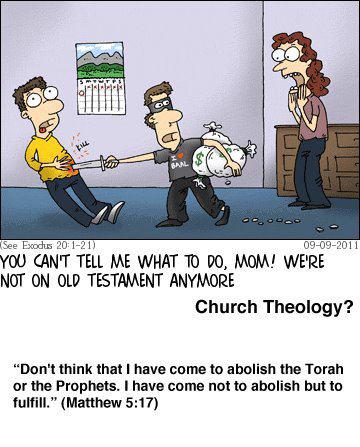
Some might say Jesus mentioned the above commandments while the Mosaic law (as per the old testament) still applied since he had not yet died on the cross and resurrected, but again the moral laws still apply. Sin will continue to separate us from God, and Satan will always be wrong for suggesting the opposite (that sin will not lead to death).
law commandment covers all of the commandments

Jesus of course mentions other examples of things we must “do” to get eternal life, but those things can all be wrapped up in “Love God before everything else, and love one another”. If we obey this one commandment, we automatically obey all the rest.

Luke 10:25 And, behold, a certain lawyer stood up, and tempted him, saying, Master, what shall I do to inherit eternal life?26 He said unto him, What is written in the law? how readest thou?27 And he answering said, Thou shalt love the Lord thy God with all thy heart, and with all thy soul, and with all thy strength, and with all thy mind; and thy neighbour as thyself.28 And he said unto him, Thou hast answered right: this do, and thou shalt live.

Matt. 22:36 Master, which is the great commandment in the law?37 Jesus said unto him, Thou shalt love the Lord thy God with all thy heart, and with all thy soul, and with all thy mind.38 This is the first and great commandment.39 And the second is like unto it, Thou shalt love thy neighbour as thyself.40 On these two commandments hang all the law and the prophets.

Mark. 12:28 And one of the scribes came, and having heard them reasoning together, and perceiving that he had answered them well, asked him, Which is the first commandment of all?29 And Jesus answered him, The first of all the commandments is, Hear, O Israel; The Lord our God is one Lord:30 And thou shalt love the Lord thy God with all thy heart, and with all thy soul, and with all thy mind, and with all thy strength: this is the first commandment.31 And the second is like, namely this, Thou shalt love thy neighbour as thyself. There is none other commandment greater than these.32 And the scribe said unto him, Well, Master, thou hast said the truth: for there is one God; and there is none other but he:33 And to love him with all the heart, and with all the understanding, and with all the soul, and with all the strength, and to love his neighbour as himself, is more than all whole burnt offerings and sacrifices.34 And when Jesus saw that he answered discreetly, he said unto him, Thou art not far from the kingdom of God. And no man after that durst ask him any question.

Rom. 13:8 Owe no man any thing, but to love one another: for he that loveth another hath fulfilled the law.

Ja. 2:8 If ye fulfil the royal law according to the scripture, Thou shalt love thy neighbour as thyself, ye do well

Jesus specifically tells his disciples (and all of us) to go out and teach all nations to observe all things whatsoever he has commanded them. 

Matt. 28:19 Go ye therefore, and teach all nations, baptizing them in the name of the Father, and of the Son, and of the Holy Ghost:20 Teaching them to observe all things whatsoever I have commanded you: and, lo, I am with you always, even unto the end of the world. Amen.

James advice about which laws gentiles should obey

Below we can read that James does not feel that they should trouble the gentiles when it comes to which laws which should apply for them when it comes to the Jewish law, except that they should abstain from things polluted by idols, from sexual immorality, from things strangled, and from blood. “Immorality” (πορνείας/porneias, Strong’s 4202) can also have the meaning of “fornication”. (According to Thayer’s Greek Lexicon πορνεία can be used metaphorically referring to the worship of idols and/or the defilement of idolatry as incurred by eating the sacrifices offered to idols).

Clearly James, Paul and the other disciples did not claim that gentiles are exempted from obeying any commandments at all. They are specifically talking about the Jewish law in relation to new gentile Christians. Apart from the moral law (the commandments which have always applied ever since Adam, and which Jesus repeats above), James proposes that the only Mosaic laws which they should also obey are to abstain from things offered to idols, from blood, from things strangled, and from fornication (probably with the meaning as per the Greek lexicon above). They do not list murder, adultery, theft, etc, because they are included in the moral commandments and it is self-evident that Jews and gentiles alike must continue to avoid such things until the end of times.

Acts 15:13 And after they had become silent, James answered, saying, “Men and brethren, listen to me: 14 Simon has declared how God at the first visited the Gentiles to take out of them a people for His name. 15 And with this the words of the prophets agree, just as it is written:16 ‘After this I will return And will rebuild the tabernacle of David, which has fallen down;I will rebuild its ruins,And I will set it up;17 So that the rest of mankind may seek the Lord, Even all the Gentiles who are called by My name, Says the Lord who does all these things.’18 “Known to God from eternity are all His works.19 Therefore I judge that we should NOT TROUBLE those from among the Gentiles who are turning to God, 20 but that we write to them to abstain from things polluted by idols, from sexual immorality*, from things strangled, and from blood. 21 For Moses has had throughout many generations those who preach him in every city, being read in the synagogues every Sabbath.” (NKJV)

Acts 21:18 On the following day Paul went in with us to James, and all the elders were present. — 20 And when they heard it, they glorified the Lord. And they said to him, “You see, brother, how many myriads of Jews there are who have believed, and they are all zealous for the law; 21 but they have been informed about you that you teach all the Jews who are among the Gentiles to forsake Moses, saying that they ought not to circumcise their children nor to walk according to the customs.—   24 Take them and be purified with them, and pay their expenses so that they may shave their heads, and that all may know that those things of which they were informed concerning you are nothing, but that you yourself also walk orderly and keep the law. 25 But concerning the Gentiles who believe, we have written and decided that they should observe no such thing, EXCEPT that they should keep themselves from things offered to idols, from blood, from things strangled, and from sexual immorality.” (NKJV)
If we sin, we have an advocate in Jesus so we are constantly forgiven? – 1 John 2:1

1 john 2.jpgMy little children, these things write I unto you, that ye sin not. And if any man sin, we have an advocate with the Father, Jesus Christ the righteous (1 John 2:1)
“Advocate” is a translation from the Greek noun Παράκλητον (Strong’s 3875), and apart from the above verse we can find this word also in John 14:15; 26, John 15:26 and John 16:7, with the meaning of either Comforter or Helper – which the holy Spirit is often called.

John writes his letter to advise the recipients to avoid sinning (among other things), suggesting that they can avoid it (which also Titus 2:11-12 confirms). Unfortunately it is quite common that Christians with the reformed theology view understand this verse to mean that we really should not sin but if we do sin we still have no reason to worry because we always have an advocate in Jesus Christ who always forgives his elect no matter what they do.

That would be another way of saying that we have a license to sin, which of course the Bible does not teach. Just like in a secular court it is not certain that we will get an acquittal just because we have a defense attorney, or perhaps we should compare it with the idea that we will not even get a defense attorney unless we meet certain requirements (such as requesting one in the first place, and avoid making further crimes in the meantime). We will not be forgiven unless we REPENT. We will never be forgiven in the midst of our sins or if we have no intention of leaving the old man behind and live a new kind of life. For those who are in Christ (those who believe in him, follow him and obey him) can rest assured they have an advocate in Jesus Christ and that their past sins are forgiven. Their future sins are certainly not forgiven (that would be a license to sin) but they do not need to take an oath to never ever sin again.

1 John 2: 1-2 Being a propitiation for the sins of the whole world

Two verses after 1 John 2:1 (1 John 2:3) we can read how we can know that we know Jesus Christ. The answer is: “if we keep his commandments”. If anyone claims to know him and does not keep his commandments is a liar and the truth is not in him. This is not legalism but the word of God. The teaching that we can successfully be faithful to God should never be labelled as legalism and something ugly. V. 5 mentions people who do keep his word, which means they truly exist and are not mere fantasies. We should walk as Jesus walked (v. 6), rather than hiding behind Jesus and pretend that our Father does not see our sins. We cannot fool God. The darkness should be in our past once the light has come into our life.

When reading 1 John 1-2 we can see that Jesus is the propitiation (an “offer”) not only for a select group of people (like “the elect), but he is the propitiation for the whole world. To be an offer for the sins of the whole world does not mean that the sins of the whole world will automatically be forgiven and forgotten (like the very minute that Jesus died on the cross). Just like in the old testament, during the animal sacrifice system, it was a requirement for the Israelites to confess their sins and repent for them while the priest offered up animals as a propitiation for their sins. Merely killing animals on an altar will not remove any sins – unless people also repent and understand the meaning of this process. We all have the opportunity to get all our sins erased, even the sins of the most vicious criminals, so it is a universal offer – albeit tied to conditions.

1 John 2:2 And he is the propitiation for our sins: and not for ours only, but also for the sins of the whole world.3 And HEREBY WE DO KNOW THAT WE KNOW HIM, IF WE KEEP HIS COMMANDMENTS. He that saith, I know him, and keepeth not his commandments, is a liar, and the truth is not in him.5 But whoso keepeth his word, in him verily is the love of God perfected: hereby know we that we are in him.6 He that saith he abideth in him ought himself also so to walk, even as he walked.– 10 He that loveth his brother abideth in the light, and there is none occasion of stumbling in him. 14 — I have written unto you, young men, because ye are strong, and the word of God abideth in you, and ye have overcome the wicked one. —17 And the world passeth away, and the lust thereof: but HE THAT DOETH THE WILL OF GOD ABIDETH FOR EVER. —24 Let that therefore abide in you, which ye have heard from the beginning. If that which ye have heard from the beginning shall remain in you, ye also shall continue in the Son, and in the Father.25 And this is the promise that he hath promised us, even eternal life.26 These things have I written unto you concerning them that seduce you. 28 And now, little children, abide in him; that, when he shall appear, we may have confidence, and not be ashamed before him at his coming.29 If ye know that he is righteous, ye know that EVERY ONE THAT DOETH RIGHTEOUSNESS is born of him.

1 John 1:8 – the famous “sin verse”

In the previous chapter (1 John 1) we find the famous 1 John 1:8, so commonly quoted by those who would like to normalize sins also among Christians, but 1 John 1:6 and 1:9 are sadly not quoted just as often. The whole context is important: We have all sinned. IF we confess our sins and start walking in the light (notice the conditions) Jesus Christ will cleanse us from our sins and we will be forgiven. 

1 John 1:6 If we say that we have fellowship with him, and walk in darkness, we lie, and do not the truth:7 But if we walk in the light, as he is in the light, we have fellowship one with another, and the blood of Jesus Christ his Son cleanseth us from all sin.8 If we say that we have no sin, we deceive ourselves, and the truth is not in us.If we confess our sins, he is faithful and just to forgive us our sins, and to cleanse us from all unrighteousness.10 If we say that we have not sinned, we make him a liar, and his word is not in us.

Rom. 8:26 and Rom. 8:27 – intercessionrom. 8.jpg

Also Rom. 8:26 and 27 are often used as an attempt to support the idea that we can be saved in our sins, but such promise cannot be found there either. The holy Spirit is given to those who believe in Jesus and who have repented for their sins, and the focus of Rom. 8:26 is the content of our prayers and the holy Spirit as our Helper. Note that there are two different Greek words for “make intercession” in Rom. 26 and 27.

Rom. 8:26 Likewise the Spirit also helpeth our infirmities: for we know not what we should pray for as we ought: but the Spirit itself maketh intercession for us with groanings which cannot be uttered.

“Maketh intercession” above is a translation from the Greek verb συναντιλαμβάνομαι (Strong’s 4878) with the meaning of lend a hand along with, assist jointly to perform some task, cooperate with, help, etc. Apart from the above verse you will only find this word in Luke 10:40 (Martha’s desire to get cooperation from her sister when it comes to serving).

Rom. 8:27 And he that searcheth the hearts knoweth what is the mind of the Spirit, because he maketh intercession for the saints according to the will of God.34 Who is he that condemneth? It is Christ that died, yea rather, that is risen again, who is even at the right hand of God, who also maketh intercession for us.

“Makes intercession” above is a translation from the Greek verb ἐντυγχάνω (Strong’s 1793), and apart from the above two verses you can find this word also in Acts 25:24, Rom. 11:2 and Hebrews 7:25 – with the meaning of making a petition for something. Does Christ do this only when it comes to the saints? Well, yes, since the saints are those who have chosen to follow Christ and repented for their sins.

Read what else Rom. 8 says below. There is life to get IF we walk not after the flesh but after the Spirit (those who live this way are in Jesus Christ). Otherwise we must expect death, and that warning goes for Christians as well. We have a great Helper to accomplish this, and thankfully we get more than one chance to do what we successfully can be doing.

Rom. 8:1 There is therefore now no condemnation to them which are in Christ Jesus, who walk not after the flesh, but after the Spirit.—4 That the righteousness of the law might be fulfilled in us, who walk not after the flesh, but after the Spirit.5 For they that are after the flesh do mind the things of the flesh; but they that are after the Spirit the things of the Spirit.6 For to be carnally minded is death; but to be spiritually minded is life and peace.7 Because the carnal mind is enmity against God: for it is not subject to the law of God, neither indeed can be.8 So then they that are in the flesh cannot please God.9 But ye are not in the flesh, but in the Spirit, if so be that the Spirit of God dwell in you. Now if any man have not the Spirit of Christ, he is none of his..13 For if ye live after the flesh, ye shall die: but if ye through the Spirit do mortify the deeds of the body, ye shall live.14 For as many as are led by the Spirit of God, they are the sons of God

Är människan OND eller GOD? Hur påverkade Syndafallet oss?

eccl-7Människan är inte född som “vredens barn”
Vi kan läsa om “vredens barn” i Ef. 2 (läs artikel här), men för att kunna kvalificeras som vredens barn krävs att vi har förmåga göra uppror mot Gud och att kunna synda med våra kroppar. En sådan kapacitet har inte små barn.

Människorna är snarare skapade som Guds avbild och har förmåga att lyda Gud eller göra motsatsen. Människorna är skapade rättsinniga och barn anses vara oskyldiga eftersom synd är att frivilligt gå emot Guds vilja

Pred. 7:30 Se, endast detta har jag funnit att Gud skapade människorna rättsinniga.
Men SEDAN har de tänkt ut många onda planer.

Sakarja 12:1 En profetia, Herrens ord om Israel. Så säger Herren, han som har utspänt himlen och lagt jordens grund och som har format människans ande i henne

Jesaja 44: 24 Så säger Herren, din återlösare, han som format dig alltifrån moderlivet: Jag, Herren, är den som har gjort allt,den som ensam har spänt ut himlenoch brett ut jorden. Vem var med mig?

Jesaja 42:5 Så säger Gud, Herren, han som har skapat himlen och spänt ut den,
han som har utbrett jorden med allt som växer där, han som har givit liv åt folket som bor där och ande åt dem som vandrar på den.

Rom 9:11 Innan barnen ännu var födda och innan de hade gjort vare sig gott eller ont

Hes. 18:20 Den som syndar skall dö. En son skall inte bära sin fars missgärning, och en far skall inte bära sin sons missgärning. Den rättfärdiges rättfärdighet skall vara hans egen, och den ogudaktiges ogudaktighet skall vara hans egen.

5 Mos 24:16 Föräldrar skall inte dödas för sina barns skull, och barn skall inte dödas för sina föräldrars skull. Var och en skall lida döden genom sin egen synd.

Skulle synd kunna drabba barn och barnbarn i flera generationer? Läs här.

Syndarvet finns inte i Bibeln eller som en lära hos de första kyrkofäderna

De flesta obibliska läror kan härledas ända tillbaka till Augustinus, och det gäller även läran om arvsynden även om den fanns tidigare som en gnostisk idé (och Augustinus var en före detta gnostiker). Psalm 51:7-8 om kung Davids mamma används ganska ofta som försök att bevisa att människorna är födda i synd, och framför allt Rom. 5:12 trots att versen förmedlar att det är DÖD (inte synd) som kom över alla människor EFTERSOM alla hade syndat (och alla” kan utvecklas vidare eftersom det finns gott om verser i Bibeln med detta allomfattande ord trots att det som beskrivits omöjligen kan gälla alla människor och framför allt inte barn).

Rom. 5:12 Därför är det så: Genom en enda människa kom synden in i världen och genom synden döden, och så kom döden över alla människor, EFTERSOM alla hade syndat.

Synd är ingenting som går att ärva. Synda är någonting vi gör och ingenting som finns i vårt DNA.

1 John 3:4 Var och en som gör synd bryter också mot lagen, ty synd är brott mot lagen.

Om synd är när vi bryter mot Guds ord (brott mot lagen) så kan det inte stämma att vi syndar första gången vi får skelett och kött (när vi blir befruktade, såvida man inte tror att vi syndar först vid själva födseln). Hur kan det vara brott mot Guds lag att överhuvudtaget finnas till? Det är knappast vårt eget fel att våra föräldrar skaffade barn, och som vi vet var Jesus Kristus född till jorden med kött precis som vi. Han föddes av jungfru Maria för att vara ett mirakulöst tecken (och för att kunna födas av en mamma precis som vi andra) och inte för att undkomma ett slags syndigt DNA. Jesus ärvde gener även efter sin mamma, så det hade ändå inte hjälpt att försöka kringgå syndiga gener genom att utesluta en människofader. Det var inte därför som Josef vare ute ur bilden – utan för att Jesus är Guds son och inte Josefs riktiga son. Synda är något man gör och ingenting man kan studera i någons DNA genom mikroskop.

Jesaja 7:14 Därför skall Herren själv ge er ett tecken: Se, jungfrun skall bli havande och föda en son och hon skall ge honom namnet Immanuel.

Om vi syndar för att vi har en syndfull natur, varför syndade Adam och Eva?

Många skyller sin synd på den syndiga naturen, men någon sådan ursäkt finns inte. Adams synd påverkade oss stort eftersom vi inte kan nå Livets träd pga honom (han kastades ut ur Eden), och alltså dör vi fysiskt pga honom. Att dö rent fysiskt är inte tecken på skuld, för varje dag aborteras oskyldiga bebisar och även vår frälsare Jesus Kristus dog på korset även om han sedan återuppstod. Vi kan även vara tacksamma att vi kommer att dö fysiskt bort från denna värld, såsom den blivit, för att sedan få nya kroppar och kunna träda in i det permanenta Guds rike.

Om människorna inte skulle ha förmåga att helt lyda Gud, och om Gud var fullt medveten om detta, ja då vore han orättfärdig om han ändå begärde det omöjliga ifrån oss. Då vore lagen för svår eller våra kroppar för svaga – eller också båda – och ingendera vore vårt eget fel. Jag tror vi är skapta med möjligheten att fortsätta att vara “som små barn” som hör himmelriket till. Vi är skyldiga överträdare just därför att vi hade kapaciteten att leva troget men ändå valde att synda. Varför behövde Jesus dö? För att vi syndat. Inte för att en förfader syndade och smittade oss.

Jesus hade inga fördelar över oss

Jesus frestades i allt liksom vi  så alltså är det ingen synd att frestas, såvida man inte med flit placerar sig i frestande situationer. Om människor haft en syndfull natur som en stor börda redan från starten och inte vår frälsare Jesus Kristus, ja då hade Jesus haft stora fördelar över oss när han lyckades leva syndfritt. I själva verket hade Jesus precis likadant kött som oss och kom inte lindrigare undan på något vis. Ingen av oss är född i synd. Alla har kapacitet att leva syndfritt som Jesus, men Jesus var den ende som faktiskt levde det syndfria livet.

Hebr. 4:15 Ty vi har inte en överstepräst som ej kan ha medlidande med våra svagheter, utan en som blev frestad i allt liksom vi, men utan synd.

Hebr. 2:18 Eftersom han själv har lidit och blivit frestad, kan han hjälpa dem som frestas.

Bibeln lär oss att det inte finns någon ursäkt för vår synd, men om vi är födda med en syndig natur så skulle vi haft den ultimata ursäkten. När Gud frågar oss varför vi syndat skulle vi kunna svara:

“För att vi är födda med en syndfull natur naturligtvis. En syndfull natur som påtvingats oss och som vi aldrig bett att få. En syndfull natur som din son slapp undan men som vi andra var tvungna att bära – trots att denna syndfulla natur så orättvist gjort oss till skyldiga förbrytare redan när vi föddes till världen”.

Men någon sådan ursäkt har vi alltså inte. Ingen är född i synd och ingen har påtvingats någon syndfull natur. Gud är vidare fullständigt rättvis när han dömer oss, och han skulle aldrig utsätta oss för ett sådant motstånd för att sedan använda det emot oss. I stället kan vi se gång på gång både i det gamla och det nya testamentet att Gud faktiskt förväntar sig att vi ska lyda honom fullt ut, vilket visar att vi också har den kapaciteten.

Vad är synd?grace 5

För att kunna synda behöver vi både hjärna och hjärta, som båda måste vara väl utvecklade. Ett litet barn verkar därför inte ha förmåga att synda, och definitivt inte en liten nyfödd bebis eller en människa som just startat sitt liv genom en befruktelse. Vi kan vidare läsa att man “av naturen” kan göra det som lagen innehåller. Om det som orenar oss ursprungligen kommer från hjärtat, så måste vi först ha ett hjärta innan vi kan välja att orena oss.

Matt 15:18 Men det som går ut ur munnen, kommer från hjärtat, och det orenar människan. 19.Ty från hjärtat utgår onda tankar, mord, hor, otukt, stöld, falskt vittnesbörd, hädelse.

Jakob 1:14 Utan var och en frestas, när han dras och lockas av sitt eget begär. 15. Därefter, sedan begäret har blivit havande, föder det synd och då synden är fullbordad, föder den död.

Jesaja 7:16 Ty innan pojken förstår att förkasta det onda och välja det goda, skall det land för vars båda kungar du ängslas vara övergivet.

Rom 2:13 Ty de, som hör lagen, är inte rättfärdiga inför Gud, utan de som GÖR lagen, de skall bli rättfärdiggjorda. 14. Ty då hedningarna, som inte har lagen, AV NATUREN GÖR DET LAGEN INNEHÅLLER, så är dessa, fastän de inte har lagen, sig själva en lag. 15. De visar sålunda, att lagens verk är skrivet i deras hjärtan, och därom bär deras samvete dessutom vittnesbörd, också deras tankar, som inbördes anklagar eller också försvarar dem, 16. på den dagen, när Gud skall döma över människornas hemligheter, genom Jesus Kristus, enligt mitt evangelium. 

Gud vill inte att någon ska gå förlorad och erbjuder frälsning till ALLA genom hans NÅD (och inte för att vi förtjänat det). Men alla blir inte frälsta trots att Gud sträcker ut sin hand och erbjuder förlåtelse. Kravet är att vi tror på honom samt omvänder oss från våra synder och börjar leva rättfärdiga liv med hjälp av den Hjälpare som vi fått i form av den helige Ande (del av treenigheten).

The holy Spirit is given after faith and repentance – not before

acts-10Repent, and be baptized every one of you in the name of Jesus Christ for the remission of sins, and ye shall receive the gift of the Holy Ghost” (Acts 2:38)

Some Calvinist friends are of the opinion that God is the one selecting whom to save and provides the holy Spirit to the chosen individuals – and in this fashion enables them to believe (while he shows no courtesy to the others who are chosen to be non-elect before they are even born). The Bible, however, teaches that God does not want anyone to perish and that the holy Spirit is given to a person after he/she has repented (after having come to Christ and confessed his/her sins). You can read my article about regeneration (being born again after having been cleansed from sins) here.

Based on the Bible we can deduce that the presence of the holy Spirit (the holy Ghost) operates in different ways between the old and the new testaments (this deserves an article of its own). Suffice is to say that one could of course be saved also during the time of the old testament, before the time of Jesus Christ who later died, was resurrected and provided the holy Ghost as our individual Helper. Before his time, there was a lot of focus on the prophets of God who could provide extra light on the Torah. Faith leading to righteousness has always been required for salvation ever since the time of Adam.

2 Pet. 1:21 For the prophecy came not in old time by the will of man: but holy men of God spake as they were moved by the Holy Ghost.

John 16:7 Nevertheless I tell you the truth; It is expedient for you that I go away: for if I go not away, the Comforter will not come unto you; but if I depart, I will send him unto you.8 And when he is come, he will reprove the world of sin, and of righteousness, and of judgment:.13 Howbeit when he, the Spirit of truth, is come, he will guide you into all truth: for he shall not speak of himself; but whatsoever he shall hear, that shall he speak: and he will shew you things to come.

Acts 1:8 But ye shall receive power, after that the Holy Ghost is come upon you: and ye shall be witnesses unto me both in Jerusalem, and in all Judaea, and in Samaria, and unto the uttermost part of the earth.

Acts 2:4 And they were all filled with the Holy Ghost, and began to speak with other tongues, as the Spirit gave them utterance.

Cornelius – faith and righteousness before the indwelling of the holy Spirit

The apostle Peter describes the truth about salvation “in every nation he that feareth him, and worketh righteousness, is accepted with him”. The ability to do this was available both in the old and the new testament, even if the holy Spirit operates in a different way today compared to the old times. One difference is that people did not speak in tongues in the old times, and miracles and healing were primarily connected to the prophets and holy men of God.

The story about Cornelius (Acts 10) is enough for us to understand that a person can believe in God, do many good works – before having been baptized in the holy Spirit.

Acts 10:1 There was a certain man in Caesarea called Cornelius, a centurion of the band called the Italian band,2 A devout man, and one that feared God with all his house, which gave much alms to the people, and prayed to God alway.3 He saw in a vision evidently about the ninth hour of the day an angel of God coming in to him, and saying unto him, Cornelius.4 And when he looked on him, he was afraid, and said, What is it, Lord? And he said unto him, Thy prayers and thine alms are come up for a memorial before God.—22 And they said, Cornelius the centurion, a just man, and one that feareth God, and of good report among all the nation of the Jews, was warned from God by an holy angel to send for thee into his house, and to hear words of thee.—33 Immediately therefore I sent to thee; and thou hast well done that thou art come. Now therefore are we all here present before God, to hear all things that are commanded thee of God.34 Then Peter opened his mouth, and said, Of a truth I perceive that God is no respecter of persons:35 But in every nation he that feareth him, and worketh righteousness, is accepted with him.—44 While Peter yet spake these words, the Holy Ghost fell on all them which heard the word.45 And they of the circumcision which believed were astonished, as many as came with Peter, because that on the Gentiles also was poured out the gift of the Holy Ghost.46 For they heard them speak with tongues, and magnify God. Then answered Peter,47 Can any man forbid water, that these should not be baptized, which have received the Holy Ghost as well as we?48 And he commanded them to be baptized in the name of the Lord. Then prayed they him to tarry certain days.

Here is more evidence that faith precedes the indwelling of the holy Ghost:

Acts 19:1 And it came to pass, that, while Apollos was at Corinth, Paul having passed through the upper coasts came to Ephesus: and finding certain disciples,2 He said unto them, Have ye received the Holy Ghost since ye believed? And they said unto him, We have not so much as heard whether there be any Holy Ghost.3 And he said unto them, Unto what then were ye baptized? And they said, Unto John’s baptism.4 Then said Paul, John verily baptized with the baptism of repentance, saying unto the people, that they should believe on him which should come after him, that is, on Christ Jesus.5 When they heard this, they were baptized in the name of the Lord Jesus.6 And when Paul had laid his hands upon them, the Holy Ghost came on them; and they spake with tongues, and prophesied.

John 7:37 In the last day, that great day of the feast, Jesus stood and cried, saying, If any man thirst, let him come unto me, and drink.38 He that believeth on me, as the scripture hath said, out of his belly shall flow rivers of living water.39 (But this spake he of the Spirit, WHICH THEY THAT BELIEVE ON HIM SHOULD RECEIVE: for the Holy Ghost was not yet given; because that Jesus was not yet glorified.)

Acts 2:38 Then Peter said unto them, Repent, and be baptized every one of you in the name of Jesus Christ for the remission of sins, and ye shall receive the gift of the Holy Ghost.

Heb. 11 he that cometh to God must believe that he is, and that he is a rewarder of them that diligently SEEK him.

Acts 17:26 And hath made of one blood all nations of men for to dwell on all the face of the earth, and hath determined the times before appointed, and the bounds of their habitation;27 That they should seek the Lord, if haply they might feel after him, and find him, though he be not far from every one of us. —30 And the times of this ignorance God winked at; but now commandeth all men every where to repent

Acts 8:22 Repent therefore of this thy wickedness and pray God if perhaps the thought of thine heart may be forgiven thee

2 Tim 2:20 But in a great house there are not only vessels of gold and of silver, but also of wood and of earth; and some to honour, and some to dishonour.21 IF a man therefore purges himself from these, he shall be a vessel unto honour, sanctified, and meet for the master’s use, and prepared unto every good work.

Romans 12:2And be not conformed to this world: but be ye transformed by the renewing of your mind, that ye may prove what is that good, and acceptable, and perfect, will of God.

James 4:8 Draw nigh to God, and he will draw nigh to you. Cleanse your hands, ye sinners; and purify your hearts, ye double minded

Jeremiah 4:14 Wash thine heart from wickedness, that thou mayest be saved

Ezekiel 18:31 Make you a new heart and a new spirit: for why will ye die… 

Rev. 2:21 And I gave her SPACE TO REPENT of her fornication and she repented not. 22 Behold I will cast her into a bed and them that commit adultery with her into great tribulation except they repent of their DEEDS

Notice below that the order of events is 1) enlightenment to every man who comes into John 1.jpgthe world, 2) reception and belief in Jesus Christ, 3) resulting in becoming the sons of God (thanks to being cleansed and pardoned):


John 1:9 That was the true Light, which lighteth every man that cometh into the world.10 He was in the world, and the world was made by him, and the world knew him not.11 He came unto his own, and his own received him not.12 But as many as received him, to them gave he power to become the sons of God, even to them that believe on his name

Notice also that “his own” did not receive him. If that would signify the chosen elect, it is strange why God did not enable them (predestine them) to believe in him. It rather seems like it is our own responsibility – to react on God’s calling. This is not the same as “saving ourselves” without God. We do not have the authority to forgive ourselves for our own sins, and we cannot be born again without the grace of God and unless he provides the opportunity for us to have all of our sins erased.

Grenar i VINTRÄDET /vinstocken (Jesus) kan tas bort pga brist på FRUKT – Joh. 15

“Om ni håller mina bud förblir ni i min kärlek!

Många kristna vill gärna tänka i banorna “en gång frälst alltid frälst”, och att gärningar (frukt) inte har någonting med frälsningen att göra utan bara bör betraktas som ett extra plus i kanten. Vanligtvis missförstår de Paulus garanti att vi kan vara frälsta utan laggärningar (alltså utan Mose lag och dess 613 bud), men inser inte att det fortfarande finns andra Guds bud att hålla – nämligen de bud/lagar som gällde INNAN Mose lag trädde i kraft. Det är fortfarande lika förbjudet att mörda, ljuga, begå äktenskapsbrott och stjäla som det alltid varit, och vi lever inte i laglöshet där allting tillåts passera utan nämnvärda konsekvenser. Synd leder fortfarande till död och den sanningen kommer alltid att bestå (Satan hävdade som bekant det motsatta). Jesus svarar på frågan “vad gott ska jag göra för att få evigt liv?” (“vad ska jag göra för att få evigt liv till arvedel?)”:

Matt. 19: 17—vill du ingå i livet, så håll buden18 —»Vilka?» Jesus svarade: »’Du skall icke dräpa’, ‘Du skall icke begå äktenskapsbrott’, ‘Du skall icke stjäla’, ‘Du skall icke bära falskt vittnesbörd’,19 ‘Hedra din fader och din moder’ och ‘Du skall älska din nästa såsom dig själv.

se även Mark. 10:19 och Lukas 18:18:21

Lukas 10:27 [lagklok man]Han svarade och sade: »’Du skall älska Herren, din Gud, av allt ditt hjärta och av all din själ och av all din kraft och av allt ditt förstånd och din nästa såsom dig själv.’»28 [Jesus]Han sade till honom: »Rätt svarade du. Gör det, så får du leva.

Om någon vill argumentera att detta inte längre gäller eftersom det vi just läste handlar om det gamla testamentet så håller inte det argumentet. Jesus dog inte för att vi ska kunna synda i fred, utan Jesus undervisade om behovet av omvändelse och att ta sitt kors och följa honom.

Lukas 13:3 Nej, säger jag er, men om ni inte omvänder er, kommer ni alla att gå under som de. 5 Nej, säger jag er, men om ni inte omvänder er, kommer ni alla att gå under på samma sätt.”

Lukas 15:7 Jag säger er: På samma sätt blir det glädje i himlen över en enda syndare som omvänder sig – inte över nittionio rättfärdiga som ingen omvändelse behöver.

Rom. 2:7 Evigt liv skall han giva åt dem som med uthållighet i att GÖRA DET GODA söka härlighet och ära och oförgänglighet.

Vinträdet/vinstocken som är Jesus Kristus – medan vi är grenarna

Här nedan är avsnittet om det sanna vinträdet i Reformationsbibelns version. Notera alla “om”, och notera att Jesus kallar sina lärljungar för “rena” – alltså renade från synd. Trots att de ansågs vara andligt rena så undervisade Jesus dem om att de och andra människor ändå riskerar att huggas av vinträdet (honom själv) pga brist på frukt. Därför försöker Jesus gång på gång övertala sina får att förbli i honom så att de kan bära frukt. Ett tecken på att en människa inte förblivit i honom är brist på god frukt i dennes liv.

Joh 15:1 Jag är det sanna vinträdet, och min Fader är vingårdsmannen.2. Varje gren i mig som inte bär frukt tar han bort, och varje gren som bär frukt rensar han, för att den ska bära mer frukt.3. Ni är redan nu rena på grund av det ord som jag har talat till er.4. Förbli i mig, och jag i er. Såsom grenen inte kan bära frukt av sig själv, OM den inte förblir i vinträdet, så kan inte heller ni det, OM ni inte förblir i mig. 5. Jag är vinträdet, ni är grenarna. Den som förblir i mig, och jag i honom, han bär rik frukt. För utan mig kan ni ingenting göra. 6. OM någon inte förblir i mig, kastas han ut som en gren och torkar bort, och man samlar ihop dem och kastar dem i elden för att brännas. Matt. 7. OM ni förblir i mig, och mina ord förblir i er, kan ni be om vad ni vill, och det ska bli gjort för er.8. Min Fader blir förhärligad genomatt ni bär rik frukt och ni ska vara mina lärjungar. 9. Såsom Fadern har älskat mig, så har också jag älskat er. Förbli i min kärlek.10. OM ni håller mina bud, blir ni kvar i min kärlek, liksom jag har hållit min Faders bud och är kvar i hans kärlek.11. Detta har jag sagt till er för att min glädje ska vara kvar i er och för att er glädje ska bli fullkomlig.12. Detta är mitt bud, att ni ska älska varandra såsom jag har älskat er. Ingen har större kärlek än denna, att man ger sitt liv för sina vänner.14. Ni är mina vänner, OM ni gör vad än jag befaller er.15. Jag kallar er inte längre tjänare, för tjänaren vet inte vad hans herre gör, utan vänner har jag kallat er, eftersom jag låtit er veta allt vad jag har hört av min Fader.16. Ni har inte utvalt mig, utan jag har utvalt er och bestämt er till att ni ska gå ut och bära frukt, och att er frukt ska bestå, för att Fadern må ge er vad ni än ber honom om i mitt namn. —22. Om jag inte hade kommit och talat till dem, skulle de inte ha synd, men nu har de ingen ursäkt för sin synd. (Reform. 2016)

Jesus ställer villkor till sina barn “OM ni håller mina bud, blir ni kvar i min kärlek”. Men är inte det gärningslära? Nej, den gärningslära som Paulus så ofta varnade för handlade om nykristna judar som åtminstone delvis (som när det gällde frågan om omskärelsen) ville återgå till det judiska lagsystemet som ju tillhör vår historia. Om de dessutom ville återgå till den gamla lagen så krävdes det att de skulle följa alla buden (inte bara några få utvalda) och då skulle Jesus ha dött för dem i onödan enligt Galaterbrevet.

Jesus varnar i Johannesbrevet sina utvalda lärljungar att OM de inte förblir i honom så kommer de att tas bort utav Fadern för att kastas ut och förtorkas, vilket visar att de åtminstone hade liv vid en tidigare tidpunkt – för annars skulle de inte kunna förtorkas. De samlas sedan ihop och kastas i elden vilket är en klar bild av helvetet. Det är vårt eget ansvar att se till att hålla oss i vinträdet men vi kan få hjälp av den Helige Ande att leva ett heligt liv med mycket frukt. Vi kan slippa elden och i stället leva en evighet i Guds rike! Om det hade varit upp till Gud att se till att vi bär mycket frukt så hade han givetvis gjort detta med bravur och han hade sett till att vi aldrig någonsin misslyckades på den punkten vid något tillfälle. Ef. 2:10 (som inte är i närheten att citeras lika ofta som Ef. 2:9) säger:

Ef. 2:10 Ty hans verk är vi, skapade i Kristus Jesus till goda gärningar, som Gud har förberett, så att vi skall VANDRA I DEM.

Vi är alltså skapade för att vandra i goda gärningar, men det sker inte per automatik. Vad händer om vi väljer att inte vandra i de goda gärningar som Gud förberett för oss? Skulle det inte spela någon roll om vi vandrade i dem eller inte? Vi huggs inte av vinträdet och kastas i elden efter en fruktlös vecka eller månad men vi ges inte heller oändliga chanser. Vi vet inte när ni måste lämna jordelivet och om vi verkligen älskar Gud av hela vårt hjärta så vill vi ha kontakt med honom, bli fyllda av den helige Ande och följa honom. Gud har stort tålamod med oss, men inte obegränsat:

Lukas 13:6 Sedan berättade han denna liknelse: “En man hade ett fikonträd planterat i sin vingård, och han kom för att se om det fanns frukt på det, men han fann ingen. 7 Då sade han till sin trädgårdsmästare: I tre år har jag kommit och letat efter frukt på det här fikonträdet men inte hittat någon. Hugg ner det! Varför skall det få suga ut jorden?8 Men trädgårdsmästaren svarade honom: Herre, låt det stå kvar även i år, tills jag har grävt omkring det och gödslat. 9 Kanske bär det frukt nästa år. Annars skall du hugga ner det.”

Matt. 7:18 Ett gott träd kan inte bära dålig frukt, inte heller kan ett dåligt träd bära god frukt. 19 Ett träd som inte bär god frukt blir nerhugget och kastat i elden. 20 Alltså skall ni känna igen dem på deras frukt. 21 Inte skall var och en som säger ‘Herre, Herre’ till mig komma in i himmelriket, utan den som GÖR min himmelske Faders vilja. 

Jesaja 5:7 Herren Sebaots vingård är Israels hus och Juda folk hans älsklingsplantering. HAN VÄNTADE LAGLYDNAD men fann blodiga lagbrott, han väntade RÄTTFÄRDIGHET men fann skriande orättfärdighet.

Matteus 12:33 Om ni förutsätter att trädet är bra, så är frukten bra, eller att trädet är dåligt, så är frukten dålig. Ty av frukten känner man trädet.

Läs mer om fruktträd i denna bloggartikel.

Everything is sin? We can never stop sinning? Youtube film.

Who is righteous according to the Bible?

Are those righteous who have been given another person’s righteousness (Jesus’ righteousness) while they continue in sin albeit feel “sorry” for their sins?

1 John 3:4 Whosoever committeth sin transgresseth also the law: for sin is the transgression of the law.5 And ye know that he was manifested to take away our sins; and in him is no sin.Whosoever abideth in him sinneth not: whosoever sinneth hath not seen him, neither known him.7 Little children, LET NO MAN DECEIVE YOU: HE THAT DOETH RIGHTEOUSNESS IS RIGHTEOUS, EVEN AS HE IS RIGHTEOUS. 8 He that committeth sin is of the devil; for the devil sinneth from the beginning. For this purpose the Son of God was manifested, that he might destroy the works of the devil.Whosoever is born of God doth not commit sin; for his seed remaineth in him: and he cannot sin, because he is born of God.10 In this the children of God are manifest, and the children of the devil: whosoever doeth not righteousness is not of God, neither he that loveth not his brother. (KJV)

Do not be deceived by those who suggest that we can hide behind Jesus so that God the Father does not see our sins but only the blood of Jesus. We cannot fool God – he can see our sins! Sinning continues to separate us from God. It is Satan who says the opposite “Ye shall not surely die” (Gen. 3:4). This simple lie goes around on and on again in our churches where well-meaning pastors claim that God loves us exactly as we are (IN our sins) as long as we believe in Jesus because “once saved always saved”. What do you say about those who claim that we can never stop sinning? Think about this:

“By changing the definition of sin to include many things that God has not called sin, Satan causes believers to be greatly discouraged and they give up trying to get victory over sin. If sin is all inclusive, then it becomes too great to overcome. I’ve had people tell me that feeling desire for a McD’s burger was a sin. In doing this, Satan makes it seem that sin is too wide, all inclusive, and inescapable. That tactic overcomes the young Christian so that they do not press on to perfection. They become convinced that there is no hope of ever being free from something that is so all inclusive”
/ Clarence Bro Cope

Do not listen to those who claim that all we do is like filthy rags before God (a term from Isaiah 64:6 where we can read about people who mix righteousness with sin and believe they are still fine). We can be good servants here and now thanks to the grace of God.

Titus 2:11 For the grace of God that brings salvation has appeared to all men,12 teaching us that, denying ungodliness and worldly lusts, we should live soberly, righteously, and godly IN THE PRESENT AGE (NKJV)

http://www.youtube.com/watch?v=fNiutfq1g1s

Bibelns MELKISEDEK är förmodligen SEM och inte en inkarnation av Jesus

Melkisedek – inte Jesus utan SEM

Melkisedek är en titel och betyder ungefär “Rättfärdighetens konung” och är en fridens konung enligt Hebr. 7:2. Han beskrivs vara präst och kung av Salem som anses vara en tidigare förlaga av staden Jerusalem (Ps 76:3). I Septuaginta kallas han Μελχισεδέκ men i många hebreiska texter skrivs namnet som Meleḵi-ṣedeq från melek(h) som betyder kung, och ṣedeq som betyder rättfärdig/rättfärdighet. Betydelsen är egentligen “Min kung är rättfärdig/rättfärdighet”. 

Melkisedek beskrivs som en person med en större auktoritet än självaste patriarken Abraham (Abraham ger honom tionde av allt och Melkisedek förmedlar budskap från Gud), och trots detta finns ingen information i Bibeln om hans härstamning eller hans död, vilket är brukligt vad gäller Bibliska personer av vikt. Däremot vet vi var Sem kommer ifrån, och även förstås Jesus Kristus.

Här nedan kommer först mina argument för att jag tror att Melkisedek är Sem och inte Jesus, och sist i artikeln tar jag också upp de textavsnitt i Bibeln som täcker Melkisedek.

1) Enligt judisk tradition är Melkisedek Sem – Noas son

Det främsta skälet att satsa på Sem som Melkisedek är, förutom det vi kan utläsa från Bibeln, att många av de gamla judarna ansåg att det förhöll sig just så.  Ju längre tillbaka i tiden vi går, desto mer intressanta tycker jag judarnas och kyrkofädernas kommentarer är eftersom dessa män kanske levt kort efter att Jesu lärljungar gått ur tiden och därför inte hunnit förvanska traditionerna om vår historia. De borde alltså räknas som tämligen trovärdiga i sin tolkning av skrift och tradition. I judisk litteratur omnämns Melkisedek som Noas son Sem i skrifter som är mycket gamla, såsom rabbinska kommentarer (midrash) kring tora.

 “G-d beatified Yefeth and will dwell in the house of Shem“/ Maharzav (Rabbi Zev Wolf Einhorn; ?–1862; Lithuania), till Leviticus Rabbah 25:6. 

“About Shem[‘s being a prophet] it says, “Upon My word, Melchizedek” [PS. 110:4].”/Seder Olam 21 (2nd century Jewish)

“And Melchizedek, the king of Jerusalem, who was the great Shem ...”/Targum Neophyti Gen. 14:18

“The [Jews] say that he [Melchizedek] was Shem, Noah’s son, and counting up the total years of his lifetime [eight hundred years, according to Gen. 11:11] they demonstrate that he would have lived up to [the time of] Isaac [and so certainly could have encountered Abraham in Gen. 14:18-21].”/Jerome, Questions in Genesis, Gen. 14:18

2) Den redliges bok (Jasher) hävdar att Melkisedek (Adonisedek) är Sem

Den redliges bok kommer inte med ett påståendet att det är skrivet genom inspiration av Gud såsom är fallet med vår Bibel, men det utesluter inte att delar eller hela boken kan stämma överens med verkligheten. Eftersom boken innehåller mycket detaljerad information som överensstämmer med Bibeln (ibland handlar det om samma information, och ibland om tilläggsinformation som kompletterar och passar in med Bibelns berättelser) så känns boken väldigt trovärdig. Framför allt när man beaktar att Den redliges bok är nämnd i Bibeln ett par gånger, och Bibeln refererar till en händelse som endast återges i just Den redliges bok. Se Joshua 10:13; 2 Sam. 1:18; 2 och Tim. 3:8. Dessutom finns ytterligare källor som konfirmerar händelser i Bibeln/Den redliges bok. I Den redliges bok kan vi läsa att Adonizedek (ett annat namn för Melkisedek) är Sem.

Jash. 10:10 And Bera king of Sodom, and the rest of his men that were with him, went out from the lime pits into which they had fallen, to meet Abram and his men.11 And Adonizedek king of Jerusalem, the same was Shem, went out with his men to meet Abram and his people, with bread and wine, and they remained together in the valley of Melech.12 And Adonizedek blessed Abram, and Abram gave him a tenth from all that he had brought from the spoil of his enemies, for  was a priest before God.

Jag kan även tillägga att The book of Enoch 2 (alltså en helt annan bok än den mer kända Enoks bok/ The book of Enoch 1) också kopplar ihop Melkisedek med Noa, men inte som Noas son utan en släkting. Enoks bok (refererad till i Juda brev) nämner dock inte Melkisedek eftersom Enoks bok handlar om tiden före floden. Det innebär att varken Jasher eller Enoks böcker kopplar ihop Melkisedek med Jesus.

3) Jesus beskrivs vara en präst SOM Melkisedek och LIK Guds son – men beskrivs aldrig vara densamme

Det finns helt klart likheter mellan Melkisedek och Jesus Kristus, vilket framkommer främst i Hebreerbrevet. Det finns dock ingen information om att Jesus verkligen är (eller var) Melkisedek men flera gånger att “han blev av Gud kallad överstepräst, en sådan präst SOM Melkisedek”, och “han är lik Guds son”. Författaren till Hebreerbrevet beskriver förhållandet mellan levitiska präster (baserat på arv inom den levitiska släkten) och översteprästen och icke-leviten Jesus, samt jämför med Melkisedeks prästerskap som inte heller är ett prästerskap baserat på levitisk släkt. Man kan tycka att om Jesus verkligen var detsamma som Melkisedek så hade författaren ett ypperligt tillfälle att nämna detta i sammanhanget. Detta gör dock inte författaren utan koncentrerar sig på Jesus funktion som överstepräst och på likheter och skillnader jämfört med Melkisedek och leviter. Med utgångspunkt i Psaltaren förklarar Paulus hur Jesus kan vara överstepräst trots att han inte var levit, utan av Juda stam. Psaltaren säger nämligen att Messias inte ska vara präst enligt leviternas ordning utan enligt Melkisedeks ordning.

Hebr. 7:3 —han är LIK Guds Son och förblir präst för evigt

Hebr. 5:5—Du är präst för evigt, på samma sätt som Melkisedek.

Hebr. 6:20 —när han blev överstepräst för evigt, en sådan SOM Melkisedek.

Om man menar att likheterna mellan Melkisedek och Jesus indikerar att det handlar om en och samma person, så ska man komma ihåg att det även finns en lång rad likheter mellan Jesus och kung David, Jesus och Johannes Döparen, Jesus och Abraham, Jesus och Isak, Jesus och Enok, etc.

4) Skulle Jesus verkligen haft en “världslig” funktion såsom kung över Salem?

Att vara kung över Salem låter som ett fint yrke och en respektingivande funktion, men skulle verkligen Guds son ha verkat på jorden i den rollen? Visserligen existerade Jesus långt innan han föddes till jorden som Guds son, eftersom han beskrivs som en medskapare till hela skapelsen, men att dessutom fungera som en fysisk kung låter inte som en funktion som inkluderas i Jesus roll som skapare, Guds son och offer för världens synder. Inte för att det är omöjligt, utan snarare ologiskt. Lägg därutöver till att Jesus även ibland fungerade på jorden som “Herrens Ängel” enligt denna bloggartikel (alltså en viss Herrens budbärare/förmedlare och INTE en skapad ängel), så det låter som rollen som kung av Salem är en funktion mer anpassad för någon annan. Jesus har själv uttryckt att hans rike inte är av denna världen, men Salemsområdet borde väl betraktas som ett litet rike och i så fall har Jesus en gång haft ett rike här på jorden.

Joh. 18:36 Jesus svarade: “Mitt rike är inte av den här världen. Om mitt rike vore av den här världen, hade mina tjänare kämpat för att jag inte skulle bli överlämnad åt judarna. Men nu är mitt rike inte av den här världen.”

Flavius Josephus: “where Melchizedek, king of the city Salem, received him. That name signifies the righteous king; and such he was without dispute, insomuch that, on this account, he was made the priest of God: however, they afterward called Salem Jerusalem. Now this Melchizedek supplied Abram’s army in an hospitable manner, and gave them provisions in abundance; and as they were feasting he began to praise him, and to bless God for subduing his enemies under him. And when Abram gave him the tenth part of his prey, he accepted of the gift.”

5) Sem levde samtidigt som Abraham

När Noa, hans söner och sonsöner delade områden mellan sig så ingick Salem i Sems landområden.

Sem var samtida med Abraham, och enligt Den redliges bok så umgicks de emellanåt väldigt flitigt. Abraham levde t o m tillsammans med Sem i ett flertal år – för att slippa under Nimrods förföljelser – där han undervisades om Guds bud. Sem levde länge efter floden och överlevde t o m Abrahams dödsdag med ca 33-35 år! Om nu även Jesus skulle ha dykt upp i en annan skepnad vid denna tid så skulle det innebära att det i princip fanns två mycket rättfärdiga och auktoritära personligheter som konkurrerade om att vara överstepräst.

Sem ansågs vara en ytterst vis och gudomlig man och han var självfallet väldigt speciell eftersom han var en av få som levde både före och efter floden – och kanske den ende av Noas söner som verkligen fokuserade på att leva ett gudfruktigt liv. Han kan ha tagit över lärdomar från sin gudfruktige far Noa.

Jasher 9:4 Haran was forty-two years old when he begat Sarai, which was in the tenth year of the life of Abram; and in those days Abram and his mother and nurse went out from the cave, as the king and his subjects had forgotten the affair of Abram.5 And when Abram came out from the cave, he went to Noah and his son Shem, and he remained with them to learn the instruction of the Lord and his ways, and no man knew where Abram was, and Abram served Noah and Shem his son for a long time.6 And Abram was in Noah’s house thirty-nine years, and Abram knew the Lord from three years old, and he went in the ways of the Lord until the day of his death, as Noah and his son Shem had taught him; and all the sons of the earth in those days greatly transgressed against the Lord, and they rebelled against him and they served other gods, and they forgot the Lord who had created them in the earth; and the inhabitants of the earth made unto themselves, at that time, every man his god; gods of wood and stone which could neither speak, hear, nor deliver, and the sons of men served them and they became their gods.

Den person som var bäst lämpad att överta stafettpinnen som patriark måste helt klart vara Abraham, men Bibeln säger att Abraham fick välsignelsen av en Melkisedek som verkar ha dykt upp från ingenstans. Vi löser denna knut bäst genom att se Sem som Melkisedek. Att ingenting står nämnt om denne Melkisedeks bakgrund, trots hans storhet, kanske kan bero på att hans bakgrund faktiskt står nämnd, om vi bara riktar blicken mot Sem. Vidare kan man förstå att författaren Mose gärna ville trycka på att Abraham fick välsignelsen av Melkisedek (en titel, och en funktion erhållen av Gud) snarare än av människan Sem, om han ville klargöra med vilken auktoritet Sem och Abraham agerade.

Argumentet att Den redliges bok måste ha fel om Sem eftersom händelserna om honom, Abraham och Nimrod inte står nämnda i Bibeln, är ett svagt argument. I Bibeln kan vi se hänvisningar till både Enoks bok och Den redliges bok, och dessutom kan vi ofta läsa att viss biblisk information är hämtad ifrån olika krönikor – i vilka det finns ännu mer information att tillgå. Bibeln kan helt enkelt inte innehålla all jordens historia in i minsta detalj, men det som är mest centralt står angivet.

Bibeln om Melkisedekmelkisedek

Melkisedek var präst åt Gud den högste. Det skulle kunna vara en indikation på att han inte var Gud själv, till skillnad mot Jesus Kristus som är både Gud och Guds son:

1 Mos. 14:17 När Abram hade kommit tillbaka efter att ha slagit Kedorlaomer och de kungar som var med honom, gick kungen i Sodom ut för att möta honom i Savedalen, det vill säga Kungadalen. 18 Och Melkisedek, kungen i Salem, lät bära ut bröd och vin. Han var präst åt Gud den Högste, 19 och han välsignade Abram och sade: “Välsignad vare Abram av Gud den Högste, skapare av himmel och jord!20 Och välsignad vare Gud den Högste, som har givit dina fiender i din hand!”Och Abram gav honom tionde av allt.

I Jos. 10:1 så kan vi läsa om “adonai sedek”, där alltså “malik” (kung) är bytt mot “adon” (herre):

Jos. 10:1 Och Adoni-Sedek, kungen i Jerusalem, fick höra att Josua hade intagit Ai och givit det till spillo, och att han hade gjort med Ai och dess kung på samma sätt som han hade gjort med Jeriko och dess kung, och att invånarna i Gibeon hade ingått fred med Israel och fick bo mitt ibland dem. 2 Adoni-Sedek och hans folk var mycket förskräckta, ty Gibeon var en stor stad, som en av kungastäderna, ja, större än Ai, och alla dess män var tappra krigare. 

Även detta avsnitt kan vara relevant i sammanhanget. Här läser vi om Salem kopplat till Jerusalem:

Ps. 76:1 För sångmästaren, en psalm till stränginstrument, en sång av Asaf.2 Gud är känd i Juda, i Israel är hans namn stort.3 I Salem står hans hydda, hans boning på Sion.4 Där bröt han sönder bågens blixtrande pilar, sköld och svärd, krigets vapen. Sela.5 Strålande är du, härligare än berg, rika på byte.6 Modiga män ligger plundrade, de sover sin sista sömn, ingen stridsman kan lyfta sin hand.7 Genom ditt straffande ord, du Jakobs Gud. ligger både häst och ryttare i dvala.8 Du, endast du är värd fruktan. vem kan bestå inför dig när du är vred?9 Från himlen låter du din dom hörasJorden förskräckes och blir stilla10 när Gud står upp till doms för att frälsa alla ödmjuka på jorden. Sela.11 Människors vrede skall då bli dig till pris, vad som finns kvar av vrede skall du ikläda dig.12 Ge löften och infria dem åt Herren, er Gud! Alla som är omkring honom skall bära fram gåvor åt den fruktansvärde.13 Han kuvar furstarnas stolta ande, fruktansvärd är han för kungarna på jorden.

Ps. 110 är tydligt kopplat till Messias och Guds son, med kopplingar även till Hebr. 1 (där Guds son kallas Gud). Även här kan vi läsa “Du är präst för evigt, på samma sätt som Melki-Sedek”. Detta känner vi igen från Hebreerbrevet, och där handlar det om Jesus Kristus:

Ps. 110:1 En psalm av David. Herren sade till min Herre: “Sätt dig på min högra sida, till dess att jag har lagt dina fiender som en fotapall under dina fötter.”2 Din makts spira skall Herren sträcka ut från Sion, du skall härska mitt ibland dina fiender.3 Villigt kommer ditt folk när du samlar din här, i helig skrud kommer din unga skara inför dig, som daggen kommer ur morgonrodnadens sköte.4 Herren har svurit och skall inte ångra sig:“Du är präst för evigt,på samma sätt som Melki-Sedek.“5 Herren är på din högra sida, han krossar kungar på sin vredes dag.Han skall hålla dom bland hednafolken, överallt skall döda ligga. Han krossar huvuden över hela jorden.7 Han skall dricka ur bäcken vid vägen, därför skall han lyfta huvudet högt.

Jämför med avsnittet från Hebr. 1:

Hebr. 1:3 Sonen utstrålar Guds härlighet och uppenbarar hans väsen och uppehåller allt genom sitt mäktiga ord. Och sedan han utfört en rening från synderna, sitter han nu på Majestätets högra sida i höjden. Sonen är större än änglarna
4 Sonen är så mycket större än änglarna som det namn han har ärvt är förmer än deras. 5 Till vilken av änglarna har Gud någonsin sagt: Du är min Son, jag har i dag fött dig?Eller:Jag skall vara hans Fader, och han skall vara min Son?6 Och när han låter den Förstfödde träda in i världen, säger han också:Alla Guds änglar skall tillbe honom.7 Om änglarna säger han:Han gör sina änglar till vindar och sina tjänare till eldslågor.8 Men om Sonen säger han: Gud, din tron står i evigheters evighet,och rättens spira är ditt rikes spira.9 Du älskar rättfärdighet och hatar orättfärdighet. Därför, Gud, har din Gud smort dig med glädjens oljamer än dina medbröder.10 Och:Du, Herre, har i begynnelsen lagt jordens grund,och himlarna är dina händers verk.11 De skall gå under, men du förblir. De skall alla nötas ut som en klädnad.12 Som en mantel skall du rulla ihop dem, och som en klädnad skall de bytas ut. Men du är densamme, och dina år har inget slut.13 Till vilken av änglarna har hannågonsin sagt: Sätt dig på min högra sida, tills jag har lagt dina fiender som en fotpall under dina fötter. 14 Är inte änglarna andar i helig tjänst, utsända för att tjäna dem som skall ärva frälsningen?

Författaren förklarar på vilket sätt Jesus är en överstepräst, trots att han inte är levit utan av Juda stam:

Hebr. 5:1 En överstepräst utses alltid bland människor och blir insatt till att för människors räkning göra tjänst inför Gud och bära fram gåvor och offer för synder. 2 Han kan behandla dem rätt som är okunniga och far vilse, eftersom han själv är svag 3 och därför måste bära fram syndoffer både för folket och för sig själv. 4 Ingen tar sig denna värdighet, utan till den blir man kallad av Gud, liksom Aron blev det.5 Och på samma sätt var det med Kristus. Han tog sig inte värdigheten som överstepräst, utan fick den av honom som sade: Du är min Son, jag har i dag fött dig. 6 Han säger också på ett annat ställe: Du är präst för evigt, på samma sätt som Melkisedek.Medan han levde här i köttet, ropade han högt under tårar när han bad och åkallade den som kunde rädda honom från döden, och han blev bönhörd och tagen ur sin ångest. Fastän han var Son, lärde han sig lydnad genom sitt lidande. 9 Och när han hade fullkomnats, blev han upphovet till evig frälsning för alla som lyder honom, 10 och han blev av Gud kallad överstepräst, en sådan präst som Melkisedek.11 Om detta har vi mycket att säga som är svårt att förklara, eftersom ni har blivit så tröga att lyssna.

Hebr. 6:13 När Gud gav löftet åt Abraham svor han vid sig själv – han hade ju ingen högre att svära vid. 18 Så skulle vi genom två orubbliga uttalanden, i vilka Gud omöjligt kan ljuga, få en kraftig uppmuntran, vi som har sökt vår tillflykt i att hålla fast vid det hopp vi äger. 19 I detta hopp har vi ett tryggt och säkert själens ankare som når innanför förlåten, 20 dit Jesus för vår skull gick in och öppnade vägen för oss, när han blev överstepräst för evigt, en sådan SOM Melkisedek.

Här nedan kan vi läsa att Melkisedek står utan far, mor och släktregister. Poängen är att det i Melkisedeks fall (och i Jesus fall) inte handlar om att vara överstepräst på samma sätt som inom det levitiska prästsystemet där det handlar om vikten av tillhöra rätt släktregister, och där man inte kunde fungera som levitisk präst såvida man inte kunde bevisa att man kom från Arons släkt (Esra 2:59-62). Det handlar alltså inte om att människan bakom titeln Melkisedek inte har föräldrar, för både Sem och Jesus Kristus har föräldrar. Egentligen är Adam och Eva de enda som står helt utan föräldrar.

Hebr. 7:1 Denne Melkisedek var konung i Salem och präst åt Gud, den Högste. Det var han som mötte Abraham, när denne kom tillbaka efter segern över kungarna, och Melkisedek välsignade honom. 2 Och Abraham gav honom tionde av allt. Melkisedek betyder för det första “rättfärdighetens konung”, vidare “Salems konung”, det vill säga “fridens konung”. Han står där utan far, utan mor och utan släktregister. Hans dagar har ingen början och hans liv har inget slut: han är lik Guds Son och förblir präst för evigt.Se, hur stor han är. Det var åt honom som Abraham, vår stamfader, gav tionde av sitt bästa byte. 5 De av Levis söner som blir präster skall enligt lagen uppbära tionde av folket, alltså av sina bröder, fastän de härstammar från Abraham. Men Melkisedek, som inte var av deras släkt, uppbar tionde av Abraham och välsignade honom som ägde löftena. 7 Ingen kan förneka att det är den som är ringare som välsignas av den som är förmer. 8 I det ena fallet tar dödliga människor emot tionde, men i det andra fallet är det en som får vittnesbördet att han lever. 9 Ja, genom Abraham har på ett sätt också Levi, som får tionde, själv gett tionde, 10 ty som ofödd fanns han till i sin stamfaders kropp, när Melkisedek mötte denne.11 Om nu fullkomlighet kunde vinnas genom den levitiska prästtjänsten- och på den grunden hade folket fått lagen – varför måste då en annan präst träda fram, en som Melkisedek, en som inte sägs vara lik Aron? 12 Ty om prästtjänsten ändras måste också lagen ändras. 13 Den som detta sägs om hörde till en annan stam, och från den har ingen gjort tjänst vid altaret. 14 Det är uppenbart att vår Herre har trätt fram ur Juda, men Mose har ingenting sagt om präster från denna stam. 15 Ännu tydligare är det, när en annan präst lik Melkisedek uppstår. 16 Han har inte blivit präst genom en lag som föreskriver jordisk härstamning, utan i kraft av ett oförstörbart liv.17 Han får nämligen det vittnesbördet: Du är präst för evigt på samma sätt som Melkisedek. 18 Så upphävs ett tidigare bud, eftersom det var svagt och till ingen nytta. 19 Lagen åstadkom ju inte något fullkomligt. Men ett bättre hopp har kommit, och genom det träder vi fram inför Gud.20 Detta skedde inte utan ed. De andra blev präster utan någon ed,21 men Jesus har blivit det genom en ed av den som sade till honom: Herren har svurit och skall inte ångra sig: Du är präst för evigt.22 Så är också det förbund som Jesus har gått i borgen för mycket bättre. 23 De andra prästerna måste bli fler och fler, därför att döden hindrade dem att stå kvar i tjänst. 24 Men eftersom Jesus lever för evigt, har han ett prästämbete som varar för evigt. 25 Därför kan han också helt och fullt frälsa dem som genom honom kommer till Gud, ty han lever alltid för att mana gott för dem.26 En sådan överstepräst var det vi också behövde, en som är helig, oskyldig, obefläckad, skild från syndare och upphöjd över himlarna.27 Han måste inte som dessa överstepräster bära fram offer, en dag varje år, först för sina egna synder och sedan för folkets. Detta gjorde han en gång för alla, när han offrade sig själv. 28 Ty lagen insätter svaga människor till överstepräster, men det ord som bekräftades med ed och kom senare än lagen insätter Sonen, som är fullkomlig för evigt.

Jesus is our ADVOCATE, so we do not have to worry about punishment for SIN?

The idea that we can take cover behind Jesus and hide our sin from God the Father

Some Christians not only believe that we sin daily “in thoughts, words and deeds”, but also that we do not have to worry about the consequences for our sins since Jesus is our permanent advocate who always walks behind us to sweep up and erase our sins as soon as we commit them. With other words, these people are convinced that we can have our sins and our salvation too, and that the cross we must carry is light as a feather since we are always walking under a cloud of forgiveness. However, I am not saying that Christians with this view automatically take the chance to sin just because they can. They might just be deceived into believing they could get away with it if they only wanted, but still choose to obey the holy Spirit and therefore avoid sinning. It is never too late for Christians who are deceived to overcome their deception and see things clearly.

An “advocate” is not the same as a “judge” though, since an advocate is someone who pleads another one’s cause before a judge. An advocate might be one who presents his client’s interest in court by trying to highlight the advantages and extenuating circumstances for the crimes committed. An advocate is also expected to sympathize with the client. In a worldly court, a person cannot be sure of a favorable verdict just because he has an advocate. In the Biblical sense, the word is usually translated as “Comforter” rather than advocate, and this Comforter is the holy Spirit. Having the holy Spirit in our lives does not mean that we are forever exempted from guilty verdicts no matter how we live. It is true though, that a person with the holy Spirit has previously gone through a major spiritual transformation and is therefore well equipped to obey the commandments of God. This does not happen automatically but certainly IF we are led by the holy Spirit. In order to get the holy Spirit in the first place we must first meet the conditions – first we must believe, repent and obey. IF we are led by the Spirit (if we obey him), we are not under the law and therefore free. Here is where the “advocate” part comes in! We would be totally lost if Jesus had not not have died for us, and sealed us (marked us) with the holy Spirit.

Acts 5:32 And we are his witnesses of these things; and so is also the Holy Ghost, whom God hath given to them that obey him.

Gal. 5:16 This I say then, Walk in the Spirit, and ye shall not fulfil the lust of the flesh. —18 But IF ye be led of the Spirit, ye are not under the law.

The word advocate is a translation from the Greek noun παράκλητος (paraklētos, Strong’s 3875) and is usually translated as Comforter in the KJV. It can also mean an intercessor, a consoler, a helper and someone who pleads our cause before someone with authority. Here are the five cases where the word is used:

1 John 2:1 My little children, these things write I unto you, THAT YE SIN NOT. And if any man sin, we have an advocate with the Father, Jesus Christ the righteous

John 14:16 And I will pray the Father, and he shall give you another Comforter, that he may abide with you for ever;

John 14:26 But the Comforter, which is the Holy Ghost, whom the Father will send in my name, he shall teach you all things, and bring all things to your remembrance, whatsoever I have said unto you.

John 15:26 But when the Comforter is come, whom I will send unto you from the Father, even the Spirit of truth, which proceedeth from the Father, he shall testify of me

John 16:7 Nevertheless I tell you the truth; It is expedient for you that I go away: for if I go not away, the Comforter will not come unto you; but if I depart, I will send him unto you.

So John writes in 1 John 2:1 to the recipients of the letter in order that they “sin NOT”. If no one can avoid sinning for an extended period of time, then John would be in error for believing that his words could make a difference. He continues his letter by saying “IF any man sin…” (not “when” he sins) we have an advocate with the Father”, etc. This does not mean our sins are therefore always excused and that we always have a right standing before God no matter how we live. He is only saying we have an advocate/comforter, provided that we have confessed our sins, truly repented and turned away from them! How do we know that? Because of John’s own words. He is very clear about that we cannot be saved sinners, and also that we will be cut off the vine if we do not show any fruit. We know that we know him IF we keep his commandments:

1 John 2:3 And HEREBY WE DO KNOW THAT WE KNOW HIM, IF WE KEEP HIS COMMANDMENTS. He that saith, I know him, and keepeth not his commandments, is a liar, and the truth is not in him.5 But whoso keepeth his word, in him verily is the love of God perfected: hereby know we that we are in him.6 He that saith he abideth in him ought himself also so to walk, even as he walked

What else did John say?

1 John 3:Whosoever abideth in him sinneth not: whosoever sinneth hath not seen him, neither known him.Little children, let no man deceive you: he that DOETH righteousness is righteous, even as he is righteous.He that committeth sin is of the devil; for the devil sinneth from the beginning. For this purpose the Son of God was manifested, that he might destroy the works of the devil.Whosoever is born of God doth not commit sin; for his seed remaineth in him: and he cannot sin, because he is born of God.10 In this the children of God are manifest, and the children of the devil: WHOSOEVER DOETH NOT RIGHTEOUSNESS IS NOT OF GOD, neither he that loveth not his brother.—22 And whatsoever we ask, we receive of him, because we keep his commandments, and do those things that are pleasing in his sight.23 And this is his commandment, That we should believe on the name of his Son Jesus Christ, and love one another, as he gave us commandment.24 And he that keepeth his commandments dwelleth in him, and he in him. And hereby we know that he abideth in us, by the Spirit which he hath given us.

1 John. 5:2 By this we know that we love the children of God, when we love God, and keep his commandments.For this is the love of God, that we keep his commandments: and his commandments are not grievous.4 For whatsoever is born of God overcometh the world: and this is the victory that overcometh the world, even our faith.

2 John. 1:6 And this is love, that we walk after his commandments. This is the commandment, That, as ye have heard from the beginning, ye should walk in it.

3 John 1:11 Beloved, follow not that which is evil, but that which is good. HE THAT DOETH GOOD IS OF GOD: but he that doeth evil hath not seen God.

John 14:21 He that hath my commandments, and keepeth them, he it is that loveth me: and he that loveth me shall be loved of my Father, and I will love him, and will manifest myself to him.23 Jesus answered and said unto him, IF A MAN LOVE ME, HE WILL KEEP MY WORDS: and my Father will love him, and we will come unto him, and make our abode with him.24 He that loveth me not keepeth not my sayings: and the word which ye hear is not mine, but the Father’s which sent me.

John 15:2 Every branch in me that beareth not fruit he taketh away: and every branch that beareth fruit, he purgeth it, that it may bring forth more fruit.—If a man abide not in me, he is cast forth as a branch, and is withered; and men gather them, and cast them into the fire, and they are burned.If ye abide in me, and my words abide in you, ye shall ask what ye will, and it shall be done unto you.8 Herein is my Father glorified, that ye bear much fruit; so shall ye be my disciples.9 As the Father hath loved me, so have I loved you: continue ye in my love.10 IF YE KEEP MY COMMANDMENTS, YE SHALL ABIDE IN MY LOVE; even as I have kept my Father’s commandments, and abide in his love.

Do read about the holy Spirit raising us up from the dead in this blog article.

No one good but GOD, so we cannot ever be good? Matt. 19:17, Mark 10:18, Luke. 18:19

luke-23Is God alone GOOD? 

Below are the three passages where we can read about Jesus claim that “none is good but one, and that is God”. His statement has often been misunderstood in two ways 1) the idea that Jesus denies he is God (which he does not deny), and 2) the idea that no one apart from God can ever be considered good and we can forget about ever doing something that is considered righteous (which he does not say).

Matt. 19:16 And, behold, one came and said unto him, Good Master, what good thing shall I do, that I may have eternal life?17 And he said unto him, Why callest thou me good? there is none good but one, that is, God: but if thou wilt enter into life, keep the commandments.

Markus 10:17 And when he was gone forth into the way, there came one running, and kneeled to him, and asked him, Good Master, what shall I do that I may inherit eternal life?18 And Jesus said unto him, Why callest thou me good? there is none good but one, that is, God.19 Thou knowest the commandments, Do not commit adultery, Do not kill, Do not steal, Do not bear false witness, Defraud not, Honour thy father and mother.20 And he answered and said unto him, Master, all these have I observed from my youth.21 Then Jesus beholding him loved him, and said unto him, One thing thou lackest: go thy way, sell whatsoever thou hast, and give to the poor, and thou shalt have treasure in heaven: and come, take up the cross, and follow me.22 And he was sad at that saying, and went away grieved: for he had great possessions.

Lukas 18:18 And a certain ruler asked him, saying, Good Master, what shall I do to inherit eternal life?19 And Jesus said unto him, Why callest thou me good? none is good, save one, that is, God.20 Thou knowest the commandments, Do not commit adultery, Do not kill, Do not steal, Do not bear false witness, Honour thy father and thy mother.21 And he said, All these have I kept from my youth up.22 Now when Jesus heard these things, he said unto him, Yet lackest thou one thing: sell all that thou hast, and distribute unto the poor, and thou shalt have treasure in heaven: and come, follow me.23 And when he heard this, he was very sorrowful: for he was very rich.

Jesus does not argue against being God, and let us not forget that God the Father himself calls Jesus God in Hebr. 1:8 (to mention one verse among many supporting the deity of Jesus). The rich ruler called Jesus ”Good Master”, and it seems like Jesus wanted him to reflect about his own statement. Does the man realize what he is saying and is he aware of who he is asking for advice? Jesus is not only a good master, but he can also forgive sins – which only God has the authority to do. Moreover, if Jesus would claim to not be God, we would have quite a few Bible contradictions to battle.

Notice also that the question was what to DO in order to inherit eternal life, and that Jesus did not answer “just believe and do nothing”. Instead, Jesus answers the question by highlighting the commandments of God which are these: “Do not commit adultery, Do not kill, Do not steal, Do not bear false witness, Defraud not, Honour thy father and mother”. When the rich ruler answers back that he has observed those commandments since youth, Jesus does not argue that such complete obedience is impossible but rather explains that the rich ruler still lacks one thing – to sell his many possessions and distribute the money to the poor. Here too we must try to understand what Jesus is saying. He is likely using a hyperbole since it would not be logical to ask the rich ruler to sell 100% of all this possessions. Not even Jesus and his disciples had done that themselves and Jesus was no hypocrite. Jesus was likely referring to the excess of possessions owned by the rich ruler, and that his heart was not entirely right before God. He was likely more concerned with his valuable possessions than having a prosperous connection with God.

If there is only one person (or God) who is good, does this mean the rest of human kind as well as angels are considered bad? No one can of course compare his/her goodness with the goodness of God, but if we have been cleansed from our sins then surely we must be considered “good” (as long as we remain clean) since we have no sins left on our sin accounts. Babies might be considered neutral (they are not aware of the law), but since they have not done anything worthy of being called evil, another alternative is to label them “good”.

Isaiah 7:16 For before the child shall know to refuse the evil, and choose the good, the land that thou abhorrest shall be forsaken of both her kings.

Rom. 9: 11 (For the children being not yet born, neither having done any good or evil, that the purpose of God according to election might stand, not of works, but of him that calleth;)

Jesus expected his disciples (who had already sinned earlier in their lives) to be perfect as their Father. Unless Jesus is lying, we can all be considered perfect if we live righteous lives:

Matt. 5:48 Be ye therefore perfect, even as your Father which is in heaven is perfect.

The question is rather what Jesus might mean with being “perfect”. We already know it does not mean “to never having sinned and to never sin even once for the rest of your life”, because Jesus was talking to his disciples who had already sinned. Anyone can repent for past sins and become totally cleansed and perfect. Anyone can continue on the righteous path by being led by the holy Spirit and avoid evil. The promise is:

Gal. 5:16 —Walk in the Spirit, and ye shall not fulfil the lust of the flesh.

The Bible tells us that there are indeed GOOD individuals

Good” is in Matt. 19:17, Mark 10:18 and Luke 18:19 translated from the Greek adjective ἀγαθός (agathos Strong’s 18) which means good, generous, friendly, etc. There are other words which describe good and righteous individuals, but let us focus on this particular term. Joseph and Barnabas are two examples of good people according to the Bible:

Luke 23:50 And, behold, there was a man named Joseph, a counsellor; and he was a GOOD man, and a just

Acts 11:22 Then tidings of these things came unto the ears of the church which was in Jerusalem: and they sent forth Barnabas, that he should go as far as Antioch.—24 For he was a GOOD man, and full of the Holy Ghost and of faith: and much people was added unto the Lord.

Through Biblical parables and analogies, we can see that individuals can be labelled as “good”:

Matt. 25:21 His lord said unto him, Well done, thou good and faithful servant: thou hast been faithful over a few things, I will make thee ruler over many things: enter thou into the joy of thy lord.—21 His lord said unto him, Well done, thou good and faithful servant: thou hast been faithful over a few things, I will make thee ruler over many things: enter thou into the joy of thy lord.

Luke 19:16 Then came the first, saying, Lord, thy pound hath gained ten pounds.17 And he said unto him, Well, thou good servant: because thou hast been faithful in a very little, have thou authority over ten cities.

Matt. 22:9 Go ye therefore into the highways, and as many as ye shall find, bid to the marriage.10 So those servants went out into the highways, and gathered together all as many as they found, both bad and good: and the wedding was furnished with guests.

Matt. 7:17 Even so every good tree bringeth forth good fruit; but a corrupt tree bringeth forth evil fruit.18 A good tree cannot bring forth evil fruit, neither can a corrupt tree bring forth good fruit.19 Every tree that bringeth not forth good fruit is hewn down, and cast into the fire.

Matt. 12:35 A good man out of the good treasure of the heart bringeth forth good things: and an evil man out of the evil treasure bringeth forth evil things.

Matt. 5:45 That ye may be the children of your Father which is in heaven: for he maketh his sun to rise on the evil and on the good, and sendeth rain on the just and on the unjust.

There were even good slave owners (masters) during this time:

1 Peter 2:18 Servants, be subject to your masters with all fear; not only to the good and gentle, but also to the froward.

Do read about the expression “filthy rags” from Isaiah 64:6 here.

Syndade Kung David när han åt av skådebrödet? Mark. 2:23-28 Jesus som livets BRÖD

Jesus är sabbatens Herre

Skådebrödet skulle kunna vara en gammatestamentlig bild av Jesus, hans framtida offer och det kommande levande brödet. Lev. 24:7 beskrivning om ren rökelse samt ett påminnelseoffer skulle kunna tyda på det, i kombination med att det skulle ätas av prästen Aron och hans söner på helig plats. Jesus beskrivs ofta som det levande brödet som vi ska äta av för att få liv.

3 Mos. 24:5 Du skall ta fint mjöl, och av det skall du baka tolv kakor. Varje kaka skall innehålla två tiondels efa. 6 Du skall lägga upp dem i två rader, sex i var rad, på det förgyllda bordet inför Herrens ansikte. 7 På varje rad skall du lägga ren rökelse, och den skall vara på bröden som ett påminnelseoffer, ett eldsoffer åt Herren. Sabbatsdag efter sabbatsdag skall man ständigt lägga upp dem inför Herrens ansikte, en gåva av Israels barn till ett evigt förbund. De skall tillhöra Aron och hans söner, som skall äta dem på helig plats, ty de är högheliga och är hans del av Herrens eldsoffer. Detta är en evig stadga.

Joh. 6:50 Men det bröd som kommer ner från himlen är sådant att den som äter av det inte skall dö. 51 Jag är det bröd som ger liv, det bröd som har kommit ner från himlen. Den som äter av det brödet skall leva i evighet. Och brödet jag ger är mitt kött, för att världen skall leva.”

Jesus försvarade lärljungarnas axryckande (som skulle kunna betraktas som “skördande” enligt judarna) på sabbatsdagen genom att återberätta historien om Kung David och skådebrödet. En av poängerna med att återberätta den historien var förmodligen att visa kritikerna på den skeva bilden att fortfarande högakta Kung David trots att han åt av skådebrödet under sabbaten, medan man inte är lika välvilligt inställda till att Jesus lärljungar gjorde något liknande på sabbaten. Borde man inte döma alla enligt samma lag? Men det fanns ytterligare en poäng med berättelsen – att också påvisa att Jesus och hans lärljungar hade rätten på sin sida. Rent principiellt var sabbaten gjord för människan, och inte människan för sabbaten. Sabbaten ä menad som en hjälp för människan, men samtidigt finns andra lagar och en verklighet som gör att man ibland har rätten att frångå sabbatsprincipen. Exempelvis måste vi alltid vara beredda att rädda medmänniskor (och även husdjur) från överhängande faror eller skador av akut art, och det argumentet gäller oavsett vilken dag det är. Annars har vi inte behandlat vår nästa som vi själva vill bli behandlade, vilket är det viktigaste budet utöver att älska Gud (3 Mos. 19:18, Mark 12:30-33).

Mark. 2:23 En sabbat gick Jesus genom ett sädesfält, och hans lärjungar började rycka av ax där de gick. 24 Då sade fariseerna till honom: “Varför gör de sådant på sabbaten som inte är tillåtet?” 25 Han svarade: “Har ni aldrig läst vad David gjorde, när han och hans följeslagare var hungriga och inte hade något att äta: 26 hur han gick in i Guds hus, då Abjatar var överstepräst, och åt skådebröden, som endast prästerna fick äta, och hur han även gav till dem som var med honom?27 Och Jesus sade till dem: “Sabbaten blev gjord för människan och inte människan för sabbaten. 28 Så är Människosonen Herre också över sabbaten.”

Här nedan är versionen enligt Mattheus. Notera att Jesus säger att prästerna visserligen bryter mot sabbaten (om de äter skådebröd på sabbaten) men ändå är utan skuld. Präster står alltså över sabbatskraven pga andra gudomliga krav som kommer i första hand. Jesus nämner också det som är större än templet. Templet är stort och helig, men Gud som är fokuset i templet är så mycket större! Människosonen är Herre över sabbaten, och han har därför tillåtelse att erbjuda lärljungarna att bryta av ax för att äta på sabbaten.

Matt. 12:1 Vid den tiden gick Jesus genom ett sädesfält på sabbaten. Hans lärjungar var hungriga och började rycka av ax och äta. 2 När fariseerna såg det, sade de till honom: “Se, dina lärjungar gör det som inte är tillåtet på sabbaten.” 3 Han svarade dem: “Har ni inte läst vad David gjorde, när han och hans följeslagare var hungriga 4 hur han gick in i Guds hus och åt skådebröden, som varken han eller de som var med honom fick äta, utan endast prästerna? 5 Eller har ni inte läst i lagen att prästerna i templet på sabbaten bryter mot sabbaten och ändå är utan skuld? 6 Jag säger er: Här ser ni det som är större än templet. 7 Om ni hade förstått vad detta betyder: Jag vill se barmhärtighet och inte offer, så skulle ni inte ha dömt de oskyldiga. 8 Ty Människosonen är sabbatens Herre.”

Sabbatsdagen och vilodagen har alltid varit till för människornas fysiska och psykiska välbefinnande, även om traditionerna kring denna dag har sett lite olika ut under historiens gång. Om det bodde främlingar ibland israelerna så var även de tvungna att ta efter denna sed. Sabbaten var ett av många signum för judarna som folk, och det var av många skäl viktigt att hålla sig till alla Guds bud för att kunna vara det mönsterfolk som Gud ville. Med en allmän vilodag i veckan så förhindrade man dessutom ägare till tjänstefolk att låta tjänstefolket arbeta alla dagar i veckan, med mindre än att de går emot lagen. Det gick alltså inte under ett teokratiskt styre (som det var frågan om på Mose tid) att se mellan fingrarna på buden som om de gudomliga buden egentligen inte var särskilt viktiga.

2 Mos. 20:8 Tänk på sabbatsdagen så att du helgar den. 9 Sex dagar skall du arbeta och uträtta alla dina sysslor. 10 Men den sjunde dagen är Herrens, din Guds, sabbat. Då skall du inte utföra något arbete, inte heller din son eller din dotter, din tjänare eller tjänarinna eller din boskap, och inte heller främlingen som bor hos dig inom dina portar.11 Ty på sex dagar gjorde Herren himlen och jorden och havet och allt som är i dem, men på sjunde dagen vilade han. Därför har Herren välsignat sabbatsdagen och helgat den.

2 Mos. 34:21 Sex dagar skall du arbeta, men på sjunde dagen skall du vila. Också under plöjningstiden och skördetiden skall du ha vilodag.

Jer. 17:21 Så säger Herren: Se för era själars skull till att ni på sabbatsdagen inte bär eller för in någon börda genom Jerusalems portar.22 För inte ut någon börda ur era hus på sabbatsdagen och gör inte heller något annat arbete, utan håll sabbatsdagen helig så som jag har befallt era fäder.—-Men om ni inte hör mitt bud att hålla sabbaten helig och att inte bära någon börda in genom Jerusalems portar på sabbatsdagen, då skall jag tända en eld i dess portar och den elden skall förtära Jerusalems palats. Den elden kan inte släckas.

2 Mos. 31:15 Sex dagar skall man arbeta, men den sjunde dagen är en sabbat för vila, helgad åt Herren. Var och en som utför något arbete på sabbatsdagen skall straffas med döden.

Vem skulle inte välja att försvara sig mot hot även under sabbaten? Vem skulle inte välja att rädda en människa eller husdjur i nöd även under sabbaten? Sabbaten gavs inte till människan som ett hinder föratt sträcka ut en hjälpande hand till människor och djur i nöd. Om vi väljer att inte hjälpa en människa i nöd för att det är sabbat så har vi visserligen hållit sabbaten, men brutit det viktigare budet att älska och behandla sin nästa som sig själv. Jesus Kristus säger själv att det ÄR tillåtet att göra gott även på sabbaten. Mattheus fortsätter i kapitel 12:

Matt. 12:9 Sedan begav han sig därifrån och gick in i deras synagoga. 10 Där fanns en man som hade en förtvinad hand. De frågade Jesus: “Är det tillåtet att bota på sabbaten?” De ville nämligen ha något att anklaga honom för. 11 Han svarade dem: “Vem av er skulle inte gripa tag i sitt får och dra upp det om det faller i en grop, och det också på sabbaten? 12 Hur mycket mer är inte en människa värd än ett får! Alltså är det tillåtet att göra gott på sabbaten.” 13 Sedan sade han till mannen: “Räck ut din hand.” Han räckte ut den, och den var nu lika frisk som den andra. 14 Fariseerna gick då ut och överlade om att döda honom. 15 När Jesus fick veta det, drog han sig undan.

Här är händelsen som Jesus syftade på vad gäller kung David:

1 Sam. 21:21 David kom till prästen Ahimelek i Nob. Men Ahimelek blev förskräckt när han fick se David och frågade honom: “Varför kommer du ensam och har ingen med dig?” 2 David svarade prästen Ahimelek: “Kungen har gett mig ett uppdrag, och han sade till mig: Ingen får veta något om det ärende som jag sänder dig i och som jag har gett dig befallning om. Mina män har jag visat till det och det stället. 3 Ge mig nu vad du har till hands, fem bröd eller vad som kan finnas.” 4 “Vanligt bröd har jag inte “, svarade prästen. “Endast heligt bröd finns – om bara dina män har avhållit sig från kvinnor.” 5 David svarade prästen: “Jag försäkrar dig att kvinnor har varit skilda från oss sedan i förrgår. När jag drog ut, var mina mäns tillhörigheter heliga fastän ärendet är av vanligt slag. Hur mycket renare skall de då inte vara i dag? Då gav prästen honom det heliga, ty det fanns inte något annat bröd än skådebröden. De hade legat inför Herrens ansikte, men man hade burit undan dem för att lägga fram nybakat bröd samma dag som det gamla togs bort.

Jesus som överstepräst – Jesus var också PRÄST!

I Malaki kan vi läsa om en budbärare som ska komma till sitt tempel, och Jesus själv liknar sig som både tempel och byggmästare till templet. För judarna fanns det ingenting större än Guds tempel, förutom Gud själv som är den som tillbes i templet. Jesus Kristus är både Gud i kött och Guds son som både är instiftare till Guds hus samt betrodd av sin Fader att råda över huset. Eftersom Jesus är både alltings ursprung (ihop med sin Fader i treenigheten) samt levde som en översteprästlig människa på jorden, så hade han även auktoritet att råda över sabbaten och ge tillstånd även till andra att sätta sabbaten i rätt perspektiv i jämförelse med andra bud.

Mal. 3:1 Se, jag skall sända min budbärare och han skall bereda vägen för mig. Och den Herre som ni söker skall plötsligt komma till sitt tempel, förbundets ängel som ni längtar efter. Se, han kommer, säger Herren Sebaot.

Hebr. 3:1 Därför, heliga bröder, ni som har fått del av en himmelsk kallelse, se på Jesus, den apostel och överstepräst som vi bekänner oss till.2 Han var betrodd av den som hade insatt honom, liksom Mose var betrodd i hela Guds hus. 3 Men Jesus är värd mycket större ära än Mose, liksom byggmästaren är värd större heder än själva huset.4 Varje hus är byggt av någon, men Gud är den som har byggt allt.5 Mose var betrodd som tjänare i hela Guds hus för att vittna om det som senare skulle förkunnas. 6 Men Kristus är betrodd som Son att råda över Guds hus, och hans hus är vi, när vi håller fast vid vår frimodighet och vårt hopp som vi berömmer oss av.

Hebr. 5:1 En överstepräst utses alltid bland människor och blir insatt till att för människors räkning göra tjänst inför Gud och bära fram gåvor och offer för synder. 2 Han kan behandla dem rätt som är okunniga och far vilse, eftersom han själv är svag 3 och därför måste bära fram syndoffer både för folket och för sig själv. Ingen tar sig denna värdighet, utan till den blir man kallad av Gud, liksom Aron blev det.Och på samma sätt var det med Kristus. Han tog sig inte värdigheten som överstepräst, utan fick den av honom som sade: Du är min Son, jag har i dag fött dig.[a] 6 Han säger också på ett annat ställe: Du är präst för evigt, på samma sätt som Melkisedek. 9 Och när han hade fullkomnats, blev han upphovet till evig frälsning för alla som lyder honom, 10 och han blev av Gud kallad överstepräst, en sådan präst som Melkisedek.

Hebr. 9:11 Men nu har Kristus kommit som överstepräst för det goda som vi äger. Genom det större och fullkomligare tabernakel som inte är gjort med händer, det vill säga som inte tillhör den här skapelsen

Läs även om Jesus som präst i Hebr. 2:17, 4:14-15, 6:20, 7:26-28, 8:1-3, 9:7-11,

Författaren till Hebreerbrevet jämför Jesus rättigheter med Arons. Båda har fått sin rätt att råda som präst av Gud själv: Ingen tar sig denna värdighet, utan till den blir man kallad av Gud, liksom Aron blev det.5 Och på samma sätt var det med Kristus. Han tog sig inte värdigheten som överstepräst, utan fick den av honom som sade: Du är min Son—“. Jesus syndade alltså inte när han godkände att hans lärljungar åt av ax under sabbaten. Men Jesus verkar även mena att även kung David var oskyldig trots att han åt av skådebrödet. Kan man i så fall även kalla kung David präst, förutom att han var smord kung och profet (såsom Jesus)?

Kung David offrade som en präst iklädd prästliga linnekläder (2 Samuel 6:12-14). Han var inte en levit (det prästliga judiska släktet) men det var inte heller Jesus eller Melkisedek. De mannar som var med kung David när han åt av skådebrödet tilläts också att äta av det – av kung David som fick godkännande av tempelprästen. Prästen kände givetvis till att skådebrödet endast var till för präster att ätas vid vissa tidpunkter på ett visst sätt, och ändå ansåg han att kung David kvalificerade sig för att äta. Denna brödsbrytelse låter som en symbolisk bild av Jesus, och att vi kan få evigt liv om vi äter av hans bröd, liksom att vi är hans hus (tempel) när vi håller fast vid vår frimodighet och vårt hopp i honom.

Jesus var kung, profet och präst fastän han egentligen inte arbetade som präst i egentlig mening. Det verkar som även kung David skulle kunna betraktas på dessa tre sätt. Utöver Jesus och David finns inga andra som dessa tre egenskaper passar in på.

Prästen gav kung David att äta av skådebrödet, och han i sin tur gav tillstånd till sina mannar. På liknande sätt har Jesus fått tillstånd att råda över sabbaten och att ge tillstånd till sina lärljungar att skörda/äta på sabbaten.

Prästen som gav David brödet var Ahimelek som var Abiatars far (1 Sam. 21:2-3, 1 Sam. 22:20). Det var alltså “sonen” som gav David rätt att äta av brödet och inte “Fadern”. Man skulle kunna göra en jämförelse med att det var sonen Jesus som gav sina lärljungar rätten att äta på sabbatsdagen och inte Fadern – även om både Fadern och sonen är ett och har samma mål (Joh. 5:19).

I 1 Sam. 21:2 kan vi läsa “Kungen har gett mig ett uppdrag, och han sade till mig: Ingen får veta något om det ärende som jag sänder dig i och som jag har gett dig befallning om. Mina män har jag visat till det och det stället”. Även detta låter som en bild av Jesus som inte heller inledningsvis ville avslöja sitt ärende på jorden, och även att hans lärljungar hade större kunskap om honom än andra.

Matt. 16:20 Sedan förbjöd han lärjungarna att tala om för någon att han var Messias.

Mark. 4:10 När han blev ensam med de tolv och de andra som var med honom, frågade de honom om liknelserna. 11 Då sade han till dem: “Ni har fått del i Guds rikes hemlighet. Men de som står utanför får allt i liknelser

Här kan du läsa mer om Kung David om hans år i synd, innan han omvände sig.