But the natural man receiveth not the things of the Spirit of God: for they are foolishness unto him: neither can he know them, because they are spiritually discerned (1 Cor. 2:14)
It is a choice to be a “natural man” as no one is born a sinner. It is rather an adopted nature just as the context indicates. An alcoholic might suggest that he has inherited genes that makes him an alcoholic out of necessity just like his parents, but even though genetics can partly explain certain similar weaknesses/attitudes/traits we still cannot blame our actions – like repeatedly pouring liquor into a glass and drink – on our parents. “Natural” in 1 Cor. 2:14 is a translation from the Greek adjectivepsychikos(Strong’s 5591) and can be translated as natural or sensual. The word is used 6 times in the New Testament. In 1 Cor. 15 we have a slightly different perspective of the word, because the passage talks about the resurrection when we will get rid of our fleshly bodies to get new spiritual bodies prior to entering the kingdom of God:
1 Cor. 15:33 Be not deceived: evil communications corrupt good manners.34 Awake to righteousness, and sin not; for some have not the knowledge of God: I speak this to your shame.—44 It is sown a natural body; it is raised a spiritual body. There is a natural body, and there is a spiritual body.45 And so it is written, The first man Adam was made a living soul; the last Adam was made a quickening spirit.46 Howbeit that was not first which is spiritual, but that which is natural; and afterward that which is spiritual.
James makes it clear that we should not mix righteous deeds with unrighteous deeds. Just like Paul he urges his readers to stop sinning:
Ja. 3:10 Out of the same mouth proceedeth blessing and cursing. My brethren, these things ought not so to be.11 Doth a fountain send forth at the same place sweet water and bitter?—14 But if ye have bitter envying and strife in your hearts, glory not, and lie not against the truth.15 This wisdom descendeth not from above, but is earthly, sensual, devilish.16 For where envying and strife is, there is confusion and every evil work.
We can see that those who are “natural” are those who choose to walk after their own lusts instead of having an interest to be led by the Spirit. It usually concerns those who have no desire to seek God (as per Rom. 1:18-32) and who are therefore atheists/agnostics, but it could also apply to anyone (also Christians) who chooses to walk after his/her own lusts. They separate themselves from God by following their ungodly lusts:
Jude 1:16 These are murmurers, complainers, walking after their own lusts; and their mouth speaketh great swelling words, having men’s persons in admiration because of advantage.17 But, beloved, remember ye the words which were spoken before of the apostles of our Lord Jesus Christ;18 How that they told you there should be mockers in the last time, who should walk after their own ungodly lusts.19 These be they who separate themselves, sensual, having not the Spirit.20 But ye, beloved, building up yourselves on your most holy faith, praying in the Holy Ghost,21 Keep yourselves in the love of God, looking for the mercy of our Lord Jesus Christ unto eternal life.22 And of some have compassion, making a difference:23 And others save with fear, pulling them out of the fire; hating even the garment spotted by the flesh.
A natural man is again someone who chooses to live after the flesh and not after the Spirit. The context below shows that Paul speaks highly of the power of the holy Spirit which is given to Christians (after repentance), and through this magnificent power it is certainly easier to come closer to God and know all the details of his will. We are able to be victorious over sin if we choose to be led by the Spirit, but it takes a will of our own. Also agnostics are able to avoid sin, but if they decide to repent and start living with Jesus Christ they will get a new power thanks to the new Helper – the holy Spirit. The holy Spirit does not force a person to obey him:
1 Cor. 2:12 Now we have received, not the spirit of the world, but the spirit which is of God; that we might know the things that are freely given to us of God.13 Which things also we speak, not in the words which man’s wisdom teacheth, but which the Holy Ghost teacheth; comparing spiritual things with spiritual.14 But the natural man receiveth not the things of the Spirit of God: for they are foolishness unto him: neither can he know them, because they are spiritually discerned.15 But he that is spiritual judgeth all things, yet he himself is judged of no man.
The promise given to us in Gal. 5 is that if we decide to walk in the Spirit, we are automatically not fulfilling the lust of the flesh because of our righteous lives. If we instead live after the flesh, we automatically do not walk in the Spirit since the flesh is contrary to the Spirit. It is one or the other. The Spirit would never lead us unto the road of destruction. Paul assures us that if we do live after the flesh (and he gives examples of what that means) we can forget about inheriting the kingdom of God. He does not say that Christians are exempted from this danger. He also says “If we live in the Spirit, let us also walk in the Spirit”, showing that this is nothing that happens automatically without our participation. It is the responsibility of each individual to live a holy life, and we cannot blame God for preventing us from obeying his commandments:
Gal. 5:16 This I say then, WALK IN THE SPIRIT, AND YE SHALL NOT FULFIL THE LUST OF THE FLESH.17 For the flesh lusteth against the Spirit, and the Spirit against the flesh: and these are contrary the one to the other: so that ye cannot do the things that ye would.18 But if ye be led of the Spirit, ye are not under the law.19 Now the works of the flesh are manifest, which are these; Adultery, fornication, uncleanness, lasciviousness,20 Idolatry, witchcraft, hatred, variance, emulations, wrath, strife, seditions, heresies,21 Envyings, murders, drunkenness, revellings, and such like: of the which I tell you before, as I have also told you in time past, that they which do such things shall not inherit the kingdom of God.22 But the fruit of the Spirit is love, joy, peace, longsuffering, gentleness, goodness, faith,23 Meekness, temperance: against such there is no law.24 And they that are Christ’s have crucified the flesh with the affections and lusts.25 If we live in the Spirit, let us also walk in the Spirit.
Below we can more clearly see what happens to someone who God gives up to a reprobate mind due to the individual’s decision to walk after his own lusts (and become a natural man). Such a person is without excuse because he could have reached out to God and live according to his will, but chose not to. THAT is the reason for deserving a spot in hell. Not because God chose someone to be a wicked non-elect before he was even born, but because the person had all the chances in the world to seek and believe in God (the very purpose for God to create us in the first place as per Acts 17:26-30) but instead turned his back on him and lived a rebellious life.
Rom. 1:18 For the wrath of God is revealed from heaven against all ungodliness and unrighteousness of men, who hold the truth in unrighteousness;19 Because that which may be known of God is manifest in them; for God hath shewed it unto them.20 For the invisible things of him from the creation of the world are clearly seen, being understood by the things that are made, even his eternal power and Godhead; so that they are without excuse:21 Because that, when they knew God, they glorified him not as God, neither were thankful; but became vain in their imaginations, and their foolish heart was darkened.22 Professing themselves to be wise, they became fools,23 And changed the glory of the uncorruptible God into an image made like to corruptible man, and to birds, and fourfooted beasts, and creeping things.24 Wherefore God also gave them up to uncleanness through the lusts of their own hearts, to dishonour their own bodies between themselves:25 Who changed the truth of God into a lie, and worshipped and served the creature more than the Creator, who is blessed for ever. Amen.26 FOR THIS CAUSE God gave them up unto vile affections: for even their women did change the natural use into that which is against nature:27 And likewise also the men, leaving the natural use of the woman, burned in their lust one toward another; men with men working that which is unseemly, and receiving in themselves that recompence of their error which was meet.28 And even as they did not like to retain God in their knowledge, God GAVE THEM OVER TO A REPROBATE MIND, to do those things which are not convenient;29 Being filled with all unrighteousness, fornication, wickedness, covetousness, maliciousness; full of envy, murder, debate, deceit, malignity; whisperers,30 Backbiters, haters of God, despiteful, proud, boasters, inventors of evil things, disobedient to parents,31 Without understanding, covenantbreakers, without natural affection, implacable, unmerciful:32 Who knowing the judgment of God, that they which commit such things are worthy of death, not only do the same, but have pleasure in them that do them.
If we live according to the flesh, we CANNOT please God
It is not a good idea to be a natural man with a carnal mind, because then we simply cannot please God. A person who has his mind set on maintaining his sins cannot at the same time live according to God’s commandments.
Rom. 8:7 Because the carnal mind is enmity against God: for it is not subject to the law of God, neither indeed can be.
We can learn from Paul who those are who “are after the flesh”. They are the ones who walk not after the Spirit but after the flesh. This means that their wicked actions cause them to be carnally minded/natural men. Fortunately there is a solution provided by Paul in that same chapter, and that is to walk after the Spirit which is a much better choice.
Rom. 8:1 There is therefore now no condemnation to them which are in Christ Jesus, WHO WALK NOT AFTER THE FLESH, BUT AFTER THE SPIRIT.—4 That the righteousness of the law might be fulfilled in us, WHO WALK NOT AFTER THE FLESH, BUT AFTER THE SPIRIT.5 For they that are after the flesh do mind the things of the flesh; but they that are after the Spirit the things of the Spirit.6 For to be carnally minded is death; but to be spiritually minded is life and peace.
Paul explains this also in Rom. 6, where he assures us that we can successfully start living according to the Spirit instead of obeying sin. Note that we are slaves to the one we choose to obey, so if we choose to obey sin we are slaves to sin and not free. Paul is writing to the Christians in Rome, so Christians are clearly not freed from the risk of landing in spiritual death – which would happen to anyone who decides to obey sin and who does not repent:
Rom. 6:6 Knowing this, that our old man is crucified with him, that the body of sin might be destroyed, that henceforth we should not serve sin.—12 Let not sin therefore reign in your mortal body, that ye should obey it in the lusts thereof.13 Neither yield ye your members as instruments of unrighteousness unto sin: but yield yourselves unto God, as those that are alive from the dead, and your members as instruments of righteousness unto God.14 For sin shall not have dominion over you: for ye are not under the law, but under grace.15 What then? shall we sin, because we are not under the law, but under grace? God forbid.16 Know ye not, that to whom ye yield yourselves servants to obey, his servants ye are to whom ye obey; whether of sin unto death, or of obedience unto righteousness?17 But God be thanked, that ye were the servants of sin, but ye have obeyed from the heart that form of doctrine which was delivered you.18 Being then made free from sin, ye became the servants of righteousness.19 I speak after the manner of men because of the infirmity of your flesh: for as ye have yielded your members servants to uncleanness and to iniquity unto iniquity; even so now yield your members servants to righteousness unto holiness.20 For when ye were the servants of sin, ye were free from righteousness.21 What fruit had ye then in those things whereof ye are now ashamed? for the end of those things is death.22 But now being made free from sin, and become servants to God, ye have your fruit unto holiness, and the end everlasting life.23 For the wages of sin is death; but the gift of God is eternal life through Jesus Christ our Lord.
Paul refers to a passage in Isaiah 29 when it talks about hidden wisdom. The reason for people living in darkness is due to their decision to remove their hearts from him:
1 Cor. 1:18 For the preaching of the cross is to them that perish foolishness; but unto us which are saved it is the power of God.19 For it is written, I will destroy the wisdom of the wise, and will bring to nothing the understanding of the prudent.*)
*) Isaiah 29:13 Wherefore the Lord said, Forasmuch as this people draw near me with their mouth, and with their lips do honour me, but have removed their heart far from me, and their fear toward me is taught by the precept of men:14 Therefore, behold, I will proceed to do a marvellous work among this people, even a marvellous work and a wonder: for the wisdom of their wise men shall perish, and the understanding of their prudent men shall be hid.15 Woe unto them that seek deep to hide their counsel from the Lord, and their works are in the dark, and they say, Who seeth us? and who knoweth us?
God loves us and wishes that we all would come to the knowledge of the truth:
1 Tim. 2:3 For this is good and acceptable in the sight of God our Saviour;4 Who will have all men to be saved, and to come unto the knowledge of the truth.
You can read about Eph. 2 here, where you will see that it is a choice to be “children of wrath” (individuals who are subject to God’s wrath due to their sins) and that the chapter nowhere suggests that anyone is born that way. It is rather, yet again, about people who choose to walk after their own lusts.
Here is another thought for Calvinists – who believe that God is micromanaging all of our steps.
The Bible tells us what is pleasing to God and what is notpleasing to him, and surely a behavior that is not pleasing to God is also against his will? Or why would God predestine things to take place which he does not even like happening? The problem here is of course the Calvinistic idea that nothing comes to pass against the will of God, and in order to be consistent with the Calvinistic doctrines it is not enough to suggest that God merely “allows” evil things to happen because that is rather the free-will approach. Calvinists do not believe that man has a will apart from God’s will, so they must believe that all things are predestined to happen precisely as they pan out (again – in order to be consistent with Calvinism). Therefore Calvinists are not really entitled to criticize anything or anyone, because that would be the same as criticizing God himself.
What is NOT pleasing to God?
1 Cor. 10:1 Moreover, brethren, I would not that ye should be ignorant, how that all our fathers were under the cloud, and all passed through the sea;2 And were all baptized unto Moses in the cloud and in the sea;3 And did all eat the same spiritual meat;4 And did all drink the same spiritual drink: for they drank of that spiritual Rock that followed them: and that Rock was Christ.5 But with many of them God was not well pleased: for they were overthrown in the wilderness.6 Now these things were our examples, to the intent we should not lust after evil things, as they also lusted.7 Neither be ye idolaters, as were some of them; as it is written, The people sat down to eat and drink, and rose up to play.8 Neither let us commit fornication, as some of them committed, and fell in one day three and twenty thousand.9 Neither let us tempt Christ, as some of them also tempted, and were destroyed of serpents.
Seems like God was not pleased with all of Israel’s behavior during the Exodus (despite that Israel was “chosen”), due to their idolatry, fornication, tempting God, etc. Neither did they enter the land of Canaan due to their unrighteous behavior, and this punishment could serve as a warning to us – so that we will maybe learn to not act in the way they did. Paul is listing things we simply should not do, and his warnings would be in vain if we were unable to act against the will of God. If Paul were a Calvinist, he would not need to spend time warning us about various matters but he would rather relax and remind himself of that God is behind whatever happens (which is fatalism). Unless of course people do evil things against the will of God, but that thought is not allowed for consistent Calvinists due to their understanding of God’s sovereignty (an unbiblical word that is much highlighted).
1 Thess. 2:14 For ye, brethren, became followers of the churches of God which in Judaea are in Christ Jesus: for ye also have suffered like things of your own countrymen, even as they have of the Jews:15 Who both killed the Lord Jesus, and their own prophets, and have persecuted us; and they please not God, and are contrary to all men:16 Forbidding us to speak to the Gentiles that they might be saved, to fill up their sins alway: for the wrath is come upon them to the uttermost.17 But we, brethren, being taken from you for a short time in presence, not in heart, endeavoured the more abundantly to see your face with great desire.18 Wherefore we would have come unto you, even I Paul, once and again; but Satan hindered us.
Above we can read about some Jews who were guilty of having killed Jesus Christ, killed God’s prophets, persecuted Christians as well as forbidding them to speak to Gentiles about salvation. It is not surprising to learn that they did not please God due to these sins, and that they had to expect God’s wrath due to their evil behavior. So was is Satan or God who caused them to act in a way that did not please God?
Rom. 8:5 For they that are after the flesh do mind the things of the flesh; but they that are after the Spirit the things of the Spirit.6 For to be carnally minded is death; but to be spiritually minded is life and peace.7 Because the carnal mind is enmity against God: for it is not subject to the law of God, neither indeed can be.8 So then they that are in the flesh cannot please God.
They that are in the flesh cannot please God, so the solution is to not be in the flesh but to live after the Spirit. Paul is clearly laying out the options for us – obeying sin or righteousness and if we obey the former we will be slaves to sin and not free. To be carnally minded is the same as enmity against God, and why would God cause anyone to have a carnal mind? Some Calvinists might suggest that God did not cause such things at all but that it is rather in some people’s own nature to be carnally minded. But were they carnally minded against God’s will? Did they have an option to not be born as wicked non-elect individuals with carnal minds? Did Jesus die for them? The answer would have to be No to all those questions in order to be consistent with Calvinism.
IS pleasing to God?
Hebr. 13:15 By him therefore let us offer the sacrifice of praise to God continually, that is, the fruit of our lips giving thanks to his name.16 But to do good and to communicate forget not: for with such sacrifices God is well pleased.17 Obey them that have the rule over you, and submit yourselves: for they watch for your souls, as they that must give account, that they may do it with joy, and not with grief: for that is unprofitable for you.
Apparently God is well pleased when we praise him continually, give thanks to his name and do good. Should we conclude that God is only pleased when the elect do such things, but not when it comes to the non-elect? Why would God prevent certain people (those who are born as non-elect, and for whom Jesus did not die) from behaving in a way that is pleasing to him?
Hebr. 11:5 By faith Enoch was translated that he should not see death; and was notfound, because God had translated him: for before his translation he had this testimony, that he pleased God.6 But without faith it is impossible toplease him: for he that cometh to God must believe that he is, and that he is a rewarder of them that diligently seek him.
Without faith it is impossible to please God (and already when we come to God we must believe that he is), so would not this mean that God wants people to believe in him so that he will be pleased? It is easy to understand why God is pleased each time a person believes and repents for his sins, because that would mean yet another saved soul. There is joy in heaven each time a person repents. In the Calvinistic world, however, the only way to try to save their doctrines would be to somehow suggest that God does not want all people to repent, believe and do good (the non-elect).
Luke 15:7 I say unto you, that likewise joy shall be in heaven over one sinner that repenteth, more than over ninety and nine just persons, which need no repentance
How is God glorified?
John 15:8 Herein is my Father glorified, that ye bear much fruit; so shall ye be my disciples.9 As the Father hath loved me, so have I loved you: continue ye in my love.10 If ye keep my commandments, ye shall abide in my love; even as I have kept my Father’s commandments, and abide in his love.
Surely it is good for man to glorify God, or is it the same thing here that God only wants some people to glorify him? Above, Jesus is talking to his disciples (and all of us) and tells them that his Father is glorified when they bear much fruit so that they can be his disciples. Jesus continues to say that IF they keep his commandments, they shall abide in his love. Why would God prevent some people from glorifying him, bearing much fruit and keep his commandments? Did those unfortunate people who were chosen to be wicked non-elect sinners from the foundation of the world have a chance to do good deeds which could glorify the Father? Hardly if they were born as the non-elect natural sinners they were chosen to be long before birth. Salvation would be out of their reach due to being doomed from the very start.
1 Pet. 4:11 If any man speak, let him speak as the oracles of God; if any man minister, let him do it as of the ability which God giveth: that God in all things may be glorified through Jesus Christ, to whom be praise and dominion for ever and ever. Amen.
Seems rather clear that it is pleasing for God to in all things be glorified, because he certainly deserves it and because we need to focus on our Creator and Savior. Yet, we are supposed to believe that God would not enable all people to do this? And he would still send people to hell for refusing to glorify him – which he prevented them from doing?
Rom. 1:18 For the wrath of God is revealed from heaven against all ungodliness and unrighteousness of men, who hold the truth in unrighteousness;19 Because that which may be known of God is manifest in them; for God hath shewed it unto them.20 For the invisible things of him from the creation of the world are clearly seen, being understood by the things that are made, even his eternal power and Godhead; so that they are without excuse:21 Because that, when they knew God, they glorified him not as God, neither were thankful; but became vain in their imaginations, and their foolish heart was darkened.22 Professing themselves to be wise, they became fools,
Above we can read about people who choose not to glorify God despite that they have been shown all about God and his creation by God himself. So despite having the opportunity to accept the Creator, they still refuse to glorify him or being thankful for what he has done for them (of course, if Calvinism is true there would not be anything for the non-elect to be thankful for). Due to their failure to do so, God’s wrath is revealed from heaven over all ungodliness and unrighteousness of men. It certainly looks like all forms of unrighteousness is detested by God, so it is hard to believe he would not only tempt people but cause them to perform evil deeds.
Enligt Bibeln resulterade unionen mellan fallna änglar och kvinnor på jorden (1 Mos. 6:4) i barn som kallas nephilim, och som till utseendet var (eller åtminstone växte upp till) JÄTTAR. Detta bekräftas även av den judiske historikern Josephus samt utombibliska böcker såsom Enoks bok, den redliges bok (Jasher) och the book of Jubilees som innehåller fler detaljer om änglar och jättar före och efter floden. De två förstnämnda böckerna refereras till i Bibeln, även om de inte påstås vara författade genom inspiration från Gud som fallet är med Bibeln. Det hindrar inte att det som förmedlas i dessa böcker (apokryfer, pseudoepigrafiska böcker eller helt enkelt sekulära och “förlorade” böcker) kan överensstämma med sanningen, och egentligen kan vem som helst kan skriva sekulära böcker (som den redliges bok anses vara) som är både trovärdiga och sanna. Guds söner = änglar som du kan läsa mer om här.
Förutom ovan nämnda material finns förstås ännu fler antika texter som talar om jättar, gudar och halvgudar – såsom inom den grekiska och nordiska mytologin. I Gilgamesh kan vi läsa att hjälten Gilgamesh själv är 2/3 gud och 1/3 människa, vilket skulle kunna tyda på det genetiska arvet och halten av släktskap från fallna änglar och människor. Som Bibeltroende går det inte att ignorera de många verserna om JÄTTAR på jorden (före och efter floden) och därför är det bättre att söka en förklaring med hjälp av det som Bibeln förmedlar. Att spekulera är fritt, men det är Bibelns texter som jag vill se som grund även om jag återkommande jämför med framför allt Enok och Jashers böcker.
The Works of Flavius Josephus, Antiquities 1.9:
“These kings had laid waste all Syria, and overthrown the offspring of the giants. And when they were come over against Sodom, they pitched their camp at the vale called the Slime Pits, for at that time there were pits in that place; but now, upon the destruction of the city of Sodom, that vale became the Lake Asphaltites, as it is called.”
Såhär börjar eländet med jättarna:
1 Mos. 6:1 Då nu människorna begynte föröka sig på jorden och döttrar föddes åt dem2 sågo Guds söner att människornas döttrar voro fagra, och de togo till hustrur dem som de funno mest behag i.3 Då sade HERREN: »Min ande skall icke bliva kvar i människorna för beständigt, eftersom de dock äro kött; så vare nu deras tid bestämd till ett hundra tjugu år.»4 Vid den tiden, likasom ock efteråt, levde JÄTTARNA på jorden, sedan Guds söner begynte gå in till människornas döttrar och dessa födde barn åt dem; detta var forntidens väldiga män, som voro så namnkunniga.5 Men när HERREN såg att människornas ondska var stor på jorden, och att deras hjärtans alla uppsåt och tankar beständigt voro allenast onda,6 då ångrade HERREN att han hade gjort människorna på jorden, och han blev bedrövad i sitt hjärta. (1917)
Enoch 7:1-6 And all the others together with them took unto themselves wives, and each chose for himself one, and they began to go in unto them and to defile themselves with them, and they taught them charms and enchantments, and the cutting of roots, and made them acquainted with plants. And they became pregnant, and they bare great giants, whose height was three thousand ells: Who consumed all the acquisitions of men. And when men could no longer sustain them, the giants turned against them and devoured mankind. And they began to sin against birds, and beasts, and reptiles, and fish, and to devour one another’s flesh, and drink the blood. Then the earth laid accusation against the lawless ones.
Enligt Enoks bok så var det 200 “Watchers” (en klass av änglar) som landade på Hermonberget vid ungefär den tid som Jared levde, och det var dessa som fick barn med människokvinnor. Dessa barn (nephilim) dödade till slut varandra inom loppet av 500 år (Enoch 10:9-10) men om man inkluderar även deras avkomma så verkar det ha levt jättar före floden under en tidsrymd av 1200 år.
Juda 1:6 Tänk också på de änglar som inte bevarade sin höga ställning utan övergav sin rätta hemvist. Dem håller han i förvar i mörker med eviga bojor till den stora dagens dom.
Enoch 12:4-6 ‘Enoch, thou scribe of righteousness, go, declare to the Watchers of the heaven who have left the high heaven, the holy eternal place, and have defiled themselves with women, and have done as the children of earth do, and have taken unto themselves wives: “Ye have wrought great destruction on the earth: And ye shall have no peace nor forgiveness of sin: and inasmuch as they delight themselves in their children, The murder of their beloved ones shall they see, and over the destruction of their children shall they lament, and shall make supplication unto eternity, but mercy and peace shall ye not attain.“
Enoch 14:4-7 I wrote out your petition, and in my vision it appeared thus, that your petition will not be granted unto you throughout all the days of eternity, and that judgment has been finally passed upon you: yea (your petition) will not be granted unto you. And from henceforth you shall not ascend into heaven unto all eternity, and in bonds of the earth the decree has gone forth to bind you for all the days of the world. And (that) previously you shall have seen the destruction of your beloved sons and ye shall have no pleasure in them, but they shall fall before you by the sword. And your petition on their behalf shall not be granted, nor yet on your own: even though you weep and pray and speak all the words contained in the writing which I have written.
Enoch 21:9-10 Then Uriel answered me, one of the holy angels who was with me, and said unto me: ‘Enoch, why hast thou such fear and affright?’ And I answered: ‘Because of this fearful place, and because of the spectacle of the pain.’ And he said unto me: ‘This place is the prison of the angels, and here they will be imprisoned for ever.’
Med tanke på kännedomen om det ohyggliga men välförtjänta straffet som de fallna änglarna fick (se ovan), så vore det ytterst oklokt av andra änglar att repetera exakt samma synd efter floden. Inte skulle väl Gud då välja att utfärda ett lindrigare straff?
Luke 8:30 Jesus frågade honom: “Vad är ditt namn?” Han svarade: “Legion”, eftersom många onda andar hade farit in i honom. 31 Och de bad Jesus att han inte skulle befalla dem att fara ner i avgrunden*. 32 Nu gick där en stor svinhjord och betade på berget, och de onda andarna bad att han skulle låta dem fara in i svinen, och det tillät han. 33 De onda andarna for ut ur mannen och in i svinen, och hjorden störtade utför branten ner i sjön och drunknade.
*) KJV: “abyss”
Enok 15:6-12 berättar att onda andar (demoner) handlar om nephilims själar eller andar (deras jag) som söker en hemvist eftersom de inte är vare sig 100% änglar eller människor, och därför inte passar in någonstans då de inte har sitt ursprung i Gud. Andra menar att nephilim kom till just för att ängla-andar skulle kunna få en hemvist och på så sätt orsaka skada på jorden genom att förstöra allt kött och genom att flerdimensionellt sätt (kanske öppna portaler mellan himlen och jorden) som inte Gud tänkt.
Jubilees 10 And in the third week of this jubilee the unclean demons began to lead astray the children of the sons of Noah, and to make to err and destroy them. And the sons of Noah came to Noah their father, and they told him concerning the demons which were leading astray and blinding and slaying his sons’ sons. And he prayed before the Lord his God—And Thou knowest how Thy Watchers, the fathers of these spirits, acted in my day: and as for these spirits which are living, imprison them and hold them fast in the place of condemnation, and let them not bring destruction on the sons of thy servant, my God; for these are malignant, and created in order to destroy. And let them not rule over the spirits of the living; for Thou alone canst exercise dominion over them. And let them not have power over the sons of the righteous from henceforth and for evermore.’
Noa var ren både andligt och fysiskt
Vi får också veta att det faktiskt fanns några få som lyssnade till Guds röst (även om de inte nödvändigtvis var så rättfärdiga och rena som Noa), men de blev successivt färre i och med den utökade ondskan på jorden. Den allra sista spillran av rättfärdiga människor dog ut innan floden (enligt Guds vilja) för att de skulle slippa se den sista etappen av ren ondska som kulminerade i floden. Noa och hans familj härdade dock ut till slutet:
Jasher 4:20 And all men who walked in the ways of the Lord, died in those days, before the Lord brought the evil upon man which he had declared, for this was from the Lord, that they should not see the evil which the Lord spoke of concerning the sons of men.
Jasher 5:21 And all the sons of men who knew the Lord, died in that year before the Lord brought evil upon them; for the Lord willed them to die, so as not to behold the evil that God would bring upon their brothers and relatives, as he had so declared to do.22 In that time, the Lord said to Noah and Methuselah, Stand forth and proclaim to the sons of men all the words that I spoke to you in those days, peradventure they may turn from their evil ways, and I will then repent of the evil and will not bring it.
Jättar EFTER floden? Hur är det möjligt?
Enligt Bibeln fanns det jättar även EFTER floden, och filisteen Goliat kanske är den mest kända av dem alla även om han inte var den största jätten, eftersom han hade en berömd kamp med herdepojken David som senare blev Israels kung. Faktum är att Bibeln innehåller MASSOR med exempel på både folkgrupper och individer som var jättar. Så hur förklarar vi detta med tanke på att nephilim-jättarna som levde före Noas flod borde ha utrotats i och med floden? För inte var väl Noa eller någon av de andra sju personerna på arken jättar? Nej, inte nödvändigtvis.
Det finns stora skäl att inte anamma idén att ännu ett gäng änglar (Guds söner) kom ner till jorden även efter floden och upprepade exakt samma sak som stökade till tillvaron så enormt för mänskligheten innan floden. Då hade ju hela den gigantiska floden varit helt i onödan om den inte åstadkom mer än en ytterst temporär paus på eländet innan samma utveckling skulle ske igen. Eftersom Noa själv var rättfärdig och ren (det kan innebära både till andligt och fysiskt) och förmodligen gifte sig med en from och ren kvinna, så är det inte så troligt att deras söner ärvde nephilimgener från föräldrarna. Noa och hans söner kan ha varit den allra sista människospillran som inte var angripna av defekta gener som skulle kunna orsaka avkomma i form av jättar.
Men vem fick Noas söner barn med? Såhär säger Jasher om Noas fru, sönerna och sonhustrurna:
Jasher 4:13 And Noah was a just man, he was perfect in his generation, and the Lord chose him to raise up seed from his seed upon the face of the earth.14 And the Lord said unto Noah, Take unto thee a wife, and beget children, for I have seen thee righteous before me in this generation.15 And thou shalt raise up seed, and thy children with thee, in the midst of the earth; and Noah went and took a wife, and he chose Naamah the daughter of Enoch, and she was five hundred and eighty years old.16 And Noah was four hundred and ninety-eight years old, when he took Naamah for a wife.17 And Naamah conceived and bare a son, and he called his name Japheth, saying, God has enlarged me in the earth; and she conceived again and bare a son, and he called his name Shem, saying, God has made me a remnant, to raise up seed in the midst of the earth.
Jasher 5:35 Then Noah took the three daughters of Eliakim, son of Methuselah, for wives for his sons, as the Lord had commanded Noah.
Hams hustru orsaken till att ängla-DNA överlevde floden?
Det kan ha varit Hams fru (även om hon inte var en jätte) som bar på gener som orsakade förekomst av jättar efter floden. Enligt Bibeln är det just på Hams sida som vi kan läsa om både individer och hela folkslag som var jättar, men jag säger absolut inte att ALLA Hams efterkommande var jättar. Ham själv var inte en jätte, och de flesta av hans barn var inte jättar. Det verkar i princip endast vara sonen KANAAN som ärvt gener på ett sådant dominant sätt att många av hans efterkommande blev jättar. Det är nämligen endast på hans släktsida som vi ser ett problem med jättar, med undantag av Misrajim.
Jämfört med idén att jorden efter floden skulle ha drabbats av ett nytt gäng fallna änglar så förefaller idén med en latent genetisk faktor ombord på arken som ett lindrigare hot för människolivet efter floden. Dels var jättarna efter floden mer hanterbara eftersom de var oerhört mycket mindre i storlek än jättarna före floden, och dels skulle en genetisk faktor endast hos Kanaan innebära ett mer begränsat hot för mänskligheten jämfört med det föregående alternativet.
Om människor efter floden, exempelvis på Kanaans linje, skulle dra sig till likasinnade onda människor så skulle det innebära en ökad risk för att nephilimgener ackumulerades på samma ställe i stället för att försvinna in i mängden av andra gener och förbli recessiva. Det ser onekligen ut som människor var rebelliska mot Gud även efter floden, men stor ondska skulle trots det aldrig mer resultera i ett globalt förstört djur- och människoliv som fallet var före floden. Gud utrotade lyckosamt alla enorma jättar, allt korrupt kött, hybrider, etc, före floden, men han lovade aldrig att frånta människorna deras fria vilja och hindra dem från att synda igen. Senare i historien ombads Israel av Gud vid flera tillfällen att utrota dessa folkslag med jättar (och/eller som bar på dessa gener), och om de hade gjort det fullt ut från början så hade de sluppit en lång rad krig och oroligheter. I stället lät israelerna ibland några av dem att överleva och därmed möjliggjorde de fortsatt fortplantning mellan dessa människor och striderna fortsatte därför under en lång tid. Nu är det inte själva storväxten som är en synd inför Gud, för människor kan förstås inte hjälpa om de bär på jättegener, men de folkslag som innehöll generna sammanföll med de folkslag som levde i en mycket stor synd inför Gud.
Vi kan läsa på flera ställen att Gud bad Israel att utrota vissa folkslag kända för sina jättar, men vi kan även läsa hur Gud själv såg till att eliminera vissa grupper som möjligen rör sig om de allra största jättarna. Om Israel skulle lyckas besegra och döda onda och enorma jättar skulle det även indirekt visa på Guds oemotståndliga kraft, och att Israels Gud är den sanna Guden.
Ham och hans efterkommande – såsom KANAAN
Här nedan gäller det att verkligen studera Hams släktgrenar och notera hur Moses väljer att uttrycka sig. Varför exempelvis lägga till i sammanhanget att Ham var far till just Kanaan, när han även var far till andra söner? Förmodligen för att Kanaan var väldigt speciell, liksom hans efterkommande.
1 Mos. 9:18 Noas söner som gick ut ur arken var Sem, Ham och Jafet. Ham var far till KANAAN.19 Dessa tre var Noas söner och från dem har jordens alla folk spritt ut sig.20 Noa som var åkerbrukare var den förste som anlade en vingård.21 Men när han drack av vinet blev han berusad och låg blottad i sitt tält. 22 Ham, Kanaans far, såg sin far naken och berättade det för sina båda bröder, som var utanför tältet. 23 Men Sem och Jafet tog en mantel och lade den på sina axlar, gick baklänges in och täckte över sin fars nakna kropp. De vände bort ansiktet så att de inte såg sin fars nakenhet. 24 När Noa vaknade upp ur ruset och fick veta vad hans yngste son hade gjort honom, sade han:25 “Förbannad vare Kanaan, en slavars slav skall han vara åt sina bröder!”26 Han sade vidare: “Välsignad vare Herren, Sems Gud, och Kanaan skall vara hans slav!27 Gud skall utvidga Jafet, han skall bo i Sems tält, och Kanaan skall vara deras slav.“
1 Mos. 10:1 Detta är Noas söners, Sems, Hams och Jafets, fortsatta historia. Åt dem föddes söner efter floden. —6 Hams söner var Kush, MISRAJIM, Put och KANAAN.7 Söner till Kush var Seba, Havila, Sabta, Raama och Sabteka. Raamas söner var Saba och Dedan. 8 Kush blev far till NIMROD, som var den förste som fick stor makt på jorden. 9 Han var en väldig jägare inför Herren. Därför brukar man säga: “En väldig jägare inför Herren som Nimrod.”10 Hans rike hade sin början i Babel, Erek, Ackad och Kalne i Sinars land. 11 Från det landet drog han sedan ut till Assyrien och byggde Nineve, Rehobot-Ir, Kela 12 och Resen mellan Nineve och Kela. Detta är “den stora staden”. 13 Misrajim blev far till ludeerna, anameerna, lehabeerna, naftuheerna, 14 patroseerna, kasluheerna, den stam som FILISTEERNA härstammar från, OCH KAFTOREERNA.15 KANAAN blev far till Sidon, som var hans förstfödde, och Het,16 vidare jebusiterna, amoreerna, girgaseerna, 17 hiveerna, arkeerna, sineerna, 18 arvadeerna, semareerna och hamateerna. Senare utbredde sig KANANEERNAS släkter ytterligare 19 så att deras område sträckte sig från Sidon mot Gerar ända till Gaza och mot Sodom, Gomorra, Adma och Sebojim ända till Lesa.20 Detta var Hams söner efter deras stammar och språk i deras länder och bland deras folk.—.32 Detta var Noas söners stammar efter deras släktled i deras folk. Från dem har folken utbrett sig på jorden efter floden.
Kaftor från Kreta?
Kaftorerna kan ha varit de enda på Misrajims linje som drabbades av jättegenerna och filisteerna går att koppla ihop med honom. I övrigt verkar det mest handla om Kanaan och hans efterföljande (Nimrod är undantaget på Kushs sida). Enligt en del bibelkommentatorer så går det att koppla ihop Kaftor med filisteerna och den grekiska ön Kreta som verkligen gjort sig känt som ett tillhåll för jättar under antiken.
Jer. 47:3 När ljudet hörs av hovslagen från hans hingstar, när hans vagnar dånar och när hans hjul bullrar, då ser sig fäderna inte om efter barnen. De står maktlösa4 inför den dag som kommer då alla filisteer förintas, då alla de utrotas som är kvar för att försvara Tyrus och Sidon. Ty Herren skall förinta filisteerna,kvarlevan från Kaftors ö.
Amos 9:7 Är ni inte i mina ögon som nubierna, ni Israels barn? säger Herren. Förde jag inte Israel upp ur Egyptens land, filisteerna från Kaftor och arameerna från Kir?
1 Mos. 10:14 patroseerna, kasluheerna, den stam som filisteerna härstammar från, och kaftoreerna.
Ett par engelska översättningar:
“Gen. 10:14 And Pathrusim and Casluhim and Caphtorim, from whom came the Philistines” (NLT + BBE)
Jasher 7:10 And these are the sons of Ham; Cush, Mitzraim, Phut and Canaan, four sons; and the sons of Cush were Seba, Havilah, Sabta, Raama and Satecha, and the sons of Raama were Sheba and Dedan.11 And the sons of Mitzraim were Lud, Anom and Pathros, Chasloth and Chaphtor.12 And the sons of Phut were Gebul, Hadan, Benah and Adan.13 And the sons of Canaan were Zidon, Heth, Amori, Gergashi, Hivi, Arkee, Seni, Arodi, Zimodi and Chamothi.14 These are the sons of Ham, according to their families, and their numbers in those days were about seven hundred and thirty men.
Nimrod
Härskaren Nimrod sticker verkligen ut här nedan och är ett kapitel för sig. Även Nimrod skulle kunna ha varit en jätte (Kush linje), men frågan är om han hade generna från början eller om det handlar om ett artificiellt experiment som gjorde att Nimrod “blev” en jätte och en väldig jägare och härskare. Nimrod är känd under en lång rad andra namn, såsom Gilgamesh, Apollo, Osiris,Baal, Adonis, Dionysus, Bacchus, Orion, Mithra, Ra och Tammuz. De många olika namnen förklaras av den språkförbistring som härrör sig till Babels torn, då människor på sina nya språk hänvisar till den man som var deras ledare. Eftersom namn på den tiden hade en innebörd så var det just den innebörden som benämndes på de nya språken. Faktum är att det finns en del som anser att Nimrod är vilddjuret som ska få liv i de sista dagarna och stiga upp ur avgrunden där han än så länge anses vara begravd – se Upp. 11:7. Gilgameshs begravningsplats är beskriven i Gilgamesh-eposet, och det sägs handla om en plats under floden Eufrat i Irak. Det finns mycket att säga om Nimrod men jag nämner honom bara helt kort här.
De första dagarna på Ararat
Nedan är the Jubilees version av de första dagarna vid Ararat. Noa dricker sig inte onykter för sakens skull, utan det handlade om vin som producerats med omsorg och som förtärdes ihop med ett speciellt offer till Gud. Det innebär inte att det är acceptabelt att dricka sig onykter, men vi har här att välja mellan att deltagarna inte insåg druvornas jäsningsprocess och styrka, eller om det var så att Noa helt enkelt gick för långt i sin måltid och syndade genom att förtära för mycket vin. Kanske det handlar om en kombination:
Jubilees VII. 1 And in the seventh week in the first year thereof, in this jubilee, Noah planted vines on the mountain on which the ark had rested, named Lûbâr, 2one of the Ararat Mountains, and they.produced fruit in the fourth year, 3 and he guarded their fruit, and gathered it in this year in the seventh month. 2. And he made wine therefrom and put it into a vessel, and kept it until the fifth year, until the firstday, on the new moon of the first month. 3. And he celebrated with joy the day of this feast, and he made a burnt sacrifice unto the Lord, one young ox and one ram, and seven sheep, each a year old, and a kid of the goats, that he might make atonement thereby for himself and his sons. 4 4. And he prepared the kid first, and placed some of its blood on the flesh that was on the altar which he had made, and all thefat he laid on the altar where he made the burnt sacrifice, and the ox and the ram and the sheep, and he laid all their flesh upon the altar. 5. And he placed all their offerings mingled with oil upon it, and afterwards he sprinkled wine on the fire which he had previously made on the altar, and he placed incense on the altar and caused a sweet savour to ascend acceptable before the Lord his God. 6. And he rejoiced and drank of this wine, he and his children with joy. 7. And it was evening, and he went into his tent, and being drunken he lay down and slept, and was uncovered in his tent as he slept. 1 8. And Ham saw Noah his father naked, and went forth and told his two brethren without. 9. And Shem took his garment and arose, he and Japheth, and they placed the garment on their shoulders and went backward and covered the shame of their father, and their faces were backward. 10. And Noah awoke from his sleep and knew all that his younger son had done unto him, and he cursed his son and said: “Cursed be Canaan; an enslaved servant shall he be unto his brethren.“11. And he blessed Shem, and said: “Blessed be the Lord God of Shem, and Canaan shall be his servant.12. God shall enlarge Japheth, and God shall dwell in the dwelling of Shem, and Canaan shall be his servant.” 13. And Ham knew that his father had cursed his younger son, and he was displeased that he had cursed his son, and he parted from his father, he and his sons with him, Cush and Mizraim and Put and Canaan. 14. And he built for himself a city and called its name after the name of his wife Nê’êlâtamâ’ûk. 15. And Japheth saw it, and became envious of his brother, and he too built for himself a city, and he called its name after the name of his wife ’Adâtanêsês.
Jashers version kommer nedan. Här är det fokus på Adams styrkegivande skinnkläder som Ham gav till sin son Kush och som sedan gav dem till sin son Nimrod som därmed fick en enorm kraft:
Jasher 7:23 And Cush the son of Ham, the son of Noah, took a wife in those days in his old age, and she bare a son, and they called his name Nimrod, saying, At that time the sons of men again began to rebel and transgress against God, and the child grew up, and his father loved him exceedingly, for he was the son of his old age.24 And the garments of skin which God made for Adam and his wife, when they went out of the garden, were given to Cush.25 For after the death of Adam and his wife, the garments were given to Enoch, the son of Jared, and when Enoch was taken up to God, he gave them to Methuselah, his son.26 And at the death of Methuselah, Noah took them and brought them to the ark, and they were with him until he went out of the ark.27 And in their going out, Ham stole those garments from Noah his father, and he took them and hid them from his brothers.28 And when Ham begat his first born Cush, he gave him the garments in secret, and they were with Cush many days.29 And Cush also concealed them from his sons and brothers, and when Cush had begotten Nimrod, he gave him those garments through his love for him, and Nimrod grew up, and when he was twenty years old he put on those garments.30 And Nimrod became strong when he put on the garments, and God gave him might and strength, and he was a mighty hunter in the earth, yea, he was a mighty hunter in the field, and he hunted the animals and he built altars, and he offered upon them the animals before the Lord.
Genesis 10:25 Men åt Eber föddes två söner. Den ene hette PELEG, ty under hans tid blev jorden UPPDELAD. Hans bror hette Joktan.
Efter ett tag föddes Peleg, och det verkar vara i samband med händelserna vid Babels torn.
Det hebreiska namnet peleg bär på en betydelse av jordbävning och/eller våldsam separation orsakad av stora vattenmassor. Så språkförbistringen vid Babels torn verkar inte ha varit den enda formen av splittring mellan människogrupper, utan det kan ha varit så att landmassor separerades från varandra genom exempelvis kontinentaldrift och översvämningar. En “arkipelag“ är ett antal öar som ligger nära varandra och som är separata från fastlandet. Det är intressant att både orden “ark” och “pelag” representerar en sådan ögrupp. Ark kommer från det grekiska ordet arkhi och bär på betydelse av börja, leda, regera, bestämma. Idag är det starkt kopplat till öar.
Det är överhuvudtaget intressant att studera de olika personnamn som härrör sig till Shem, Ham och Jafets allra närmaste släkt (söner, sonsöner, etc) eftersom dessa namn återfinns som benämningar på länder, städer, floder och människogrupper – inte bara i mellanöstern utan även i norra Afrika och över hela Europa. Många kanske känner till att Misrajim (släkt med Ham) är namnet som egypterna använder för sitt land Egypten, men det är bara ett exempel bland många. Jag kan varmt rekommendera “After the flood” av författaren Bill Cooper för att studera mer om detta.
Gud befallde Israelerna vid ett flertal tilllfällen att helt utrota dessa folk som var jättar och som var mycket onda
Det fanns goda skäl för Gud att vilja eliminera de skadliga folkgrupperna med jättar, vare sig det handlar om reella jättar eller människor som endast var bärare av generna. Dessa folkgrupper är som sagt starkt kopplade med mycket onda handlingar gentemot andra människor, och trots grymheterna verkar deras handlingar (exempelvis barnoffer) ändå ha blivit populära och kunde få fäste även hos andra folkslag. Det betyder att de onda traditionerna riskerade att sprida sig om ingen satte stopp. Några enstaka gånger kan vi läsa om individer ur dessa folkgrupper som visade tecken på hederlighet, och vi kan även se hur Gud ger dessa folkgrupper upprepade chanser till omvändelse. Eftersom vår skapare till skillnad från oss kan se vad som väntar bortom nästa krök så kunde han även se att dessa folkgruppers ondska skulle spridas om de inte helt utrotades. Det kan låta grymt, men om Gud har rätt att skapa och ge liv så har han också rätten at ta liv – vilket han kan välja att göra om det leder till hela mänsklighetens bästa. En skapare kan definitivt göra en korrekt bedömning, och dessutom ska vi ALLA en gång dö från denna ytterst temporära värld. Det handlade alltså om att antigen dö förr eller också senare, vilket som sagt gäller alla människor överallt i alla tider. Fysisk död är alltså inte det mest allvarliga som kan drabba en människa men däremot om hon skulle välja att leva på ett orättfärdigt sätt och därmed dö andligt!
Abraham blev av Gud utlovad landet Kanaan till sina efterkommande släktingar. Folkgrupperna som listas upp återkommer flera gånger i Gamla Testamentet och det är dessa som Gud helt vill få bort (jmf 1 Mos. 15:17-21). Men han säger också “Du får inte förgöra dem med en gång, för att inte vilddjuren på marken skall bli för många, dig till skada”
1 Mos. 15:15 Men du själv skall gå till dina fäder i frid och bli begravd vid hög ålder. 16 I fjärde släktledet skall de återvända hit. Ty ännu har inte amoreerna fyllt sina synders mått.“—18 På den dagen slöt Herren ett förbund med Abram och sade: “Åt dina efterkommande skall jag ge detta land, från Egyptens flod ända till den stora floden, floden Eufrat: 19 keniternas, kenisiternas, kadmoneernas, 20 hetiternas, perisseernas, rafaeernas,21 amoreernas, kananeernas, girgaseernas och jebusiternas land.”
2 Mos. 23: 23 Ty min ängel skall gå framför dig och föra dig till amoreernas, hetiternas, perisseernas, kananeernas, hiveernas och jebusiternas land, och jag skall utrota dem. 24 Du skall inte tillbe deras gudar och inte tjäna dem eller göra som man gör där, utan du skall slå ner dem grundligt och krossa deras stoder.
5 Mos. 2:9 Och Herren sade till mig: “Du skall inte angripa Moab eller inlåta dig i strid med dem, ty av deras land skall jag inte ge dig något till besittning, eftersom jag redan har givit Ar till Lots barn.” 10 – Förr bodde emeerna där, de var ett folk som var stort, talrikt och resligt som anakiterna. 11 Liksom anakiterna räknas också de för rafaeer, men moabiterna kallar dem emeer. 12 I Seir bodde tidigare horeerna, men Esaus barn drev bort dem och förgjorde dem och bosatte sig i deras land, alldeles som Israel gjorde med det land som Herren hade givit dem till besittning. –
5 Mos. 7:1 När Herren, din Gud, låter dig komma in i det land dit du nu går för att ta det i besittning, och när han driver bort många hednafolk för dig, hetiterna, girgaseerna, amoreerna, kananeerna, perisseerna, hiveerna och jebusiterna, sju folk som är större och mäktigare än du,2 och när Herren, din Gud, ger dem till dig och du slår dem, då skall du ge dem till spillo. Du skall inte sluta förbund med dem eller visa dem nåd. 3 Du skall inte ingå släktskap med dem.Dina döttrar skall du inte ge åt deras söner och inte ta deras döttrar åt dina söner. 4 Ty de kommer då att leda dina söner bort från mig till att tjäna andra gudar, och Herrens vrede skall då upptändas mot er och han skall snabbt förgöra dig. 5 Men så här skall ni göra med dem: Ni skall bryta ner deras altaren, slå sönder deras stoder, hugga ned deras aseror och bränna upp deras avgudabilder i eld. 6 Ty du är ett heligt folk inför Herren, din Gud. Dig har Herren, din Gud, utvalt att vara hans egendomsfolk framför alla andra folk på jordens yta.—16 Du skall förgöra alla de folk som Herren, din Gud, ger dig. Du skall inte visa dem någon skonsamhet. Och du skall inte tjäna deras gudar, ty det skulle bli en snara för dig.17 Även om du säger i ditt hjärta: “Dessa hednafolk är större än jag, hur skall jag kunna driva bort dem?”, 18 så var inte rädd för dem. Tänk endast på vad Herren, din Gud, gjorde med farao och med hela Egypten.19 Tänk på de stora hemsökelser som dina ögon har sett. Tänk på de tecken och under, på den starka hand och uträckta arm, genom vilken Herren, din Gud, förde dig ut: Så skall Herren, din Gud, göra med alla de folk som du är rädd för. 20 Dessutom skall Herren, din Gud, sända panik bland dem, till dess att de som är kvar och håller sig gömda för dig blir utrotade. 21 Du skall inte vara förskräckt för dem, ty Herren, din Gud, är mitt ibland dig, en stor och fruktansvärd Gud. 22 Och Herren, din Gud, skall jaga i väg dessa folk för dig, undan för undan. Du får inte förgöra dem med en gång, för att inte vilddjuren på marken skall bli för många, dig till skada.23 Herren, din Gud, skall ge dem till dig och sända stor förvirring ibland dem, till dess att de blir förgjorda. 24 Han skall ge deras kungar i din hand, och du skall utplåna deras namn under himlen. Ingen skall kunna stå dig emot, till dess att du har utrotat dem.
5 Mos. 12:29 När Herren, din Gud, har utrotat de hednafolk som du nu kommer till för att fördriva, och du har drivit bort dem och bor i deras land,30 se då till att du inte lockas till att följa deras seder, sedan de blivit röjda ur vägen för dig. Fråga inte efter deras gudar, så att du säger: “Hur dyrkade dessa folk sina gudar? Jag vill göra på samma sätt.”31 Så skall inte du göra när du tillber Herren, din Gud, ty allt som är avskyvärt för Herren och som han hatar, det har de gjort till sina gudars ära. Ja, till och med sina söner och döttrar bränner de upp i eld åt sina gudar.
5 Mos. 20:16 Men i de städer som tillhör dessa folk och som Herren, din Gud, ger dig till arvedel skall du inte låta något som andas få leva. 17 Du skall ge dem till spillo: hetiterna och amoreerna, kananeerna och perisseerna, hiveerna och jebusiterna, så som Herren, din Gud, har befallt dig, 18 för att de inte skall lära er att bedriva alla de vedervärdigheter som de själva har bedrivit till sina gudars ära och så komma er att synda mot Herren, er Gud.
Josua 23:6 Var nu mycket fasta, så att ni håller och följer allt vad som är föreskrivet i Mose lagbok, så att ni inte viker av därifrån, vare sig till höger eller till vänster, 7 och så att ni inte har gemenskap med dessa folk som ännu finns kvar här tillsammans med er, inte heller nämner deras gudars namn eller svär vid dem eller tjänar och tillber dem.—11 Var ständigt på er vakt så att ni älskar Herren, er Gud. 12 Ty om ni vänder er bort och håller er till återstoden av dessa folk som är kvar här bland er och gifter in er med dem och har gemenskap med dem och de med er, 13 då skall ni veta att Herren, er Gud, inte mer skall fördriva dessa folk för er. De skall då bli en snara och en fälla för er och ett gissel för era sidor och taggar i era ögon, till dess ni blir utrotade ur detta goda land som Herren, er Gud, har gett er.
Josua 11:1 När Jabin, kungen i Hasor, hörde detta, sände han bud till Jobab, kungen i Madon, och till kungen i Simron och kungen i Aksaf 2 och till de kungar som bodde norrut, i Bergsbygden och på Hedmarken, söder om Kinneret och i Låglandet, likaså i Nafot-Dor, västerut,3 vidare till kananeerna österut och västerut, amoreerna, hetiterna, perisseerna och jebusiterna i Bergsbygden, likaså till hiveerna, nedanför Hermon i Mispalandet.4 Dessa drog ut med alla sina härar, en folkskara så talrik som sanden på havets strand, och med ett stort antal hästar och vagnar. 5 Alla dessa kungar möttes, och de kom och slog läger tillsammans vid Meroms vatten för att strida mot Israel.—8 OchHerren gav dem i Israels hand. De slog dem och förföljde dem ända till Stora Sidon, till Misrefot-Majim och till Mispadalen på östra sidan. De slog dem till dess ingen överlevande fanns kvar.—10 Vid den tiden vände Josua tillbaka och intog Hasor och dödade dess kung med svärd. Hasor var tidigare huvudstad för alla dessa riken. 11 Alla som var i staden dödades med svärd. Han gav dem till spillo, ingen som andades lämnades kvar, och Hasor brände han upp i eld.12 Josua intog alla dessa kungars städer och slog dem och deras kungar med svärd. Han utrotade dem helt, så som Herrens tjänare Mose hade befallt. 13 Men Israel brände inte upp någon av de städer som låg på höjder med undantag av Hasor, som Josua brände upp.14 Rovet från dessa städer liksom boskapen tog Israels barn som byte, men alla människor i dem dödade de med svärd, till dess de hade förintat dem. De lät ingenting som andades finnas kvar. 15Som Herren hade befallt sin tjänare Mose, så hade Mose befallt Josua, och så gjorde Josua. Han lämnade ingenting ogjort av allt det som Herren hade befallt Mose.16 Och Josua intog hela detta land: Bergsbygden, hela Negev och hela landet Gosen, Låglandet och Hedmarken liksom Israels bergsbygd och dess lågland, 17 landet från Halakberget, som höjer sig mot Seir, ända till Baal-Gad i Libanondalen nedanför berget Hermon. Alla kungar där tog han till fånga och slog dem till döds.18 Josua förde krig mot alla dessa kungar under lång tid. 19 Förutom de hiveer som bodde i Gibeon fanns det ingen stad som ingick fred med Israels barn, utan de intog dem alla med strid.20 Ty från Herren kom det att de förhärdade sina hjärtan och gick ut i strid mot Israel, för att han skulle ge dem till spillo och inte visa dem nåd. I stället skulle han utrota dem så som Herren hade befallt Mose.21 Vid denna tid begav sig Josua i väg och utrotade anakiterna från Bergsbygden, från Hebron, Debir och Ana, från hela Juda bergsbygd och hela Israels bergsbygd. Josua gav både dem och deras städer till spillo. 22 Inga anakiter lämnades kvar i Israels barns land. Det var bara i Gaza, Gat och Asdod som några blev kvar.
Kanske Gud såg till att eliminera de allra största jättarna för Israels skull:
Amos 2:9 Det var jag som förgjorde amoreerna för dem, ett folk så högrest som cedrar och så väldigt som ekar. Jag förgjorde deras frukt upptill och deras rötter nertill.
2 Mos. 33:1 Herren sade till Mose: “Bryt upp och drag härifrån, du själv och folket som du har fört upp ur Egypten, till det land som jag med ed lovade åt Abraham, Isak och Jakob, då jag sade: Åt din avkomma skall jag ge det. 2 Jag skall sända en ängel framför dig och driva bort kananeerna, amoreerna, hetiterna, perisseerna, hiveerna och jebusiterna 3 och föra dig till ett land som flödar av mjölk och honung. Jag skall inte själv gå upp med dig. Eftersom du är ett hårdnackat folk kunde jag då förgöra dig under vägen.”
Kanaan – bebott av människor som åtminstone delvis innehöll jättar
Landet Kanaan var redan bebott av kananeer ca 350 år efter floden. Vi måste dock ha i åtanke att de första människorna efter floden fortfarande levde ganska länge – ca 200-500 år. Det betyder att det inte nödvändigtvis handlar om flera generationer kananeer utan dessa kan ha varit barn och barnbarn till Ham:
1 Mos. 12:5 Han tog med sig sin hustru Saraj och sin brorson Lot, alla ägodelar och allt det tjänstefolk som de hade skaffat sig i Haran och begav sig av mot Kanaans land. När de kom till Kanaans land 6 fortsatte Abram in i landet ända till Sikems område, till Mores terebint. På den tiden bodde kananeerna i landet. 7 Och Herren uppenbarade sig för Abram och sade: “Åt dina efterkommande skall jag ge detta land.” Då byggde han ett altare åtHerren som hade uppenbarat sig för honom.
1 Mos. 14:13 meddelar att Mamre har två bröder – Eskoland Aner som blev Abrahams allierade i Kanaan. Dessa var besläktade med Kanaans son Amorreus (som amoreerna härstammar ifrån). Det kan vara intressant att lägga märke till dessa namn samt jämföra dem med bibelverser om jättar och deras boplatser här nedan:
1 Mos. 13:17 Bryt upp och drag igenom landet i hela dess längd och bredd, ty åt dig skall jag ge det.” 18 Abram flyttade då med sina tält och kom till Mamres terebintlund vid Hebron. Där bosatte han sig och byggde ett altare åt Herren.
1 Mos. 14:1 Vid den tid då Amrafel var kung i Sinar,Arjok kung i Ellasar, Kedorlaomer kung i Elam och Tidal kung över Gojim, 2 förde dessa kungar krig mot Bera, kungen i Sodom, Birsa, kungen i Gomorra, Sinab, kungen i Adma, Semeber, kungen i Sebojim, och kungen i Bela, det vill säga Soar. 3 Alla dessa förenade sig och tågade till Siddimsdalen där Döda havet nu är. 4 I tolv år hade de varit under Kedorlaomer, men under det trettonde året hade de gjort uppror.
En del menar att kung Amrafael (ovan) är samma person som Nimrod (bl a den Judiska Encyklopedin online, Shlomo Yitzhak, etc). Arjok betyder “lejonlik”, och det finns en möjlighet att han är en föregångare till de “lejonlika männen” av Moab – 1 Krön. 11:22:
1 Krön. 11:22 Vidare Benaja, son till Jojada, från Kabseel, var en tapper man och gjorde många stordåd. Han slog ner de två arielerna i Moab, och det var han som en snövädersdag steg ner och slog ihjäl lejonet i brunnen. 23 Han slog också ner den egyptiske mannen som var så storväxt: fem alnar lång. Fastän egyptiern i handen hade ett spjut som liknade en vävbom, gick han emot honom beväpnad endast med sin stav. Han ryckte spjutet ur egyptierns hand och dödade honom med hans eget spjut.
(KJV: 1 Chron. 11:22 Benaiah the son of Jehoiada, the son of a valiant man of Kabzeel, who had done many acts; he slew two lionlike men of Moab: also he went down and slew a lion in a pit in a snowy day.23 And he slew an Egyptian, a man of great stature, five cubits high; and in the Egyptian’s hand was a spear like a weaver’s beam; and he went down to him with a staff, and plucked the spear out of the Egyptian’s hand, and slew him with his own spear.)
Kirjat-Arba, uppkallat efter Arba den störste mannen bland anakiterna:
1 Mos. 23:1 Sara blev etthundratjugosju år. Så gammal blev Sara. 2 Hon dog i Kirjat-Arba, det vill säga Hebron i Kanaans land. Och Abraham kom för att sörja Sara och begråta henne.
Josua 14:15 Men Hebron hette tidigare Kirjat-Arba, efter den störste mannen bland anakiterna.
Adam Clarke:
“And the name of Hebron before was Kirjath-arba – That is, the city of Arba, or rather, the city of the four, for thus עברא תירק kiryath arba may be literally translated. It is very likely that this city had its name from four Anakim, gigantic or powerful men, probably brothers, who built or conquered it. This conjecture receives considerable strength from Joshua 15:14, where it is said that Caleb drove from Hebron the three sons of Anak, Sheshai, Ahiman, and Talmai: now it is quite possible that Hebron had its former name, Kirjath-arba, the city of the four, from these three sons and their father, who, being men of uncommon stature or abilities, had rendered themselves famous by acts proportioned to their strength and influence in the country. It appears however from Joshua 15:13 that Arba was a proper name, as there he is called the father of Anak.”
“The brook of Eshcol” = Druvdalen. Med tanke på att det krävdes två man för att bära en druvklase så skulle man kunna spekulera om det kanske förekom genetiska experiment vad gäller frukt och växter för att åstadkomma större mängd mat för jättarna:
4 Mos. 13:22 De gav sig av och bespejade landet, från öknen Sin ända till Rehob, där vägen går till Hamat. 23 De drog upp till Negev och kom till Hebron. Där bodde Ahiman, Sesaj och Talmaj, Anaks avkomlingar. – Hebron byggdes sju år före Soan i Egypten. – 24 De kom till Druvdalen. Där skar de av en gren med en ensam druvklase. Den bars sedan på en stång av två man. Dessutom tog de granatäpplen och fikon. 25 Platsen kallades sedan Druvdalen på grund av den druvklase som Israels barn skar av där.
(KJV: Num. 13:23 And they came unto the brook of Eshcol, and cut down from thence a branch with one cluster of grapes, and they bare it between two upon a staff; and they brought of the pomegranates, and of the figs.24 The place was called the brook Eshcol, because of the cluster of grapes which the children of Israel cut down from thence.)
Rafaeer nämns många gånger i GT och kallas även samsummiter (av ammoniterna). I 5 Mos vi kan läsa om Ammon att “rafaeer bodde där tidigare”. De var lika gigantiska som anakiterna, och Gud förgjorde både anakiter och horeer:
1 Mos. 14:5 Under det fjortonde året kom Kedorlaomer tillsammans med de kungar som var på hans sida, och de slog rafaeerna i Asterot-Karnajim, suseerna i Ham, emeerna i Save-Kirjatajim 6 och horeerna på deras berg Seir och drev dem ända till El-Paran vid öknen.7 Sedan vände de om och kom till En-Mispat, det vill säga Kadesh, och erövrade hela amalekiternas land. De slog också amoreerna som bodde i Hasason-Tamar.8 Kungen i Sodom drog då ut tillsammans med kungen i Gomorra, kungen i Adma, kungen i Sebojim och kungen i Bela, det vill säga Soar. De ställde upp sig till strid mot dem i Siddimsdalen, 9 mot Kedorlaomer, kungen i Elam, Tidal, kungen över Gojim, Amrafel, kungen i Sinar, och Arjok, kungen i Ellasar; fyra kungar mot de fem.10 Men Siddimsdalen var full av jordbecksgropar. Kungarna i Sodom och Gomorra flydde och föll då i dessa. De övriga flydde till bergsbygden.
5 Mos. 2:20 Också detta räknas till rafaeernas land. Rafaeer bodde där tidigare, men ammoniterna kallar dem samsummiter.21 De var ett folk som var stort, talrikt och resligt som anakiterna. Men Herren förgjorde dem för ammoniterna, som fördrev dem och bosatte sig i deras land. 22 På samma sätt gjorde han för Esaus barn som bor i Seir, när han förgjorde horeerna för dem. De drev bort dem och bosatte sig i deras land, där de bor än i dag. 23 Även aveerna som bodde i byar ända fram till Gaza blev förgjorda av kaftoreerna, som drog ut från Kaftor och sedan bodde i deras land.
Kung Og av Basanvar en jätte och “den ende som fanns kvar av rafaeerna”. Hans säng (eller kista) var nio alnar lång och fyra alnar bred:
5 Mos. 3:5 Alla dessa städer var befästa med höga murar, med portar och bommar. Dessutom fanns det en stor mängd byar. 6 Vi gav dem till spillo, liksom vi hade gjort med Sichon, kungen i Hesbon. I varje stad gav vi till spillo alla män, kvinnor och barn,7 men all boskap och bytet från städerna tog vi för egen räkning.8 Från amoreernas två kungar, som härskade på andra sidan Jordan, tog vi vid den tiden deras land, från Arnons dalsänka ända till berget Hermon 9 – sidonierna kallar Hermon för Sirjon, medan amoreerna kallar det Senir. – 10 Vi tog alla städerna på slätten och hela Gilead och hela Basan, ända till Salka och Edrei, städerna i Ogs rike i Basan. 11 Ty Og, kungen i Basan, var den ende som fanns kvar av rafaeerna. Hans säng var gjord av järn, och finns nu i Rabba i ammoniternas land. Den är nio alnar lång och fyra alnar bred, alnen beräknad efter en mans underarm.
Josua 12:1 Dessa är de kungar i landet, som Israels barn besegrade, och vilkas land de tog i besittning på andra sidan Jordan, på östra sidan, landet från floden Arnon till berget Hermon, liksom hela Hedmarken på östra sidan: 2 Sichon, amoreernas kung, som bodde i Hesbon och regerade över landet från Aroer vid floden Arnons strand och från dalens mitt samt över ena hälften av Gilead till floden Jabbok, som är ammoniternas gräns. 3 Han regerade också över Hedmarken upp till Kinneretsjön, på östra sidan, och ner till Hedmarkshavet, Döda havet, på östra sidan, åt Bet-Hajesimot till, och längre söderut till trakten nedanför Pisgas sluttningar.4 Vidare intog de Ogs område. Han var kung i Basan och en av de sista rafaeerna, och bodde i Astarot och Edrei.
God verkar ha utrotat de flesta anakiter men några grupper kvarstår som hot och det gäller framför allt filisteer (besläktade med Kaftor från Kreta). De omnämns ca 270 gånger i Bibeln och var ett konstant problem för Israel under en mycket långtidsperiod. Men det är inte troligt att de flesta filisteer var högrsta jättar även om det stämmer in på exempelvis filisteen Goliat. Däremot kan de ha varit bärare av generna:
Josua 11:21 Vid denna tid begav sig Josua i väg och utrotade anakiterna från Bergsbygden, från Hebron, Debir och Ana, från hela Juda bergsbygd och hela Israels bergsbygd. Josua gav både dem och deras städer till spillo. 22 Inga anakiter lämnades kvar i Israels barns land. Det var bara i Gaza, Gat och Asdod som några blev kvar.
1 Krön. 18:1 En tid härefter slog David filisteerna och kuvade dem, och han tog Gat med underlydande orter från filisteerna. 2 Han slog också moabiterna, och de blev Davids tjänare och betalade skatt till honom.
Några år senare så fortsatte Kung Ussia med utrotandet av filisteer i bl. a. Asdod:
2 Krön. 26:6 Han drog ut i strid mot filisteerna och bröt ner Gats, Jabnes och Asdods murar, och han byggde städer i Asdods område, i filisteernas land. 7 Och Gud hjälpte honom mot filisteerna och mot de araber som bodde i Gur-Baal och mot maoniterna.
Fler exempel på JÄTTAR
Här är nog det tydligaste exemplet. En del försöker vifta bort det med att det handlar om en falsk rapport, men det som var falskt var tanken att det resliga folket inte skulle kunna gå att besegras:
4 Mos. 13:32 Men de män som hade gått upp med honom sade: “Vi kan inte dra upp mot detta folk, ty de är för starka för oss.” 33 Och inför Israels barn talade de illa om det land som de hade bespejat och sade: “Det land som vi har vandrat igenom och bespejat är ett land som förtär sina inbyggare, och allt folk som vi såg där var resliga män.34 Vi såg också JÄTTARNA där – Anaks barn kom från JÄTTESTAMMEN och vi var som gräshoppor i våra egna ögon, och så var vi också i deras ögon.”
En jätte med sex fingrar och sex tår. Det är just vad man hittat hos en del jättar som lämnat kvarlevor till modern tid. (Kan rekommendera litteratur från exempelvis Steve Quayle om efterlämningar och vittnesmål om jättar.):
1 Krön. 20:4 Därefter uppstod en strid med filisteerna vid Gezer. Husatiten Sibbekaj slog ner Sippaj, en av rafaeernas ättlingar. På så sätt blev de kuvade.5 Ännu en gång blev det strid med filisteerna. Elhanan, Jairs son, slog då ner Lachmi, gatiten Goliats bror, som hade ett spjut med ett skaft som liknade en vävbom.6 Sedan blev det återigen en strid vid Gat. Där var en reslig man som hade sex fingrar och sex tår, tillsammans tjugofyra. Han var också en ättling till rafaeerna. 7 När han smädade Israel blev han dödad av Jonatan, son till Simea, Davids bror.8 Dessa var ättlingar till rafaeerna i Gat. De föll för Davids och hans tjänares hand.
(KJV: 1 Chron. 20:4 And it came to pass after this, that there arose war at Gezer with the Philistines; at which time Sibbechai the Hushathite slew Sippai, that was of the children of the giant: and they were subdued.5 And there was war again with the Philistines; and Elhanan the son of Jair slew Lahmi the brother of Goliath the Gittite,whose spear staff was like a weaver’s beam.6 And yet again there was war at Gath, where was a man of great stature, whose fingers and toes were four and twenty, six on each hand, and six on each foot and he also was the son of the giant.7 But when he defied Israel, Jonathan the son of Shimea David’s brother slew him.8 These were born unto the giant in Gath; and they fell by the hand of David, and by the hand of his servants.)
“The valley of the giants” = Refaimdalen
Josua 15:8 Vidare drog sig gränsen uppåt Hinnoms sons dal, söder om Jebus höjd, det är Jerusalem. Därefter drog sig gränsen upp till toppen av det berg som ligger mitt emot Hinnoms dal, västerut, i norra änden av Refaimdalen.
(KJV: Joshua 15:8 And the border went up by the valley of the son of Hinnom unto the south side of the Jebusite; the same is Jerusalem: and the border went up to the top of the mountain that lieth before the valley of Hinnom westward, which is at the end of the valley of the giants northward)
KJV: Joshua 18:16 And the border came down to the end of the mountain that lieth before the valley of the son of Hinnom, and which is in the valley of the giants on the north, and descended to the valley of Hinnom, to the side of Jebusi on the south, and descended to Enrogel
2 Sam. 21:16 Och Jisbo-Benob, en av rafaeernas ättlingar, tänkte då döda David. Han hade en lans som vägde trehundra siklar koppar och var iklädd en ny rustning. 17 Men Abisaj, Serujas son, kom honom till undsättning och dödade filisteen. Då tog Davids män en ed av honom: “Du får inte mer dra ut med oss i striden. Du får inte släcka Israels lampa.”18 Åter utbröt strid med filisteerna vid Gob. Det var då husatiten Sibbekaj dräpte Saf, en av rafaeernas ättlingar.
(KJV: 2 Sam. 21:16 And Ishbibenob, which was of the sons of the giant, the weight of whose spear weighed three hundred shekels of brass in weight, he being girded with a new sword, thought to have slain David.—And it came to pass after this, that there was again a battle with the Philistines at Gob: then Sibbechai the Hushathite slew Saph, which was of the sons of the giant.)
Även sumeriska texter talar om Anunnaki som gudar (som ett resultat av gudar före dem) och det låter väldigt likt de bibliska anakiterna som var jättar. Det verkar som dessa Anunnaki sysslade med genetiska experiment enligt samma sumeriska texter.
Onan – bärare av fel gener?
Direkt efter Bibelns information att Josefs är såld som slav i 1 Mos. 38 så kan vi läsa om en annan berättelse om Juda och hans förehavanden gällande sina söner och kvinnan Tamar. Sedan återgår berättaren Moses att fullfölja berättelsen om Josef. Informationen om Juda och Tamar är inget sidospår utan ingår i historien om Jakobs säd och framtida ättlingar. Gud hade vid ett flertal tillfällen förbjudit Abraham och Israel i allmänhet från att gifta sig med kananitiska kvinnor, ändå var det just JUDA av alla Jakobs tolv söner som valde att gifta sig med en kananeisk kvinna! Som bekant så härleds ju Jesus Kristus släktgren till Jakobs son Juda. Men som vi sett här ovan så bar ju kananeerna på korrupta gener, och inte hade väl Jesus nephilimblod?! Så hur löser vi detta?
Genesis 24:2 Då sade Abraham till den äldste tjänaren i sitt hus, den som hade ansvar för allt Abraham ägde: “Lägg din hand under min höft. 3 Jag binder dig med en ed vid Herren, himmelens Gud och jordens Gud, att du inte tar en hustru åt min son från döttrarna till kananeerna som jag bor ibland, 4 utan att du går till mitt land och till min släkt och där tar en hustru åt min son Isak.”
Vi vet att Juda får de tre sönerna Er, Onan och Sela med sin kananitiska fru och om teorin om nephilimblod håller så bör de alla tre därför ha varit bärare av korrupta gener. Juda väljer dock Tamar som hustru till sin äldsta son, och hon kommer från Shems linje enligt Jasher.
Jasher 45:23 And in those days Judah went to the house of Shem and took Tamar the daughter of Elam, the son of Shem, for a wife for his first born Er.
1 Mos. 38:6 Juda tog åt Er, sin förstfödde, en hustru som hette Tamar. 7 Men Er, Judas förstfödde, var ond i Herrens ögon och Herren dödade honom.8 Då sade Juda till Onan: “Gå in till din brors hustru, gift dig med henne i din brors ställe och skaffa avkomma åt din bror.” 9 Men eftersom Onan visste att avkomman inte skulle bli hans egen, lät han säden spillas på jorden varje gång han låg med sin brors hustru, detta för att inte ge avkomma åt sin bror. 10 Det Onan gjorde var ont i Herrens ögon, och han dödade också honom.11 Då sade Juda till sin sonhustru Tamar: “Stanna som änka i din fars hus till dess att min son Sela blir vuxen.” Han var nämligen rädd att också denne skulle dö liksom hans bröder. Tamar gick då tillbaka till sin fars hus och stannade där.
Tamar bli hustru åt Judas äldsta son Er, men Er var ond i Guds ögon och han dödar honom. Er måste ha varit enastående ond för att dödas av Gud själv, och/eller kanske Guds unika ingripande kan ha något med hans gener att göra? Vanligtvis brukar Gud inte gripa in och döda syndare, och det har onekligen levt människor på jorden som syndat väldigt svårt mot mänskligheten t ex i form av massmördare. Hitler och Stalin dödades inte av Gud trots deras massmord av miljontals människor, men Er dödades för att han var ond? Så vad gjorde just Ers synd så unik? Var det ett sätt av Gud att förhindra att korrupta gener skulle sprida sig i den släkt som skulle leda till Messias?
När Er avlidit så låter Juda enligt judisk sed (som gäller om bröder bor tillsammans) sin näst äldsta son Onan att bli hustru åt Tamar för att säkra hennes trygghet och för att få en arvinge i den äldsta broderns ställe. Trots att Onan gifte sig med Tamar så vägrade han att få barn med henne och använder henne enbart för sex. Gud bestraffar honom med döden pga hans sätt att bryta mot lagen som var till för att säkerställa trygghet och rättvisa för den svagare parten. Man kanske kan tycka i efterhand med facit i hand att det kanske bara var bra att Onan inte fick barn med Tamar eftersom Messias var tänkt att komma från den släktgrenen, men detta resonemang var knappast Onans motiv när han valde att försöka göra sin fru barnlös. Återigen får man fundera över varför just bröderna Er och Onans synder resulterade i att Gud dödade dem. Skulle vägran att få barn med sin hustru vara en större synd än en person som gjort sig skyldig till massmord i miljoner? Det kan ha varit så att Guds motiv för att döda bröderna har med deras gener att göra, samt den framtida Messias av Juda stam.
5 Mos. 25:5 När bröder bor tillsammans och en av dem dör utan någon son, skall den dödes hustru inte gifta sig med någon främmande man utanför släkten. Hennes svåger skall gå in till henne och ta henne till hustru och så uppfylla sin plikt som svåger. 6 Och den förste son hon föder skall få den döde broderns namn, för att dennes namn inte skall utplånas ur Israel.7 Men om mannen inte vill gifta sig med sin svägerska, skall hon gå upp till de äldste i porten och säga: “Min svåger vägrar att föra sin brors namn vidare i Israel. Han vill inte uppfylla sin plikt som svåger.” 8 Då skall de äldste i staden där han bor kalla på honom och tala med honom. Om han står fast och säger: “Jag vill inte gifta mig med henne”, 9 då skall hans svägerska träda fram till honom inför de äldste och dra skon av hans fot och spotta honom i ansiktet och säga: “Så gör man med den man som inte vill bygga upp sin brors hus.” 10 Hans hus skall sedan i Israel kallas ‘den barfotades hus’.
Tamar blir sedan lovad Judas tredje son men ombeds att först vänta tills han blir vuxen. Hon återvänder under väntetiden till sin fars hus och blir sedan uppgiven då hon inser att sonen Sela aldrig gavs till henne trots att han blivit vuxen. När Juda av misstag tror att Tamar är en sköka (pga hennes klädsel och placering utanför stadsporten) och väljer att utnyttja hennes erbjudna tjänster så leder detta förbjudna möte i barn, och dessa barn (tvillingar) är alltså genetiskt rena utan korrupta gener! Både Juda och Tamar kommer ju från Shems släkt. Jag hävdar inte att denna teori är en bevisad sanning, men att spekulera är fritt.
1 Mos. 38:24 Ungefär tre månader senare fick Juda höra: “Din sonhustru Tamar har bedrivit otukt och hon har också blivit havande genom sin otukt.” Då sade Juda: “För ut henne och bränn henne!” 25 Men när hon skulle föras ut skickade hon bud till sin svärfar och lät säga: “Genom en man som äger dessa saker är jag havande. Se efter vem som äger den här signetringen med kedja och den här staven.” 26 Och Juda kände igen dem och sade: “Hon har rätten på sin sida, inte jag, eftersom jag inte har gett henne åt min son Sela.” Men han låg aldrig mer med henne.
Artificiell blandning av säd – före floden och i de sista dagarna? Satyrer?!
Inte nog med att det förekom sexuella relationer mellan fallna änglar och kvinnor före floden, utan det förekom även uppblandning av “säd” mellan djurraser som normalt sett inte kan få levnadsduglig avkomma tillsammans. Hur detta gick till står inte detaljerat men det orsakade hur som helst Guds vrede förslagsvis eftersom han skapat djuren “efter sina arter” (tidelag var givetvis helt förbjudet)och inte för att beblanda sig med varandra över gränserna. Även idag förekommer genetiska experiment i moderna laboratorium (sök på nätet för mer information):
Jasher 4:17 And every man made unto himself a god, and they robbed and plundered every man his neighbor as well as his relative, and they corrupted the earth, and the earth was filled with violence.18 And their judges and rulers went to the daughters of men and took their wives by force from their husbands according to their choice, andthe sons of men in those days took from the cattle of the earth, the beasts of the field and the fowls of the air, and taught the mixture of animals of one species with the other, in order therewith to provoke the Lord; and God saw the whole earth and it was corrupt, for all flesh had corrupted its ways upon earth, all men and all animals.
Jämför gärna med vad som står om blandad säd i Daniels profetia:
Dan. 2:42 Att tårna på fötterna delvis var av järn och delvis av lera betyder att riket skall vara delvis starkt och delvis svagt. 43 Att du såg järnet vara blandat med lerjord betyder att människor skall blanda sig med varandra genom giftermål men att de inte skall hålla samman, lika lite som järn kan förenas med lera.
(KJV: “they shall not cleave one to another, even as iron is not mixed with clay”)
Genesis 2:24 Therefore shall a man leave his father and his mother, and shall cleave unto his wife: and they shall be one flesh.
Matthew 19:5 And said, For this cause shall a man leave father and mother, and shall cleave to his wife: and they twain shall be one flesh?
Daniel verkar säga om framtiden att blandningen som han talar om inte ska ske på vanligt sätt genom man och kvinna, utan på ett artificiellt sätt. Kommer vetenskapen att bli än mer lyckosam vad gäller genetisk blandning mellan raser?
Satyrer– hebreiska “sa’iyr” eller satyrer
Wikipedia:
“In Greek mythology, a satyr is one of a troop of male companions of Pan and Dionysus withgoat-like (caprine) features, including a goat-tail, goat-like ears, and sometimes a goat-like phallus. In Roman Mythology there is a similar concept with goat-like features, the faunbeing half-man, half-goat.”
3 Mos. 17:7 De skall inte mer offra sina slaktoffer till de onda andar som de i trolös avfällighet håller sig till. Detta skall vara en evig stadga för dem, från släkte till släkte.
(KJV översätter med “goat demons”)
2 Krön. 11:14 Leviterna övergav sina utmarker och sina andra besittningar och begav sig till Juda och Jerusalem, eftersom Jerobeam med sina söner drev bort dem från deras tjänst som Herrens präster 15 och anställde åt sig andra präster för offerhöjderna och för de onda andarna och för kalvarna som han hade gjort.
(KJV översätter med “devils”, NASB “satyrs”)
Jes. 13:19 Med Babel, rikenas krona, kaldeernas vackra stolthet, skall det gå som när Gud omstörtade Sodom och Gomorra.20 Aldrig mer skall det bli bebyggt, från släkte till släkte skall det ligga obebott. Ingen arab skall där slå upp sitt tält, ingen herde slå läger med sin hjord. 21 Där skall öknens djur lägga sig ner, dess hus skall fyllas av ugglor. Där skall strutsar bo, där skall getabockar hoppa omkring.22 Schakaler skall tjuta i dess palats och ökenhundar i de praktfulla slotten. Dess tid kommer snart, dess dagar skall inte fördröjas.
KJV: Isaiah 13:21,22 But wild beasts of the desert shall lie there; and their houses shall be full of doleful creatures; and owls shall dwell there, and satyrs shall dance there. And the wild beasts of the islands shall cry in their desolate houses, and dragons in their pleasant palaces: and her time is near to come, and her days shall not be prolonged.
LXX: Isiah 13:21,22 But wild beasts shall rest there; and the houses shall be filled with howling; and monsters shall rest there, and devils shall dance there, and satyrs shall dwell there; and hedgehogs shall make their nests in their houses. It will come soon, and will not tarry.
Jesaja 34:14 “The wild beasts of the desert shall also meet with the wild beasts of the island, and the satyr shall cry to his fellow; the screech owl also shall rest there, and find for herself a place of rest.”
Jasher 61:15 “Zepho [Genesis 36:11-15] went and he saw and behold there was a large cave at the bottom of the mountain, and there was a great stone there at the entrance of the cave, and Zepho split the stone and he came into the cave and he looked and behold, a large animal was devouring the ox; from the middle upward it resembled a man, and from the middle downward it resembled an animal, and Zepho rose up against the animal and slew it with his swords.”
Ez. 36:26 A new heart also will I give you, and a new spirit will I put within you: and I will take away the stony heart out of your flesh, and I will give you an heart of flesh.27 And I will put my spirit within you, and cause you to walk in my statutes, and ye shall keep my judgments, and do them.
Calvinists normally love the idea that God randomly chooses some individuals out of a crowd of people and give the former a new heart, a new Spirit, which will enable them to have faith in God and to be able to follow him. (Who cares about the rest, right?) Unfortunately they run into problems within the same verse when we can read about being caused to walk in God’s statutes. In NIV it reads “move you to follow my decrees and be careful to keep my laws”. So if Calvinists are among those who have been given a new heart as per Ez. 36:26-27, does this mean that they always obey God’s decrees without failing even once? Have they completely stopped sinning? It is a relevant question because Calvinists are usually more keen than others to teach that all men “always sin in thoughts, words and deeds”. Or can we conclude that God fails at times when he tries to cause his elect to walk in his statutes, knowing that also Calvinists can choose to sin at times?
I think the better solution is to side with the Free-will option which suggests that it is the holy Spiritwhich is referred to here as the great Helper which can guide us (move us) on the right path, but not necessarily unconditionally or without our participation. Hebr. 10 phrases it as “I will put my laws into their hearts, and in their minds will I write them”.“Causing” could signify “forcing” but it could also mean “influencing” which would here make a lot more sense. That would also help the Calvinists who must try to explain why God fails to “force” people to always obey him, as they suggest the verse says. On the other hand, loads of Calvinists confess that they believe God also causes people to sin (since nothing happens against his will) so whether people avoid sin or not, God would still be the one who makes them behave the way they do. This leads to another question:
If some people are given a particular heart that suddenly makes them obey God and walk in his statutes (which would here include sin), does this mean that prior to this moment they were not forced to walk in his statutes and in whatever way God wants them to walk? If they were forced to obey God also prior to the new heart, what difference did the new heart really make? If God chooses some people (his elect) to always walk in his statutes, will the rest (the non-elect) be able to deviate from God’s preferred path and walk their own ways?
The promise of a new heart is by faith, and concerns the holy Spirit in our hearts
The promise of a new purified heart is by faith as can be seen in the verses below and it can be cleansed in the blood of Jesus. The new heart is in reference to a heart that is dedicated to God and the holy Spirit indwelling in our hearts as well as through participation of a the covenant which Paul describes in Rom. 8. It is through the power of the Spirit that the believer can put to death the misdeeds of the flesh and live according to the Spirit. This is the fulfillment of the promise given in Ezekiel 36:26-27, but we can also read about other prophesies in the same chapter (concerning the promise that the dispersed Israel will be able to come home). The passage is in harmony with the Bible’s teaching that the promises and benefits of the new covenant are by faith (not being born as a Jew under the law of Moses) and include a new heart and the holy Spirit which we will get in response to our true repentance.
The author of Hebrews encourages us to draw near to God with a true heart in full assurance of faith. How do we get a true heart? By having our hearts sprinkled from an evil conscience. How can this be achieved? By repenting of our sins which God expects us all to do (Acts. 17:30):
Hebr. 10:16 This is the covenant that I will make with them after those days, saith the Lord I will put my laws into their hearts, and in their minds will I write them;17 And their sins and iniquities will I remember no more.18 Now where remission of these is, there is no more offering for sin.19 Having therefore, brethren, boldness to enter into the holiest by the blood of Jesus,20 By a new and living way, which he hath consecrated for us, through the veil, that is to say, his flesh;21 And having an high priest over the house of God;22 Let us draw near with a true heart in full assurance of faith, having our hearts sprinkled from an evil conscience, and our bodies washed with pure water.23 Let us hold fast the profession of our faith without wavering; (for he is faithful that promised;)
The covenant referred to above is the one mentioned in Jer. 31. Here we can read about a former covenant which Israel broke:
Jer. 31:30 But every one shall die for his own iniquity: every man that eateth the sour grape, his teeth shall be set on edge.31 Behold, the days come, saith the Lord, that I will make a new covenant with the house of Israel, and with the house of Judah:32 Not according to the covenant that I made with their fathers in the day that I took them by the hand to bring them out of the land of Egypt; which my covenant they brake, although I was an husband unto them, saith the Lord:33 But this shall be the covenant that I will make with the house of Israel; After those days, saith the Lord, I will put my law in their inward parts, and write it in their hearts; and will be their God, and they shall be my people.34 And they shall teach no more every man his neighbour, and every man his brother, saying, Know the Lord: for they shall all know me, from the least of them unto the greatest of them, saith the Lord: for I will forgive their iniquity, and I will remember their sin no more.35 Thus saith the Lord, which giveth the sun for a light by day, and the ordinances of the moon and of the stars for a light by night, which divideth the sea when the waves thereof roar; The Lord of hosts is his name:36 If those ordinances depart from before me, saith the Lord, then the seed of Israel also shall cease from being a nation before me for ever.
We are also asked to cleanse our hands and purify our own hearts
Ja. 4:8 Draw nigh to God, and he will draw nigh to you. CLEANSE your hands, ye sinners; and PURIFY YOUR HEARTS, ye double minded.
So how our WE going to cleanse our hands and purify our hearts? By standing on faith and by confessing sins, repenting and thus become cleansed in the blood of Jesus. We do not have the authority to forgive ourselves for breaking God’s law, but it is up to us to repent and start living a holy life with the help of the holy Spirit given to us after our conversion.
Peter speaks about the heathens and their possibility to also receive the Holy Ghost (without having to go through a circumcision of the flesh) and explains that our hearts are purified BY FAITH:
Acts 15:8 And God, which knoweth the hearts, bare them witness, giving them the Holy Ghost, even as he did unto us;9 And put no difference between us and them, purifying their hearts BY FAITH.10 Now therefore why tempt ye God, to put a yoke upon the neck of the disciples, which neither our fathers nor we were able to bear?
Through the mercy of Christ we can be forgiven for our past iniquities and thus be cleansed from our sins and be complete. Sinning will always cause spiritual death, but we can be quickened (becoming spiritually alive) if we decide to repent from our sins. We can be risen with him “through faith”!:
Col. 2:10 And ye are complete in him, which is the head of all principality and power:11 In whom also ye are circumcised with the circumcision made without hands, in putting off the body of the sins of the flesh by the circumcision of Christ:12 Buried with him in baptism, wherein also ye are risen with him through the faith of the operation of God, who hath raised him from the dead.13 And you, being dead in your sins and the uncircumcision of your flesh, hath he quickened together with him, having forgiven you all trespasses;14 Blotting out the handwriting of ordinances that was against us, which was contrary to us, and took it out of the way, nailing it to his cross;
The order of salvation: pursuing faith, confessing sins, repenting, being cleansed (regeneration), being born again, getting the holy Spirit and becoming a child of God
Peter makes it clear that the order of salvation is 1) having faith, 2) repenting, 3) resulting in cleansing/washing (=regeneration), 4) resulting in being born again, 5) resulting in getting the holy Ghost and becoming a child of God. God will certainly not declare us cleansed and righteous while we are still living in sin:
Acts 2:38 Then Peter said unto them, Repent, and be baptized every one of you in the name of Jesus Christ for the remission of sins, and ye shall receive the gift of the Holy Ghost.
Acts 3:19 Repent ye therefore, and be converted, that your sins may be blotted out, when the times of refreshing shall come from the presence of the Lord.20 And he shall send Jesus Christ, which before was preached unto you:
Also John says that we must confess our sins (repent) in order to be cleansed from them:
1 John 1:9 If we CONFESS our sins, he is faithful and just to FORGIVE us our sins, and to cleanse us from all unrighteousness.
And below we can read that his own received him not (strange if people are chosen to be chosen elect from the foundation of the world) but that those who a) received him were given the power to b) become the sons of God (those who believe in his name). It does not say the other way around that the sons of God were given the power to believe and receive him:
John 1:11 He came unto his own, and his own received him not.12 But as many as received him, to them gave he power to become the sons of God, even to them that believe on his name:
Below we can read about Paul’s disappointment concerning some Galatians (for whom Jesus was crucified) who risked to believe in vain despite having begun in the Spirit. He asks “who has bewitched you?“, and if Paul was a Calvinist he should have known that the answer must be “God did, because he directs all of our steps” if nothing happens against God’s will. Paul also asks if they received the Spirit by works of the law (the law of Moses) or by the hearing of FAITH, indicating that they were not first given the Spirit and afterwards given faith. No, naturally faith is first and then we are provided with the Spirit:
Gal. 3:1 O foolish Galatians, who hath bewitched you, that ye should not obey the truth, before whose eyes Jesus Christ hath been evidently set forth, crucified among you?2 This only would I learn of you, Received ye the Spirit by the works of the law, or by the hearing of faith?3 Are ye so foolish? having begun in the Spirit, are ye now made perfect by the flesh?4 Have ye suffered so many things in vain? if it be yet in vain.
Other information in the same chapter – Ez. 36
Hes. 36:5 Therefore thus saith the Lord God; Surely in the fire of my jealousy have I spoken against the residue of the heathen, and against all Idumea, which have appointed my land into their possession with the joy of all their heart, with despiteful minds, to cast it out for a prey.
What would be the reason for God’s jealousy if all things turn out God’s way?
17 Son of man, when the house of Israel dwelt in their own land, they defiled it by their own way and by their doings: their way was before me as the uncleanness of a removed woman.18 Wherefore I poured my fury upon them for the blood that they had shed upon the land, and for their idols wherewith they had polluted it:19 And I scattered them among the heathen, and they were dispersed through the countries: according to their way and according to their doings I judged them.20 And when they entered unto the heathen, whither they went, they profaned my holy name, when they said to them, These are the people of the Lord, and are gone forth out of his land.21 But I had pity for mine holy name, which the house of Israel had profaned among the heathen, whither they went.22 Therefore say unto the house of Israel, thus saith the Lord God; I do not this for your sakes, O house of Israel, but for mine holy name’s sake, which ye have profaned among the heathen, whither ye went.23 And I will sanctify my great name, which was profaned among the heathen, which ye have profaned in the midst of them; and the heathen shall know that I am the Lord, saith the Lord God, when I shall be sanctified in you before their eyes.
Wow, above we read about Israel (God’s elect) defiling land, worshiping false gods, profaning God’s name, and this naturally cause God’s fury. Why would God be furious about things that turned out the way God wanted? We can read “according to their way and according to their doings I judged them”. I thought it was always God’s doing if nothing ever happens against his will? And why judge people who constantly obey God whether they avoid sin or not?
25 Then will I sprinkle clean water upon you, and ye shall be clean: from all your filthiness, and from all your idols, will I cleanse you.26 A new heart also will I give you, and a new spirit will I put within you: and I will take away the stony heart out of your flesh, and I will give you an heart of flesh.27 And I will put my spirit within you, and cause you to walk in my statutes, and ye shall keep my judgments, and do them.28 And ye shall dwell in the land that I gave to your fathers; and ye shall be my people, and I will be your God.
Also above we can read about Israel turning to filthiness and idols which they must be cleansed from. After the washing of sins, the holy Spirit is the great Helper.
31 Then shall ye remember your own evil ways, and your doings that were not good, and shall lothe yourselves in your own sight for your iniquities and for your abominations.32 Not for your sakes do I this, saith the Lord God, be it known unto you: be ashamed and confounded for your own ways, O house of Israel.33 Thus saith the Lord God; In the day that I shall have cleansed you from all your iniquities I will also cause you to dwell in the cities, and the wastes shall be builded.
Above we can read about “your own evil ways” and their doings that were “not good”. Why were they not good if God made them act the way they did? No, here we can once again read about people who have walked on their own ways, against God’s will. They have been guilty of iniquities and abominations before God, and obviously a righteous God would not cause anyone (must less Israel) to perform wicked abominations. Why does God suggest they should be ashamed and confounded for their own ways, if their ways always lined up with God’s way?
Examples of hardening of a heart
Deut. 10:16 Circumcise therefore the foreskin of your heart, and be no more stiffnecked. 17For the LORD your God is God of gods, and Lord of lords, a great God, a mighty, and a terrible, which regardeth not persons, nor taketh reward
Jer. 4:4 Circumcise yourselves to the LORD, and take away the foreskins of your heart, ye men of Judah and inhabitants of Jerusalem: lest my fury come forth like fire, and burn that none can quench it, because of the evil of your doings.
Hebr. 3:7 Wherefore as the Holy Ghost saith, To day if ye will hear his voice, 8 HARDEN NOT YOUR HEARTS, as in the provocation, in the day of temptation in the wilderness
Ps 95:7 For he is our God; and we are the people of his pasture, and the sheep of his hand.To day if ye will hear his voice, 8 HARDEN NOT YOUR HEART, as in the provocation, and as in the day of temptation in the wilderness:
Pro 28:13He that covereth his sins shall not prosper: but whoso confesseth and forsaketh them shall have mercy.14 Happy is the man that feareth always: but he that hardeneth his heart shall fall into mischief.
2 Chron 36:11 Zedekiah was one and twenty years old when he began to reign, and reigned eleven years in Jerusalem. 12 And he did that which was evil in the sight of the LORDhis God, and humbled not himself before Jeremiah the prophet speaking from the mouth of the LORD.13 And he also rebelled against king Nebuchadnezzar, who had made him swear by God: but he stiffened his neck, and hardened his heart from turning unto the LORD God of Israel.
Deut 15:7 If there be among you a poor man of one of thy brethren within any of thy gates in thy land which the LORD thy God giveth thee, thou shalt not harden thine heart, nor shut thine hand from thy poor brother:8 But thou shalt open thine hand wide unto him, and shalt surely lend him sufficient for his need, in that which he wanteth.9 Beware that there be not a thought in thy wicked heart, saying, The seventh year, the year of release, is at hand; and thine eye be evil against thy poor brother, and thou givest him nought; and he cry unto the LORD against thee, and it be sin unto thee.
Deut 30:1 And it shall come to pass, when all these things are come upon thee, the blessing and the curse, which I have set before thee, and thou shalt call them to mind among all the nations, whither the LORD thy God hath driven thee,2 And shalt return unto the LORD thy God, and shalt obey his voice according to all that I command thee this day, thou and thy children, with all thine heart, and with all thy soul; 3That then the LORD thy God will turn thy captivity, and have compassion upon thee, and will return and gather thee from all the nations, whither the LORD thy God hath scattered thee. 4If any of thine be driven out unto the outmost parts of heaven, from thence will the LORD thy God gather thee, and from thence will he fetch thee: 5And the LORD thy God will bring thee into the land which thy fathers possessed, and thou shalt possess it; and he will do thee good, and multiply thee above thy fathers. 6And the LORD thy God will circumcise thine heart, and the heart of thy seed, to love the LORD thy God with all thine heart, and with all thy soul, that thou mayest live. (Notice that God will circumcise their hearts AFTER they return to Him which is a condition.)
1 King. 8:58 That he may incline our hearts unto him, to walk in all his ways, and to keep his commandments, and his statutes, and his judgments, which he commanded our fathers.—61 Let your heart therefore be perfect with the LORD our God, to walk in his statutes, and to keep his commandments, as at this day.
2 Chron. 12:14 And he did evil, because he prepared not his heart to seek the Lord.
If Christians are exempt from the risk of being deceived, Biblical warnings about deception (addressing Christians) do not make much sense
In a world where predestination is the only factor which determines man’s paths, the elect cannot be lost and the non-elect cannot be saved. This would be the world of the reformed believers (Calvinists) who do not believe in “free will” in the ordinary way. Yet, the Bible constantly reveals how God pleads with people, warns them and even punishes them for acting against his will. The Bible also tells us that certain people risk being deceived in such a way that their salvation is in jeopardy (not merely risking reduced rewards in heaven), and not even God’s “little children” are exempt from this risk. Why warning the elect that they might be deceived if this can never truly happen? Why warning the non-elect that they might be deceived if they are even born deceived and will remain in that state of mind for ever more?
Deut. 11:16 Take heed to yourselves, that your heart be not deceived, and ye turn aside, and serve other gods, and worship them
Do we have an option to take heed or not, or will God make sure that (some of us) WILL take heed and thus avoid the risk of worshiping other gods? In that case, why the severe warning to take heed lest we be deceived?
Mal. 1:14 But cursed be thedeceiver, which hath in his flock a male, and voweth, and sacrificeth unto the Lord a corrupt thing: for I am a great King, saith the Lordof hosts, and my name is dreadful among the heathen.
Can such a thing really happen? A prophet which speaks corrupt things which God disapproves of and wishes that he would not have done? Yes, due to man’s free will.
“Deceive” in the New Testament is a translation from the Greek verb planaō (Strong’s 4105)
In the KJV it is translated deceive (24x), err (6x), go astray (5x), seduce (2x), wander (1x), be out of the way (1x). Below are a few examples:
Matt. 18:10 Take heed that ye despise not one of these little ones; for I say unto you, That in heaven their angels do always behold the face of my Father which is in heaven.11 For the Son of man is come to save that which was lost.12 How think ye? if a man have an hundred sheep, and one of them be gone astray, doth he not leave the ninety and nine, and goeth into the mountains, and seeketh that which is gone astray?13 And if so be that he find it, verily I say unto you, he rejoiceth more of that sheep, than of the ninety and nine which went not astray.14 Even so it is not the will of your Father which is in heaven, that one of these little ones should perish.
Above we can read an analogy with a sheep going astray, but it is not certain that sheep that have gone astray will always be found. V. 13 tells us “IF so be that he find it….”, then there will be much joy. Moreover, there are apparently a group of people (likened with sheep) who are not considered lost, but others who are. Those who are lost are obviously those who are not together with the shepherd but have gone astray. Furthermore, we can read that God the Father does not want any of those little lost ones (sheep going astray) to perish. Sadly certain lost people DO perish, so God’s will is not always done. Is there really a shepherd who would want some of his sheep to go astray, and is it likely that a loving parent would want some of his/her children to go astray and remain totally lost? The son of man came to save that which is lost. There is obviously no need to save people who are NOT lost and who need no repentance – perhaps because they are innocent babies/children or because they have already repented and remained cleansed. Those who need no repentance are likely the “99 sheep” already with the shepherd, so he does not have to worry about their safety. They are already secure as long as they choose to remain with the shepherd. The shepherd will focus on those who are LOST and he will want to save as many sheep as possible. Shepherds do not place GPS-units on their sheep together with a modern device that can somehow force them to return home, but sheep rather have free will.:
Luke 15:7 I say unto you, that likewise joy shall be in heaven over one sinner that repenteth, more than over ninety and nine just persons, which need no repentance.
More examples of being deceived:
Mark. 13:5 And Jesus answering them began to say, Take heed lest any man deceive you:6 For many shall come in my name, saying, I am Christ; and shall deceive many. (+ Luke 21:8)
Matt. 24:4 And Jesus answered and said unto them, Take heed that no man deceive you.5 For many shall come in my name, saying, I am Christ; and shall deceive many.—11 And many false prophets shall rise, and shall deceive many.12 And because iniquity shall abound, the love of many shall wax cold.13 But he that shall endure unto the end, the same shall be saved.—20 But pray ye that your flight be not in the winter, neither on the sabbath day:—22 And except those days should be shortened, there should no flesh be saved: but for the elect’s sake those days shall be shortened.23 Then if any man shall say unto you, Lo, here is Christ, or there; believe it not.24 For there shall arise false Christs, and false prophets, and shall shew great signs and wonders; insomuch that, if it were possible, they shall deceive the very elect.
Jesus is above talking to his disciples (and all of us), and he feels it is urgent to give us warnings to take heed since people might deceive us. The love of many shall wax cold in the end of days but he who endures to the END shall be saved. It does not say “he who is chosen to be elect and saved from the beginning of the world will remain saved”. Jesus also asks us (or perhaps those living near Jerusalem at the time) to pray that our flight will not take place in the winter or during a sabbath day. It certainly seems like we can affect the outcome with our prayers and that all things are not set in stone. What would happen if we do NOT pray about this? Will things turn out exactly as God has predestined anyway? Then why does Jesus so earnestly ask to pray about this matter if we cannot change what is already predestined? If people, like Jesus’ disciples, could never be tricked into following a false prophet, Jesus would not have to caution them about it. Some take v. 24 to mean that the elect cannot be deceived but that is not what it says. “Elect” means something precious and special, such as Israel, certain angels and even Jesus Christ. As born again christians we are certainly “a peculiar people” and very special indeed. The devil walks about like a roaring lion, seeking whom he may devour (1 Pet. 5:8) , and if there is a possibility that he can trick some of God’s children he will of course try. Why putting in much effort to deceive people who are already deceived and lost?
1 Cor. 6:9 Know ye not that the unrighteous shall not inherit the kingdom of God? Be not deceived: neither fornicators, nor idolaters, nor adulterers, nor effeminate, nor abusers of themselves with mankind,10 Nor thieves, nor covetous, nor drunkards, nor revilers, nor extortioners, shall inherit the kingdom of God.11 And such were some of you: but ye are washed, but ye are sanctified, but ye are justified in the name of the Lord Jesus, and by the Spirit of our God.
Why does Paul tell christians to not be deceived if it is not possible for them to end up deceived? Can born again christians choose to sin in such ways that Paul listed? Sure, even Jesus Christ could have chosen to sin but he chose not to. The Bible gives us examples of true believers who have chosen to sin and not all of them repented. Paul tells us that if people engage in sin, the same people are prevented from inheriting the kingdom of God. He does not suggest that born again christians are exempted from this risk, nor that they can get away with sin because they are unconditionally eternally secured. Regardless if agnostics or christians engage in sin, they are still labelled unrighteous, and Paul makes it perfectly clear that the unrighteous will not inherit the kingdom of God. There will always be preachers to teach the opposite (“No worries, it is not possible to stop sinning but God still accepts you as you are as long as you believe in him”) but Paul’s warning is “Be not deceived” about them! Remember that it was Satan who managed to get Eve to believe that she could get away with sin (not obeying God) and still not die. As we all know, he lied. Sin separates us from God.
Gal. 6:7 Be not deceived; God is not mocked: for whatsoever a man soweth, that shall he also reap.8 For he that soweth to his flesh shall of the flesh reap corruption; but he that soweth to the Spirit shall of the Spirit reap life everlasting.9 And let us not be weary in well doing: for in due season we shall reap, if we faint not.
Above we are again asked to not be deceived, and Paul explains what we should not be deceived about. He wants us to understand that “he who sows to his flesh will of the flesh reap corruption, but he who sows to the Spirit will of the Spirit reap everlasting life” (NKJV). This means that what we choose to DO will determine our future. If we do bad (use our bodies to sin) we will die spiritually, but if we do good we will get everlasting life. It is not enough to spend our lives just “believing” without showing our faith also with our actions, and neither is it possible to mix righteousness with unrighteousness and get away with it. Be not deceived!
Heb. 3:6 But
Christ as a son over his own house; whose house are we, if we hold fast the confidence and the rejoicing of the hope firm unto the end.7 Wherefore (as the Holy Ghost saith, To day if ye will hear his voice,8 Harden not your hearts, as in the provocation, in the day of temptation in the wilderness:9 When your fathers tempted me, proved me, and saw my works forty years.10 Wherefore I was grieved with that generation, and said, They do alway err in their heart; and they have not known my ways.11 So I sware in my wrath, They shall not enter into my rest.)12 Take heed, brethren,lest there be in any of you an evil heart of unbelief, in departing from the living God.13 But exhort one another daily, while it is called To day; lest any of you be hardened through the deceitfulness of sin.14 For we are made partakers of Christ, if we hold the beginning of our confidence stedfast unto the end;15 While it is said, To day if ye will hear his voice, harden not your hearts, as in the provocation.
There are many promises to God’s children above, but in connection to many “ifs”. We are partakers of Jesus house IF we hold fast unto the end and IF we will not harden our hearts. Believers must take heed (“brethren”…”any of you”) LEST they might depart from God through sin. “Today if ye hear his voice, harden not your hearts”. It seems like there is a possibility that believers might choose to harden their hearts, unless the warning is in vain. We can also read that there are individuals who “err” in their hearts resulting in not knowing God’s ways. This leads to the wrath of God, and naturally God would not have any reason to be angry with people who always obeyed his will. Those who do err will not enter in God’s rest, and that is the reason why we must take heed. It is up to us.
Jas. 1:12 Blessed is the man that endureth temptation: for when he is tried, he shall receive the crown of life, which the Lord hath promised to them that love him.13 Let no man say when he is tempted, I am tempted of God: for God cannot be tempted with evil, neither tempteth he any man:14 But every man is tempted, when he is drawn away of his own lust, and enticed.15 Then when lust hath conceived, it bringeth forth sin: and sin, when it is finished, bringeth forth death.16 Do not err, my beloved brethren.
“If ye love me, keep my commandments” (John 14:15), and above we can read that those who love the Lord will receive the crown of life. God does not tempt us, much less cause us to sin (the calvinistic style). If we sin, it is our own doing and we cannot blame anyone else and certainly not the nature we were born with. Sin continues to bring forth death unless we repent and live a righteous life. Beloved brethren are asked to not err (be deceived) about this truth.
Jas. 5:19 Brethren, if any of you do err from the truth, and one convert him;20 Let him know, that he which converteth the sinner from the error of his way shall save a soul from death, and shall hide a multitude of sins.
Again we can read that the warning to err from the truth concerns “brethren”. This means that believers can stray away from the truth they once knew and be lost due to sin. We can also read that if such a brother is converted, this same person shall save his soul from death. He is not merely risking to get reduced stuff in heaven.
2 Pet. 2:9 The Lord knoweth how to deliver the godly out of temptations, and to reserve the unjust unto the day of judgment to be punished:10 But chiefly them that walk after the flesh in the lust of uncleanness, and despise government. Presumptuous are they, selfwilled, they are not afraid to speak evil of dignities.11 Whereas angels, which are greater in power and might, bring not railing accusation against them before the Lord.12 But these, as natural brute beasts, made to be taken and destroyed, speak evil of the things that they understand not; and shall utterly perish in their own corruption;13 And shall receive the reward of unrighteousness, as they that count it pleasure to riot in the day time. Spots they are and blemishes, sporting themselves with their own deceivings while they feast with you;14 Having eyes full of adultery, and that cannot cease from sin; beguiling unstable souls: an heart they have exercised with covetous practices; cursed children:15 Which have forsaken the right way, and are gone astray, following the way of Balaam the son of Bosor, who loved the wages of unrighteousness;—19 While they promise them liberty, they themselves are the servants of corruption: for of whom a man is overcome, of the same is he brought in bondage.20 For if after they have escaped the pollutions of the world through the knowledge of the Lord and Saviour Jesus Christ, they are again entangled therein, and overcome, the latter end is worse with them than the beginning.21 For it had been better for them not to have known the way of righteousness, than, after they have known it, to turn from the holy commandment delivered unto them.22 But it is happened unto them according to the true proverb, The dog is turned to his own vomit again; and the sow that was washed to her wallowing in the mire.
Peter above has the same story as James. This passage is replete with warnings to christians, because a dog can indeed “return” to his own vomit which he previously got rid of. It is good to know that there is always a way out of each temptation even if temptations sometimes are hard to reject. The promise is for the “godly”, and it is the holy Spirit in our lives which makes us godly and with much power to overcome temptations. Those who choose to walk after their flesh will of course be more open to give in for temptations. The “unjust” will be punished, but of course, in a world where everyone always does the will of God there would be nothing for God to punish. We can read about people who have “forsaken the right way, and are gone astray”. V. 20-21 are very clear. “For if, after they have escaped the pollutions of the world through the knowledge of the Lord and Savior Jesus Christ, they are again entangled in themand overcome, the latter end is worse for them than the beginning. For it would have been better for them not to have known the way of righteousness, than having known it, to turn from the holy commandment delivered to them.” (NKJV). A person can indeed go from salvation to damnation due to sin.
1 John 1:6 If we say that we have fellowship with him, and walk in darkness, we lie, and do not the truth:7 But if we walk in the light, as he is in the light, we have fellowship one with another, and the blood of Jesus Christ his Son cleanseth us from all sin.8 If we say that we have no sin, we deceive ourselves, and the truth is not in us.9 If we confess our sins, he is faithful and just to forgive us our sins, and to cleanse us from all unrighteousness.10 If we say that we have not sinned, we make him a liar, and his word is not in us.
In the middle of the above text we find the well-known 1 John 1:8, but the verses before and after are not as popular – probably because we can read about conditions for salvation. v. 6 tells us that we lie if we walk in darkness (if we sin), and v. 7 tells us that we are cleansed from our sins if we walk in the light. The solution to our sin-problem is to confess sin, repent from it and start living a righteous life together with Jesus. We can do all things with the power of the holy Spirit!
1 John 3:6 Whosoever abideth in him sinneth not: whosoever sinneth hath not seen him, neither known him.7 Little children, let no man deceive you: he that doeth righteousness is righteous, even as he is righteous.8 He that committeth sin is of the devil; for the devil sinneth from the beginning. For this purpose the Son of God was manifested, that he might destroy the works of the devil.9 Whosoever is born of God doth not commit sin; for his seed remaineth in him: and he cannot sin, because he is born of God.10 In this the children of God are manifest, and the children of the devil: whosoever doeth not righteousness is not of God, neither he that loveth not his brother.
Above text shows that “little children” can deceive themselves, and that is if they are not aware of that it is those who DOETH righteousness who are righteous, just like Jesus is righteous for the same reason (through avoiding sin). The verses do not suggest that he is righteous who takes cover behind Jesus to hide his sin from God the Father. “Little children let no man deceive you – he that doeth righteous is righteous”. Satan says the opposite – that it is not important to be obedient to God since we will not die anyway.
Rev. 2:18 And unto the angel of the church in Thyatira write; These things saith the Son of God, who hath his eyes like unto a flame of fire, and his feet are like fine brass;19 I know thy works, and charity, and service, and faith, and thy patience, and thy works; and the last to be more than the first.20 Notwithstanding I have a few things against thee, because thou sufferest that woman Jezebel, which calleth herself a prophetess, to teach and to seduce my servants to commit fornication, and to eat things sacrificed unto idols.21 And I gave her space to repent of her fornication; and she repented not.
Rev. 12:9 And the great dragon was cast out, that old serpent, called the Devil, and Satan, which deceiveth the whole world: he was cast out into the earth, and his angels were cast out with him.
Rev. 13:14 And deceiveth them that dwell on the earth by the means of those miracles which he had power to do in the sight of the beast; saying to them that dwell on the earth, that they should make an image to the beast, which had the wound by a sword, and did live.
Revelations show us that Satan certainly is the deceiver, and he can even seduce God’s
servants. We must particularly be aware of his tactics in the end of days.
Säger verkligen Bibeln att Israel var slavar i Egyptens land i just 430 år?
Israels slaveriperiod i Egypten skulle kunna ha varit mellan 80 och 150 år (i stället för 430) vilket alltså är ungefär en generation. Om man räknar på Abrahams ålder med hjälp av Bibeln och Den redliges bok (“the book of Jasher” – som inte gör anspråk på att vara skriven genom inspiration av Gud), så kommer man fram till att första gången Guds löften gavs till Abraham om framtida välsignelser inträffade när han var ca 53 år ca 1947 BC, och löftena upprepas några gånger senare i Abrahams liv med fler detaljer. Enligt Bibeln, 1 Mos. 12:1-7, var Abraham 75 år när han lämnade Haran för Kanaan, där han fick ett detaljerat löfte från Gud om Kanaans land som hemland för sina efterkommande, och han byggde därpå ett altare till Gud som bekräftelse för löftet. (Abraham reste inte bara till Kanaan en gång utan minst två gånger, för att däremellan resa tillbaka till Haran där han besökte sin familj.) Det finns mycket mer information om Abraham i Jasher’s book, men jag tar med endast ett kort avsnitt.
Jasher 13:22 In those days the Lord appeared to Abram in Haran, and he said to him, Behold, I spoke unto thee these twenty years back saying, 23″Go forth from thy land, from thy birth-place and from thy father’s house, to the land which I have shown thee to give it to thee and to thy children, for there in that land will I bless thee, and make thee a great nation, and make thy name great, and in thee shall the families of the earth be blessed. 24 Now therefore arise, go forth from this place, thou, thy wife, and all belonging to thee, also every one born in thy house and all the souls thou hast made in Haran, and bring them out with thee from here, and rise to return to the land of Canaan.”
1 Mos 12:1 Herren sade till Abram: “Gå ut ur ditt land och från din släkt och din fars hus och bege dig till det land som jag skall visa dig. 2 Där skall jag göra dig till ett stort folk. Jag skall välsigna dig och göra ditt namn stort, och du skall bli en välsignelse. 3 Jag skall välsigna dem som välsignar dig och förbanna den som förbannar dig. I dig skall alla släkter på jorden bli välsignade.”4 Abram begav sig i väg som Herren hade sagt till honom, och Lot gick med honom. Abram var sjuttiofem år när han lämnade Haran.5 Han tog med sig sin hustru Saraj och sin brorson Lot, alla ägodelar och allt det tjänstefolk som de hade skaffat sig i Haran och begav sig av mot Kanaans land. När de kom till Kanaans land 6 fortsatte Abram in i landet ända till Sikems område, till Mores terebint. På den tiden bodde kananeerna i landet. 7 Och Herren uppenbarade sig för Abram och sade: “Åt dina efterkommande skall jag ge detta land.” Då byggde han ett altare åt Herrensom hade uppenbarat sig för honom.
Notera vad Paulus säger i Galaterbrevet om tiden mellan Abrahams löfte och Mose lag:
Gal. 3:16 Nu gavs löftena åt Abraham och hans avkomma. Det heter inte: “och åt dina avkomlingar”, som när man talar om många, utan som när det talas om en enda: och åt din avkomling som är Kristus. 17 Vad jag menar är detta: ett testamente som Gud själv i förväg har gett laga kraft, kan inte upphävas av lagen som gavs fyrahundratrettio år senare, så att löftet skulle sättas ur kraft. 18 Ty om arvet beror på lagen, beror det inte på löftet. Men åt Abraham har Gud gett arvet genom ett löfte.
Från att löftena gavs åt Abraham till att lagen gavs (till Mose), så passerade 430 år. När gavs löftena åt Abraham och hans avkomma? Se återigen i 1 Mos. 12:1-7. Det är helt uppenbart att israelerna INTE befann sig i Egyptens land hela denna period mellan Abrahams avtal med Gud och Mose lag. Josef såldes som slav till Egypten först ca 200 år efter att Abraham och Gud etablerade sitt löftesavtal. Ett antal år efter Josefs vistelse i Egypten anlände även hans bröder och deras far Jakob. Därefter levde Jakobs barn och ättlingar ett bekvämt liv i Egypten i ett antal år tills en Farao dök upp på scenen som inte kände Israel och som satte dem i slaveri. Detta slaveri kan vi läsa om i 2 Mos. 1, och först då inleds alltså Israels slaveri i Egyptens land. När Jakob, Josef och hans bröder dör så är vi redan långt förbi mittfasen av de 430 åren som Paulus nämner i Galaterbrevet.
2 Mos. 1:8 Och en ny kung framträdde i Egypten, en som inte kände till Josef.9 Han sade till sitt folk: “Se, Israels barns folk har blivit alltför stort och mäktigt för oss. 10 Vi skall därför gå klokt till väga med dem. Annars kanske de förökar sig ännu mer, och om det blir krig kan de gå samman med våra fiender och föra krig mot oss och sedan ge sig av från landet.” 11 Man satte därför arbetsfogdar över dem och plågade dem med slavarbete. De byggde förrådsstäderna Pitom och Raamses åt farao.
(Skiss från Rob Skiba, Babylonrising)
Nedan vers används ibland för idén att Israel var i Egypten i över 400 år, men dels så står det inte att det handlar om Egypten och inte heller finns “430 år” angivet. Avsnittet verkar i stället handla om Kanaans land (och Haran) där Abrahams efterlevande levt som främlingar i flera generationer. V. 14 förklarar att folket som orsakat att Abrahams efterkommande levt som slavar ska dra ut med stora ägodelar. När det gäller Exodus så var det i stället fokus på att slavarna (Israel) drog ut med stora ägodelar, varav en del som de fått från sina Egyptiska grannar. En del av grannarna anslöt sig också till Israel under uttåget. Amoréerna som omnämns i V. 16 är inte kopplade till Egypten utan till Kanaans land.
1 Mos. 15:13 Och Herren sade till Abram: “Det skall du veta att dina efterkommande skall bo som främlingar i ett land som inte är deras. Där skall de bli slavar, och man skall förtrycka dem i fyrahundra år. 14 Men det folk som gör dem till slavar skall jag döma. Sedan skall DE dra ut med stora ägodelar.15 Men du själv skall gå till dina fäder i frid och bli begravd vid hög ålder. 16 I fjärde släktledet skall de återvända hit. Ty ännu har inte amoreerna fyllt sina synders mått.”
1 Mos. 15:18 På den dagen slöt Herren ett förbund med Abram och sade: “Åt dina efterkommande skall jag ge detta land, från Egyptens flod ända till den stora floden, floden Eufrat: 19 keniternas, kenisiternas, kadmoneernas, 20 hetiternas, perisseernas, rafaeernas,21 amoreernas, kananeernas, girgaseernas och jebusiternas land.”
Jämför med vad Stefanus hade att berätta när han skulle stenas. Han nämner också de fyrahundra åren, och att leva som främlingar i ett land som inte är Israels. Han kopplar det inte till Egypten. Stefanus omnämner även omskärelsens förbund i samma andetag, och detta är starkt kopplat till Guds löfte om Kanaans land.
Apg. 7:1 Härlighetens Gud uppenbarade sig för vår fader Abraham i Mesopotamien, innan denne bosatte sig i Haran, 3 och sade till honom: Lämna ditt land och din släkt och gå till det land som jag skall visa dig. 4 Då lämnade Abraham kaldeernas land och bosatte sig i Haran. Och sedan hans far hade dött, lät Gud honom flytta därifrån till det land där ni nu bor. 5 Han gav honom ingen mark i landet, inte så mycket som en fotsbredd, men han lovade att han ochhans efterkommande skulle få landet som egendom trots att han var barnlös. 6 Detta är vad Gud sade: Hans efterkommande skall bo som FRÄMLINGAR I ETT LAND SOM INTE ÄR DERAS, och man skall göra dem till SLAVAR och förtrycka dem i fyrahundra år.7 Men det folk som de kommer att vara slavar under, skall jag döma, sade Gud, och sedan skall de draga ut och tjäna mig på denna plats8 Och han gav honom omskärelsens förbund. Så födde Abraham Isak som han omskar på åttonde dagen, och Isak födde Jakob, och Jakob de tolv stamfäderna.
EFTER att Stefanus redogjort för denna historiska händelse så fortsatte han med att berätta om Josef och hur han hamnade i Egypten. Det är högst troligt att Stefanus berättar historien i en kronologisk tidsföljd och inte hoppar mellan händelserna. Stefanus kopplar ihop 1 Mos 15 med Abraham och löftet att han och hans efterkommande skulle få bo i ett land som inte var deras, och där de skulle bo som främlingar och förtryckta slavar. Notera också att ordet “slavar” ofta är i betydelse av tjänare, såsom att vara tjänare till en Herre i ett hushåll eller att leva som tjänare till en härskare i ett land. Tjänare kan behandlas av sina överherrar på varierande sätt och uppenbarligen levde Abrahams efterkommande som förtryckta invånare i ett främmande land under landets ledare. Vi vet att Abraham lämnade Ur och levde i både Haran och Kanaan, och det var Kanaan som var det framtida förlovade landet.
Nimrod – härskare över stora områden!
Jag nämner Nimrod för att visa att man kan koppla honom till Egypten, samt ge en bakgrund till en viss vers som jag återkommer till nedan.
1 Mos. 10:25 5 Men åt Eber föddes två söner. Den ene hette Peleg, ty under hans tid blev jorden uppdelad. Hans bror hette Joktan.
Under Pelegs tid så var Nimrod en härskare och det är en man med många namn på olika språk. Under hans tid byggdes Babels torn (i nuvarande Irak) och med den följde en språkförbistring. Pga de många nya språken så kan det mycket väl vara så att människor kallade Nimrod med helt nya namn beroende på sina nya språk. På Nimrods tid så hade personnamn en innebörd så namnen innehöll även en betydelse förutom att vara tilltalsnamn. Om det är innebörden man vill åt så blir namnet helt olika på olika språk även om innebörden är densamma. Förutom ett tilltals namn kunde Nimrod dessutom benämnas med en titel eftersom han var en härskare/kung. “Cowboy” är ett engelskt ord som kan översättas till “kopojke” om man vill vara exakt, eller också kan man behålla ursprungsordet Cowboy även i andra språk. Cowboy och kopojke betyder exakt samma sak men skiljer sig markant om man ser bara till bokstäverna. Hur som helst är poängen att Nimrod förmodligen är densamma som Osiris/Oswiris (och Apollos, Sargon, Amraphel, etc), och om Osiris vet vi att han flyttade från Babylon och började regera från Egypten över hela sitt rike. Oswiris ovan skulle alltså kunna vara Nimrod, som bytt sin regentplats till landet Egypten och där han härskade över ett stort rike som lydde under Egypten. (Det får bli en annan bloggartikel om Nimrod…)
Jasher 14:30 And they made Rikayon Pharaoh prefect under Oswiris king of Egypt, and Rikayon Pharaoh governed over Egypt, daily administering justice to the whole city, but Oswiris the king would judge the people of the land one day in the year, when he went out to make his appearance.
I nedan vers kan vi visserligen läsa att att Israels barn hade bott i Egypten i 430 år, men det står inte att de levt som slavar i Egypten under hela denna tid. Frågan är också om det är själva landet Egypten som avses eller om det handlar om angränsande områden som lyder under Egypten? Härskaren av Egypten var även härskare för ett större område än Egyptens land, precis som Romarriket bestod av större områden än Rom och det som vi idag känner som Italien. (Ändå kanske man kallade sig för Romare trots att man aldrig varit i närheten av Rom eller Italien.) Kan det vara storområdet Egypten som författaren Mose vill koppla till för att sätta fokus på den profetiska siffran 430 år, eftersom han är ute efter att tydliggöra en parallell till att det var en speciell dag som Israels barn drog ut ur Egyptens land? Hade verkligen Israel bott i Egyptens kärna (landet Egypten) i 430 år eller kan det vara så att Egyptens underlydande närområden inräknas i den siffran – där även Kanaan ingår? Det senare alternativet skulle onekligen rädda oss från att behöva se Paulus och Stefanus kommentarer som förbryllande, och alla verser skulle då vara i harmoni.
2 Mos. 12:40 Den tid som Israels barn hade bott i Egypten var 430 år. 41 Och det hände att just den dag då de 430 åren hade gått drog alla Herrens härskaror ut ur Egyptens land.
Om man bor i en förort till Stockholm (45 min. från Stockholms innerstad), kan man då säga att man bor i Stockholm eftersom det handlar om “Storstockholm”? Man bor ju dessutom i Stockholms LÄN, även om man inte satt sin fot i huvudstaden Stockholm.
Tiden från att Abraham mottog löftet (om Kanaan) av Gud, till att Israel drog ut ur Egyptens land, kan onekligen vara precis 430 år precis som Paulus och Stefanus verkar förmedla. Kanske författaren Mose i versen ovan också ville koppla ihop händelsen till en profetisk information om personen EBER som levde långt tidigare och som gett sitt namn åt hebréerna (israelerna). Intressant nog så står angivet om Selas son EBER att han levde 430 år. Jämför 1 Mos. 11:10-26:
1 Mos. 11:17 Sedan Eber hade fått Peleg levde han 430 år och fick söner och döttrar.
Det grekiska ordet ”hamartia” översätts ofta med SYNDOFFER och inte SYND
Det är synden som skiljer oss från Gud, och det innebär att Jesus Kristus inte bokstavligen kunde ha tagit vår synd på sig eftersom han då skulle ha blivit separerad från Gud Fader.
Ordet synd i 2 Kor. 5:21 är en översättning från det grekiska ordet hamartia (Strong’s 266), och det kan förutom “synd” översättas med “syndoffer”.
2 Kor 5:21.Ty den som inte visste av någon synd (hamartia) har han FÖR (hyper) oss gjort till synd (hamartia), för att vi skulle bli Guds rättfärdighet i honom. (1917)
2 Cor. For he hath made him to be sin for us, who knew no sin; that we might be made the righteousness of God in him. KJV
Ovan vers betyder inte att världens synder bokstavligen lades på Jesus, men däremot så dog Jesus FÖR våra synder. Hebr. 10:8 är ett bra exempel på när samma grekiska ord är översatt till syndoffer och inte synd. Notera nedan att ordet “offer” inte finns med i originalspråket när det gäller översättningen “syndoffer”, men ändå har ordet lagts till för en bättre förståelse.
Hebr. 10:8 Först sade han: Offer (thysias) och gåvor (prosphoras), brännoffer och SYNDOFFER (hamartia) ville du inte ha, och du fann inte heller behag i dem, vilka bärs fram enligt lagen
Även i Hebr. 6 förekommer samma översättning trots avsaknad av ordet “offer” på originalspråket, och det är ett citat från Psalm 40:7 som också talar om syndoffer.
Hebr. 10:6 Brännoffer och syndoffer (hamartia) gladde dig inte.
Ps. 40:7 Slaktoffer och matoffer vill du inte ha – du har öppnat mina öron – brännoffer och syndoffer begär du inte.
Rom. 8:2-3 säger:
Rom. 8: 2-3 Ty livets Andes lag har i Kristus Jesus gjort mig fri från syndens och dödens lag. Ty det som var omöjligt för lagen,i det den var försvagad av köttet, det gjorde Gud, då han sände sin Son i syndigt kötts liknelse och för syndens skull, fördömde synden i köttet
I frasen ”för syndens skull” refererar ordet ”syndens” till syndoffer. Djuret som användes till syndoffret var tvunget att vara helt rent och utan skavanker – precis som Jesus var helt ren och utan tillkortakommanden när han dog på korset. Om Jesus däremot bokstavligen blivit till synd så hade han inte varit ett fullgott offer. Inom det levitiska prästskapet så kan man säga att prästerna ”bar” människornas synd under offerceremonierna men inte heller detta skedde bokstavligt. Både präster och djur var tvungna att vara helt obefläckade, och skulle någon synd bokstavligen ha flyttat över till dem så skulle de inte längre klara offerkraven. Prästerna bar synden på sina axlar, precis som Jesus gjorde för oss vad gäller vår synd. Jesus dog bildligt talat som ett syndoffer med människornas syndabördor på sina axlar.
För att undvika missförstånd är det därför bättre att uttrycka Jesus försoningsoffer på korset handlar om att han dog “som ett syndoffer för oss”. Om han bokstavligen hade blivit till synd skulle det innebära att han blev andligt smutsig. I stället vet vi att Gud Fader ansåg att Jesus offer var välluktande, vilket innebär att det inte fanns någon smuts att klaga på gällande den fullständigt felfria offergåva som Jesus Kristus var. Jesus dog för att TA BORT våra synder, och synderna behövde inte alls cirkulera genom Jesus kropp innan det skedde.
Ef. 5:2 Och lev i kärlek, så som Kristus har älskat oss och utlämnat sig själv för oss som offergåva, ett välluktande offer åt Gud.
1 Joh. 3:5 Och ni vet att han uppenbarades för att TA BORT synderna, och synd finns inte i honom.
Gamla Testamentet
I Gamla Testamentet kan det hebreiska ordet för synd betyda syndoffer. I exempelvis Andra Mosebok är det hebreiska ordet för synd översatt till syndoffer över50 gånger trots att det inte heller här finns något ord för “offer” i originalspråket. Septuaginta är en grekisk översättning av den hebreiska bibeltexten och därför mycket intressant vad gäller läsförståelsen. Det hebreiska ordet chata’ah (Strong’s 2401) kan alltså översättas med “synd” eller “syndoffer”, och det gäller även ordet chatta’ath (Strong’s 2403).KJV översätter2403: sin (182x), sin offering (116x), punishment (3x), purification for sin (2x), purifying (1x), sinful (1x), sinner (1x). Exempel på när ordet översätts till “syndoffer”:
Ex. 29:36 Varje dag skall du offra en tjur som syndoffer till försoning och rena altaret genom att du bringar försoning för det. Och du skall smörja det för att helga det.
Lev. 5:12 Han skall bära fram det till prästen, och prästen skall ta en handfull av det till påminnelseoffer och bränna det på altaret, ovanpå Herrens eldsoffer. Det är ett syndoffer.
Våra synder TOGS BORT, utan att först behöva drabba Jesu kropp
Att synda är något man gör och det handlar alltså inte om någon substans som man kan se under ett mikroskop. Synder kan inte fara in i andra människor och inte heller bokstavligen finns på människor.
När Jesus TOG BORT sjukdomar och onda andar från människor så är det en bild på hur Jesus TOG BORT vår synd, enligt Matt. 8:17 som hänvisar till Jes. 53:4. I den sistnämnda versen talas det om hur Jesus “bar” vår synd (inte nödvändigtvis bokstavligen), men notera att detta alltså är kopplat till Matt. 8:17 som talar om hur Jesus TAR BORT synder och demoner.
Jesus dog som ett syndoffer på korset för alla människor.
Jesus blev aldrig synd, och han bar aldrig bokstavligen vår synd.
Jesus betalade inte för våra synder, men däremot betalade han ett högt pris för oss eftersom han offrade sitt eget liv för att vi skulle få leva. Det är en viss skillnad. (Jämför med bilden till höger.)
Joh. 1:29 Nästa dag såg han Jesus komma, och han sade: “Se Guds lamm, som TAR BORT världens synd.
Hebr. 9:26 I så fall hade han varit tvungen att lida många gånger alltsedan världens grund blev lagd. Men nu har han trätt fram en gång för alla vid tidernas slut för att genom sitt offer UTPLÅNA synden.
1 Joh. 3:5 Och ni vet att han uppenbarades för att TA BORT synderna, och SYND FINNS INTE I HONOM.
Rom. 11:26 Och det är så hela Israel skall bli frälst, som det står skrivet: Från Sion skall Frälsaren komma och skaffa bort all ogudaktighet från Jakob. 27 Och detta skall vara mitt förbund med dem, när jag TAR BORT deras synder.
Matt. 18:26 Tjänaren föll ner för honom och bad: Ha tålamod med mig, så skall jag betala dig alltsammans. 27 Då förbarmade sig tjänarens herre över honom och gav honom fri och EFTERSKÄNKTE hans skuld.
Mer om hur Jesus inte bar våra skulder bokstavligen på sig i denna bloggartikel.
The Bible authors about our capacity to avoid sinning
Most christians understand that sin does not please God and that born again christians should avoid it. Still, the same christians might also suggest that we can never truly stop sinning. There are many agnostics and even atheists also live pretty good moral lives, so what is the difference between christians and non-christians if the fruit is the same? Are we supposed to believe there are sinning saints who are saved because they believe in God and because they perhaps “do their best” to avoid sinning?
Many believe that we are saved by faith alone (despite that Ja. 2:24 says the opposite), but having a lack of belief in God appears to be one sin among others sins which separate us from him:
Rev. 21:8 But the fearful, and unbelieving, and the abominable, and murderers, and whoremongers, and sorcerers, and idolaters, and all liars, shall have their part in the lake which burneth with fire and brimstone: which is the second death.
“Unbelieving” is a translation from the Greek adjective apistos (Strong’s 571) which in the KJV is translated: that believe not (6x), unbelieving (5x), faithless (4x), unbeliever (4x), infidel (2x), thing incredible (1x), which believe not (1x).
Sinning does not merely affect our “relationship with God”, but sinning continues to risk our souls. If we want to have a healthy and prosperous relationship with God, we are faithful to him and the same thing applies if we want to have a prosperous relationship with a spouse. Repentance is a requirement for being cleansed from past sins, but combining obedience and disobedience is not true repentance and does not lead to salvation. It is true that we do not only get one single chance and then we are out, but true repentance signifies a completely new mind-set. The idea is to leave the old man behind and this can be achieved with the help of the holy Spirit. We can successfully live in complete victory over sin here and now. Yes, we are saved by grace, which we do not deserve and thanks to God’s kindness, but what does this really mean?
Titus 2:11 For the grace of God that bringeth salvation hath appeared to all men,12 Teaching us that, denying ungodliness and worldly lusts, we should live soberly, righteously, and godly, in this present world
Let us not forget that it was SATAN who introduced the idea that sin will not cause death, but as we all know he LIED because the opposite is true. This means that the following common church teachings are all false: “once saved always saved”, “we can’t stop sinning”, “thanks to Jesus death on the cross we no longer have to risk separation from God”, “Jesus has paid for our sins so now we no longer have to fear any consequences for our sins”, “God has forgiven all our sins – past, present and future sins”, “we have been provided Jesus righteousness, which means that God can no longer see our sins but only the blood of Jesus”, “we are born with a sinful nature which makes us sin”, “God accepts us just as we are”, “as long as we feel bad about our sins, God will forgive us”,“we are saved by faith alone, which means that our deeds won’t affect our salvation”, “we are saved by grace, which means that obedience is not essential for salvation”, etc.
Gen. 3:4 And the serpent said unto the woman, YE SHALL NOT SURELY DIE
Jesus does not say that christians can afford to sin without risking spiritual death
Mark 9:45 And if thy foot offend thee, cut it off: it is better for thee to enter halt into life, than having two feet to be cast into hell, into the fire that never shall be quenched:46 Where their worm dieth not, and the fire is not quenched.47 And if thine eye offend thee, pluck it out: it is better for thee to enter into the kingdom of God with one eye, than having two eyes to be cast into hell fire:
John 3:36 He who believes (Strong’s 4100) in the Son has eternal life; but he who does not obey (Strong’s 544) the Son will not see life, but the wrath of God abides on him. (NASB)
John 5:14 Afterward Jesus findeth him in the temple, and said unto him, Behold, thou art made whole: sin no more, lest a worse thing come unto thee.
John 14:15 If ye love me, keep my commandments.-—21 He that hath my commandments, and keepeth them, he it is that loveth me: and he that loveth me shall be loved of my Father, and I will love him, and will manifest myself to him.—23 Jesus answered and said unto him, If a man love me, he will keep my words: and my Father will love him, and we will come unto him, and make our abode with him.24 He that loveth me not keepeth not my sayings: and the word which ye hear is not mine, but the Father’s which sent me.
John 15:6 If a man abide not in me, he is cast forth as a branch, and is withered; and men gather them, and cast them into the fire, and they are burned.—8 Herein is my Father glorified, that ye bear much fruit; so shall ye be my disciples.9 As the Father hath loved me, so have I loved you: continue ye in my love.10 If ye keep my commandments, ye shall abide in my love; even as I have kept my Father’s commandments, and abide in his love.—14 Ye are my friends, if ye do whatsoever I command you.
Matt 10:22 And ye shall be hated of all men for my name’s sake: but he that endureth to the end shall be saved.
Matt. 5:20 For I say unto you, That except your righteousness shall exceed the righteousness of the scribes and Pharisees, ye shall in no case enter into the kingdom of heaven.
Rev. 22:14 Blessed are they that do his commandments, that they may have right to the tree of life, and may enter in through the gates into the city.
Paul does not say that christians can afford to sin without risking spiritual death
Rom 6:6 Knowing this, that our old man is crucified with him, that the body of sin might be destroyed, that henceforth we should not serve sin.-—12 Let not sin therefore reign in your mortal body, that ye should obey it in the lusts thereof.13 Neither yield ye your members as instruments of unrighteousness unto sin: but yield yourselves unto God, as those that are alive from the dead, and your members as instruments of righteousness unto God.—15 What then? shall we sin, because we are not under the law, but under grace? God forbid.16 Know ye not, that to whom ye yield yourselves servants to obey, his servants ye are to whom ye obey; whether of sin unto death, or of obedience unto righteousness?17 But God be thanked, that ye were the servants of sin, but ye have obeyed from the heart that form of doctrine which was delivered you.18 Being then made free from sin, ye became the servants of righteousness.19 I speak after the manner of men because of the infirmity of your flesh: for as ye have yielded your members servants to uncleanness and to iniquity unto iniquity; even so now yield your members servants to righteousness unto holiness.20 For when ye were the servants of sin, ye were free from righteousness.21 What fruit had ye then in those things whereof ye are now ashamed? for the end of those things is death.22 But now being made free from sin, and become servants to God, ye have your fruit unto holiness, and the end everlasting life.23 For the wages of sin is death; but the gift of God is eternal life through Jesus Christ our Lord.
Rom. 8:13 For if ye live after the flesh, ye shall die: but if ye through the Spirit do mortify the deeds of the body, ye shall live.14 For as many as are led by the Spirit of God, they are the sons of God.
1 Cor 6:9 Know ye not that the unrighteous shall not inherit the kingdom of God? Be not deceived: neither fornicators, nor idolaters, nor adulterers, nor effeminate, nor abusers of themselves with mankind,10 Nor thieves, nor covetous, nor drunkards, nor revilers, nor extortioners, shall inherit the kingdom of God.11 And such were some of you: but ye are washed, but ye are sanctified, but ye are justified in the name of the Lord Jesus, and by the Spirit of our God.
Eph. 5:3 But fornication, and all uncleanness, or covetousness, let it not be once named among you, as becometh saints;4 Neither filthiness, nor foolish talking, nor jesting, which are not convenient: but rather giving of thanks.5 For this ye know, that no whoremonger, nor unclean person, nor covetous man, who is an idolater, hath any inheritance in the kingdom of Christ and of God.6 Let no man deceive you with vain words: for because of these things cometh the wrath of God upon the children of disobedience.7 Be not ye therefore partakers with them.8 For ye were sometimes darkness, but now are ye light in the Lord: walk as children of light:
Gal. 5:16 This I say then, Walk in the Spirit, and ye shall not fulfil the lust of the flesh.—18 But if ye be led of the Spirit, ye are not under the law.19 Now the works of the flesh are manifest, which are these; Adultery, fornication, uncleanness, lasciviousness,20 Idolatry, witchcraft, hatred, variance, emulations, wrath, strife, seditions, heresies,21 Envyings, murders, drunkenness, revellings, and such like: of the which I tell you before, as I have also told you in time past, that they which do such things shall not inherit the kingdom of God.
1 Cor 7:9 Circumcision is nothing, and uncircumcision is nothing, but the keeping of the commandments of God.
John does not say that christians can afford to sin without risking spiritual death
1 John 3:6 Whosoever abideth in him sinneth not: whosoever sinneth hath not seen him, neither known him.7 Little children, let no man deceive you: he that doeth righteousness is righteous, even as he is righteous.8 He that committeth sin is of the devil; for the devil sinneth from the beginning. For this purpose the Son of God was manifested, that he might destroy the works of the devil.9 Whosoever is born of God doth not commit sin; for his seed remaineth in him: and he cannot sin, because he is born of God.10 In this the children of God are manifest, and the children of the devil: whosoever doeth not righteousness is not of God, neither he that loveth not his brother.
1 John 2:3 And hereby we do know that we know him, if we keep his commandments.4 He that saith, I know him, and keepeth not his commandments, is a liar, and the truth is not in him.5 But whoso keepeth his word, in him verily is the love of God perfected: hereby know we that we are in him.6 He that saith he abideth in him ought himself also so to walk, even as he walked.
John 9:31 Now we know that God heareth not sinners: but if any man be a worshipper of God, and doeth his will, him he heareth.
Rev. 21:27(The new Jerusalem) And there shall in no wise enter into it any thing that defileth, neither whatsoever worketh abomination, or maketh a lie: but they which are written in the Lamb’s book of life.
Peter does not say that christians can afford to sin without risking spiritual death
Acts 10:34 Then Peter opened his mouth, and said, Of a truth I perceive that God is no respecter of persons:35 But in every nation he that feareth him, and worketh righteousness, is accepted with him.
1 Pet. 4:17 For the time is come that judgment must begin at the house of God: and if it first begin at us, what shall the end be of them that obey not the gospel of God?18 And if the righteous scarcely be saved, where shall the ungodly and the sinner appear?19 Wherefore let them that suffer according to the will of God commit the keeping of their souls to him in well doing, as unto a faithful Creator.
1 Peter. 3:10 For he that will love life, and see good days, let him refrain his tongue from evil, and his lips that they speak no guile:11 Let him eschew evil, and do good; let him seek peace, and ensue it.12 For the eyes of the Lord are over the righteous, and his ears are open unto their prayers: but the face of the Lord is against them that do evil.13 And who is he that will harm you, if ye be followers of that which is good?
2 Peter. 2:1 But there were false prophets also among the people, even as there shall be false teachers among you, who privily shall bring in damnable heresies, even denying the Lord that bought them, and bring upon themselves swift destruction.2 And many shall follow their pernicious ways; by reason of whom the way of truth shall be evil spoken of.—10 But chiefly them that walk after the flesh in the lust of uncleanness, and despise government. Presumptuous are they, selfwilled, they are not afraid to speak evil of dignities.—10 But chiefly them that walk after the flesh in the lust of uncleanness, and despise government. Presumptuous are they, selfwilled, they are not afraid to speak evil of dignities.—18 For when they speak great swelling words of vanity, they allure through the lusts of the flesh, through much wantonness, those that were clean escaped from them who live in error.19 While they promise them liberty, they themselves are the servants of corruption: for of whom a man is overcome, of the same is he brought in bondage.20 For if after they have escaped the pollutions of the world through the knowledge of the Lord and Saviour Jesus Christ, they are again entangled therein, and overcome, the latter end is worse with them than the beginning.21 For it had been better for them not to have known the way of righteousness, than, after they have known it, to turn from the holy commandment delivered unto them.22 But it is happened unto them according to the true proverb, The dog is turned to his own vomit again; and the sow that was washed to her wallowing in the mire.
Jude does not say that christians can afford to sin without risking spiritual death
Juda 1:4 For there are certain men crept in unawares, who were before of old ordained to this condemnation, ungodly men, turning the grace of our God into lasciviousness, and denying the only Lord God, and our Lord Jesus Christ.5 I will therefore put you in remembrance, though ye once knew this, how that the Lord, having saved the people out of the land of Egypt, afterward destroyed them that believed not.
James does not say that christians can afford to sin without risking spiritual death
Ja. 1:14 But every man is tempted, when he is drawn away of his own lust, and enticed.15 Then when lust hath conceived, it bringeth forth sin: and sin, when it is finished, bringeth forth death.16 Do not err, my beloved brethren.—21 Wherefore lay apart all filthiness and superfluity of naughtiness, and receive with meekness the engrafted word, which is able to save your souls.22 But be ye doers of the word, and not hearers only, deceiving your own selves.—26 If any man among you seem to be religious, and bridleth not his tongue, but deceiveth his own heart, this man’s religion is vain.
Ja. 5:19 Brethren, if any of you do err from the truth, and one convert him;20 Let him know, that he which converteth the sinner from the error of his way shall save a soul from death, and shall hide a multitude of sins.
Ja. 2:14 What doth it profit, my brethren, though a man say he hath faith, and have not works? can faith save him?—17 Even so faith, if it hath not works, is dead, being alone.18 Yea, a man may say, Thou hast faith, and I have works: shew me thy faith without thy works, and I will shew thee my faith by my works.19 Thou believest that there is one God; thou doest well: the devils also believe, and tremble.20 But wilt thou know, O vain man, that faith without works is dead?21 Was not Abraham our father justified by works, when he had offered Isaac his son upon the altar?22 Seest thou how faith wrought with his works, and by works was faith made perfect?23 And the scripture was fulfilled which saith, Abraham believed God, and it was imputed unto him for righteousness: and he was called the Friend of God.24 Ye see then how that by works a man is justified, and not by faith only.25 Likewise also was not Rahab the harlot justified by works, when she had received the messengers, and had sent them out another way?26 For as the body without the spirit is dead, so faith without works is dead also.
The Hebrew writer does not say that christians can afford to sin without risking spiritual death
Hebr 5:9 And being made perfect, he became the author of eternal salvation unto all them that obey him;
Hebr. 10:29 Of how much sorer punishment, suppose ye, shall he be thought worthy, who hath trodden under foot the Son of God, and hath counted the blood of the covenant, wherewith he was sanctified, an unholy thing, and hath done despite unto the Spirit of grace?
God does not say that christians can afford to sin without risking spiritual death
Mal 2:17 Ye have wearied the Lord with your words. Yet ye say, Wherein have we wearied him? When ye say, Every one that doeth evil is good in the sight of the Lord, and he delighteth in them; or, Where is the God of judgment?
Isa. 59:2 But your iniquities have separated between you and your God, and your sins have hid his face from you, that he will not hear.
Ezekiel 18:4 Behold, all souls are mine; as the soul of the father, so also the soul of the son is mine: the soul that sinneth, it shall die.5 But if a man be just, and do that which is lawful and right,—9 Hath walked in my statutes, and hath kept my judgments, to deal truly; he is just, he shall surely live, saith the Lord God.—13 Hath given forth upon usury, and hath taken increase: shall he then live? he shall not live: he hath done all these abominations; he shall surely die; his blood shall be upon him.—18 As for his father, because he cruelly oppressed, spoiled his brother by violence, and did that which is not good among his people, lo, even he shall die in his iniquity.19 Yet say ye, Why? doth not the son bear the iniquity of the father? When the son hath done that which is lawful and right, and hath kept all my statutes, and hath done them, he shall surely live.20 The soul that sinneth, it shall die. The son shall not bear the iniquity of the father, neither shall the father bear the iniquity of the son: the righteousness of the righteous shall be upon him, and the wickedness of the wicked shall be upon him.21 But if the wicked will turn from all his sins that he hath committed, and keep all my statutes, and do that which is lawful and right, he shall surely live, he shall not die.22 All his transgressions that he hath committed, they shall not be mentioned unto him: in his righteousness that he hath done he shall live.23 Have I any pleasure at all that the wicked should die? saith the Lord God: and not that he should return from his ways, and live?24 But when the righteous turneth away from his righteousness, and committeth iniquity, and doeth according to all the abominations that the wicked man doeth, shall he live? All his righteousness that he hath done shall not be mentioned: in his trespass that he hath trespassed, and in his sin that he hath sinned, in them shall he die.25 Yet ye say, The way of the Lord is not equal. Hear now, O house of Israel; Is not my way equal? are not your ways unequal?26 When a righteous man turneth away from his righteousness, and committeth iniquity, and dieth in them; for his iniquity that he hath done shall he die.27 Again, when the wicked man turneth away from his wickedness that he hath committed, and doeth that which is lawful and right, he shall save his soul alive.28 Because he considereth, and turneth away from all his transgressions that he hath committed, he shall surely live, he shall not die.29 Yet saith the house of Israel, The way of the Lord is not equal. O house of Israel, are not my ways equal? are not your ways unequal?30 Therefore I will judge you, O house of Israel, every one according to his ways, saith the Lord God. Repent, and turn yourselves from all your transgressions; so iniquity shall not be your ruin.31 Cast away from you all your transgressions, whereby ye have transgressed; and make you a new heart and a new spirit: for why will ye die, O house of Israel?32 For I have no pleasure in the death of him that dieth, saith the Lord God: wherefore turn yourselves, and live ye.
Gen. 4:7 If thou doest well, shalt thou not be accepted? and if thou doest not well, sin lieth at the door. And unto thee shall be his desire, and thou shalt rule over him.
When exactly was the Bible corrupted and where is the evidence for this corruption? Who corrupted it?
According to Islamic teachings, Jesus was both a prophet and a messenger of God. It is also an Islamic belief that the Torah and the gospels were handed down as the word of Allah, but that they were later corrupted. It is hard to sort out exactly when this textual change is supposed to have taken place considering that both the gospels and Paul’s letters date back to around 40-60 AD – and they are texts which contain the same gospel as we have in our modern Bibles today. This means that the corruption must have taken place even sooner than that, right after the death of Jesus, which means that Jesus did not succeed to keep the word of Allah very well. What did Jesus really accomplish on this planet if his urgent message to the after world was corrupted as soon as he died, despite that he had chosen faithful disciples to spread his gospel? How come both Jesus and his first disciples failed so miserably?
1 Cor. 15:6 After that, he was seen of above five hundred brethren at once; of whom the greater part remain unto this present, but some are fallen asleep.
Muslims sometimes take Bible verses out of context which they claim are revelations about the upcoming prophet Muhammad. The problem is that the very same Bible passages also tell us that Jesus is the son of God, the final judge etc, and it’s not good hermeneutics to selectively keep and discard verses as you please in order to build up certain preferred doctrines. You can get any outcome in the world with that procedure, depending on your personal agenda. If the Bible is not trustworthy due to being corrupted, why does this not include those verses which are selected as an attempt to prove the prophet Muhammad right? How come we can suddenly trust the Bible in those cases?
Did Christ’s true message get distorted and a false message prevailed over it?
Why did it take almost 600 years before Allah decided to send another prophet which could set things straight after Jesus total failure to spread the true gospel through his disciples and followers?
Why are there no traces of such “true” (Islam-supporting) gospel message left to the after world – from the time prior to Muhammad? Why can we only find Bible manuscripts and text variants which confirm the same Bible content which we have today? According to Islam, Jesus preached the same gospel as Moses, Abraham, Noah and Muhammad, so why is there no evidence for this in the manuscripts/variants of the Old Testament (the Hebrew Bible)? We have NO historical support for that Jews converted to become Muslims, and if they did exist they must have been rather insignificant since they left no trace.
Yet, according to the Quran, Jesus was successful to acquire followers who were Muslims, and God promised Jesus that his (Jesus) followers would be superior to other believers until the day of the resurrection. The true disciples of Jesus would be the ones who prevailed according to the Quran! Allah did not say that Jesus followers would be led astray by Paul soon after the death of Jesus.
Behold! Allah said: “O Jesus! I will take thee and raise thee to Myself and clear thee (of the falsehoods) of those who blaspheme; I will make those who follow thee SUPERIOR to those who reject faith, TO THE DAY OF RESURRECTION: Then shall ye all return unto Me, and I will judge between you of the matters wherein ye dispute.” (S. 3:55)
O ye who believe! Be ye helpers of Allah: as said Jesus the son of Mary to the Disciples, “Who will be my helpers to (the work of) Allah?” Said the Disciples, “We are Allah’s helpers!” then a portion of the Children of Israel believed, and a portion disbelieved: But We gave power to those who believed against their enemies, AND THEY BECAME THE ONES THAT PREVAILED. (S. 61:14)
If the above verses are reliable, Allah must have helped Christians to spread a false gospel, because we know which gospel message that “prevailed” and was superior among Jesus followers and that is the same gospel message that we can find in our Bibles today. According to historical sources, Christianity became the predominant religion of the world ever since the time of Christ – and we know which gospel “variant” that dominated and spread across the world. That is the gospel that we still have today.
The letters of the apostle Paul were also included in the gospel message which prevailed over all other opposing messages. If Paul’s version of Christianity is a distortion, then the Quran must be wrong for claiming that God had caused Christ’s true followers to prevail. This would also mean that Paul was able to thwart Allah’s plans. Either the true followers of Christ were indeed successful to keep the teachings of Jesus (thus falsifying the Quran which has another message), or the Quran is false since it contradicts the true message of Christ’s followers.
The Quran does not say that Christ’s followers would only prevail from the time of Muhammad’s advent, but from the time that Christ was taken to God and unto the Day of Resurrection. So a victory from the very start. Why then is the Bible supposed to have been corrupted? How do Muslims reconcile the idea that the Quran is true when it is a historical fact that the Christianity that has prevailed until this day is what Paul taught and which is recorded in the New Testament?
What was the point with the virgin birth, the many miracles, the talk about being a Messiah, when Jesus failed to spread the gospel? And why is there big Pauline support from for instance Clement of Rome and Polycarp (both disciples of the apostles) if Paul’s teachings were contrary to the apostles? Both must have known the teachings of the apostles and were able to compare with Paul’s teachings. None of them rebuked him but endorsed his teachings. Clement mentions the death and the persecution and death as the most righteous pillars of the church and brings up Paul as a good example. Polycarp wrote that Paul “accurately and reliably taught the word concerning the truth” (See Michael R. Licona, 2006, Baker Books, Grad Rapids, Michigan, Paul meets Muhammad, p. 75.)
Allah causing Christians to believe in Jesus divinity, death on the cross and resurrection?
According to the dominant Muslim view (for instance supported by Ibn Kathir) Allah disguised one of Jesus disciples to make him look like Jesus and this person died on the cross. This would mean that Allah is responsible for starting the idea among Jesus followers that Jesus had died on the cross, and it is therefore Allah who is responsible for corrupting the teachings of Jesus. Where else would the idea of Jesus death on the cross derive from? If Allah sometimes tricks people (people who trust in his prophets) into believing falsehood, how can we be sure that he did not do the same thing with Muhammad?
And because of their (the Jews) saying: We slew the Messiah, Jesus son of Mary, Allah’s messenger- they slew him not nor crucified him, but it appeared so unto them; and lo! those who disagree concerning it are in doubt thereof; they have no knowledge thereof save pursuit of a conjecture; they slew him not for certain. But Allah took him up unto Himself. Allah was ever Mighty, Wise. ( S. 4:157-158 Pickthall)
No one can change the word of Allah!
If no one can change the word of Allah, then surely Paul – who wrote numerous letters in the New Testament – would not be able to thwart it and even be successful about it? Or was Paul powerful enough to change the word of Allah? Note that it is not only the Quran that is the word of God according to Islam, but also the original versions of the Jewish and Christian scriptures (the gospels and the psalms) – before they allegedly were corrupted.
There is none that can change the Words of Allah.Already hast thou received some account of those Apostles (or: the other Apostles also say so). (S. 6:34)
No change can there be in the Words of Allah. (S. 10:64)
And recite what has been revealed to you of the Book of your Lord, there is none who can alter His words; and you shall not find any refuge besides Him. (S. 18:27)
The Quran is CLEAR – which ought to result in that the text means what it appears to say
If the Quran is clear, and if even the hadiths confirm the clear and obvious meaning of the Quran, then who are we to change the straight forward text which likely mean what it says? It is normally the less popular suras (supporting violence) that people try to “change” into something less drastic, but they really should refrain from doing this since the Quran is clear.
Muslims believe that the Quran cannot be translated satisfactory since the content of the Quran was revealed in Arabic and should be read in this language. Translations can therefore only provide a message rather than a proper translation. The Bible, however, does not have this weakness and can easily be translated into various languages while still maintaining the message.
Shall I seek a judge other than Allah while it is He Who has sent down unto you the Book (The Qur’an), explained in detail… (S. 6:114 Hilali-Khan)
Alif Lam Ra. A Book whose verses are set clear, and then distinguished, from One All-wise, All-aware: (S. 11:1)
And We have sent down on thee the Book making clear everything, and as a guidance and a mercy, and as good tidings to those who surrender. (S. 16:89 Arberry)
A Book whereof the Verses are explained in detail; A Qur’an in Arabic for people who know (S. 41:3 Hilali-Khan)
The Torah and the gospels were apparently trustworthy in the time of Muhammad
The Quran states the Bible tells us about the coming of Muhammad and it never suggests that faithful Christians have corrupted their scripture. Why is it that we can we read in the Quran that Muhammad was asked to go to Jews and Christians to get his message confirmed, if their scriptures were corrupted at this point?
And if thou (Muhammad) art in doubt concerning that which We reveal unto thee, then question those who read the Scripture (that was) before thee. Verily the Truth from thy Lord hath come unto thee. So be not thou of the waverers. And be not thou of those who deny the revelations of Allah, for then wert thou of the losers. (S. 10:94-95 Pickthall)
Muslims are stuck with a dilemma:
1) If the Jewish and Christians scriptures were corrupted at the time of Muhammad, it would result in Allah asking Muhammad to get his message confirmed by false and corrupted scriptures.
2) If the Jewish and Christian scriptures were not corrupted at this time, then Muhammad would be proven wrong since the Bible contradicts the Quran and Jews and Christians would have told him so.
If the Bible was corrupted at the time of Muhammad, then Allah had all the chances in the world to provide a revelation to Muhammad that the scriptures before him should not be trusted for this reason. Instead we can see that the Torah and the gospels were repeatedly endorsed in the Quran which is “clear”.
Children of Israel … believe in that I have sent down, confirming the revelation that is with you and be not the first to disbelieve in it … and do not confound the truth with vanity and do not conceal the truth wittingly (i.e. concealing the truth against better knowledge). (S. 2:40-42).
We gave Moses the Book and followed him up with a succession of Apostles. We gave Jesus, son of Mary, clear signs and strengthened (or confirmed) him with the Holy Spirit. (S. 2:87).
And when there came to them a Book from Allah verifying that which they have, and aforetime they used to pray for victory against those who disbelieve, but when there came to them (Prophet) that which they did not recognize, they disbelieved in him; so Allah’s curse is on the unbelievers. (S. 2:89)
And when there came to them an Apostle from Allah verifying that which they have, a party of those who were given the Book threw the Book of Allah behind their backs as if they knew nothing. (S. 2:101 Shakir)
He has sent down upon thee the Book with the truth, confirming what was before it and He sent down Torah and the Gospel afore time, as guidance to the People and He sent down salvation. (S. 3:3).
God gave the scripture to the Christians and Jews so that they could make known to the whole world and every nation the true knowledge of God: And remember Allah took a Covenant from the People of the Book, to make it known and clear to mankind, and not to hide it (3:187 AYA).
And when God took compact with the Prophets: ‘That I have given you of Book and Wisdom; then there shall come to you a Messenger confirming what IS with you — you shall believe in him and you shall help him; do you agree?’ He said. ‘And do you take My load on you on that condition?’ They said, ‘We do agree.’ God said, ‘Bear witness so, and I shall be with you among the witnesses.’ (S. 3:81)
We believe in Allah, and in what has been revealed to us and what was revealed to Abraham, Ismail, Isaac, Jacob, and the Tribes, and in (the Books) given to Moses, Jesus, and the Prophets, from their Lord:We make no distinction between one and another among them (3:84 AYA).
Say: ‘Bring you the Torah now and recite (or read) it, if you are men of truth’ (Sura 3:93).
You who have been given the Book, believe in what We have sent down, confirming what IS with you, before We obliterate faces, and turn them upon their backs, or curse them as We cursed the Sabbath-men, and God’s command is done. (S. 4:47)
O ye who believe! Believe in Allah and His Apostle, and the scripture which He hath sent to His Apostle and the scripture which He sent to those before (him). Any who denieth Allah, His Angels, His Books, His Apostles, and the Day of Judgement, hath gone far, far astray (S. 4:136 AYA).
And unto thee (Muslims) have We revealed the Scripture (the Qur’an) with the truth, confirming whatever Scripture was before it,and a watcher over it.So judge between them by that which Allah hath revealed, and follow not their desires away from the truth which hath come unto thee. For each We have appointed a divine law and a traced-out way. Had Allah willed He could have made you one community. But that He may try you by that which He hath given you (He hath made you as ye are). So vie one with another in good works. Unto Allah ye will all return, and He will then inform you of that wherein ye differ. (S. 5:43-48, MP)
Say: “O People of the Book! Ye have no ground to stand upon unless ye stand fast by the Law, the Gospel, and all the revelation that has come to you from your Lord” (S. 5:71 AYA/68 MP).
And this is a Book We have revealed, blessed, verifying that which IS before it, and that you may warn the metropolis and those around her; and those who believe in the hereafter believe in it, and they attend to their prayers constantly. (S. 6:92 Shakir)
Those who follow the Messenger (Mohammed), the Prophet who can neither read nor write, whom they will find described in the Torah and the Gospel (which are) with them (S. 7:157 MP).
This Koran could not have been forged apart from God; but it is a confirmation of what IS before it, and a distinguishing of the Book, wherein is no doubt, from the Lord of all Being. (S. 10:37)
In their stories is surely a lesson to men possessed of minds; it is not a tale forged, but a confirmation of what IS before it, and a distinguishing of every thing, and a guidance, and a mercy to a people who believe. (S. 12:111)
They say: “If only he would bring us a miracle from his Lord!” Hath there not come unto them the proof of what is in the former scriptures? (S. 20:133 MP).
Before thee (i.e. Mohammed), also, the Apostles we sent were but men … If you realise this not, ASK of THOSE WHO POSSESS THE MESSAGE. (S. 21:7).
Dispute not with the People of the Book, save in the fairer manner, except for those of them that do wrong; and say: ‘We believe in what has been sent down to us, and what has been sent down to you; Our God and your God is One and to Him we have surrendered.’ (S. 29:45).
The same religion has He established for you as that which He enjoined on Noah … and that which We enjoined on Abraham, Moses, and Jesus (42:13 AYA).
Yet before it was the Book of Moses for a model and a mercy; and this is a Book confirming, in Arabic tongue, to warn the evildoers, and good tidings to the good-doers. (S. 46:12)
They said: O our people! we have listened to a Book revealed after Musa verifying that which IS before it, guiding to the truth and to a right path: (S. 46:30 Shakir)
According to the Quran, Jesus started to preach Islam as a baby
Sura 19:[19:22] When she bore him, she isolated herself to a faraway place.[19:23] The birth process came to her by the trunk of a palm tree. She said, “(I am so ashamed;) I wish I were dead before this happened, and completely forgotten.”[19:24] (The infant) called her from beneath her, saying, “Do not grieve. Your Lord has provided you with a stream.[19:25] “If you shake the trunk of this palm tree, it will drop ripe dates for you.*[19:26] “Eat and drink, and be happy. When you see anyone, say, ‘I have made a vow of silence; I am not talking today to anyone.'”[19:27] She came to her family, carrying him. They said, “O Mary, you have committed something that is totally unexpected.[19:28] “O descendant of Aaron, your father was not a bad man, nor was your mother unchaste.”[19:29] She pointed to him. They said, “How can we talk with an infant in the crib?”[19:30] (The infant spoke and) said, “I am a servant of GOD. He has given me the scripture, and has appointed me a prophet.[19:31] “He made me blessed wherever I go, and enjoined me to observe the Contact Prayers (Salat) and the obligatory charity (Zakat) for as long as I live.[19:32] “I am to honor my mother; He did not make me a disobedient rebel.[19:33] “And peace be upon me the day I was born, the day I die, and the day I get resurrected.”
2 Pet. 3:15 and consider that the longsuffering of our Lord is salvation—as also our beloved brother Paul, according to the wisdom given to him, has written to you, 16 as also in all his epistles, speaking in them of these things, in which are some things hard to understand, which untaught and unstable people twist to their own destruction, as they do also the rest of the Scriptures. (NKJV)
1 Cor. 1:18 For the preaching of the cross is to them that perish foolishness; but unto us which are saved it is the power of God.
2 Cor. 2:15For we are unto God a sweet savour of Christ, in them that are saved, and in them that perish
2 Cor. 11:3 But I fear, lest by any means, as the serpent beguiled Eve through his subtilty, so your minds should be corrupted from the simplicity that is in Christ.
Här nedan kommer händelsen om den berömda förstfödslorätten baserat på 1) Bibeln, 2) Den redliges bok (the book of Jasher) samt 3) the book of Jubilees. Författarna till de två sistnämnda böckerna gör inget anspråk på att skriva under inspiration av Gud, utan det handlar snarare om sekulär historia. Även sekulär historia kan förstås innehålla sanningar upp till en summa av 100%, men vi kan förstås inte vara säkra. Den redliges bok är omnämnd vid ett par tillfällen i Bibeln (2 Sam. 1:18 och Joshua 10:13).
Bibelns information till oss läsare är fullt tillräcklig, men om vi även läser i de två andra böckerna så framkommer ytterligare några detaljer som ger oss intressanta upplysningar om vi vill gå på djupet. Ingen av de tre böckerna motsäger varandra och det finns som sagt en chans att alla tre källorna ger oss den sanna bilden av vad som hände. Något att tänka på är att “förstfödslorätt” inte är synonymt med en sista välsignelse över sin son, men i Esaus fall ledde det ena till det andra.
Först Bibelns berättelse:
1 Mos. 25:22 Men barnen bråkade mycket med varandra i hennes moderliv. Då sade hon: “Om det blir så här, varför drabbar det mig?” Och hon gick för att fråga Herren. 23 Herren svarade henne: “Två folk finns i ditt moderliv, två folkstammar skall ur ditt sköte gå skilda vägar. Det ena folket skall bli starkare än det andra, och den äldre skall tjäna den yngre.”—27 Pojkarna växte upp, och Esau blev en skicklig jägare som höll till ute i markerna. Jakob däremot blev en stillsam man som höll till vid tälten. 28 Isak älskade Esau eftersom han hade smak för vilt. Men Rebecka älskade Jakob.29 En gång när Jakob höll på att koka soppa, kom Esau hem från marken, alldeles utmattad. 30 Han sade till Jakob: “Låt mig få äta av det röda, det röda du har där, för jag är helt utmattad.” Därav fick han namnet Edom. 31 Men Jakob sade: “Sälj då din förstfödslorätt till mig.” 32 Esau svarade: “Jag är ju nära att dö. Vad har jag då för nytta av min förstfödslorätt?” 33 Jakob sade: “Ge mig din ed på det.” Han gav honom sin ed och sålde sin förstfödslorätt till Jakob. 34 Och Jakob gav honom bröd och linssoppa. Esau åt och drack, steg sedan upp och gick sin väg. Så litet värdesatte Esau sin förstfödslorätt.
1 Mos. 27:1 När Isak hade blivit gammal och hans ögon var så svaga att han inte kunde se, kallade han till sig sin äldste son Esau och sade till honom: “Min son.” Han svarade honom: “Här är jag.” 2 Då sade han: “Jag är gammal och vet inte när jag skall dö. 3 Tag därför dina jaktredskap, ditt koger och din båge, och gå ut i markerna och skjut något vilt åt mig. 4 Laga sedan till en välsmakande rätt åt mig, en som jag tycker om, och bär in den till mig så att jag får äta och sedan välsigna dig innan jag dör.“5 Rebecka hörde vad Isak sade till sin son Esau. När Esau gick ut i markerna för att skjuta något vilt att ta hem, 6 sade Rebecka till sin son Jakob: “Lyssna! Jag hörde din far säga till din bror Esau: 7 Skaffa något vilt och laga till åt mig en välsmakande rätt, som jag kan äta. Sedan skall jag välsigna dig inför Herren innan jag dör. 8 Hör nu på mig, min son, och gör som jag säger.9 Gå till hjorden och hämta två fina killingar, så skall jag laga till en välsmakande rätt av dem åt din far, en som han tycker om. 10 Den skall du bära in till din far så att han får äta den och sedan välsigna dig innan han dör.” 11 Men Jakob sade till sin mor Rebecka: “Min bror Esau är ju hårig, och jag är slät.12 Tänk om far rör vid mig. Då blir jag en bedragare i hans ögon och drar förbannelse över mig i stället för välsignelse.” 13 Men hans mor sade till honom: “Den förbannelsen skall komma över mig, min son. Hör bara vad jag säger och gå och hämta killingarna åt mig.”14 Han gick då och hämtade dem och förde dem till sin mor, och hon lagade till en välsmakande rätt, en som hans far tyckte om. 15 Sedan tog Rebecka fram sin äldste son Esaus högtidskläder, som hon hade inne hos sig, och satte dem på sin yngste son Jakob. 16 Med skinnen från killingarna täckte hon över hans händer och den bara delen av hans hals. 17 Sedan gav hon sin son Jakob den välsmakande rätten och brödet som hon hade gjort i ordning. 18 Han gick in till sin far och sade: “Far.” Han svarade: “Vad vill du? Vem är du, min son?”19 Jakob sade till sin far: “Jag är Esau, din förstfödde. Jag har gjort som du sade till mig. Sätt dig upp och ät av mitt villebråd, så att du kan välsigna mig.” 20 Men Isak sade till sin son: “Hur har du kunnat finna det så snart, min son?” Han svarade: ” Herren, din Gud, sände det i min väg.” 21 Då sade Isak till Jakob: “Kom hit, min son, och låt mig få röra vid dig och känna om du är min son Esau eller inte.”22 Jakob gick då fram till sin fader Isak, och han rörde vid honom och sade: “Rösten är Jakobs, men händerna är Esaus.” 23 Han kände inte igen honom, för händerna var håriga som hans bror Esaus händer. Han tänkte nu välsigna honom, 24 men så frågade han: “Är du verkligen min son Esau?” Han svarade: “Ja.” 25 Då sade han: “Bär hit maten, min son, så att jag kan äta av villebrådet och välsigna dig.” Jakob bar fram den till honom och han åt. Och han räckte honom vin och han drack. 26 Sedan sade hans fader Isak till honom: “Kom hit och kyss mig, min son.” 27 När han då gick fram och kysste honom, kände han lukten av hans kläder och välsignade honom. Han sade:“Doften av min son är lik doften från en mark som Herren har välsignat.28 Gud skall ge dig av himlens dagg och av jordens fruktbarhet,säd och vin i riklig mängd.29 Folk skall tjäna dig och folkslag falla ner för dig. Var en herre över dina bröder. Din mors söner skall falla ner för dig. Förbannad vare den som förbannar dig och välsignad den som välsignar dig!”30 När Isak hade givit Jakob sin välsignelse och Jakob just hade gått ut från honom, kom hans bror Esau hem från jakten. 31 Också han lagade till en välsmakande rätt och bar in den till sin far och sade: “Nu kan far sätta sig upp och äta av sin sons villebråd och sedan välsigna honom.” 32 Hans fader Isak frågade honom: “Vem är du?” Han svarade: “Jag är Esau, din förstfödde.”33 Då blev Isak mycket förskräckt och sade: “Vem var då den jägare som bar in sitt villebråd till mig? Jag åt av allt innan du kom och jag välsignade honom. Välsignad skall han också vara.” 34 När Esau hörde vad hans far berättade, ropade han högt och bittert: “Far, välsigna också mig!”35 Men han svarade: “Din bror kom med svek och tog din välsignelse.” 36 Då sade Esau: “Heter han inte Jakob! Och nu har han bedragit mig två gånger! Min förstfödslorätt har han tagit och nu har han också tagit min välsignelse.” Och han frågade: “Har du då ingen välsignelse kvar för mig?” 37 Isak sade då till Esau: “Se, jag har satt honom till herre över dig, och alla hans bröder har jag gett till tjänare åt honom, och med säd och vin har jag försett honom. Vad skall jag då göra för dig, min son?” 38 Esau sade till sin far: “Var det den enda välsignelse du hade, far? Välsigna också mig, far!” Och han började storgråta. 39 Då svarade hans fader Isak honom: “Se, fjärran från jordens fruktbarhet skall din boning varaoch utan dagg från himlen där ovan.40 Av ditt svärd skall du leva och din bror skall du tjäna. Men när du blir bångstyrig skall du slita hans ok från din nacke.”41 Esau fylldes av hat mot Jakob på grund av den välsignelse som hans far hade givit Jakob. Han sade till sig själv: “Snart kommer den tid då vi skall sörja vår far. Då skall jag döda min bror Jakob.”
Hebr. 12:15 Se till att ingen går miste om Guds nåd och att ingen bitter rot skjuter skott och vållar skada och många smittas. 16 Se till att ingen av er är otuktig eller oandlig som Esau. I utbyte mot ett enda mål mat lämnade han ifrån sig sin förstfödslorätt.17 Ni vet att han avvisades, när han sedan ville ärva välsignelsen. Isak såg nämligen inte någon möjlighet att ändra sig, fastän Esau under tårar sökte få välsignelsen.
Vi förstår från berättelsen att det förelåg en profetia angående pojkarna och Gud själv förklarade innan födseln för Rebecka vad som skulle komma att ske. Den äldre skulle komma att tjäna den yngre, men inte nödvändigtvis som individer eftersom Gud också förklarade att det var två folkstammar som fanns i Rebeckas mage. Nu rådde det lite osäkerhet vem som egentligen var den yngre respektive äldre eftersom det handlade om tvillingar (Esau föddes dock först), men från Rebeckas synpunkt fanns ingen tvekan om vem hon föredrog skulle räknas som den yngre och som borde få den stora och avgörande välsignelsen av fader Isak. Kärleken till Jakob växte förmodligen fram med åren då Rebecka upptäckte vilken from man som han kom att bli, tvärt emot Esau som visade den totala motsatta sidan och t o m var en mördare. Rebecka var alltså mycket motiverad att pusha för Jakob, och kanske såg hon en chans att själv försöka få profetian att gå i uppfyllelse när det skulle kunna gå att utnyttja Isaks svaghet och dåliga syn. Jakob lovade att lyda sin mor.
När det handlar om den här typen av välsignelse och framtidsprofetia över sin son så kan man inte ändra sig och ta tillbaka det man just profeterat över hans huvud. Isak var en from man liksom sin far Abraham och det han profeterade över sonen kom direkt från Gud. Visserligen insåg inte Isak att det var Jakob och inte Esau som han profeterade över, men den profetiska välsignelsen i sig kom från Gud och den handlade bl. a. om att den äldre skulle tjäna den yngre. Det här var inga allmänna välsignelser och lyckönskningar inför framtiden utan gudomliga välsignelseprofetior direkt från Gud och som ingen människa kan ändra. Detta insåg Isak så han kunde givetvis inte senare ta tillbaka dem och “hitta på” profetior som skulle gå stick i stäv med de autentiska profetior han just uttalat. Det hade ju inneburit att de första profetiorna inte var sanna trots allt eftersom de kunde revideras och göras om till den motsatta innebörden. Men det som Isak uttalade över sin son var sanningen från Gud. Isak visste inte vem han hade framför sig, men Gud visst det definitivt och förmedlade det profetiska budskapet över Jakob genom Isak.
Vad gäller de moraliska aspekterna för de inblandade så kanske det råder delade meningar, men Bibelns budskap är åtminstone på det klara med att Esau handlade otuktigt, oandligt och klanderligt när han så lättvindigt sålde sin förstfödslorätt för ett mål mat. Vad gäller Jakob så kan vi se att han valde att lyda sin mor, och därmed valde han att ljuga inför sin far. Svårt att se hur det skulle kunna vara något annat än synd eftersom det handlar om en medveten lögn – vilket förstås gäller även Rebecka som kom på idén. Vad gäller hennes delaktighet så kan man förstå att hon drevs av en iver att låta Guds gamla protetia slå in, eftersom det ju skulle leda till att den rättfärdige Jakob skulle få ikläda sig den positiva delen av profetian, medan den orättfärdige Esau skulle lämnas utanför som han förtjänade. Det är inget dåligt resonemang i sig, men hon borde ha låtit Gud själv ordna saken i stället för att försöka hjälpa Gud på traven och blanda in en lögn. Rebecka insåg förmodligen att denna sista välsignelse skulle innebära en realisation av profetian, då Isak förmodades be Gud om andlig ledning och där han skulle profetera Guds ord över sonen.
Om man ska försöka hitta förmildrande omständigheter så finns det förstås grövre och hemskare synder i världen än att ljuga om sin identitet för att försöka få Guds väg att slå in. Tanken var god hos Rebecka och Jakob, men de borde ha förstått att Gud inte behöver deras lögner. De kanske upplevde att det verkligen var Guds vilja att Jakob och inte Esau skulle få välsignelsen, och kanske de tänkte på vilka framtida olyckliga beslut som orättfärdige Esau skulle kunna åstadkomma om det var han själv som skulle få välsignelsen och därmed pga sin makt bli tjänad av andra folk (enligt profetian) och vara Herre över sina bröder? Esau skulle då kunna ha styrt mångas liv rakt in i en värld av orättfärdighet och strider. Esau hade t o m gift sig med kananitiska kvinnor, helt tvärt emot Guds vilja, och kan mycket väl ha blivit influerad av destruktiva kananitiska traditioner. Det fanns alltså mycket att vinna på att placera en gudfruktig och rättfärdig man som Jakob på den ansvarsfulla platsen, samtidigt som en ondskefull man som Esau skulle kunna isoleras från makt och därmed göra mindre skada.
Det är osäkert om Isak hade problem med senilitet under det här tillfället, men han var tillräckligt alert för att förstå att hans tid var ute och att det därför var viktigt med den sista välsignelsen/profetian.
Den redliges bok
Även den här boken beskriver Jakob som en mycket rättfärdig och andlig person, medan Esau beskrivs som en mycket ond man utan intresse av att leva heligt.
Jasher 26:11 And she also asked Abraham to seek and inquire of the Lord about all that had befallen her.12 And they all inquired of the Lord concerning this matter, and they brought her word from the Lord and told her, Two children are in thy womb, and two nations shall rise from them; and one nation shall be stronger than the other, and the greater shall serve the younger.—17 And the boys grew up to their fifteenth year, and they came amongst the society of men. Esau was a designing and deceitful man, and an expert hunter in the field, and Jacob was a man perfect and wise, dwelling in tents, feeding flocks and learning the instructions of the Lord and the commands of his father and mother.—28 And Isaac answered his father and said unto him, That which my Lord has commanded that will I do, and I will not depart from the commands of the Lord my God, I will keep all that he commanded me; and Abraham blessed his son Isaac, and also his children; and Abraham taught Jacob the instruction of the Lord and his ways.
När det handlar om tillfället då Esau sålde sin förstfödslorätt, så kan vi läsa att han just återvänt hem efter att precis ha mördat tre personer i skogen – inklusive ingen mindre än kung Nimrod!
Enligt Bibelns text och the book of Jubilees får man intrycket att det är Jakob som initierade ett utbyte mellan sin röda måltid och Esaus förstfödslorätt (som inte är ett olagligt förslag men som den oansvarige Esau personligen borde ha tackat nej till), men enligt Jasher så skulle det snarare kunna vara Esau som först kom med förslaget. Båda tolkningarna passar. “12 And he said unto his brother Jacob, Behold I shall die this day, and wherefore then do I want the birthright? And Jacob acted wisely with Esau in this matter, and Esau sold his birthright to Jacob, for it was so brought about by the Lord.” Jakob köpte även, till fullt värde, Esaus del av den begravningsplats som deras farfar Abraham en gång köpt.
Jasher 27:7 And Nimrod and two of his men that were with him came to the place where they were, when Esau started suddenly from his lurking place, and drew his sword, and hastened and ran to Nimrod and cut off his head.8 And Esau fought a desperate fight with the two men that were with Nimrod, and when they called out to him, Esau turned to them and smote them to death with his sword.9 And all the mighty men of Nimrod, who had left him to go to the wilderness, heard the cry at a distance, and they knew the voices of those two men, and they ran to know the cause of it, when they found their king and the two men that were with him lying dead in the wilderness.10 And when Esau saw the mighty men of Nimrod coming at a distance, he fled, and thereby escaped; and Esau took the valuable garments of Nimrod, which Nimrod’s father had bequeathed to Nimrod, and with which Nimrod prevailed over the whole land, and he ran and concealed them in his house.11 And Esau took those garments and ran into the city on account of Nimrod’s men, and he came unto his father’s house wearied and exhausted from fight, and he was ready to die through grief when he approached his brother Jacob and sat before him.12 And he said unto his brother Jacob, Behold I shall die this day, and wherefore then do I want the birthright?And Jacob acted wisely with Esau in this matter, and Esau sold his birthright to Jacob, for it was so brought about by the Lord.13 And Esau’s portion in the cave of the field of Machpelah, which Abraham had bought from the children of Heth for the possession of a burial ground, Esau also sold to Jacob,and Jacob bought all this from his brother Esau for value given.14 And Jacob wrote the whole of this in a book, and he testified the same with witnesses, and he sealed it, and the book remained in the hands of Jacob.
Vidare får vi veta här nedan att Jakob fortsatte att bli vägledd av Guds ord, medan Esau inte var villig att vandra på den vägen. I stället gifte han sig med kananitiska kvinnor, trots deras destruktiva traditioner och trots att det var helt emot Guds vilja.
Jasher 28:18 At that time Isaac sent his younger son Jacob to the house of Shem and Eber, and he learned the instructions of the Lord, and Jacob remained in the house of Shem and Eber for thirty-two years, and Esau his brother did not go, for he was not willing to go, and he remained in his father’s house in the land of Canaan.19 And Esau was continually hunting in the fields to bring home what he could get, so did Esau all the days.20 And Esau was a designing and deceitful man, one who hunted after the hearts of men and inveigled them, and Esau was a valiant man in the field, and in the course of time went as usual to hunt; and he came as far as the field of Seir, the same is Edom.21 And he remained in the land of Seir hunting in the field a year and four months.22 And Esau there saw in the land of Seir the daughter of a man of Canaan, and her name was Jehudith, the daughter of Beeri, son of Epher, from the families of Heth the son of Canaan.23 And Esau took her for a wife, and he came unto her; forty years old was Esau when he took her, and he brought her to Hebron, the land of his father’s dwelling place, and he dwelt there.
Här kommer tillfället då den blinde Isak välsignar “fel” son. Rebecka förstod att det var dags för den sista välsignelsen och att profetians innebörd stod på spel:
Jasher 29:1 And Isaac the son of Abraham became old and advanced in days, and his eyes became heavy through age; they were dim and could not see.2 At that time Isaac called unto Esau his son, saying, Get I pray thee thy weapons, thy quiver and thy bow, rise up and go forth into the field and get me some venison, and make me savory meat and bring it to me, that I may eat in order that I may bless thee before my death, as I have now become old and gray-headed.3 And Esau did so; and he took his weapon and went forth into the field to hunt for venison, as usual, to bring to his father as he had ordered him, so that he might bless him.4 And Rebecca heard all the words that Isaac had spoken unto Esau, and she hastened and called her son Jacob, saying, Thus did thy father speak unto thy brother Esau, and thus did I hear, now therefore hasten thou and make that which I shall tell thee.5 Rise up and go, I pray thee, to the flock and fetch me two fine kids of the goats, and I will get the savory meat for thy father, and thou shalt bring the savory meat that he may eat before thy brother shall have come from the chase, in order that thy father may bless thee.6 And Jacob hastened and did as his mother had commanded him, and he made the savory meat and brought it before his father before Esau had come from his chase.7 And Isaac said unto Jacob, Who art thou, my son? And he said, I am thy first born Esau, I have done as thou didst order me, now therefore rise up I pray thee, and eat of my hunt, in order that thy soul may bless me as thou didst speak unto me.8 And Isaac rose up and he ate and he drank, and his heart was comforted, and he blessed Jacob and Jacob went away from his father; and as soon as Isaac had blessed Jacob and he had gone away from him, behold Esau came from his hunt from the field, and he also made savory meat and brought it to his father to eat thereof and to bless him.9 And Isaac said unto Esau, And who was he that has taken venison and brought it me before thou camest and whom I did bless? And Esau knew that his brother Jacob had done this, and the anger of Esau was kindled against his brother Jacob that he had acted thus toward him.10 And Esau said, Is he not rightly called Jacob? for he has supplanted me twice, he took away my birthright and now he has taken away my blessing; and Esau wept greatly; and when Isaac heard the voice of his son Esau weeping, Isaac said unto Esau, What can I do, my son, thy brother came with subtlety and took away thy blessing; and Esau hated his brother Jacob on account of the blessing that his father had given him, and his anger was greatly roused against him.11 And Jacob was very much afraid of his brother Esau, and he rose up and fled to the house of Eber the son of Shem, and he concealed himself there on account of his brother, and Jacob was sixty-three years old when he went forth from the land of Canaan from Hebron, and Jacob was concealed in Eber’s house fourteen years on account of his brother Esau, and he there continued to learn the ways of the Lord and his commandments. —21 And when Esau saw Jacob coming to his father and mother he remembered what Jacob had done to him, and he was greatly incensed against him and he sought to slay him.
The book of Jubilees
Här kan vi läsa att Jakob i och med köpet av förstfödslorätten, blev den “äldre” av de två sönerna – vilket innebär både stort ansvar men även fördelar i form av makt och ära. Det är alltid tryggast om människor med makt också är rättfärdiga så att de kan utöva sin makt förnuftigt, då många människor kanske är beroende av ett stabilt hushåll som kan hålla fred med sina grannar.
Jubilees 24:12 And in the first year of the fourth week a famine began in the land, [2080 A.M.] besides the first famine, which had been in the days of Abraham.3 And Jacob sod lentil pottage, and Esau came from the field hungry. And he said to Jacob his brother: ‘Give me of this red pottage.’ And Jacob said to him: ‘Sell to me thy [primogeniture, this] birthright and I will give thee bread, and also some of this lentil pottage.‘ 4 And Esau said in his heart: ‘I shall die; of what profit to me is this birthright? 5 ‘And he said to Jacob: ‘I give it to thee.’ And Jacob said: ‘Swear to me, this day,’ and he sware unto him. 6 And Jacob gave his brother Esau bread and pottage, and he eat till he was satisfied, and Esau despised his birthright; for this reason was Esau’s name called Edom, on account of the red pottage which Jacob gave him for his birthright. 7 And Jacob became the elder, and Esau was brought down from his dignity. 8 And the famine was over the land, and Isaac departed to go down into Egypt in the second year of this week, and went to the king of the Philistines to Gerar, unto Abimelech.
Jakob fick en mäktig välsignelse av sin moder, som upplevde ett gudomligt tilltal att Jakobs säd skulle bestå i evighet. Det kan förklara Rebeckas stora motivation att låta det ske precis som det var sagt. Kanske Rebecka och Jakob hoppades på att Isak inte skulle fråga vilken son som stod framför honom, och att den ludna klädnaden skulle få Isak att förmoda att det var Esau som var närvarande. Om Jakob skulle säga “Här är din son”, så är det förvisso ingen lögn, men att hävda att man är Esau när man egentligen är Jakob är rena rama osanningen.
Jubilees 25.10 Fear not, mother; be assured that I shall do thy will and walk in uprightness, and not corrupt my ways for ever.’11 And thereupon she lifted up her face to heaven and extended the fingers of her hands, and opened her mouth and blessed the Most High God, who had created the heaven and the earth, and she gave Him thanks and praise.12 And she said: ‘Blessed be the Lord God, and may His holy name be blessed for ever and ever, who has given me Jacob as a pure son and a holy seed; for he is Thine, and Thine shall his seed be continually and throughout all the generations for evermore.13 Bless him, O Lord, and place in my mouth the blessing of righteousness, that I may bless him.’14 And at that hour, when the spirit of righteousness descended into her mouth, she placed both her hands on the head of Jacob, and said: 15 Blessed art thou, Lord of righteousness and God of the ages And may He bless thee beyond all the generations of men.May He give thee, my Son, the path of righteousness, And reveal righteousness to thy seed.
Kanske the book of Jubilees är den bok som tydligast hävdar att försäljningen av förstfödslorätten och Isaks dåliga syn och perceptionsförmåga var gudomliga element, eftersom det ledde till att rättfärdigheten (med Jakob) slog ut orättfärdigheten (med Esau). Osäkert om det är ett sammanträffande att the book of Jubilees menar att Jakob svarade “Jag är din son”, när Isak frågade om han var Esau. Tekniskt sett är det ingen lögn.
Jubilees 26:1 And in the seventh year of this week Isaac called Esau, his elder Son, and said unto him: ‘ I am [2114 A.M.] old, my son, and behold my eyes are dim in seeing, and I know not the day of my death.2 And now take thy hunting weapons thy quiver and thy bow, and go out to the field, and hunt and catch me (venison), my son, and make me savoury meat, such as my soul loveth, and bring it to me that I may eat, and that my soul may bless thee before I die.’3 But Rebecca heard Isaac speaking to Esau. 4 And Esau went forth early to the field to hunt and catch and bring home to his father. 5 And Rebecca called Jacob, her son, and said unto him: ‘Behold, I heard Isaac, thy father, speak unto Esau, thy brother, saying: “Hunt for me, and make me savoury meat, and bring (it) to me that 6 I may eat and bless thee before the Lord before I die.” And now, my son, obey my voice in that which I command thee: Go to thy flock and fetch me two good kids of the goats, and I will make them savoury meat for thy father, such as he loves, and thou shalt bring (it) to thy father that he may eat and bless thee before the Lord before he die, and that thou mayst be blessed.’ 7 And Jacob said to Rebecca his mother: ‘Mother, I shall not withhold anything which my father would eat, and which would please him: only I fear, my mother, that he will recognise my voice and wish to touch me. 8 And thou knowest that I am smooth, and Esau, my brother, is hairy, and I shall appear before his eyes as an evildoer, and shall do a deed which he had not commanded me, and he will be wroth with me, and I shall bring upon myself a curse, and not a blessing.’ 9 And Rebecca, his mother, said unto him: ‘Upon me be thy curse, my son, only obey my voice.’ 10 And Jacob obeyed the voice of Rebecca, his mother, and went and fetched two good and fat kids of the goats, and brought them to his mother, and his mother made them ~savoury meat~ such as he loved. 11 And Rebecca took the goodly rainment of Esau, her elder son, which was with her in the house, and she clothed Jacob, her younger son, (with them), and she put the skins of the kids upon his hands and on the exposed parts of his neck. 12 And she gave the meat and the bread which she had prepared into the hand of her son Jacob. 13 And Jacob went in to his father and said: ‘I am thy son: I have done according as thou badest me: arise and sit and eat of that which I have caught, father, that thy soul may bless me.’ 14 And Isaac said to his son: ‘How hast thou found so quickly, my son? 15 ‘And Jacob said: ‘Because the Lord thy God caused me to find.’ 16 And Isaac said unto him: Come near, that I may feel thee, my son, if thou art my son Esau or not.’ 17 And Jacob went near to Isaac, his father, and he felt him and said: ‘The voice is Jacob’s voice, but the hands are the hands of Esau,’ 18 and he discerned him not, because it was a dispensation from heaven to remove his power of perception and Isaac discerned not, for his hands were hairy as his brother Esau’s, so that he blessed him. 19 And he said: ‘Art thou my son Esau? ‘ and he said: ‘I am thy son’: and he said, ‘Bring near to me that I may eat of that which thou hast caught, my son, that my soul may bless thee.’ 20 And he brought near to him, and he did eat, and he brought him wine and he drank. 21 And Isaac, his father, said unto him: ‘Come near and kiss me, my son. 22 And he came near and kissed him. And he smelled the smell of his raiment, and he blessed him and said: ‘Behold, the smell of my son is as the smell of a field which the Lord hath blessed. 23 And may the Lord give thee of the dew of heaven And of the dew of the earth, and plenty of corn and oil: Let nations serve thee, And peoples bow down to thee. Be lord over thy brethren, And let thy mother’s sons bow down to thee; 24 And may all the blessings wherewith the Lord hath blessed me and blessed Abraham, my father; Be imparted to thee and to thy seed for ever: Cursed be he that curseth thee, And blessed be he that blesseth thee.’ 25 And it came to pass as soon as Isaac had made an end of blessing his son Jacob, and Jacob had gone forth from Isaac his father he hid himself and Esau, his brother, came in from his hunting. 26 And he also made savoury meat, and brought (it) to his father, and said unto his father: ‘Let my father arise, and eat of my venison that thy soul may bless me.’ 27 And Isaac, his father, said unto him: ‘Who art thou? ‘And he said unto him: ‘I am thy first born, thy son Esau: I have done as thou hast commanded me.’ 28 And Isaac was very greatly astonished, and said: ‘Who is he that hath hunted and caught and brought (it) to me, and I have eaten of all before thou camest, and have blessed him: (and) he shall be blessed, and all his seed for ever.’ 29 And it came to pass when Esau heard the words of his father Isaac that he cried with an exceeding great and bitter cry, and said unto his father: ‘Bless me, (even) me also, father.’ 30 And he said unto him: ‘Thy brother came with guile, and hath taken away thy blessing.’ And he said: ‘Now I know why his name is named Jacob: behold, he hath supplanted me these two times: he took away my birth-right, and now he hath taken away my blessing.’ 31 And he said: ‘Hast thou not reserved a blessing for me, father?’ and Isaac answered and said unto Esau: ‘Behold, I have made him thy lord, And all his brethren have I given to him for servants, And with plenty of corn and wine and oil have I strengthened him: And what now shall I do for thee, my son?’ 32 And Esau said to Isaac, his father: ‘Hast thou but one blessing, O father? Bless me, (even) me also, father: ’33 And Esau lifted up his voice and wept. And Isaac answered and said unto him:’ Behold, far from the dew of the earth shall be thy dwelling, And far from the dew of heaven from above. 34 And by thy sword wilt thou live, And thou wilt serve thy brother. And it shall come to pass when thou becomest great, And dost shake his yoke from off thy neck, Thou shalt sin a complete sin unto death, And thy seed shall be rooted out from under heaven.’35 And Esau kept threatening Jacob because of the blessing wherewith his father blessed him, and he: said in his heart: ‘May the days of mourning for my father now come, so that I may slay my brother Jacob.’
 But the natural man receiveth not the things of the Spirit of God: for they are foolishness unto him: neither can he know them, because they are spiritually discerned (1 Cor. 2:14)

 IS pleasing to God?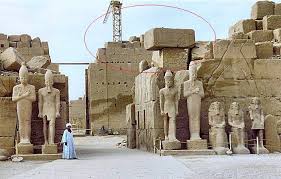
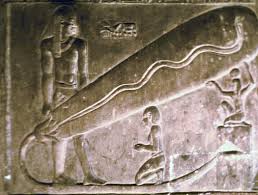
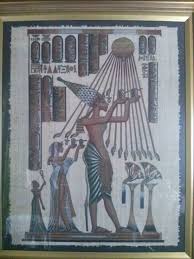
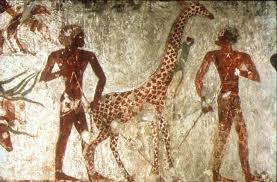
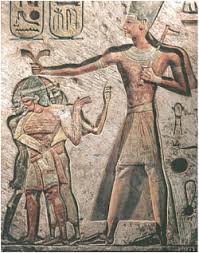
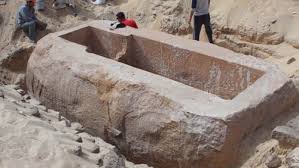 Kung Og av Basan var en jätte och “den ende som fanns kvar av rafaeerna”. Hans säng (eller kista) var nio alnar lång och fyra alnar bred: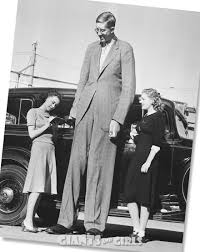
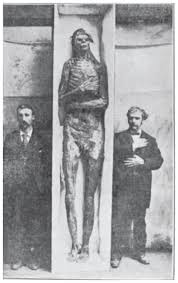



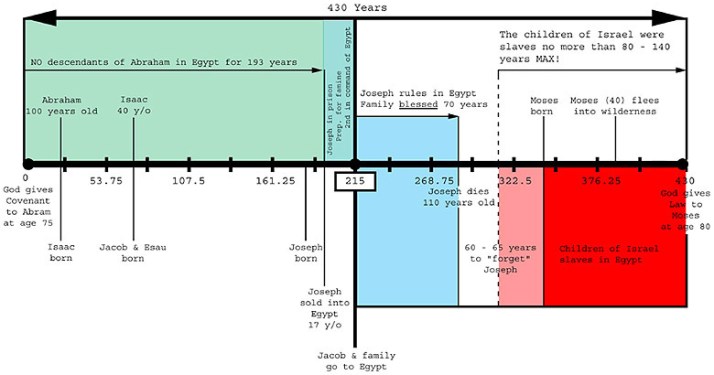


 2 Pet. 3:

 Bjorkbloggen