Tag Archive | sin

We are still risking GOD’s WRATH if we sin – penal substitution is wrong


Jesus did satisfy God’s wrath

God is not like an unruly child prone to throw tantrums whenever things do not go his way. The idea that his wrath can be “satisfied” by letting someone else take the blame, for whatever caused his anger, does not make much sense. So God the Father would pour out wrath on his son, and then all things suddenly change for the better and we will never risk his wrath again? No, Jesus died as a sin offering for our sins (compare with the animal sacrifice system in the Old Testament which was also in relation to sin offerings). God would not pour out wrath on an innocent person and pretend that this would somehow fix the guilt of mankind. Jesus shed his blood for us to REMOVE our sins (not to literally take our sins on or in himself) but this will not happen automatically but rather when we REPENT for our sins.

1 John 3:5 And ye know that he was manifested TO TAKE AWAY our sins; and in him is no sin.

John 1:29 The next day John seeth Jesus coming unto him, and saith, Behold the Lamb of God, WHICH TAKETH AWAY THE SIN OF THE WORLD.

Hebr. 9:26 For then must he often have suffered since the foundation of the world: but now once in the end of the world hath he appeared TO PUT AWAY SIN by the sacrifice of himself.—28 So Christ was once offered to bear the sins of many; and unto them that look for him shall he appear the second time without sin unto salvation.

Rom. 11:26 And so all Israel shall be saved: as it is written, There shall come out of Sion the Deliverer, and shall turn away ungodliness from Jacob:27 For this is my covenant unto them, when I SHALL TAKE AWAY their sins.

Ps. 103:12 As far as the east is from the west, so far hath he REMOVED our transgressions from us.

Notice the difference between these two descriptions about the atonement of Christ. The first one can lead to serious misunderstandings:

”Jesus paid for our SINS on the cross and died instead of us and in our place. He also took our punishment instead of us and satisfied God’s wrath”

”Jesus died as a sin offering for all mankind (a high price), and by doing so enabled whosoever to be saved on the condition that they believe and repent”

Examples of God’s wrath till active today and in the future

If Jesus truly ”satisfied God’s wrath” or ”took God’s wrath on himself and instead of us”, then none of us would have to risk being affected by God’s wrath ever again – but that is not the case. The Bible tells us that God will show wrath on those who refuse to believe and/or those who do evil and it does not say that Christians are exempted.

Romans 1:18 For the wrath of God is revealed from heaven AGAINST ALL UNGODLINESS AND UNRIGHTEOUSNESS OF MEN, who hold the truth in unrighteousness

Romans 2:5 But after thy hardness and IMPENITENT HEART treasurest up unto thyself wrath against the day of wrath and revelation of the righteous judgment of God

Romans 13:4 For he is the minister of God to thee for good. But IF THOU DO THAT WHICH IS EVIL, be afraid; for he beareth not the sword in vain: for he is the minister of God, a revenger to EXECUTE WRATH UPON HIM THAT DOETH EVIL

John 3:36 He who believes in the Son has eternal life; but he who does not obey the Son will not see life, but THE WRATH OF GOD ABIDES IN HIM.” (NASB)

“Children of disobedience” are adults who walk according to the course of this world, according to the lusts of their flesh, fulfilling the desires of their flesh and mind, etc. They are certainly not BORN that way but they can start bad habits and thus “by nature” be rebellious and sinful. No one is of course able to fulfill the desires of their flesh and mind before they even have either flesh or minds. This is rather self-evident, but I am saying this due to those who believe that “children of disobedience” are chosen to be exactly that before the world even began and before they are even born. Besides, many of those Christians to whom Paul wrote behaved in the same way, but they did not continue with this lifestyle. Those Christians were evidently not “non-elect” even though they earlier in life behaved just like children of disobedience. Just like the name/term suggests, it is all about disobeying – and Christians do not get a free card if they choose to live in disobedience.

Eph. 2:2 Wherein in time past ye walked according to the course of this world, according to the prince of the power of the air, the spirit that now worketh in the children of disobedience:3 Among whom also we all had our conversation in times past in the lusts of our flesh, fulfilling the desires of the flesh and of the mind; and were by nature the children of wrath, even as others.

Eph. 5:6 Let no man deceive you with vain words: for because of these things cometh the wrath of God upon the children of disobedience.

Col. 3:5 Mortify therefore your members which are upon the earth; fornication, uncleanness, inordinate affection, evil concupiscence, and covetousness, which is idolatry:For which things’ sake the wrath of God cometh on the children of disobedience:7 In the which ye also walked some time, when ye lived in them.8 But now ye also put off all these; anger, wrath, malice, blasphemy, filthy communication out of your mouth.

It is possible also for “sanctified” believers, for whom Jesus died, to be affected by the wrath of God and they will lose their salvation unless they repent:

Hebr. 10:26 For if we sin wilfully after that we have received the knowledge of the truth, there remaineth no more sacrifice for sins,27 But a certain fearful looking for of judgment and fiery indignation, which shall devour the adversaries.28 He that despised Moses’ law died without mercy under two or three witnesses:29 Of how much sorer punishment, suppose ye, shall he be thought worthy, who hath trodden under foot the Son of God, and hath counted the blood of the covenant, wherewith he was sanctified, an unholy thing, and hath done despite unto the Spirit of grace?30 For we know him that hath said, Vengeance belongeth unto me, I will recompense, saith the Lord. And again, The Lord shall judge his people.31 It is a fearful thing to fall into the hands of the living God.

Just like Christians are not exempted from God’s wrath if they no longer live holy lives, also God’s chosen people Israel were in trouble due to disobedience and many of them did not enter the promised land. They were also expected to place trust in God due to his wondrous works, but they disappointed God by being rebellious.

Ps. 78:31 The wrath of God came upon them, and slew the fattest of them, and smote down the chosen men of Israel.32 For all this they sinned still, and believed not for his wondrous works.

How should Calvinists live to PLEASE God?

Here is another thought for Calvinists – who believe that God is micromanaging all of our steps.

The Bible tells us what is pleasing to God and what is not pleasing to him, and surely a behavior that is not pleasing to God is also against his will? Or why would God predestine things to take place which he does not even like happening? The problem here is of course the Calvinistic idea that nothing comes to pass against the will of God, and in order to be consistent with the Calvinistic doctrines it is not enough to suggest that God merely “allows”  evil things to happen because that is rather the free-will approach. Calvinists do not believe that man has a will apart from God’s will, so they must believe that all things are predestined to happen precisely as they pan out (again – in order to be consistent with Calvinism). Therefore Calvinists are not really entitled to criticize anything or anyone, because that would be the same as criticizing God himself.

What is NOT pleasing to God?

1 Cor. 10:1 Moreover, brethren, I would not that ye should be ignorant, how that all our fathers were under the cloud, and all passed through the sea;2 And were all baptized unto Moses in the cloud and in the sea;3 And did all eat the same spiritual meat;4 And did all drink the same spiritual drink: for they drank of that spiritual Rock that followed them: and that Rock was Christ.But with many of them God was not well pleased: for they were overthrown in the wilderness.6 Now these things were our examples, to the intent we should not lust after evil things, as they also lusted.Neither be ye idolaters, as were some of them; as it is written, The people sat down to eat and drink, and rose up to play.Neither let us commit fornication, as some of them committed, and fell in one day three and twenty thousand.Neither let us tempt Christ, as some of them also tempted, and were destroyed of serpents.

Seems like God was not pleased with all of Israel’s behavior during the Exodus (despite that Israel was “chosen”), due to their idolatry, fornication, tempting God, etc. Neither did they enter the land of Canaan due to their unrighteous behavior, and this punishment could serve as a warning to us – so that we will maybe learn to not act in the way they did. Paul is listing things we simply should not do, and his warnings would be in vain if we were unable to act against the will of God. If Paul were a Calvinist, he would not need to spend time warning us about various matters but he would rather relax and remind himself of that God is behind whatever happens (which is fatalism). Unless of course people do evil things against the will of God, but that thought is not allowed for consistent Calvinists due to their understanding of God’s sovereignty (an unbiblical word that is much highlighted).

1 Thess. 2:14 For ye, brethren, became followers of the churches of God which in Judaea are in Christ Jesus: for ye also have suffered like things of your own countrymen, even as they have of the Jews:15 Who both killed the Lord Jesus, and their own prophets, and have persecuted us; and they please not God, and are contrary to all men:16 Forbidding us to speak to the Gentiles that they might be saved, to fill up their sins alway: for the wrath is come upon them to the uttermost.17 But we, brethren, being taken from you for a short time in presence, not in heart, endeavoured the more abundantly to see your face with great desire.18 Wherefore we would have come unto you, even I Paul, once and again; but Satan hindered us.

Above we can read about some Jews who were guilty of having killed Jesus Christ, killed God’s prophets, persecuted Christians as well as forbidding them to speak to Gentiles about salvation. It is not surprising to learn that they did not please God due to these sins, and that they had to expect God’s wrath due to their evil behavior. So was is Satan or God who caused them to act in a way that did not please God?

Rom. 8:5 For they that are after the flesh do mind the things of the flesh; but they that are after the Spirit the things of the Spirit.6 For to be carnally minded is death; but to be spiritually minded is life and peace.7 Because the carnal mind is enmity against God: for it is not subject to the law of God, neither indeed can be.8 So then they that are in the flesh cannot please God.

They that are in the flesh cannot please God, so the solution is to not be in the flesh but to live after the Spirit. Paul is clearly laying out the options for us – obeying sin or righteousness and if we obey the former we will be slaves to sin and not free. To be carnally minded is the same as enmity against God, and why would God cause anyone to have a carnal mind? Some Calvinists might suggest that God did not cause such things at all but that it is rather in some people’s own nature to be carnally minded. But were they carnally minded against God’s will? Did they have an option to not be born as wicked non-elect individuals with carnal minds? Did Jesus die for them? The answer would have to be No to all those questions in order to be consistent with Calvinism.

calvinsm 49 IS pleasing to God?

Hebr. 13:15 By him therefore let us offer the sacrifice of praise to God continually, that is, the fruit of our lips giving thanks to his name.16 But to do good and to communicate forget not: for with such sacrifices God is well pleased.17 Obey them that have the rule over you, and submit yourselves: for they watch for your souls, as they that must give account, that they may do it with joy, and not with grief: for that is unprofitable for you.

Apparently God is well pleased when we praise him continually, give thanks to his name and do good. Should we conclude that God is only pleased when the elect do such things, but not when it comes to the non-elect? Why would God prevent certain people (those who are born as non-elect, and for whom Jesus did not die) from behaving in a way that is pleasing to him?

Hebr. 11:5 By faith Enoch was translated that he should not see death; and was notfound, because God had translated him: for before his translation he had this testimony, that he pleased God.6 But without faith it is impossible to please him: for he that cometh to God must believe that he is, and that he is a rewarder of them that diligently seek him.

Without faith it is impossible to please God (and already when we come to God we must believe that he is), so would not this mean that God wants people to believe in him so that he will be pleased? It is easy to understand why God is pleased each time a person believes and repents for his sins, because that would mean yet another saved soul. There is joy in heaven each time a person repents. In the Calvinistic world, however, the only way to try to save their doctrines would be to somehow suggest that God does not want all people to repent, believe and do good (the non-elect).

Luke 15:7 I say unto you, that likewise joy shall be in heaven over one sinner that repenteth, more than over ninety and nine just persons, which need no repentance

How is God glorified?

John 15:8 Herein is my Father glorified, that ye bear much fruit; so shall ye be my disciples.9 As the Father hath loved me, so have I loved you: continue ye in my love.10 If ye keep my commandments, ye shall abide in my love; even as I have kept my Father’s commandments, and abide in his love.

Surely it is good for man to glorify God, or is it the same thing here that God only wants some people to glorify him? Above, Jesus is talking to his disciples (and all of us) and tells them that his Father is glorified when they bear much fruit so that they can be his disciples. Jesus continues to say that IF they keep his commandments, they shall abide in his love. Why would God prevent some people from glorifying him, bearing much fruit and keep his commandments? Did those unfortunate people who were chosen to be wicked non-elect sinners from the foundation of the world have a chance to do good deeds which could glorify the Father? Hardly if they were born as the non-elect natural sinners they were chosen to be long before birth. Salvation would be out of their reach due to being doomed from the very start.

1 Pet. 4:11 If any man speak, let him speak as the oracles of God; if any man minister, let him do it as of the ability which God giveth: that God in all things may be glorified through Jesus Christ, to whom be praise and dominion for ever and ever. Amen.

Seems rather clear that it is pleasing for God to in all things be glorified, because he certainly deserves it and because we need to focus on our Creator and Savior. Yet, we are supposed to believe that God would not enable all people to do this? And he would still send people to hell for refusing to glorify him – which he prevented them from doing?

Rom. 1:18 For the wrath of God is revealed from heaven against all ungodliness and unrighteousness of men, who hold the truth in unrighteousness;19 Because that which may be known of God is manifest in them; for God hath shewed it unto them.20 For the invisible things of him from the creation of the world are clearly seen, being understood by the things that are made, even his eternal power and Godhead; so that they are without excuse:21 Because that, when they knew God, they glorified him not as God, neither were thankful; but became vain in their imaginations, and their foolish heart was darkened.22 Professing themselves to be wise, they became fools,

Above we can read about people who choose not to glorify God despite that they have been shown all about God and his creation by God himself. So despite having the opportunity to accept the Creator, they still refuse to glorify him or being thankful for what he has done for them (of course, if Calvinism is true there would not be anything for the non-elect to be thankful for). Due to their failure to do so, God’s wrath is revealed from heaven over all ungodliness and unrighteousness of men. It certainly looks like all forms of unrighteousness is detested by God, so it is hard to believe he would not only tempt people but cause them to perform evil deeds.

The NT Bible authors claim that SIN continues to risk spiritual DEATH

The Bible authors about our capacity to avoid sinning

Most christians understand that sin does not please God and that born again christians should avoid it. Still, the same christians might also suggest that we can never truly stop sinning. There are many agnostics and even atheists also live pretty good moral lives, so what is the difference between christians and non-christians if the fruit is the same? Are we supposed to believe there are sinning saints who are saved because they believe in God and because they perhaps “do their best” to avoid sinning?

Many believe that we are saved by faith alone (despite that Ja. 2:24 says the opposite), but having a lack of belief in God appears to be one sin among others sins which separate us from him:

Rev. 21:8 But the fearful, and unbelieving, and the abominable, and murderers, and whoremongers, and sorcerers, and idolaters, and all liars, shall have their part in the lake which burneth with fire and brimstone: which is the second death.

“Unbelieving” is a translation from the Greek adjective apistos (Strong’s 571) which in the KJV is translated: that believe not (6x), unbelieving (5x), faithless (4x), unbeliever (4x), infidel (2x), thing incredible (1x), which believe not (1x).

Sinning does not merely affect our “relationship with God”, but sinning continues to risk our souls. If we want to have a healthy and prosperous relationship with God, we are faithful to him and the same thing applies if we want to have a prosperous relationship with a spouse. Repentance is a requirement for being cleansed from past sins, but combining obedience and disobedience is not true repentance and does not lead to salvation. It is true that we do not only get one single chance and then we are out, but true repentance signifies a completely new mind-set. The idea is to leave the old man behind and this can be achieved with the help of the holy Spirit. We can successfully live in complete victory over sin here and now. Yes, we are saved by grace, which we do not deserve and thanks to God’s kindness, but what does this really mean?

Titus 2:11 For the grace of God that bringeth salvation hath appeared to all men,12 Teaching us that, denying ungodliness and worldly lusts, we should live soberly, righteously, and godly, in this present world

Let us not forget that it was SATAN who introduced the idea that sin will not cause death, but as we all know he LIED because the opposite is true. This means that the following common church teachings are all false: “once saved always saved”, “we can’t stop sinning”, “thanks to Jesus death on the cross we no longer have to risk separation from God”, “Jesus has paid for our sins so now we no longer have to fear any consequences for our sins”, “God has forgiven all our sins – past, present and future sins”, “we have been provided Jesus righteousness, which means that God can no longer see our sins but only the blood of Jesus”, “we are born with a sinful nature which makes us sin”, “God accepts us just as we are”, “as long as we feel bad about our sins, God will forgive us”, “we are saved by faith alone, which means that our deeds won’t affect our salvation”, “we are saved by grace, which means that obedience is not essential for salvation”, etc.

Gen. 3:4 And the serpent said unto the woman, YE SHALL NOT SURELY DIE

Jesus does not say that christians can afford to sin without risking spiritual deathgrace 5

Mark 9:45 And if thy foot offend thee, cut it off: it is better for thee to enter halt into life, than having two feet to be cast into hell, into the fire that never shall be quenched:46 Where their worm dieth not, and the fire is not quenched.47 And if thine eye offend thee, pluck it out: it is better for thee to enter into the kingdom of God with one eye, than having two eyes to be cast into hell fire:

John 3:36 He who believes (Strong’s 4100) in the Son has eternal life; but he who does not obey (Strong’s 544) the Son will not see life, but the wrath of God abides on him. (NASB)

John 5:14 Afterward Jesus findeth him in the temple, and said unto him, Behold, thou art made whole: sin no more, lest a worse thing come unto thee.

John 14:15 If ye love me, keep my commandments.-21 He that hath my commandments, and keepeth them, he it is that loveth me: and he that loveth me shall be loved of my Father, and I will love him, and will manifest myself to him.—23 Jesus answered and said unto him, If a man love me, he will keep my words: and my Father will love him, and we will come unto him, and make our abode with him.24 He that loveth me not keepeth not my sayings: and the word which ye hear is not mine, but the Father’s which sent me.

John 15:6 If a man abide not in me, he is cast forth as a branch, and is withered; and men gather them, and cast them into the fire, and they are burned.—8 Herein is my Father glorified, that ye bear much fruit; so shall ye be my disciples.9 As the Father hath loved me, so have I loved you: continue ye in my love.10 If ye keep my commandments, ye shall abide in my love; even as I have kept my Father’s commandments, and abide in his love.—14 Ye are my friends, if ye do whatsoever I command you.

Matt 10:22 And ye shall be hated of all men for my name’s sake: but he that endureth to the end shall be saved.

Matt. 5:20 For I say unto you, That except your righteousness shall exceed the righteousness of the scribes and Pharisees, ye shall in no case enter into the kingdom of heaven.

Rev. 22:14 Blessed are they that do his commandments, that they may have right to the tree of life, and may enter in through the gates into the city.

Paul does not say that christians can afford to sin without risking spiritual death

Rom 6:6 Knowing this, that our old man is crucified with him, that the body of sin might be destroyed, that henceforth we should not serve sin.-12 Let not sin therefore reign in your mortal body, that ye should obey it in the lusts thereof.13 Neither yield ye your members as instruments of unrighteousness unto sin: but yield yourselves unto God, as those that are alive from the dead, and your members as instruments of righteousness unto God.—15 What then? shall we sin, because we are not under the law, but under grace? God forbid.16 Know ye not, that to whom ye yield yourselves servants to obey, his servants ye are to whom ye obey; whether of sin unto death, or of obedience unto righteousness?17 But God be thanked, that ye were the servants of sin, but ye have obeyed from the heart that form of doctrine which was delivered you.18 Being then made free from sin, ye became the servants of righteousness.19 I speak after the manner of men because of the infirmity of your flesh: for as ye have yielded your members servants to uncleanness and to iniquity unto iniquity; even so now yield your members servants to righteousness unto holiness.20 For when ye were the servants of sin, ye were free from righteousness.21 What fruit had ye then in those things whereof ye are now ashamed? for the end of those things is death.22 But now being made free from sin, and become servants to God, ye have your fruit unto holiness, and the end everlasting life.23 For the wages of sin is death; but the gift of God is eternal life through Jesus Christ our Lord.

Rom. 8:13 For if ye live after the flesh, ye shall die: but if ye through the Spirit do mortify the deeds of the body, ye shall live.14 For as many as are led by the Spirit of God, they are the sons of God.

1 Cor 6:Know ye not that the unrighteous shall not inherit the kingdom of God? Be not deceived: neither fornicators, nor idolaters, nor adulterers, nor effeminate, nor abusers of themselves with mankind,10 Nor thieves, nor covetous, nor drunkards, nor revilers, nor extortioners, shall inherit the kingdom of God.11 And such were some of you: but ye are washed, but ye are sanctified, but ye are justified in the name of the Lord Jesus, and by the Spirit of our God.

Eph. 5:3 But fornication, and all uncleanness, or covetousness, let it not be once named among you, as becometh saints;4 Neither filthiness, nor foolish talking, nor jesting, which are not convenient: but rather giving of thanks.5 For this ye know, that no whoremonger, nor unclean person, nor covetous man, who is an idolater, hath any inheritance in the kingdom of Christ and of God.Let no man deceive you with vain words: for because of these things cometh the wrath of God upon the children of disobedience.7 Be not ye therefore partakers with them.8 For ye were sometimes darkness, but now are ye light in the Lord: walk as children of light:

Gal. 5:16 This I say then, Walk in the Spirit, and ye shall not fulfil the lust of the flesh.18 But if ye be led of the Spirit, ye are not under the law.19 Now the works of the flesh are manifest, which are these; Adultery, fornication, uncleanness, lasciviousness,20 Idolatry, witchcraft, hatred, variance, emulations, wrath, strife, seditions, heresies,21 Envyings, murders, drunkenness, revellings, and such like: of the which I tell you before, as I have also told you in time past, that they which do such things shall not inherit the kingdom of God.

1 Cor 7:9 Circumcision is nothing, and uncircumcision is nothing, but the keeping of the commandments of God.

John does not say that christians can afford to sin without risking spiritual death

1 John 3:6 Whosoever abideth in him sinneth not: whosoever sinneth hath not seen him, neither known him.7 Little children, let no man deceive you: he that doeth righteousness is righteous, even as he is righteous.He that committeth sin is of the devil; for the devil sinneth from the beginning. For this purpose the Son of God was manifested, that he might destroy the works of the devil.Whosoever is born of God doth not commit sin; for his seed remaineth in him: and he cannot sin, because he is born of God.10 In this the children of God are manifest, and the children of the devil: whosoever doeth not righteousness is not of God, neither he that loveth not his brother.

1 John 2:3 And hereby we do know that we know him, if we keep his commandments.He that saith, I know him, and keepeth not his commandments, is a liar, and the truth is not in him.5 But whoso keepeth his word, in him verily is the love of God perfected: hereby know we that we are in him.He that saith he abideth in him ought himself also so to walk, even as he walked.

John 9:31 Now we know that God heareth not sinners: but if any man be a worshipper of God, and doeth his will, him he heareth.

Rev. 21:27 (The new Jerusalem) And there shall in no wise enter into it any thing that defileth, neither whatsoever worketh abomination, or maketh a lie: but they which are written in the Lamb’s book of life.

Peter does not say that christians can afford to sin without risking spiritual death

Acts 10:34 Then Peter opened his mouth, and said, Of a truth I perceive that God is no respecter of persons:35 But in every nation he that feareth him, and worketh righteousness, is accepted with him.

1 Pet. 4:17 For the time is come that judgment must begin at the house of God: and if it first begin at us, what shall the end be of them that obey not the gospel of God?18 And if the righteous scarcely be saved, where shall the ungodly and the sinner appear?19 Wherefore let them that suffer according to the will of God commit the keeping of their souls to him in well doing, as unto a faithful Creator.

1 Peter. 3:10 For he that will love life, and see good days, let him refrain his tongue from evil, and his lips that they speak no guile:11 Let him eschew evil, and do good; let him seek peace, and ensue it.12 For the eyes of the Lord are over the righteous, and his ears are open unto their prayers: but the face of the Lord is against them that do evil.13 And who is he that will harm you, if ye be followers of that which is good?

2 Peter. 2:1 But there were false prophets also among the people, even as there shall be false teachers among you, who privily shall bring in damnable heresies, even denying the Lord that bought them, and bring upon themselves swift destruction.2 And many shall follow their pernicious ways; by reason of whom the way of truth shall be evil spoken of.10 But chiefly them that walk after the flesh in the lust of uncleanness, and despise government. Presumptuous are they, selfwilled, they are not afraid to speak evil of dignities.—10 But chiefly them that walk after the flesh in the lust of uncleanness, and despise government. Presumptuous are they, selfwilled, they are not afraid to speak evil of dignities.—18 For when they speak great swelling words of vanity, they allure through the lusts of the flesh, through much wantonness, those that were clean escaped from them who live in error.19 While they promise them liberty, they themselves are the servants of corruption: for of whom a man is overcome, of the same is he brought in bondage.20 For if after they have escaped the pollutions of the world through the knowledge of the Lord and Saviour Jesus Christ, they are again entangled therein, and overcome, the latter end is worse with them than the beginning.21 For it had been better for them not to have known the way of righteousness, than, after they have known it, to turn from the holy commandment delivered unto them.22 But it is happened unto them according to the true proverb, The dog is turned to his own vomit again; and the sow that was washed to her wallowing in the mire.

Jude does not say that christians can afford to sin without risking spiritual death

Juda 1:4 For there are certain men crept in unawares, who were before of old ordained to this condemnation, ungodly men, turning the grace of our God into lasciviousness, and denying the only Lord God, and our Lord Jesus Christ.5 I will therefore put you in remembrance, though ye once knew this, how that the Lord, having saved the people out of the land of Egypt, afterward destroyed them that believed not.

James does not say that christians can afford to sin without risking spiritual death

Ja. 1:14 But every man is tempted, when he is drawn away of his own lust, and enticed.15 Then when lust hath conceived, it bringeth forth sin: and sin, when it is finished, bringeth forth death.16 Do not err, my beloved brethren.—21 Wherefore lay apart all filthiness and superfluity of naughtiness, and receive with meekness the engrafted word, which is able to save your souls.22 But be ye doers of the word, and not hearers only, deceiving your own selves.26 If any man among you seem to be religious, and bridleth not his tongue, but deceiveth his own heart, this man’s religion is vain.

Ja. 5:19 Brethren, if any of you do err from the truth, and one convert him;20 Let him know, that he which converteth the sinner from the error of his way shall save a soul from death, and shall hide a multitude of sins.

Ja. 2:14 What doth it profit, my brethren, though a man say he hath faith, and have not works? can faith save him?17 Even so faith, if it hath not works, is dead, being alone.18 Yea, a man may say, Thou hast faith, and I have works: shew me thy faith without thy works, and I will shew thee my faith by my works.19 Thou believest that there is one God; thou doest well: the devils also believe, and tremble.20 But wilt thou know, O vain man, that faith without works is dead?21 Was not Abraham our father justified by works, when he had offered Isaac his son upon the altar?22 Seest thou how faith wrought with his works, and by works was faith made perfect?23 And the scripture was fulfilled which saith, Abraham believed God, and it was imputed unto him for righteousness: and he was called the Friend of God.24 Ye see then how that by works a man is justified, and not by faith only.25 Likewise also was not Rahab the harlot justified by works, when she had received the messengers, and had sent them out another way?26 For as the body without the spirit is dead, so faith without works is dead also.

The Hebrew writer does not say that christians can afford to sin without risking spiritual death

Hebr 5:9 And being made perfect, he became the author of eternal salvation unto all them that obey him;

Hebr. 10:29 Of how much sorer punishment, suppose ye, shall he be thought worthy, who hath trodden under foot the Son of God, and hath counted the blood of the covenant, wherewith he was sanctified, an unholy thing, and hath done despite unto the Spirit of grace?

God does not say that christians can afford to sin without risking spiritual death

Mal 2:17 Ye have wearied the Lord with your words. Yet ye say, Wherein have we wearied him? When ye say, Every one that doeth evil is good in the sight of the Lord, and he delighteth in them; or, Where is the God of judgment?

Isa. 59:2 But your iniquities have separated between you and your God, and your sins have hid his face from you, that he will not hear.

Ezekiel 18:4 Behold, all souls are mine; as the soul of the father, so also the soul of the son is mine: the soul that sinneth, it shall die.5 But if a man be just, and do that which is lawful and right, 9 Hath walked in my statutes, and hath kept my judgments, to deal truly; he is just, he shall surely live, saith the Lord God.13 Hath given forth upon usury, and hath taken increase: shall he then live? he shall not live: he hath done all these abominations; he shall surely die; his blood shall be upon him. 18 As for his father, because he cruelly oppressed, spoiled his brother by violence, and did that which is not good among his people, lo, even he shall die in his iniquity.19 Yet say ye, Why? doth not the son bear the iniquity of the father? When the son hath done that which is lawful and right, and hath kept all my statutes, and hath done them, he shall surely live.20 The soul that sinneth, it shall die. The son shall not bear the iniquity of the father, neither shall the father bear the iniquity of the son: the righteousness of the righteous shall be upon him, and the wickedness of the wicked shall be upon him.21 But if the wicked will turn from all his sins that he hath committed, and keep all my statutes, and do that which is lawful and right, he shall surely live, he shall not die.22 All his transgressions that he hath committed, they shall not be mentioned unto him: in his righteousness that he hath done he shall live.23 Have I any pleasure at all that the wicked should die? saith the Lord God: and not that he should return from his ways, and live?24 But when the righteous turneth away from his righteousness, and committeth iniquity, and doeth according to all the abominations that the wicked man doeth, shall he live? All his righteousness that he hath done shall not be mentioned: in his trespass that he hath trespassed, and in his sin that he hath sinned, in them shall he die.25 Yet ye say, The way of the Lord is not equal. Hear now, O house of Israel; Is not my way equal? are not your ways unequal?26 When a righteous man turneth away from his righteousness, and committeth iniquity, and dieth in them; for his iniquity that he hath done shall he die.27 Again, when the wicked man turneth away from his wickedness that he hath committed, and doeth that which is lawful and right, he shall save his soul alive.28 Because he considereth, and turneth away from all his transgressions that he hath committed, he shall surely live, he shall not die.29 Yet saith the house of Israel, The way of the Lord is not equal. O house of Israel, are not my ways equal? are not your ways unequal?30 Therefore I will judge you, O house of Israel, every one according to his ways, saith the Lord God. Repent, and turn yourselves from all your transgressions; so iniquity shall not be your ruin.31 Cast away from you all your transgressions, whereby ye have transgressed; and make you a new heart and a new spirit: for why will ye die, O house of Israel?32 For I have no pleasure in the death of him that dieth, saith the Lord God: wherefore turn yourselves, and live ye.

Gen. 4:7 If thou doest well, shalt thou not be accepted? and if thou doest not well, sin lieth at the door. And unto thee shall be his desire, and thou shalt rule over him.

God’s will or man’s will? Bible verses showing clear FREE WILL examples

matt. 12

Verses used to suggest that God’s will always happens

The Bible is replete with verses that show how God is warning, begging, urging, persuading and pleading with people to do his will, and other verses which show his anger, disappointment, sadness, etc, when they do not. Man’s free will choices are very apparent in the Bible, and yet there are christians (like calvinists – if they want to be consistent with their doctrines) who believe that man is not able to act against God’s will at any time. The article would be too long to include all verses which show man’s free will (isn’t that close to 1/3 of the Bible?), but further down below are a few examples.

First a few verses which calvinists often use to support the idea that God’s will (whether people sin or not) always happens. For the most part they try to defend the bible contradictions they themselves produce by suggesting that God has two wills. (Just as though our Lord has conflicting wills, and just as though at least one of them wants man to sin and be evil…). If God’s will always happens – what is SIN? Surely not breaking the God’s commandments which can’t be broken?

Rom. 9:19 Thou wilt say then unto me, Why doth he yet find fault? For who hath resisted his will?

The topic is God’s prerogative to bring about salvation in any way he wants, and Paul is trying to make the jews understand that they are not saved only because they are born jews – Rom 9:2-9; 24-33. He mentions that he has grief in his heart due to being deeply concerned about his countrymen (something that should not bother him, had he trusted in that God’s will always happens), and that the blood line of Jacob will brought forth the Messiah. He also emphasizes that people are being saved due to God’s mercy – but certainly not unconditionally. God has the right to show mercy on those who choose to believe, and harden those who stubbornly sin like Pharaoh did. (The mere fact that God chooses to harden people shows that their hearts were not fully hardened to start with.) If God decides to arrange his salvation plan in this particular way, there is no way anyone can resist his will because it’s his exclusive right. That is the subject of  his “will” here, and it does not say that God can not change his mind and/or let man’s will happen in other areas. We already know from the Bible that God has changed his mind in numerous occasions due to man’s actions – like in response to man’s repentance.

Ps 115:3 But our God is in the heavens: he hath done whatsoever he hath pleased.

Ps 135:5 For I know that the Lord is great, and that our Lord is above all gods.6 Whatsoever the Lord pleased, that did he in heaven, and in earth, in the seas, and all deep places.7 He causeth the vapours to ascend from the ends of the earth; he maketh lightnings for the rain; he bringeth the wind out of his treasuries.8 Who smote the firstborn of Egypt, both of man and beast.

The above are psalms, and psalms can contain poetic language. That is why we should be careful to not use psalms and proverbs to start new doctrines. Yes, God has done whatsoever he pleases, but it does not say that he likes to micro manage human kind nor that he predestines every thing that happens. It could definitely have pleased God to create man with a free will. The point is that no one is like God, and it would not make sense to argue with him or try to find faults. God created man animals and the entire universe in exactly the way he pleased. It pleased God to create man with free will, despite knowing that man might use this will to disobey him. Israel often chose to do just that:

Psalm 81:11 But my people would not hearken to my voice; and Israel would none of me

More examples where God is described as the mighty one who has created everything exactly as he wants:

Is. 46:5 “To whom will you liken Me, and make Me equal And compare Me, that we should be alike?6 They lavish gold out of the bag, And weigh silver on the scales; They hire a goldsmith, and he makes it a god; They prostrate themselves, yes, they worship.—8“Remember this, and show yourselves men; Recall to mind, O you transgressors.9 Remember the former things of old, For I am God, and there is no other; I am God, and there is none like Me,10 Declaring the end from the beginning, And from ancient times things that are not yet done, Saying, ‘My counsel shall stand, And I will do all My pleasure,’—12 “Listen to Me, you stubborn-hearted, Who are far from righteousness: (NKJV)

Isaiah is referring to God’s creation in general terms. God may have created everything as he pleased (the foundation), but this does not mean that he programmed human beings to always obey him. A universe that works in that way (filled with programmed robots) would not please him. Above we can read that man can choose to worship false gods and be stubborn-hearted. They are referred to as transgressors. Transgressors of what? Surely the law of God? They are far from being those righteous people who God would have wanted.

Isaiah 14:21 Prepare slaughter for his children BECAUSE of the iniquity of their fathers, Lest they rise up and possess the land, And fill the face of the world with cities.”—24  The Lord of hosts has sworn, saying,“Surely, as I have thought, so it shall come to pass, And as I have purposed, so it shall stand:25 That I will break the Assyrian in My land, And on My mountains tread him underfoot.Then his yoke shall be removed from them, And his burden removed from their shoulders.26 This is the purpose that is purposed against the whole earth, And this is the hand that is stretched out over all the nations.27 For the Lord of hosts has purposed, And who will annul it? His hand is stretched out, And who will turn it back?” (NKJV)

The horrible events that Isaiah is warning about, are due to man’s actions. Isaiah suggests, that unless the children of the sinful fathers are not killed the same would grow up and act in the very same way as their parents and fill the world with cities (and their wickedness). Who else than a Creator could figure this out with certainty, and who else has the authority to do something about it? Apparently God is not pleased with either the fathers or how the bring up their children. What we can read “will come to pass” above, is not every single detail under the sun, but those things listed in this context.

Jer. 4:27 For thus says the Lord:“The whole land shall be desolate; Yet I will not make a full end.28 For this shall the earth mourn, And the heavens above be black, Because I have spoken. I have purposed and will not relent, Nor will I turn back from it.29 The whole city shall flee from the noise of the horsemen and bowmen.They shall go into thickets and climb up on the rocks.Every city shall be forsaken, And not a man shall dwell in it. (NKJV)

Job 42:2 I know that You can do everything, And that no purpose of Yours can be withheld from You. (NKJV)

Same thing here. It’s about showing that God can do anything he wants, and if he has truly decided to bring something about (like the global flood) it will happen. He might also choose to wait with his decisions depending on mans’ actions.

Eph. 1:7 IN HIM we have redemption through His blood, the forgiveness of sins, according to the riches of His grace 8 which He made to abound toward us in all wisdom and prudence, 9 having made known to us the mystery of His will, according to His good pleasure which He purposed in Himself, 10 that in the dispensation of the fullness of the times He might gather together in one all things IN CHRIST, both which are in heaven and which are on earth—IN HIM. 11 IN HIM also we have obtained an inheritance, being predestined according to the purpose of Him who works all things according to the counsel of His will, 12 that we who first trusted IN CHRIST should be to the praise of His glory.13  IN HIM you also trusted, after you heard the word of truth, the gospel of your salvation; IN WHOM also, having believed, you were sealed with the Holy Spirit of promise, 14 who is the guarantee of our inheritance until the redemption of the purchased possession, to the praise of His glory. (NKJV)

The promises in Eph 1-2 are only tied to those who are IN CHRIST, and we are in Christ only if we believe in him – and naturally show our faith with our deeds. As children of God we have been given the holy Spirit and the promise/guarantee that we will enter the kingdom of God because we belong to the body of Christ. However, this promise is still hinged on the condition of faith/loving God. If we no longer believe or bear fruit (see John 15), we are no longer in Christ. If you get a guarantee receipt you need to read the fine print, and you can’t expect to make use of your receipt if you throw it away. God “works all things according to the counsel of His will”, but this does not mean he has a desire to force salvation on someone, nor save someone who has turned to living in sin. It’s about his marvelous salvation plan, and the wonderful promises to those who are IN CHRIST.

Verses that show that God’s will does not always happenacts 17
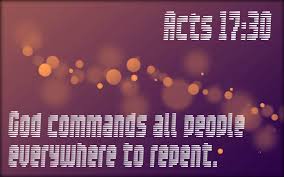
Matt. 7:21 Not every one that saith unto me, Lord, Lord, shall enter into the kingdom of heaven; but HE THAT DOETH THE WILL OF MY FATHER which is in heaven.

“He that doeth the will of my Father”? Apparently the Father’s will does not always happen, since Jesus seems to separate those who do the will of his Father from those who do not. If everyone would always do the will of God – whether good or bad – then everyone would enter the kingdom of God, according to this verse.

Matt. 12.50 For WHOSOEVER SHALL DO THE WILL OF MY FATHER which is in heaven, the same is my brother, and sister, and mother. (Mark 3:35)

“Whosoever shall do the will of my Father”? If everyone would always do the will of God – whether good or bad – then the same would be Jesus “brother, and sister, and mother”. (Meaning universalism).

John 7:17 IF ANY MAN WILL DO HIS WILL, he shall know of the doctrine, whether it be of God, or whether I speak of myself.

“If any man will do his will?” Apparently Jesus does not believe that everyone always does the will of God.

John 9:31 Now we know that God heareth not sinners: but if any man be a worshipper of God, and DOETH HIS WILL, him he heareth.

“If any man—doeth his will”? Again, apparently Jesus does not side with the idea that God’s will always happens. Jesus separates those who worship God and obey him (doeth his will) with those who are SINNERS. This suggests that sinners are not doing the will of God (quite obviously since “sin” by definition is an action against God’s commandments).

1 John 2:16 For all that is in the world, the lust of the flesh, and the lust of the eyes, and the pride of life, is not of the Father, but is of the world.17 And the world passeth away, and the lust thereof: but HE THAT DOETH THE WILL OF GOD ABIDETH FOR EVER. 

“He that doeth the will of God abideth for ever”? If everyone would always do the will of God, then everyone would abide for ever. Since everyone does not get saved according to the Bible, it shows that some people are not doing the will of God, and God’s will does not always happen. Moreover, the previous verse tells us that “the lust of the flesh, and the lust of the eyes, and the pride of life, is not of the Father, but is of the world”. No wonder we can read that such things are not of the Father since the things listed are clear sins (of the world). If such worldly things take place, they are obviously against God’s will and “not of the Father” as John plainly states.

Hebr. 10: 36 For you have need of endurance, so that after you have done the will of God, you may receive the promise (NKJV)

Why must we have endurance/patience? What happens if we lack in patience? Would that result in a scenario where we do not always do the will of God? Would we still receive the promise if we failed to show endurance? The author does not seem to think so. Why would he warn us about something that could never take place?

Col. 4:12 Epaphras, who is one of you, a servant of Christ, saluteth you, always labouring fervently for you in prayers, that ye may stand perfect and complete in all the will of God.

Ok, and what would happen if Epaphras would not labor fervently for the Colossians in prayers with the aim to make them stand complete in the will of God? Would they stand perfect and complete in the will of God regardless of prayers? Why pray if everyone always performs the will of God at all times?

Mark 13:14“So when you see the ‘abomination of desolation,’ spoken of by Daniel the prophet, standing WHERE IT OUGHT NOT” (let the reader understand), “then let those who are in Judea flee to the mountains. (NKJV)

“Ought not” according to whom? God?

Luke 12:16 Then He spoke a parable to them, saying: “The ground of a certain rich man yielded plentifully.17 And he thought within himself, saying, ‘What shall I do, since I have no room to store my crops?’ 18 So he said, ‘I will do this: I will pull down my barns and build greater, and there I will store all my crops and my goods. 19 And I will say to my soul, “Soul, you have many goods laid up for many years; take your ease; eat, drink, and be merry.”’ 20 But God said to him, ‘Fool! This night your soul will be required of you; then whose will those things be which you have provided?’21 “So is he who lays up treasure for himself, and is not rich toward God.”

Why did God call the rich man “fool“? Surely it would not be foolish to accomplish God’s will perfectly? This parable seems to be there as a warning, but how could this be if it’s not possible to act in the foolish way that is described in the parable?

Rom. 12:2 And be not conformed to this world: but be ye transformed by the renewing of your mind, that ye may prove what is that good, and acceptable, and perfect, will of God.3 For I say, through the grace given unto me, to every man that is among you, not to think of himself more highly than he ought to think; but to think soberly, according as God hath dealt to every man the measure of faith.

Apparently Paul does not think it’s a good idea to be conformed to this world, and urges us to renew our minds so that we can learn what is the perfect will of God. This means it’s up to us to start this process. Paul continues to tell his readers what they “ought not”, which suggests that they might act in an opposite way which is not approved by God.

Luke 18:1 Then He spoke a parable to them, that men always ought to pray and not lose heart (NKJV)

Jesus does not suggest that only believers ought to pray, but “men” (can be translated all mankind, or men and women) should always pray and not lose heart. We know that not all men do this, so God’s will does not always happen.

1 Tim. 5:13 And besides they learn to be idle, wandering about from house to house, and not only idle but also gossips and busybodies, SAYING THINGS WHICH THEY OUGHT NOT. (NKJV)

So they were saying things which they ought not, according to Paul? Interesting.

Titus 1:10 For there are many insubordinate, both idle talkers and deceivers, especially those of the circumcision, 11 whose mouths must be stopped, who subvert whole households, teaching things which they OUGHT NOT, for the sake of dishonest gain. (NKJV)

More people who are saying things which they ought not.

Hebr. 5:12 For though by this time you OUGHT TO BE teachers, you need someone to teach you again the first principles of the oracles of God; and you have come to need milk and not solid food. (NKJV)

The author of Hebrews clearly does not believe God’s will always happens.

Jam. 3:Out of the same mouth proceed blessing and cursing. My brethren, these things ought not to be so.

If they ought not to be so, then clearly God’s will does not always happen.

Ephesians 6:6 Not with eyeservice, as menpleasers; but as the servants of Christ, doing the will of God from the heart;

Do we have any other option?

Col. 3:23 And whatever you do, do it heartily, as to the Lord and not to men, 24 knowing that from the Lord you will receive the reward of the inheritance; for you serve the Lord Christ. 25 But HE WHO DOES WRONG will be repaid for what he has done, and there is no partiality. (NKJV)

“He who does wrong”? In a world where God’s will always happens?

Acts 7:51 Ye stiffnecked and uncircumcised in heart and ears, ye do always resist the Holy Ghost: as your fathers did, so do ye.

Luke 7:30 But the Pharisees and lawyers rejected the will of God for themselves, not having been baptized by him. (NKJV)

Resisting the Holy Ghost is resisting God.


Acts 13:21 And afterward they desired a king: and God gave unto them Saul the son of Cis, a man of the tribe of Benjamin, by the space of forty years.22 And when he had removed him, he raised up unto them David to be their king; to whom also he gave their testimony, and said, I have found David the son of Jesse, a man after mine own heart, which shall fulfil all my will.

In 1 Sam. 8 we can read that God did not think it was a good idea to set up a king for Israel at this time. In fact, he thought it was a very bad idea and warned the Israelites against it. When they were still adamant about the project, God gave in to their wishes. Still, God ended up regretting making Saul to be a king (1 Sam. 15:11), and in 1 Sam. 13:14 we can even read the reason;  “thou hast not kept that which the Lord commanded thee, clearly showing that Saul did not act according to God’s will. King David did so much better as a King, and even though he did accomplish to be a faithful servant who obeyed God during all his life time we still know there was at least one exception in relation to the matter of Uriah and his wife (1 King. 15:5). That ordeal was evil in the eyes of God (2 Sam. 12:9) and therefore against his will.

Jer. 17:22 Neither carry forth a burden out of your houses on the sabbath day, neither do ye any work, but hallow ye the sabbath day, as I commanded your fathers.23 But they obeyed not, neither inclined their ear, but made their neck stiff, that they might not hear, nor receive instruction.24 And it shall come to pass, if ye diligently hearken unto me, saith the Lord, to bring in no burden through the gates of this city on the sabbath day, but hallow the sabbath day, to do no work therein

Deuteronomy 10:16 Circumcise therefore the foreskin of your heart, and be no more stiffnecked.

More stiff-necked people who refuse to do God’s will, and God is unsure if they will “hearken” to him.

Ez.  16:26 Thou hast also committed fornication with the Egyptians thy neighbours, great of flesh; and hast increased thy whoredoms, to provoke me to anger.27 Behold, therefore I have stretched out my hand over thee, and have diminished thine ordinary food, and delivered thee unto the will of them that hate thee, the daughters of the Philistines, which are ashamed of thy lewd way.

Why would God be angry at fornication and whoredoms if his will always come to pass? And why does God, due to man’s actions (Israel), deliver them “unto the will” of their enemy? Why would he separate the will of Israel’s enemy with his own will, as though they would not be one and the same? This procedure certainly sounds like a punishment against Israel for the only reason that they did not obey God.

Is. 48:17 Thus says the Lord, your Redeemer, The Holy One of Israel: “I am the Lord your God, Who teaches you to profit,Who leads you by the way you should go.18 Oh, that you had heeded My commandments! Then your peace would have been like a river, And your righteousness like the waves of the sea.19 Your descendants also would have been like the sand, And the offspring of your body like the grains of sand; His name would not have been cut off Nor destroyed from before Me.” (NKJV)

Why does God exclaim “Oh, that you had heeded my commandments”? Why all the “would have been”, had his people obeyed him?

Ps. 143:10 Teach me to do thy will; for thou art my God: thy spirit is good; lead me into the land of uprightness.

Why this urgent need? Does not God’s will happen if David is not sufficiently taught to do his will?

Lev. 4:22 When a ruler hath sinned, and done somewhat through ignorance against any of the commandments of the Lord his God concerning things which should not be done, and is guilty;23 Or if his sin, wherein he hath sinned, come to his knowledge; he shall bring his offering, a kid of the goats, a male without blemish:— .27 And if any one of the common people sin through ignorance, while he doeth somewhat against any of the commandments of the Lord concerning things which ought not to be done, and be guilty;28 Or if his sin, which he hath sinned, come to his knowledge: then he shall bring his offering, a kid of the goats, a female without blemish, for his sin which he hath sinned.

“Things which ought not to be done”? I did not think that was possible in a world where God’s will always happens?

Deuteronomy 8:20 As the nations which the Lord destroyeth before your face, so shall ye perish; BECAUSE ye would not be obedient unto the voice of the Lord your God.

“Because ye would not be obedient…” That is the reason for perishing.

Jer. 19:5 They have built also the high places of Baal, to burn their sons with fire for burnt offerings unto Baal, which I commanded not, nor spake it, neither came it into my mind:

Jer. 32:35 And they built the high places of Baal, which are in the valley of the son of Hinnom, to cause their sons and their daughters to pass through the fire unto Molech; which I commanded them not, neither came it into my mind, that they should do this abomination, to cause Judah to sin.

Those couple of verses speak for themselves. People sinned severely and caused others to sin, which naturally didn’t even enter God’s mind that they would do. Throwing children in the fire as an offering to Baal is naturally an abomination and why would God force people to commit such a horrible sin?

Jer. 26:13 Therefore now amend your ways and your doings, and obey the voice of the Lord your God; and the Lord will repent him of the evil that he hath pronounced against you.

Ez. 33:11 Say unto them, As I live, saith the Lord God, I have no pleasure in the death of the wicked; but that the wicked turn from his way and live: turn ye, turn ye from your evil ways; for why will ye die, O house of Israel?

If God’s will always happens, he would not be dependent on man’s actions.

1 Peter 2:15 For such is the will of God that by doing right you may silence the ignorance of foolish men. 16 Act as free men, and do not use your freedom as a covering for evil, but use it as bondslaves of God. (NASB)

We are asked to not use our freedom as a covering for evil. Peter does not believe God’s will automatically takes place.

1 Peter 3:17 For it is better, if it is the will of God, to suffer for doing good than for doing evil. (NKJV)

But surely doing evil would be equally acceptable if all things happen according to the will of God?

Matt. 23: 47 O Jerusalem, Jerusalem, thou that killest the prophets, and stonest them which are sent unto thee, how often would I have gathered thy children together, even as a hen gathereth her chickens under her wings, and ye would not! + Luke 13:34

Exactly.
JOSEPH was sold as slave by his BROTHERS – God meant EVIL for GOOD? – Gen. 50:20

Gen. 50:20 But as for you, ye thought EVIL against me; but God meant it unto GOOD, to bring to pass, as it is this day, to save much people alive.

Joseph’s brothers evil intention was to kill Joseph (which wasn’t God’s intention) but conveniently a caravan passed by in the right moment and Joseph’s life was spared when he was SOLD as a slave and brought to Egypt – and thus being a blessing for Israel. Thus, “ye thought EVIL against me; but God meant it unto GOOD”.

Just because God allows man to sin, and on a few occasions even uses man’s evil schemes for something useful in the end – like punishing Israel physically by not preventing their enemies from attacking them – it doesn’t mean that everything under the sun happens for a reason. If that were the case, we’re making God out to be the author of sin. Allowing people to sin is not the same as endorsing evil. The truth is that each time a sin occurs, it always happens against God’s will with no exception.

God has created us with free will, and this means that he normally doesn’t step in and prevents us from sinning (or else we wouldn’t have free will). I say “normally” because I’m thinking of the global flood where God put an end to much wickedness by eliminating all people from the earth apart from Noah and his family.) If God would be the type who always prevented sin, his first measures would be to prevent Adam and Eve from eating of the forbidden fruit – something he never did. Neither did God prevent Joseph’s brothers from sinning, particularly not when God saw a way to let their ideas (even if they were wicked and against his will) be the means to use Joseph in a good way and save his people. God could naturally use other means, but he chose to make use of these particular events that Joseph’s brothers planned in their hearts. God certainly didn’t place any evil intentions in their hearts, because there is no darkness in God.

Naturally it would be even better if the evil plans did not take place at all (it’s always better if people do NOT sin) but he is still able to respond to man’s actions and use them as he deems appropriate. If God knows that certain men plan X to occur, then naturally God can purpose to use it to his own advantage and even thwart their plans. This doesn’t mean that God always acts in this way. God decided to overrule the intended evil by Joseph’s brothers and rather use the events for something good (saving Israel) which was not intended by the brothers! It’s in this sense that we can read that  the brothers meant it for evil, but God meant it for good.

If God purposed a man like Joseph to end up in Egypt, why would he prevent his brothers from selling him to people who he knew would take him there? God doesn’t sin by purposing Joseph to end up in Egypt, and allowing his brothers to sin by selling him as a slave. God also knew the heart of Joseph and would naturally hear his prayers and help him out both where he was in the pit, where he screamed for help, and later on in Egypt. If, however, God would cause Joseph’s brothers to be jealous, hateful, selfish and end up being murderers and liars, God alone must also be blamed for their sin. It’s God’s prerogative to let a man like Joseph be subject to his brothers, but it’s all about allowing and not about causing/decreeing.

In having Joseph be sold as a slave God actually saves Joseph’s life because his brothers originally MEANT to kill him

It’s actually Judah (who would later on produce the Messiah in his blood line) who suggests that the brothers would not let Joseph die there in the pit where they had just thrown him, but that they would rather sell him for a price to the Ishmaelites. This idea actually saves Joseph’s life, but it certainly doesn’t pardon any of the evil actions committed by his brothers. God could easily have arranged circumstances, such as a caravan on route to Egypt to pass the area in the right time, knowing full well that the character of Joseph’s brothers would trigger them to act in the way they did. Selling Joseph rather than killing him would be a better solution for the brothers since they 1) did not have to get rid of Joseph by killing him, which is a serious step to take for most people, and 2) they would instead get money. The arrival of the caravan in that moment changed the whole story. Joseph would end up with much authority over the food supply in Egypt, resulting in that he would be able to spare his own people from the worldwide famine.

If on the other hand God decreed and rendered certain the wicked intentions of the brothers as the means to bring about a good purpose, then again, God not only tempts people to sin but forces them to sin. When it comes to Joseph in Egypt and Jesus Christ being crucified, God has acted in a unique way to bring about a divine saving purpose for all humanity, but this doesn’t mean we should add to the Bible and suggest that God’s will always happens or that God wants people to sin so that he can bring about certain events.

There is seldom a shortage of people who want to harm good people like Joseph Jacob’s son and Jesus Christ, so God certainly doesn’t need to cause anyone to do it. It’s sometimes enough to just remove a protecting hand from certain individuals, and their enemy might be able to hurt them. However, our prayers and our actions can naturally influence the outcome. Why else pray?

Gen. 37:24 And they took him, and cast him into a pit: and the pit was empty, there was no water in it.25 And they sat down to eat bread: and they lifted up their eyes and looked, and, behold, a company of Ishmeelites came from Gilead with their camels bearing spicery and balm and myrrh, going to carry it down to Egypt.26 And Judah said unto his brethren, What profit is it if we slay our brother, and conceal his blood?27 Come, and let us sell him to the Ishmeelites, and let not our hand be upon him; for he is our brother and our flesh. And his brethren were content.28 Then there passed by Midianites merchantmen; and they drew and lifted up Joseph out of the pit, and sold Joseph to the Ishmeelites for twenty pieces of silver: and they brought Joseph into Egypt.29 And Reuben returned unto the pit; and, behold, Joseph was not in the pit; and he rent his clothes.

Here is the rest of the story a few chapters later:

Gen 50:15 And when Joseph’s brethren saw that their father was dead, they said, Joseph will peradventure hate us, and will certainly requite us all the EVIL which we did unto him.16 And they sent a messenger unto Joseph, saying, Thy father did command before he died, saying,17 So shall ye say unto Joseph, Forgive, I pray thee now, the trespass of thy brethren, and their sin; for they did unto thee evil: and now, we pray thee, forgive the trespass of the servants of the God of thy father. And Joseph wept when they spake unto him.18 And his brethren also went and fell down before his face; and they said, Behold, we be thy servants.19 And Joseph said unto them, Fear not: for am I in the place of God?20 But as for you, ye thought EVIL against me; but God meant it unto good, to bring to pass, as it is this day, to save much people alive.21 Now therefore fear ye not: I will nourish you, and your little ones. And he comforted them, and spake kindly unto them.

The brothers wanted to ask for forgiveness, and Joseph did not correct them and say that they had not sinned. However, he did inform them that something good came out of the whole story – something that their brothers did not intended or had in mind. They initially intended to kill Joseph but ended up selling him.

We can also read about Joseph’s fate in The book of Jasher (or The book of the just which is a translation from the Hebrew sēfer ha yāšār). This book is mentioned in 2 Sam. 1:8 and Joshua 10:13, as well as quoted by Paul in 2 Tim. 3:8 . This “lost book” is best viewed as secular Jewish history rather than necessarily being divinely inspired by God, but also secular history might contain the truth. (There is at least one falsification of The book of Jasher, so don’t read the version from 1750.) This book sometimes reveals lots of extra details of Biblical events, and despite these details they line up perfectly well with the Bible and sometimes even provides extra light. Nevertheless, if we would end up with contradictions the Bible is the source to trust since we know that the content is inspired by God and accurate. According to The book of Jasher, it was Simeon who brought forth the idea to have Joseph killed, and it was Judah who suggested that Joseph should rather be sold (and thus saved his life). In the meantime, God heard Joseph’s anguish in the pit, and saved him from being killed by scorpions and snakes. In both the Bible and The book of Jasher, Reuben seems to be one of the most innocent of the brothers. However, apparently he went along with the lies afterwards, and never told their father what really happened to Joseph.


Jasher 41:9 And Joseph was seventeen years old, and he was still magnifying himself above his brethren, and thought of raising himself above them.—21 And Jacob sent his son Joseph to the valley of Hebron, and Joseph came for his brothers to Shechem, and could not find them, and Joseph went about the field which was near Shechem, to see where his brothers had turned, and he missed his road in the wilderness, and knew not which way he should go.—25 And Simeon said to his brethren, Behold the man of dreams is coming unto us this day, and now therefore come and let us kill him and cast him in one of the pits that are in the wilderness, and when his father shall seek him from us, we will say an evil beast has devoured him.—28 And they took him and cast him into a pit, and in the pit there was no water, but serpents and scorpions. And Joseph was afraid of the serpents and scorpions that were in the pit. And Joseph cried out with a loud voice, and the Lord hid the serpents and scorpions in the sides of the pit, and they did no harm unto Joseph.

Below we can read that the Lord was pleased to have Joseph sold, because he didn’t want Joseph to be killed as his brothers intended. This means that the arrangement that the brothers had in mind (killing Joseph), was overturned when the caravans passed by and Judah proposed to have Joseph sold.

Jasher 42:1 And they went and sat on the opposite side, about the distance of a bow-shot, andthey sat there to eat bread, and whilst they were eating, they held counsel together what was to be done with him, whether to slay him or to bring him back to his father. 2 They were holding the counsel, when they lifted up their eyes, and saw, and behold there was a company of Ishmaelites coming at a distance by the road of Gilead, going down to Egypt.3 And Judah said unto them, What gain will it be to us if we slay our brother? peradventure God will require him from us; this then is the counsel proposed concerning him, which you shall do unto him: Behold this company of Ishmaelites going down to Egypt, 4 Now therefore, come let us dispose of him to them, and let not our hand be upon him, and they will lead him along with them, and he will be lost amongst the people of the land, and we will not put him to death with our own hands. And the proposal pleased his brethren and they did according to the word of Judah. 5 And whilst they were discoursing about this matter, and before the company of Ishmaelites had come up to them, seven trading men of Midian passed by them, and as they passed they were thirsty, and they lifted up their eyes and saw the pit in which Joseph was immured, and they looked, and behold every species of bird was upon him. 6 And these Midianites ran to the pit to drink water, for they thought that it contained water, and on coming before the pit they heard the voice of Joseph crying and weeping in the pit, and they looked down into the pit, and they saw and behold there was a youth of comely appearance and well favored. 7 And they called unto him and said, Who art thou and who brought thee hither, and who placed thee in this pit, in the wilderness? and they all assisted to raise up Joseph and they drew him out, and brought him up from the pit, and took him and went away on their journey and passed by his brethren. 8 And these said unto them, Why do you do this, to take our servant from us and to go away? surely we placed this youth in the pit because he rebelled against us, and you come and bring him up and lead him away; now then give us back our servant. 9 And the Midianites answered and said unto the sons of Jacob, Is this your servant, or does this man attend you? peradventure you are all his servants, for he is more comely and well favored than any of you, and why do you all speak falsely unto us? 10 Now therefore we will not listen to your words, nor attend to you, for we found the youth in the pit in the wilderness, and we took him; we will therefore go on. 11 And all the sons of Jacob approached them and rose up to them and said unto them, Give us back our servant, and why will you all die by the edge of the sword? And the Midianites cried out against them, and they drew their swords, and approached to fight with the sons of Jacob. — 17 Surely you have said that the young man is your servant, and that he rebelled against you, and therefore you placed him in the pit; what then will you do with a servant who rebels against his master? Now therefore sell him unto us, and we will give you all that you require for him; and THE LORD WAS PLEASED TO DO THIS IN ORDER THAT THE SONS OF JACOB SHOULD NOT SLAY THEIR BROTHER.  18 And the Midianites saw that Joseph was of a comely appearance and well-favored; they desired him in their hearts and were urgent to purchase him from his brethren. 19 And the sons of Jacob hearkened to the Midianites and they sold their brother Joseph to them for twenty pieces of silver, and Reuben their brother was not with them, and the Midianites took Joseph and continued their journey to Gilead. 20 They were going along the road, and the Midianites repented of what they had done, in having purchased the young man, and one said to the other, What is this thing that we have done, in taking this youth from the Hebrews, who is of comely appearance and well favored.

Joseph was sold twice…

Jasher 42: 23 And whilst they were thus discoursing together, they looked, and behold the company of Ishmaelites which was coming at first, and which the sons of Jacob saw, was advancing toward the Midianites, and the Midianites said to each other,Come let us sell this youth to the company of Ishmaelites who are coming toward us, and we will take for him the little that we gave for him, and we will be delivered from his evil. 24 And they did so, and they reached the Ishmaelites, and the Midianites sold Joseph to the Ishmaelites for twenty pieces of silver which they had given for him to his brethren. 25 And the Midianites went on their road to Gilead, and the Ishmaelites took Joseph and they let him ride upon one of the camels, and they were leading him to Egypt.

God does not only hate the SIN but also the sinner who refuses to repent

It is not the SIN that will be thrown into the lake of fire but the SINNER

God indeed loves the world – so much that he let his only son die for us even though we haven’t deserved it. It was not only dirt, trees, lakes and flowers that he loved (no need to die for them) but the people living on earth. God doesn’t want anyone to perish, and the Bible says that he does not have any pleasure in the death of the wicked. God wants us to repent from our wicked ways so that we can live, and there is joy in heaven for each person who decides to repent. Looking at it this way, we can’t get rid of God’s love for us. His desire is always that each one of us will repent and be saved, because it’s naturally better to end up in heaven than in hell.

However, even if God loves us it doesn’t mean that he will accept us and welcome us into his kingdom no matter what we do. God’s love is in a way conditional, even if we don’t deserve his love and our salvation by anything we do or believe. It is when we confess our sins and repent as our previous sins are being removed, and when we have moved from spiritual death to spiritual life.

John 3:16 For God so loved the world, that he gave his only begotten Son, that whosoever believeth in him should not perish, but have everlasting life.17 For God sent not his Son into the world to condemn the world; but that the world through him might be saved.

1 John 3:16 Hereby perceive we the love of God, because he laid down his life for us: and we ought to lay down our lives for the brethren.

Rom. 5:8 But God commendeth his love toward us, in that, while we were yet sinners, Christ died for us.

1 John 2:2 And he is the propitiation for our sins: and not for ours only, but also for the sins of the whole world.

1 John 4:10 Herein is love, not that we loved God, but that he loved us, and sent his Son to be the propitiation for our sins.11 Beloved, if God so loved us, we ought also to love one another.

Rom. 8:39 Nor height, nor depth, nor any other creature, shall be able to separate us from the love of God, which is in Christ Jesus our Lord.

Ezek. 18:23 Have I any pleasure at all that the wicked should die? saith the Lord God: and not that he should return from his ways, and live?—32 For I have no pleasure in the death of him that dieth, saith the Lord God: wherefore turn yourselves, and live ye.

God does not only hate sin, but the Bible sometimes describes God as hating the sinner who refuses to repent from his evil ways

Psalms 5:4 For thou art not a God that hath pleasure in wickedness: neither shall evil dwell with thee.5 The foolish shall not stand in thy sight: thou hatest all workers of iniquity.6 Thou shalt destroy them that speak leasing: the Lord will abhor the bloody and deceitful man

Psalms 11:5 The Lord trieth the righteous: but the wicked and him that loveth violence his soul hateth.

Proverbs 6:16 These six things doth the Lord hate: yea, seven are an abomination unto him:17 A proud look, a lying tongue, and hands that shed innocent blood,18 An heart that deviseth wicked imaginations, feet that be swift in running to mischief,19 A false witness that speaketh lies, and he that soweth discord among brethren.


Lev. 20:23 And ye shall not walk in the manners of the nation, which I cast out before you: for they committed all these things, and therefore I abhorred them.

Titus 1:116 They profess that they know God; but in works they deny him, being abominable, and disobedient, and unto every good work reprobate.

Can you detect the conditions listed in these verses?

Proverbs 8:17 I LOVE THEM THAT LOVE ME; and those that seek me early shall find me.

1 John 5:2 By this we know that we love the children of God, when we love God, and keep his commandments.For this is the love of God, that we keep his commandments: and his commandments are not grievous.

1 Cor. 2:9 But as it is written, Eye hath not seen, nor ear heard, neither have entered into the heart of man, the things which God hath prepared for them that love him.

1 Cor. 8:3 But if any man love God, the same is known of him.

Ja. 2: 5 Hearken, my beloved brethren, Hath not God chosen the poor of this world rich in faith, and heirs of the kingdom which he hath promised to them that love him?

John 14:15 If ye love me, keep my commandments.—21 He that hath my commandments, and keepeth them, he it is that loveth me: and he that loveth me shall be loved of my Father, and I will love him, and will manifest myself to him.22 Judas saith unto him, not Iscariot, Lord, how is it that thou wilt manifest thyself unto us, and not unto the world?23 Jesus answered and said unto him, If a man love me, he will keep my words: and my Father will love him, and we will come unto him, and make our abode with him.24 He that loveth me not keepeth not my sayings: and the word which ye hear is not mine, but the Father’s which sent me.

John 15:10 If ye keep my commandments, ye shall abide in my love; even as I have kept my Father’s commandments, and abide in his love.

John 16:27 For the Father himself loveth you, because ye have loved me, and have believed that I came out from God.

Rom. 8:28 And we know that all things work together for good to them that love God, to them who are the called according to his purpose.

1 John 2:3 And hereby we do know that we know him, if we keep his commandments.4 He that saith, I know him, and keepeth not his commandments, is a liar, and the truth is not in him.5 But whoso keepeth his word, in him verily is the love of God perfected: hereby know we that we are in him.6 He that saith he abideth in him ought himself also so to walk, even as he walked.

1 John 3:10 In this the children of God are manifest, and the children of the devil: whosoever doeth not righteousness is not of God, neither he that loveth not his brother.

1 John 3:17 But whoso hath this world’s good, and seeth his brother have need, and shutteth up his bowels of compassion from him, how dwelleth the love of God in him?

1 John 4:7 Beloved, let us love one another: for love is of God; and every one that loveth is born of God, and knoweth God.He that loveth not knoweth not God; for God is love.—11 Beloved, if God so loved us, we ought also to love one another.12 No man hath seen God at any time. If we love one another, God dwelleth in us, and his love is perfected in us.—18 There is no fear in love; but perfect love casteth out fear: because fear hath torment. He that feareth is not made perfect in love.19 We love him, because he first loved us.20 If a man say, I love God, and hateth his brother, he is a liar: for he that loveth not his brother whom he hath seen, how can he love God whom he hath not seen?

Jude 20 But ye, beloved, building up yourselves on your most holy faith, praying in the Holy Ghost,21 Keep yourselves in the love of God, looking for the mercy of our Lord Jesus Christ unto eternal life.

Deut. 7:9 Know therefore that the Lord thy God, he is God, the faithful God, which keepeth covenant and mercy with them that love him and keep his commandments to a thousand generations;

Daniel 9:4 And I prayed unto the Lord my God, and made my confession, and said, O Lord, the great and dreadful God, keeping the covenant and mercy to them that love him, and to them that keep his commandments;

Jesus became no SIN for us but he was made a SIN OFFERING as per 2 Cor. 5:21

It’s a better option to say that Jesus died as a “sin offering” for us, instead of saying that Jesus was made SIN for us, because the latter option might make it sound like Jesus as some point became sinful and filthy. Yet, the offer Jesus made for us was sweet-smelling before his Father and nothing was filthy about it.

Eph. 5:2 And walk in love, as Christ also hath loved us, and hath given himself for us an offering and a sacrifice to God for a sweetsmelling savour.

1 John 3:5 And ye know that he was manifested to take away our sins; and IN HIM IS NO SIN.

But what about 2 Cor. 5:21?

2 Cor. 5:21 For he hath made him [to be] sin for us, who knew no sin

Sin is translated from the Greek word hamartia (Strong’s 266). The above phrase can also be translated as ”to be a SIN OFFERING for us” (or “an offering for sin”), just like the below verse indicates.

Hebr. 10:8 Above when he said, Sacrifice and offering and burnt offerings and [offering] for SIN thou wouldest not, neither hadst pleasure therein; which are offered by the law

Notice that the words in italics are not present in the original Greek language but are inserted in English. It’s not unusual to translate the original word for ”sin” as ”sin offering” and the same is true in Hebrews 10:8 above, which is a quotation from Psalm 40:6 below. In this Psalm the Septuagint (a Greek translation of the Hebrew text) also does not have the word ”offering” (sacrifice) in the text, despite that we can see this word in English.

Ps.40:6 Sacrifice and offering thou didst not desire; mine ears hast thou opened: burnt offering and SIN offering hast thou not required.

The Hebrew word for “sin” above is chata’ah Strong’s 2401 and can be translated as “sin” or “sin offering”.

Also the Hebrew word chatta’ath Strong’s 2403, can be translated as either “sin” or “sin offering”. The KJV translates 2403 in the following manner: sin (182x), sin offering (116x), punishment (3x), purification for sin (2x), purifying (1x), sinful (1x),sinner (1x). Examples of “sin offering”:

Ex. 29:36 And thou shalt offer every day a bullock for a sin offering for atonement: and thou shalt cleanse the altar, when thou hast made an atonement for it, and thou shalt anoint it, to sanctify it.

Lev. 5:12 Then shall he bring it to the priest, and the priest shall take his handful of it, even a memorial thereof, and burn it on the altar, according to the offerings made by fire unto the Lord: it is a sin offering.

You can read more about the meaning of the verb “bear” (as in “bear our sins”) in this article. (It can actually be translated as “remove our sins”, which other verses show). God the Father did not forsake Jesus on the cross which you can read about here.

Our sins are REMOVED! Our sins did not take a detour inside Jesus body before they were removed!paid

What would be the reason for making our sins first make a detour inside Jesus before they are finally removed? When Jesus removed sickness and demons from people, this is also a picture of Jesus removing sin, as per Matt. 8:17. The illnesses and the demons didn’t first end up inside Jesus before they finally disappeared. Let’s not believe in the penal substitution theory (satisfaction theory).

  • Jesus died as a sin offering for us on the cross.
  • Jesus did not become sin, and he did not literally bear our sins.
  • Jesus did not “pay for our sins”, but he did pay a big price for us since he gave his only life. (Compare with the statement to the right.)

John 1:29 The next day John seeth Jesus coming unto him, and saith, Behold the Lamb of God, which taketh away the sin of the world.

Hebr. 9:26 For then must he often have suffered since the foundation of the world: but now once in the end of the world hath he appeared to put away sin by the sacrifice of himself.—28 So Christ was once offered to bear the sins of many; and unto them that look for him shall he appear the second time without sin unto salvation.

1 John 3:5 And ye know that he was manifested to take away our sins; and in him is no sin.

Rom. 11:26 And so all Israel shall be saved: as it is written, There shall come out of Sion the Deliverer, and shall turn away ungodliness from Jacob:27 For this is my covenant unto them, when I shall take away their sins.

Matt. 18:26 The servant therefore fell down, and worshipped him, saying, Lord, have patience with me, and I will pay thee all.27 Then the lord of that servant was moved with compassion, and loosed him, and forgave him the debt.

Who is he that saith, and IT COMETH TO PASS, when the Lord commandeth it not? Lam. 3:37

Who is he who speaks and it comes to pass, When the Lord has not commanded it?Is it not from the mouth of the Most High That WOE and well-being proceed? Lam 3:37-38 NKJV

The Book of Lamentations  in the Bible is a collection of poetic laments for the destruction of Jerusalem, and it  consists of five distinct poems divided into five chapters. It’s not known if the author is Jeremiah, or maybe one or more other authors. The first four poems are written as acrostics – chapters 1, 2, and 4 have 22 verses each, corresponding to the 22 letters of the Hebrew alphabet, where the first lines begin with the first letter of the alphabet, the second with the second letter, etc. The fifth poem is not acrostic but still has 22 lines. According to wikipedia an acrostic can be used as means to aid memory, and a famous acrostic was made in Greek for the saying “JESUS CHRIST, SON OF GOD, SAVIOUR” (Ιησούς Χριστός, Θεού Υιός, Σωτήρ; Iesous CHristos, THeou Yios, Soter—ch and th being each one letter in Greek). The initials spell ICHTHYS (ΙΧΘΥΣ) which is Greek for fish.

It’s evident that we shouldn’t make doctrines out of poems, since poems normally mirror the truth in a poetic way. Poems must be read through the filter of more clear non-poetic texts.

What else does the same chapter say?

My flesh and my skin hath he made old; he hath broken my bones.—12 He hath bent his bow, and set me as a mark for the arrow.13 He hath caused the arrows of his quiver to enter into my reins.—16 He hath also broken my teeth with gravel stones, he hath covered me with ashes. (KJV)

Hardly something we should understand literally.

21 This I recall to my mind, therefore have I hope.22 It is of the Lord‘s mercies that we are not consumed, because his compassions fail not.

The jews in exile could very well have been consumed by their enemies, but God is full of grace and listens to earnest prayers. Since God is compassionate, he is hardly the guy who predestines people (before the creation of the world) to be tortured in hell for the only reason that they ended up as the non-elect group of people that God had always wanted them to be (if we should try to be consistent with TULIP).

25 The Lord is good unto them that wait for him, to the soul that seeketh him.

It doesn’t say here that God decides to be good to only SOME random people, and that he makes them wait for him and seek him. No, it says that God is good unto those who wait for him and seek him, and the normal reading would be that people use their own free will to make this choice to wait for him and seek him.

29 He putteth his mouth in the dust; if so be there may be hope.

Another example of something that can’t be understood literally.

32 But though he cause grief, yet will he have compassion according to the multitude of his mercies.33 For he doth not afflict willingly nor grieve the children of men. 34 To crush under his feet all the prisoners of the earth.

God doesn’t literally crush under his feet all the prisoners of the earth, but he does allow afflictions to occur (sometimes he even causes them directly, as he did with the global flood) and mostly due to the need to punish his people (Israel) for their rebellion and wickedness. It’s not always pleasant for a Father to discipline his children, but sometimes it’s necessary, and hopefully (albeit not certain) it might produce something good – depending on how those affected will react. God is always willing to forgive a truly repentant heart.

35 To turn aside the right of a man before the face of the most High,36 To subvert a man in his cause, the Lord approveth not.

God does not approve of people who turn aside the right of a man and who subvert his cause. This means that neither would God deny anyone the chance to be ELECT and saved (which those are who believe in Christ), and to be able to seek him and repent for past sins that have been committed. A God who does not subvert a man’s cause would not predestine him to be a wicked non-elect, and send him to hell for being this wicked non-elect person. That would be contrary to being a just and compassionate God, who makes sure that each person has a chance to get his soul saved.

37 Who is he that saith, and IT cometh to pass, when the Lord commandeth it not?38 Out of the mouth of the most High proceedeth not evil and good?39 Wherefore doth a living man complain, a man for the punishment of his sins?

(v. 38 Is it not from the mouth of the Most High That woe and well-being proceed? NKJV)

V. 37 is a common “proof text verse”, because taken out of context (and ignoring the fact that it’s from a poetic book), it might sound as though nothing happens that God hasn’t approved of and even predestined. It’s important to understand what “it” refers to in relation to “who is he that has said”. The verses right before speak about being fair and to not subvert a man’s cause, and the verses right after talk about God’s PUNISHMENT FOR SINS. There wouldn’t be a need for God to punish people for doing his exact will, so the only reason for punishing people would be because they acted against his will. If they acted according to his will (by rebelling against him and by worshiping false gods), they would rather deserve rewards and much praise. Out of the mouth of God proceeds both woe (calamity) and well-being, and that means that God is able to show mercy and to answer earnest prayers, just as he is able to punish people for being rebellious. It’s on judgment day when we are really supposed to be judged based on our deeds, and receive both punishments and rewards, but God can also interfere here on earth. Not as in predestining people to sin (God doesn’t even tempt anyone, much less cause anyone to sin) but as in allowing things to take place which could be used for discipline in relation to his chosen people Israel. Sinners ALWAYS act against the will of God with no exception, and that would even include Judas Iscariot.

40 Let us search and try our ways, and turn again to the Lord.41 Let us lift up our heart with our hands unto God in the heavens.42 We have transgressed and have rebelled: thou hast not pardoned.—47 Fear and a snare is come upon us, desolation and destructions of those that rose up against me, and their device against me all the day.

The text doesn’t suggest that we should search and try GOD and the manner that he has predestined us and our ways. If God has predestined each one of our steps, then there is no need to investigate the way he has ordained things because we can always trust that he has done a proper job. In reality God has not at all predestined our actions, and that’s why it makes sense to be asked to search and try our ways – if perhaps we have sins to confess and if we can amend our ways. The author admits that they (the Israelites) indeed have transgressed and rebelled against God, and he also feels that God has not pardoned (due to the physical pain that had affected them in such a severe way). However, in other verses in the same chapter, the author still feels there is much hope and that God eventually will listen to their earnest prayers and come to their aid.

61 Thou hast heard their reproach, O Lord, and all their imaginations against me; 62 The lips of my enemies And their whispering against me all the day. 64 Repay them, O LordAccording to the work of their hands.

Notice that the author feels that it’s about their reproach, their imaginations, they who rise up against him and their device against him. He feels it’s the lips of his enemies which are at fault, and hopes that God will repay them according to the work of their hands. If God is the one who has merely used Israel’s enemy as a tool in his hands and caused them to act the way they did, it wouldn’t make sense to turn around and repay them for those exact deeds.

QUOTES about EVIL and SIN, from preachers who are CALVINISTS

john piperCalvinists often take refuge behind the curtains of “God’s ways are higher than our ways” and “it’s a mystery!” whenever they are faced with Bible contradictions, but if they would just start accepting the fact that man has free will, and that God’s will doesn’t always happen (which doesn’t reduce his sovereignty) then all their contradictions would disappear at once. In order to be consistent with calvinism, one must believe that even evil happens according to Gods will, whereas freewillers believe that evil is merely allowed by God and always happens against his will.

Plainly it was God’s will that sin should enter this world, otherwise it would not have, for nothing happens except what God has eternally decreed. Moreover, there was more than a simple permission, for God only permits things that fulfill his purpose./-A.W. Pink, The Sovereignty of God, 2009, 162

So when I say that everything that exists — including evil — is ordained by an infinitely holy and all-wise God to make the glory of Christ shine more brightly, I mean that, one way or the other, God sees to it that all things serve to glorify his Son.”/ John Piper, Spectacular Sins: And Their Global Purpose in the Glory of Christ, 44

God is able without blameworthy ‘tempting’ to see to it that a person does what God ordains for him to do even if it involves evil./ John Piper,  Spectacular Sins: And Their Global Purpose in the Glory of Christ, 24

Moral evil we usually refer to as sin: murder, lying, adultery, stealing, all the ways that people fail to love each other. So what we are considering here is that God rules the world in such a way that all calamities and all sin remain in his ultimate control and therefore within his ultimate DESIGN and PURPOSE. / John Piper on his website 1 July 1998

The death of Jesus offers another example of how God’s sovereign will ORDAINS that a SINFUL ACT COME TO PASS  /John Piper on his website 1 July 1998These specific examples (which could be multiplied by many more instances) where God purposefully GOVERNS the sinful choices of people are generalized in several passages. — Therefore I conclude with [Jonathan] Edwards, “God decrees all things, even all sins.” /John Piper

God may hate a thing as it is in itself, and considered simply as evil, and yet . . . it may be his will it should come to pass, considering all consequences. . . . God doesn’t will sin as sin or for the sake of anything evil; though it be his pleasure so to order things, that he permitting, sin will come to pass; for the sake of the great good that by his disposal shall be the consequence. His willing to order things so that evil should come to pass, for the sake of the contrary good, is no argument that he doesn’t hate evil, as evil: and if so, then it is no reason why he may not reasonably forbid evil as evil, and punish it as such. /  The Works of Jonathan Edwards, A.M.: With an Essay on His Genius …, Volym 2

So evil is necessary, in order to the highest happiness of the creature, and the completeness of that communication of God, for which he made the world; because the creature’s happiness consists in the knowledge of God, and the sense of his love. And if the knowledge of him be imperfect, the happiness of the creature must be proportionably imperfect. / The Works of Jonathan Edwards, A.M.: With an Essay on His Genius …, Volym 2

We sin out of a kind of MORAL NECESSITY because we act according to our fallen nature./ R.C. Sproul, What is Reformed Theology?: Understanding the Basics

God wills all things that come to pass…God desired for man to fall into sin. I am not accusing God of sinning; I am suggesting that God created sin. / R.C. Sproul, Jr. Almighty Over All 

If there is one single molecule in this universe running around loose, totally free of God’s sovereignty, then we have no guarantee that a single promise of God will ever be fulfilled. / R.C. Sproul.

I wish very frankly and pointedly to assert that if a man gets drunk and shoots his family, it was the will of God that he should do it…”+ Let it be unequivocally said that this view certainly makes God the cause of sin… / Gordon Clark, Religion, Reason, and Revelation, (Philadelphia, PA: Presbyterian & Reformed), 1961, 221

Sin is one of the ‘whatsoevers’ that have ‘come to pass’, all of which are ‘ordained’…Nothing comes to pass contrary to His decree. Nothing happens by chance.Even moral evil, which He abhors and forbids, occurs by the determinate counsel and foreknowledge of God… man’s inability to explain how God can make things certain, but not compulsory… is no reason to deny that [God] can do it or that he has done it./ W.G.T. Shedd, Calvinism: Pure and Mixed, 32-33, 38-39

Foreordination means God’s sovereign plan, whereby He decides all that is to happen in the entire universe. Nothing in this world happens by chance. God is in back of everything. He decides and causes all things to happen that do happen. He is not sitting on the sidelines wondering and perhaps fearing what is going to happen next. No, He has foreordained everything ‘after the counsel of his will’ (Eph. 1:11): the moving of a finger, the beating of a heart, the laughter of a girl, the mistake of a typist –even sin…Although sin and unbelief are contrary to what God commands…God has included them in his sovereign decree (ordained them, caused them to certainly come to pass) / Edwin. H. Palmer, The Five Points of Calvinism, 24-25

Yes, someone says, but can’t Christians put themselves outside God’s grace? What about those who commit ABOMINABLE SINS? Don’t they nullify the work of redemption in themselves? Don’t they forfeit the love of God? CERTAINLY NOT …. it’s preposterous to think that we can forfeit it [salvation] BY ANYTHING WE DO / John MacArthurThe God Who Loves: He Will Do Whatever It Takes To Draw Us To Him

God controls everything that is and everything that happens. There is not one thing that happens that he has not actively decreed – not even a single thought in the mind of man. Since this is true, it follows that God has decreed the existence of evil, he has not merely permitted it, as if anything can originate and happen apart from his will and power. Since we have shown that no creature can make completely independent decisions, evil could never have started without God’s active decree, and it cannot continue for one moment longer apart from God’s will. God decreed evil ultimately for his own glory, although it is not necessary to know or to state this reason to defend Christianity from the problem evil. / Vincent Cheung – Problem of evil 

Those who see that it is impossible to altogether disassociate God from the origination and continuation of evil nevertheless try to distance God from evil by saying that God merely “permits” evil, and that he does not cause any of it. However, since Scripture itself states that God actively decrees everything, and that nothing can happen apart from his will and power, it makes no sense to say that he merely permits something –nothing happens by God’s mere permission. / Vincent Cheung – Problem of evil 

Here they have recourse to the distinction between will and permission. By this they would maintain that the wicked perish because God permits it, not because he so wills. But why shall we say “permission” unless it is because God so wills? Still, it is not in itself likely that man brought destruction upon himself through himself, by God’s mere permission and without any ordaining. As if God did not establish the condition in which he wills the chief of his creatures to be! I shall not hesitate, then, simply to confess with Augustine that “the will of God is the necessity of things,” and that what he has willed will of necessity come to pass. / John Calvin, Calvin’s Institutes (III, xxiii, 8 & II, iv., 3)

James White (in a debate with Hank Hannegraaf and George Bryson) was asked,”When a child is raped, is God responsible and did He decree that rape?” His reply:

“Yes, because if not then it‟s meaningless and purposeless and though God knew it was going to happen he created without a purpose…and God is responsible for the creation of despair. If [God] didn‟t [decree child rape] then that rape is an (sic) element of meaningless evil that has no purpose.”/ James White.

Charles Spurgeon did not believe that Jesus died for all men, or that God even desired to save all men. His words also show what damage the satisfaction theory has done to us, since Spurgeon and others start with this unbiblical falsehood and try to build their case on it – which leads them in the wrong direction. Can a person be saved who is engaged in the most monstrous, horrible and repulsive iniquity, and worse than diabolical deities could think of perform? That is what Spurgeon call those who believe that Jesus died for all:

Once again, if it was Christ’s intention to save all men, how deplorably has He been disappointed, for we have His own testimony that there is a lake which burneth with fire and brimstone, and into that pit of woe have been cast some of the very persons who, according to the theory of universal redemption, were bought with His blood. That seems to me a conception a thousand times more repulsive than any of those consequences which are said to be associated with the Calvinistic and Christian doctrine of special and particular redemption. To think that my Saviour died for men who were or are in hell, seems a supposition too horrible for me to entertain. To imagine for a moment that He was the Substitute for all the sons of men, and that God, having first punished the Substitute, afterwards punished the sinners themselves, seems to conflict with all my ideas of Divine justice. That Christ should offer an atonement and satisfaction for the sins of all men, and that afterwards some of those very men should be punished for the sins for which Christ had already atoned, appears to me to be the most monstrous iniquity that could ever have been imputed to Saturn, to Janus, to the goddess of the Thugs, or to the most diabolical heathen deities. / Charles H. Spurgeon

Can a person be saved if he/she refuses to believe in the true gospel but rather believes in heresies? If Spurgeon is correct here, only calvinists can be saved:

And what is the heresy of Arminianism but the addition of something to the work of the Redeemer? Every heresy, if brought to the touchstone, will discover itself here. I have my own private opinion that there is no such thing as preaching Christ and Him crucified,unless we preach what nowadays is called Calvinism. It is a nickname to call it Calvinism; Calvinism is the gospel, and nothing else / The Autobiography of Charles H. Spurgeon, Curts and Jennings, Cincinnati – Chicago – St. Louis, 1898, Vol. I., Page 172.

“Some of the sermons on sex were R-rated, and we gave warnings to parents and sometimes saw whole visiting youth groups walk out blushing halfway through the sermon.  On other occasions, people walked out during the sermon and flipped me off on their way out, a trend that has continued.”  /Mark Driscoll (Confessions of a Reformission Rev. p.134)

“Pastor James continues to lead our monthly film and theology class, at which attendance rises to more than two hundred people depending on the film.  He continues to show an occasional unedited R-rated movie to train our people to think critically about the themes preached through film, which is the new cultural form of preaching.”  / Mark Driscoll  (Confessions of a Reformission Rev., p.157)

“This season [at church] was messy and I sinned and cussed a lot, but God somehow drew a straight line with my crooked Philistine stick.” / Mark Driscoll  (Confessions of a Reformission Rev p.130)

I do believe God does cause people to think they are saved just to damn them but to call that grace is crazy. / a Calvinist

Also free-willers can of course be in error about sin, even if it’s not built into their doctrine by necessity the way calvinism is (I’m not claiming that calvinists therefore sin more than others, but I’m talking about the necessary outcome of their doctrines IF they want to be consistent with what they teach):

Paul wrote most of his epistles to correct error in the church. But he doesn’t say that even the most carnal Corinthians are not saved. /Dave Hunt The Berean Call, January 2007, p. 5.)

Some of you are weak and sickly and some of you sleep. Some of you died because God just brought judgment upon you for the way you have conducted yourselves … there are some sins that are so heinous … and God takes them home for that./ Dave Hunt

“For as in Adam all die” concerns physical death and the RESURRECTION -1 Cor. 15:22

1 Cor. 15:22 For as in Adam ALL die, even so in Christ shall ALL be made alive.23 But every man in his own order: Christ the firstfruits; afterward they that are Christ’s at his coming.

The context of 1 Cor. 15:22 makes it clear that the subject is the RESURRECTION. If ALL die in Adam, then the very same ALL will be made alive in Christ. However, ALL people will naturally not be saved as in universalism, and that’s why some people prefer to read this verse as though it says “As in Adam ALL die, even so in Christ SOME shall be made alive”. In reality we shouldn’t change the wordings in this verse but keep it just as it is – but instead understand it right. We die physically due to Adam because he brought the very first sin into this world which resulted in the severe consequence that we can’t reach the tree of life due to him. We are related to Adam, we choose to sin like him (but certainly not of necessity) and we are heading for physical death whether we want to or not – and that actually includes Jesus who is also related to Adam. Jesus has the power of the whole Universe, and we will all one day be resurrected and judged before his throne. All people will therefore have to go through physical death due to Adam, regardless of how they have lived their lives, and the same ALL people will have to go through the resurrection and stand before the judgment seat, regardless how they have lived their lives. Only those who have endured to the end, by living in the light of Jesus, will thereafter inherit the kingdom of God and live eternally with the Lamb. The verse says that we die due to Adam, but it certainly doesn’t say that we have inherited his sin or that we are born in sin. I still believe that all who can sin have chosen to sin – just like Adam. That’s why we die spiritually and physically.

Hebr. 5:9 And being made perfect, he became the author of eternal salvation unto all them that obey him

1 Corinthians concerns the resurrection of the BODY, and Paul gives particular details concerning the fate of the believers – because he wants to give them hope and confirmation about what is going to happen in the future.

1 Cor. 15:15 Yea, and we are found false witnesses of God; because we have testified of God that he raised up Christ: whom he raised not up, if so be that the dead rise not.16 For if the dead rise not, then is not Christ raised:17 And if Christ be not raised, your faith is vain; ye are yet in your sins.18 Then they also which are fallen asleep in Christ are perished.19 If in this life only we have hope in Christ, we are of all men most miserable.20 But now is Christ risen from the dead, and become the firstfruits of them that slept.21 For since by man came death, by man came also the resurrection of the dead.22 For as in Adam all die, even so in Christ shall all be made alive.23 But every man in his own order: Christ the firstfruits; afterward they that are Christ’s at his coming.24 Then cometh the end, when he shall have delivered up the kingdom to God, even the Father; when he shall have put down all rule and all authority and power.

The resurrection applies to both good and evil. We shall ALL be resurrected, but the question is if it’s going to be to eternal life or eternal damnation.

2 Cor. 5:10 For we must all appear before the judgment seat of Christ; that every one may receive the things done in his body, according to that he hath done, whether it be good or bad. Acts 24:15 And have hope toward God, which they themselves also allow, that there shall be a resurrection of the dead, both of the just and unjust. Acts 4:2 Being grieved that they taught the people, and preached through Jesus the resurrection from the dead.

The tree that could have sustained us – if we could reach it We don’t have access to the tree of life, and that’s actually something to be pleased about now when Adam opened up the can of worms, because who would like to live eternally on this particular planet which is so much affected by decay and much pain?

Gen. 3:22 And the Lord God said, Behold, the man is become as one of us, to know good and evil: and now, lest he put forth his hand, and take also of the tree of life, and eat, and live for ever:23 Therefore the Lord God sent him forth from the garden of Eden, to till the ground from whence he was taken.24 So he drove out the man; and he placed at the east of the garden of Eden Cherubims, and a flaming sword which turned every way, to keep the way of the tree of life.

Rev. 2:7 He that hath an ear, let him hear what the Spirit saith unto the churches; To him that overcometh will I give to eat of the tree of life, which is in the midst of the paradise of God.

Rev. 22:1 And he shewed me a pure river of water of life, clear as crystal, proceeding out of the throne of God and of the Lamb.2 In the midst of the street of it, and on either side of the river, was there the tree of life, which bare twelve manner of fruits, and yielded her fruit every month: and the leaves of the tree were for the healing of the nations.—14 Blessed are they that do his commandments, that they may have right to the tree of life, and may enter in through the gates into the city.15 For without are dogs, and sorcerers, and whoremongers, and murderers, and idolaters, and whosoever loveth and maketh a lie.—19 And if any man shall take away from the words of the book of this prophecy, God shall take away his part out of the book of life, and out of the holy city, and from the things which are written in this book.

If Adam was created immortal, which means “not subject to death”, there wouldn’t be a need for the tree of life because Adam would have been kept alive anyway – regardless of if he ate from this tree or not. Nevertheless, God created Adam with the idea and hope that he would never be disobedient. If Adam would have walked on the right path at all times, God would have made sure to always give him access to the tree of life and he would have been able to live forever. There wouldn’t be a need to die physically as long as the world is pure and like a paradise, and one day in the future we can experience a true paradise, as long as we make sure to remain children of God. Adam died spiritually when he sinned by eating of the forbidden fruit, and his cells started to go through an aging process. He died physically many years later, and all in all he lived 930 years.

Is. 59:2 But your iniquities have separated between you and your God, and your sins have hid his face from you, that he will not hear.

Eph. 2:1 And you hath he quickened, who were dead in trespasses and sins;2 Wherein in time past ye WALKED according to the course of this world, according to the prince of the power of the air, the spirit that now worketh in the children of disobedience:

Col. 2:13 And you, being dead in your sins and the uncircumcision of your flesh, hath he quickened together with him, having forgiven you all trespasses

Rom. 5:12 Wherefore, as by one man sin entered into the world, and death by sin; and so death passed upon all men, FOR that all have sinned: Rom. 7:9 For I was alive without the law once: but when the commandment came, sin revived, and I died.

God says that he who sins shall die, and he refers to a spiritual death. It’s certain that we are all going to die physically whether we sin or not, so if God would have wanted to express that ALL people will die spiritually (or that they are born spiritually dead), he wouldn’t have to single out the sinners. Those who choose to sin will die (spiritually) but not the others, and not those who repent for their sins and continue to keep themselves spiritually clean. Note that the salvation hinges on our own righteousness and what we DO. Not as though we can earn salvation by anything we do (or believe), and not as though we don’t need to be cleansed for our previous sins by God (later on in the blood of Jesus), but the fact of the matter is still that our behavior shows if we are children of God or not.

Ez.18:20 The soul that sinneth, it shall die. The son shall not bear the iniquity of the father, neither shall the father bear the iniquity of the son: the righteousness of the righteous shall be upon him, and the wickedness of the wicked shall be upon him.21 But if the wicked will turn from all his sins that he hath committed, and keep all my statutes, and do that which is lawful and right, he shall surely live, he shall not die.22 All his transgressions that he hath committed, they shall not be mentioned unto him: in HIS righteousness that HE hath DONE he shall live.

Read more about Romans 5 here