Archives

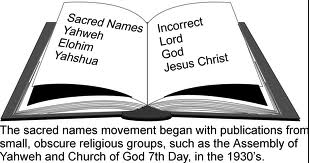
The Sacred Name Movement and its concern about the names YAHSHUA and YAHWEH

sacred nameThe big presupposition in the Sacred Name Movement is that the original documents underlying the New Testament were written in Aramaic (not Greek) and used the Sacred Names. These documents are supposed to have been destroyed by unnamed conspirators and substituted with Greek manuscripts using pagan names such as Jesus and God. If this is correct, then all of the early church fathers must also have been victims of this unfortunate conspiracy which have fooled most of the christian world (except for the believers of the SNM) because they all used the “forbidden pagan” names such as Jesus and Lord. The fact is that people have called out to the name of Jesus Christ for almost 2000 years now and they have been wonderfully saved when the Lord answered their prayers which they have raised up to him with earnest and repentant hearts. Our relationship with the Lord depends upon the intent of our heart and not phonetics.

A short note about KJV. KJV translates the Hebrew name Yahweh with “LORD” (capitals). ”Adonai” is translated with “Lord” (capital L), and ”Elohim” is translated”God”. Example in Deut. 4:35 the phrase is ”The LORD he is God”, i e ”Jehovah, he is Elohim”. In the cases where Adonai is used together with Jehovah, the last word becomes ”GOD”. So the double name ”Lord GOD”  is translated from ”Adonai Jehovah”. There is a difference between Lord and lord in KJV. Early in history the israelites started to say “Adonai” instead of  Yahweh.

Thanks to John McGlone for the following

The Sacred Name Movement (SNM) is a movement in Christianity that seeks to conform Christianity to its Hebrew Roots in practice, belief and worship. The best known distinction of the SNM is its belief in the use of a singular proper name for the God of Israel (YHVH/Yahweh) based upon the Tetragrammaton and the use of the Hebrew name they believe is the true Hebrew name of Jesus (Yahshua). They believe the Messiah’s name is YHWH pronounced, Yahwah.  Mainstream Christians and Hebrew scholars agree that Jesus’ real name was actually Yeshua. SNM believers also generally keep many of the Old Testament laws and ceremonies such as the Torah festivals and keeping kosher food laws. However, not every Sacred Name’ Group adheres to Old Testament festivals, dietary laws and other commands. The term “sacred name” is not exclusive to this movement but is a general theological term in Christianity – a translation of the Latin nomen sacrum.

Some definitions to help clarify the issue.

Vowel points – It is widely recognized by Bible scholars that vowel points were not used in the ancient Hebrew. That leaves the consonants of YHWH alone which then makes the personal Name of God unspeakable in any tongue. This was the tradition of the Hebrews who revered God’s Name so much they chose not to speak it, thinking they may be using it in a blasphemous way. Where did vowel points come from then? The Jews themselves applied vowel points to make words like Adonai, etc. Translators through the centuries have applied a myriad of principles to numerous and complicated to describe here to apply different vowel points which have led to different renderings of Names of God in the Bible.

The ‘name’ – Gr. word onomo translated into English means ‘name’: the name is used for everything which the name covers, everything the thought or feeling of which is aroused in the mind by mentioning, hearing, remembering, the name, i.e. for one’s rank, authority, interests, pleasure, command, excellences, deeds etc. persons reckoned up by name the cause or reason named.

Sacred name believers hold that verses like Matt 28:19, require you to hold to a singular, sacred name, ie YHWH, Jehovah, Yehoshua to be a true believer. For example:

Go therefore and make disciples of all the nations, baptizing them in the name of the [YHWH] Father and of the [YHWH] Son and of the [YHWH] Holy Spirit,

Bracketed [YHWH] are obvious insertions and are for illustration only. If you were previously baptized the way Jesus instructed in this verse then according to their view you must be baptized again with the sacred name to be truly saved.
Another verse they like to use a lot Acts 4:12. Unfortunately, they ignore vs 13 which gives the context of this verse.

Acts 4:12 Nor is there salvation in any other, for there is no other name under heaven given among men by which we must be saved.

So by their teachings they will insert, YHWH, Jehovah, etc -ONLY concept into the text, thus nullifying what God has communicated. The conclusion of the matter rests with the proper definition of the word, onomo. We can easily see that it also means, ‘authority’ and in that context it would make sense for Jesus to instruct us to be baptized in the authority of the Father, Son, and the Holy Spirit. We would not need a personal pronoun here considering the other definitions of the word, ‘name’. Likewise, it would also make sense that there is no other authority by which we could be saved other than God himself.

Faith or Doubt?

YHWH only believers are not putting faith in God’s Word, but calling it corrupted causing doubt and distrust.  Scripture can be shown to be reliable over and again when compared to earlier manuscript copies. Also, much of the corruption the emperor Constantine brought in led to the establishment of the Roman Catholic church and authorities to rule over the people vice serving the people as our Master has commanded. They tell us that the New Testament is corrupt wherever it speaks of Jesus, Lord, or God. They contend the name YHWH should be there instead. They will not agree that the Living God of the Bible could deliver His Word intact to today that we may understand what we should believe. Some concepts we must trust by faith and prove with evidence:

a. God has delivered His Word intact and understandable in almost every language in the world. b. The Holy Spirit teaches us all things. c. The corruption and hypocrisy in the visible church led many people away from the truth of the Bible. d. The Name of the Messiah is delivered into many hundreds of languages and God is able to communicate who that Person was and is. Lastly, we should not trust the teachings of men that cause us to doubt or negate God’s Word. We should rightly divide the Word of God that we may be led by the Holy Spirit into all truth.

2 Tim 2:15 Be diligent to present yourself approved to God

The Pharisee’s who accused Jesus would have never used the personal pronoun of YHWH while he was being plotted against or interrogated prior to his crucifixion.

Matt 26:3-5 Then the chief priests, the scribes, and the elders of the people assembled at the palace of the high priest, who was called Caiaphas, and plotted to take Jesus by trickery and kill Him. But they said, “Not during the feast, lest there be an uproar among the people.

Matt 26:62-63 And the high priest arose and said to Him, “Do You answer nothing? What is it these men testify against You?” But Jesus kept silent. And the high priest answered and said to Him, “I put You under oath by the living God: Tell us if You are the Christ, the Son of God!”

The three major languages of Jesus’ time was Aramaic, Latin, and Greek and not ancient Hebrew. Probably most people read the Septuagint as scripture vs. ancient Hebrew. This would make Jesus’ scriptural references accurate vs. the slight differences we see in the ancient Hebrew.

What’s in a Name?

According to the ENCYCLOPEDIA BRITANNICA, the name Ieusus (Jesus) is a combination of 2 mythical deities, IEU and SUS (ZEUS, a Greek god).” – (www.wwyd.org). I went to the link they recommended and I tracked this down to an obvious skeptic of Christianity who wrote a book called, “Dictionary of Christian Lore and Legend” by J.C.J. Metford. It is no surprise to me that those who do such unscholarly work would quote a secular biased book as a source document for their views. Incredibly, the original quotation does not even line up with the final source reference which claims that Iesous means, ‘worship Zeus’.

The “correct name” idea is refuted by the fact that three languages were being used in Israel at the time of Christ. A form of Hebrew (Aramaic), Greek and Latin were all being used. It was not usual for someone to translate something into all these languages including names. For instance, the inscription on the cross of Christ read in all three languages. Therefore this inscription many of the Jews read, for the place where Jesus was crucified was near the city; and it was written in Hebrew, Latin, and in Greek.

John 19:20 Here is the proper definition:

Ἰησοῦς Iesous G2424 Jesus = “Jehovah is salvation”

1) Jesus, the Son of God, the Saviour of mankind, God incarnate

2) Jesus Barabbas was the captive robber whom the Jews begged Pilate to release instead of Christ

3) Joshua was the famous captain of the Israelites, Moses’ successor (Ac. 7:45, Heb. 4:8)

4) Jesus, son of Eliezer, one of the ancestors of Christ (Lu. 3:29)

5) Jesus, surnamed Justus, a Jewish Christian, an associate with Paul in the preaching of the gospel (Col. 4:11)

Χριστός pronounced Kristos G5547 Christ = “anointed”1) the Messiah, the Son of God 2) anointed

Dr. Brown is a PhD in Semitic languages which includes Hebrew and Aramaic, a Jew by birth, and a follower of the Messiah. He is a worldwide recognized authority on this subject. The following is a partial excerpt from Dr. Brown’s response to the aforesaid Britannica article.

“The response to this statement (which has as much support as the latest Elvis sightings) is quite simple: We know where the name I­­esous came from: the Jewish Septuagint! In other words, this was not some later, pagan corruption of the Savior’s name; rather, it was the natural Greek way of rendering the Hebrew/Aramaic name Yeshua at least two centuries before His birth, and it is the form of the name found in more than 5,000 Greek manuscripts of the New Testament. This is saying something! The name I­­esous is also found in Greek writings outside the New Testament and dating to that same general time frame. Although it is claimed that the Encyclopedia Britannica says that “the name Ieusus (Jesus) is a combination of 2 mythical deities, IEU and SUS (ZEUS, a Greek god)” it actually says no such thing. This is a complete fabrication, intentional or not. In short, as one Jewish believer once stated, “Jesus is as much related to Zeus as Moses is to mice.” Unfortunately, some popular teachers continue to espouse the Jesus-Zeus connection, and many believers follow the pseudo- scholarship in these fringe, “new revelation” teachings. Not only are these teachings and practices filled with error, but they do not profit in the least. So, to every English-speaking believer I say: Do not be ashamed to use the name JESUS! That is the proper way to say his name in English—just as Michael is the correct English way to say the Hebrew name mi-kha-el and Moses is the correct English way to say the Hebrew name mo-sheh. Pray in Jesus’ name, worship in Jesus’ name, and witness in Jesus’ name. And for those who want to relate to our Messiah’s Jewishness, then refer to him by His original name Yeshua—not Yahshua and not Yahushua—remembering that the power of the name is not in its pronunciation but in the person to whom it refers, our Lord and Redeemer and King.”

There must be some understanding of transliteration and translation as the Bible has been translated into thousands of languages but must on occasion where there are words that do not exist from one language to the other a transliteration must be made of that word. In that case, letter by letter the corresponding word is formed into the new language making a new word in that language that did not exist before. One example I will use is the Yehovah – Jehovah problem which sacred name believers use to point out the ‘errors’ of the Bible. In Latin Yehovah is translated as Jehovah but they will use that and say, ‘Look there was no ‘J’s in the Hebrew language so Jehovah and Jesus could not be true.’ The problem with that is of course there are J’s authorized for use in Latin and English.

Conflicts in the argumentssacred name2

From the YHWH point of view the Messianic prophecies in Isaiah 7:14 and Matt 1:22-24 must be corrupted. We can see that this brings conflicts between the scriptures which must be explained away by this system of unbelief. The book of Isaiah was written approx 700 B.C. This is an awesome fulfillment of God’s Word from the OT to the NT providing evidence of our faith to believers and skeptics alike.

Is 7:14 Therefore the Lord Himself will give you a sign: Behold, the virgin shall conceive and bear a Son, and shall call His name Immanuel. [meaning God with us]

Matt 1:22-24 So all this was done that it might be fulfilled which was spoken by the Lord through the prophet, saying: 23 “Behold, the virgin shall be with child, and bear a Son, and they shall call His name Immanuel”, which is translated, “God with us.”

These prophecies fulfilled reveal the errors of sacred name theology.

Is 9:6For unto us a Child is born, Unto us a Son is given; And the government will be upon His shoulder. And His name will be called Wonderful, Counselor, Mighty God, Everlasting Father, Prince of Peace.

In this passage we see a multitude of names listed and the passage actually calls it, ‘His name’. Notice that His name WILL BE…that is future tense, which they refuse to acknowledge. The defenders of this doctrine will say those are just titles, but why doesn’t the Bible say, ‘And His titles will be called…’ They will often use this passage as the bulwark for their belief, inserting YHWH into this verse.

Is 42:8 I [am] the LORD, that [is] My name; And My glory I will not give to another, Nor My praise to carved images.

LXX Is 42:8 ἐγὼ κύριος ὁ θεός τοῦτό μού ἐστιν τὸ ὄνομα τὴν δόξαν μου ἑτέρῳ οὐ δώσω οὐδὲ τὰς ἀρετάς μου τοῖς γλυπτοῖς

In this passage, we see in the Hebrew transliterated Yehovah which we see has great similarity to YHWH. Sacred name proponents will insert YHWH into this text. But you can see by the Greek Septuagint written 250 B.C. the word is κύριος, which means Lord. How could the Septuagint have a name in the text 250 BC when the “corruption” did not happen until 325 AD according to the SNM view? That is an incredible 575 years of difference.

Exodus 3:13-15 And Moses said unto God, Behold, when I come unto the children of Israel, and shall say unto them, The God of your fathers hath sent me unto you; and they shall say to me, What is his name? what shall I say unto them? And God said unto Moses, I AM THAT I AM: and he said, Thus shalt thou say unto the children of Israel, I AM hath sent me unto you. And God said moreover unto Moses, Thus shalt thou say unto the children of Israel, the LORD God of your fathers, the God of Abraham, the God of Isaac, and the God of Jacob, hath sent me unto you: this is my name for ever, and this is my memorial unto all generations.

In this passage God is calling Himself in the Hebrew: H1961 hayah hayah הָיָה. This is a personal pronoun defined as, always existing being. This word also matches the definition of Jehovah or Yehovah as always existent One. So there is no problem with either the words or the definitions. Logically, we can see that though they are different languages or translations they have the same meaning, thus the same name. How can any finite creature of God name the one who is eternal? Essentially, most of these ‘names’ given in the Bible are descriptions of God. When He is named it is by His hand within the Bible not ours.

Rev 19:12-13 His eyes were like a flame of fire, and on His head were many crowns. He had a name written that no one knew except Himself. He was clothed with a robe dipped in blood, and His name is called The Word of God.

Here we see that God has an unknown Name and another name called the Word of God. Which in the G3004 λόγος and is defined as Logos : denoting the essential Word of God – Jesus Christ. We see this personal pronoun for Jesus again in John 1:1. Just these two verses should be enough to convince anyone that YHWH only is inconsistent with the Bible. The answer they will always give when faced with such evidence from the Bible is these verses were corrupted by Constantine. We have already proven is a false presumption. This of course refers to this system of doubt of God’s Word instead of faith or trust in the same.

Rev 19:16 And He has on [His] robe and on His thigh a name written: KING OF KINGS AND LORD OF LORDS.

Here the word King is Baseloose G935 βασιλεύς and means prince, leader of the people, commander, lord of the land. The word LORD G2962 (all caps) is Koorios κύριος and means:

1) he to whom a person or thing belongs, about which he has power of deciding; master, lord a) the possessor and disposer of a thing 1) the owner; one who has control of the person, the master. 2) in the state: the sovereign, prince, chief, the Roman emperor b) is a title of honour expressive of respect and reverence, with which servants greet their master c) this title is given to: God, the Messiah.

The obvious deduction here must be that God has used many names throughout the history and languages of mankind. After all, God created language and He confused languages at the tower of Babel. He also gives us the intelligence to translate/transliterate between languages that we may have the understanding in communication. The teaching of a particular ancient Hebrew ‘sacred’ name as the only way to pronounce and believe upon His name is false as we have shown and contradicts the Bible in many places. This causes a stumbling block for both believers and unbelievers alike.

Lastly, I would say that it is not a problem if a believer desires to use the Name of YHWH. It becomes problematic and unbiblical when someone says that this is the only authorized name for the Father, the Son, and the Holy Spirit.


Born not of blood but OF GOD, and not unconditionally (John 1:13)

välja liv

John. 1:13 Which were born, not of blood, nor of the will of the flesh, nor of the will of man, but OF GOD

This emphasizes God’s role in our spiritual rebirth and it does not say that God unconditionally makes a person born again without this person’s consent and neither does it show man’s inability to seek and find God. We can only speculate what those things mean that we are NOT born of. “Blood” could mean human ancestry (such as being jews) or it could refer to the blood atonement of animals that became history due to the advent of Christ. “The will of the flesh and the will of man” could mean that it’s not in human physical power, nor by enough works effort, nor by man’s desirous intent, nor by wishful thinking that we are able to be born of God and end up as his children – and eventually inherit his kingdom. If we remove what man is not “born of” according to this verse, what is left? We remove “blood”“the will of the flesh” and “the will of man”, and then we have “which were born OF GOD”. The Bible says elsewhere that we must be born again (which can only happen thanks to God) in order to have life:

John 3:3 Jesus answered and said unto him, Verily, verily, I say unto thee, Except a man be born again, he cannot see the kingdom of God

MAN cannot make his past sins go away and be cleansed and born again by himself, but GOD can accomplish this  – but under certain conditions.  How do we get born again? Example in short:

  • We seek God and come to him to get life
  • We acknowledge that we deserve death due to our sins, and that we are completely lost without Jesus
  • We confess our known sins
  • We repent from our old sinful life style
  • We make a decision to from now on walk in obedience with Christ, with the AIM to be faithful
  • THEN we are cleansed from our old sins by the mercy of God!
  • We are now righteous, justified and born again and completely new persons!
  • We acknowledge that God does not promise us “once cleansed always cleansed”

So WE cannot make ourselves become born again and new persons – no matter our will – because we simply don’t have the power to cleanse ourselves and be free from our old sin debt. Only GOD can help us with this, so we must come to him to make this happen. Even if we would live the rest of our lives without sin, we could still not arrange so that our past sins were removed. Thanks to the blood of Jesus that he shed for us the cross, we can be made righteous! Peter says that in obeying the truth we have purified our souls and, as previously mentioned, we can only do this by coming to God to be cleansed. This is how we get eternal life!

1 Peter 1:22 Seeing YE have purified your souls in OBEYING the truth through the Spirit unto unfeigned love of the brethren, see that ye love one another with a pure heart fervently:23 Being born again, not of corruptible seed, but of incorruptible, by the word of God, which liveth and abideth for ever.

In the immediate context prior to John 1:13, we can read that those who had the right to become the children of God were selected on the basis of who “received” and “believed” Christ. Is God forcing man or is man accepting in this verse?

John. 1:11 He came to His own, and His own did not receive Him. 12 But as many as received Him, to them He gave the right to become children of God, to those who believe in His name 

We can also read about Jesus 9 That was the true Light, which lighteth every man that cometh into the world.

Everyone has been given enough light to be able to believe in Jesus

Finally, we can read in another place in the NT where it’s actually possible to be born “after the flesh”, and this concerns the bondmaid Hagar who got a planned child together with Abraham (Ishmael). The birth of Isaac (Abraham’s and Sara’s child) is in contrast to the previous birth and is stated to be “by promise“.

Gal. 4:22 For it is written, that Abraham had two sons, the one by a bondmaid, the other by a freewoman.23 But he who was of the bondwoman was born after the flesh; but he of the freewoman was by promise.

Calvinism is man-centered, and elect individuals have reasons to be proud

proudDue to my concern for christians trapped in Calvinism (and others who are at risk), I include the below text parts from Jesse Morell. I believe that the doctrines within Calvinism unfortunately and inevitably encourage christians to remain in their sins, but that doesn’t mean that I believe that all who call themselves calvinists must be major sinners. Still, the doctrines are dangerous (which all gnostic teachings are) and must be exposed in order to save souls. If we love each other, we would like to help each other on the right track. 

Calvinism is totally man centered. “I am saved by nothing I do,” “I cannot be lost by anything I do,” etc. It is all centered on man being saved no matter what. It gives religious sinners eternal security. It itches their ears. There is no choice of total repentance from all sin required, just believing. There is no necessity to labor and run and persevere unto the end. There is no threat of going to hell through sinning. It itches the ears of those who want this man-centered gospel. You don’t have to love God supremely. You don’t have to totally commit yourself to God. You can live in compromise and sin every day in word, thought, and deed, and still be saved. Calvinism doesn’t glorify God, it comforts religious sinners and in doing so it dishonors God. 

Which system really glorifies God? The one which says God is the ultimate cause of sin and that men do not need to stop all their sinning, or the one that says each individual is the cause of their own sin and we must all repent of our sins and live holy lives glorifiying to God? Which doctrine of grace really glorifies God? The one that says grace means being saved while we continue to sin, or grace is the means of being saved from our sin? One of these systems glorifies God while the other system greatly dishonors Him. What of the Westminster Catechism that says no man is able, either of his own power or by any grace received in this life, to perfectly keep the commandments, but does daily break them in word, thought, and deed…? Well, that covers all the bases. I mean, the devil couldn’t do any worse than that. That excuses all sin, of any kind. Calvinism certainly does make “a broad stroke that intentionally misunderstands and maligns Christ.” How man-centered is this theology! Now, the power of man’s sin is even greater than the power of God’s grace! God’s grace cannot overcome man’s sin! Wow, talk about a man-centered sin-excusing theology.

Glorification is the perfection of the body. Sanctification is the perfection of the heart. We are not commanded to be glorified in this life. This is not an obligation. We are not sinful for failing to have glorified bodies. Even Jesus did not have a glorified body until after the resurrection. But we can sanctify ourselves to God. We can set ourselves apart from the service of sin to the service of God.

We are not born with a sinful nature

We are born into a sinful world, but sin itself is a choice of our own will. You are not born a homosexual, drunkard, etc. That is choice. Paul said sinners will be “without excuse” on Judgment Day. They cannot say, like Lady GaGa, “I was born this way.” God forms our nature in the womb and He does not form us as little sinners. We become sinners at the age of accountability, by our own free will. As the Bible says men are sinners “from their youth” which means “juvenile” not infant.

“I will praise thee; for I am fearfully and wonderfully made: marvellous are thy works; and that my soul knoweth right well.” Ps. 139:14. We are not guilty of the sin of Adam: “The soul that sinneth, it shall die. The son shall not bear the iniquity of the father, neither shall the father bear the iniquity of the son: the righteousness of the righteous shall be upon him, and the wickedness of the wicked shall be upon him.” Eze. 18:20 We are commanded to sanctify ourselves: “Sanctify yourselves therefore, and be ye holy: for I am the LORD your God.” Lev. 20:7. This verse is quoted in the New Testament as well. Jesus can forgive us and cleanse us, not from some sin, but from all sin: “If we confess our sins, he is faithful and just to forgive us our sins, and to cleanse us from all unrighteousness.” I Jn. 1:9. Just read the rest of 1 John. He that sins is of the devil. Whosoever has been born of God does not commit sin. Etc. The Word says that the grace of God that brings salvation teaches us to live free from sin in this life. Our fallen bodies do not make us sin, so we don’t need a new body to be free from sin. Romans 6 says Jesus sets us free from sin in this life. Hebrews says Jesus was made in all things liken unto his brethren.

Jesus did not have a sinful nature, so neither did we. Jesus lived a holy and sinless life and Jesus said come and follow me and He is our example to follow. If we sin after our initial conversion, we must repent or perish as Jesus taught his disciples. We never have to sin, as God never allows us to be tempted above our ability (1 Cor. 10:13). To say that we can never life free from all sin in this life is to make the power of sin greater than the power of the cross and greater than the power of God’s grace. Certainly, we still have a free will after conversion so we are still capable of sinning. But with the help of God’s grace, we can choose to overcome and persevere. Men are sinners by choice, as the Bible says all we like sheep have gone astray and turned to our own way. And therefore, we can cease to be sinners by choice. Hence, God’s command for us to repent and His appeals of grace. We cannot have glorified bodies in this life, and so we have not attained physical perfection. That comes after our race is done. But we can have sanctified bodies in this life, as Paul said we can yield our members as instruments of righteousness, present our bodies a living sacrifice, that God can sanctify us wholly spirit soul and body, etc.

Certainly we are not forgiven before we repent, and if we sin God clearly sees it. But when we think upon what Jesus Christ has done to make forgiveness available for us and for everyone, we should love Him and turn from all our sins as a consequence. Once we do that, God forgives us through Christ. Calvary makes us willing to do what creation made us capable of doing. And what the law could not do, the gospel was able to accomplish. Legal motives of self-interest were insufficient to perfect the heart, but the motives presented to us in the gospel of Jesus Christ can cleanse us from all sin. Every day we make the choice to sin or not, and certainly our salvation depends upon our perseverance in holiness, but when we look upon the cross and see how much God has loved this world, we see how worthy He is of our worship and service and we love Him in return with our obedience.

Romans chapter seven

Rom. 7 gives us a description of what occurs when the mind of an unconverted sinner is convicted by the law. Using a literary technique, Paul uses the present tense to tell the narrative. As many stories begin with “once upon a time,” Paul said, “For I was alive without the law once, but when the commandment came, sin revived, and I died” (Rom. 7:9). He then proceeded in his narrative to discuss what happens when an unconverted sinner encounters the law of God. Some suppose Romans chapter seven to be a description of the Christian life, as opposed to a description of an unconverted state. But we know Paul is not referring to his own converted state because he already said that Christians have been made “free from sin” (Rom. 6:18, 22). The man in Romans seven was not “free from sin” and, therefore, he was not a Christian. Paul also said that, “There is now no condemnation to them which are in Christ Jesus, who walk not after the flesh, but after the Spirit” (Rom. 8:1). Yet the man in Romans chapter seven was under condemnation and therefore needed to be saved by Jesus (Rom. 7:24-25).

And Paul said that, “to be carnally minded is death” (Rom. 8:6). But the man in Romans chapter seven said, “I am carnal, sold under sin” (Rom. 7:14). Therefore, the man in Romans chapter seven did not have eternal life. And finally, Paul said that as a converted man he lived with a good and pure conscience that was void of offense (Acts 23:1; Acts 24:16; 2 Tim. 1:3). The man described in Romans chapter seven is deeply disturbed by his conscience (Rom. 7:16). Therefore, the description given in Romans chapter seven was not of the converted life of the Apostle Paul. It is a narration describing what happens when an unconverted sinner’s mind encounters the law of God and is convicted by it.

So it is a sin to inherit a weakness to commit sin? How is that a sin? chosen

  • Jesus died for everyone, but only those who repent and believe are forgiven through it. So if a believer sins, they must repent and ask God for forgiveness.
  •  Forgiveness of future sins is nothing more than a license to sin. God only forgives us of our sins after we have repented of them. And since we are not yet guilty of future sins, we have nothing to be forgiven us. Not only would forgiveness of future sins be unwise, it is also impossible. Sins must be dealt with as they occur. Hence what we read in 1 John 1:8-9. If a believer sins, we must repent or perish.
1. How can David say he was wonderfully made and God’s works are marvelous if God formed him in the womb with a sinful nature?
2. How can it be said that Jesus was made “in all things liken unto his brethren” if we are born with a sinful nature and he wasn’t?
3. How come our sanctification is spoken of in the same tense as our justification?
4. How can inheriting a weakeness to commit sin be a sin itself?
5. If we are forgiven of all future sins at conversion, have you ever asked God to forgive you since your conversion? If you were already forgiven, why do you insult his grace by asking for forgiveness?
6. What would a license to sin consist of, if not forgiveness of unrepented future sins? What is a license but permission to do an action without fear of legal prosecution?
7. If Romans 7 was Paul’s Christian life, how can he say that he lived with a conscience void of offense?

.
We were not capable of sinning before the age of accountability, as Jesus said if you were blind you would have no sin. Infants are not under the wrath of God, as the wrath of God comes upon those who suppress the truth in unrighteousness. Those with knowledge are without excuse, but as infants have no moral knowledge, they are with excuse for their behavior. As they grow, they make free will choices. Hence we are told to teach them, disciple them, etc. If their nature caused their actions, teaching them would be useless and discipline would be cruelty and pointless. Only if their free will makes their choices can teaching and disciple change their behavior.

The perfection that God requires is a perfection that we are capable of. It is purity of motive – a perfection of heart. The Bible commands us to love God and love our neighbor. The Bible speaks of men who were “perfect in heart” which shows it is possible for man in this life. The commandment is directly proportationate to our ability, as we are command to love God “with all” thy ability and love your neighbor “as yourself.” We are not commanded to love with more ability than we have, but with all the ability that we have. So it is not impossible. If it were impossible, God’s law would be unreasonable and unjust. Damnation would be infinite cruelty. But as God is just and as He does punish sinners, this shows that they were capable of avoiding their sin

Which is greater, the power of sin or the power of the cross and the grace of God?

If the power of the cross is greater than the power of sin, why can’t you stop sinning? Does not the cross make you love God? And if you love Him, you will obey Him. When you are tempted, just look at the cross. Put your faith in God and you will overcome sin.  As love is the fulfillment of the law – a complete satisfaction to our moral obligation. Love is perfection. God does not want us to have an imaginary holiness but an actual holiness. The Bible never says that Christ’s works of the law are imputed to us. That is not necessary as we are not justified by works of the law. The “imputed righteousness of Christ” is a cliche and a myth. If you sin, God see’s it. Nothing is hide from His eyes the Bible says. He says, “I know your works, be zealous therefore and repent.” Don’t dream that you are covered by the imputed righteousness of Christ while you continue to sin, thus making his work a license to sin. Rather, repent of your sins and then you will be pardoned by His grace and mercy.

Paul taught that we were not under the law, as in the Torah, but not that we were free from all moral obligation. As Paul said we are obligated to love God and love our neighbor. God is not an anarchist or an antinomian. He does not promote lawlessness. As Paul said, not without law to God but under the law of Christ.

God does not impute our trespasses to us when He forgives us and pardons us. This is conditional upon our repentance and faith. Holiness, in terms of the Christian, is an internal attitude of submission and obedience whereby we are set apart from sin and to the service of God. And Jesus not only saves our souls, He changes our lives. He is not only our justification, He is also our sanctification.  Justification by works of the law is impossible. Obedience cannot atone for past disobedience. Hence, we need gracious justification. God can declare us pardoned. He commands us to repent and believe and when we are converted He pardons all our past trespasses through the atonement of Christ.

“By nature children of wrath” in context is about how we previously lived a sinful lifestyle. The Greek word for nature in that passage can mean that which by long habit has become nature, according to Thayer which is one of the best Greek-English Lexicon available. The Bible also says that the Gentiles which have not the law, do by nature the things contained in the law, which show the work of the law written on their hearts, their conscience bearing witness. Doesn’t sound like they were born totally depraved with a sinful nature. Conscience is part of our nature, and it tells us to obey God.

The Bible is clear that Jesus died for everyone but not everyone is saved because not everyone repents and believes. It is possible for those for whom Christ died to perish. As Paul said you can cause a brother to perish for whom Christ died. And you can deny the Lord who bought you and bring upon yourself swift destruction.

The atonement does not give us a license to sin or make salvation automatic for anyone. Pardon through the atonement is conditional. The Bible says repent, believe, and persevere unto the end. If we fail any of those points, we cannot expect God’s mercy but His wrath. Jesus said He that perseveres unto the end shall be saved. That speaks of salvation in the future tense. There are others passages that speak of it as past and present. I am saved. I am being saved. And I will be saved. The Bible says eternal life is to know God. And it says by this we know that we know Him, if we keep His commandments. He that says I know Him and keeps not His commandments is a liar and the truth is not in Him. So those who are obedient to God have eternal life and those who are disobedient do not. As it is written, He is the author of eternal salvation unto all them that obey Him.

He tasted death for EVERY man it says. He is the propitiation, not only for our sins, but for the sins of the WHOLE world. Just as the serpent was lifted up for WHOSOEVER to be saved through it, so God so loved the world that He gave His only begotten Son that WHOSOEVER believeth in Him would be saved, etc. There is no limited atonement in the foreshadow sacrifices.

People attack biblical holiness and the born again experience as self-righteousness and confuse biblical repentance with justification by works of the law. If a person is living in sin, aka sinning every day in word, thought, and deed, than it should be obviously that they haven’t put their faith in Christ. If they had confidence in His character and trusted Him they would do whatever He asks. As Hebrews 11 says by faith Abraham obeyed. Abraham was justified by an obedient faith, or a faith that resulted in obedience. What sins do you have in your life that you cannot stop? What sins do you have in your life that Christ cannot set you free from? Or really, what sin do you have in your life that you are unwilling to repent of?

Obedience can never atone for disobedience

We could never make up for our sins by obedience and we could never earn or merit salvation. It must come by grace and mercy through Jesus Christ. But it is conditional. We must repent and believe to receive it. I say that we must repent and believe (obedience to the gospel) but that our obedience to the gospel does not merit or earn salvation. “By faith Abraham…obeyed” Hebrews 11:8. Abraham was justified by an obedient faith. There is a difference between conditions and grounds. Our obedience to the gospel is not the grounds of our salvation. It does not merit or earn salvation. Peter said, “repent of this thy wickedness that the thought of your heart might be forgiven thee” and “save yourselves from this untoward generation. Was Peter teaching heresy by telling them to save themselves? Certainly not. Repentance is a condition of forgiveness. We can only save ourselves, through the atonement of Christ, by repenting and believing.

Justification by works of the law is regarding the Torah and merit. It is not about repenting of your sins to be pardoned by grace and mercy. We do not need to obey the law (Torah) to be saved. But we must obey the gospel, which demands that we repent of our sins and trust in Christ. If good works are the evidence of faith, then bad works are the evidence of unbelief. There is no condemnation for those who walk after the spirit and not after the flesh. If you are living in sin, aka walking after the flesh, there is condemnation.  By faith you can live a pure and holy life. By faith you can overcome all sin and be perfect in heart. The same faith that justifies also sanctifies. Under the New Covenant we are not under obligation to the Torah, but only to the moral law of God. The New Testament does not command us to be circumcised, but to love God and love our neighbor.

“But when I saw that they walked not uprightly according to the truth of the gospel, I said unto Peter before them all, If thou, being a Jew, livest after the manner of Gentiles, and not as do the Jews, why compellest thou the Gentiles to live as do the Jews?” Gal. 2:14

“To them that are without law, as without law, (being not without law to God, but under the law to Christ,) that I might gain them that are without law.” 1 Cor. 9:21.

We are not under the law of Moses, but under the law of Christ.

“For the priesthood being changed, there is made of necessity a change also of the law.” Heb. 7:12.

“For the law having a shadow of good things to come, and not the very image of the things” Heb. 10:1.

The external and physical laws of the Old Covenant, like the clean and unclean food, circumcision, etc, were figurative of the internal and moral change that occurs under the New Covenant. Thus, the New Covenant fulfills the Old Covenant. These Old Covenant laws were figurative, but in the New Covenant that which is better has come. Hence,

“This is the covenant that I will make with them after those days, saith the Lord, I will put my laws into their hearts, and in their minds will I write them;” Heb. 10:16.

You can read more from Jesse Morell on his website.

“Any theology that gives man a legitimate excuse for sin and maligns God’s holy character CANNOT, by definition be ‘God centered'”  (Kerrigan Skelly)

Miracles in Moscow – 40-50 people got healed in a shopping mall

Torben shows that there is no requirement to use expensive computer equipment to explain the gospel for a large crowd of people. A few paper mugs from KFC and a tray work just fine. 🙂

And people get healed!

Sometimes the most simple ways are the better ways…

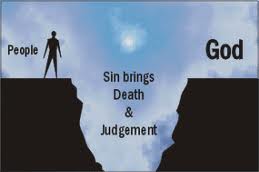
All glory to God, and we can only pray for more workers like Torben and his team who are so willing to explain the gospel to people on the streets – including the important truth that sin separate us from God whether we are non-believers or not.

Benghazi, Libyen, ambassadör Stephens, 2012 – mörkläggning och lögner

Benghazi

Benghazi, Libyen 2012 – mörkläggningen och lögnerna

Läs under min flik Konspirationer här där du kan se både lite information om bakgrunden (på svenska) och inte minst filmer (fast på engelska) om vad som hände i Benghazi. Passa på att se filmer om andra konspirationer.

Canada Free Press, 30 Nov. 2012:

Benghazi explained: Interview with an “Intelligence Insider”.

Intervju och Insider information. Exempel:

“There was absolutely no diplomatic consulate in Benghazi. None. Words are important here. They can create a wrong image, an incorrect picture of what was really going on. The property where our Ambassador and other Americans were murdered was a rented villa consisting of a primary residence with a couple of outbuildings behind the actual house. The reason they’re still calling it a consulate is to subtly divert any questions about our activities there.”

“After Gaddafi was taken out, there was the matter of his weapons and arms that were hidden all over Libya, including chemical weapons – gas weapons. According to Obama and Hillary Clinton, we were in Libya to collect and destroy these weapons to make for a ‘safer’ Libya. That’s what they were telling the American public. That’s not really what was going on, though, and it seems like all of the other nations except the average American knew it. Anyway, you can find picturesand videos of weapons caches being destroyed, but that is strictly for the public’s consumption.”

Jesus did not PAY a DEBT and was not PUNISHED on the cross (penal satisfaction)

cross1

The error of the Penal Satisfaction theory

/Thanks to my friend Lyndon Conn for the below

Jesus suffered greatly, taking many stripes, was bruised and beaten, etc. He did all of this FOR us, but those things were not Atonement themselves. It was His death (shedding of blood and Life for a life – innocent for the guilty) that made atonement. Animals were never beaten or punished BEFORE they were finally killed for atonement.

The Penal Satisfaction atonement teaches that Jesus was punished in our place as He was beaten and bruised by God. This is not true at all! He was mistreated by MEN as a form of punishment for something He did not do. He could not be truly punished by God for any reason whatsoever since He was without sin. God not only NEVER punished a sacrifice (but only accepted the acceptable sacrifice), but sin was never literally on either the animals or on Jesus – since sin is not a substance that can be moved or transferred. When the Bible speaks of “Taking away” sins, it is talking about the born again experience and the transformation that takes place when a person confesses their sins. Sins are then “taken away” but the person being made into a new creation – as old things pass away and all things become new. Jesus made provision for all men so that all they need to do is confess Him as the acceptable sacrifice, and in turn also offer themselves a living sacrifice. These are likened unto the day of atonement in the 2 goats for the entire nation (as Christ represents both, the acceptable sacrifice in goat 1, and the scapegoat in goat 2 by taking away the sins of the world). And our repentance is likened unto the offering of the bull for personal sins.

Sin is not punished in Christ and they are not “paid for”! These are both lies passed down through the RCC and not biblical at all. We have had bad theology so heavily imparted into our thinking that we think many things are fact that are not at all. We have never questioned them, and hear it all the time, preach it all the time, and never think otherwise, but I will challenge this thinking. Not to teach a different doctrine, but to show a different understanding of the same doctrine. The end is the same, but the path that takes us there is flawed.

Nowhere does the Bible literally teach the following: Jesus PAID FOR sins; He was PUNISHED by God;  He “took our place”; He “paid our debt”, and other financial terms that should only be understood figuratively. The literal is that He “provided” for forgiveness; He did for us what we could not do for ourselves; and so on. Incorrect terms lead to many false doctrines like Limited Atonement and Universalism, and many are very inconsistent by not believing one or the other. Incorrect terminology can lead in 2 directions – one towards truth and the other towards error. With payment for sins – we might be able to draw a proper understanding from it (as I did for many years as well) – understanding that Jesus died for our sins and making the way of salvation for us – but the problem with the terminology is that it’s misused and could lead to error.

If Jesus “paid for” our sins on the cross, then something that is paid for is completely finished and nothing else needs to be done at all. If Jesus “paid for” the sins of the whole world, then all men are saved and do not even need to repent because their sins are already paid for. It is all done for them. This is why Calvinism has to create their doctrine of Limited Atonement – teaching that Jesus only died for the elect – in order to prevent Universalism. So then, Jesus “paid for” the sins of the elect only, and did not die for the sins of the non-elect. As wrong as this is, it is actually more consistent with the teaching of “payment for sins”.

The fact that WE are “bought with a price” does not teach a payment for SINS. “We” and our “sins” are 2 different things. The wages of sin is and always will be death! Men still go to hell for their sins. Our only hope is to confess our sins to Jesus, the scapegoat of God, so He can “take them away”. This is figurative! Sin is not a substance that can be put on another or literally taken anywhere. Sin is an attitude of the heart. It is a mindset that leads to actions that displease God. Man’s only hope is to have this part of him changed (transformed). It all starts with being Born Again. Old things are PASSED AWAY, and all things are become new. Sins are never punished IN man in this life (except by chastisement for the Christians if they sin and need to learn something). Sin itself is not punished at all. Man is punished and will be punished in eternity. So our only hope is to have sins “taken away”.

Atonement terminology is mostly all figurative, but the figurative ALWAYS points to the literal! So we have to seek understanding of the literal, and be careful not to take the figurative itself too literally. This WILL lead to error. You cannot have “actual and factual” without literal.  We just need to understand what it actually and factually is! It is NOT a payment, but a provision! It is not punishment of Christ by God, but abuse of Christ by men – which He endured FOR us – but not literally in our place. No man could ever die for his own sins, therefore it could never be our place, but only HIS place to die as atonement. Men will still die for their own sins. There is no “debt” that we owe, but only “wages” to be paid. A debt is something to be paid to another, while wages are what we have earned and have coming to US. We do not owe God anything, but repentance and our lives. There is nothing at all that we could possible “pay” to God to “buy” our souls back. These are all financial terms, including ransom and redeem, which both refer to the work of Christ on our behalf. The financial terms are all used to help give us understanding by using terms we can understand , but they are all figurative and not to be taken too literally. We must look to the literal they point to.cross7

The Bible says that He is the “propitiation” for our sins – which literally means, “He is the atoning sacrifice for our sins”. Propitiation is a term used in pagan rituals of offering their children to their gods as a sacrifice to appease their anger. It can give a picture of Jesus removing the anger of God against us, but should not be taken to the extreme to teach that He was an object of God’s wrath – with our sins literally on Him! Truth can be drawn and understood from this word; yet error can be as well if taken too far. There is no forgiveness of sins at all without repentance. There is provision for forgiveness that has to be received, but there is no actual forgiveness until then. The idea of a payment gives a false idea here, and it leads to false doctrines – making it easy for those who teach them to draw others into their errors. And Calvinism is growing stronger every day. I just heard a story yesterday about how so many Churches are turning Calvinist, and this has a great deal to do with it!

If you believe atonement is a literal payment,  then who was paid? The devil? The Father? And if paid, then a payment cannot be unpaid, right? A provision is something that is done FOR us that we could not do for ourselves; while we must RECEIVE it through faith – or reject it. Sins are not “carried away” until we receive Him and confess our sins to Him so He can take our sins away – and then, where there are no sins and there is no guilt. But if sins are “paid for”, you cannot have them paid for one a person is “justified”, or have payment applied only at that time. This can work in the figurative, but not in the literal.

If we go back to Leviticus, sins were never “paid for”. The only difference is that Jesus was without sin and He could be the one-time sacrifice for all time. But the idea of atoning for sins was the same. There had to be an ACCEPTABLE sacrifice and a scapegoat for the yearly offering. This was provision for the nation as a whole, but individuals still had to bring their own personal sacrifices of a bull for their owns sins – which is likened unto our repentance and offering of ourselves unto God as a living sacrifice. Neither were any form of a payment! Such an idea is added by men, starting with the RCC in the 12th century under Anselm.

We are figuratively covered in His blood, in that because of the shedding of His blood and out acceptance of Him as the atoning sacrifice for our sins, as the blood of the sacrifice was sprinkled, we receive Him and all that He did for us as we confess our sins before Him. Our acceptance of Him as the one-time sacrifice that was without sin allows us to confess our sins and be forgiven of our sins. Our act of true repentance and accepting Jesus is accepted as if His blood were literally sprinkled on us, but no person has ever had His blood literally on them. Let’s get real here. This is what the RCC would have us believe. In communion they teach that the literal body and blood of Jesus is transferred to the bread and wine. So then we are cannibals and guilty of drinking blood – which is forbidden in the law of God.

True atonement is very simple and not half as complex as men have made it. God provided a Lamb in Jesus. We can accept His provision and confess our sins over Him and have them taken away, or we can choose to go our own way. God did not die for only some. He did not choose some and reject others. His atonement was for ALL men – the WHOLE WORLD as a provision for whosoever will call upon His name. Now it is up to men to offer themselves (their bull) to God in the confession of sins and acceptance of His provision. Very simple. Very biblical. And with no need of the additions of men. God’s wrath does not need to be appeased! If sins are “taken away” by changing the man, then there is nothing for wrath to be against. However, if sins return, and repentance does not, wrath will be against such a man – as it is against the world. Very simple and completely scriptural.

Can sins be inherited?sheep 2

Sin is not a substance that can be passed down from one to another, but men inherit a condition that is passed down, and this condition is one that could lead us to sin. Romans 5:12 says that death is passed down. Men are born innocent, and therefore a baby is without sin and saved in its innocence. Sin is a choice – NOT something we inherit. Can the murderer blame their crime on their Father, or on Adam? No. Each man is responsible for his own choices and will be judged for them justly. Blame can never be passed to another, and neither can sin. Sin is defined in scripture as knowing to do right and not doing it, in which the opposite is just as true, in knowing something is wrong and doing it anyway. Sin is therefore a willful rebellion against a known law of God. For those who do not have His laws, Romans 2 says that their conscience becomes a law unto them. So whether we go against God’s law or our conscience, these are what define sin.

Every man and women are faced with choices between right and wrong. And each have the ability to choose what is right. Otherwise they could not be rightly judged for their choices, but because of spiritual death (separation from God), mankind will turn to his own lusts, having no guidance in life. They cannot choose what they do not know.

John 3:19 – “And this is the judgment: the light has come into the world, and people loved the darkness rather than the light because their works were evil.”

Men are sinners because they sin – which is contrary to popular belief. It is the majority of the Church today that has been infected with false teachings and cannot see it. They are not the worst errors out there but they do lead to them. If we want to rid the Church of error and keep Christians from confusion, then we need to get rid of the little errors that serve as stepping stools for the true heresies. The “Sinning Religions” of our day, the OSAS teachings (once saved always saved), and Calvinism all gain strength from these erroneous atonement ideas and false understandings of sin and death.

Tertullian – On Repentance, chapter 6 “For repentance is the price at which the Lord has determined to award pardon: He proposes the redemption of release from penalty at this compensating exchange of repentance. If, then, sellers first examine the coin with which they make their bargains, to see whether it be cut, or scraped, or adulterated, we believe likewise that the Lord, when about to make us the grant of so costly merchandise, even of eternal life, first institutes a probation of our repentance.”Chapter 9 – “but inasmuch as by confession satisfaction is settled, of confession repentance is born; by repentance God is appeased.”

Interesting calvinistic contradictions and paradoxes

CALVINISM and its contradictions and paradoxes

If you engage yourself in discussions with calvinists you must be prepared for that they will contradict themselves and express themselves with lots of “theological fog” and paradoxes. It’s like they believe many fancy words will cover up for their contradictory claims and poor doctrines, and there are sadly listeners out there who are not able to look through their smoke screens but instead swallow what they have to say. But there is no way that they can ever solve the many problems that are hidden in the TULIP, and they are not able to clear the name of their God who they make to be the author of sin – which is the only logical conclusion of their doctrines. Here they might protest and tell you they do NOT make God the author of sin! But don’t they believe that nothing happens against the will of God? Don’t they believe that man must act according to whatever nature he was created with? Don’t they believe man certainly cannot be totally depraved against God’s will? They must respond in the affirmative to all those questions in order to be consistent with their own doctrines, and that means their God IS the author of sin after all. They believe God predestines man to sin, at the same time as man is responsible for his own sins and for some reason should have acted otherwise – despite that he was forced by God to act the way he did. The same man will also be punished and sent to hell – for committing the sin that God caused him to do. (With other words – people who do the will of God will be sent to hell for doing the will of God). Anyway, below is a list of some contradictions that I stole from my friend William Hughes. I saved the best ones to make the list shorter 🙂

Reformed contradiction #3

From an email on facebook I received:

Calvinist: “any time you say Calvinism is not true I will rebuke you extremely severely in the name of Jesus Christ! Calvinism is the gospel, you heretic! I read your stupid post even though you are not on my friends list.”

Me: “I am unable to believe in Calvinism because God has decided I don’t believe it. Why are you getting mad at me? I cannot help it.”

Calvinist: “you are blinded by the devil. Do not blame God for your inability to believe the gospel.”

Me: “Are the unelect ‘unable’ to believe the truth?”

Calvinist: “No one is able to believe the truth unless God opens their eyes…”

Blaming me for not believing in Calvinism is like blaming a mentally handicapped person for not thinking.

Reformed contradiction #4

Tony Miano is witnessing to someone on video. During the conversation a Christian named Marco walked up to Tony and said he was being too hard and needed to teach more on God’s love. Tony then berated him and said, “So if me in my flesh can push people away from God then you believe in a weak God.” Tony then accused this Christian of “blaspheming God” because “Marcos, you think the gospel needs our help…You don’t believe the gospel is sufficient, Marco.”

Later in the video Tony explained the “correct” gospel to Marco by witnessing to Marco!

Why is Tony showing Marco the “correct” way when he just finshed telling Marco “you think the gospel needs our help?”

Apparently Tony’s god is “weak” too since he needs Tony to correct Marco.

Reformed Contradiction #5

Tony Miano is preaching to a crowd and tells them to repent and believe. A few minutes later Tony says “God is a God of love and if He CAUSES you to be born again, THEN you can repent and THEN you can believe.”

I thought he told the crowd “they” must repent and believe and now he is saying GOD MUST DO IT…very confusing to unbelievers….and everyone else.

Reformed contradiction #6

“God is sovereign in all things. If you don’t believe God gave you the faith to believe you are going against Gods sovereignty!”

But if I can go against Gods sovereignty than God isn’t sovereign in all things.

Reformed contradiction #7

“God does not predestine people for heaven and hell. He simply passes over those people not saving them”

“Don’t Calvinists believe God hated Esau before he did anything good or bad?”

“Yes.”

Sounds like God predestines people for heaven or hell.

Calvinist contradiction #8

“God isn’t obligated to respond to a person’s faith. God is completely sovereign and isn’t controlled by what people do.”

“Does God get angry at a sinners sin?”

“Yes.”

Then I guess God is controlled by what men do.

Calvinist contradiction #9

I decided to take a systematic theology class at my old church which was taught by a 5 point Calvinist named — this time in my life I believed what Calvinists told me, that Calvinism is not an essential issue. In the very first class we listened to a sermon on God’s sovereignty and in that sermon the speaker said If I didn’t believe in God’s sovereignty (as he was defining it by Calvinism) I’m an idolater.

But I thought Calvinism is not an essential issue?—, who is leading the class told me Calvinism is not an essential issue, then why is he showing the class a sermon that says the opposite?Answer: Because he really believes Calvinism is essential.

Calvinist contradiction #10

“Calvinism is not an essential issue. The essentials are the Trinity, the deity of Christ, Christ’s physical resurrection, salvation by grace through faith.”

Later in the conversation…”If you believe people can respond to the gospel using their free will you are a heretic.”

Calvinist contradiction #11

“Unbelievers are blinded by total depravity, they are unable to believe.”

Then why did God blind some of the Jews from believing if they are already blinded?

Calvinist contradiction #12

“Christ saved His own at the cross.”

But wouldn’t that mean when you were born you were saved?

Calvinist contradiction #13

“What do you think God does with mentally handicapped people who might be unable to believe in Christ?”

Calvinist: “God is merciful and would choose them for salvation”

“What do you think God does with other people who are unable to believe in Christ because they are totally depraved?”

Calvinist: “God sends them to hell.”

Calvinist contradiction #14

“The word ‘chosen’ means chosen for salvation”

“You mean like this?”

John 6:70 Jesus answered them, Have not I chosen you twelve, and one of you is a devil?

Calvinist contradiction #15

Calvinist: “The bible says to rightly divide the word of truth so any contradictions should be studied until they are no longer contradictions.”

“What about the contradiction between God’s sovereignty and man’s responsibility?”

Calvinist: “Thats ok if we don’t understand that…that’s a mystery.”

Why are contradictions in other ministries exposed by Calvinists but not the ones in their own doctrine which are accepted as “mysteries?”

Calvinist contradiction #16

Calvinist: “Do not add or take away from God’s Word.”

“The bible says Christ died for the world, for whosoever, for any, for all of mankind.”

Calvinist: “No it doesn’t! ‘World’ doesn’t mean all and ‘all’ doesn’t mean ‘all.’

Calvinist contradiction #17

Calvinist: “God showed me the truth of Calvinism through the bible.”

“What did God show you?”

Calvinist: “If you read <insert reformed teachers name here> book that sums up my beliefs.”

Are you sure you got this new doctrine from God?

Calvinist contradiction #20

Calvinist: “People go to hell because they reject the gospel.”

“I thought you said the unsaved were people whom Christ never died for?”

Calvinist: “Yes thats true.”

“So the unsaved are going to hell for rejecting a salvation that isn’t mean’t for them? Isn’t that like saying I’ll get mad at you for not coming to my party when I never invited you and don’t want you at my party?”

Calvinist contradiction #21

Calvinist preaching to a crowd: “God is not willing that any should perish but that all should come to repentance. God wants all to come to a knowledge of the truth.”

Wait, you don’t believe that, you believe God is not willing that the elect should perish and God only wants some people to come to a knowledge of the truth, so why are you lying to the crowd?

Calvinist contradiction #22

“If a body builder grabbed your arm, put a gun in your hand, and forced you to shoot someone are you responsible for it?”

Calvinist: “No, because the body builder forced me to do it.”

“Was Judas forced by God to betray Christ?”

Calvinist: “Yes.”

“Then how is Judas responsible for betraying Christ if God forced him to do it?”Answer: God didn’t force Judas to betray Christ.

Calvinist contradiction #23

Calvinist: “While witnessing I would never tell a sinner God loves them because I wouldn’t want to give them a false hope.”

“What happens when the sinner is concerned about going to hell?”

Calvinist: “I would share with them the good news that Christ died for their sins on the cross.”

“Why would Christ die for their sins?”

Calvinist: “Because…um…He…loves them.”

Calvinist contradiction #24

Calvinist: “In John 17:9 Christ prays only for believers in the Gospel of John which proves He doesn’t love unbelievers.”

“Have you ever prayed for your children?”

Calvinist: “Yes.”

“Does this imply you love them and no one else in the world?”

Calvinist: <Silence>”Christ prayed ‘Forgive them Father for they know not what they do.’ Sounds like Christ is praying for unbelievers.”

Calvinist contradiction #25

Calvinist 1: “I believe <insert doctrine here>”

Later that day talking to another Calvinist…

Calvinist 2: “Your misrepresenting Calvinism! We don’t believe <insert doctrine from Calvinist 1 here>.”

Calvinist contradiction #26

Calvinist: “I like Calvinism because I don’t have to worry about whether I spoke incorrectly to a sinner while witnessing. God does it all.”

“Is there a wrong way and a right way to preaching the gospel?”

Calvinist: “Oh yes! The gospel must be presented accurately.”

Then I guess you better be careful how you speak.

Calvinist contradiction #27

Calvinist: “<insert false teacher here> is teaching <insert false doctrine here>!”

“You sound concerned. Can someone predestined for heaven go to hell?”

Calvinist: “No.”

“Can someone predestined for hell go to heaven?”

Calvinist: “No.””Then why are you concerned?”Calvinist: “Because God uses the gospel to save people and false teachers are preventing that.”False teachers are more sovereign than God

Calvinist contradiction #28

Calvinist: “Sinners cannot respond to the gospel without the Spirit in them (1 Corinthians 2:14).”

“The Apostle Paul believed without the Spirit in Him until days later.”

Calvinist contradiction #30

Calvinist: “The bible says unbelievers cannot do anything good. Romans 8:7 says unbelievers cannot obey God’s law.”

“Does the bible say the conscience is God’s law written on the hearts of everyone?”

Calvinist: “Yes.”

“When you were an unbeliever did you ever obey your conscience, even once?”

Calvinist: “um…well…yes.”

Apparently Romans 8:7 is not teaching unbelievers are not able to do “anything good”.

Calvinist contradiction #31

Calvinist: “Calvinists are the most humble of Christians since we believe God does everything and we can do nothing.”

“You sound proud of your humility.”

Calvinist contradiction #34

Calvinist: “Jesus said anyone who does the will of the Father goes to heaven. The unelect do not do God’s will.”

“Did God predestine the unelect for damnation?”

Calvinist: “Yes.”

“Then they are doing God’s will.”

Calvinist contradiction #38

“Take a classroom of say 20 people and put earplugs in their ears. Now give them some instructions. Then take their earplugs out. Will they obey your instructions?”

Calvinist: “No, they couldn’t hear me.”

“Are you angry at them for disobeying your instructions??”

Calvinist: “Why would I be angry, they can’t hear me! It wouldn’t be right for me to get angry.”

“Then why is God angry with sinners in the same condition?”

Calvinist: “Because the bible says so!”

“You might want to reinterpret the verses you hold to, your ideas don’t make sense and you are confusing people about who God is and what He wants.”

Here is another good analogy by William

Lets say I have a time travel DVR and I record a football game before it happens. I can fast forward the game, play it slow motion, reverse it, fly around the stadium in 3D (that would be cool!). No matter how many times I do this the outcome is the same.  Now lets say that you can also see yourself in this video and the choices you make that affect others. You can see how your actions affect others. Are the players using their free will in response to you? Yes. Are events in the game predetermined? Yes, because you know the outcome. Events are both predetermined (because God knows how humans will use their freedom to respond to Him) and freely chosen. What about Judas?

1) God knows all things.
2) Whatever God foreknows must come to pass (i.e., is determined). If it did not come to pass, then God would have been wrong in what He foreknew. But an all-knowing [omniscient] God cannot be wrong in what He knows.)
3) God knew Judas would betray Christ.
4) Therefore, it HAD TO COME TO PASS (i.e, was determined) that Judas would betray Christ.
5) These events are predetermined and freely chosen at the same time.

Shipwreck example Acts 27

Paul assured his fellow travelers in advance that “not one of you will be lost; only the ship will be destroyed” (v 22). Yet a few verses later he warned them, “Unless these men stay with the ship, you cannot be saved” (v. 31). Both are true. God knew in advance and had revealed to Paul that none would drown (v.23), But He also knew it would be through their free choice to stay on the ship that this would be accomplished.

Do we sin because we are sinners, and are we righteous because Jesus is righteous for us?

Here is what someone wrote (not sure if he got this from someone else or if he made it up himself):

“Did you know even if you had never sinned you would still be a sinner? The act of sin is only a result of what we are. Did you know that if you never did anything right you are righteous in Christ. In Christ righteousness is not a result of what you have done it is who you have become”

I can’t think of a more dangerous teaching than this, but I can very well imagine that this message is incredibly POPULAR in our churches today. I’m sure this IS what people would like to HEAR, so the chances are high that they would also choose a church with this type of convenient teaching.

2 Tim. 4:3 For the time will come when they will not endure sound doctrine; but after their own lusts shall they heap to themselves teachers, having itching ears.

It might be soothing for your conscience to be told that you can have your sins and your salvation too, and this is what the statement above (not the verse) is actually teaching us – even if the person who wrote this might not be aware of it. This type of message in the wrong ears could absolutely be soul-damaging and that’s why we must react. When we DO react, it’s a risk we will be charged for “causing a division” but it’s the one with unbiblical doctrines who is the one causing a division even if he has lots of fans who praise him. What if someone who battles sin starts to take this message at face value and take it to heart? There is a HUGE risk he will feel comforted in his sins and become less motivated to let go of certain sins he has often battled with. Moreover, during various tempting situations in his life he might be more prone to give in for the temptations due to this type of message ringing in his ears. Do we really help a person who lives in sin, by patting him on his back while assuring him that he is still righteous because Jesus has been righteous for him, and that “we are all sinners anyway and no one can be perfect”? He might subconsciously start to be convinced of this:

  • We are apparently always sinners no matter what we do, so what would it matter if I told a little white lie once in a while, or stole a few minor items from work that no one would be missing anyway, or slandered someone who really deserves it? I mean, when the temptations are too hard to overcome? I’m not more than human, and we are all sinners…
  • It’s a good thing to know that no matter how much sin I do, I’m always righteous in Christ! Of course I don’t seek to sin but it’s good to know that my soul is always secure even if I would give in for temptations once in a while and sometimes the temptations are indeed very tempting… I’m really glad that my pastor tells us (albeit in between the lines) that we can serve two masters and still be saved. Not that I seek to sin (of course not) but I can still afford to if the going gets tough, and sometimes I feel it gets very tough….I’m not more than human, and humans sin! My pastor tells me so.
  • I’m glad I can also afford to refuse to forgive a mean and nasty brother, deny Jesus if I would end up in tribulation and even take the mark of the beast without risking my soul (or perhaps not that last thing because my pastor tells me I will already be raptured away before I have to deal with the mark of the beast). Of course I will strive to NOT sin in such a way (I’m a christian!) but it’s good to know that Christ will still accept me the way I am despite my disobedience and I will not lose my salvation in any way. My aim is of course to never sin, but at the same time my pastor repeats that we are ALWAYS sinners no matter what we do, so a few extra sins could not possibly change this status. I can’t be more than a sinner and I already am! Whether I do good or whether I do bad, I’m always a sinner. So doing good works is only connected with the upcoming rewards in heaven and has nothing to do with my salvation – if I only believe in Christ.

And don’t say that “A true Christian would never reason in such a way! True christians don’t seek for loop holes or excuses for sins”. Even King David (a man of God’s own heart) sinned severely for about a year, so true believers DO risk to fall for temptations and sin – for weeks, months or years. Some might repent sooner or later, but some won’t.

Even if you are a person who side with the statement in question and still succeed to live righteously and show lots of good fruit, what about OTHER Christians who are weaker than you? Do you think that perhaps a weak christian might be more prone to give in for temptations if he knows he is always eternally secure no matter what he does? I truly believe that is the case. If a weak christian understands that sinning is actually not a big deal (because we are always sinners no matter what we do, and we are always righteous in Christ no matter what we do) then OF COURSE it’s even more tempting to stick with his sweet sins, and of course it could be a slippery slope into sinning even more! He trusts in his fire insurance and that he can live in his flesh once in a while on earth, and still make it to heaven. But what if this is nothing but a big DELUSION? As christians, we wouldn’t want to  be part of equipping others with a false sense of security, but we would want to guide people away from sin so they can save their SOULS. Not leading them TO sin by sugar-coating the gospel! Temptations are hard enough as they are, and sinners don’t need our help whispering in their already very itching ears that “Jesus is righteous for you so you don’t have to be”. It’s the devil who tries to convince us that sinning will not make us die, but the truth is that sinning does lead to death, even for christians.

I pray that we will be stay alert and encourage each other to be obedient to Christ and to expose teachings that suggest that we cannot live holy but must continue as sinners until we die when DEATH finally comes and saves us from our sin. It’s true that some people with this type of dangerous teaching are simply deceived themselves, but the problem is that they will still deceive others (who in turn will deceive others) so we must help them out to see how and where they have misunderstood the scriptures. We all need to be encouraged because this world can be very tempting and we need to stick close to God in order to get the strength needed. I’m confident of that we would see more victory when it comes to preaching and evangelizing if we spoke more about the need for true repentance and that sins separate us from God. Most of us long to see huge revivals but what if sins are in the way?

Isaiah 59:2 But your iniquities have separated between you and your God, and your sins have hid his face from you, that he will not hear.

Jesus started out his ministry by speaking about repentance, and so did John the Baptist before him. Here is also what Jesus said while giving us the commandment that we must go out in all the world and make disciples:

Matt. 28:19 Go ye therefore, and TEACH all nations, baptizing them in the name of the Father, and of the Son, and of the Holy Ghost:20 TEACHING THEM TO OBSERVE ALL THINGS WHATSOEVER I HAVE COMMANDED YOU: and, lo, I am with you always, even unto the end of the world. Amen.

And what is it that Jesus has commanded us to do – which he here asks us to teach others? For instance this:

John 14:15 If ye love me, keep my commandments.21 He that hath my commandments, and keeps them, is he that loveth me; and he that loveth me shall be loved of my Father, and I will love him, and manifest myself to him.—23 Jesus replied, “If anyone loves me, he will obey my teaching. My Father will love him, and we will come to him and make our home with him.”

John 3:36 He who believes in the Son has eternal life; but he who does not obey the Son WILL NOT SEE LIFE, but the wrath of God abides on him.

Matt. 7:21 21 Not every one that saith unto me, Lord, Lord, shall enter into the kingdom of heaven; but he that doeth the will of my Father which is in heaven.

John 5: 28Marvel not at this: for the hour is coming, in the which all that are in the graves shall hear his voice, 29And shall come forth;they that have done good, unto the resurrection of life; and they that have done evil, unto the resurrection of damnation

Jhn 9:31 Now we know that God heareth not sinners: but if any man be a worshipper of God, and DOETH HIS WILL, him He heareth.

Matt. 16: 24Then said Jesus unto his disciples, If any man will come after me, let him deny himself, and take up his cross, and follow me.

So we are told to go out and preach the gospel and to TEACH people to obey the word of God, and they are all included in the ten commandments. Jesus also tells us who the greatest in heaven will be, and they are the ones who obey the commandments and teach others to do the same:

Matt. 5:19 Whosoever therefore shall break one of these least commandments, and shall teach men so, he shall be called the least in the kingdom of heaven: but whosoever shall do and teach them, the same shall be called great in the kingdom of heaven.20 For I say unto you, That except your righteousness shall exceed the righteousness of the scribes and Pharisees, ye shall in no case enter into the kingdom of heaven.

To get back to the statement in question. We are not born sinners (that is originally a gnostic teaching popularized by Augustine) and Jesus righteousness is not imputed into us (that is a teaching from Martin Luther). We are sinners IF we sin, and we are righteous if we live righteously. First we must of course be cleansed from our sins in the blood of Jesus and that happens when we repent for our sins. But it doesn’t say “once righteous always righteous”. There will be a falling away, and immorality is getting worse.

1 Tim. 4:1 Now the Spirit speaketh expressly, that in the latter times some shall depart from the faith, giving heed to seducing spirits, and doctrines of devils;Speaking lies in hypocrisy; having their conscience seared with a hot iron

Finally, it’s also true that some christians might sit at home, reading lots of theology books, getting increasingly wiser and possessing all the right doctrines but STILL decline to be a fisher of men, whereas other christians might believe in all kinds of incorrect doctrines but THEY GO OUT AND MAKE DISCIPLES. The best combination is of course to go out and make disciples AND having the right doctrines 🙂 That’s the winning concept!

Response to Tony Miano’s Article at Carm.org about Mark Cahill

Response to Tony Miano’s Article at Carm.org on Mark Cahill (CALVINISM) – Kerrigan Skelly

The unchristian attack by Tony Miano against some innocent christian brothers was so nasty and hypocritical, so I’d like to take the opportunity to display the rebuttal/defense also here on my Blog. Also check the article here by Jesse Morell in the same matter.

I’d also like to warn others from the website http://www.carm.org where the article was found. The website contains lots of truths, but sadly mixed with heresy since the founder Matt Slick promotes calvinism here and there. Calvinism is based on TULIP and you can read more about what TULIP stands for here. TULIP maligns the character of God by directly or indirectly making him the author of sin. I write this warning because I love calvinists and I hope they will turn away from their gnostic teachings and find the one true God whose son died for ALL. We will never know how many people have been absorbed by carm.org and and lost their ways into the false doctrine of calvinism.

From pinpointevangelism:

The unbiblical TULIP (five points of calvinism) stands or falls together

Calvinist theology is usually identified with the five points of Calvinism – TULIP, and this concept derived around the year 1619 due to the happenings in the famous Synod of Dort. John Calvin himself died 1564, so long before the “five points of calvinism” started to be used in this way. While not all calvinists necessarily agree with John Calvin to 100%, most of them (if not all) would agree with the five points of TULIP.

If a person chooses to believe in T in TULIP (Total Depravity) then he MUST believe in the rest of the points/letters in TULIP because TULIP stands or falls together. However, it is possible (and common) to believe only in P (which boils down to “unconditional eternal security” or “once saved always saved”) and not in the other points. There are some believers who still SAY they are 2-point/3-point/4-point calvinists but it’s not possible for obvious reasons. I can also say that I’ve encountered NO calvinists who are consistent with their own teachings. They all frequently express themselves as though man has free will to accept/reject God and that we all have an option to get saved, but this is not what their own theology allows.

The doctrines within Calvinism was originally introduced to church by Augustine (who the Roman Catholic Church views as one of their founding fathers) in the fourth century, and he taught that Christ did not die for all men but for a chosen few whom God had chosen and predestined to become His children. John Calvin revived this teaching and continued to spread this idea, and today this dangerous soul-damaging doctrine continues to spread and deceive people. This is why we must not be silent and let it spread in peace, because we are dealing with people’s SOULS here. TULIP is based on the gnostic idea that we are all born with a sinful nature, but do we get this nature according to God’s will or against his will? Calvinists will not tell us.

  • Total Depravity. Also called “total inability” . This doctrine asserts that every person born into the world is enslaved to  sin and not by nature inclined to seek or love God. (Whose fault is that?). This means, that in order to ENABLE people to seek and find God, God must first “wake him up” from his spiritual death (calvinists wrongly use the term “regenerate”). The ones God chooses to wake up are the same as those who will get saved. This doctrine results in that 1)  GOD is the one CHOOSING whom to wake up. 2) The ones he does not wake up have no chance to get saved which God is aware of 3) God does not want all to be saved because then he would have “woken up” more people 4) Most people will remain in their wicked sinful way of living only because God want them to, 4) It wouldn’t make sense for Jesus to die for people who God never intended to save, but for the elect only.
  • Unconditional election. This doctrine asserts that God has chosen from before the foundation of the world those whom he will save, and this choice is not based on anything the individual does or believes (not merit, faith, etc) because it’s unconditional. Rather, this doctrine means that God’s unconditional election causes individuals TO repent and believe in him, and further that the chosen ones WILL end up in the Kingdom of God. This doctrine results in that 1) God has WITHHELD mercy from all the rest and those individuals WILL end up in hell 2) Repentance and faith are not conditions for salvation since God WITHOUT them will choose to whom he will provide the means of repenting and believing, 3) God could save everyone if he wanted but he wanted to save only some, 4) It wouldn’t make sense for Jesus to die for people who God never intended to save.
  • Limited atonement. This doctrine asserts that Jesus’ only died for a few people (the elect) and his death was CERTAIN to bring about salvation for all those he died for. This  doctrine results in that 1) only the sins of the elect were covered through Jesus’ death and not the sins of the whole world, 2) God never had a goal to save “as many as possible” but only the elect, and that’s why the atonement was limited for the elect only, 3) Those who end up in hell do NOT do so for rejecting Jesus sin offering because his sin offering was never meant for them or intended for them. 4) Most individuals are born doomed (even if we can never know exactly who they are) since the atonement was never meant for them.
  • Irresistible grace. This doctrine asserts that God’s desire/decision to save individuals cannot be resisted, but WILL cause them to obey his calling. This means that when God sovereignly purposes to save someone, that individual WILL be saved. The Holy Spirit causes the chosen individuals to cooperate,  repent and believe. This doctrine results in that 1) God chooses who will end up in heaven or hell and we have nothing to do with this choice, 2) It’s not totally fair to say that individuals are saved through “faith” since the truth is that they are saved by ELECTION, 3) Those who are lost were never offered any grace because IF they were offered grace they wouldn’t be able to reject it,4) It’s not fair to say that individuals end up in hell due to their SINS, since they are only doomed because God never enabled them to believe in him, and he never intended to save them in the first place. This choice was made BEFORE they were born and BEFORE they could think about sinning, so sinning has nothing to do with their destiny.
  • Perseverance of the saints. This doctrine asserts that the “saints” (those individuals who God has chosen to save before the foundation of the world) WILL continue in faith until the end. Those who apparently fall away either never had true faith to begin with or will return. This results in that 1) It’s impossible for an individual to at any time know if he is truly saved and “eternally secure” because if he falls away in the latter part of his life this shows “he was never saved to begin with”. 2) Individuals can safely place the responsibility to avoid sinning on GOD since HE is the one who are to “preserve” those he has chosen to save. 3) Christians might easier fall for temptations because they know they will be preserved to the end anyway, if they are among the elect (which all calvinists believe they are). 4) It can bring a false sense of security and that you can be saved in your sins.

P in TULIP is the most dangerous point since the TRUTH is that we cannot serve two masters and be saved in our sins – and Satan knows it. This doctrine might cause people to easier fall for temptations, and then their SOULS are at risk! This is a good reason to highlight the danger of Calvinism/Gnosticism to the world to prevent more people from being deceived.

When exposed to the contradictions within TULIP (which makes God the author of sin), the ordinary excuses are soon to follow:

1) God’s ways are higher than our ways!

2) Who are YOU to question GOD?

3) It’s impossible for our finite minds to fully understand the infinite mind of GOD!

4) This only seems contradictory to us – NOT to God!

5) The potter always forms the clay to what he wants!

6) I believe in paradoxes – so what? The trinity is a paradox…!

7) The Roman Catholic Church teaches like you do!

Any cult in the world can defend any contradiction at all by using the above excuses, resulting in that anything goes even if it’s totally against the Bible and makes no sense whatsoever.

NONE of the early church fathers taught against free will the first 300 years AD (this can easily be proven), and none of them taught that we are born with a sinful nature or that we are unconditionally eternally secure. ONLY the gnostics taught such unbiblical doctrines. Calvinists have no answer for why ALL the church fathers were “wrong” (and the gnostics actually RIGHT) for so many years until Augustine entered the scene and got it “right”. Most will say that it’s the Bible that is important for us and not the views of the church fathers, councils, etc. While it’s of course true that it’s the BIBLE that should correct us, they must still explain why both the Bible AND the early church fathers taught free will, and they must also explain why they put so much emphasis on the events in the Synod of Dort, and the unfair treatment of Pelagius in councils where he was not even present to defend himself. Suddenly councils are very important….

2 Tim. 4:2-3 Preach the word; be instant in season, out of season; reprove, rebuke, exhort with all longsuffering and doctrine. For the time will come when they will not endure sound doctrine; but after their own lusts shall they heap to themselves teachers, having itching ears.