Tag Archive | predestine

Proverbs 21:1 The king’s heart is turned wherever God wants?

king's heart2Proverbs 21:1 The king’s heart is in the hand of the Lord, as the rivers of water: he turneth it whithersoever he will

It’s never a good idea to use a psalm or a proverb as a filter to read the rest of the Bible through, because poetic text might obviously not always be the literal truth. It’s shaky to start a new doctrine based on poetry and analogies, and you can reach almost any conclusion you want if you single out a verse out of context in Psalms or Proverbs (or anywhere) and use it as a foundation for a certain theology view.

The above verse is sometimes used by our reformed friends (calvinists) as an attempt to support the idea that God has an exhaustive control over all decisions of men – i.e. God predestines every step that a man makes and nothing happens against the will of God. There may be calvinists who disagree with this view, but then they are not consistent with their own doctrines – as in TULIP

It’s true that God may occasionally and in rare situations choose to override the will of man, but calvinists believe God acts in such way at all times and that he constantly steers our steps and wills so that we will always act and think according to his exact will with no exception. They believe that God is no longer sovereign if man has any independent control separate from his own will. Sovereign and sovereignty are not Biblical words (KJV), but also freewillers believe God is “sovereign”, but obviously not the way calvinists understand this term. A sovereign and an all powerful God is mighty enough to create man with a free will and to be responsible for his (not God’s) own actions. If God is the one who causes us to think and act the way he wants, then of course he is the one to be responsible for our thoughts and actions, but that is not the God of the Bible because it would make him the author of sin.

Prior to the flood the people were purely evil (with an exception of Noah and his family):

Gen. 5:And God saw that the wickedness of man was great in the earth, and that every imagination of the thoughts of his heart was only evil continually.And it repented the Lord that he had made man on the earth, and it grieved him at his heart.And the Lord said, I will destroy man whom I have created from the face of the earth; both man, and beast, and the creeping thing, and the fowls of the air; for it repenteth me that I have made them.

It wouldn’t make any sense at all if God first caused people to have wicked thoughts and constantly perform evil, and then bring a global flood on everyone due to their wickedness that he himself predestined. The wickedness culminated after the nephilim were being born by the sons of God (fallen angels, as per other Bible verses) and female human beings, and wickedness is always against God’s will.

Proverbs 21:1  doesn’t speak about all the people in the whole world but about “the king”,  and this verse might have been written by King Solomon concerning himself. The passage also doesn’t tell us that God controls the king’s heart irresistibly. It’s possible that Solomon is proclaiming that he is fulfilling his appointed role by allowing God to control his decision-making so that his decisions would essentially be the decisions of God, and it is not a statement that God is irresistibly controlling his heart but that the king has fully surrendered his heart and will to the will of God.

A good king was to represent God to his people in his judgments and decisions, and we can see this in Psalm 82 quoted by Jesus to the Pharisees in John 10:34-38.  In the psalm, the rulers of the people were called “gods” because they were to represent God to His people in their leadership and judgments.  In Psalm 82 God is seen to stand in judgment of the judges and rebuke them for their failure to represent God as they were called by God to do. If the Scripture could call wicked judges “gods”, how much more does Jesus deserve to be equated with God since He is sent into the world by God himself?

The wicked make plans and those plans seldom include their own destruction or judgment nor the many calamities that might result from their rebellion, but such is their future according to the Lord. Nothing can ultimately thwart God’s overall sovereign plan, and his ultimate control over the universe is in no way threatened by the free will decisions of his creatures. That is the gist of Proverbs 21.

What else does Proverbs 21 say?
king's heart

21:Every way of a man is right in his own eyes: but the Lord pondereth the hearts.3 To do justice and judgment is more acceptable to the Lord than sacrifice.

It wouldn’t make sense if God irresistibly controls the heart at the same time as he ponders/weighs/judges the heart that he alone controls with no interference or involvement by man. Solomon is concerned about pleasing the Lord in righteousness and justice, and a sacrifice is usually made when a person has transgressed the law of God and needs to be forgiven through the blood of an animal sacrifice. Of course it’s better to be obedient to start with because then a sacrifice isn’t even needed, and we can read that this option is more acceptable to God. Solomon contrasts the desires and actions of men surrendered to God with those who are in rebellion to God and refusing to submit to Him. Solomon himself fell away from the Lord in his later years but when he wrote this Proverb Solomon was committed to the Lord.

21:4 An high look, and a proud heart, and the plowing of the wicked, is sin.

Is it really possible that God would want people to have a high look, a proud heart and being wicked sinners? It’s absurd to suggest that God could cause people to be evil because in God there is no darkness at all and he doesn’t even tempt anyone – much less cause anyone to sin.

21:The thoughts of the diligent tend only to plenteousness; but of every one that is hasty only to want.The getting of treasures by a lying tongue is a vanity tossed to and fro of them that seek death.7 The robbery of the wicked shall destroy them; because they refuse to do judgment.

A lying tongue would also be something that God doesn’t want anyone to have, and we can read that the robbery of the wicked shall destroy them because they REFUSE to do judgment. It’s not God who leads them in that direction, but they do it to themselves.

21:The way of man is froward and strange: but as for the pure, his work is right.It is better to dwell in a corner of the housetop, than with a brawling woman in a wide house.10 The soul of the wicked desireth evil: his neighbour findeth no favour in his eyes.

Solomon compares “man” with “the pure”. The work of the pure is RIGHT unlike the way of man, and this must mean that some people do NOT do what is right before God since all men are not pure. The soul of the wicked desire EVIL, and does it sound plausible that God causes certain men to be wicked and evil?

21:11 When the scorner is punished, the simple is made wise: and when the wise is instructed, he receiveth knowledge.12 The righteous man wisely considereth the house of the wicked: but God overthroweth the wicked for their wickedness.

A scorner is not showing a good conduct and that’s why he is punished. The righteous man is contrasted with the wicked man, and we can read that God overthrows the wicked for the reason that he is performing wickedness. Why would God overthrow and punish people for the reason that they are being wicked, if he himself caused them to be wicked in the first place? Instead of being punished they should get praise and applauds for doing the will of God – by being evildoers – if this is what God truly wanted them to be.

21:13 Whoso stoppeth his ears at the cry of the poor, he also shall cry himself, but shall not be heard.14 A gift in secret pacifieth anger: and a reward in the bosom strong wrath.15 It is joy to the just to do judgment: but destruction shall be to the workers of iniquity.

Does God want people to “stop their ears” at the cry of the poor? Surely not, since God repeatedly tells us to be merciful and help those in need. Whosoever is a worker of iniquity must surely be acting against God’s will? The Bible says that God hates the workers of iniquity (psalm 5:5) so it wouldn’t make sense if he would be causing people to be just that, and then turn around and pretend to be angry at the same workers of iniquity.

21:16 The man that wandereth out of the way of understanding shall remain in the congregation of the dead.17 He that loveth pleasure shall be a poor man: he that loveth wine and oil shall not be rich.18 The wicked shall be a ransom for the righteous, and the transgressor for the upright.

Here we can read about man wandering out-of-the-way of understanding. It doesn’t say God pushed him out-of-the-way of understanding or prevented him in any way to reach a better understanding, but that the man himself is guilty of this – and the dire consequence for this unfortunate choice is death. Does God want people to love pleasure and wine, and does he want them to be wicked transgressors? Again, I hope all will say NO WAY. Sinning is always against God’s will.

21:19 It is better to dwell in the wilderness, than with a contentious and an angry woman.20 There is treasure to be desired and oil in the dwelling of the wise; but a foolish man spendeth it up.21 He that followeth after righteousness and mercy findeth life, righteousness, and honour.22 A wise man scaleth the city of the mighty, and casteth down the strength of the confidence thereof.23 Whoso keepeth his mouth and his tongue keepeth his soul from troubles.

God surely wouldn’t cause people to be foolish and waste expensive oil. The wise man is again contrasted with the foolish man, and it’s up to us to follow after righteousness in order to find life and honor, and it’s up to us to keep our tongue to save our SOUL from trouble.

24 Proud and haughty scorner is his name, who dealeth in proud wrath.25 The desire of the slothful killeth him; for his hands refuse to labour.26 He coveteth greedily all the day long: but the righteous giveth and spareth not.27 The sacrifice of the wicked is abomination: how much more, when he bringeth it with a wicked mind?28 A false witness shall perish: but the man that heareth speaketh constantly.29 A wicked man hardeneth his face: but as for the upright, he directeth his way.30 There is no wisdom nor understanding nor counsel against the Lord.31 The horse is prepared against the day of battle: but safety is of the Lord.

Read this passage again about proud, haughty scorners who refuse to labor and who are greedy and covet things that don’t belong to them. The sacrifice of the wicked is an ABOMINATION before God, and the only reason they would even think about doing something like that would be due to a wicked mind. Would God cause people to be wicked and act in such a way? God directs the way of the upright, but the wicked hardens himself. Bad choice on their part.

Proverbs 15:26 The thoughts of the wicked are an abomination to the Lord: but the words of the pure are pleasant words.—28 The heart of the righteous studieth to answer: but the mouth of the wicked poureth out evil things.29 The Lord is far from the wicked: but he heareth the prayer of the righteous.

The thoughts of the wicked are an ABOMINATION to the Lord, and he is far from the wicked. Would God cause people to be so wicked that they were an abomination before him? That would not be the God of the Bible, but this type of God can unfortunately be seen in books authored by calvinists. Flee to another direction.

Declaring the end from the beginning – Isaiah 46:9-10 – does not mean God predestines sin

CreationIsaiah 46:9 Remember the former things of old: for I am God, and there is none else; I am God, and there is none like me, 10 Declaring the end from the beginning, and from ancient times the things that are not yet done, saying, My counsel shall stand, and I will do all my pleasure (KJV)

Isaiah 46:10 DECLARING FROM THE BEGINNING THE LATTER END, And from of old that which hath not been done, Saying, `My counsel doth stand, And all My delight I do.’ (Young’s Literal)

So, from the very beginning of time God has declared something that will take place in the latter end, and we can continue on to v. 11 and v. 12-13 to see exactly what this is. It’s about the coming of a “ravenous bird“, but most importantly about the fact that salvation will come from Zion.  God is able to tell us through his prophets what will happen in the future whether God himself wants these things to happen or not. In this case it looks like what he is telling us through Isaiah is something that God himself has decreed will happen. See further down below. Also, if God delights in a world where man has free will and able to obey/disobey and where he is responsible for his own actions, can God make such a world? Yes! God can do anything he wants.

Some of our reformed friends translate “declaring the end from the beginning” to “I decide and predestine every step that a man makes and he has no choice but to act exactly as I have caused him to act “, and they translate “my counsel shall stand, and I will do all my pleasure to “my counsel is to unconditionally cause a certain elect group of people to believe in me, and my pleasure is to orchestrate everything that happens, including causing people to sin – and I will also punish them for this sin by sending them to hell for it “. 

But if that interpretation is true, then of course God has always wanted people to be born depraved and with a sinful nature that causes them all to sin, and that would absolutely make God the author of sin and the one we must blame for all wickedness in the world. We would have no other choice but to trace each case of murder, violence, abortion and rape back to GOD and we must even conclude that he caused Satan to rebel against him. Some reformed believers object to the notion that God is the author of sin, which their doctrine necessitates, but there are numerous calvinists who admit that they believe in a God who makes people sin for his glory.

What does the rest of the chapter Isaiah 46 say?

1 Bel boweth down, Nebo stoopeth, their idols were upon the beasts, and upon the cattle: your carriages were heavy loaden; they are a burden to the weary beast.

It’s really interesting that God would want his people to make use of IDOLS, despite that the first commandment that God gave Moses is:

“You shall have no other gods before me”

Could God really be angry at his people for making idols, if he is the one who predestines them to make them? Will people risk their souls for making these idols and for worshiping them, despite that it’s according to God’s will? Will people end up in hell despite obeying God to 100%?

Hearken unto me, O house of Jacob, and all the remnant of the house of Israel, which are borne by me from the belly, which are carried from the womb:

It’s strange that God would say “hearken unto me...” just like people could choose to NOT hearken unto him. It’s also interesting that God suggests that the house of Jacob and the remnant of the house of Israel were “borne by me from the belly” because this sounds like they were not born depraved, and yet not all individuals from this group will always be good and obedient people.

6 They lavish gold out of the bag, and weigh silver in the balance, and hire a goldsmith; and he maketh it a god: they fall down, yea, they worship.7 They bear him upon the shoulder, they carry him, and set him in his place, and he standeth; from his place shall he not remove: yea, one shall cry unto him, yet can he not answer, nor save him out of his trouble.8 Remember this, and shew yourselves men: bring it again to mind, O ye transgressors.

Again, it’s very interesting that God would cause his people to make an idol to bow down for and to worship, despite that God also tells them multiple times that they should have no other God before him. What would be his reason for predestining them to do something horrible like that? Does he want us to obey his commandments or not? We can also read that they were transgressors, and that would be people who transgress the divine commandments in violation to the one who gave those commandments. But how could this be, if God is the one who directs every single one of their steps and that nothing that comes to pass happens against his will? If God is the one who causes people to make idols, can we really say that they “transgress” his command to not make idols? If God is the one who wants them to make idols and cause them to make idols, then it’s hard to see how this could be a “transgression” of any kind. So it seems like God causes his people to act in a way that goes against his own principles, as though God is battling with some schizophrenic problems. The best way to solve it is of course to flee from calvinism, because that would at once take care of all Bible contradiction that this gnostic theology has caused AND God’s holy nature and reputation would be intact.

Remember the former things of old: for I am God, and there is none else; I am God, and there is none like me,10 Declaring the end from the beginning, and from ancient times the things that are not yet done, saying, My counsel shall stand, and I will do all my pleasure:

Here comes our famous quote. Couldn’t “declaring the end from the beginning” mean that God has foreknowledge of certain events and has taken measures to both punish people who transgress his laws, as well as helping those people out who seek him and turn to him for his aid? The context is about the deliverance of his people from Babylon by the hand of Cyrus, which he purposed and prophesied about. The terms “my counsel” and “my pleasure” don’t necessarily mean that God alone micro manages every single step that people make –  against their will and without conditions. Each person is responsible for his own actions, and we can often see God acting based on the premise “if you do this, I will do that“. If God is the one who directs our steps unconditionally, then the blame for all evil darkness must be placed on God alone – and God should ask us for forgiveness for causing so much wickedness and evil.

11 Calling a ravenous bird from the east, the man that executeth my counsel from a far country: yea, I have spoken it, I will also bring it to pass; I have purposed it, I will also do it.

Aha, this is the verse right after v. 10, and here we can see exactly what his “pleasure” might be and what it is that he has declared according to his counsel. He has apparently called “a ravenous bird from the east – a man of his counsel”. It’s not certain who this is, but it might be a reference to Cyrus who God indirectly might have involved in his plans for Israel. All God has to do is to remove his protective hands from a certain leader among his people, resulting in that the enemy would get sufficient help needed to be victorious. God doesn’t always interfere in such manner, but it looks like this is a rare case where he did. It’s inconceivable to believe that a holy God places evil desires in someone’s heart, because there is no darkness in God and he doesn’t tempt anyone – much less cause people to sin. Even if Israel will initially be shaken, there is also a plan for SALVATION – which is purposed by God. So the ultimate purpose by God, and what he will execute according to the counsel of his will, is to bring salvation from Zion. Read on.

12 Hearken unto me, ye stouthearted, that are far from righteousness:

Isn’t it interesting that God would consider making people stouthearted and unrighteous? Yet, this is what he must have done if we must interpret v. 9-10 as though God predestines everything. And why continuously asking people to hearken unto him, if he knows that they can do nothing BUT hearken to him? People are not able to listen to God if God has prevented them from doing so. Things always pan out the way God wants in the calvinistic world.

13 I bring near my righteousness; it shall not be far off, and my salvation shall not tarry: and I will place salvation in Zion for Israel my glory.

“Salvation in Zion” sounds like a promise about the upcoming Messiah who will come forth in the future in Zion, and he will be of the blood of Jacob and King David. This is something that happens according to the council of his will, and nowhere in the chapter does it say that God causes people to think and to act in a certain way. “I bring near my righteousness”, God says, and that doesn’t sound like there is much room for wickedness and unrighteousness – which is something abominable in God’s eyes.

Did God cause a lying spirit to entice Ahab? – 1 Kings 22 and 2 Chr. 18

sin

God does not tempt anyone, nor does he cause people to sin

Is God pleased to put humans into impossible predicaments which he himself decrees and in which there is no escape? Only to turn around and send those poor people to hell for doing his exact will (by sinning)? How does that line up with:

Psalm 5:4 For thou art not a God that hath pleasure in wickedness: neither shall evil dwell with thee.

Ezekiel 18:32 For I have no pleasure in the death of him that dieth, saith the Lord God: wherefore turn yourselves, and live ye.

Ezekiel 33:11 Say unto them, As I live, saith the Lord God, I have no pleasure in the death of the wicked; but that the wicked turn from his way and live: turn ye, turn ye from your evil ways; for why will ye die, O house of Israel?

1 John 1:5 This then is the message which we have heard of him, and declare unto you, that God is light, and in him is no darkness at all.6 If we say that we have fellowship with him, and walk in darkness, we lie, and do not the truth:

The Bible says that God doesn’t even TEMPT anyone, so how could anyone possibly suggest that God plays the role of Satan and causes people to sin, and even worse; pretend to be angry at the sin that he himself caused? Between Genesis and Revelations we cannot find one single case where God in any way causes/forces anyone to sin. IF 2 Chronicles 18 would tell us that God caused someone to sin (which it doesn’t) would this mean that God is the one who causes all people to sin at all times? Can every single sin under the sun be traced back to GOD? So every time we see people refusing to hearken to God and when they rebel against him, it’s really GOD who caused them to do this all along? So our Lord wants people to rebel against him? You must be joking…

James. 1:12 Blessed is the man that endureth temptation: for when he is tried, he shall receive the crown of life, which the Lord hath promised to them that love him.13 Let no man say when he is tempted, I am tempted of God: for God cannot be tempted with evil, neither tempteth he any man:14 But every man is tempted, when he is drawn away of his own lust, and enticed.15 Then when lust hath conceived, it bringeth forth sin: and sin, when it is finished, bringeth forth death.16 Do not err, my beloved brethren.

Matthew 26:41 Watch and pray, that ye enter not into temptation: the spirit indeed is willing, but the flesh is weak.

Numbers 14:22 Because all those men which have seen my glory, and my miracles, which I did in Egypt and in the wilderness, and have tempted me now these ten times, and have NOT hearkened to my voice;

There are a few occasions where God allows a group of evil people to be victorious over his chosen people Israel, and we can see Israel’s enemy gain the Lord’s reluctant permission (2 Sam. 24 and 1 Chr. 21) to go through with their desire to cause calamity. Israel’s enemy was of course set on destroying Israel from the start, so it wasn’t a desire that God planted in them.

Saul and evil spirits

God can absolutely send “evil spirits” (or rather allow Satan certain power) just like he did with Saul, but note that God doesn’t do this randomly to people for no reason at all. God chose Saul to be king but Saul ended up being selfish and wicked which resulted in that God repented of having chosen him. Due to Saul’s evil approach, God sent him an evil spirit – or rather allowed Satan to torture him through evil spirits, which boils down to the same thing. The reason for the presence of this evil spirit is therefore Saul’s, and not God’s.

1 Samuel 15:35 And Samuel came no more to see Saul until the day of his death: nevertheless Samuel mourned for Saul: and the Lord repented that he had made Saul king over Israel.

1 Sam. 16:1 And the Lord said unto Samuel, How long wilt thou mourn for Saul, seeing I have rejected him from reigning over Israel? fill thine horn with oil, and go, I will send thee to Jesse the Bethlehemite: for I have provided me a king among his sons.—14 But the Spirit of the Lord departed from Saul, and an evil spirit from the Lord troubled him.15 And Saul’s servants said unto him, Behold now, an evil spirit from God troubleth thee.16 Let our lord now command thy servants, which are before thee, to seek out a man, who is a cunning player on an harp: and it shall come to pass, when the evil spirit from God is upon thee, that he shall play with his hand, and thou shalt be well.—23 And it came to pass, when the evil spirit from God was upon Saul, that David took an harp, and played with his hand: so Saul was refreshed, and was well, and the evil spirit departed from him.

1 Samuel 18:10 And it came to pass on the morrow, that the evil spirit from God came upon Saul, and he prophesied in the midst of the house: and David played with his hand, as at other times: and there was a javelin in Saul’s hand.

1 Samuel 19:9 And the evil spirit from the Lord was upon Saul, as he sat in his house with his javelin in his hand: and David played with his hand.

There is a difference between God ruling over the activity of demons and God ruling the activity of demons. God is of course more powerful than Satan and his demons. God can (albeit oftentimes reluctantly) allow demons to afflict men for various reasons, which is not to be compared with the idea that God plays dice and commands demons to torture people for no reason at all – or just because he can.

2 Chron. 18 and 1 Kings. 22 – and God trying to persuade Ahab to accept his warningsspirit2

1 Kings 22 below shows that God simply allowed King Ahab to do what he already wanted and had set his mind to – i.e., to listen to his false prophets. King Ahab of Israel twice complained to King Jehoshaphat of Judah that the Lord’s prophet Micaiah never says anything good about him but only speaks calamity. Ahab was not thankful for God’s warning to him which he chose to reject, and he was resentful once Micaiah gave him the word of the Lord. God extended even more patience toward Ahab by having Micaiah tell the king exactly what evil spirits had been doing to plot his downfall, but Ahab rejected this further warning as well. If God’s intent was to command demons to lie and deceive Ahab, why would He bother warning Ahab about it? What would be the point with trying to warn Ahab against the very disaster to which he was trying to entice him?!

When we read only certain phrases in 1 Kings 22 it may sound as though God is the direct causal agent to what happened, but if we are honest and read the whole context we get another picture. Micaiah says to Ahab: “Now therefore behold, the Lord hath put a lying spirit in the mouth of all these thy prophets, and the Lord hath spoken evil concerning thee.” The word for “evil” in Hebrew may also be translated as disaster or calamity, and it’s not uncommon at all to see God punishing Israel (for their rebellion against him) by causing calamity to happen. This can easily be done by taking away his protective hand over Israel and by doing so allow the enemy to be victorious in their desire to conquer Israel – which their hearts are set upon. God is described by Micaiah as someone who has put a lying spirit in the mouth of the false prophets, while the context shows that God is doing this by permission and not by a commandment, and he even warns Ahab in the process. It’s an idiomatic way of speaking which the entire context of 1 Kings 22 demonstrates. “The Lord hath sent a lying spirit” is a stronger way of including God’s overall power than merely stating “God has allowed a lying spirit”.  The lying spirit helps the false prophets to speak lies to Ahab about all that the king himself wants to believe about his future. God is not sending Ahab what He (God) wants but rather what Ahab wants! Certainly a bad choice by Ahab.

2 Chron. 18:18 Again he said, Therefore hear the word of the Lord; I saw the Lord sitting upon his throne, and all the host of heaven standing on his right hand and on his left.19 And the Lord said, Who shall entice Ahab king of Israel, that he may go up and fall at Ramothgilead? And one spake saying after this manner, and another saying after that manner.20 Then there came out a spirit, and stood before the Lord, and said, I will entice him. And the Lord said unto him, Wherewith?21 And he said, I will go out, and be a lying spirit in the mouth of all his prophets. And the Lord said, Thou shalt entice him, and thou shalt also prevail: go out, and do even so.22 Now therefore, behold, the Lord hath put a lying spirit in the mouth of these thy prophets, and the Lord hath spoken evil against thee.

Same story, but in Kings:

1 King. 22:19 And he said, Hear thou therefore the word of the Lord: I saw the Lord sitting on his throne, and all the host of heaven standing by him on his right hand and on his left.20 And the Lord said, Who shall persuade Ahab, that he may go up and fall at Ramothgilead? And one said on this manner, and another said on that manner.21 And there came forth a spirit, and stood before the Lord, and said, I will persuade him.22 And the Lord said unto him, Wherewith? And he said, I will go forth, and I will be a lying spirit in the mouth of all his prophets. And he said, Thou shalt persuade him, and prevail also: go forth, and do so.23 Now therefore, behold, the Lord hath put a lying spirit in the mouth of all these thy prophets, and the Lord hath spoken evil concerning thee.

Note that God is asking who shall entice Ahab?” and “wherewith?” when a certain spirit volunteered to do it and explained how he intended to do it. God did not take the other route by selecting a spirit and telling him “This is what I will cause you to do through predestination”, but instead he allowed/granted the spirit to do what he proposed to do which was what Ahab in fact asked for.

We can compare this with what happened to Job, and it’s clear from context of Job 2 that God merely allowed events to happen.

Job. 2:And the Lord said unto Satan, Hast thou considered my servant Job, that there is none like him in the earth, a perfect and an upright man, one that feareth God, and escheweth evil? and still he holdeth fast his integrity, although thou movedst me against him, to destroy him without cause.

God desired to allow Satan to have certain power, but it’s not certain that God wanted him to use the power the way he did.  When God says that he ruined Job he speaks idiomatically as though he were the causal agent, despite that the context shows he was not. There is a “lost book” called “The testimony of Job”, and even if it’s not a canonical book and therefore cannot be totally trusted, it still provides a reasonable answer to why Job was even selected to go through all this pain at all (he more or less opened up for it himself). We know that Job’s life started out being very blessed just as the end of his life. His painful time happened somewhere in the middle and it was a parentheses in his life time.

The pharisees REJECTED the counsel of God, and God’s will can be thwarted (Luke 7:30)

eggGod doesn’t want anyone to perish, but people DO perish

God certainly doesn’t want anyone to perish, but things don’t always turn out the way God wants. God COULD of course force every single person to repent and get life in abundance but he preferred to create us as human beings in his own image (he actually said “our” image referring to the trinity) and with a free will which means that we have a personal responsibility for our own actions.

Ez. 18:23 Have I any pleasure at all that the wicked should die? saith the Lord God: and not that he should return from his ways, and live?

Ez. 33:11 Say unto them, As I live, saith the Lord God, I have no pleasure in the death of the wicked; but that the wicked turn from his way and live: turn ye, turn ye from your evil ways; for why will ye die, O house of Israel?

2 Peter 3:The Lord is not slack concerning his promise, as some men count slackness; but is longsuffering to us-ward, not willing that any should perish, but that all should come to repentance.

John 3:16 For God so loved the world, that he gave his only begotten Son, that whosoever believeth in him should not perish, but have everlasting life.

Deuteronomy 8:20 As the nations which the Lord destroyeth before your face, so shall ye perish; BECAUSE ye would not be obedient unto the voice of the Lord your God.

We can REJECT the will of God

Acts 7:51 Ye stiffnecked and uncircumcised in heart and ears, ye do always resist the Holy Ghost: as your fathers did, so do ye.

The pharisees and the layers REJECTED the counsel of God according to Luke.

Luke 7:29 And all the people that heard him, and the publicans, justified God, being baptized with the baptism of John.30 But the Pharisees and lawyers rejected the COUNSEL of God against themselves, being not baptized of him. (KJV)

Luke 7:30 But the Pharisees and lawyers rejected the will of God for themselves, not having been baptized by him. (NKJV)

As you can see NKJV translate the same word with THE WILL of God, and also the KJV translators chose to translate the Greek original word with “the will” in the below verse:

Acts. 13:36 For David, after he had served his own generation by the will of God, fell on sleep, and was laid unto his fathers, and saw corruption: (KJV)

“Counsel” and “will” are here translated from the Greek word boulén as in boulé  (Strongs 1012) from boulomai, and it means counsel, decree, plan, motives, decision and/or purpose.

Below are the cases where this word is used in the KJV, starting with Acts. 20:27–31. Paul warns his disciples, the elders of the church in Ephesus who were naturally christians, that they must TAKE HEED unto themselves and to all the church which God had purchased with his blood. Acts 20:27–31 gives us the following information:

  1. Individuals (the church or the body of Christ consists of individuals) can be lost despite being purchased with the blood of Jesus.
  2. Despite that certain christians have been made overseers of a church by the Holy Ghost (who always leads us on the right path) there is still a risk that the individuals in the church will be lost, indicating that people don’t always adhere to the Holy Spirit.
  3. Grievous wolves shall enter the body of Christ also from among themselves, with the aim to draw away disciples from the true church of God to themselves. This shows that some christians will at one point leave the sound teachings in the church and instead start to speak perverted things and deceive others who might also leave the true church. This is a lot more than a mere risk since Paul says that he KNOWS that this will happen, likely because he knows how man’s heart works.
  4. False preachers who speak perverted things can apparently make christian believe in these twisted claims and some of them will become disciples of these false preachers and hence lose their salvation. The flock shall not be spared even though it was a true flock of God.
  5. By taking heed and be careful we can affect the future and reduce the harm.
  6. If people were chosen for salvation and damnation before the beginning of the world, Paul would be wasting his time by  warning every one for night and day with tears – for three years! Paul should have known that no warnings or tears in the world can change God’s decrees which he made before he even created us, if such decrees were made. If God predestined certain people to be saved and others to be lost, then Paul has no business crying over those who God has chosen to damn, and those who are predestined to be saved will be saved regardless of Paul’s intense efforts. So Paul would actually be guilty of trying to thwart God’s plans by his constant warnings, pleadings and crying for people who already have their future written in stone. This speaks heavily against the reformed type of thinking.
  7. We can affect the future with our prayers.

Acts 20:27 For I have not shunned to declare unto you all the counsel of God.28 Take heed therefore unto yourselves, and to all the flock, over the which the Holy Ghost hath made you overseers, to feed the church of God, which he hath purchased with his own blood.29 For I know this, that after my departing shall grievous wolves enter in among you, not sparing the flock.30 Also of your own selves shall men arise, speaking perverse things, to draw away disciples after them.31 Therefore watch, and remember, that by the space of three years I ceased not to warn every one night and day with tears.

Jesus showed himself to Paul and selected him to be doing his work by spreading the gospel (which Paul accepted), so would Jesus want people to listen to Paul? Yes, of course.  Yes, here is one example among many that a certain centurion did not listen to Paul’s advice, even if what Paul said didn’t concern the gospel but their own physical safety.

Acts 27:11 Nevertheless the centurion believed the master and the owner of the ship, more than those things which were spoken by Paul.12 And because the haven was not commodious to winter in, the more part advised to depart thence also, if by any means they might attain to Phenice, and there to winter; which is an haven of Crete, and lieth toward the south west and north west.—42 And the soldiers’ counsel was to kill the prisoners, lest any of them should swim out, and escape.43 But the centurion, willing to save Paul, kept them from their purpose; and commanded that they which could swim should cast themselves first into the sea, and get to land:

Here is the famous Ephesian 1:11. (See more here.) Paul is writing to the saints in Ephesus, and as saints they of course were IN JESUS and wonderful promises were tied to them since they had obtained an inheritance by choosing to be God’s children. The counsel of God’s own will might here concern his will that those who are in Jesus (naturally by their own choice) and endure to the end shall be adopted as children and inherit his kingdom. The conditions are that we believe, trust in Jesus and remain as saints. If 100% of all things under the sun always happen according to God’s will, then of course every murder, abortion, rape and divorce must also be according to God’s will, and every time people rebel against him. Clearly that is nothing but absurd, and Satan would simply be acting as God’s right arm.

Eph. 1:1 1 Paul, an apostle of Jesus Christ by the will of God, to the saints which are at Ephesus, and to the faithful in Christ Jesus:—11 In whom also we have obtained an inheritance, being predestinated according to the purpose of him who worketh all things after the counsel of his own will:12 That we should be to the praise of his glory, who first trusted in Christ.—18 The eyes of your understanding being enlightened; that ye may know what is the hope of his calling, and what the riches of the glory of his inheritance in the saints,19 And what is the exceeding greatness of his power to us-ward who believe, according to the working of his mighty power

Only God is good, but here is an example of another “good” man (the same word) and that is Joseph. He can’t compare himself with the Creator, but he was still good and just:

Luke 23:50 And, behold, there was a man named Joseph, a counsellor; and he was a good man, and a just:51 (The same had not consented to the counsel and deed of them;) he was of Arimathaea, a city of the Jews: who also himself waited for the kingdom of God.

Jesus was delivered by the counsel and foreknowledge of God. God the Father did not force anyone to betray or kill Jesus, but he knew someone would, and his death was also predestined to happen. There are numerous ways in which Jesus could die for us so Judas betrayal was not necessary at all, but he was first in line. Those hands who crucified Jesus were WICKED, which means that God certainly didn’t approve of what they did, and let’s not forget that it was Satan who entered Judas when Judas rose up to betray Jesus. God allowed it to happen of course, but he didn’t predestine Juda’s betrayal.

Acts 2:22 Ye men of Israel, hear these words; Jesus of Nazareth, a man approved of God among you by miracles and wonders and signs, which God did by him in the midst of you, as ye yourselves also know:23 Him, being delivered by the determinate counsel and foreknowledge of God, ye have taken, and by wicked hands have crucified and slain:

What God determined before to be done was to offer up his son to die for us, and we can also read that Jesus actually gave up his own life and that no one took it from him. He did not determine that Judas must betray him. Read more about Judas severe sin here.

Acts 4:27 For of a truth against thy holy child Jesus, whom thou hast anointed, both Herod, and Pontius Pilate, with the Gentiles, and the people of Israel, were gathered together,28 For to do whatsoever thy hand and thy counsel determined before to be done.

If Jesus is the son of God and the many miracles he performed too, then it would be unwise to try to fight it back, which was the advice of  Gamaliel. A Messiah is a Messiah no matter what we do.

Acts. 5:37 After this man rose up Judas of Galilee in the days of the taxing, and drew away much people after him: he also perished; and all, even as many as obeyed him, were dispersed.38 And now I say unto you, Refrain from these men, and let them alone: for if this counsel or this work be of men, it will come to nought:

And a couple of more examples with boulé

1 Corinthians 4:Therefore judge nothing before the time, until the Lord come, who both will bring to light the hidden things of darkness, and will make manifest the counsels of the hearts: and then shall every man have praise of God.And these things, brethren, I have in a figure transferred to myself and to Apollos for your sakes; that ye might learn in us not to think of men above that which is written, that no one of you be puffed up for one against another.

Hebr. 6:17 Wherein God, willing more abundantly to shew unto the heirs of promise the immutability of his counsel, confirmed it by an oath:18 That by two immutable things, in which it was impossible for God to lie, we might have a strong consolation, who have fled for refuge to lay hold upon the hope set before us

We are being wise if we do the things the Lord says we should do.

Luke: 6:46 And why call ye me, Lord, Lord, and do not the things which I say?

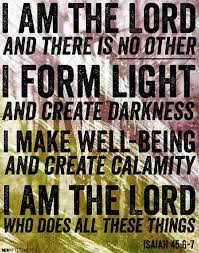
“I form the light and create darkness, I make peace, and create EVIL”? (Isaiah 45:7)


Is. 45Isaiah 45:7 I form the light, and create darkness: I make peace, and create EVIL: I the Lord do all these things (KJV)

Isaiah 45:7 I form the light and create darkness,
I make peace and create CALAMITYI, the Lord, do all these things.’ (NKJV)

God was causing physical CALAMITY on Israel due to their disobedience. God cannot even tempt anyone much less causing people to SIN, and the “evil” he caused was in the form of calamity due to people who rebelled against him contrary to his will. We can read throughout the Bible that God HATES SIN, and that he PUNISHES sinner. Clearly then God is NOT causing people to commit evil acts, because he would never ordain people to do something that he hates – which is SIN.

The word “evil” is a translation from the Hebrew word ra (Strong’s 7451) and is in KJV translated as: evil,  wickedness, wicked, mischief, hurt, bad, trouble, sore, affliction, ill, adversity, favoured, harm, naught, noisome, grievous, sad, etc.  

James 1:13 Let no man say when he is tempted, I am tempted of God: for God cannot be tempted with evil, neither tempteth he any man:

1 John 1:5 This then is the message which we have heard of him, and declare unto you, that God is light, and in him is no darkness at all.

Habakkuk 1:13 Thou art of purer eyes than to behold evil, and canst not look on iniquity: wherefore lookest thou upon them that deal treacherously, and holdest thy tongue when the wicked devoureth the man that is more righteous than he?

Isaiah 5:20 Woe unto them that call evil good, and good evil; that put darkness for light, and light for darkness; that put bitter for sweet, and sweet for bitter!

Psalm 5:5 The foolish shall not stand in thy sight: thou hatest all workers of iniquity.

Hebrews 1:9 Thou hast loved righteousness, and hated iniquity; therefore God, even thy God, hath anointed thee with the oil of gladness above thy fellows.

If a righteous life glorifies God (1 Cor. 6:20), how could evil acts also glorify God?  The calvinist John Piper suggests that God forordains evil because it can “make the glory of Christ shine more brightly”, but that does not make any sense at all. The truth is that goodness and righteousness glorifies God (Micah 6:8, Rom. 2:7, 10), and evil/sin dishonors God (John 8:49, Rom. 2:8-9, 23). If anyone claims that he commits an evil act for the glory of God, then we know that person is not speaking Biblical truths.

God talks about bringing “evil” (as in calamity) to a city to punish their sins (Neh. 13:18; Jer. 21:10; 25:29; Amos 3:6). Evil i not contrasted with righteousness but with peace. Let’s check a couple of verses which talk about God causing EVIL (when a more appropriate word could have been “calamity”).

Amos 3:You only have I known of all the families of the earth: therefore I will punish you for all your iniquities.Shall a trumpet be blown in the city, and the people not be afraid? shall there be EVIL in a city, and the Lord hath not done it? Surely the Lord God will do nothing, but he revealeth his secret unto his servants the prophets.—10 For they know not to do right, saith the Lord, who store up violence and robbery in their palaces.11 Therefore thus saith the Lord God; An adversary there shall be even round about the land; and he shall bring down thy strength from thee, and thy palaces shall be spoiled.

If God is the one ordaining sin/evil, why is there a need to punish people for doing the iniquities that God has caused/ordained/predestined/forced them to do? A just God would never punish anyone for doing his will (or for doing what he caused them to do). That people know not to do right means that they have no intention or willingness to do what is right. This often happens when people have been so accustomed to do evil and hardened their heart to such an extent that they no longer know to do right. God has the right to enforce physical judgments and punishments, and he often does this with the hope of seeing people converted.

12 Thus saith the Lord; As the shepherd taketh out of the mouth of the lion two legs, or a piece of an ear; so shall the children of Israel be taken out that dwell in Samaria in the corner of a bed, and in Damascus in a couch.14 That in the day that I shall visit the transgressions of Israel upon him I will also visit the altars of Bethel: and the horns of the altar shall be cut off, and fall to the ground.15 And I will smite the winter house with the summer house; and the houses of ivory shall perish, and the great houses shall have an end, saith the Lord.

More examples of horrible calamity that awaits those who sins against God. God will visit Israel due to its transgressions, he will smite and he will make their important possessions perish. A better choice would of course had been to be obedient to God in order to prevent all the calamity from happening.

The context of Isaiah 45

Isaiah 45:1 Thus saith the Lord to his anointed, to CYRUS, whose right hand I have holden, to subdue nations before him; and I will loose the loins of kings, to open before him the two leaved gates; and the gates shall not be shut;—And I will give thee the treasures of darkness, and hidden riches of secret places, that thou mayest know that I, the Lord, which call thee by thy name, am the God of Israel.

God is addressing Cyrus about what is about to happen in the near future involving himself. Cyrus will be able to achieve much, but not necessarily because he is such a great guy but because God might want to use Cyrus’ plans to punish Israel, maybe with the hope that his people will repent. With other words, God can make use man’s evil plans (or neutral plans) and make them very prosperous by preventing others from interfering with them. This doesn’t mean it’s God’s idea to make people start unholy wars and harm others, but it’s rather his idea to make use of such plans for something good in SOME occasions. God very rarely act in this way but there are a few occasions in the Bible where we can see this happening, and the death of Jesus Christ is of course a famous example of this which you can read about here. (Judas certainly wasn’t forced to betray Jesus in any way.)

For Jacob my servant’s sake, and Israel mine elect, I have even called thee by thy name: I have surnamed thee, though thou hast not known me.

Jacob was chosen to be the seed which would bring forth God’s own people, and therefore elect in that respect. The fact that Israel was “elect” doesn’t mean that all Israel will be saved. Israel was singled out for a reason, and the idea was that this nation would bring light to the rest of the world.

Drop down, ye heavens, from above, and let the skies pour down righteousness: let the earth open, and let them bring forth salvation, and let righteousness spring up together; I  the Lord have created it.

Here is a focus on that God created the heavens and the earth, and the hope is that God’s creation and righteousness would be obvious for all to see and to bring forth salvation.

Woe unto him that striveth with his Maker! Let the potsherd strive with the potsherds of the earth. Shall the clay say to him that fashioneth it, What makest thou? or thy work, He hath no hands?

According to this verse there is a risk that people will strive with God, since we can read a severe warning about it. That people strive with God, argue with him and rebel against him shouldn’t really surprise us because the Bible is full of examples to this effect, and of course the same thing can be seen today. Christians certainly don’t act properly all the time and some even blame God for their misfortunes. This verse doesn’t say that the clay CANNOT answer back and strive with the potter, but that he SHOULD not. Each time a person sins, it’s always against the will of God.

10 Woe unto him that saith unto his father, What begettest thou? or to the woman, What hast thou brought forth?

Here is another warning needed to be disclosed, due to the risk for that people might act in the opposite way.

12 I have made the earth, and created MAN upon it: I, even my hands, have stretched out the heavens, and all their host have I commanded.13 I have raised HIM up in RIGHTEOUSNESS, and I will direct all his ways: he shall build my city, and he shall let go my captives, not for price nor reward, saith the Lord of hosts.

Here God is pointing out that he is the Creator of all things, and he is speaking about MAN and that he has raised him up in RIGHTEOUSNESS. Despite that man is brought up in righteousness, he hasn’t always remained on that road but walked his own ways. We have all been given the light, but we must make sure to keep walking in the light,. God will apparently also direct all his ways but this doesn’t mean man will always be cooperative.

16 They shall be ashamed, and also confounded, all of them: they shall go to confusion together that are makers of idols.

If people are making idols they are naturally being disobedient to God, and particularly his first commandment to have no other God beside HIM. If someone is told to be ashamed of himself for something he did, he has clearly acted against God’s will or else he shouldn’t be told to be ashamed of himself but rather be praised. If people are transgressing his laws, there will be confusion among them.

20 Assemble yourselves and come; draw near together, ye that are escaped of the nations: they have no knowledge that set up the wood of their graven image, and pray unto a god that cannot save.21 Tell ye, and bring them near; yea, let them take counsel together: who hath declared this from ancient time? who hath told it from that time? have not I the Lord? and there is no God else beside me; a just God and a Saviour; there is none beside me.

We can read that God is a JUST God (so clearly not a God who predestines people to sin and then turns around and punishes them for it), and a SAVIOR. He asks the Israelites to bring all those idol worshipers near and let them be counselled.

22 Look unto me, and be ye saved, all the ends of the earth: for I am God, and there is none else.

Here is a clear universal offer of salvation. All the ends of the earth can be saved, under the condition that they LOOK UNTO GOD. This sounds just like the ordeal with the fiery serpent in the desert which people were asked to look at it in order to be free from their snake wounds.

23 I have sworn by myself, the word is gone out of my mouth in righteousness, and shall not return, That unto me every knee shall bow, every tongue shall swear.24 Surely, shall one say, in the Lord have I righteousness and strength: even to him shall men come; and all that are incensed against him shall be ashamed.

Apparently people can act against God since we can read that “all that are incensed against him shall be ashamed”. Surely this couldn’t be something that God predestined them to do. Why would he cause people to work against him?

God sometimes causes “evil” (or calamity) as a punishment on people who act against his will

Jeremiah 32:23 And they came in, and possessed it; but they obeyed not thy voice, neither walked in thy law; they have done nothing of all that thou commandedst them to do: THEREFORE thou hast caused all this evil to come upon them

1 Kings 9:9 And they shall answer, Because they forsook the LORD their God, who brought forth their fathers out of the land of Egypt, and have taken hold upon other gods, and have worshipped them, and served them: THEREFORE hath the LORD brought upon them all this evil.

1 Kings. 14:But hast done evil above all that were before thee: for thou hast gone and made thee other gods, and molten images, to provoke me to anger, and hast cast me behind thy back:10 THEREFORE, behold, I will bring evil upon the house of Jeroboam, and will cut off from Jeroboam him that pisseth against the wall, and him that is shut up and left in Israel, and will take away the remnant of the house of Jeroboam, as a man taketh away dung, till it be all gone.

2 Kings. 21:11 Because Manasseh king of Judah hath done these abominations, and hath done wickedly above all that the Amorites did, which were before him, and hath made Judah also to sin with his idols:12 THEREFORE thus saith the Lord God of Israel, Behold, I am bringing such evil upon Jerusalem and Judah, that whosoever heareth of it, both his ears shall tingle.

2 Kings. 22:16 Thus saith the Lord, Behold, I will bring evil upon this place, and upon the inhabitants thereof, even all the words of the book which the king of Judah hath read:17 Because they have forsaken me, and have burned incense unto other gods, that they might provoke me to anger with all the works of their hands; THEREFORE my wrath shall be kindled against this place, and shall not be quenched.

2 Chronicles 7:22 And it shall be answered, Because they forsook the LORD God of their fathers, which brought them forth out of the land of Egypt, and laid hold on other gods, and worshipped them, and served them: THEREFORE hath he brought all this evil upon them.

Isaiah 47:10 For thou hast trusted in thy wickedness: thou hast said, None seeth me. Thy wisdom and thy knowledge, it hath perverted thee; and thou hast said in thine heart, I am, and none else beside me.11 THEREFORE shall evil come upon thee; thou shalt not know from whence it riseth: and mischief shall fall upon thee; thou shalt not be able to put it off: and desolation shall come upon thee suddenly, which thou shalt not know.

Jeremiah 11:8 Yet they obeyed not, nor inclined their ear, but walked every one in the imagination of their evil heart:THEREFORE I will bring upon them all the words of this covenant, which I commanded them to do: but they did them not.—11 THEREFORE thus saith the LORD, Behold, I will bring evil upon them, which they shall not be able to escape; and though they shall cry unto me, I will not hearken unto them

Joshua 23:15 THEREFORE it shall come to pass, that as all good things are come upon you, which the Lord your God promised you; so shall the Lord bring upon you all evil things, until he have destroyed you from off this good land which the Lord your God hath given you.16 When ye have transgressed the covenant of the Lord your God, which he commanded you, and have gone and served other gods, and bowed yourselves to them; then shall the anger of the Lord be kindled against you, and ye shall perish quickly from off the good land which he hath given unto you.

Why did God create us, despite knowing we would mess up?

A parable about a party invitation for ALL

Some christians feel it’s strange that God would let his son die for people He knows ahead of time will never believe in him, and that’s why they prefer to believe that Jesus only died for SOME people who will DEFINITELY be saved because they are specifically PRE-CHOSEN to be the lucky ELECT. But I don’t find dying for ALL people despite knowing the risks/results involved is a paradox at all. What about those who DO choose to believe in him? They will be heirs to the kingdom, and the thing is that ALL are given this opportunity so no one is left out or is unfairly treated. God is totally fair and merciful to all!

Most young couples are aware of the risk that some of their future children might not turn out as obedient and morally upright human beings,  but they are willing to take this risk since children (and not robots) are a great blessing and a good company. Even if a married couple would be told that two of their ten not yet born children will end up as unbelievers, they will likely decide to have their children anyway. At least THEY (the parents) don’t force their children to become unbelievers. They might bring them up in a wonderful christian home and teach them all things about Christ and the Bible and how to be good moral people. If they still one day reject this teaching and become wicked individuals, then THEY (the children) are to be blamed and not the parents.

(We also have “Open theism” as a possible factor, where God indeed knows “all things” but only what is “knowable”. Read more here. )

I’d like to compare God’s salvation offer to everyone with a party invitation even if it’s not a perfect analogy.

Let’s say I decide to have a party in my house. Of course I’m entitled to set up the rules and conditions myself, and I don’t need to ask anyone for advice or permission how to run things since I’m “sovereign” over my own house  (sovereign is a word which is not in the KJV Bible but still…). I decide to invite EVERYONE in my entire neighborhood, and to use a RSVP (respondez s’il vous plait) on my invitation cards. I also PROMOTE my party and tell everyone that they would miss out big time if they will not come. My party is totally free of any costs, but I still have conditions. The following conditions/restrictions apply:

  • Had I not decided to have this party, there would not be a party. I personally initiated a “drawing” or “calling”.
  • All are invited but ONLY those who REPLY as per the RSVP may actually come
  • And out of those who reply affirmatively as per the RVSP, only those who SHOW UP at my party will be let in!
  • And those who have replied affirmatively and showed up must also be acceptably DRESSED to be let in.

(Maybe I could add that they must also BEHAVE during the entire duration of the party so they won’t disturb and ruin the party for the others, but when we will end up at the big wedding party in heaven all troublemakers will already be sorted out. It’s a good thing that “sinners” are not welcomed to the big wedding party or else it would not be a pleasant time for the others.)

Even though I have all those conditions, the party is still totally FREE OF CHARGE. The guests could not do anything themselves to be invited to my party. Nothing we believe or do can ever merit salvation. We don’t deserve to be saved, but our Lord has enabled salvation to all of us in our totally lost state.

I could of course have arranged things differently…

I could make personal  invitations to CERTAIN people in my neighborhood and FORCE them to come to my party which I make MANDATORY for those I invite. I could also REFUSE to allow anyone else to come to my party EVEN THOUGH I have PLENTY OF ROOM, food, beverages, entertainment, etc for EVERYONE in the entire neighborhood.

The thing is though that I PREFER to invite ALL and to let THEM make up their mind if they want to come or not.  That means that whosoever wills can come and it would bring me much happiness to know that people have used their own minds when accepting my invitation. I would not feel good about having people around me who have no other choice but to be there whether they like to or not. God has created us in his image, and we are able to reason and make options depending on various circumstances.  God has also created LIMITATIONS to our free will. We simply can’t fly to March and back just because we have this desire and will. 

Is my party a total failure because all who were invited did not come? Can we say I was totally helpless and in the hands of the people I invited? Did someone make the rules instead of me? Did someone thwart my plans? Did I lose control? Did something happen unexpectedly which I didn’t think of? Did I not calculate the risks properly? Did I treat someone unfairly? Am I a wicked person because I did not force people to come? Should we feel sorry for those who did not come despite that they knew the truth about it? Am I illogical in my behavior? Did I at any time resort to Plan B?

Of course not! We would all have a great time at my party, and I would feel good about knowing that I made sure that ALL had a fair chance to come. I wouldn’t even want people at my party unless THEY had a sincere desire to come and to get to know me.Why is it out of the question that our sovereign Lord created us with the ability to accept/reject him and obey/disobey?

Compare also with the analogy of the wedding party in Matthew 22. Note that those who were bidden to come chose to NOT come, and those who did choose to come were called “chosen”. Notice that no one is forced to do anything. Both good and bad were called but they were all required to wear WEDDING CLOTHES in order to be acceptable to the wedding party. We must repent from our sins and be holy and righteous and dressed in white undefiled garments. 

1. And Jesus answered and spake unto them again by parables, and said,The kingdom of heaven is like unto a certain king, which made a marriage for his son,And sent forth his servants TO CALL THEM THAT WERE BIDDEN to the wedding: and they would not come.Again, he sent forth other servants, saying, Tell them which are bidden, Behold, I have prepared my dinner: my oxen and my fatlings are killed, and all things are ready: come unto the marriage.But they made light of it, and went their ways, one to his farm, another to his merchandise:And the remnant took his servants, and entreated them spitefully, and slew them.But when the king heard thereof, he was wroth: and he sent forth his armies, and destroyed those murderers, and burned up their city.Then saith he to his servants, The wedding is ready, but they which were bidden were not worthy.Go ye therefore into the highways, and as many as ye shall find, bid to the marriage.10 So those servants went out into the highways, and gathered together all as many as they found, both bad and good: and the wedding was furnished with guests.11 And when the king came in to see the guests, he saw there a man which had not on a wedding garment:12 And he saith unto him, Friend, how camest thou in hither not having a wedding garment? And he was speechless.13 Then said the king to the servants, Bind him hand and foot, and take him away, and cast him into outer darkness, there shall be weeping and gnashing of teeth.14 For many are called, but few are chosen. 

God’s will is not always done – Bible verses

Bible verses which show that God’s will can change depending on man’s actions

Man’s free will is even more obvious in the Bible than the trinity (which is VERY obvious) and we can be read about man’s free will from the first page of the Bible to the last. Below are just a few examples. One would think that the obvious FACT that people so often have hardened their hearts against God and rebelled against Him, would be proof enough that God’s will does not always happen, but strangely enough there are people who don’t feel this is clear at all. Believe it or not, but they believe that God predestines/causes/forces/decrees people to rebel against him! If this is true, then we would just be doing God’s will by being wicked and rebellious, and we really should be rewarded for doing His will instead of getting punished for something which is totally out of our control. The word “sovereign” is not in the Bible (KJV) but isn’t our Lord powerful enough to create man with free will? Or is this too difficult for Him? Wouldn’t God be in control even though man has free will? The Bible is a book FULL of examples of people who are NOT obeying God, resulting in God’s wrath against them! If man does not have free will, then GOD is to be blamed for our actions. If we are born “totally depraved” as some think (another unbiblical expression) then whose fault is that? Are we “totally depraved” according to God’s will or against his will? Where did this depravity come from, if not by God? Please close your “reformed” type of books with all kinds of gnostic claims which deceive you, and open up your Bible and see what it says. If I go for a walk with my dog and decide to let it loose for a  while, can we say that the dog has overpowered me and made me lose control over it against my will? Did the dog remove some of my sovereignty? Did I lose control over the situation even though I’m well aware of the likely behavior of my dog, including the tiny risk that it might find a rabbit and chase it?

New Testament

Matt 11:20 Then began he to upbraid the cities wherein most of his mighty works were done, because they repented not:21Woe unto thee, Chorazin! woe unto thee, Bethsaida! for if the mighty works, which were done in you, had been done in Tyre and Sidon, they would have repented long ago in sackcloth and ashes.

Matt 12:41 The men of Nineveh shall rise in judgment with this generation, and shall condemn it: because they repented at the preaching of Jonas; and, behold, a greater than Jonas is here.

Matt 21:32 For John came unto you in the way of righteousness, and ye believed him not: but the publicans and the harlots believed him: and ye, when ye had seen it, repented not afterward, that ye might believe him.

Matt 17:17 Jesus answered and said, O faithless and perverse generation, how long shall I be with you? how long shall I suffer you?  

Matt 15:6 …And you voided the commandment of God by your tradition.

Matt 23:37.O Jerusalem, Jerusalem, thou that killest the prophets, and stonest them which are sent unto thee, how  often would I have gathered thy children together, even as a hen gathereth her chickens under her wings, and ye would not!

Mark 7:13 making the Word of God of no effect through your tradition which you have delivered. And you do many such things.

Mark 3:35 whosoever shall DO THE WILL OF GOD, the same is my brother, and my sister, and mother.

Luke 7:30 But the Pharisees and lawyers rejected the counsel of God for themselves, not having been baptized by him

Jn. 7:17 Jesus said, If any man will do his will

Acts 7:51 Ye stiffnecked and uncircumcised in heart and ears, ye do always resist the Holy Ghost: as your fathers did, so do ye. 

Acts 8 Repent therefore of this thy wickedness, and pray God, if perhaps the thought of thine heart may be forgiven thee. For I perceive that thou art in the gall of bitterness 

Romans 1:18 For the wrath of God is revealed from heaven against all ungodliness and unrighteousness of men, who hold the truth in unrighteousness; 19Because that which may be known of God is manifest in them; for God hath shewed it unto them. 20For the invisible things of him from the creation of the world are clearly seen, being understood by the things that are made, even his eternal power and Godhead; so that they are without excuse 21Because that, when they knew God, they glorified him not as God, neither were thankful; but became vain in their imaginations, and their foolish heart was darkened. 22Professing themselves to be wise, they became fools,—: 25Who changed the truth of God into a lie, and worshipped and served the creature more than the Creator, who is blessed for ever. Amen.  28And even as they did not like to retain God in their knowledge, God gave them over to a reprobate mind, to do those things which are not convenient; 29Being filled with all unrighteousness, fornication, wickedness, covetousness, maliciousness; full of envy, murder, debate, deceit, malignity; whisperers, 30Backbiters, haters of God, despiteful, proud, boasters, inventors of evil things, disobedient to parents, 31Without understanding, covenantbreakers, without natural affection, implacable, unmerciful: 32Who knowing the judgment of God, that they which commit such things are worthy of death, not only do the same, but have pleasure in them that do them.

1 Tim. 5:12 Having damnation, because they have cast off their first faith.

1 Thess 4 brethren, we urge and exhort in the Lord Jesus that you should abound more and more, just as you received from us how you OUGHT to walk and to PLEASE GOD.. Therefore he who rejects this does not REJECT man, but GOD, who has also given us His Holy Spirit.

1 Peter 4:2 That he no longer should live the rest of his time in the flesh to the lusts of men, BUT to the will of God.

2 Cor 5: 19 God was in Christ reconciling the world to Himself, not imputing their trespasses to them, and has committed to us the word of reconciliation. Now then, we are ambassadors for Christ, as though GOD WERE PLEADING through us: we implore you on Christ’s behalf, BE RECONCILED TO GOD.”

1 John 2:7 And the world passeth away, and the lust thereof: but he that doeth the will of God abideth for ever.

Revelation 2:21 And I gave her space to repent of her fornication; and she repented not.22 Behold, I will cast her into a bed, and them that commit adultery with her into great tribulation, except they repent of their deeds.

Old Testament

Zechariah 7: 11 But they refused to hearken, and pulled away the shoulder, and stopped their ears, that they should not hear. 12Yea, they made their hearts as an adamant stone, lest they should hear the law, and the words which the Lord of hosts hath sent in his spirit by the former prophets: therefore came a great wrath from the Lord of hosts. 13Therefore it is come to pass, that as he cried, and they would not hear; so they cried, and I would not hear, saith the Lord of hosts: 

Exodus 13:17 And it came to pass, when Pharaoh had let the people go, that God led them not through the way of the land of the Philistines, although that was near; for God said, Lest peradventure the people repent when they see war, and they return to Egypt

Numbers 14:27 How long shall I bear with this evil congregation, which murmur against me?

Hos. 4:6 My people are destroyed for lack of knowledge: because thou hast rejected knowledge, I will also reject thee, that thou shalt be no priest to me: seeing thou hast forgotten the law of thy God, I will also forget thy children

Isa. 5:Now will I sing to my wellbeloved a song of my beloved touching his vineyard. My wellbeloved hath a vineyard in a very fruitful hill:And he fenced it, and gathered out the stones thereof, and planted it with the choicest vine, and built a tower in the midst of it, and also made a winepress therein: and he looked that it should bring forth grapes, and it brought forth wild grapes.And now, O inhabitants of Jerusalem, and men of Judah, judge, I pray you, betwixt me and my vineyard.What could have been done more to my vineyard, that I have not done in it? wherefore, when I looked that it should bring forth grapes, brought it forth wild grapes?And now go to; I will tell you what I will do to my vineyard: I will take away the hedge thereof, and it shall be eaten up; and break down the wall thereof, and it shall be trodden down:And I will lay it waste: it shall not be pruned, nor digged; but there shall come up briers and thorns: I will also command the clouds that they rain no rain upon it.For the vineyard of the Lord of hosts is the house of Israel, and the men of Judah his pleasant plant: and he looked for judgment, but behold oppression; for righteousness, but behold a cry.

Isa.1:2 I have nourished and brought up children, and they have rebelled against me?

Isa 1:19 If ye be willing and obedient, ye shall eat the good of the land: But if ye refuse and rebel, ye shall be devoured...

Isa.66:3 Regarding those who would not hearken to the Lord, God said “I gave them up unto their own hearts lust: and they walked in their own counsels

Gen. 6:5 it repented the Lord that he had made man on the earth

Exodus 32:14 And the LORD repented of the evil which he thought to do unto his people

1 Samuel 15:11 It repenteth me that I have set up Saul to be king: for he is turned back from following me, and hath not performed my commandments. And it grieved Samuel; and he cried unto the LORD all night.

Lev 26:23 IF YOU WILL NOT be reformed by me by these things, but will walk contrary unto me; THEN will I also walk contrary unto you.”

Jeremiah 8:5Why then is this people of Jerusalem slidden back by a perpetual backsliding? they hold fast deceit, they refuse to return. 6I hearkened and heard, but they spake not aright: no man repented him of his wickedness, saying, What have I done? every one turned to his course, as the horse rusheth into the battle. — 9The wise men are ashamed, they are dismayed and taken: lo, they have rejected the word of the LORD; and what wisdom is in them? 

Jeremiah 15:6 Thou hast forsaken me, saith the LORD, thou art gone backward: therefore will I stretch out my hand against thee, and destroy thee; I am weary with repenting evil that I thought to do unto them.

Jeremiah 26:3 If so be they will hearken, and turn every man from his evil way, that I may repent me of the evil, which I purpose to do unto them because of the evil of their doings.

Jeremiah 32:35 And they built the high places of Baal, which are in the valley of the son of Hinnom, to cause their sons and their daughters to pass through the fire unto Molech;which I commanded them not, neither came it into my mind, that they should do this abomination, to cause Judah to sin.

Jeremiah 42:10 If ye will still abide in this land, then will I build you, and not pull you down, and I will plant you, and not pluck you up: for I repent me of the evil that I have done unto you.

Eze:33:11-16 As surely as I live, says the Sovereign LORD, I take no pleasure in the death of wicked people. I only want them to turn from their wicked ways so they can live. Turn! Turn from your wickedness, O people of Israel! Why should you die? Son of man, give your people this message: The righteous behavior of righteous people will not save them if they turn to sin, nor will the wicked behavior of wicked people destroy them if they repent and turn from their sins. When I tell righteous people that they will live, but then they sin, expecting their past righteousness to save them, then none of their righteous acts will be remembered. I will destroy them for their sins. And suppose I tell some wicked people that they will surely die, but then THEY turn from their sins and do what is just and right. If the wicked restores the pledge, gives back that which he has stolen, walks in the statutes of life, WITHOUT SINNING; he shall surely live, he shall not die. None of their past sins will be brought up again, for they have done what is just and right, and they will surely live.”

Ezekiel 18:30 Therefore I will judge you, O house of Israel, every one according to his ways, saith the Lord GOD. Repent, and turn yourselves from all your transgressions; so iniquity shall not be your ruin.

Ezekiel 36:32 Not for your sakes do I this, saith the Lord GOD, be it known unto you: BE ASHAMED and confounded FOR YOUR OWN WAYS, O house of Israel.

Jonah 3:10 And God saw their works, that they turned from their evil way; andGod repented of the evil, that he had said that he would do unto them; and he did it not.

Ps. 81:11. Yea, they have chosen their own ways

Ps. 7:9 Oh let the wickedness of the wicked come to an end; but establish the just: for the righteous God trieth the hearts and reins. My defence is of God, which saveth the upright in heartGod judgeth the righteous, and God is angry with the wicked every day.

Ps. 78 That they might set their hope in God, and not forget the works of God, but keep his commandments: And might not be as their fathers, a stubborn and rebellious generation; a generation that set not their heart aright, and whose spirit was not stedfast with God. 

Ecclesiastes 7:29 Lo, this only have I found, that God hath made man upright; but they have sought out many inventions. 

Theological Development Through the Scriptures (from PinPoint Evangelism)

Genesis 2:19
Now the Lord God had formed out of the ground all the beasts of the field and all the birds of the air. He brought them to the man to see what he would name them

From this passage, what was God’s reason to bringing the animals to man? It appears by the language used, God didn’t know what Adam would in fact name each animal; this appears to be the point being made.& is correct, then this could not be the actual reason why God performed this act, and the wording of Scripture becomes vague.

Genesis 18:20-21
The  outcry  against  Sodom  and Gomorrah is so great and their sin  so grievous that  I will  go down and see if what they gave done is as bad as the outcry that has reached me.  If not, I will know.

This verse is truly a stumper if absolute foreknowledge is true. God himself states quite openly that he will do something (go down) in order for him to know something. Now did he know it before he went or not?  How can God use the future tense when addressing his knowledge?  To say that God already knew but the wording is just saying that he will also know in the future does violence to language not to mention that it is stating the obvious. God uses language as we do.  To do anything else would be utter folly. How could God faithfully communicate with man if he pulled a Clinton speak.  If God’s word usage is different that ours is, we  have a communication dilemma of the first order. (The analysis of this story provides wonderful insights into God’s nature and will be the subject of another paper altogether.)

Genesis 22:12
“Do not lay a hand on the boy“, he said. “Do not do anything to him.  Now I know that you fear God, because you have not withheld from me your son, your only son.”

Here again God states that he has just learned something.  Some scholars try to get around this by stating that the angel who delivered this message was interjecting his own opinion. Well if this is the case, then Abraham didn’t withhold his only son from the angel.  This is clearly preposterous, but it shows the length that theologians will go to in order not to change their theology.  God tested Abraham to know what he would do.

Exodus 4:8
Then the Lord said, “If they do not believe you or pay attention to the first miraculous sign, they may believe the second. But if they do not believe these two signs or listen to you, take some water from the Nile and pour it on the dry ground.

They MAY believe!  Why is God giving Moses all of these contingencies?  If God knew exactly how the Egyptians were going to react, then these instructions make little sense. Was he trying to give Moses the false belief that He didn’t know exactly how things were going to turn out? Remember that this is God instructing Moses. This sounds like plan A, B and C.

Exodus 13:17-18
When  Pharaoh let the people  go, God did not lead them  on the road through the Philistine country, though that was  shorter.  For God said, “If they face war, they might change their minds and return to Egypt.”

So God led the people around by the desert road toward the Red Sea. This passage seems to let us in on God’s deliberation of how he is going route the nation of Israel.  It clearly says that the reason God didn’t take the most direct route was that the people “might” turn back. Here we see that God knows and inderstands the people’s hearts and their “probable” reaction to a war at this point, but clearly the outcome is not certain. Remember, this is God speaking as it is in quotation marks. God made the people take the long route through the desert because he was not sure of what the outcome would have been had he not.

Exodus 16:4
In this way I will test them and see whether they will follow my instructions.

Why does God test us?  Theologians say that it is for our sakes and not God’s. This is indeed strange.  Do you learn anything in a test, or does that which is already in you become manifest. Clearly the schoolteacher doesn’t expect a student to learn from a test.  A test is to determine what a student already knows.  Now some may say that we cannot relate a school teacher’s knowledge to that of God, and I would indeed  agree.  However, this Scripture appears to correlate the two.  God tested them in order to find something out. Are we going to say that God already knew, but he wanted to stimulate his sense of vision?

Numbers 14:11-12
The Lord said to Moses, “How long will these people that me with contempt?  How long will they refuse to believe in me, in spite of all the miraculous signs I have performed among them?”  I will strike them down with a plague and destroy them, but I will make you into a nation greater and stronger then they.

Here we see God asking questions of Moses that we can confidently conclude that Moses didn’t have the answers to. Clearly God knew that Moses didn’t have the answers.  Why then was God making these comments?  Could it be to show his breaking heart?  Why would God ask these questions when he already knew the answer?  The final point is even more curious.  God states emphatically that he will do something that he knew that he would never do.  God didn’t strike them down with a plague, and he didn’t make Moses’s descendants greater and stronger than Abraham’s.  So, if God knew that these were all false statements, were does these lead us?  Did God mislead, lie to, and manipulate Moses?  If you cling to absolute foreknowledge, you are in fact leveling this charge whether you want to or not.

Numbers 14:30
Not one of you will enter the land I swore with uplifted hand to make your home, except Caleb son of Jephunneh and Joshua son of Nun.

Here again we see God reneging on a promise.  Now if God knew when he made the promise that he would not keep it, then he lied to the people. He gave them a false hope that he knew he would later dash to pieces. God even swore with an uplifted hand to do something that he knew he wouldn’t ever do. Where does this leave us?  If this is true, can we ever trust in a promise of God?  Does believing God require more stupidity than faith?

Deuteronomy 8:2
Remember how the Lord your God led you all the way in the desert these forty years, to humble you and to test you in order to know what was in you heart, whether or not you would keep his commands.

Here again we bring up the whole testing issue.  This appears to be quite plainly stated.  Does our theology call God a liar?  Why did God humble and test the people?  A forty year long test appears to be a bit over the top if God already knew everything.  If God already knew what was in their heart, then I think God owes the people an apology.

Deuteronomy 13:3
The Lord your God is testing you to find out whether you love him with all your heart and with all your soul.

Ditto.
Judges 2:22
I will use them to test Israel and see whether they will keep the way of the Lord and walk in it as their forefathers did.

Judges 3:4
They were left to test the Israelites to see whether they would obey the Lord’s commands, which he had given their forefathers through Moses.

Does anyone think that this passage is talking about literal sight?  While this test does involve observation, it is not for observation purposed only.  For completeness however, the Judges 3 passage has a dual purpose as stated by God.  The first was to train the Israelites for battle (v2), and the second was to “see” what they would do as far as obeying God’s command (v4).

I Samuel 23:10-13
David said, ”O Lord, God of Israel, your servant has heard DEFINITELY that Saul plans to come to Keilah and destroy the town on account of me.  Will the citizens of Keilah surrender me to  him?   Will  Saul come down  as your servant  has  heard?   O Lord, God  of Israel, tell your servant.”   And  the  Lord said,  “He  will.”  Again  David asked,  “Will  the  citizens  of  Keilah surrender me and my men to Saul?” And the Lord said, “They will.”  So David and his men, about six hundred in number, left Keilah and kept moving from place to place. When Saul was told that David had escaped from Keilah, he did not go there.

Now  what  do  we  have  here? David  asks  God two  very  direct  questions  and got two  direct answers.  David asked would the town be destroyed.  God said ‘Yes’.  David also asked would the  people  of the town  give  him over to Saul.   God again  said  ‘Yes’.  However,  none  of his happened.  Didn’t God know what David was going to do?  Was God misleading David?  Upon hearing this, Saul didn’t even go to the town that God said that he would destroy.  Why didn’t David simply throw up his hands and cry, “Woe is me”, when God told him his future?  Why did God tell David how things would be if he in fact knew that they would never be?  How can God say that Saul will go to the town and not be in error when Saul never goes?  Is God lying to David or just “pulling his leg”?  The obvious answer is that if David stayed there, these things would have happened.  David obviously didn’t believe that God’s knowledge of the future was unalterable or he would have just sat there and succumbed to his fate.   No, David knew what God  said would happen if  he  didn’t  change  something.  He also  knew that if  he  did change something, what God said would not happen and would be invalid.  The future is open!

I Kings 20:42
“This  is  what  the  Lord  says:  ‘You  have  set  free  a  man  that  I  had  determined  should  die, therefore, it is your life for his life, your people for his people.’”

God  determined  something  knowing that there was  no  possible way of it happening?   Also, “therefore” is a contingent word, but if God knew absolutely that he would spare the king, then there is no contingency about this or any other act.  God simple determined that he should die, and made up this scenario to justify his actions.  This is clearly a false statement, but what else could this mean?

II Chronicles 32:31
But when the envoys were sent by the rulers of Babylon to ask him about the miraculous sign that had occurred in the land, God left him to test him and to know everything that was in his heart.

Again, wrongo!  God didn’t leave him to know anything!  What kind of radial theology is this! God already knows everything from eternity, from before the foundations of the world!  We need to rewrite the Bible and take out all of this bad theology and these misleading passages.

Jeremiah 3:7
I thought  that  after  she  had  done  all  this  she  would  return  to  me  but  she  did  not,  and  her unfaithful sister Judah saw it.

This passage appears to have God admitting to a mistake in his knowledge. Was God mistaken? What about absolute foreknowledge of all future events, how could this be?  How can God think one thing  about the  future, be incorrect, and still  have  absolute  foreknowledge of all future events?

Jeremiah 3:19
I thought you would call me ‘Father’ and not turn away from following me.  But like a woman unfaithful to her husband, so you have been unfaithful to me, O house of  Israel, declares the Lord.

What!  We have found another passage that needs to be expunged from the Bible!  Clearly the thought of God being mistaken about the future acts of man cannot be true!  Heresy, I say!

Jeremiah 7:31
They have build the high places of Topheth in the Valley of Ben Hinnom to burn their sons and daughters in the fire – something I did not command, nor did it enter my mind.

Jeremiah 19:5
They  have  built the  high  places  of Baal to  burn their  sons in the fire as offerings to Baal  – something I did not command or mention, nor did it enter my mind.

Jeremiah 32:35
They built high places for Baal in the Valley of Ben Hinnom to sacrifice their sons and daughters to Molech, though  I  never commanded,  nor did it enter my mind, that they  should  do  such  a detestable thing and so make Judah sin.

All of these verses state the same thing.  Now I will be serious for a moment. God states that this thought ever entered his mind.  What can this mean except God did not think that man could stoop to  such  a level as to  do this horrendous thing.  Will you accept what God says about himself in his Word, or will you refuse to believe it, instead clinging on to what man’s tradition has told you is an attribute of God? Remember that the only concept of God that is correct is one that can be determined through the Scriptures.   Omniscience is  not  found in the Bible.  God knowing the future is never directly stated.  Some verses may appear on the surface to imply this attribute, but an implied attribute must square with all Scripture.  If it does not, the implication of God’s  character  or essence  is  incorrect.  If your logical  conclusions derived from selected Scriptures do not harmonize with other Scriptures, then you need to reconsider your theology. Do not wave your hands and try to explain away passages with obvious meanings.

Jeremiah 26:2-3
Tell them everything I command you do not omit a word.  Perhaps they will listen and each one will turn from his evil way.

“Perhaps”,  what  kind  of  word is this  for  God to  be  using?   This passage again  alludes to a contingent event, but our theology states that God knows absolutely what the outcome of the event will be.   To a god with  absolute foreknowledge no event is  contingent all events are absolute.  If this is indeed the case, why does God address man with contingent language?   Is God trying to portray an idea that is false? Would the prophet think that with such language that it was vitally important to not omit a word?  In the end, the people did not listen, so why did God have Jeremiah do this, to justify his own actions, to make the guilty guiltier?

Let me make one additional point here.  God  knows absolute reality.  If to God there are no contingent events (a  mandatory conclusion if absolute foreknowledge is true), the absolute eternal truth is that there are no contingent events.  If you believe that your future is contingent, then you must be deceived. It matters not how God knows the future and who determines it.  If God knows the outcome, then that outcome must occur. Therefore the concept of contingency is lunacy. Everything is  fate.  If  you think that the future is  open, then you cannot believe in absolute foreknowledge.  For centuries,  theologians  have been  arguing  if  we  are  free to determine our future or does God decree it.  This is unimportant for the discussion at hand.  If the future is fixed, then regardless of how it was fixed, it is fixed.  Your future has been determined absolutely,  and  you  have no  other choice except to walk those steps.  Your  future  has  been known, and therefore cannot be altered if God knows it unchangeably.

Ezekiel 20:6 & 15
On that day I swore to them that I would bring them out of Egypt into a land I had searched out for them, a land flowing with milk and honey, the most beautiful of all lands. Also with uplifted hand I swore to them in the desert that I should not bring them into the land I had given them – a land flowing with milk and honey, most beautiful of all lands.

These passages reiterate one listed earlier, but they are listed here for more clarity.  Here God stated he searched out an area for the people knowing before the search which area it would be, and that the people would never see it. Strange actions indeed.  He then swore to them with an uplifted hand that he would so something, and then later  raised his hand again and swore the opposite.  Now did God mean it when he swore the first time or just the second?  How could he be sincere the first time if he knew inevitably that he could never do it?  Do we start to have a credibility problem with God?  How do we know when he tells us something that he will indeed do it and not renege?

Ezekiel 22:30
I looked for a man among them who would build up the wall and stand before me in the gap on behalf of the land so I would not have to destroy it, but I found none.

Did God just have some time to burn off so he performed a useless search?  Was God’s heart in the search since before he commenced searching, he knew what the outcome would be?  Was he constrained to search to prove a point?  The question is: Why does God do futile things?

Ezekiel 33:13
If I tell the righteous man that he will surely live, but then he trusts in his righteousness and does evil, none of the righteous things he has done will be remembered, he will die for the evil he has done.

Again, we have more credibility problems with God.  He states emphatically that someone will live when he knows when he gives the statement that it could be false.  Then if someone takes God at his word (that he will live) and lets his guard down, he then risks death.  What kind of message is this?  If God tells you something, don’t believe it?

Psalms 69:28, Exodus 33:32
May they be blotted out of the book of life and not be listed with the righteous. But now, please forgive their sin – but if not, then blot me out of the book you have written.  The Lord replied to Moses, “Whoever has sinned against me I will blot out of my book.”

In the first verse we see that David has a notion that God will write someone’s name in the book of life, and at some later date, that person might be removed. Now if God knows absolutely who is going to be saved before he created the world, then what is the point of a holy eraser?  Where did David get such an idea?  Well one place might have been Moses.  Somehow, Moses had bad theology.  But wait, it appears that God propagated that bad theology.  God didn’t just let Moses’ theology  stand, but he compounded it even further.   The  fruit of  this theology is found in Revelation 3:5 when John the Apostle reiterated this idea thousands of years later.

Revelation 3:5
He who overcomes will, like them, be dressed in white.   I will never blot out his name from the book of life, but will acknowledge his name before my Father and his angels.

The obvious converse of this passage is that non-overcomers will be blotted out.  Interesting!

What is not meant by the denial of absolute foreknowledge

By denying God knows the future free will choices of man, it is not assumed that God doesn’t know certain future events.  Clearly God has prophesied future events that have come to pass.

These events however could be spoken of as certainties previous to the event, because God has the power to do whatever he so wills.  Nothing can stop his plan.  Therefore, if God decided to have  Jesus  born in Bethlehem,  no force in the  universe  could thwart  his  plan.   He therefore knows the future act absolutely because he has determined to cause the event to occur when the time has been fulfilled.  This is how a Calvinist views every event.  However, I believe Scripture shows that this is the exception and not the rule.

The denial of absolute foreknowledge also does not mean that God does not know everything. Clearly Scripture teaches that God has  full and complete knowledge of everything that exists (I John 3:20).  The question therefore is, does the future exist?  If you decide that the future does in fact exist in some manner as related to God, then it is incumbent on the reader to prove such a position.  This position cannot be simply assumed.  If in fact the future does not exist, then it is not incumbent upon God to know it.

Now this is not to say that God couldn’t have created a world in which he did know the future, but that he did not.  One could ask themselves, if in this world God knows all  future free actions, how would a world where he didn’t know differ from it?  How would the Bible be worded differently?

Also Romans 9 shows man’s free will

Romans 9 – the calvinists´favorite

Let’s go through the whole chapter.

1I say the truth in Christ, I lie not, my conscience also bearing me witness in the Holy Ghost, 2That I have great heaviness and continual sorrow in my heart. 3For I could wish that myself were accursed from Christ for my brethren, my kinsmen according to the flesh:4Who are Israelites; to whom pertaineth the adoption, and the glory, and the covenants, and the giving of the law, and the service of God, and the promises;  5Whose are the fathers, and of whom as concerning the flesh Christ came, who is over all, God blessed for ever. Amen. 

Paul apparently doesn’t believe that God has predestined some for heaven and some for hell, because he says he wish he were accursed for the sake of his kinsmen (the jews) even though not all of them have faith in Jesus as the Messiah. If God the Father didn’t intend for Jesus to die for ALL people but only SOME (the lucky elect) then why would Paul desire to die for people who are not christians? It wouldn’t make sense for Paul to be willing to die for people who Jesus would not be willing to die for. Paul also seems  to be unaware of that (if he were a calvinist) that things turn out exactly as God has planned from before the creation of the world, so to have “heaviness” and “continual sorrow” would be puzzling emotions. Why feeling sorry for people who will end up (heaven or hell) exactly where God wants them to end up? Paul has no business feeling sorry for people who God doesn’t feel sorry for.  Then again, limited atonement is not Biblical!

 6Not as though the word of God hath taken none effect. For they are not all Israel, which are of Israel: 7Neither, because they are the seed of Abraham, are they all children: but, In Isaac shall thy seed be called. 8That is, They which are the children of the flesh, these are not the children of God: but the children of the promise are counted for the seed 9For this is the word of promise, At this time will I come, and Sarah shall have a son.

Not all jews are the children of Abraham even though they are related to him through his blood. Only those who are of the “promise” are counted for the seed, and they are of FAITH. Abraham himself showed his faith through his deeds, and he was considered righteous for this reason. The promised Messiah came through his bloodline and through Sarah who was the free woman (and not through Hagar who was a servant and not free).

Gal. 3:7 Know ye therefore thatthey which are of FAITH, the same are the children of Abraham. And the scripture, foreseeing that God would justify the heathen through faith, preached before the gospel unto Abraham, saying, In thee shall all nations be blessed.So then they which be of FAITH are blessed with faithful Abraham.

10And not only this; but when Rebecca also had conceived by one, even by our father Isaac; 11(For the children being not yet born, neither having done any good or evil, that the purpose of God according to election might stand, not of works, but of him that calleth;)

The fact that children who are still in the womb have not done any good or evil, implies that the sinful nature is not true since babies are viewed as neutral. We can read about “election” here, but note that it’s not about electing individuals TO BELIEVE. The children in question are Jacob and Esau and they are not only individuals but also NATIONS and PEOPLE. God chose the seed of Jacob to bring forth the Messiah. Esau rejected his birthright (which is usually given to the first born) but still expected to maintain it when it was time to get the blessing from his Father, whereas Jacob took actions to lay hold of the birthright. A parallel can be made with the jews who expected to inherit the Kingdom just because they were born as jews and “God’s chosen people“. Paul tells them that salvation doesn’t work that way, but that we are rather saved by FAITH (proven by deeds) and this promise is also for the gentiles.

12It was said unto her, The elder shall serve the younger. 13As it is written, Jacob have I loved, but Esau have I hated.

Did the person Esau ever serve the younger person Jacob? No, not at any point in his life did he serve him. However, the PEOPLE who came forth from Esau did serve the people who came forth from Jacob. God had good reasons to hate Esau, both as an individual and as a people. Read more about Jacob and Esau here.

14What shall we say then? Is there unrighteousness with God? God forbid. 15For he saith to Moses, I will have mercy on whom I will have mercy, and I will have compassion on whom I will have compassion. 16So then it is not of him that willeth, nor of him that runneth, but of God that sheweth mercy.

The point here is that it’s God’s prerogative to arrange his salvation plan in any way he wants, and he certainly doesn’t need to ask man for permission to do it. The jews might feel that they should have an advantage since they are the chosen ones who the Law was given to and since they are of the seed of Abraham and Jacob, but Paul explains that this is not so. The salvation offer is also given to the gentiles, and we are not saved by being born a jew or by obeying the jewish ceremonial Law, but by faith in Jesus Christ who died for the world. Notice also that it doesn’t say that God doesn’t want to show mercy on all. What it does say is that GOD decides on whom he will show mercy. Does God have the right to show mercy based on CONDITIONS? Yes absolutely,  and the text doesn’t say that he provides mercy on individuals UNCONDITIONALLY. We know from elsewhere in Romans and in the rest of the Bible that we are saved upon conditions, and those conditions are faith and repentance. If God wants to show mercy and compassion on those who have repentant hearts –  and not on those with unrepentant hearts – then he may do so, and he would not be unrighteous for doing so. We can read that God uttered those words (about mercy) to Moses, and we know that God had conditions on the Israelites and chose to not show mercy on those who rebelled against him.

17For the scripture saith unto Pharaoh, Even for this same purpose have I raised thee up, that I might shew my power in thee, and that my name might be declared throughout all the earth. 18Therefore hath he mercy on whom he will have mercy, and whom he will he hardeneth.

Pharao hardened his heart several times before God did. God has the right to harden hearts that are unwilling to conform to him (harden even more). See my blog post about Pharao here.

19Thou wilt say then unto me, Why doth he yet find fault? For who hath resisted his will? 20Nay but, O man, who art thou that repliest against God? Shall the thing formed say to him that formed it, Why hast thou made me thus?

“Who are thou that repliest against God?” we are asked. This means we should NOT reply against God and argue with him, right? Has it ever happened in history that people still HAVE replied against him? YES! There are numerous examples of this in the Bible, and not only that – but there are angels and human beings who have even REBELLED against him! Does God want people to rebel against him? Of course not! Each time people reply against God and rebel against him it’s AGAINST his will. We are being disobedient to God by rebelling against him. So this text is not what people cannot do, but what they SHOULD NOT do. And let’s not forget that the context is still that GOD alone has the right to bring about his salvation plan in any way he wants. The text doesn’t say that God always directs our steps and forces us (predestines us) to walk his way.

Isa 45:9 Woe unto him that striveth with his Maker! Let the potsherd strive with the potsherds of the earth. Shall the clay say to him that fashioneth it, What makest thou? or thy work, He hath no hands?

Yes, woe unto him because he acts against the will of God by striving with his maker which he is not supposed to do.

21Hath not the potter power over the clay, of the same lump to make one vessel unto honour, and another unto dishonour? 22What if God, willing to shew his wrath, and to make his power known, endured with much longsuffering the vessels of wrath fitted to destruction: 23And that he might make known the riches of his glory on the vessels of mercy, which he had afore prepared unto glory, 24Even us, whom he hath called, not of the Jews only, but also of the Gentiles?

The context is still that the salvation offer is also given to the gentiles. We can read that God could have chosen to “endure with much longsuffering” the vessels of wrath fitted to destruction. Why would we read terms such as “endure” and “longsuffering” as though the vessels had a will of their own and put up a resistance against God? If God predestines all things that come to pass, then surely he is able to bring them to pass without struggle, and with no need to “endure” with “much longsuffering”? We can also read below that we are expected to purge ourselves, and if we choose to do so then we will be a vessel unto HONOR! If we struggle against God and make it hard for him to conform us to what he wants, then we are fitted for destruction (we have fitted ourselves for destruction) and our right place is on the scrap heap, BUT for our sake he might choose to endure with much long-suffering. Which vessels are the ones made unto honor? Could it be those who have repentant hearts and who are willing to conform? Which  vessels are the ones unto dishonor? Could it be those with rebellious hearts and who are unwilling to conform? The vessels who choose to conform are the same as the vessels of mercy, and they are the ones which are prepared beforehand to enter the Kingdom of God. Now, it’s up to us to purge ourselves so that we can become vessels of mercy, and the wonderful promises will then apply to us.

2 Tim 2:20 But in a great house there are not only vessels of gold and of silver, but also of wood and of earth; and some to honour, and some to dishonour. 21 If a man therefore PURGES HIMSELF from these, he shall be a vessel unto HONOUR,sanctified, and meet for the master’s use, and prepared unto every good work

Jer 18:3Then I went down to the potter’s house, and, behold, he wrought a work on the wheels. 4And the vessel that he made of clay WAS MARRED in the hand of the potter: so he made it again ANOTHER VESSEL, as seemed good to the potter to make it.

Read my blog post about the potter and the clay here.

25As he saith also in Osee, I will call them my people, which were not my people; and her beloved, which was not beloved. 26And it shall come to pass, that in the place where it was said unto them, Ye are not my people; there shall they be called the children of the living God. 27Esaias also crieth concerning Israel, Though the number of the children of Israel be as the sand of the sea, a remnant shall be saved: 28For he will finish the work, and cut it short in righteousness: because a short work will the Lord make upon the earth. 29And as Esaias said before, Except the Lord of Sabaoth had left us a seed, we had been as Sodoma, and been made like unto Gomorrha. 30What shall we say then? That the Gentiles, which followed not after righteousness, have attained to righteousness, even the righteousness which is of faith. 31But Israel, which followed after the law of righteousness, hath not attained to the law of righteousness. 32Wherefore? Because they sought it not by faith, but as it were by the works of the law. For they stumbled at that stumblingstone; 33As it is written, Behold, I lay in Sion a stumblingstone and rock of offence: and whosoever believeth on him shall not be ashamed.

Here we can see the crux of the problem spelled out. The stumblingstone which the jews stumbled upon and which can separate them from God is JESUS CHRIST. The jews were at risk to miss God’s salvation plan by continuing to reject the Messiah and that’s what Paul is so grieved about.  The condition for salvation is faith in Jesus and that might very well, to the jews’ surprise, exclude the jews and include the gentiles. The Jews assumed they were God’s chosen people and that salvation was limited to them. Above we can see that faith must precede in salvation and it’s the condition for salvation.  The Jews, who were God’s elect,  sought to reach salvation through keeping the law rather than by faith.  Nothing is said here about God’s choice in salvation but ONLY about “men” having faith – NOT God giving faith to individuals. It doesn’t matter if you’re a Jew or Gentile, because God has sovereignly chosen to save all those who trust in Jesus for salvation.  

Romans 10:12-13 For there is no difference between the Jew and the Greek: for the same Lord over all is rich unto all that call upon him. For whosoever shall call upon the name of the Lord shall be saved.  

Romans 11:32 For God hath concluded them all in unbelief, that He might have mercy upon all.

Origen: “Therefore has He mercy on whom He will have mercy, and whom He will He hardens.” And certain of those who hold different opinions misuse these passages, themselves also almost destroying free-will by introducing ruined natures incapable of salvation, and others saved which it is impossible can be lost”

Whom he did predestinate, them he also called and justified and glorified – Rom. 8:29-30

Moreover whom he did predestinate, them he also called: and whom he called, them he also justified: and whom he justified, them he also glorified. (Rom. 8:30)

Let’s go through the whole chapter from the start, based on KJV.

1There is therefore now no condemnation to them which are in Christ Jesus, who walk not after the flesh, but after the Spirit.

Notice the condition involved. There is no condemnation for those who WALK NOT AFTER THE FLESH BUT AFTER THE SPIRIT. Are we still exempted from being condemned even if we would choose to live according to the flesh? No way. Then we would be in deep trouble.

2For the law of the Spirit of life in Christ Jesus hath made me free from the law of sin and death. 3For what the law could not do, in that it was weak through the flesh, God sending his own Son in the likeness of sinful flesh, and for sin, condemned sin in the flesh: 4That the righteousness of the law might be fulfilled in us, who walk not after the flesh, but after the Spirit.

The same condition once again.  Thanks to Jesus sin offering we can be cleansed from our past sins, but the idea is to not get dirty once again. These verses don’t say that we are only free from the PUNISHMENT of the law while we continue to BREAK it. No, we are free from the law IF we live by the spirit. It’s the same thing as Paul says elsewhere:

Gal. 5: 16This I say then, Walk in the Spirit, and ye shall NOT fulfil the lust of the flesh.17For the flesh lusteth against the Spirit, and the Spirit against the flesh: and these are contrary the one to the other: so that ye cannot do the things that ye would. 18But IF YE BE LED OF THE SPIRIT; YE ARE NOT UNDER THE LAW.

5For they that are after the flesh do mind the things of the flesh; but they that are after the Spirit the things of the Spirit. 6For to be carnally minded is death; but to be spiritually minded is life and peace. 7Because the carnal mind is enmity against God: for it is not subject to the law of God, neither indeed can be. 8So then they that are in the flesh cannot please God. 9But ye are not in the flesh, but in the Spirit, if so be that the Spirit of God dwell in you. Now if any man have not the Spirit of Christ, he is none of his.

Paul is clear about that being carnally minded is DEATH. So to obey the flesh ( i e to sin) is to be “carnally minded”.

10And if Christ be in you, the body is dead because of sin; but the Spirit is life because of righteousness11But if the Spirit of him that raised up Jesus from the dead dwell in you, he that raised up Christ from the dead shall also quicken your mortal bodies by his Spirit that dwelleth in you.12Therefore, brethren, we are debtors, not to the flesh, to live after the flesh.13For if ye live after the flesh, ye shall die: but if ye through the Spirit do mortify the deeds of the body, ye shall live.14For as many as are led by the Spirit of God, they are the sons of God.

Paul says that we indeed have the power to overcome our fleshly desires and that is when we obey the spirit. IF we live after the flesh we shall die, but IF we live by the spirit we shall live. It’s one or the other and we can’t serve two masters. We are able to know WHO the “sons of God” are and they are the ones who are led by the spirit of God. The spirit of God would never lead us into sin but AWAY from sin, so we know we are God’s children if we obey Jesus! As christians we must be careful since the devil walks about like a roaring lion, trying to tempt us and make us fall. Thankfully, God has promised us a way out. IF we fall, we must repent…

15For ye have not received the spirit of bondage again to fear; but ye have received the Spirit of adoption, whereby we cry, Abba, Father.16The Spirit itself beareth witness with our spirit, that we are the children of God:17And if children, then heirs; heirs of God, and joint-heirs with Christ; if so be that we suffer with him, that we may be also glorified together.

We are in bondage as long as we live after the flesh and we have no reason to fear for the eternity ahead of us since we can KNOW that we are the children of God. IF we are his children (this could change from one day to another if we choose to live after the flesh) then we are also heirs of God, and we have something wonderful to look forward to. The children of God are promised a place in God’s kingdom. In fact, we are guaranteed a place in the kingdom, provided of course that we remain “sons of God”. If we suffer with Jesus, carry our cross daily and endure to the end despite persecutions, then we will also be glorified with him.

18For I reckon that the sufferings of this present time are not worthy to be compared with the glory which shall be revealed in us.19For the earnest expectation of the creature waiteth for the manifestation of the sons of God.20For the creature was made subject to vanity, not willingly, but by reason of him who hath subjected the same in hope,21Because the creature itself also shall be delivered from the bondage of corruption into the glorious liberty of the children of God.22For we know that the whole creation groaneth and travaileth in pain together until now.

We live in a world which is in bondage of corruption and the whole creation groans. This is clearly not what God had intended when he created it.  However, we shall be delivered!

23And not only they, but ourselves also, which have the firstfruits of the Spirit, even we ourselves groan within ourselves, waiting for the adoption, to wit, the redemption of our body.24For we are saved by hope: but hope that is seen is not hope: for what a man seeth, why doth he yet hope for?25But if we hope for that we see not, then do we with patience wait for it.

As children of God, we can continue to live on the hope that we will get new glorified bodies, which we are indeed guaranteed if we endure to the end. We must remind ourselves that a few years in a painful and corrupted world is nothing compared to what is in store ahead of us. There will be no more tears, no more pain, no more agony!

26Likewise the Spirit also helpeth our infirmities: for we know not what we should pray for as we ought: but the Spirit itself maketh intercession for us with groanings which cannot be uttered.27And he that searcheth the hearts knoweth what is the mind of the Spirit, because he maketh intercession for the saints according to the will of God.

Our prayers have a great impact on things, and that’s why it’s so important to pray. We can change the outcome of the future. Paul tells us in his letters to the Corinthians that we should pray in two ways; 1) with our spirit and 2) with our minds. The first option means that we do NOT pray with our minds since we can’t understand what we are praying. That would be speaking in tongues.

28And we know that all things work together for good to them that love God, to them who are the called according to [his] purpose.

The word “HIS” is NOT in the Greek. And notice the condition again. Things work out well TO THEM THAT LOVE GOD, which is the condition for a good outcome. If we love God, it also means we have reacted upon and accepted Jesus sin offering for us. The Bible says that if we love God we OBEY him, and that’s how we know we are the children of God. As children of God we are then CHOSEN, SPECIAL, PRECIOUS  and ELECT. As children of God we can look forward to a wonderful inheritance which we are guaranteed – as long as the condition is met of course.

In the parable in Matthew about the King who prepared a wedding feast for his son, we can read “For many are called, but few are chosen. The ones who were called “chosen” were the ones who accepted to come (and also went) to the wedding feast and who made sure to dress up in wedding clothes. One fellow neglected to do this and was thrown out.  WE must keep in mind to wear the wedding clothes because that is our responsibility.  God will certainly not pick and choose who will enter his Kingdom, but he welcomes whosoever wills. And we know the conditions…

29 For whom he did FOREKNOW, he also did predestinate to be conformed to the image of his Son, that he might be the firstborn among many brethren.30Moreover whom he did predestinate, them he also called: and whom he called, them he also justified: and whom he justified, them he also glorified.

This is about a corporate election. Those who are predestined are those who will have persevered and God foreknows who those will be. We are justified when we are cleansed from our past sins, and after that our goal is to be conformed into the image of Jesus. We have assurance in the hope of salvation while on earth, as long as we abide in Jesus of course.

Rom. 8:29 is referring to those WHO LOVE GOD, stated in vs 28. The promises are tied to THEM and no others. Also in 1 Peter 1:1 the elect are chosen according to God’s foreknowledge. Paul affirms that the body of Christ is foreknown, predestined and elect in the eternal plan of God and will persevere to final glorification. Individuals can take comfort in the promises, but only as they are identified as members of the Christian community.  A person who is not part of this community has no claim to the promises. What is predestined is not who will be in or out, but what will happen to all who are in. They will eventually be conformed to the image of Jesus Christ and glorified. God predestines the consequence of the choice to be in Christ or not, but he doesn’t predestine the choice itself.

The word called in v.30 is a translation from the Greek word kaleo, and it’s the same Greek word found in Gal 1:6. In this verse we can read that the called Galatians were still risking to desert Christ by turning to another gospel. This means that called people have no unconditional assurance of salvation, unless of course they stick to Jesus Christ.

31What shall we then say to these things? If God be for us, who can be against us?32He that spared not his own Son, but delivered him up for us all, how shall he not with him also freely give us all things?33Who shall lay any thing to the charge of God’s elect? It is God that justifieth.34Who is he that condemneth? It is Christ that died, yea rather, that is risen again, who is even at the right hand of God, who also maketh intercession for us.

There are some who take the “if God be for us, who can be against us” to mean that there are no worries as long as we have faith in God. While that is partly true, the conditions must still be met. If we make sure to belong to Christ, the enemy can’t harm our souls but only our bodies. If Jesus has cleansed us from our sins, and we have continued to kept us clean (and/or repented for any new sins we have committed) then there is no one who can charge us for any transgressions. We have been justified because Jesus had made us clean! However, Jesus is not automatically making intercessions for us. To be forgiven we must confess our sins and repent. Only THEN will Jesus make intercessions for us.

35Who shall separate us from the love of Christ? shall tribulation, or distress, or persecution, or famine, or nakedness, or peril, or sword?36As it is written, For thy sake we are killed all the day long; we are accounted as sheep for the slaughter.37Nay, in all these things we are more than conquerors through him that loved us.38For I am persuaded, that neither death, nor life, nor angels, nor principalities, nor powers, nor things present, nor things to come,39Nor height, nor depth, nor any other creature, shall be able to separate us from the love of God, which is in Christ Jesus our Lord.

God will never cease to “love the world” in such a way that he is hoping that as many people in the world as possible will turn to him and LIVE, but we also know there are conditions for God’s love and acceptance. If we love him and show it through our obedience, then nothing will separate us from his love.

Ps. 145:20 The LORD preserveth all them that LOVE HIM: but all the wicked will he destroy.

John 14:21 He that hath my commandments, and keepeth them, he it is that loveth me: and he that loveth me shall be loved of my Father, and I will love him, and will manifest myself to him.

Origen:

“that those whom God foreknew would become the kind to conform themselves to Christ by their sufferings, he even predestined them to be conformed and similar to his image and glory. Therefore there precedes a foreknowledge of them, through which is known what effort and virtue they will possess in themselves, and thus predestination follows, yet foreknowledge should not be considered the cause of predestination.”

Did God cause an Assyrian King to do evil and SIN in Isaiah 10:6?

I will send him against an hypocritical NATION, and against the people of my wrath will I give him a charge, to take the spoil, and to take the prey, and to tread them down like the mire of the streets. (Isaiah 10:6)

God had an agenda that was carried out and he used the plans of evil men to do it. His plans were ADDED to by men. Consider what God said of the Assyrian king whom He used to destroy sinful Israel in Isaiah 10:5-15.

Isaiah 10:7Howbeit he meaneth not so, neither doth his heart think so; BUT IT IS IN HIS HEART TO DESTROY and cut off NATIONS not a few

Note that God’s instruction was concerning a “nation”, but here we can see that the Assyrian had in his heart to destroy NATIONS, in plural. God had told the Assyrian king to go against Israel, not Jerusalem, but the king’s motive was different than God’s. The king merely wanted to plunder the nation of Israel for his own personal gain and without divine permission. Therefore God says he will judge the Assyrian king for his pride. This is similar to the crucifixion of Christ. The death of Christ at the hands of sinners need not to have been attended with any more feeling of maliciousness than Abraham had toward Isaac. (See my blog post about this.)

Isaiah 10 starts out with a WOE to them that decree unrighteous decrees.  If God caused the Assyrian King to do evil, then this woe would fall back on God himself. 

1WOE unto them that decree unrighteous decrees, and that write grievousness which they have prescribed—  4Without me they shall bow down under the prisoners, and they shall fall under the slain. For all this his anger is not turned away, but his hand is stretched out still.

Does God want people to decree unrighteous decrees? Clearly not. This shows that people can indeed decree unrighteous decrees against his will, and do other evil things. As a consequence, this could lead to being without the protection of God and end up in trouble. Without God’s divine protection it will be so much easier for the enemy to gain victory. When God stretches out his hand against Israel, the Assyrians will be more successful.

Isaiah 10:11Shall I not, as I have done unto Samaria and her idols, so do to Jerusalem and her idols? 12Wherefore it shall come to pass, that when the Lord hath performed his whole work upon mount Zion and on Jerusalem, I will punish the fruit of THE STOUT HEART OF THE KING OF ASSYRIA, and the glory of his high looks. 

It’s a sin to worship idols, and it’s a sin to have a stout heart. Clearly the Assyrian King acted against the will of God. God will punish the King for his actions, since they were done without his divine permission.

13For he saith, By the strength of my hand I have done it, and by my wisdom; for I am prudent: and I have removed the bounds of the people, and have robbed their treasures, and I have put down the inhabitants like a valiant man:  —

The King forgets that he may not have been so successful had not God allowed destruction to come upon Israel. God used the King’s evil scheme to accomplish something he had in mind, and that’s why the King felt things went rather smoothly for him.

  24Therefore thus saith the Lord GOD of hosts, O my people that dwellest in Zion, be not afraid of the Assyrian: he shall smite thee with a rod, and shall lift up his staff against thee, after the manner of Egypt.

The same message is found in Isaiah 9

9And all the people shall know, even Ephraim and the inhabitant of Samaria, that say in the pride and stoutness of heart,— 11Therefore the LORD shall set up the adversaries of Rezin against him, and join his enemies together; 12The Syrians before, and the Philistines behind; and they shall devour Israel with open mouth. For all this his anger is not turned away, but his hand is stretched out still.

Pride and stoutness can cause God’s wrath, and here he  stretched out his hand against Israel.

13For the people turneth not unto him that smiteth them, neither do they seek the LORD of hosts.

Bad idea to not seek the Lord of hosts. God would have preferred if they did.

 14Therefore the LORD will cut off from Israel head and tail, branch and rush, in one day. 15The ancient and honourable, he is the head; and the prophet that teacheth lies, he is the tail. 16For the leaders of this people cause them to err; and they that are led of them are destroyed.

The reason why God allows Israel to be destroyed is due to their own actions. God is not the one who predestines people to err, but we can read that it’s LEADERS who cause people to err. When people make the bad choice to trust in evil leaders, they will have to take the consequences, and they will be lead astray.

17Therefore the LORD shall have no joy in their young men, neither shall have mercy on their fatherless and widows: for every one is an hypocrite and an evildoer, and every mouth speaketh folly. For all this his anger is not turned away, but his hand is stretched out still.

God has no joy in their young men. Would God predestine men to behave in a way that is not pleasing to God? We can read that “every one is an hypocrite and an evildoer, and that every mouth speaketh folly”. Does God want people to be and behave in that sinful way? Clearly not. People constantly act against the will of God and DUE to their sinful actions, God will turn away and stretch out his hand against them in anger.

 18For wickedness burneth as the fire: it shall devour the briers and thorns, and shall kindle in the thickets of the forest, and they shall mount up like the lifting up of smoke. 19Through the wrath of the LORD of hosts is the land darkened, and the people shall be as the fuel of the fire: no man shall spare his brother.— 21Manasseh, Ephraim; and Ephraim, Manasseh: and they together shall be against Judah. For all this his anger is not turned away, but his hand is stretched out still.

The trouble is due to man’s wicked actions.