Tag Archive | Free will

LOOK UPON ME whom they have PIERCED – JESUS in Zech. 12:10

pierced 2

They shall look upon me whom they have PIERCED! (Zech. 12:10)

The prophet Zechariah is talking about a day in the future (from his perspective) where “he that is feeble among them at that day shall be as David, and the house of David shall be as God, as the angel of the Lord before them”. When we study about the angel of the Lord (which you can read more about in this blog article), we can see that he is a particular messenger (not a created angel) and even God himself. We can see that God (the Father) has a dialogue with the angel of the Lord so this means they are not one and the same. However, if the angel of the Lord is a manifestation of Jesus Christ, then it all makes sense that he is referred to as God, and that people feared they would die for having seen him face to face. The angel of the Lord is said to have guided the israelites from Egypt to Canaan – which is the land of Israel – and if the angel of the Lord is also Jesus Christ, which it actually says in 1 Cor. 10:4, he is the same as the Word who would later turn up in flesh and guide his people (all who come to him) into his Kingdom!

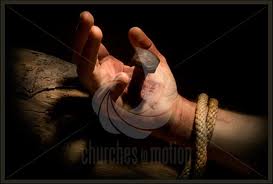
Zechariah is talking about a day when God will pour the spirit of grace to the house of David and the inhabitants of Jerusalem (maybe due to their repentance and seeking of the Lord), and they shall “look upon me whom they have pierced, and mourn for him as one mourns for his only son”, and finally “as one that is in bitterness for his FIRSTBORN”. Those are well known attributes for Jesus Christ our Messiah! We know for a fact that Jesus Christ was PIERCED with nails on the cross due to our iniquities, and the short description of this event provided to us by Zechariah, gives us an indication of how it must have appeared for those standing below the cross and who looked up to Jesus on the cross.

Zechariah 12:8 In that day shall the Lord defend the inhabitants of Jerusalem; and he that is feeble among them at that day shall be as David; and the house of David shall be as God, as the angel of the Lord before them.9 And it shall come to pass in that day, that I will seek to destroy all the nations that come against Jerusalem.10 And I will pour upon the house of David, and upon the inhabitants of Jerusalem, the spirit of grace and of supplications: and they shall look upon me whom they have PIERCED, and they shall mourn for him, as one mourneth for his only son, and shall be in bitterness for him, as one that is in bitterness for his firstborn. (KJV)

Zech. 12:10 — And they have looked unto ME whom they pierced (Young’s literal)

Zech. 12:10 —  and they shall look upon ME whom they have pierced (Orthodox Jewish Bible)

Zech. 12:10 —  so that they will look on Me whom they have pierced (NASB)

Zech. 12:10  — und sie werden MICH ansehen, (Luther Bibel 1545)

Zech. 12:10 — y mirarán a MÍ, a quien traspasaron (Reina-Valera 1960)

Zech. 12:10 —  Et ils tourneront les regards vers MOI  (Louis Segond)

Zech. 12:10 — Alors ils tourneront leurs regards vers MOI (La Bible du Semeur)

This is also the picture that Isaiah gives us when he in Isaiah 53:4 says that “WE did esteem him stricken—” which is how it must have appeared for the people below the cross who looked up on Jesus, and he goes on to say:

Isaiah 53:Surely he hath borne our griefs, and carried our sorrows: yet WE did esteem him stricken, smitten of God, and afflicted.5 But he was wounded for our transgressions, he was bruised for our iniquities: the chastisement of our peace was upon him; and with his stripes we are healed.

David prophesied about the one who is pierced (Jesus) in this psalm:

Psalms 22:16 For dogs have compassed me: the assembly of the wicked have inclosed me: they PIERCED MY HANDS AND MY FEET.17 I may tell all my bones: they look and stare upon me.18 They part my garments among them, and cast lots upon my vesture.

Zechariah 12:10 is fulfilled in the New Testament, together with other prophesies:

John 19:23 Then the soldiers, when they had crucified Jesus, took his garments, and made four parts, to every soldier a part; and also his coat: now the coat was without seam, woven from the top throughout.24 They said therefore among themselves, Let us not rend it, but cast lots for it, whose it shall be: that the scripture might be fulfilled, which saith, They parted my raiment among them, and for my vesture they did cast lots. These things therefore the soldiers did.—31 The Jews therefore, because it was the preparation, that the bodies should not remain upon the cross on the sabbath day, (for that sabbath day was an high day,) besought Pilate that their legs might be broken, and that they might be taken away.32 Then came the soldiers, and brake the legs of the first, and of the other which was crucified with him.33 But when they came to Jesus, and saw that he was dead already, they brake not his legs:34 But one of the soldiers with a spear PIERCED his side, and forthwith came there out blood and water.35 And he that saw it bare record, and his record is true: and he knoweth that he saith true, that ye might believe. 

The israelites complained about their situation in the wilderness, which they of course did against God’s will, but due to his love for them he made them realize just how rebellious they really were by sending them fiery serpents that bit them. Sometimes obstacles might turn up in our lives, and we could then take the chance and at least consider the alternative that God wants our attention and that we might turn away from sin. (Or such obstacles might just be ordinary unfortunate circumstances.) The fiery serpents were a great hit, because the israelites understood that they were sinners and confessed it before Moses and God. God also thought of a way out of the problem with the wounds caused by the serpents, and asked Moses to make a hand-made fiery serpent and set it on a pole, and Moses made one out of brass. Consequently, each person who was bitten by one of the serpents could then be free from the poisonous snake bite by approaching the pole with the fake serpent of brass and look up to it. This was their own responsibility, and they were neither forced to go to the place where the pole was, nor forced to look at it. It was all based on free will, just like salvation is.

Jesus is compared with this brass serpent in the wilderness, and the whole story about the serpent is actually a picture of the whole salvation message where the serpent caused men to sin and thus be filthy, and where Jesus can cleanse us from our wounds and filthiness caused by Satan (and our rebellion) , if we only look up unto Jesus our Savior and repent for our sins. Just as Moses lifted up the serpent in the wilderness for the people to look at and be free, even so must the son of man be lifted up in order to save the world. We can look up to Jesus on the cross, believe in him, confess our transgressions and eventually be totally free! Jesus says in John 12:32 “And I, if I be LIFTED UP from the earth, will draw all men unto me”.

Num. 21:And the people spake against God, and against Moses, Wherefore have ye brought us up out of Egypt to die in the wilderness? for there is no bread, neither is there any water; and our soul loatheth this light bread.And the Lord sent fiery serpents among the people, and they bit the people; and much people of Israel died.Therefore the people came to Moses, and said, We have sinned, for we have spoken against the Lord, and against thee; pray unto the Lord, that he take away the serpents from us. And Moses prayed for the people.And the Lord said unto Moses, Make thee a fiery serpent, and set it upon a pole: and it shall come to pass, that every one that is bitten, when he looketh upon it, shall live.And Moses made a serpent of brass, and put it upon a pole, and it came to pass, that if a serpent had bitten any man, when he beheld the serpent of brass, he lived.

John. 3:12 If I have told you earthly things, and ye believe not, how shall ye believe, if I tell you of heavenly things?13 And no man hath ascended up to heaven, but he that came down from heaven, even the Son of man which is in heaven.14 And AS MOSES LIFTED UP THE SERPENT IN THE WILDERNESS, EVEN SO MUST THE SON OF MAN BE LIFTED UP:15 That whosoever believeth in him should not perish, but have eternal life.16 For God so loved the world, that he gave his only begotten Son, that whosoever believeth in him should not perish, but have everlasting life.17 For God sent not his Son into the world to condemn the world; but that the world through him might be saved.18 He that believeth on him is not condemned: but he that believeth not is condemned already, because he hath not believed in the name of the only begotten Son of God.19 And this is the condemnation, that light is come into the world, and men loved darkness rather than light, because their deeds were evil.20 For every one that doeth evil hateth the light, neither cometh to the light, lest his deeds should be reproved.21 But he that doeth truth cometh to the light, that his deeds may be made manifest, that they are wrought in God.

John 12:32 And I, if I be LIFTED UP from the earth, will draw all men unto me.

Hebrews 12:2 LOOKING UNTO JESUS the author and finisher of our faith; who for the joy that was set before him endured the CROSS, despising the shame, and is set down at the right hand of the throne of God.

Jesus Christ was together with the israelites during the Exodus. He was their rock, and just like we can tempt Christ today by living wicked lives, so too did they tempt Christ in the wilderness. They were destroyed by serpents.

1 Cor. 10:1 Moreover, brethren, I would not that ye should be ignorant, how that all our fathers were under the cloud, and all passed through the sea;And were all baptized unto Moses in the cloud and in the sea;And did all eat the same spiritual meat;And did all drink the same spiritual drink: for they drank of that spiritual Rock that followed them: and that Rock was Christ.But with many of them God was not well pleased: for they were overthrown in the wilderness.Now these things were our examples, to the intent we should not lust after evil things, as they also lusted.Neither be ye idolaters, as were some of them; as it is written, The people sat down to eat and drink, and rose up to play.Neither let us commit fornication, as some of them committed, and fell in one day three and twenty thousand.Neither let us tempt Christ, AS SOME OF THEM ALSO TEMPTED, and were destroyed of SERPENTS.

Jesus Christ is likened to the one who is pierced also in Revelations.

Rev. 1:5 And from Jesus Christ, who is the faithful witness, and the first begotten of the dead, and the prince of the kings of the earth. Unto him that loved us, and washed us from our sins in his own blood,6 And hath made us kings and priests unto God and his Father; to him be glory and dominion for ever and ever. Amen.7 Behold, he cometh with clouds; and every eye shall see him, and they also which PIERCED him: and all kindreds of the earth shall wail because of him. Even so, Amen.8 I am Alpha and Omega, the beginning and the ending, saith the Lord, which is, and which was, and which is to come, the Almighty.

The phrase “a serpent of bronze” is a wordplay as “serpent” (nehash) and “bronze” (nehoshet) are closely related in Hebrew. The brass serpent was later destroyed by Hezekiah.

2 Kings. 18:1 Now it came to pass in the third year of Hoshea son of Elah king of Israel, that Hezekiah the son of Ahaz king of Judah began to reign.Twenty and five years old was he when he began to reign; and he reigned twenty and nine years in Jerusalem. His mother’s name also was Abi, the daughter of Zachariah.And he did that which was right in the sight of the Lord, according to all that David his father did.He removed the high places, and brake the images, and cut down the groves, and brake in pieces the brasen serpent that Moses had made: for unto those days the children of Israel did burn incense to it: and he called it Nehushtan.

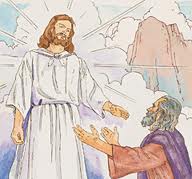
Thomas had a hard time believing that Jesus Christ was the Messiah, the son of God and GODpierced

Being the son of God means being GOD, because God the Father certainly has no children together with a woman. So if you’re the son of God, you also have the source in God, and since God is ONE and there is none like him, the son of God must be God himself.

Thomas eventually realized who Jesus really was (he already knew that he was the Messiah, the son of God and his Master), and he called him “My Lord and my God (theos)”. Jesus did not correct him, and he never corrected anyone who worshiped him or equated him with God. Probably because there was nothing to correct.

Joh. 10:Then cometh Simon Peter following him, and went into the sepulchre, and seeth the linen clothes lie,And the napkin, that was about his head, not lying with the linen clothes, but wrapped together in a place by itself.Then went in also that other disciple, which came first to the sepulchre, and he saw, and believed.For as yet they knew not the scripture, that he must rise again from the dead.—19 Then the same day at evening, being the first day of the week, when the doors were shut where the disciples were assembled for fear of the Jews, came Jesus and stood in the midst, and saith unto them, Peace be unto you.20 And when he had so said, he shewed unto them his hands and his side. Then were the disciples glad, when they saw the Lord.—24 But Thomas, one of the twelve, called Didymus, was not with them when Jesus came.25 The other disciples therefore said unto him, We have seen the Lord. But he said unto them, Except I shall see in his hands the print of the nails, and put my finger into the print of the nails, and thrust my hand into his side, I will not believe.26 And after eight days again his disciples were within, and Thomas with them: then came Jesus, the doors being shut, and stood in the midst, and said, Peace be unto you.27 Then saith he to Thomas, Reach hither thy finger, and behold my hands; and reach hither thy hand, and thrust it into my side: and be not faithless, but believing.28 And Thomas answered and said unto him, My Lord and my God.29 Jesus saith unto him, Thomas, because thou hast seen me, thou hast believed: blessed are they that have not seen, and yet have believed.30 And many other signs truly did Jesus in the presence of his disciples, which are not written in this book:31 But these are written, that ye might believe that Jesus is the Christ, the Son of God; and that believing ye might have life through his name.

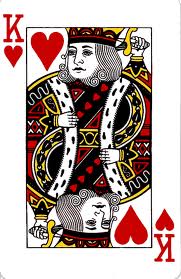
Proverbs 21:1 The king’s heart is turned wherever God wants?

king's heart2Proverbs 21:1 The king’s heart is in the hand of the Lord, as the rivers of water: he turneth it whithersoever he will

It’s never a good idea to use a psalm or a proverb as a filter to read the rest of the Bible through, because poetic text might obviously not always be the literal truth. It’s shaky to start a new doctrine based on poetry and analogies, and you can reach almost any conclusion you want if you single out a verse out of context in Psalms or Proverbs (or anywhere) and use it as a foundation for a certain theology view.

The above verse is sometimes used by our reformed friends (calvinists) as an attempt to support the idea that God has an exhaustive control over all decisions of men – i.e. God predestines every step that a man makes and nothing happens against the will of God. There may be calvinists who disagree with this view, but then they are not consistent with their own doctrines – as in TULIP

It’s true that God may occasionally and in rare situations choose to override the will of man, but calvinists believe God acts in such way at all times and that he constantly steers our steps and wills so that we will always act and think according to his exact will with no exception. They believe that God is no longer sovereign if man has any independent control separate from his own will. Sovereign and sovereignty are not Biblical words (KJV), but also freewillers believe God is “sovereign”, but obviously not the way calvinists understand this term. A sovereign and an all powerful God is mighty enough to create man with a free will and to be responsible for his (not God’s) own actions. If God is the one who causes us to think and act the way he wants, then of course he is the one to be responsible for our thoughts and actions, but that is not the God of the Bible because it would make him the author of sin.

Prior to the flood the people were purely evil (with an exception of Noah and his family):

Gen. 5:And God saw that the wickedness of man was great in the earth, and that every imagination of the thoughts of his heart was only evil continually.And it repented the Lord that he had made man on the earth, and it grieved him at his heart.And the Lord said, I will destroy man whom I have created from the face of the earth; both man, and beast, and the creeping thing, and the fowls of the air; for it repenteth me that I have made them.

It wouldn’t make any sense at all if God first caused people to have wicked thoughts and constantly perform evil, and then bring a global flood on everyone due to their wickedness that he himself predestined. The wickedness culminated after the nephilim were being born by the sons of God (fallen angels, as per other Bible verses) and female human beings, and wickedness is always against God’s will.

Proverbs 21:1  doesn’t speak about all the people in the whole world but about “the king”,  and this verse might have been written by King Solomon concerning himself. The passage also doesn’t tell us that God controls the king’s heart irresistibly. It’s possible that Solomon is proclaiming that he is fulfilling his appointed role by allowing God to control his decision-making so that his decisions would essentially be the decisions of God, and it is not a statement that God is irresistibly controlling his heart but that the king has fully surrendered his heart and will to the will of God.

A good king was to represent God to his people in his judgments and decisions, and we can see this in Psalm 82 quoted by Jesus to the Pharisees in John 10:34-38.  In the psalm, the rulers of the people were called “gods” because they were to represent God to His people in their leadership and judgments.  In Psalm 82 God is seen to stand in judgment of the judges and rebuke them for their failure to represent God as they were called by God to do. If the Scripture could call wicked judges “gods”, how much more does Jesus deserve to be equated with God since He is sent into the world by God himself?

The wicked make plans and those plans seldom include their own destruction or judgment nor the many calamities that might result from their rebellion, but such is their future according to the Lord. Nothing can ultimately thwart God’s overall sovereign plan, and his ultimate control over the universe is in no way threatened by the free will decisions of his creatures. That is the gist of Proverbs 21.

What else does Proverbs 21 say?
king's heart

21:Every way of a man is right in his own eyes: but the Lord pondereth the hearts.3 To do justice and judgment is more acceptable to the Lord than sacrifice.

It wouldn’t make sense if God irresistibly controls the heart at the same time as he ponders/weighs/judges the heart that he alone controls with no interference or involvement by man. Solomon is concerned about pleasing the Lord in righteousness and justice, and a sacrifice is usually made when a person has transgressed the law of God and needs to be forgiven through the blood of an animal sacrifice. Of course it’s better to be obedient to start with because then a sacrifice isn’t even needed, and we can read that this option is more acceptable to God. Solomon contrasts the desires and actions of men surrendered to God with those who are in rebellion to God and refusing to submit to Him. Solomon himself fell away from the Lord in his later years but when he wrote this Proverb Solomon was committed to the Lord.

21:4 An high look, and a proud heart, and the plowing of the wicked, is sin.

Is it really possible that God would want people to have a high look, a proud heart and being wicked sinners? It’s absurd to suggest that God could cause people to be evil because in God there is no darkness at all and he doesn’t even tempt anyone – much less cause anyone to sin.

21:The thoughts of the diligent tend only to plenteousness; but of every one that is hasty only to want.The getting of treasures by a lying tongue is a vanity tossed to and fro of them that seek death.7 The robbery of the wicked shall destroy them; because they refuse to do judgment.

A lying tongue would also be something that God doesn’t want anyone to have, and we can read that the robbery of the wicked shall destroy them because they REFUSE to do judgment. It’s not God who leads them in that direction, but they do it to themselves.

21:The way of man is froward and strange: but as for the pure, his work is right.It is better to dwell in a corner of the housetop, than with a brawling woman in a wide house.10 The soul of the wicked desireth evil: his neighbour findeth no favour in his eyes.

Solomon compares “man” with “the pure”. The work of the pure is RIGHT unlike the way of man, and this must mean that some people do NOT do what is right before God since all men are not pure. The soul of the wicked desire EVIL, and does it sound plausible that God causes certain men to be wicked and evil?

21:11 When the scorner is punished, the simple is made wise: and when the wise is instructed, he receiveth knowledge.12 The righteous man wisely considereth the house of the wicked: but God overthroweth the wicked for their wickedness.

A scorner is not showing a good conduct and that’s why he is punished. The righteous man is contrasted with the wicked man, and we can read that God overthrows the wicked for the reason that he is performing wickedness. Why would God overthrow and punish people for the reason that they are being wicked, if he himself caused them to be wicked in the first place? Instead of being punished they should get praise and applauds for doing the will of God – by being evildoers – if this is what God truly wanted them to be.

21:13 Whoso stoppeth his ears at the cry of the poor, he also shall cry himself, but shall not be heard.14 A gift in secret pacifieth anger: and a reward in the bosom strong wrath.15 It is joy to the just to do judgment: but destruction shall be to the workers of iniquity.

Does God want people to “stop their ears” at the cry of the poor? Surely not, since God repeatedly tells us to be merciful and help those in need. Whosoever is a worker of iniquity must surely be acting against God’s will? The Bible says that God hates the workers of iniquity (psalm 5:5) so it wouldn’t make sense if he would be causing people to be just that, and then turn around and pretend to be angry at the same workers of iniquity.

21:16 The man that wandereth out of the way of understanding shall remain in the congregation of the dead.17 He that loveth pleasure shall be a poor man: he that loveth wine and oil shall not be rich.18 The wicked shall be a ransom for the righteous, and the transgressor for the upright.

Here we can read about man wandering out-of-the-way of understanding. It doesn’t say God pushed him out-of-the-way of understanding or prevented him in any way to reach a better understanding, but that the man himself is guilty of this – and the dire consequence for this unfortunate choice is death. Does God want people to love pleasure and wine, and does he want them to be wicked transgressors? Again, I hope all will say NO WAY. Sinning is always against God’s will.

21:19 It is better to dwell in the wilderness, than with a contentious and an angry woman.20 There is treasure to be desired and oil in the dwelling of the wise; but a foolish man spendeth it up.21 He that followeth after righteousness and mercy findeth life, righteousness, and honour.22 A wise man scaleth the city of the mighty, and casteth down the strength of the confidence thereof.23 Whoso keepeth his mouth and his tongue keepeth his soul from troubles.

God surely wouldn’t cause people to be foolish and waste expensive oil. The wise man is again contrasted with the foolish man, and it’s up to us to follow after righteousness in order to find life and honor, and it’s up to us to keep our tongue to save our SOUL from trouble.

24 Proud and haughty scorner is his name, who dealeth in proud wrath.25 The desire of the slothful killeth him; for his hands refuse to labour.26 He coveteth greedily all the day long: but the righteous giveth and spareth not.27 The sacrifice of the wicked is abomination: how much more, when he bringeth it with a wicked mind?28 A false witness shall perish: but the man that heareth speaketh constantly.29 A wicked man hardeneth his face: but as for the upright, he directeth his way.30 There is no wisdom nor understanding nor counsel against the Lord.31 The horse is prepared against the day of battle: but safety is of the Lord.

Read this passage again about proud, haughty scorners who refuse to labor and who are greedy and covet things that don’t belong to them. The sacrifice of the wicked is an ABOMINATION before God, and the only reason they would even think about doing something like that would be due to a wicked mind. Would God cause people to be wicked and act in such a way? God directs the way of the upright, but the wicked hardens himself. Bad choice on their part.

Proverbs 15:26 The thoughts of the wicked are an abomination to the Lord: but the words of the pure are pleasant words.—28 The heart of the righteous studieth to answer: but the mouth of the wicked poureth out evil things.29 The Lord is far from the wicked: but he heareth the prayer of the righteous.

The thoughts of the wicked are an ABOMINATION to the Lord, and he is far from the wicked. Would God cause people to be so wicked that they were an abomination before him? That would not be the God of the Bible, but this type of God can unfortunately be seen in books authored by calvinists. Flee to another direction.

Declaring the end from the beginning – Isaiah 46:9-10 – does not mean God predestines sin

CreationIsaiah 46:9 Remember the former things of old: for I am God, and there is none else; I am God, and there is none like me, 10 Declaring the end from the beginning, and from ancient times the things that are not yet done, saying, My counsel shall stand, and I will do all my pleasure (KJV)

Isaiah 46:10 DECLARING FROM THE BEGINNING THE LATTER END, And from of old that which hath not been done, Saying, `My counsel doth stand, And all My delight I do.’ (Young’s Literal)

So, from the very beginning of time God has declared something that will take place in the latter end, and we can continue on to v. 11 and v. 12-13 to see exactly what this is. It’s about the coming of a “ravenous bird“, but most importantly about the fact that salvation will come from Zion.  God is able to tell us through his prophets what will happen in the future whether God himself wants these things to happen or not. In this case it looks like what he is telling us through Isaiah is something that God himself has decreed will happen. See further down below. Also, if God delights in a world where man has free will and able to obey/disobey and where he is responsible for his own actions, can God make such a world? Yes! God can do anything he wants.

Some of our reformed friends translate “declaring the end from the beginning” to “I decide and predestine every step that a man makes and he has no choice but to act exactly as I have caused him to act “, and they translate “my counsel shall stand, and I will do all my pleasure to “my counsel is to unconditionally cause a certain elect group of people to believe in me, and my pleasure is to orchestrate everything that happens, including causing people to sin – and I will also punish them for this sin by sending them to hell for it “. 

But if that interpretation is true, then of course God has always wanted people to be born depraved and with a sinful nature that causes them all to sin, and that would absolutely make God the author of sin and the one we must blame for all wickedness in the world. We would have no other choice but to trace each case of murder, violence, abortion and rape back to GOD and we must even conclude that he caused Satan to rebel against him. Some reformed believers object to the notion that God is the author of sin, which their doctrine necessitates, but there are numerous calvinists who admit that they believe in a God who makes people sin for his glory.

What does the rest of the chapter Isaiah 46 say?

1 Bel boweth down, Nebo stoopeth, their idols were upon the beasts, and upon the cattle: your carriages were heavy loaden; they are a burden to the weary beast.

It’s really interesting that God would want his people to make use of IDOLS, despite that the first commandment that God gave Moses is:

“You shall have no other gods before me”

Could God really be angry at his people for making idols, if he is the one who predestines them to make them? Will people risk their souls for making these idols and for worshiping them, despite that it’s according to God’s will? Will people end up in hell despite obeying God to 100%?

Hearken unto me, O house of Jacob, and all the remnant of the house of Israel, which are borne by me from the belly, which are carried from the womb:

It’s strange that God would say “hearken unto me...” just like people could choose to NOT hearken unto him. It’s also interesting that God suggests that the house of Jacob and the remnant of the house of Israel were “borne by me from the belly” because this sounds like they were not born depraved, and yet not all individuals from this group will always be good and obedient people.

6 They lavish gold out of the bag, and weigh silver in the balance, and hire a goldsmith; and he maketh it a god: they fall down, yea, they worship.7 They bear him upon the shoulder, they carry him, and set him in his place, and he standeth; from his place shall he not remove: yea, one shall cry unto him, yet can he not answer, nor save him out of his trouble.8 Remember this, and shew yourselves men: bring it again to mind, O ye transgressors.

Again, it’s very interesting that God would cause his people to make an idol to bow down for and to worship, despite that God also tells them multiple times that they should have no other God before him. What would be his reason for predestining them to do something horrible like that? Does he want us to obey his commandments or not? We can also read that they were transgressors, and that would be people who transgress the divine commandments in violation to the one who gave those commandments. But how could this be, if God is the one who directs every single one of their steps and that nothing that comes to pass happens against his will? If God is the one who causes people to make idols, can we really say that they “transgress” his command to not make idols? If God is the one who wants them to make idols and cause them to make idols, then it’s hard to see how this could be a “transgression” of any kind. So it seems like God causes his people to act in a way that goes against his own principles, as though God is battling with some schizophrenic problems. The best way to solve it is of course to flee from calvinism, because that would at once take care of all Bible contradiction that this gnostic theology has caused AND God’s holy nature and reputation would be intact.

Remember the former things of old: for I am God, and there is none else; I am God, and there is none like me,10 Declaring the end from the beginning, and from ancient times the things that are not yet done, saying, My counsel shall stand, and I will do all my pleasure:

Here comes our famous quote. Couldn’t “declaring the end from the beginning” mean that God has foreknowledge of certain events and has taken measures to both punish people who transgress his laws, as well as helping those people out who seek him and turn to him for his aid? The context is about the deliverance of his people from Babylon by the hand of Cyrus, which he purposed and prophesied about. The terms “my counsel” and “my pleasure” don’t necessarily mean that God alone micro manages every single step that people make –  against their will and without conditions. Each person is responsible for his own actions, and we can often see God acting based on the premise “if you do this, I will do that“. If God is the one who directs our steps unconditionally, then the blame for all evil darkness must be placed on God alone – and God should ask us for forgiveness for causing so much wickedness and evil.

11 Calling a ravenous bird from the east, the man that executeth my counsel from a far country: yea, I have spoken it, I will also bring it to pass; I have purposed it, I will also do it.

Aha, this is the verse right after v. 10, and here we can see exactly what his “pleasure” might be and what it is that he has declared according to his counsel. He has apparently called “a ravenous bird from the east – a man of his counsel”. It’s not certain who this is, but it might be a reference to Cyrus who God indirectly might have involved in his plans for Israel. All God has to do is to remove his protective hands from a certain leader among his people, resulting in that the enemy would get sufficient help needed to be victorious. God doesn’t always interfere in such manner, but it looks like this is a rare case where he did. It’s inconceivable to believe that a holy God places evil desires in someone’s heart, because there is no darkness in God and he doesn’t tempt anyone – much less cause people to sin. Even if Israel will initially be shaken, there is also a plan for SALVATION – which is purposed by God. So the ultimate purpose by God, and what he will execute according to the counsel of his will, is to bring salvation from Zion. Read on.

12 Hearken unto me, ye stouthearted, that are far from righteousness:

Isn’t it interesting that God would consider making people stouthearted and unrighteous? Yet, this is what he must have done if we must interpret v. 9-10 as though God predestines everything. And why continuously asking people to hearken unto him, if he knows that they can do nothing BUT hearken to him? People are not able to listen to God if God has prevented them from doing so. Things always pan out the way God wants in the calvinistic world.

13 I bring near my righteousness; it shall not be far off, and my salvation shall not tarry: and I will place salvation in Zion for Israel my glory.

“Salvation in Zion” sounds like a promise about the upcoming Messiah who will come forth in the future in Zion, and he will be of the blood of Jacob and King David. This is something that happens according to the council of his will, and nowhere in the chapter does it say that God causes people to think and to act in a certain way. “I bring near my righteousness”, God says, and that doesn’t sound like there is much room for wickedness and unrighteousness – which is something abominable in God’s eyes.

“I will have mercy on who I will have mercy”, but not unconditionally – Rom. 9:15

moses

Rom. 9:15 FOR HE SAITH TO MOSES, I will have mercy on whom I will have mercy, and I will have compassion on whom I will have compassion

This is a very famous and popular verse, and there are some (reformed) christians who translate this verse into “God says to us all; I will elect certain individuals for salvation, and I will place no conditions whatsoever on those that I choose…”. Just because God shows mercy to individuals, groups of people and entire nations, it doesn’t mean that they will be saved, and neither does it say anywhere in Romans. 9:15 that God shows mercy unconditionally. Paul is here making a reference to Exodus 33:19 where God is speaking to Moses, so in order to get Paul’s point we should both read both the context in Romans 9 (which is about God’s right to make the offer of salvation also to the gentiles and under the conditions that he himself chooses) as well as checking the passage that Paul is referring to in order to understand his full point.

Ex 33:2 (God) And I will send an angel before thee; and I will drive out the Canaanite, the Amorite, and the Hittite, and the Perizzite, the Hivite, and the Jebusite:Unto a land flowing with milk and honey: for I will not go up in the midst of thee; for thou art a stiffnecked people: lest I consume thee in the way.And when the people heard these evil tidings, they mourned: and no man did put on him his ornaments.For the Lord had said unto Moses, Say unto the children of Israel, Ye are a stiffnecked people: I will come up into the midst of thee in a moment, and consume thee: therefore now put off thy ornaments from thee, that I may know what to do unto thee.—(Mose starts out)16 For wherein shall it be known here that I and thy people have found grace in thy sight? is it not in that thou goest with us? so shall we be separated, I and thy people, from all the people that are upon the face of the earth.17 And the Lord said unto Moses, I will do this thing also that thou hast spoken: for thou hast found grace in my sight, and I know thee by name.18 And he said, I beseech thee, shew me thy glory.19 And he said, I will make all my goodness pass before thee, and I will proclaim the name of the Lord before thee; and will be gracious to whom I will be gracious, and will shew mercy on whom I will shew mercy.

As we can see, Moses is having a huge problem with the people that he was a leader for, and that’s because they were stiff-necked and rebellious against the God who Moses was a true servant of. Man’s free will is fully displayed in this passage (and throughout the entire Bible) because naturally God doesn’t want people to be disobedient to him and to walk on their own evil ways. The only reason God is threatening to consume them, is due to their sinfulness and stubborn hearts. Moses is pleading with God to show mercy on his people and he is successful because God has indeed seen Moses’ heart and therefore decided to show him grace and listen to his requests.

As we can see, the phrase that he “will shew mercy on whom I will shew mercy” is not in reference to God unconditionally electing people to salvation, and neither can this phrase be understood that way in Romans 9. Moreover, just because God decides to show mercy on a person, it doesn’t mean this person will necessarily be saved because mercy (or kindness or grace) might not even be in relation to the person’s soul. And even if it is in relation to the person’s soul, it doesn’t say “Once God has shown mercy on a person, this person forever remains in his mercy and is forever saved”. Just like we people can choose to be kind or not to others depending on their actions, so can God.

That people are being stiff-necked in the Bible can be seen here with many examples.

Compare with the words of David, who claims that God will be merciful to those who are merciful – which is how God has chosen to treat people:

2 Sam. 22:25 Therefore the Lord hath recompensed me according to my righteousness; according to my cleanness in his eye sight.26 With the merciful thou wilt shew thyself merciful, and with the upright man thou wilt shew thyself upright.27 With the pure thou wilt shew thyself pure; and with the froward thou wilt shew thyself unsavoury.28 And the afflicted people thou wilt save: but thine eyes are upon the haughty, that thou mayest bring them down.

We are told to be merciful as our Father is merciful

If the idea is that God has a certain lucky and elect elite that he has decided to show mercy on while he turns his back on all others, can we act in the same way by showing mercy (being kind) to only SOME? Not according to the Bible that says we are to be good to all. If we show mercy to others, we can be expected to get mercy ourselves, and God expects us to show mercy to others.

Luke:35 But love ye your enemies, and do good, and lend, hoping for nothing again; and your reward shall be great, and ye shall be the children of the Highest: for he is kind unto the unthankful and to the evil.36 Be ye therefore merciful, as your Father also is merciful.

Hosea 4:1 Hear the word of the Lord, ye children of Israel: for the Lord hath a controversy with the inhabitants of the land, because there is no truth, nor mercy, nor knowledge of God in the land.

Hosea 6:6 For I desired mercy, and not sacrifice; and the knowledge of God more than burnt offerings.

Hosea 10:12 Sow to yourselves in righteousness, reap in mercy; break up your fallow ground: for it is time to seek the Lord, till he come and rain righteousness upon you.

Matthew 5:7 Blessed are the merciful: for they shall obtain mercy.

Matthew 9:13 But go ye and learn what that meaneth, I will have mercy, and not sacrifice: for I am not come to call the righteous, but sinners to repentance.

Matthew 23:23 Woe unto you, scribes and Pharisees, hypocrites! for ye pay tithe of mint and anise and cummin, and have omitted the weightier matters of the law, judgment, mercy, and faith: these ought ye to have done, and not to leave the other undone.

1 Timothy 1:13 Who was before a blasphemer, and a persecutor, and injurious: but I obtained mercy, because I did it ignorantly in unbelief.

Ja. 2:12 So speak ye, and so do, as they that shall be judged by the law of liberty.13 For he shall have judgment without mercy, that hath shewed no mercy; and mercy rejoiceth against judgment.14 What doth it profit, my brethren, though a man say he hath faith, and have not works? can faith save him?

Broader context from Romans 9. Read more about Romans 9 in this article.

Rom. 9:14 What shall we say then? Is there unrighteousness with God? God forbid.15 For he saith to Moses, I will have mercy on whom I will have mercy, and I will have compassion on whom I will have compassion.16 So then it is not of him that willeth, nor of him that runneth, but of God that sheweth mercy.17 For the scripture saith unto Pharaoh, Even for this same purpose have I raised thee up, that I might shew my power in thee, and that my name might be declared throughout all the earth.18 Therefore hath he mercy on whom he will have mercy, and whom he will he hardeneth.23And that he might make known the riches of his glory on the vessels of mercy, which he had afore prepared unto glory

Mercy is often in relation to individuals who are being righteous

It makes sense that kind-hearted and obedient people are prone to receive mercy themselves.

Genesis. 19:18 And Lot said unto them, Oh, not so, my Lord:19 Behold now, thy servant hath found grace in thy sight, and thou hast magnified thy mercy, which thou hast shewed unto me in saving my life; and I cannot escape to the mountain, lest some evil take me, and I die:

Genesis 24:27 And he said, Blessed be the Lord God of my master Abrahamwho hath not left destitute my master of his mercy and his truth: I being in the way, the Lord led me to the house of my master’s brethren.

Genesis 39:21 But the Lord was with Joseph, and shewed him mercy, and gave him favour in the sight of the keeper of the prison.

1 Kings 3:6 And Solomon said, Thou hast shewed unto thy servant David my father great mercy, according as he walked before thee in truth, and in righteousness, and in uprightness of heart with thee; and thou hast kept for him this great kindness, that thou hast given him a son to sit on his throne, as it is this day.

Isaiah 14:1 For the Lord will have mercy on Jacob, and will yet choose Israel, and set them in their own land: and the strangers shall be joined with them, and they shall cleave to the house of Jacob.

Conditions that are required for getting mercy, and when God does NOT show mercyKärlek

It looks like God is keen to show mercy on people who LOVE HIM AND KEEP HIS COMMANDMENTS. We can see this requirement throughout the below verses.

Ex. 20:5 Thou shalt not bow down thyself to them, nor serve them: for I the Lord thy God am a jealous God, visiting the iniquity of the fathers upon the children unto the third and fourth generation of them that hate me;And shewing mercy unto thousands of them that love me, and keep my commandments.

Deut. 5:Thou shalt not bow down thyself unto them, nor serve them: for I the Lord thy God am a jealous God, visiting the iniquity of the fathers upon the children unto the third and fourth generation of them that hate me,10 And shewing mercy unto thousands of them that love me and keep my commandments.

Deut. 7:9 Know therefore that the Lord thy God, he is God, the faithful God, which keepeth covenant and mercy with them that love him and keep his commandments to a thousand generations;10 And repayeth them that hate him to their face, to destroy them: he will not be slack to him that hateth him, he will repay him to his face.11 Thou shalt therefore keep the commandments, and the statutes, and the judgments, which I command thee this day, to do them.12 Wherefore it shall come to pass, if ye hearken to these judgments, and keep, and do them, that the Lord thy God shall keep unto thee the covenant and the mercy which he sware unto thy fathers 

1 Kings 8:23 And he said, Lord God of Israel, there is no God like thee, in heaven above, or on earth beneath, who keepest covenant and mercy with thy servants that walk before thee with all their heart

2 Chronicles 6:14 And said, O Lord God of Israel, there is no God like thee in the heaven, nor in the earth; which keepest covenant, and shewest mercy unto thy servants, that walk before thee with all their hearts

Nehemiah 1:5 And said, I beseech thee, O Lord God of heaven, the great and terrible God, that keepeth covenant and mercy for them that love him and observe his commandments:

Isaiah 9:16 For the leaders of this people cause them to err; and they that are led of them are destroyed.17 Therefore the Lord shall have no joy in their young men, neither shall have mercy on their fatherless and widows: for every one is an hypocrite and an evildoer, and every mouth speaketh folly. For all this his anger is not turned away, but his hand is stretched out still.

Isaiah 27:11 When the boughs thereof are withered, they shall be broken off: the women come, and set them on fire: for it is a people of no understanding: therefore he that made them will not have mercy on them, and he that formed them will shew them no favour.

Isaiah 30:18 And therefore will the Lord wait, that he may be gracious unto you, and therefore will he be exalted, that he may have mercy upon you: for the Lord is a God of judgment: blessed are all they that wait for him.

Isaiah 47:6 I was wroth with my people, I have polluted mine inheritance, and given them into thine hand: thou didst shew them no mercy; upon the ancient hast thou very heavily laid thy yoke.

Isaiah 55:7 Let the wicked forsake his way, and the unrighteous man his thoughts: and let him return unto the Lord, and he will have mercy upon him; and to our God, for he will abundantly pardon.

Daniel 9:4 And I prayed unto the Lord my God, and made my confession, and said, O Lord, the great and dreadful God, keeping the covenant and mercy to them that love him, and to them that keep his commandments;

Hosea 2:4 And I will not have mercy upon her children; for they be the children of whoredoms.

Jonah 2:8 They that observe lying vanities forsake their own mercy.

Luke 1:50 And his mercy is on them that fear him from generation to generation.

Luke 10:29 But he, willing to justify himself, said unto Jesus, And who is my neighbour?30 And Jesus answering said, A certain man went down from Jerusalem to Jericho, and fell among thieves, which stripped him of his raiment, and wounded him, and departed, leaving him half dead.31 And by chance there came down a certain priest that way: and when he saw him, he passed by on the other side.32 And likewise a Levite, when he was at the place, came and looked on him, and passed by on the other side.33 But a certain Samaritan, as he journeyed, came where he was: and when he saw him, he had compassion on him,34 And went to him, and bound up his wounds, pouring in oil and wine, and set him on his own beast, and brought him to an inn, and took care of him.35 And on the morrow when he departed, he took out two pence, and gave them to the host, and said unto him, Take care of him; and whatsoever thou spendest more, when I come again, I will repay thee.36 Which now of these three, thinkest thou, was neighbour unto him that fell among the thieves?37 And he said, He that shewed mercy on him. Then said Jesus unto him, Go, and do thou likewise.

Romans 11:32 For God hath concluded them all in unbelief, that he might have mercy upon all.

Gal. 6 15 For in Christ Jesus neither circumcision availeth any thing, nor uncircumcision, but a new creature.16 And as many as walk according to this rule, peace be on them, and mercy, and upon the Israel of God.

Hebrews 4:16 Let us therefore come boldly unto the throne of grace, that we may obtain mercy, and find grace to help in time of need.

Hebrews 10:28 He that despised Moses’ law died without mercy under two or three witnesses:

Jude 1:21 Keep yourselves in the love of God, looking for the mercy of our Lord Jesus Christ unto eternal life.

Psalms and Proverbs about mercy

In Psalms and Proverbs we can see the conditions for getting mercy, and they are the same as above.

Psalm 32:10 Many sorrows shall be to the wicked: but he that trusteth in the Lord, mercy shall compass him about.

Psalm 33:18 Behold, the eye of the Lord is upon them that fear him, upon them that hope in his mercy;

Psalm 37:21 The wicked borroweth, and payeth not again: but the righteous sheweth mercy, and giveth.

Psalm 62:12 Also unto thee, O Lord, belongeth mercy: for thou renderest to every man according to his work

Psalm 86:5 For thou, Lord, art good, and ready to forgive; and plenteous in mercy unto all them that call upon thee.

Psalm 103:11 For as the heaven is high above the earth, so great is his mercy toward them that fear him.

Psalm 103:17 But the mercy of the Lord is from everlasting to everlasting upon them that fear him, and his righteousness unto children’s children;

Psalm 118:4 Let them now that fear the Lord say, that his mercy endureth for ever.

Psalm 130:7 Let Israel hope in the Lord: for with the Lord there is mercy, and with him is plenteous redemption.

Psalm 147:11 The Lord taketh pleasure in them that fear him, in those that hope in his mercy.

Psalm 145:The Lord is gracious, and full of compassion; slow to anger, and of great mercy.The Lord is good to all: and his tender mercies are over all his works.

Proverbs 14:22 Do they not err that devise evil? but mercy and truth shall be to them that devise good.

Proverbs 14:31 He that oppresseth the poor reproacheth his Maker: but he that honoureth him hath mercy on the poor.

Proverbs 16:6 By mercy and truth iniquity is purged: and by the fear of the Lord men depart from evil.

Proverbs 21:21 He that followeth after righteousness and mercy findeth life, righteousness, and honour.

Proverbs 28:13 He that covereth his sins shall not prosper: but whoso confesseth and forsaketh them shall have mercy.

We are not saved because we have always done the right thing, but because we are able to be cleansed in the blood of Jesus upon our repentance and faith in his holy name.

Titus. 3:For we ourselves also WERE sometimes foolish, disobedient, deceived, serving divers lusts and pleasures, living in malice and envy, hateful, and hating one another.But after that the kindness and love of God our Saviour toward man appeared,Not by works of righteousness which we have done, but according to his mercy he saved us, by the washing of regeneration, and renewing of the Holy Ghost

Are you stiff-necked and resist the Holy Ghost against the will of God? – Acts 7:51

stiff-necked

Acts 7:51 Ye STIFFNECKED and uncircumcised in heart and ears, ye do always RESIST THE HOLY GHOST: as your fathers did, so do ye.

sklérotrachélos (Greek): stiff-necked, stubborn, obstinate (Strong’s 4644)

oreph (Hebrew): back of the neck, neck (Strong’s 6203)

It’s apparent that we can resist the Holy Ghost by being stiff-necked and walking our own way, and if we take this route it’s obviously against God’s will. Still, there are some of our reformed friends who feel the need to stick to the notion that “nothing that comes to pass happens against the will of God” so they are reluctant to accept the clear meaning of Acts 7:51 and prefer to believe that God has either predestined people to be stiff-necked and/or suggest they are born stiff-necked and will continue to be so until God perhaps decides to open their eyes to bring them out of this spell. If the idea is that nothing happens against God’s will, then people who are born stiff-necked are born that way according to God’s will, but then we are no longer talking about the God of the Bible. 

Stephen (who is talking in Acts 7) is making a reference to the fathers of the pharisees and claimed they too were stiff-necked and resisted the Holy Ghost, and we can see in the verses below how painfully true this statement has proven to be. The Bible is a book that describes how people throughout all of our history have turned their backs on God. Not every single individual of course, because there are also examples of some very righteous and just people who have lived in obedience to God, like Enoch, Noah, Abraham, Lot and Job.

Most cases in the Bible where “stiff-necked” people are mentioned can be seen below.

Examples of stiff-necked people during the Exodus

People even made a golden calf to worship and this provoked God to anger, naturally because it was against his will. Israel didn’t get the promised land because they were particularly good people, but rather because the inhabitants were very evil, and because of the promise that God had given to Abraham before them.

Ex. 32:They have turned aside quickly out of the way which I commanded them: they have made them a molten calf, and have worshipped it, and have sacrificed thereunto, and said, These be thy gods, O Israel, which have brought thee up out of the land of Egypt.And the Lord said unto Moses, I have seen this people, and, behold, it is a stiffnecked people:10 Now therefore let me alone, that my wrath may wax hot against them, and that I may consume them: and I will make of thee a great nation

Ex. 33:1 And the Lord said unto Moses, Depart, and go up hence, thou and the people which thou hast brought up out of the land of Egypt, unto the land which I sware unto Abraham, to Isaac, and to Jacob, saying, Unto thy seed will I give it:Unto a land flowing with milk and honey: for I will not go up in the midst of thee; for thou art a stiffnecked people: lest I consume thee in the way.For the Lord had said unto Moses, Say unto the children of Israel, Ye are a stiffnecked people: I will come up into the midst of thee in a moment, and consume thee: therefore now put off thy ornaments from thee, that I may know what to do unto thee.

Ex. 34:And Moses made haste, and bowed his head toward the earth, and worshipped.And he said, If now I have found grace in thy sight, O Lord, let my Lord, I pray thee, go among us; for it is a stiffnecked people; and pardon our iniquity and our sin, and take us for thine inheritance.

Deuteronomy 9:Not for thy righteousness, or for the uprightness of thine heart, dost thou go to possess their land: but for the wickedness of these nations the Lord thy God doth drive them out from before thee, and that he may perform the word which the Lord sware unto thy fathers, Abraham, Isaac, and Jacob.Understand therefore, that the Lord thy God giveth thee not this good land to possess it for thy righteousness; for thou art a stiffnecked people.Remember, and forget not, how thou provokedst the Lord thy God to wrath in the wilderness: from the day that thou didst depart out of the land of Egypt, until ye came unto this place, ye have been rebellious against the Lord.Also in Horeb ye provoked the Lord to wrath, so that the Lord was angry with you to have destroyed you.

2 Kings 17:12 For they served idols, whereof the Lord had said unto them, Ye shall not do this thing.13 Yet the Lord testified against Israel, and against Judah, by all the prophets, and by all the seers, saying, Turn ye from your evil ways, and keep my commandments and my statutes, according to all the law which I commanded your fathers, and which I sent to you by my servants the prophets.14 Notwithstanding they would not hear, but hardened their necks, like to the neck of their fathers, that did not believe in the Lord their God.15 And they rejected his statutes, and his covenant that he made with their fathers, and his testimonies which he testified against them; and they followed vanity, and became vain, and went after the heathen that were round about them, concerning whom the Lord had charged them, that they should not do like them.16 And they left all the commandments of the Lord their God, and made them molten images, even two calves, and made a grove, and worshipped all the host of heaven, and served Baal.17 And they caused their sons and their daughters to pass through the fire, and used divination and enchantments, and sold themselves to do evil in the sight of the Lord, to provoke him to anger.

Neh. 15 And gavest them bread from heaven for their hunger, and broughtest forth water for them out of the rock for their thirst, and promisedst them that they should go in to possess the land which thou hadst sworn to give them.16 But they and our fathers dealt proudly, and hardened their necks, and hearkened not to thy commandments,17 And refused to obey, neither were mindful of thy wonders that thou didst among them; but hardened their necks, and in their rebellion appointed a captain to return to their bondage: but thou art a God ready to pardon, gracious and merciful, slow to anger, and of great kindness, and forsookest them not.18 Yea, when they had made them a molten calf, and said, This is thy God that brought thee up out of Egypt, and had wrought great provocations

Jer. 7:22 For I spake not unto your fathers, nor commanded them in the day that I brought them out of the land of Egypt, concerning burnt offerings or sacrifices:23 But this thing commanded I them, saying, Obey my voice, and I will be your God, and ye shall be my people: and walk ye in all the ways that I have commanded you, that it may be well unto you.24 But they hearkened not, nor inclined their ear, but walked in the counsels and in the imagination of their evil heart, and went backward, and not forward.25 Since the day that your fathers came forth out of the land of Egypt unto this day I have even sent unto you all my servants the prophets, daily rising up early and sending them:26 Yet they hearkened not unto me, nor inclined their ear, but hardened their neck: they did worse than their fathers.27 Therefore thou shalt speak all these words unto them; but they will not hearken to thee: thou shalt also call unto them; but they will not answer thee.28 But thou shalt say unto them, This is a nation that obeyeth not the voice of the Lord their God, nor receiveth correction: truth is perished, and is cut off from their mouth.

Being stiff-necked is something negative, and God tells his people to cease being stiff-neckedstiff-necked2

Clearly God wouldn’t want his people (or anyone) to rebel against him, refuse to hearken to him, turn their backs on him, transgress his laws, do evil, become corrupted, provoke him to anger, worship idols, harden their hearts, neglect to receive corrections, etc, but this is exactly what his people often did due to their stubborn and evil hearts. God’s will does not always happen and that is because he has given us free will – resulting in that we are responsible for our own actions and will be judged accordingly.

Deuteronomy 10:16 Circumcise therefore the foreskin of your heart, and be no more stiffnecked.

Deut. 31:27 For I know thy rebellion, and thy stiff neck: behold, while I am yet alive with you this day, ye have been rebellious against the Lord; and how much more after my death?28 Gather unto me all the elders of your tribes, and your officers, that I may speak these words in their ears, and call heaven and earth to record against them.29 For I know that after my death ye will utterly corrupt yourselves, and turn aside from the way which I have commanded you; and evil will befall you in the latter days; because ye will do evil in the sight of the Lord, to provoke him to anger through the work of your hands.

Isaiah. 48:I have declared the former things from the beginning; and they went forth out of my mouth, and I shewed them; I did them suddenly, and they came to pass.4 Because I knew that thou art obstinate, and thy neck is an iron sinew, and thy brow brass;I have even from the beginning declared it to thee; before it came to pass I shewed it thee: lest thou shouldest say, Mine idol hath done them, and my graven image, and my molten image, hath commanded them.

2 Chronicles 29:And said unto them, Hear me, ye Levites, sanctify now yourselves, and sanctify the house of the Lord God of your fathers, and carry forth the filthiness out of the holy place.For our fathers have trespassed, and done that which was evil in the eyes of the Lord our God, and have forsaken him, and have turned away their faces from the habitation of the Lord, and turned their backs.—.Wherefore the wrath of the Lord was upon Judah and Jerusalem, and he hath delivered them to trouble, to astonishment, and to hissing, as ye see with your eyes.

2 Chronicles 30:8 Now be ye not stiffnecked, as your fathers were, but yield yourselves unto the Lord, and enter into his sanctuary, which he hath sanctified for ever: and serve the Lord your God, that the fierceness of his wrath may turn away from you.

2 Chronicles 36:11 Zedekiah was one and twenty years old when he began to reign, and reigned eleven years in Jerusalem.12 And he did that which was evil in the sight of the Lord his God, and humbled not himself before Jeremiah the prophet speaking from the mouth of the Lord.13 And he also rebelled against king Nebuchadnezzar, who had made him swear by God: but he stiffened his neck, and hardened his heart from turning unto the Lord God of Israel.14 Moreover all the chief of the priests, and the people, transgressed very much after all the abominations of the heathen; and polluted the house of the Lord which he had hallowed in Jerusalem.

Neh. 9:28 But after they had rest, they did evil again before thee: therefore leftest thou them in the land of their enemies, so that they had the dominion over them: yet when they returned, and cried unto thee, thou heardest them from heaven; and many times didst thou deliver them according to thy mercies;29 And testifiedst against them, that thou mightest bring them again unto thy law: yet they dealt proudly, and hearkened not unto thy commandments, but sinned against thy judgments, (which if a man do, he shall live in them;) and withdrew the shoulder, and hardened their neck, and would not hear.30 Yet many years didst thou forbear them, and testifiedst against them by thy spirit in thy prophets: yet would they not give ear: therefore gavest thou them into the hand of the people of the lands.31 Nevertheless for thy great mercies’ sake thou didst not utterly consume them, nor forsake them; for thou art a gracious and merciful God.

Jer. 2:26 As the thief is ashamed when he is found, so is the house of Israel ashamed; they, their kings, their princes, and their priests, and their prophets.27 Saying to a stock, Thou art my father; and to a stone, Thou hast brought me forth: for they have turned their back unto me, and not their face: but in the time of their trouble they will say, Arise, and save us.28 But where are thy gods that thou hast made thee? let them arise, if they can save thee in the time of thy trouble: for according to the number of thy cities are thy gods, O Judah.29 Wherefore will ye plead with me? ye all have transgressed against me, saith the Lord.30 In vain have I smitten your children; they received no correction: your own sword hath devoured your prophets, like a destroying lion.

Jer. 17:22 Neither carry forth a burden out of your houses on the sabbath day, neither do ye any work, but hallow ye the sabbath day, as I commanded your fathers.23 But they obeyed not, neither inclined their ear, but made their neck stiff, that they might not hear, nor receive instruction.24 And it shall come to pass, if ye diligently hearken unto me, saith the Lord, to bring in no burden through the gates of this city on the sabbath day, but hallow the sabbath day, to do no work therein

Jer. 19:15 Thus saith the Lord of hosts, the God of Israel; Behold, I will bring upon this city and upon all her towns all the evil that I have pronounced against it, because they have hardened their necks, that they might not hear my words.

Jer. 32:31 For this city hath been to me as a provocation of mine anger and of my fury from the day that they built it even unto this day; that I should remove it from before my face,32 Because of all the evil of the children of Israel and of the children of Judah, which they have done to provoke me to anger, they, their kings, their princes, their priests, and their prophets, and the men of Judah, and the inhabitants of Jerusalem.33 And they have turned unto me the back, and not the face: though I taught them, rising up early and teaching them, yet they have not hearkened to receive instruction.34 But they set their abominations in the house, which is called by my name, to defile it.35 And they built the high places of Baal, which are in the valley of the son of Hinnom, to cause their sons and their daughters to pass through the fire unto Molech; which I commanded them not, neither came it into my mind, that they should do this abomination, to cause Judah to sin.

Proverbs. 29:1 He, that being often reproved hardeneth his neck, shall suddenly be destroyed, and that without remedy.When the righteous are in authority, the people rejoice: but when the wicked beareth rule, the people mourn.

Read, Isaiah 5:1-7, Isaiah 63:10, Matthew 23:37, Luke 13:34, Romans 13:2 and Ephesians 4:30, for further examples of people who are stiff-necked and act against the will of God. 

The pharisees REJECTED the counsel of God, and God’s will can be thwarted (Luke 7:30)

eggGod doesn’t want anyone to perish, but people DO perish

God certainly doesn’t want anyone to perish, but things don’t always turn out the way God wants. God COULD of course force every single person to repent and get life in abundance but he preferred to create us as human beings in his own image (he actually said “our” image referring to the trinity) and with a free will which means that we have a personal responsibility for our own actions.

Ez. 18:23 Have I any pleasure at all that the wicked should die? saith the Lord God: and not that he should return from his ways, and live?

Ez. 33:11 Say unto them, As I live, saith the Lord God, I have no pleasure in the death of the wicked; but that the wicked turn from his way and live: turn ye, turn ye from your evil ways; for why will ye die, O house of Israel?

2 Peter 3:The Lord is not slack concerning his promise, as some men count slackness; but is longsuffering to us-ward, not willing that any should perish, but that all should come to repentance.

John 3:16 For God so loved the world, that he gave his only begotten Son, that whosoever believeth in him should not perish, but have everlasting life.

Deuteronomy 8:20 As the nations which the Lord destroyeth before your face, so shall ye perish; BECAUSE ye would not be obedient unto the voice of the Lord your God.

We can REJECT the will of God

Acts 7:51 Ye stiffnecked and uncircumcised in heart and ears, ye do always resist the Holy Ghost: as your fathers did, so do ye.

The pharisees and the layers REJECTED the counsel of God according to Luke.

Luke 7:29 And all the people that heard him, and the publicans, justified God, being baptized with the baptism of John.30 But the Pharisees and lawyers rejected the COUNSEL of God against themselves, being not baptized of him. (KJV)

Luke 7:30 But the Pharisees and lawyers rejected the will of God for themselves, not having been baptized by him. (NKJV)

As you can see NKJV translate the same word with THE WILL of God, and also the KJV translators chose to translate the Greek original word with “the will” in the below verse:

Acts. 13:36 For David, after he had served his own generation by the will of God, fell on sleep, and was laid unto his fathers, and saw corruption: (KJV)

“Counsel” and “will” are here translated from the Greek word boulén as in boulé  (Strongs 1012) from boulomai, and it means counsel, decree, plan, motives, decision and/or purpose.

Below are the cases where this word is used in the KJV, starting with Acts. 20:27–31. Paul warns his disciples, the elders of the church in Ephesus who were naturally christians, that they must TAKE HEED unto themselves and to all the church which God had purchased with his blood. Acts 20:27–31 gives us the following information:

  1. Individuals (the church or the body of Christ consists of individuals) can be lost despite being purchased with the blood of Jesus.
  2. Despite that certain christians have been made overseers of a church by the Holy Ghost (who always leads us on the right path) there is still a risk that the individuals in the church will be lost, indicating that people don’t always adhere to the Holy Spirit.
  3. Grievous wolves shall enter the body of Christ also from among themselves, with the aim to draw away disciples from the true church of God to themselves. This shows that some christians will at one point leave the sound teachings in the church and instead start to speak perverted things and deceive others who might also leave the true church. This is a lot more than a mere risk since Paul says that he KNOWS that this will happen, likely because he knows how man’s heart works.
  4. False preachers who speak perverted things can apparently make christian believe in these twisted claims and some of them will become disciples of these false preachers and hence lose their salvation. The flock shall not be spared even though it was a true flock of God.
  5. By taking heed and be careful we can affect the future and reduce the harm.
  6. If people were chosen for salvation and damnation before the beginning of the world, Paul would be wasting his time by  warning every one for night and day with tears – for three years! Paul should have known that no warnings or tears in the world can change God’s decrees which he made before he even created us, if such decrees were made. If God predestined certain people to be saved and others to be lost, then Paul has no business crying over those who God has chosen to damn, and those who are predestined to be saved will be saved regardless of Paul’s intense efforts. So Paul would actually be guilty of trying to thwart God’s plans by his constant warnings, pleadings and crying for people who already have their future written in stone. This speaks heavily against the reformed type of thinking.
  7. We can affect the future with our prayers.

Acts 20:27 For I have not shunned to declare unto you all the counsel of God.28 Take heed therefore unto yourselves, and to all the flock, over the which the Holy Ghost hath made you overseers, to feed the church of God, which he hath purchased with his own blood.29 For I know this, that after my departing shall grievous wolves enter in among you, not sparing the flock.30 Also of your own selves shall men arise, speaking perverse things, to draw away disciples after them.31 Therefore watch, and remember, that by the space of three years I ceased not to warn every one night and day with tears.

Jesus showed himself to Paul and selected him to be doing his work by spreading the gospel (which Paul accepted), so would Jesus want people to listen to Paul? Yes, of course.  Yes, here is one example among many that a certain centurion did not listen to Paul’s advice, even if what Paul said didn’t concern the gospel but their own physical safety.

Acts 27:11 Nevertheless the centurion believed the master and the owner of the ship, more than those things which were spoken by Paul.12 And because the haven was not commodious to winter in, the more part advised to depart thence also, if by any means they might attain to Phenice, and there to winter; which is an haven of Crete, and lieth toward the south west and north west.—42 And the soldiers’ counsel was to kill the prisoners, lest any of them should swim out, and escape.43 But the centurion, willing to save Paul, kept them from their purpose; and commanded that they which could swim should cast themselves first into the sea, and get to land:

Here is the famous Ephesian 1:11. (See more here.) Paul is writing to the saints in Ephesus, and as saints they of course were IN JESUS and wonderful promises were tied to them since they had obtained an inheritance by choosing to be God’s children. The counsel of God’s own will might here concern his will that those who are in Jesus (naturally by their own choice) and endure to the end shall be adopted as children and inherit his kingdom. The conditions are that we believe, trust in Jesus and remain as saints. If 100% of all things under the sun always happen according to God’s will, then of course every murder, abortion, rape and divorce must also be according to God’s will, and every time people rebel against him. Clearly that is nothing but absurd, and Satan would simply be acting as God’s right arm.

Eph. 1:1 1 Paul, an apostle of Jesus Christ by the will of God, to the saints which are at Ephesus, and to the faithful in Christ Jesus:—11 In whom also we have obtained an inheritance, being predestinated according to the purpose of him who worketh all things after the counsel of his own will:12 That we should be to the praise of his glory, who first trusted in Christ.—18 The eyes of your understanding being enlightened; that ye may know what is the hope of his calling, and what the riches of the glory of his inheritance in the saints,19 And what is the exceeding greatness of his power to us-ward who believe, according to the working of his mighty power

Only God is good, but here is an example of another “good” man (the same word) and that is Joseph. He can’t compare himself with the Creator, but he was still good and just:

Luke 23:50 And, behold, there was a man named Joseph, a counsellor; and he was a good man, and a just:51 (The same had not consented to the counsel and deed of them;) he was of Arimathaea, a city of the Jews: who also himself waited for the kingdom of God.

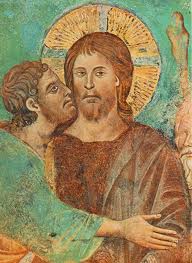
Jesus was delivered by the counsel and foreknowledge of God. God the Father did not force anyone to betray or kill Jesus, but he knew someone would, and his death was also predestined to happen. There are numerous ways in which Jesus could die for us so Judas betrayal was not necessary at all, but he was first in line. Those hands who crucified Jesus were WICKED, which means that God certainly didn’t approve of what they did, and let’s not forget that it was Satan who entered Judas when Judas rose up to betray Jesus. God allowed it to happen of course, but he didn’t predestine Juda’s betrayal.

Acts 2:22 Ye men of Israel, hear these words; Jesus of Nazareth, a man approved of God among you by miracles and wonders and signs, which God did by him in the midst of you, as ye yourselves also know:23 Him, being delivered by the determinate counsel and foreknowledge of God, ye have taken, and by wicked hands have crucified and slain:

What God determined before to be done was to offer up his son to die for us, and we can also read that Jesus actually gave up his own life and that no one took it from him. He did not determine that Judas must betray him. Read more about Judas severe sin here.

Acts 4:27 For of a truth against thy holy child Jesus, whom thou hast anointed, both Herod, and Pontius Pilate, with the Gentiles, and the people of Israel, were gathered together,28 For to do whatsoever thy hand and thy counsel determined before to be done.

If Jesus is the son of God and the many miracles he performed too, then it would be unwise to try to fight it back, which was the advice of  Gamaliel. A Messiah is a Messiah no matter what we do.

Acts. 5:37 After this man rose up Judas of Galilee in the days of the taxing, and drew away much people after him: he also perished; and all, even as many as obeyed him, were dispersed.38 And now I say unto you, Refrain from these men, and let them alone: for if this counsel or this work be of men, it will come to nought:

And a couple of more examples with boulé

1 Corinthians 4:Therefore judge nothing before the time, until the Lord come, who both will bring to light the hidden things of darkness, and will make manifest the counsels of the hearts: and then shall every man have praise of God.And these things, brethren, I have in a figure transferred to myself and to Apollos for your sakes; that ye might learn in us not to think of men above that which is written, that no one of you be puffed up for one against another.

Hebr. 6:17 Wherein God, willing more abundantly to shew unto the heirs of promise the immutability of his counsel, confirmed it by an oath:18 That by two immutable things, in which it was impossible for God to lie, we might have a strong consolation, who have fled for refuge to lay hold upon the hope set before us

We are being wise if we do the things the Lord says we should do.

Luke: 6:46 And why call ye me, Lord, Lord, and do not the things which I say?

95 Open Theism verses

christopher fisher's avatarreality is not optional

This is worth reproducing in whole. From ApologeticJedi from TheologyOnline:

1. God worked in six day-divided time spans, but rested on the seventh day (Gen 2:1-2)
2. God brought the animals before Adam to see what he would call them. (Gen 2:19)
3. God is uncertain whether they will eat of the Tree of Life after the fall. (Gen 3:22)
4. God repents that he made man. (Gen 6:6)
5. God must patiently wait while the ark is being built (1 Pet 3:20)
6. Satan is willing to wager with God over how the future will turn out. (Job 1:11-12)
7. Abraham challenges God over his promise, and lives! (Gen 15:2-3, 6)
8. God is prevailed upon by Abraham over whether to spare Sodom. (Gen 18:23-33)
9. The angels of God argue with Lot about sleeping in the square (Gen 19:2-4)
10. God learns that Abraham would go to…

View original post 1,102 more words

The Apostle JUDAS was probably once SAVED

judasJudas Iscariot  was one of Jesus’ disciples and a chosen APOSTLE. In order to be qualified for a position like this there are certain conditions that apply and that Judas apparently met (Mat 12:49-50, Lukas 14:26-27). Jesus gave many warnings to his twelve disciples that they must live holy lives, and he also gave them many wonderful promises both when it concerns their lives on earth and the next life – and Judas Iscariot was one of those disciples which Jesus addressed. It would have been an extreme paradox if a disciple which was not of God but of Satan, would have the capability to heal the sick, raise people from the dead and cast out demons, because a “son of Satan” cannot cast out demons from himself.

Mark 3:22 And the scribes which came down from Jerusalem said, He hath Beelzebub, and by the prince of the devils casteth he out devils.23 And he called them unto him, and said unto them in parables, How can Satan cast out Satan?24 And if a kingdom be divided against itself, that kingdom cannot stand.25 And if a house be divided against itself, that house cannot stand.26 And if Satan rise up against himself, and be divided, he cannot stand, but hath an end.

If Judas just hanged around with the other eleven disciples without performing any miracles, the other disciples would surely have noticed something and would wonder why everyone apart from Judas managed to heal the sick and cast out demons. When Jesus later on explained for his disciples that one of them would betray him, they all looked at each other in amazement and wondered to themselves who on earth this could be (Joh 13:22). They seemed to have no clue about the darkness in Judas and that he was a likely suspect, so apparently he had given them no sign of any particular bad fruit in his life. It therefore seems like Judas lived his life just like the others – at least as far as they knew. We know of course that Judas was a thief since he stole from the money bag that he was responsible for, but this wouldn’t be anything that he would tell others about, so as far as they knew Judas was just one of them and performed the same powerful miracles as they did. A person who is guilty of theft and who has not repented from this can of course not be saved, but we don’t if Judas repented or not. We DO know that also the other disciples had been guilty of sin as well and Peter is a good example of this. After that Judas had betrayed Jesus, Peter also sinned by denying Jesus three times and this is a sin which clearly leads to death (which all sins do) since Jesus clearly said so. If we deny him before men, he will deny us. ( Peter later repented.) If Judas would have failed when it comes to healing the sick and casting out demons, this would have been detected by the others because Jesus did not send out his disciples to work alone but at least two and two.

Matt. 10:1 And when he had called unto him his twelve disciples, he gave them power against unclean spirits, to cast them out, and to heal all manner of sickness and all manner of disease. Now the names of the twelve apostles are these; The first, Simon, who is called Peter, and Andrew his brother; James the son of Zebedee, and John his brother; —Simon the Canaanite, and Judas Iscariot, who also betrayed him.These twelve Jesus sent forth, and commanded them, saying, Go not into the way of the Gentiles, and into any city of the Samaritans enter ye not: —Heal the sick, cleanse the lepers, raise the dead, cast out devils: freely ye have received, freely give.

Jesus explains that they don’t have to worry about what to say because the spirit of God will speak IN them. Judas was given this promise as well.

Matt. 10:19 But when they deliver you up, take no thought how or what ye shall speak: for it shall be given you in that same hour what ye shall speak.20 For it is not ye that speak, but the Spirit of your Father which speaketh in you.— 25 It is enough for the disciple that he be as his master, and the servant as his lord. If they have called the master of the house Beelzebub, how much more shall they call them of his household?—40 He that receiveth you receiveth me, and he that receiveth me receiveth him that sent me

We can read that Judas (by transgression) fell from his ministry and apostleship. The Greek word that is translated “fell” is parebé that is from parabainó that means transgress, violate, depart or desert. Matthias took the place that Judas used to have. Also Matthias passed the requirements to be in this important position.

Apg. 1:24 And they prayed, and said, Thou, Lord, which knowest the hearts of all men, shew whether of these two thou hast chosen,25 That he may take part of this ministry and apostleship, from which Judas by transgression fell, that he might go to his own place.26 And they gave forth their lots; and the lot fell upon Matthias; and he was numbered with the eleven apostles.

Judas seemed to be a friend that Jesus could trust. If this psalm is not about Judas, who is it about?

Psaltaren 41:All that hate me whisper together against me: against me do they devise my hurt.Yea, mine own familiar friend, in whom I trusted, which did eat of my bread, hath lifted up his heel against me.10 But thou, O Lord, be merciful unto me, and raise me up, that I may requite them.

Judas was promised a throne in heaven together with the other apostles where they were to judge the tribes of Israel. Jesus PROMISED his twelve disciples  – where Judas was included – that they would be getting a throne each. Sadly Judas caused this promise to not be fulfilled.

Matt 19:28 And Jesus said unto them, Verily I say unto you, That ye which have followed me, in the regeneration when the Son of man shall sit in the throne of his glory, ye also shall sit upon twelve thrones, judging the twelve tribes of Israel.

Despite those wonderful promises he ended up in hell. It would have been better if he had not been born.

Lukas 22:And the chief priests and scribes sought how they might kill him; for they feared the people.Then entered Satan into Judas surnamed Iscariot, being of the number of the twelve.And he went his way, and communed with the chief priests and captains, how he might betray him unto them.

Joh. 13:And supper being ended, the devil having now put into the heart of Judas Iscariot, Simon’s son, to betray him ;

John 17:12 While I was with them in the world, I kept them in thy name: those that thou gavest me I have kept, and none of them is lost, but the son of perdition; that the scripture might be fulfilled.

 Matt 26:24 The Son of man goeth as it is written of him: but woe unto that man by whom the Son of man is betrayed! it had been good for that man if he had not been born

There were many who stood in line to kill Jesus but his Father protected him until it was time to meet the death for the sins of all mankind. Jesus’ death was planned, but there are many ways in which he could have chosen to die so Judas did not have to be the one to betray him at all. The evilness of Judas was in this unique case used for something good, namely the death of Jesus on the cross. God has in a few cases used man’s evil schemes for something good, but it’s never God’s intention or desire that anyone should ever sin. There is no darkness in God and he doesn’t tempt anyone, much less make anyone sin. The Father knew what Judas was up to and Judas will be punished for having acted against the will of God. Do read more about this in this blog article. 

I can add that no one is actually finally saved until he enters the kingdom of God. It does look like Judas was “spiritually alive” at one point in his life.

Here are the views from Gordon Olson, from The Truth Shall Make You Free

p. Judas was chosen to be one of the twelve apostles to serve God and be a witness to the Gospel and revealed truth. He obviously was partaking of this truth, but rebelled and became an apostate—thus frustrating the loving plans of his Master: Acts 1:25; Mt. 10:2-4; Lk. 6:12-13; Mk. 3:14-15. The reasons why the Twelve were chosen are given below. If the Lord Jesus chose to bestow extended labor of preparation upon one whom He certainly foresaw would fall of the intended mission, it would appear that an unwise and inconsistent choice was made. Judas had no authority, he merely “became a guide to those who arrested Jesus” (Acts 1:16). 

1) The Lord Jesus chose the Twelve from His disciples after an all-night of prayer to the Father: Lk. 6:12-13. 

2) The threefold purpose in calling the Twelve is plainly declared: Mk. 3:14-15. 

3) Judas was in a state of salvation when chosen and sent forth to represent Christ: Lk. 9:1-2; Mt. 10:8 (12:25-26); 10:16, 20 (Jn. 8:44); Mk. 6:7, 12; Lk. 9:6; Jn. 13:20. 

4) Judas rebelled against his Master (Jn. 6:64, 70-71), joined himself to Satan (Lk. 22:3; Jn. 13:2, 27), and thus fell from his “ministry and apostleship” (Acts 1:17, 25). 

5) It does not appear that the treachery of Judas was specifically prophesied in the Old Testament, nor that the Lord Jesus expected his apostasy until He perceived its development in his mind. If our Lord expected it all the time, why was He “troubled in spirit” or heart stricken at its development (Jn. 13:21)? It is obviously presented as a tragic surprise. The following are the passages involved and suggested literal translations for careful study: Jn. 6:64 “But there are some of you who are not believing. For Jesus was knowing from the beginning who they are who are not believing and who it is who would deliver Him up.” “From the beginning” most likely refers to their unbelief or turning of heart, which Jesus was observing (Jn. 2:24-25). See Mt. 19:4, 8; Jn. 15:27; 16:4; Acts 11:15; 26:4; Phil. 4:15—”from the beginning” of the thing spoken of. 

Jn. 6:70—”Did not I choose out for Myself you the twelve, and out of you one a devil is?” This strongly implies that he was not such originally, but became so (Lk. 22:3; Jn. 13:2, 21). 

Jn. 6:71—”For this one was about to be delivering Him up, one out of the twelve.” Nothing is prophetic here, merely stating his purpose. 

Jn. 13:11—”For He was knowing him who was delivering Him up, therefore He said, Ye are not all clean.” Here was a present activity. 

Jn. 13:18—”Not concerning all of you am I speaking; I Myself am knowing the ones I did choose out for Myself; but thus is the Scripture fulfilled (or again illustrated): He who is eating My bread did lift up against Me his heel.” Our Lord is referring back to a purely historical event in the life of David, where his counselor Ahithophel betrayed him and joined Absalom’s rebellion (Ps. 41:9, see II Sam. 15:12; 16:23), which was similar to His sad experience. Since David wrote of “my close friend, in whom I trusted,” the Lord Jesus in applying this passage must have felt similarly and had trusted Judas. 

In Jn. 13:18 and 17:12 we have the conjunction “hina” with a verb “to fulfill,” which may be translated either “in order that might be fulfilled,” as in the case of a specific prophecy, or “so that was fulfilled” indicating a re-fulfillment or an application of an Old Testament historical situation or declaration. 

Jn. 17:12—”While I was with them I Myself was keeping them in Thy name whom Thou didst give Me, and I guarded (them), and no one out of them perished (or did destroy himself), except the son of perdition, so that the Scripture was fulfilled.” What Scripture our Lord had in mind is not known, perhaps Ps. 41:9, as above. 

Acts 1:16-17, 20—”Men, brethren, the Scripture, which the Holy Spirit did speak beforehand through David’s mouth, must have been fulfilled in the case of Judas, who became a guide to those who took Jesus. For that having been numbered with (us), he was among us and did receive the allotted portion of this ministry . . . For it has been written in the Book of Psalms, ‘Let his habitation become desolate and let no one dwell in it, and his office let another take.'”

Reference is back to Ps. 69:25, where we notice a plural pronoun used, not a singular pronoun which would be the case if this had been a specific prophecy to Judas. 

The other reference is to Ps. 109:8, where the words, “let another take his office.” are a part of a context extending from verse 6 to verse 19. This whole passage is a pronouncement against “adversaries from the Lord” (20). Since only one small part of this passage is referred to, it would appear that the brief quotation in Acts 1:20 is intended as an application of a previously pronounced judgment upon a typical enemy of God. Obviously, if this had been a specific prophecy of Judas, the whole passage would have been referred to and not just five words. Peter’s reference to the Holy Spirit speaking “through David’s mouth” must relate to his lifetime inspiration in his writings (II Sam. 23:2), and not to any specific prophecy concerning Judas, as the Lord Jesus spoke of (Mk. 12:36).

Did AUGUSTINE corrupt the church with gnostic doctrine? (Yes)

This is a well researched must-see film for all who are curious about the views prior to Augustine of Hippo who lived between 350-430 AD. We often hear about the views of Martin Luther and Jean Calvin, but many of their views actually derive from Augustine. What views did the early church fathers have who lived beyond him? We can see that they unanimously and without exception believed in man’s free will and none of them believed that man is born with a sinful nature or inherited Adam’s sin. You can read more quotes from the website eternaltruth.us or my blog article here.

The Bible says:

Jude 1:3 Beloved, when I gave all diligence to write unto you of the common salvation, it was needful for me to write unto you, and exhort you that ye should earnestly contend for the faith which was once delivered unto the saints

This means that we should pay close attention to what these early saints had to say about salvation since the “faith” was once delivered to them and since Jude here exhorts us to earnestly contend for this faith. (Naturally this doesn’t exempt us from our responsibility to compare everything we read and hear with scripture. ) Since ALL of the early church fathers (before the time of Augustine) believed in free will, and NONE believed in “once saved always saved NOR that man is born with a sinful nature AND (most importantly) since the BIBLE teaches the same things, then we should be completely confident about what the true doctrines really are which Jude is referring to. The only ones who taught the opposite were the GNOSTICS, and Augustine (a former gnostic) sadly brought in many gnostic ideas into church which we have been deceived by ever since. It’s time to go back the teachings of the early church, which are based on the Bible. God is not a God of confusion and is able to reveal the real truth to us in the Bible. The false idea that babies are born in sin is nothing but gnostic heresy and yet this falsehood is rather common worldwide in our churches today.

Born not of blood but OF GOD, and not unconditionally (John 1:13)

välja liv

John. 1:13 Which were born, not of blood, nor of the will of the flesh, nor of the will of man, but OF GOD

This emphasizes God’s role in our spiritual rebirth and it does not say that God unconditionally makes a person born again without this person’s consent and neither does it show man’s inability to seek and find God. We can only speculate what those things mean that we are NOT born of. “Blood” could mean human ancestry (such as being jews) or it could refer to the blood atonement of animals that became history due to the advent of Christ. “The will of the flesh and the will of man” could mean that it’s not in human physical power, nor by enough works effort, nor by man’s desirous intent, nor by wishful thinking that we are able to be born of God and end up as his children – and eventually inherit his kingdom. If we remove what man is not “born of” according to this verse, what is left? We remove “blood”“the will of the flesh” and “the will of man”, and then we have “which were born OF GOD”. The Bible says elsewhere that we must be born again (which can only happen thanks to God) in order to have life:

John 3:3 Jesus answered and said unto him, Verily, verily, I say unto thee, Except a man be born again, he cannot see the kingdom of God

MAN cannot make his past sins go away and be cleansed and born again by himself, but GOD can accomplish this  – but under certain conditions.  How do we get born again? Example in short:

  • We seek God and come to him to get life
  • We acknowledge that we deserve death due to our sins, and that we are completely lost without Jesus
  • We confess our known sins
  • We repent from our old sinful life style
  • We make a decision to from now on walk in obedience with Christ, with the AIM to be faithful
  • THEN we are cleansed from our old sins by the mercy of God!
  • We are now righteous, justified and born again and completely new persons!
  • We acknowledge that God does not promise us “once cleansed always cleansed”

So WE cannot make ourselves become born again and new persons – no matter our will – because we simply don’t have the power to cleanse ourselves and be free from our old sin debt. Only GOD can help us with this, so we must come to him to make this happen. Even if we would live the rest of our lives without sin, we could still not arrange so that our past sins were removed. Thanks to the blood of Jesus that he shed for us the cross, we can be made righteous! Peter says that in obeying the truth we have purified our souls and, as previously mentioned, we can only do this by coming to God to be cleansed. This is how we get eternal life!

1 Peter 1:22 Seeing YE have purified your souls in OBEYING the truth through the Spirit unto unfeigned love of the brethren, see that ye love one another with a pure heart fervently:23 Being born again, not of corruptible seed, but of incorruptible, by the word of God, which liveth and abideth for ever.

In the immediate context prior to John 1:13, we can read that those who had the right to become the children of God were selected on the basis of who “received” and “believed” Christ. Is God forcing man or is man accepting in this verse?

John. 1:11 He came to His own, and His own did not receive Him. 12 But as many as received Him, to them He gave the right to become children of God, to those who believe in His name 

We can also read about Jesus 9 That was the true Light, which lighteth every man that cometh into the world.

Everyone has been given enough light to be able to believe in Jesus

Finally, we can read in another place in the NT where it’s actually possible to be born “after the flesh”, and this concerns the bondmaid Hagar who got a planned child together with Abraham (Ishmael). The birth of Isaac (Abraham’s and Sara’s child) is in contrast to the previous birth and is stated to be “by promise“.

Gal. 4:22 For it is written, that Abraham had two sons, the one by a bondmaid, the other by a freewoman.23 But he who was of the bondwoman was born after the flesh; but he of the freewoman was by promise.