Archive | April 2012

There is none righteous who seeks after God as per Romans 3:10?

Rom. 3:10 As it is written, There is none righteous, no, not one: 11 There is none that understandeth, there is none that seeketh after God.

Paul, who made the above statement that no one is righteous, called HIMSELF righteous, along with Silas and Timothy, and he constantly requested that people should avoid obeying their flesh.

1 Thess. 2:10 Ye are witnesses, and God also, how holily and justly and UNNBLAMEABLY we behaved ourselves among you that believe 

Acts. 23:1 And Paul, earnestly beholding the council, said, Men and brethren, I have lived in all good conscience before God until this day. (NASB: “perfectly good conscience”)

To make Romans 3:10-11 a blanket statement about all mankind in all ages is to make the Scriptures to be in contradiction. The Bible says that we are created precisely TO SEEK GOD.

Acts 17:26 And hath made of one blood all nations of men for to dwell on all the face of the earth, and hath determined the times before appointed, and the bounds of their habitation;27 THAT THEY SHOULD SEEK THE LORD, if haply they might feel after him, and find him, THOUGH HE BE NOT FAR FROM EVERY ONE OF US.  

Jer. 29:13 And ye shall seek me, and find me, when ye shall search for me with all your heart 

Matt. 6:33 But SEEK YE FIRST THE KINGDOM OF GOD, and his righteousness; and all these things shall be added unto you

Romans 3:10-11 is a reference to a few psalms, and they must be read in context. In those psalms you will find references of people who are righteous, as a contrast to those who are not (the foolish ones). Below is what Paul says in Romans 3, and note that he says “as it is written”, which means that we should check “what is written” so that we will understand his reason for quoting these psalms in that particular moment.

Rom. 3:What then? are we better than they? No, in no wise: for we have before proved both Jews and Gentiles, that they are all under sin; 10As it is written, There is none righteous, no, not one: 11There is none that understandeth, there is none that seeketh after God. 12They are all gone out of the way, they are together become unprofitable; there is none that doeth good, no, not one. 13Their throat is an open sepulchre; with their tongues they have used deceit; the poison of asps is under their lips: 14Whose mouth is full of cursing and bitterness: 15Their feet are swift to shed blood: 16Destruction and misery are in their ways: 17And the way of peace have they not known: 18There is no fear of God before their eyes.

With his comments Paul is referring to something that is written in the scriptures and below are the psalms he is quoting from. Notice that it is the FOOL who says in his heart that there is no God, and THEY (the fools) are corrupt. We can also read about RIGHTEOUS people, and they are the ones who use God as their refuge, who worship him and who desire to be led by him:

Psalm 14:THE FOOL hath said in his heart, There is no God. THEY are corrupt, THEY have done abominable works, there is none that doeth good2The LORD looked down from heaven upon the children of men, to see if there were any that did understand, and seek God. 3They are all gone aside, they are all together become filthy: there is none that doeth good, no, not one. 4Have all the workers of iniquity no knowledge? who eat up my people as they eat bread, and call not upon the LORD5There were they in great fear: for God is in the generation of the RIGHTEOUS. 6Ye have shamed the counsel of the poor, because the LORD is his refuge7Oh that the salvation of Israel were come out of Zion! when the LORD bringeth back the captivity of his people, Jacob shall rejoice, and Israel shall be glad. (See also Psalm 53)

Psalm 53:1 The fool hath said in his heart, There is no God. Corrupt are they, and have done abominable iniquity: there is none that doeth good.2 God looked down from heaven upon the children of men, to see if there were any that did understand, that did seek God.3 Every one of them is gone back: they are altogether become filthy; there is none that doeth good, no, not one.Have the workers of iniquity no knowledge? who eat up my people as they eat bread: they have not called upon God.5 There were they in great fear, where no fear was: for God hath scattered the bones of him that encampeth against thee: thou hast put them to shame, because God hath despised them. 

Another psalm of interest:

Psalm 5:For thou art not a God that hath pleasure in wickedness: neither shall evil dwell with thee. 5THE FOOLISH shall not stand in thy sight: thou hatest all WORKERS OF INIQUITY. 6Thou shalt destroy them that speak leasing: the LORD will abhor the bloody and deceitful man. 7But as for me, I will come into thy house in the multitude of thy mercy: and in thy fear will I worship toward thy holy temple8Lead me, O LORD, in thy righteousness because of mine enemies; make thy way straight before my face. 9For there is no faithfulness in their mouth; their inward part is very wickedness; their throat is an open sepulchre; they flatter with their tongue. 10Destroy thou them, O God; let them fall by their own counsels; cast them out in the multitude of their transgressions; for they have rebelled against thee11But let all THOSE THAT PUT THEIR TRUST IN THEE rejoice: let them ever shout for joy, because thou defendest them: let them also that love thy name be joyful in thee. 12For thou, LORD, wilt bless the RIGHTEOUS; with favour wilt thou compass him as with a shield.  

Examples of some righteous people, who were righteous because they showed their faith by their DEEDS

Gen 6:9 This is the account of Noah. Noah was a RIGHTEOUS man, blameless among the people of his time, and he walked with God

Hebr. 11:By faith Noah, being warned of God of things not seen as yet, moved with fear, prepared an ark to the saving of his house; by the which he condemned the world, and became heir of the righteousness which is by faith.

Ja. 2:21 Was not Abraham our father justified by works, when he had offered Isaac his son upon the altar?

Hebr. 7:By faith Abraham, when he was called to go out into a place which he should after receive for an inheritance, obeyed; and he went out, not knowing whither he went.

2 Peter 2:And delivered just Lot, vexed with the filthy conversation of the wicked:(For that righteous man dwelling among them, in seeing and hearing, vexed his righteous soul from day to day with their unlawful deeds;) 

Matt. 1:19 Because Joseph her husband was a RIGHTEOUS man and did not want to expose her to public disgrace, he had in mind to divorce her quietly.

Luke 2:25 Now there was a man in Jerusalem called Simeon, who was RIGHTEOUS and devout. He was waiting for the consolation of Israel, and the Holy Spirit was upon him.  

Matt. 23:35 And so upon you will come all the righteous blood that has been shed on earth, from the blood of RIGHTEOUS Abel to the blood of Zechariah son of Berekiah, whom you murdered between the temple and the altar.

Job 1:1 There was a man in the land of Uz, whose name was Job; and that man was perfect and upright, and one that feared God, and eschewed evil.

Unbelievers can DO good and are requested to BE good

Every time someone decides to not murder or steal, it is surely a good thing before the Lord. The Prodigal son was spiritually lost and DEAD, and yet he could still choose to act wisely, and he made a good moral decision to repent and to return to his Father.

Matt. 7:11 If ye then, being EVIL, know how to give GOOD gifts unto your children, how much more shall your Father which is in heaven give good things to them that ask him? 

Acts 28:And when they were escaped, then they knew that the island was called Melita.And the BARBAROUS PEOPLE shewed us no little kindness: for they kindled a fire, and received us every one, because of the present rain, and because of the cold.

1 Cor. 14:24 But if an UNBELIEVER or someone who does not understand comes in while everybody is prophesying, he will be convinced by all that he is a sinner and will be judged by all, 25and the secrets of his heart will be laid bare. So he will fall down and worship God, exclaiming,“GOD IS REALLY AMONG YOU!”

Ja. 4:17 Therefore to him that KNOWETH to do good, and doeth it not, to him it is sin.

Rom. 2:14 For when the Gentiles, which have not the law, do by nature the things contained in the law, these, having not the law, are a law unto themselves: 15Which shew the work of the law written in their hearts, their conscience also bearing witness, and their thoughts the mean while accusing or else excusing one another) 

The Bible is loaded with verses which show that we are expected to seek God

Deuteronomy 4:29 But if from thence thou shalt seek the LORD thy God, thou shalt find him, if thou seek him with all thy heart and with all thy soul.

1 Chronicles 22:19 Now set your heart and your soul to seek the LORD your God; arise therefore, and build ye the sanctuary of the LORD God, to bring the ark of the covenant of the LORD, and the holy vessels of God, into the house that is to be built to the name of the LORD.

1 Chronicles 28:9 And thou, Solomon my son, know thou the God of thy father, and serve him with a perfect heart and with a willing mind: for the LORD searcheth all hearts, and understandeth all the imaginations of the thoughts: if thou seek him, he will be found of thee; but if thou forsake him, he will cast thee off for ever.

2 Chronicles 11:16 And after them out of all the tribes of Israel such as set their hearts to seek the LORD God of Israel came to Jerusalem, to sacrifice unto the LORD God of their fathers.

2 Chronicles 14:4 And commanded Judah to seek the LORD God of their fathers, and to do the law and the commandment

2 Chronicles 15:4 But when they in their trouble did turn unto the LORD God of Israel, and sought him, he was found of them.

2 Chronicles 15:12-13 12 And they entered into a covenant to seek the LORD God of their fathers with all their heart and with all their soul; 13 That whosoever would not seek the LORD God of Israel should be put to death, whether small or great, whether man or woman.

2 Chronicles 19:3 Nevertheless there are good things found in thee, in that thou hast taken away the groves out of the land, and hast prepared thine heart to seek God.

2 Chronicles 30:19 That prepareth his heart to seek God, the LORD God of his fathers, though he be not cleansed according to the purification of the sanctuary.

2 Chronicles 31:21 And in every work that he began in the service of the house of God, and in the law, and in the commandments, to seek his God, he did it with all his heart, and prospered.

2 Chronicles 34:3 For in the eighth year of his reign, while he was yet young, he began to seek after the God of David his father: and in the twelfth year he began to purge Judah and Jerusalem from the high places, and the groves, and the carved images, and the molten images.

Ezra 6:21 And the children of Israel, which were come again out of captivity, and all such as had separated themselves unto them from the filthiness of the heathen of the land, to seek the LORD God of Israel, did eat,

Ezra 8:21-22 21 Then I proclaimed a fast there, at the river of Ahava, that we might afflict ourselves before our God, to seek of him a right way for us, and for our little ones, and for all our substance. 22 For I was ashamed to require of the king a band of soldiers and horsemen to help us against the enemy in the way: because we had spoken unto the king, saying, The hand of our God is upon all them for good that seek him; but his power and his wrath is against all them that forsake him.

Psalm 10:4 The WICKED, through the pride of his countenance, will not seek after God: God is not in all his thoughts.

Psalm 63:1 O God, thou art my God; early will I seek thee: my soul thirsteth for thee, my flesh longeth for thee in a dry and thirsty land, where no water is;

Psalm 69:6 Let not them that wait on thee, O Lord GOD of hosts, be ashamed for my sake: let not those that seek thee be confounded for my sake, O God of Israel.

Psalm 70:4 Let all those that seek thee rejoice and be glad in thee: and let such as love thy salvation say continually, LetGod be magnified.

Isaiah 55:6 Seek ye the LORD while he may be found, call ye upon him while he is near: Let the wicked forsake his way, and the unrighteous man his thoughts.

Isaiah 58:2 Yet they seek me daily, and delight to know my ways, as a nation that did righteousness, and forsook not the ordinance of their God: they ask of me the ordinances of justice; they take delight in approaching to God.

Daniel 9:3 And I set my face unto the Lord God, to seek by prayer and supplications, with fasting, and sackcloth, and ashes:

Hosea 3:5 Afterward shall the children of Israel return, and seek the LORD their God, and David their king; and shall fear the LORD and his goodness in the latter days.

Amos 5:14 Seek good, and not evil, that ye may live: and so the LORD, the God of hosts, shall be with you, as ye have spoken.

Hebrews 11:6 But without faith it is impossible to please him: for he that cometh to God must believe that he is, and that he is a rewarder of them that diligently seek him. 

Warnings, conditions and commands that we must cleanse ourselves

Jeremiah 4:14 Wash thine heart from wickedness, that thou mayest be saved

Ezekiel 18:31 Make you a new heart and a new spirit: for why will ye die… 

James 4:8 Draw nigh to God, and he will draw nigh to you. Cleanse your hands, ye sinners; and purify your hearts, ye double minded

Romans 12:And be not conformed to this world: but be ye transformed by the renewing of your mind, that ye may prove what is that good, and acceptable, and perfect, will of God.

Luke 12:35 Be dressed ready for service and keep your lamps burning

Hebrews 3:13 But exhort one another daily, while it is called To day; lest any of you be hardened through the deceitfulness of sin. Make every effort to live in peace with all men and to be holy; without HOLINESS no one will see the Lord

Philippians 2:12  Wherefore, my beloved, as ye have always obeyed, not as in my presence only, but now much more in my absence, work out your own salvation with fear and trembling. 

2 Peter 1:5And beside this, giving all diligence, add to your faith virtue; and to virtue knowledge6And to knowledge temperance; and to temperance patience; and to patience godliness; 7And to godliness brotherly kindness; and to brotherly kindness charity. 8For if these things be in you, and abound, they make you that ye shall neither be barren nor unfruitful in the knowledge of our Lord Jesus Christ. 9But he that lacketh these things is blind, and cannot see afar off, and hath forgotten that he was purged from his old sins. 10Wherefore the rather, brethren, give diligence to make your calling and election sure: for if ye do these things, ye shall never fall: 11For so an entrance shall be ministered unto you abundantly into the everlasting kingdom of our Lord and Saviour Jesus Christ. 

Matthew 16:24 Then Jesus said to his disciples, “If anyone would come after me, he must deny himself and take up his cross and FOLLOW me.”    

No man can come except the Father draws him, John 6:44?

drag 2No man can come to me, except the Father which hath sent me DRAW him: and I will raise him up at the last day (John 6:44)
If there are Bible verses that mention conditions for salvation and other verses that do not, then it is not fair to ignore the verses with conditions. John. 6:40 clarifies which conditions that apply for being raised up and that is that we SEE and BELIEVE. We must have these conditions in mind when we proceed to v. 44 above. Verses should never be read in a vacuum, separated from the information before and after.

Only those who come to God are raised up (not those who do not choose to come) and those who are drawn can (dynamai) come, but not necessarily do come. Other verses in the Bible show that ALL men are given enough light to believe in God, and in the rest of John 6 we can read that the conditions for salvation are that we BELIEVE, COME, SEE, REPENT, EAT HIS BREAD, etc. We can also read that Jesus draws ALL men elsewhere in the book of John:

John 12:32 And I, if I be lifted up from the earth, will DRAW ALL MEN unto me.

John 1:9 That was the true Light, which lighteth every man that cometh into the world.—11He came unto his own, and his own received him not.12But AS MANY AS RECEIVED HIM, TO THEM GAVE HE POWER TO BECOME THE SONS OF GOD, even to them that believe on his name:

John 3:17 For God sent not his Son into the world to condemn the world; but that the world through him might be saved.18 He that believeth on him is not condemned: but he that believeth not is condemned already, because he hath not believed in the name of the only begotten Son of God.19 And this is the condemnation, that light is come into the world, and men loved darkness rather than light, because their deeds were evil.20 For every one that doeth evil hateth the light, neither cometh to the light, lest his deeds should be reproved.21 But he that doeth truth cometh to the light, that his deeds may be made manifest, that they are wrought in God.

Ask yourself if you truly believe that our Lord prevents people from coming to him and believing in him, and if he also sends people to eternal hell for not believing in him. If God truly wants people to seek him and believe in him, why would be cause so many unfortunate people to be “non-elect” from the creation of the world and cause them to be damned before they are even born? Would it not be better to read John 6 in context in order to not end up with a position where God walks hand in hand with the devil?

John 6:27 Labour not for the meat which perisheth, but for that meat which endureth unto everlasting life, which the Son of man shall give unto you: for him hath God the Father sealed.28Then said they unto him, What shall we do, that we might work the works of God? 29Jesus answered and said unto them, This is the work of God, that ye believe on him whom he hath sent.

Jesus asks his disciples to not labor for meat which can perish but for meat which lasts for ever, indicating that there was a risk for that his disciples would select the wrong kind of meat. This shows man’s free will and the need for warnings. Moreover, God is not doing the laboring for them. The text does not say that God does the work of causing man’s believing. When the disciples ask what the work is that God wants them to do Jesus does not answer “You can do NOTHING, since God does everything for you and salvation is all of God”, but he explains what they must do which is that ye believe on him whom he hath sent“. The Greek makes it clear that the work of God is TO BELIEVE. Thus, Jesus is specifically answering that in order for one to do the work of God, one must believe.

We can also read that Jesus, the bread of life, has given life unto the WORLD and not just a select few. We can read the  conditions for never being hungry/thirsty, and that is that we must COME and BELIEVE, and that is in Greek continuous tense:

John 6:33For the bread of God is he which cometh down from heaven, and GIVETH LIFE UNTO THE WORLD. —35And Jesus said unto them, I am the bread of life: HE THAT COMETH to me shall never hunger; and he that BELIEVETH on me shall never thirst. 37All that the Father giveth me shall come to me; and him that cometh to me I will in no wise cast out.

We are assured that if we choose to COME to him, we will not be cast out. The question is of course if we will choose to come and also if we will choose to STAY. I believe God the Father knows who will be the ones who will endure to the end, and those are likely the ones that he “gives” to Jesus. Jesus must have known that his death would be beneficial for those who choose to accept his offer and believe in him. If they endure to the end they will be in the final edition of the book of life and they will be the ones coming to God as per his foreknowledge. We can read that Jesus knew that some indeed would refuse to believe. He said:

John 6:64 “But there are some of you that believe not”. FOR JESUS KNEW FROM THE BEGINNING WHO THEY WERE THAT BELIEVED NOT,  and who should betray him.

John 6:39 below is usually more popular to quote than the verse right after which is John 6:40 since the “inconvenient” CONDITIONS for salvation are listed in v.40 which explains v.39 in more detail:

6:39And this is the Father’s will which hath sent me, that of all which he hath given me I should lose nothing, but should raise it up again at the last day.

6:40And this is the will of him that sent me, that every one which SEETH the Son, and BELIEVETH on him, may have everlasting life: and I will raise him up at the last day.

“this is the will of Him who sent me, that every one who IS BEHOLDING the Son, and IS BELIEVING in him, may have life age-during, and I will raise him up in the last day.” (Young’s Literal Translation).

The conditions for salvation are thus that we SEE the son and BELIEVE in him, just like the requirements for the Israelites in Exodus to walk up to the brazen serpent to behold it in order to be cleansed. They were not dragged to the serpent and forced to behold it! THEY themselves had to do it. It’s also the Father’s WILL that no one shall perish. Does anyone perish? Yes, so this means God’s will is not even always done.

I have learned that the purpose of the subjunctive mood (as in “should lose nothing”) is usually to imply some uncertainty and “generally represents the verbal action as uncertain but probable”. “I should raise him up at the last day” is a statement of intent or purpose. The Father’s desire is that Jesus would eventually raise up all who saw him and believed on him. These verses do not state what absolutely will occur. Another example can be found in John 1:6-7

“There was a man sent from God, whose name was John. This man came for a witness, to bear witness of the Light, that all through him might believe.

The context indicates that God’s intent for sending John was so that all through him might believe”. Yet, not all did believe but actually only a minority did, and “all” here could not mean only the elect because we read “That was the true light which gives light to every man coming into the world (v. 8-9).

Right after v. 44 we can read that those who come are those who have HEARD and LEARNED of the Father. It is up to us to listen carefully to the gospel message and seek wisdom. Two persons can listen to the same message, and yet one might choose to close his ears and the other one might take what he hears into his heart:hearken4

6:45It is written in the prophets, And they shall be ALL taught of God. EVERY MAN therefore that hath heard, and hath LEARNED of the Father, COMETH unto me.— 47Verily, verily, I say unto you, He that believeth on me hath everlasting life. –51I am the living bread which came down from heaven: if any man eat of this bread, he shall live for ever: and the bread that I will give is my flesh, which I will give for the life of THE WORLD.53Then Jesus said unto them, Verily, verily, I say unto you, Except ye eat the flesh of the Son of man, and drink his blood, ye have no life in you. 54WHOSO eateth my flesh, and drinketh my blood, hath eternal life; and I will raise him up at the last day.

Learning, eating, drinking, believing, seeing and coming are things WE must do. God is not going to do this for us but he has promised to not cast us out if we do accept to learn from him and come to him. We can read that “WHOSO eateth” shall be saved. That is an offer to all, and we already know that Jesus died for the WORLD. Naturally we are also free to leave if we are free to come, and we are not promised that God will prevent us from sinning ever again. We must take all the context into consideration and not just select exactly those verses where the conditions are not listed and ignore those verses where they ARE listed. All men are taught, but it is only those who go on to hear and learn who come/are drawn.

John. 6:56 He that eateth my flesh, and drinketh my blood, dwelleth in me, and I in him.57 As the living Father hath sent me, and I live by the Father: so he that eateth me, even he shall live by me.58 This is that bread which came down from heaven: not as your fathers did eat manna, and are dead: he that eateth of this bread shall live for ever

Note the conditions again: 56He that eateth my flesh, and drinketh my blood, dwelleth in me, and I in him. God is not going to eat and drink for us. 

John. 6:64 But there are some of you that believe not. For Jesus knew from the beginning who they were that believed not, and who should betray him.65 And he said, Therefore said I unto you, that no man can come unto me, except it were given unto him of my Father.66 From that time many of his disciples went back, and walked no more with him.

6:70Jesus answered them, Have not I chosen you twelve, and one of you is a devil?

Here we can read that “chosen” ones does not equate to being saved. People can be chosen for a service and they can also reject their task either from the start or later on. Israel was once chosen, and of course not all Israel is saved.

Gal 1:6 I marvel that you are so soon REMOVED FROM HIM that CALLED YOU into the grace of Christ.

Compare the above with the parable about the King who made a marriage banquet for his son in Matt. 22  

People who were on the guest list still chose to decline the invitation, and yet others who were randomly invited instead of them accepted to come (and they all took on wedding clothes apart from a certain fellow who was thrown out despite his arrival), and the latter were called CHOSEN due to their own wise decision to show up at the wedding

Matt 22: 3And sent forth his servants to call them that were bidden to the wedding: and they would not come4Again, he sent forth other servants, saying, Tell them which are bidden, Behold, I have prepared my dinner: my oxen and my fatlings are killed, and all things are ready: come unto the marriage.   8Then saith he to his servants, The wedding is ready, but they which were bidden were not worthy. 9Go ye therefore into the highways, and as many as ye shall find, bid to the marriage10So those servants went out into the highways, and gathered together all as many as they found, both bad and good: and the wedding was furnished with guests.  —12And he saith unto him, Friend, how camest thou in hither not having a wedding garment? And he was speechless. 13Then said the king to the servants, Bind him hand and foot, and take him away, and cast him into outer darkness, there shall be weeping and gnashing of teeth.14For many are called, but few are chosen.

Here are a couple of other examples of that God’s will does not always happen. Paul recognized that some Christians could reject the “will of God,” and that God’s will for them could be thwarted by their disobedience despite the convicting power of the Holy Spirit:

1 Thess. 4:3-8 For this is the will of God, your sanctification: that you should abstain from sexual immorality; that each of you should know how to possess his own vessel in sanctification and honor, not in passion of lust, like the Gentiles who do not know God; that no one should take advantage of and defraud his brother in this matter, because the Lord is the avenger of all such, as we also forewarned you and testified. For God did not call us to uncleanness, but in holiness. Therefore he who rejects this does not reject man, but God, who has also given us His Holy Spirit

1 Tim. 2:For this is good and acceptable in the sight of God our Saviour;Who will have ALL MEN to be saved, and to come unto the knowledge of the truth.

2 Peter 3:The Lord is not slack concerning his promise, as some men count slackness; but is longsuffering to us-ward, not willing that any should perish, but that all should come to repentance

Acts. 17:30 And the times of this ignorance God winked at; but now commandeth all men every where to repent

Mark 3:35 For whosoever shall do the will of God, the same is my brother, and my sister, and mother.

Eph. 6:Not with eyeservice, as menpleasers; but as the servants of Christ, doing the will of God from the heart

Hebr. 10:36 For ye have need of patience, that, after ye have done the will of God, ye might receive the promise

1 Peter 4:1Forasmuch then as Christ hath suffered for us in the flesh, arm yourselves likewise with the same mind: for he that hath suffered in the flesh hath ceased from sin;2 That he no longer should live the rest of his time in the flesh to the lusts of men, but to the will of God.For the time past of our life may suffice us to have wrought the will of the Gentiles, when we walked in lasciviousness, lusts, excess of wine, revellings, banquetings, and abominable idolatries:

1 John 2:17 And the world passeth away, and the lust thereof: but he that doeth the will of God abideth for ever.

1 Peter 5:2 Feed the flock of God which is among you, taking the oversight thereof, not by constraint, but willingly; not for filthy lucre, but of a ready mind

In summary

A resistible drawing agrees with John 3 “As Moses lifted up the serpent in the wilderness, even so must the Son of Man be lifted up”, i.e., so that whosoever believeth i him should not perish. Nowhere must we take the word helko (draw) to mean something irresistible.  The Father does not drag a man irresistibly in some spiritual sense. The passage does not say that the drawing guarantees the “coming”. All it says is that no one can come unless drawn, and it then says that the one who comes (as a result of this drawing) will be raised up. It nowhere says that all who are drawn also come, but the one who is “raised up” is the one who is both drawn and comes.

Jam. 4:10 Humble yourselves in the sight of the Lord, and he shall lift you up.

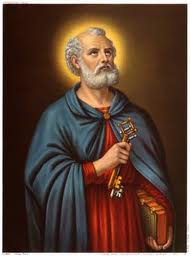
Cephas might not be the apostle PETER in Gal. 2:14 but another Cephas

Cephas might not be Peter in Gal. 2:14 (The first part by Bryan Davis)

Many assume that the apostle Paul confronted the apostle Peter in Antioch regarding Peter’s apparent lack of straightforwardness with the gospel. It’s no wonder they think so, because the King James Version of the Bible says exactly that in Galatians 2:11-14. Yet, there are many reasons to doubt this assumption.

Here is the passage in the King James Version:

Gal 2:11 But when Peter was come to Antioch, I withstood him to the face, because he was to be blamed. 12 For before that certain came from James, he did eat with the Gentiles: but when they were come, he withdrew and separated himself, fearing them which were of the circumcision. 13 And the other Jews dissembled likewise with him; insomuch that Barnabas also was carried away with their dissimulation. 14 But when I saw that they walked not uprightly according to the truth of the gospel, I said unto Peter before them all, If thou, being a Jew, livest after the manner of Gentiles, and not as do the Jews, why compellest thou the Gentiles to live as do the Jews?

Now here is the same passage from the New American Standard Bible:

Gal 2:11 But when Cephas came to Antioch, I opposed him to his face, because he stood condemned. 12 For prior to the coming of certain men from James, he used to eat with the Gentiles; but when they came, he began to withdraw and hold himself aloof, fearing the party of the circumcision. 13 The rest of the Jews joined him in hypocrisy, with the result that even Barnabas was carried away by their hypocrisy. 14 But when I saw that they were not straightforward about the truth of the gospel, I said to Cephas in the presence of all, “If you, being a Jew, live like the Gentiles and not like the Jews, how is it that you compel the Gentiles to live like Jews?”

We notice right away that the texts differ regarding the name of the person Paul confronted. Some Greek texts say that the man’s name was Cephas, not Peter, and the translators of the NASB decided that these were the more reliable. To many people, that difference poses no problem, because Peter was given the name Cephas by Jesus, as follows.

He brought him to Jesus. Jesus looked at him and said, “You are Simon the son of John; you shall be called Cephas” (which is translated Peter). (John 1:42)

It’s interesting that Jesus never called Peter by that name again. Not only that, no one in the book of Acts ever called him Cephas, and Peter did not refer to himself by that name in his own epistles. It is clear, therefore, that Cephas was not a name Peter went by after Jesus gave him the name.

Besides the John chapter one reference, the apostle Paul is the only person in Scripture to refer to the name Cephas.

One possible place is in Galatians chapter one, and it’s interesting to note that there is a difference in Greek texts here as well.

Here is the passage in the King James Version:

Gal 1:18 Then after three years I went up to Jerusalem to see Peter, and abode with him fifteen days. 19 But other of the apostles saw I none, save James the Lord’s brother.

And here it is in the New American Standard Bible

Gal 1:18 Then three years later I went up to Jerusalem to become acquainted with Cephas, and stayed with him fifteen days.19 But I did not see any other of the apostles except James, the Lord’s brother.

In this passage, it is clear that Paul was referring to Peter, because he indirectly refers to him as an apostle in verse 19. It seems to me that the KJV is correct in this case, and the name should be Peter.

Paul more definitely referred to Cephas in other places:

1 Cor 15:3 For I delivered to you as of first importance what I also received, that Christ died for our sins according to the Scriptures, 4 and that He was buried, and that He was raised on the third day according to the Scriptures, 5 and that He appeared to Cephas, then to the twelve.

Paul differentiates between Cephas and the twelve. This isn’t proof that Cephas was not part of the twelve, because Jesus easily could have appeared to one of the twelve and then to the twelve together, but the following use of Cephas casts doubt on that idea.

1 Cor 9:5 Do we not have a right to take along a believing wife, even as the rest of the apostles and the brothers of the Lord and Cephas?

Here Paul puts Cephas outside of the group called “the apostles”. It is theoretically possible that Paul could have listed Peter separately from “the apostles”, but it would be unnatural to do so.

We have historical evidence pointing to the idea that Cephas was not the apostle Peter. Eusebius wrote:

“And there is a story from Clement in the fifth of his Hypotyposeis in which he also says that Cephas, concerning whom Paul says: But, when Cephas came to Antioch, I resisted him to his face, was one of the seventy disciples, one who happened to have the same name as Peter the apostle.” (Eusebius. The History of The Church. Book 1. 12)

This was Clement of Alexandria, who lived from about 150 AD to 215. He likely had access to records that no longer exist, so this is historical documentation indicating that this Cephas was not Peter. Cephas was one of the seventy disciples, though not one of the apostles.

Internal evidence in the Galatians chapter two passage also indicates that Cephas could not have been Peter. Let’s look at the verses leading up to Paul’s opposition to Cephas.

Gal 2:7 But on the contrary, seeing that I had been entrusted with the gospel to the uncircumcised, just as Peter had been to the circumcised 8 (for He who effectually worked for Peter in his apostleship to the circumcised effectually worked for me also to the Gentiles), 9 and recognizing the grace that had been given to me, James and Cephas and John, who were reputed to be pillars, gave to me and Barnabas the right hand of fellowship, so that we might go to the Gentiles and they to the circumcised.

If Cephas were the same person as Peter, why would Paul change his name in mid sentence? (In this passage, there are no differences among the Greek texts.) Also, if Peter used “Peter” in his own letters to Gentiles, why would Paul use the Aramaic form (Cephas) to Gentiles? The most reasonable conclusion is that Peter and Cephas are two different people.

According to this passage, Cephas recognized the grace given to Paul, because Paul had been entrusted with the gospel to the uncircumcised as Peter had been to the circumcised. Why, then, would this fact cause Cephas (if he were really Peter) to extend the right hand of fellowship to Paul and divide their ministries (Paul one direction and Cephas the other) when it was the division itself that indicated that they ought to divide? This would have to be circular logic.

To explain this crucial point further, let’s break down this passage:

Gal 2:7 But on the contrary, seeing that I had been entrusted with the gospel to the uncircumcised, just as Peter had been to the circumcised 8 (for He who effectually worked for Peter in his apostleship to the circumcised effectually worked for me also to the Gentiles), 9 and recognizing the grace that had been given to me, James and Cephas and John, who were reputed to be pillars, gave to me and Barnabas the right hand of fellowship, so that we might go to the Gentiles and they to the circumcised.

The reasons for the actions of James, Cephas, and John are underlined, and the actions themselves are italicized.

“Seeing that” indicates that James, Cephas, and John had noticed something that  happened in the past. What did they notice? That Paul had been entrusted with the gospel to the uncircumcised and Peter to the circumcised. Those things happened at some unspecified time in the past, and these three are taking note of the events in order to decide on an action.

What is that action? To have fellowship with Paul so that he would go to the Gentiles and they to the circumcised.

But that had already happened with the real Peter. He and Paul had already made the choice to divide the ministry and choose separate targets. So if Cephas is Peter, what is he using as a basis for deciding to divide the ministry and choose separate targets? The fact that he already has made that decision? That would be nonsense.

It would be like making a decision to become a farmer because you already are one. It is a senseless, circular statement.

The decision was based on something that happened in the past, so using that as a basis for an identical present decision that cannot logically be repeated by the same person proves that this Cephas cannot be Peter.

Again, Paul had already gone to the Gentiles, and Peter had already gone to the Jews, so if this Cephas is Peter, then he would be deciding something that had already occurred. This is not sensible.

We also have proof from the book of Acts that this person in Galatians 2 could not have been the apostle Peter:

From there they sailed to Antioch, from which they had been commended to the grace of God for the work that they had accomplished. When they had arrived and gathered the church together, they began to report all things that God had done with them and how He had opened a door of faith to the Gentiles. And they spent a long time with the disciples.

Some men came down from Judea and began teaching the brethren, “Unless you are circumcised according to the custom of Moses, you cannot be saved”. And when Paul and Barnabas had great dissension and debate with them, the brethren determined that Paul and Barnabas and some others of them should go up to Jerusalem to the apostles and elders concerning this issue. (Acts 14:26 and 15:2)

This is a perfect description of what was described by Paul in Galatians 2: There was dissension with Judaizers regarding the necessity of circumcision, it occurred in Antioch, and Barnabas was involved as well. This Acts account perfectly fits the Galatians 2 account, and there is no other event recorded in Acts that coincides with Paul’s account of a dispute in Antioch.

So what did Paul and Barnabas do about the problem? They decided to consult the apostles and elders in Jerusalem. Who was one of those apostles? Peter himself:

The apostles and the elders came together to look into this matter. After there had been much debate, Peter stood up and said to them, “Brethren, you know that in the early days God made a choice among you, that by my mouth the Gentiles would hear the word of the gospel and believe. And God, who knows the heart, testified to them giving them the Holy Spirit, just as He also did to us; and He made no distinction between us and them, cleansing their hearts by faith. Now therefore why do you put God to the test by placing upon the neck of the disciples a yoke which neither our fathers nor we have been able to bear? But we believe that we are saved through the grace of the Lord Jesus, in the same way as they also are”. (Acts 15:6-11)

If Cephas in Galatians 2 was Peter, it would make no sense at all for Paul to go all the way to Jerusalem to consult the very person who was causing a problem. Peter was already in Jerusalem. He wasn’t in Antioch. So it seems impossible that Peter could have been the man Paul confronted in Galatians chapter 2.

Some refer to other accounts in Acts where they believe the Galatians chapter 2 conflict might have taken place:

Act 11:22 The news about them reached the ears of the church at Jerusalem, and they sent Barnabas off to Antioch. 23 Then when he arrived and witnessed the grace of God, he rejoiced and began to encourage them all with resolute heart to remain true to the Lord; 24 for he was a good man, and full of the Holy Spirit and of faith. And considerable numbers were brought to the Lord. 25 And he left for Tarsus to look for Saul; 26 and when he had found him, he brought him to Antioch. And for an entire year they met with the church and taught considerable numbers; and the disciples were first called Christians in Antioch. 27 Now at this time some prophets came down from Jerusalem to Antioch.  28 One of them named Agabus stood up and began to indicate by the Spirit that there would certainly be a great famine all over the world. And this took place in the reign of Claudius. 29 And in the proportion that any of the disciples had means, each of them determined to send a contribution for the relief of the brethren living in Judea. 30 And this they did, sending it in charge of Barnabas and Saul to the elders.

We see the presence of both Paul and Barnabas at Antioch along with the desire to provide for the poor, so this could be the first meeting between Paul and these people and when the right hand of fellowship took place. The Galatians text leads us to believe that the first meeting occurred in Jerusalem, so it might not have occurred here, but there is no mention of the dissension similar to what we saw in Acts 15.

If the first meeting did occur here, Peter could not have been present. Where was Peter at this time? In Jerusalem speaking up boldly for the Gentiles. (Acts 11:2 and following) According to the beginning of chapter 12, Peter went to jail in Jerusalem at that time (Acts 12:3), and Paul and Barnabas left Antioch (Acts 13:4). So if this Cephas is Peter, and this was the first meeting (which it might not have been), then he could not have been there at this time.

Others claim that the argument between Paul and Peter took place during another of Paul’s visits to Antioch:

Act 18:22 When he had landed at Caesarea, he went up and greeted the church, and went down to Antioch. 23 And having spent some time there, he left and passed successively through the Galatian region and Phrygia, strengthening all the disciples.

There is no mention of any dispute here or of any visit by Peter, so why should we think that the Galatians 2 dispute took place at this time? There is no reason at all except for the fact that this is the only time Peter could have been there, which carries the presumption that the person Paul confronted in Galatians 2 was Peter, and that is the idea in dispute.

Another problem is that Peter, at the time of Acts 18, would have to completely go against what he had so boldly stood for.  It would be totally contradictory for Peter to do that. In fact, throughout the book of Acts, Peter stood up for the Gentiles’ reception of the gospel. Ever since his call by God to preach to Cornelius in Acts chapter ten, Peter was unwavering in his support of unfettered access to the gospel for the Gentiles. There is no evidence in Acts that Peter ever strayed from this steadfast support.

Yet another problem with the idea that the Galatians 2 man was Peter is that Paul indicates that people who do what the confronted man did are not even true believers.

Gal 2:4 But it was because of the false brethren secretly brought in, who had sneaked in to spy out our liberty which we have in Christ Jesus, in order to bring us into bondage.

Paul questioned Cephas – “How is it that you compel the Gentiles to live like Jews?” To compel someone to live like Jews is an attempt to bring people into bondage. Since Paul indicated that such people were false brethren, they weren’t true believers, so it’s reasonable to conclude that Cephas wasn’t a true believer and certainly not the same person as the apostle Peter.

The evidence, both biblical and historical, is overwhelming that the man Paul confronted in Galatians is not the apostle Peter. That man was named Cephas, likely a Jew who sympathized with the Judaizers.

Because of Peter’s faithful defense of the Gentiles and their reception of the true gospel at every turn, it is important to make sure we do not denigrate Peter’s legacy with the false charge that he dissembled in Galatians chapter two. After the Holy Spirit indwelt him at Pentecost, he was sure and steadfast. Let us honor the truth about Peter and clear his name in the church, especially among those who have so greatly benefitted from his faithful stand for our inclusion in the faith.

More from Galatians (my addendum to Bryan’s excellent article)

Yes, Paul indicates that people who act like the criticized Cephas, are not even saved (unless they repent of course). Is Paul really saying that the apostle Peter is a false brother and not saved?

Gal.2:But neither Titus, who was with me, being a Greek, was compelled to be circumcised: 4And that because of false brethren unawares brought in, who came in privily to spy out our liberty which we have in Christ Jesus, that they might bring us into bondage5To whom we gave place by subjection, no, not for an hour; that the truth of the gospel might continue with you.

All of the below comments about circumcision would be warnings for people who act much like the man Cephas (and not Cephas the  apostle Peter who wrote contributed to our New Testament):

Gal. 5:Stand fast therefore in the liberty wherewith Christ hath made us free, and be not entangled again with the yoke of bondage2Behold, I Paul say unto you, that if ye be circumcised, Christ shall profit you nothing3For I testify again to every man that is circumcised, that he is a debtor to do the whole law. 4Christ is become of no effect unto you, whosoever of you are justified by the law; ye are fallen from grace. 5For we through the Spirit wait for the hope of righteousness by faith. 6For in Jesus Christ neither circumcision availeth any thing, nor uncircumcision; but faith which worketh by love. 7Ye did run well; who did hinder you that ye should not obey the truth? 8This persuasion cometh not of him that calleth you. 9Alittle leaven leaveneth the whole lump10I have confidence in you through the Lord, that ye will be none otherwise minded: but he that troubleth you shall bear his judgment, whosoever he be11And I, brethren, if I yet preach circumcision, why do I yet suffer persecution? then is the offence of the cross ceased. 12I would they were even cut off which trouble you.

Curses against people who act like Cephas:

Gal. 1: 6I marvel that ye are so soon removed from him that called you into the grace of Christ unto another gospel: 7Which is not another; but there be some that trouble you, and would pervert the gospel of Christ8But though we, or an angel from heaven, preach any other gospel unto you than that which we have preached unto you, let him be accursed9As we said before, so say I now again, if any man preach any other gospel unto you than that ye have received, let him be accursed.

Gal. 3:O foolish Galatians, who hath bewitched you, that ye should not obey the truth, before whose eyes Jesus Christ hath been evidently set forth, crucified among you?

The answer to the above question is not “Peter did”. The Cephas spoken of in Galatians 2:14 is likely not Peter the apostle but another Cephas. 

The idea of the DUAL NATURE is GNOSTIC in origin

The idea of the dual nature was condemned in the first century as the Gnostic heresy.

To say that sin is inevitable is to attribute to Satan power he no longer has. The Bible teaches that the old man is dead.

Rom. 6:6 Knowing this, that our old man is crucified with him, that the body of sin might be destroyed, that henceforth we should not serve sin.

Col. 3:9 Lie not one to another, seeing that ye have put off the old man with his deeds;

2 Cor.  5:17 Therefore if any man be in Christ, he is a new creature: old things are passed away; behold, all things are become new.18 And all things are of God, who hath reconciled us to himself by Jesus Christ, and hath given to us the ministry of reconciliation;

If you are in Christ, the old man has passed away, and all things are new, and ALL THINGS ARE OF GOD. Temptation however does not cease, but even with the temptation we are given assurances by God that He will not allow us to be tempted beyond our ability to withstand.

1Co 10:13 There hath no temptation taken you but such as is common to man: but God is faithful, who will not suffer you to be tempted above that ye are able; but will with the temptation also make a way to escape, that ye may be able to bear it.

The enemy might lie to you and convince you that you cannot be free of his control. You have been taken captive to continue to obey his will.

2Ti 2:24 And the servant of the Lord must not strive; but be gentle unto all men, apt to teach, patient,25 In meekness instructing those that oppose themselves; if God peradventure will give them repentance to the acknowledging of the truth; 26 And that they may recover themselves out of the snare of the devil, who are taken captive by him at his will.

The gnostics believed the flesh was inheritably evil, but the spirit was inheritably good. They taught that regardless what you did in the flesh, your spirit was not affected. They were going to whores, and getting drunken and claiming to be in good with God. To them their spirits were good and could not be corrupted by the flesh. That is what John was talking about in 1 John 2:19. People who sin and then justify it. Notice there are 4 places where John referred to lying or liars:

1) 1Jo 1:5 ¶ This then is the message which we have heard of him, and declare unto you, that God is light, and in him is no darkness at all.6 If we say that we have fellowship with him, and walk in darkness, we lie, and do not the truth:

2) 7 But if we walk in the light, as he is in the light, we have fellowship one with another, and the blood of Jesus Christ his Son cleanseth us from all sin.8 ¶ If we say that we have no sin, we deceive ourselves, and the truth is not in us.

3) 9 If we confess our sins, he is faithful and just to forgive us our sins, and to cleanse us from all unrighteousness. 10 If we say that we have not sinned, we make him a liar, and his word is not in us.

4) He that saith, I know him, and keepeth not his commandments, is a liar, and the truth is not in him.

Here is the Gnostic heresy. They claim to walk with God but continue to walk in darkness by sinning. But then they claim to have no sin because of the dual nature. But by saying they have not sinned they make God out to be a liar. Why? Because he that says he knows God but does not keep His commandments is a liar.

1Jo 3:3 And every man that hath this hope in him purifieth himself, even as he is pure. 4 ¶ Whosoever committeth sin transgresseth also the law: for sin is the transgression of the law. 5 And ye know that he was manifested to take away our sins; and in him is no sin. 6 Whosoever abideth in him sinneth not: whosoever sinneth hath not seen him, neither known him. 7 Little children, let no man deceive you: he that doeth righteousness is righteous, even as he is righteous.He that committeth sin is of the devil; for the devil sinneth from the beginning. For this purpose the Son of God was manifested, that he might destroy the works of the devil.Whosoever is born of God doth not commit sin; for his seed remaineth in him: and he cannot sin, because he is born of God. 10 In this the children of God are manifest, and the children of the devil: whosoever doeth not righteousness is not of God, neither he that loveth not his brother.

This clearly says that anyone who is born of God does not sin any more. Anyone who sins is of the devil, and not of God. And it is not because of a dual nature. Verse 7 equates the righteousness of a believer to the Lord’s righteousness. “he that doeth righteousness is righteous, even as he is righteous”. The second he in that verse refers back to the Him in verses 5 and 6, which is Jesus. Did Jesus have an old man corrupting Him? As to the absolute necessity to cease from sin, the Bible says this:

Heb 12:14 Follow peace with all men, and holiness, without which no man shall see the Lord

As to the ability to do this in this lifetime, (cease from sin), we have this passage in 1 Peter.

1Pe 4:1 ¶ Forasmuch then as Christ hath suffered for us in the flesh, arm yourselves likewise with the same mind: for he that hath suffered in the flesh hath ceased from sin; 2 That he no longer should live the rest of his time in the flesh to the lusts of men, but to the will of God. 3 For the time past of our life may suffice us to have wrought the will of the Gentiles, when we walked in lasciviousness, lusts, excess of wine, revellings, banquetings, and abominable idolatries:

This says ceasing from sin happens in this life before death. Death is nothing more than a cop out for most people who refuse to take on the suffering necessary to cease from sin. Death while you are still in your sins will not suddenly fix you. It will send you to hell.

//Thanks to BRO COPE

The LORD makes even the wicked for the day of atonement? – Proverbs 16:4

The LORD hath made all things for himself: yea, even the wicked for the day of evil (Prov. 16:4)

Some Christians (reformed belivers) actually think that God created wickedness, and that he has made some people into sinners just so he can punish them on the day of evil. That is not the God of the Bible. The NKJV renders it:

Prov. 16:4 The Lord has made all for Himself, Yes, even the wicked for the day of
doom. (NKJV)

At first glance perhaps this verse seem to contradict other verses:

The LORD is good to all: and his tender mercies are over all his works. Psalms 145:9

For God so loved the world, that he gave his only begotten Son, that whosoever believeth in him should not perish, but have everlasting life. John 3:16

The Lord is not slack concerning his promise, as some men count slackness; but is longsuffering to us-ward, not willing that any should perish, but that all should come to repentance. 2 Peter 3:9

In Proverbs 16:4 the phrase, “things for Himself” is a translation from the Hebrew word maaneh which means “to answer to“, or “to give a reply to”, and what is being said in this verse is, “The Lord hath made all things to answer or give an account unto him”.   Sinners eventually reap what they sow.

This makes more sense and goes together well with the rest of the Bible where we can see that God EXPECTS us to be obedient to His commands. We would end up with huge contradiction if we read Proverbs 16:4 as though God creates people to be wicked.

The day of evil  

“The day of evil” is indeed the day of doom. That is when all must give account onto God.

Deut. 31:29 For I know that after my death ye will utterly corrupt yourselves, and turn aside from the way which I have commanded you; and evil will befall you in the latter days; because ye will do evil in the sight of the Lord, to provoke him to anger through the work of your hands.

2 Sam. 3:39 And I am this day weak, though anointed king; and these men the sons  of Zeruiah be too hard for me: the Lord shall reward the doer of evil according to his wickedness.

Jer. 17:18 Let them be confounded that persecute me, but let not me be confounded: let them be dismayed, but let not me be dismayed: bring upon them the day of evil, and destroy them with double destruction.

More verses from Proverbs 16

The context of Proverbs 16:4 is here below and we can read that a proud heart is an ABOMINATION to God, so clearly He wouldn’t predestine people to be wicked. Why would God even consider forcing us to perform abominable things before His eyes and then turn around and punish us for it?

Proverbs 16:2 All the ways of a man are clean in his own eyes; but the LORD weigheth the spirits.3 Commit thy works unto the LORD, and thy thoughts shall be established. [The LORD hath made all things to give account unto Him: yea, even the wicked, who think they are off His hook, have to give an account unto Him on the day of judgment.]5 Every one that is proud in heart is an abomination to the LORD: though hand join in hand, he shall not be unpunished.6By mercy and truth iniquity is purged: and by the fear of the LORD men depart from evil.

The text tells us that people can depart from evil if they FEAR God, which is something THEY must do. God created all things to give an account unto Him, even those who think they are getting away with their sins now. God sets up His creation where good is (eventually) rewarded, and evil is (eventually) punished. In this sense the “purpose” for the wicked is found in the “day of trouble” that shall come upon them. The verb translated in the NRSV as “made” (paw-al’) can be translated as “works out”.

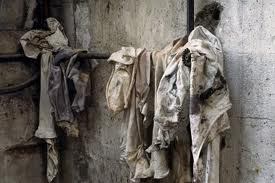
Our righteousness is like filthy rags due to our INIQUITIES – Isaiah 64:6

But we are all as an unclean thing, and all our righteousnesses are as filthy rags; and we all do fade as a leaf; and our iniquities, like the wind, have taken us away (Isaiah 64:6)

This is the famous “filthy rags” verse that sometimes is used as an attempt to support the idea that whatever we do – whether we are agnostics or christians – our best deeds are still viewed as filthy and unclean before God. But this is not what the verse is saying – particularly not if we view it in context. We can read that there are indeed people who wait for God and remember Him, and we can read about people who work righteousness. We can read about the REASON why certain people’s righteousness is like filthy rags before God and that it’s DUE TO INIQUITY. Sins always separate us from our Holy God. This is the entire context:

Isaiah 64:4For since the beginning of the world men have not heard, nor perceived by the ear, neither hath the eye seen, O God, beside thee, what he hath prepared for him that WAITETH for him5Thou meetest him that rejoiceth and WORKETH RIGHTEOUSNESS, those that REMEMBER thee in thy ways: behold, thou art wroth; for we have sinned: in those is continuance, and we shall be saved. 6But we are all as an unclean thing, and all our righteousnesses are as filthy rags; and we all do fade as a leaf; and our INIQUITIES, like the wind, HAVE TAKEN US AWAY. 7And there is none that calleth upon thy name, that stirreth up himself to take hold of thee: for thou hast hid thy face from us, and hast consumed us, BECAUSE OF OUR INIQUITIES. 8But now, O LORD, thou art our father; we are the clay, and thou our potter; and we all are the work of thy hand. 9Be not wroth very sore, O LORD, neither remember iniquity for ever: behold, see, we beseech thee, we are all thy people.

In the next chapter we can see more evidence of that it’s iniquities that cause God to view also our righteousness as filthy rags. There is no obligation to commit iniquities. God doesn’t want people to be rebellious and walk in a way that is unholy to him. We can read below that people walk after their own thoughts, provoke him to anger, offer sacrifices to false gods, make abominable things, blaspheme him, forsake him, refuse to answer him, refuse to hear him, make evil things before his eyes, do things he does not delight in, etc. People couldn’t possibly be predestined to “choose” something that God does not take delight in, so this must mean that people have a free will to obey or disobey God. The next chapter says:

Isaiah 65: 2I have spread out my hands all the day unto a REBELLIOUS people, which walketh in a way that was not good, AFTER THEIR OWN THOUGHTS; 3A people that PROVOKETH me to anger continually to my face; that sacrificeth in gardens, and burneth incense upon altars of brick; 4Which remain among the graves, and lodge in the monuments, which eat swine’s flesh, and broth of ABOMINABLE THINGS is in their vessels;— 7Your INIQUITIES, and the iniquities of your fathers together, saith the LORD, which have burned incense upon the mountains, and BLASPHEMING ME upon the hills: therefore will I measure their former work into their bosom.—11But ye are they that FORSAKE the LORD, that FORGET my holy mountain, that prepare a table for that troop, and that furnish the drink offering unto that number. 12THEREFORE will I number you to the sword, and ye shall all bow down to the slaughter: BECAUSE WHEN I CALLED, YE DID NOT ANSWER; when I spake, ye did not hear; but did EVIL BEFORE MY EYES, and did CHOOSE THAT WHEREIN I DELIGHTED NOT13Therefore thus saith the Lord GOD, Behold, my servants shall eat, but ye shall be hungry: behold, my servants shall drink, but ye shall be thirsty: behold, my servants shall rejoice, but ye shall be ashamed:

It also makes perfect sense that God isn’t impressed even with our good deeds if we at the same time perform shameful things in other areas of our lives. (And as we know obedience is better than offerings.) If we confess our sins and REPENT on the other hand, then we are CLEANSED and regarded as righteous before God since we have no sins on our account any more. But we will never be considered “righteous” as long as we live unrighteous lives. 

Our good works CAN please God IF we live righteously, and then they are NOT viewed as “filthy rags”:

Matthew 25:21His lord said unto him, Well done, thou good and faithful servant: thou hast been faithful over a few things, I will make thee ruler over many things: enter thou into the joy of thy lord.

Acts 10:34 Then Peter opened his mouth, and said, Of a truth I perceive that God is no respecter of persons: 35But in every nation he that feareth him, and WORKETH RIGHTEOUSNESS, is accepted with him.

2 Pet 2:7 And delivered just Lot, vexed with the filthy conversation of the wicked: 8(For that righteous man dwelling among them, in seeing and hearing, vexed HIS righteous soul from day to day with their unlawful deeds)

Rom. 2:Who will render to every man according to his deeds: 7To them who by patient continuance in well doing seek for glory and honour and immortality, eternal life:

Luke 6:45A good manout of the good treasure of his heart bringeth forth that which is good; and an evil man out of the evil treasure of his heart bringeth forth that which is evil: for of the abundance of the heart his mouth speaketh.

The better option is to live holy lives, because then we don’t provide “filthy rags” before God.

King David said “In sin did my MOTHER conceive me”, but it’s no support for a sinful nature Ps. 51:5

Behold, I was shapen in iniquity, and in sin did my mother conceive me (Ps. 51:5)

This verse concerns two people – King David and his mother*). No one else is spoken about so we can’t assume that all the people in the world are referred to here. The event spoken of is the conception of David and not the birth of David, and David is not saying that he was born as a sinner but possibly that his mother was in sin when she got pregnant. It could very well be that she was sinning when she conceived him, and a case could be made that this verse is talking about the defilement of David’s mother – because she was previously the wife (or concubine) of a heathen king.

The book of psalms is a poetic book and this means that it can be taken literally or figuratively depending on the context, so we must therefore be careful so we won’t end up starting a new doctrine based on pure poetry. It’s never a good idea to take a verse from Psalms, Proverbs or other poetic texts, to make a doctrine out of it which is contrary to other more clear verses in the Bible. We can reach all kinds of crazy conclusions with such methods. This particular verse in Psalms has often been used as an attempt to prove that David and ALL people under the sun are born in sin, but it fails miserably.

Some facts concerning David and his mother

David had two half-sisters (1 Chron. 2:13-16), and their father was not Jesse but Nahash (2 Sam. 17:25) who was an Ammonite king (1 Sam. 11:1). David’s mother might have been a second wife of Jesse. Perhaps the first wife of Jesse was considered superior to his second wife, because this would explain why David’s half brothers viewed themselves as superior to David and why David was not called before Samuel among the other sons – as he was possibly viewed as an illegitimate child (1 Sam. 16:11). We can speculate further that perhaps David’s mother was not married to Jesse when she became pregnant, or maybe she was still the concubine of, or married to Nahash when she conceived David. Moreover, we can’t rule out that it might be as per this story, reminding us about Jacob and Leah + her sister Rachel. If this story is applicable, then Jesse is indeed David’s father without even knowing it due to a sneaky plan carried out by his wife, and David’s brothers would regard him as an illegitimate and hated son of their mother. Either way, this poetic psalm simply cannot be used as support for that man is born with a sinful nature.

Psalm 69:8 I am become a stranger unto my brethren, and an alien unto my mother’s children.— 19 Thou hast known my reproach, and my shame, and my dishonour: mine adversaries are all before thee.—21 They gave me also gall for my meat; and in my thirst they gave me vinegar to drink.22 Let their table become a snare before them: and that which should have been for their welfare, let it become a trap.

David was not blaming his sin on his birth, but he was simply stating that even the circumstances related to his birth were surrounded by sin, and he also says that he was “wonderfully” and “marvelously” made by God in the womb (Ps. 139:13-14). David is in Psalms 51 speaking to the Lord but he is not trying to ask God for forgiveness for that he (David) had the nerve to be born with a sinful nature – because that would hardly be David’s fault. On the contrary, sin at birth would be something that he could blame God for IF it were true – which it isn’t.

Psalms 51 starts out saying

Psalm 51:1 Have mercy upon me, O God, according to thy lovingkindness: according unto the multitude of thy tender mercies blot out MY transgressions.2 Wash me throughly from MINE iniquity, and cleanse me from MY sin.3 For I acknowledge MY transgressions: and MY sin is ever before me. Against thee, thee only, have I sinned, and done this evil in thy sight: that thou mightest be justified when thou speakest, and be clear when thou judgest.

If a person has an intimate relationship and conceives against the law of God, whose sin is it? The person who conceives or the baby that is conceived? Clearly it’s the former since the one being conceived doesn’t have any choice in the matter – which our righteous God is well aware of. We are sinners when we break the law of God, and it’s not a sin to be conceived or to be born into this world – neither is it evil.

Psalms 51 goes on to say:

Psalm 51:7 Purge me with hyssop, and I shall be clean: wash me, and I shall be whiter than snow. 8Make me to hear joy and gladness; that the bones which thou hast broken may rejoice…

Few would read this in a LITERAL sense. Can hyssop really make our sins go away, and can broken bones rejoice? Poetry might speak the whole truth or it might mirror the truth poetically. David was in jeopardy of losing the Spirit, because God had broken the covenant with him:.

Psalm 51:11 “Cast me not away from thy presence; AND TAKE NOT THY HOLY SPIRIT FROM ME.” 

In Ps. 51:14 David is talking about “bloodguiltyness”, and it’s possible that he compares himself with his mother who also sinned in a similar way during his conception. This could explain his comparison with his mother in the previous verses.

Also compare with these verses:

Psalm 22:But thou art he that took me out of the womb: thou didst make me hope when I was upon my mother’s breasts.10 I was cast upon thee from the womb: thou art my God from my mother’s belly.

Psalm 139:14 I will praise thee; for I am fearfully and wonderfully made: marvellous are thy works; and that my soul knoweth right well.

None of the early church fathers the first 250+ years AD (with no exception) taught that man is born with a sinful nature (which you can read in this article with quotes from Ignatius, Irenaeus, etc) and the popularity of the idea of original sin can actually be traced back to Augustine (a former gnostic) and blamed on him. If neither the Bible nor the old church fathers taught original sin, but the contrary, we know we are on the wrong path if we still teach it.

Do read my blog post about Romans 5 (and the non-existent sinful nature) in this article

*) According to Midrashim, King David’s mother was Nitzebet.

The prodigal son went from being alive, to lost, to alive again – Luke 15

Some suggest that since the prodigal son never stopped being the son of his Father, this  means that his life was never in real danger. But is this true? There are parents who have indeed disinherited a child for various reasons. Maybe there are parents out there, hoping their son will return back to them and ask for forgiveness for having rejected them, but if not they might decide to disinherit him. Some also suggest that this parable is about jews/gentiles, but parables can have double meanings. We can learn a lot by this parable:

  • The prodigal son was spiritually DEAD during his absence, but he still made a good moral decision to return to his Father. No one forced the son to return, but he made this own decision.

  • The prodigal son REPENTED and this is what the parable is all about. He realized he had sinned and planned what he would say to his Father when he returned back home, which he also effectuated. His Father accepted his excuse and forgave him which he was always prepared to do. Even if our sins are red as crimson they can be white as snow. Just before the long parable about the prodigal son, we can see the two previous parables ending with:

     7I say unto you, that likewise joy shall be in heaven over one sinner that repenteth, more than over ninety and nine just persons, which need no repentance.

  • 10Likewise, I say unto you, there is joy in the presence of the angels of God over one sinner that repenteth.

  • The prodigal son went from being 1) alive, to 2) dead, to 3) alive again since we can read: “for this thy brother was dead, and is alive AGAIN; and was lost, and is found”. His own Father declared his son lost and DEAD while he was away living in sin, so it didn’t help this son at all to still be the physical son of his Father when he was still lost and dead while away.

  • Naturally a person who lives in unrepentant sin, such as fornication and idolatry, can’t be on his way to heaven. The prodigal son obeyed sin, which means he was a slave to sin and thus a SINNER. We are slaves to whom we obey and nothing impure shall enter heaven. Sinning will always separate us from God and the only solution is repentance.

  • The Father didn’t travel around to look for his son or forced him to come back. He stayed at home, hoping he would return. The son was the one who took the initiative to return and not the Father, but when the son did return the Father rushed out to meet him. There is joy in the presence of the angels of God over one sinner that repenteth!

  • The other brother didn’t lose anything financially by the return of his brother, because everything that his Father owned was already his. He could have taken the chance to be joyful about the return of his brother and that he came back to life.

  • Surely we must agree on that the prodigal son is a good example of a person who was sowing to his flesh while he was away living in sin with prostitutes? What does the Bible say about the spiritual state of such a sinner? :


Galatians 6:8For he that soweth to his flesh shall of the flesh reap CORRUPTION; but he that soweth to the Spirit shall of the Spirit reap LIFE EVERLASTING. 

Corruption is contrary to life everlasting so we should not deceive ourselves into thinking that we are still saved even though we live according to the flesh. The prodigal son sinned together with harlots, so if he had died while still being unrepentant he would never have made it to heaven. Unless you believe unrepentant sinners can enter the Kingdom of God.

The entire parable

24For this my son WAS DEAD, and is ALIVE AGAIN; he WAS LOST, and is FOUND. And they began to be merry. 

 32 It was meet that we should make merry, and be glad: for this thy brother WAS DEAD, and is ALIVE AGAIN; and WAS LOST, and IS FOUND.

Luke 15:10Likewise, I say unto you, there is joy in the presence of the angels of God over one sinner that repenteth.11And he said, A certain man had two sons: 12And the younger of them said to his father, Father, give me the portion of goods that falleth to me. And he divided unto them his living. 13And not many days after the younger son gathered all together, and took his journey into a far country, and there wasted his substance with riotous living. 14And when he had spent all, there arose a mighty famine in that land; and he began to be in want. 15And he went and joined himself to a citizen of that country; and he sent him into his fields to feed swine. 16And he would fain have filled his belly with the husks that the swine did eat: and no man gave unto him. 17And when he came to himself, he said, How many hired servants of my father’s have bread enough and to spare, and I perish with hunger! 18I will arise and go to my father, and will say unto him, Father, I have sinned against heaven, and before thee, 19And am no more worthy to be called thy son: make me as one of thy hired servants. 20And he arose, and came to his father. But when he was yet a great way off, his father saw him, and had compassion, and ran, and fell on his neck, and kissed him. 21And the son said unto him, Father, I have sinned against heaven, and in thy sight, and am no more worthy to be called thy son. 22But the father said to his servants, Bring forth the best robe, and put it on him; and put a ring on his hand, and shoes on his feet: 23And bring hither the fatted calf, and kill it; and let us eat, and be merry: 24For this my son was dead, and is alive again; he was lost, and is found. And they began to be merry. 25Now his elder son was in the field: and as he came and drew nigh to the house, he heard musick and dancing. 26And he called one of the servants, and asked what these things meant. 27And he said unto him, Thy brother is come; and thy father hath killed the fatted calf, because he hath received him safe and sound. 28And he was angry, and would not go in: therefore came his father out, and intreated him. 29And he answering said to his father, Lo, these many years do I serve thee, neither transgressed I at any time thy commandment: and yet thou never gavest me a kid, that I might make merry with my friends: 30But as soon as this thy son was come, which hath devoured thy living with harlots, thou hast killed for him the fatted calf. 31And he said unto him, Son, thou art ever with me, and all that I have is thine. 32It was meet that we should make merry, and be glad: for this thy brother was dead, and is alive again; and was lost, and is found.

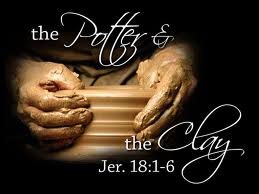
The potter acts depending on the clay – we have a free will – Romans 9

Hath not the POTTER power over the clay, of the same lump to make one vessel unto honour, and another unto dishonour? Rom. 9:21

We are often told that we are like clay in a potter’s hand, as though we have no free will of our own but turn out exactly as the potter (God) wants us to turn out. IF that idea is true, then we can only blame GOD ALONE if we turn out as murderers and thieves. We would be poor victims in the hands of the evil potter since WE didn’t ask to become murderers and thieves, and we apparently have no say in the matter if the case is that the potter alone makes the decisions and also implements them.  CLEARLY this is not the picture the Bible gives us, since all of us are expected to obey God’s commandments which are NOT too grievous for us to keep, and WE are responsible for each one of our transgressions. If God is the one who decides how we will turn out, why doesn’t he make us ALL vessels unto honor? What interest would he possibly have to purposely make some of us into bad vessels? Doesn’t God want us to be obedient and godly human beings? Of course he does. The vessels of mercy are “afore prepared“, and the vessels of wrath are “fitted/prepared” for destruction (two different Greek words), which means that the verse doesn’t tell us that God prepared beforehand to destroy a certain amount of people – unless of course they themselves sinned and caused their own demise. People who have chosen to be wicked are those who are fitted for destruction, and hell awaits them for their unfortunate choice to be wicked.

2 Tim. 2:21 tells us that MAN is expected to PURGE HIMSELF from the vessels of dishonor, and if he does he will be a vessel unto HONOR. Man is expected to recover himself out of the snare of the devil, and he can do this through obeying the instructions we can read about below:

2 Tim 2:20 But in a great house there are not only vessels of gold and of silver, but also of wood and of earth; and some to honour, and some to dishonour. 21 If a man therefore PURGES HIMSELF from these, he shall be a vessel unto HONOUR, sanctified, and meet for the master’s use, and prepared unto every good work.22Flee also youthful lusts: but follow righteousness, faith, charity, peace, with them that call on the Lord out of a pure heart. 23But foolish and unlearned questions avoid, knowing that they do gender strifes. 24And the servant of the Lord must not strive; but be gentle unto all men, apt to teach, patient, 25In meekness instructing those that oppose themselves; if God peradventure will give them repentance to the acknowledging of the truth; 26And that they may recover themselves out of the snare of the devil, who are taken captive by him at his will. 

So man is asked to 1) purge himself from the vessels of dishonour, 2) flee from youthful lusts, 3) follow righteousness, faith, charity, peace, etc, 4) avoid foolish and unlearned questions, 5) instruct in meekness those who oppose themselves, 6) leading to that they will recover themselves out of the snare of the devil by doing so. Lots for us to DO.

Read also below in Jeremiah 18 that the vessel that the potter made of clay was MARRED in his hands. Is it likely that a potter wants the clay he is working with to be MARRED? Clearly not. A potter hopes the clay will cooperate and turn out as planned. If the clay doesn’t cooperate and refuses to turn out as hoped, then the only rightful place for the clay is on the scrap heap. All useless clay has fitted themselves for destruction, just like a murderer’s proper place is in jail (or in the electric chair). This however doesn’t mean we want clay to be useless or people to turn out as murderers. Read also the many IF:s involved in the text. God reacts depending on OUR actions:

Jeremiah 18
1The word which came to Jeremiah from the LORD, saying, 2Arise, and go down to the potter’s house, and there I will cause thee to hear my words. 3Then I went down to the potter’s house, and, behold, he wrought a work on the wheels. 4And the vessel that he made of clay WAS MARRED in the hand of the potter: so he made it again ANOTHER VESSEL, as seemed good to the potter to make it. 5Then the word of the LORD came to me, saying, 6O house of Israel, cannot I do with you as this potter? saith the LORD. Behold, as the clay is in the potter’s hand, so are ye in mine hand, O house of Israel.  7At what instant I shall speak concerning a nation, and concerning a kingdom, to pluck up, and to pull down, and to destroy it;  8IF that nation, against whom I have pronounced, turn from their evil, I WILL REPENT of the evil that I thought to do unto them.  9And at what instant I shall speak concerning a nation, and concerning a kingdom, to build and to plant it; 10If it do evil in my sight, that it obey not my voice, then I WILL REPENT of the good, wherewith I said I would benefit them. 11Now therefore go to, speak to the men of Judah, and to the inhabitants of Jerusalem, saying, Thus saith the LORD; Behold, I frame evil against you, and devise a device against you: return ye now every one from his evil way, and make your ways and your doings good.12And they said, There is no hope: but we will walk after our own devices, and we will every one do the imagination of his evil heart.

Below is more information about the clay and the potter, and we can read that men have “removed” their hearts from God. Bad choice on their part. They will have to take the consequences for their actions. 

Is. 29:13 Wherefore the Lord said, Forasmuch as this people draw near me with their mouth, and with their lips do honour me, but have removed their heart far from me, and their fear toward me is taught by the precept of men: 14Therefore behold, I will proceed to do a marvelous work among this people, even a marvelous work and a wonder: for the wisdom of their wise men shall perish, and the understanding of their prudent men shall be hid. 15Woe unto them that seek deep to hide their counsel from the Lord, and their works are in the dark, and they say, Who seeth us? and who knoweth us? 16Surely your turning of things upside down shall be esteemed as the potter’s clay: for shall the work say of him that made it, He made me not? or shall the thing framed say of him that framed it, He had no understanding?

The rhetorical question asked of the prophet is not whether the clay can talk back to the potter, but whether it ought to talk back to him. Surely we must agree on that people HAVE spoken back to God numerous times in history? Both angels and men have even rebelled against God on several occasions, so we CAN indeed speak back against God. The point is that we shouldn’t and WE must then take the consequences for not conforming to God’s will. Romans 9 is about God’s right to bring about his plan of salvation in the way he wants, which means to open up also for gentiles to be saved, upon the condition of FAITH and not the ceremonial law. God therefore has his full right to reject those with no faith and/or bad fruit, and welcome those who have faith and show good fruit. That is his prerogative. We wouldn’t read words such as “endured with much longsuffering” in this text unless there is synergism involved.

Romans 9:20Nay but, O man, who art thou that repliest against God? Shall the thing formed say to him that formed it, Why hast thou made me thus?21Hath not the potter power over the clay, of the same lump to make one vessel unto honour, and another unto dishonour?22What if God, willing to shew his wrath, and to make his power known, endured with much longsuffering the vessels of wrath fitted to destruction:23And that he might make known the riches of his glory on the vessels of mercy, which he had afore prepared unto glory,24Even us, whom he hath called, not of the Jews only, but also of the Gentiles?25As he saith also in Osee, I will call them my people, which were not my people; and her beloved, which was not beloved. 26And it shall come to pass, that in the place where it was said unto them, Ye are not my people; there shall they be called the children of the living God.

It doesn’t say in Rom. 9:22 that GOD is the one who “fitted” people for destruction. Some people are in fact heading for hell due to their destructive way of living, and they are then fitted (prepared) for destruction, and that’s their own doing. God hopes that they will repent for their sins and live, so he shows much long-suffering for such sinners, fitted for destruction, not wanting anyone to perish The verse should read: “What if God…who endured with much patience vessels of wrath which fitted themselves for destruction…

Ez. 18:31 Cast away from you all your transgressions, whereby ye have transgressed; and make you a new heart and a new spirit: for  why will ye die, O house of Israel? 

Ez.33:11 Say unto them, As I live, saith the Lord God, I have no pleasure in the death of the wicked; but that the wicked turn from his way and live: turn ye, turn ye from your evil ways; for why will ye die, O house of Israel?

The seed on stony ground which produces LIFE – Mark 4:16

True believers can believe for a while and fall away  

“Fall away” is a translation from the Greek word “skandalizo”. 

Mark 4:16-17 These likewise are the ones sown on stony ground who,  when they hear the word, immediately RECEIVE it with gladness; and they have no root in themselves, and so ENDURE only FOR A TIME. Afterward, when tribulation or persecution arises for the word’s sake, immediately they STUMBLE (skandalizontai).

The Greek word translated as “receive” is the same Greek word below, also translated as “receive”.

John 1:12 But as many as RECEIVED Him, to them He gave the right to become “children of God… 

John 13:20 Most certainly I tell you, he who receives whomever I send, receives me; and he who receives me, receives him who sent me.” 

Rom 5:11 Not only so, but we also rejoice in God through our Lord Jesus Christ, through whom we have now received the reconciliation. 

1 Cor 2:12 But we received, not the spirit of the world, but the Spirit which is from God, that we might know the things that were freely given to us by God.

The stony ground hearers were children of God as they endured for a time. The Greek word translated as “stumble” could also be translated as “fall away”. How can the stony ground hearers fall away from something they were never in? We see that these people heard the word, received the word and endured for a time, so these were genuine converts who stumbled due to persecution. Also below verses talk about a “falling away” based on “skandalizo”. 

 Matthew 24:9Then shall they deliver you up to be afflicted, and shall kill you: and ye shall be hated of all nations for my name’s sake. 10And then shall many be offended, and shall betray one another, and shall hate one another.

Matt. 5:29And if thy right eye offend thee, pluck it out, and cast it from thee: for it is profitable for thee that one of thy members should perish, and not that thy whole body should be cast into hell. 30And if thy right hand offend thee, cut it off, and cast it from thee: for it is profitable for thee that one of thy members should perish, and not that thy whole body should be cast into hell.

Matt 26: 31Then saith Jesus unto them, All ye shall be offended because of me this night: for it is written, I will smite the shepherd, and the sheep of the flock shall be scattered abroad. 32But after I am risen again, I will go before you into Galilee. 33Peter answered and said unto him, Though all men shall be offended because of thee, yet will I never be offended. 34Jesus said unto him, Verily I say unto thee, That this night, before the cock crow, thou shalt deny me thrice. 35Peter said unto him, Though I should die with thee, yet will I not deny thee. Likewise also said all the disciples.

1 Cor. 8:11And through thy knowledge shall the weak brother perish, for whom Christ died? 12But when ye sin so against the brethren, and wound their weak conscience, ye sin against Christ. 13Wherefore, if meat make my brother to offend, I will eat no flesh while the world standeth, lest I make my brother to offend.

We can get confirmation from yet other verses that there will indeed be people who will end up in apostasy (apostasia) in the end of times:

2 Thess. 2:3Let no man deceive you by any means: for that day shall not come, except there come a falling away first, and that man of sin be revealed, the son of perdition;

1 Tim. 4:1Now the Spirit speaketh expressly, that in the latter times some shall depart from the faith, giving heed to seducing spirits, and doctrines of devils;

The same parable is very similar in Luke and Matthew:

Luke 8:6And some fell upon a rock; and as soon as it was sprung up, it withered away, because it lacked moisture.

Luke 8:13They on the rock are they, which, when they hear, receive the word with joy; and these have no root, which for a while BELIEVE, and in time of temptation fall away.

Matt. 13: 20But he that received the seed into stony places, the same is he that heareth the word, and anon with joy receiveth it; 21Yet hath he not root in himself, but dureth for a while: for when tribulation or persecution ariseth because of the word, by and by he is offended.

Since the seed sprung up it shows it produced a plant (life) and we can read that the hearer believed for a while. Something can’t “wither” unless it had life to start with. The word for BELIEVE is pisteuó and is also used in many other verses, such as these:

John 3:18  For God so loved the world, that he gave his one and only Son, that whoever believes in him should not perish, but have eternal life.

John 3:36: One who believes in the Son has eternal life, but one who disobeys the Son won’t see life, but the wrath of God remains on him.

John 5:24 Most certainly I tell you, he who hears my word, and believes him who sent me, has eternal life, and doesn’t come into judgment, but has passed out of death into life.

John 6:35 Jesus said to them, “I am the bread of life. He who comes to me will not be hungry, and he who believes in me will never be thirsty.”

John 6:40 This is the will of the one who sent me, that everyone who sees the Son, and believes in him, should have eternal life; and I will raise him up at the last day.

John 7:38 He who believes in me, as the Scripture has said, from within him will flow rivers of living water.

John 11:25 Jesus said to her, “I am the resurrection and the life. He who believes in me will still live, even if he dies.”

John 12: 46 I have come as a light into the world, that whoever believes in me may not remain in the darkness.

John 14:12 Most certainly I tell you, he who believes in me, the works that I do, he will do also; and he will do greater works than these, because I am going to my Father.